Fiber Optic Perimeter Security in Egypt: Perimeter Security for the Suez Canal and Critical Infrastructure in Egypt

Fiber optic intrusion detection for the world's most critical shipping chokepoint, the New Administrative Capital, and Zohr Gas Field infrastructure

Applications

Perimeter Security Fiber Optics Ideal for Applications in Egypt

FortSense Solar & Renewables

Solar & Renewables

Perimeter Security Fiber Optics

Solar & Renewables

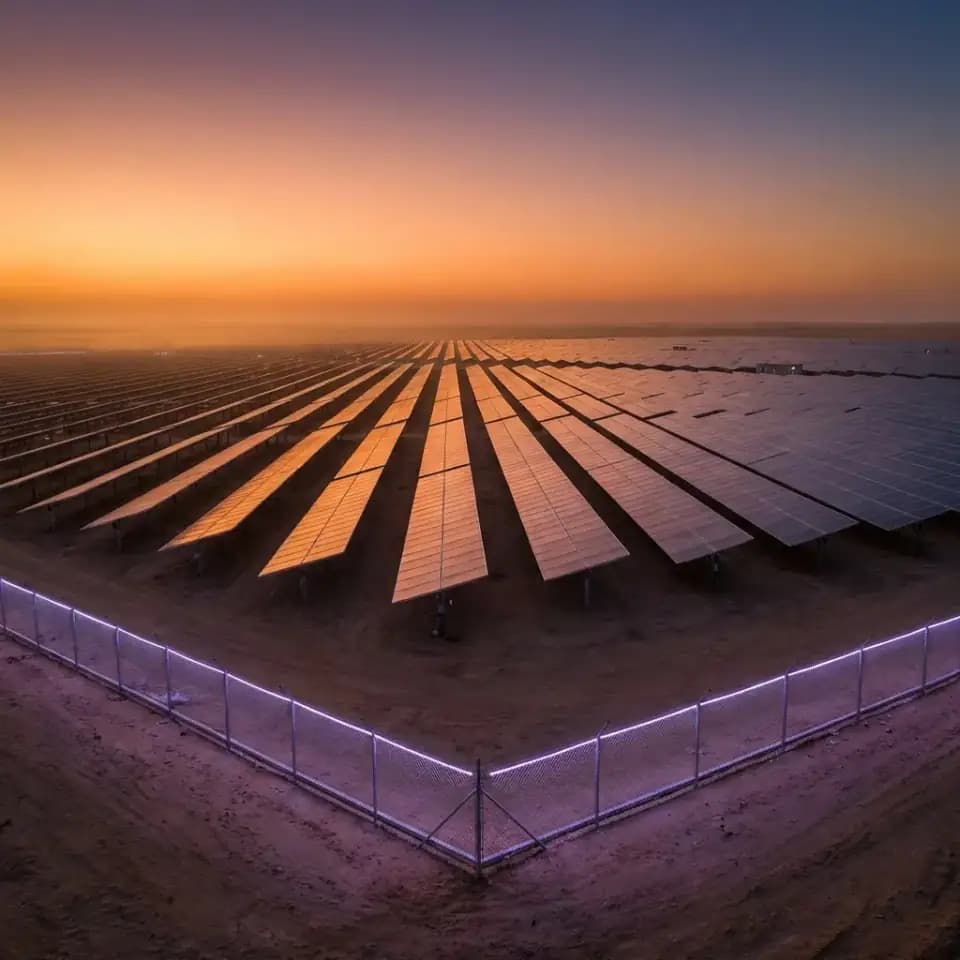
Autonomous perimeter monitoring for solar plants, protecting against theft of panels, copper cables, and inverters.

Ideal for applications in Egypt

FortSense Oil & Gas

Oil & Gas

Perimeter Security Fiber Optics

Oil & Gas

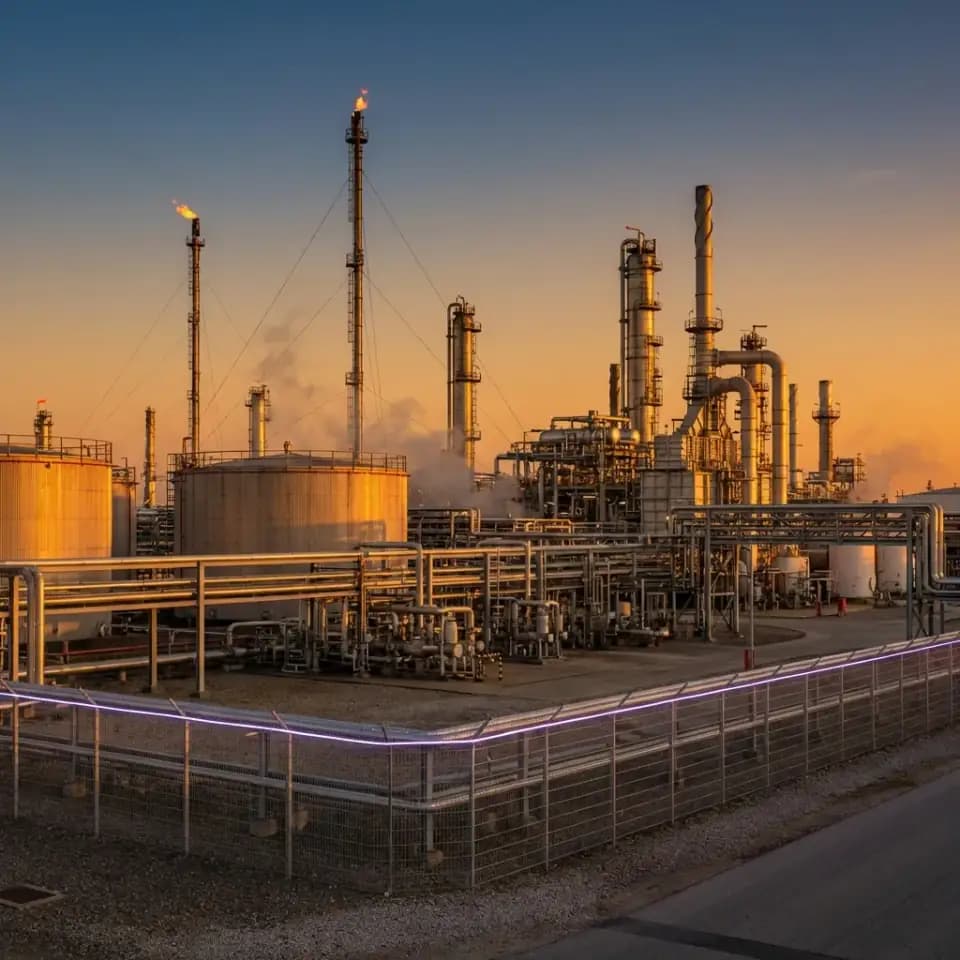
Intrinsically safe perimeter detection for refineries, chemical plants, and fuel storage depots.

Ideal for applications in Egypt

FortSense Ports & Maritime

Ports & Maritime

Perimeter Security Fiber Optics

Ports & Maritime

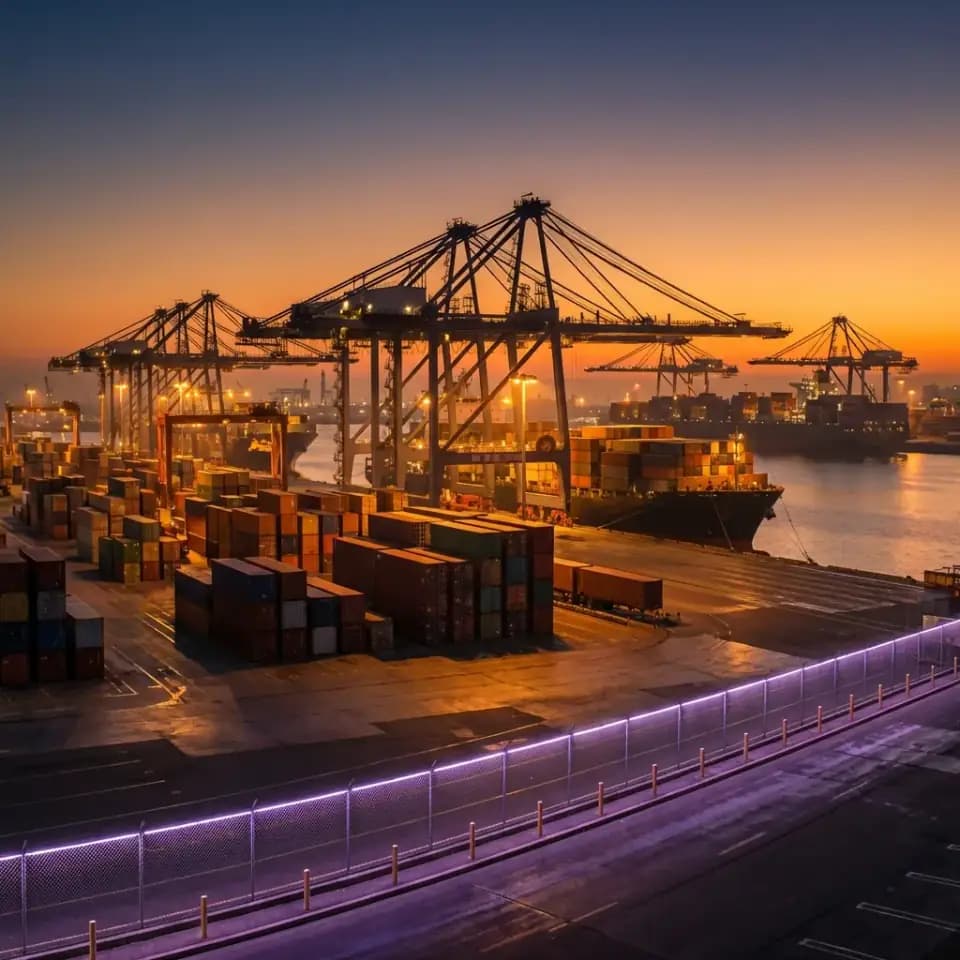
ISPS-compliant security for cargo containers, fuel depots, and docked vessels in harsh marine environments.

Ideal for applications in Egypt

FortSense Agriculture

Agriculture

Perimeter Security Fiber Optics

Agriculture

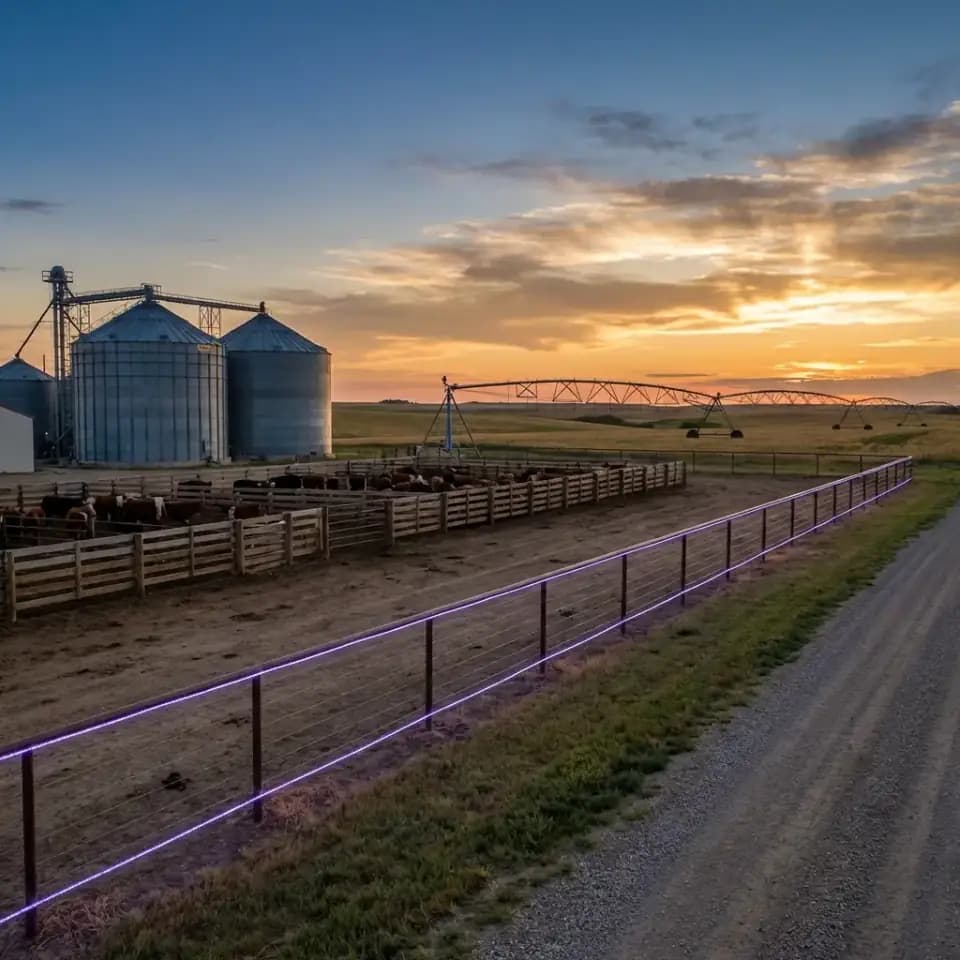
Fire detection and security for farms, livestock pens, pivot irrigation systems, and rural assets.

Ideal for applications in Egypt

FortSense Financial Sector

Financial Sector

Perimeter Security Fiber Optics

Financial Sector

High-security perimeter protection for banks, vaults, administrative centers, and ATM areas.

Ideal for applications in Egypt

FortSense Residential Condominiums

Residential Condominiums

Perimeter Security Fiber Optics

Residential Condominiums

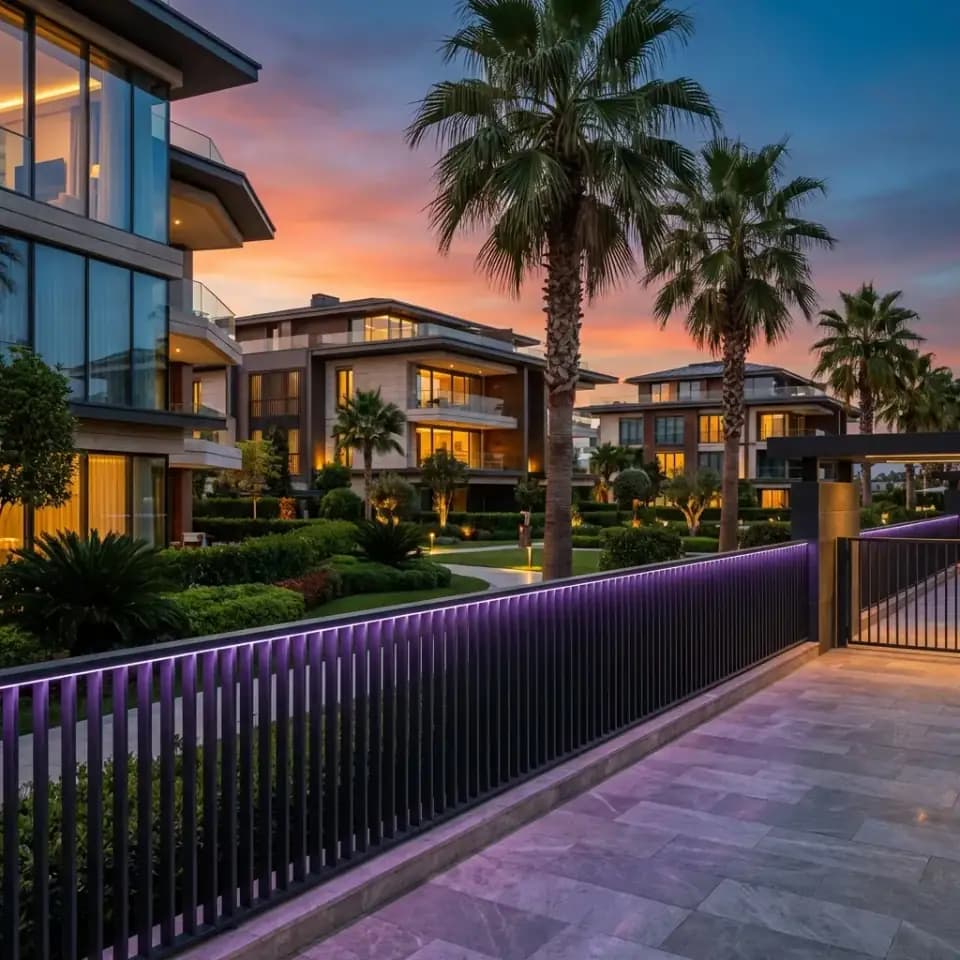
Invisible security for gated communities and apartment complexes, preserving aesthetics while detecting intrusions.

Ideal for applications in Egypt

FortSense Distribution Centers

Distribution Centers

Perimeter Security Fiber Optics

Distribution Centers

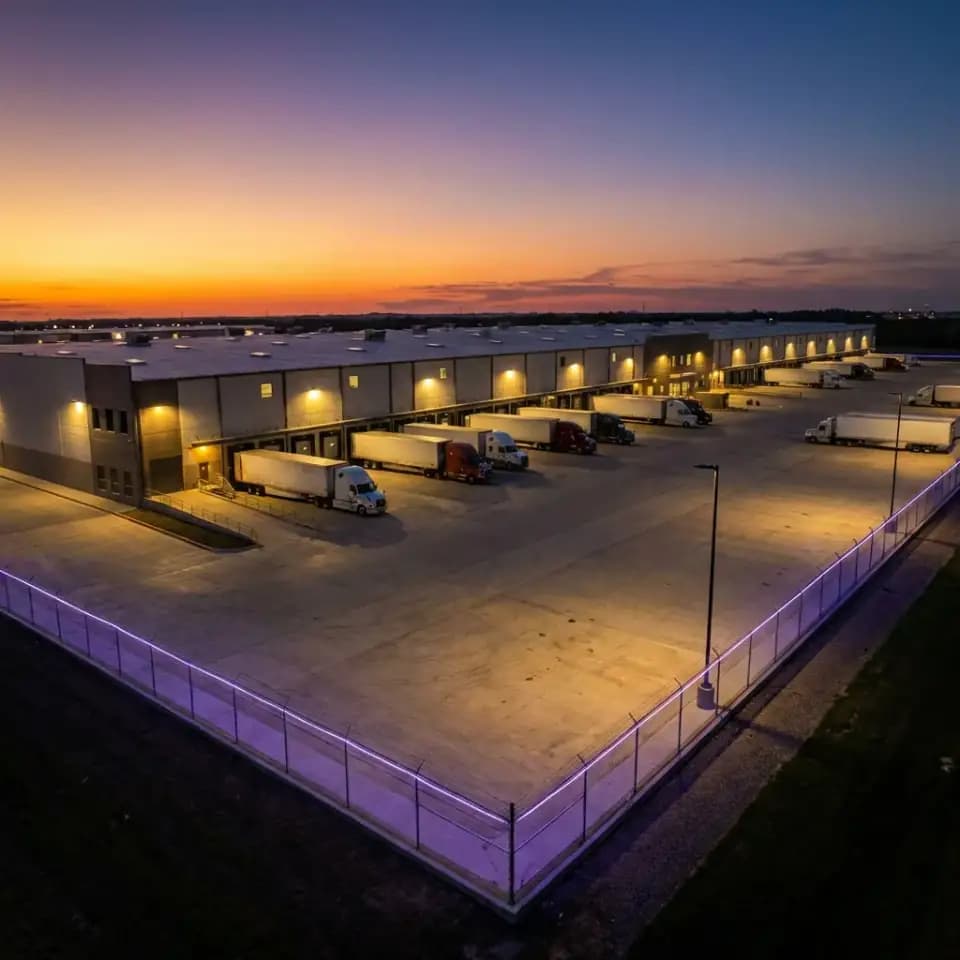
Security for logistics parks, warehouses, and high-value storage areas, meeting TAPA security standards.

Ideal for applications in Egypt

FortSense Critical Infrastructure

Critical Infrastructure

Perimeter Security Fiber Optics

Critical Infrastructure

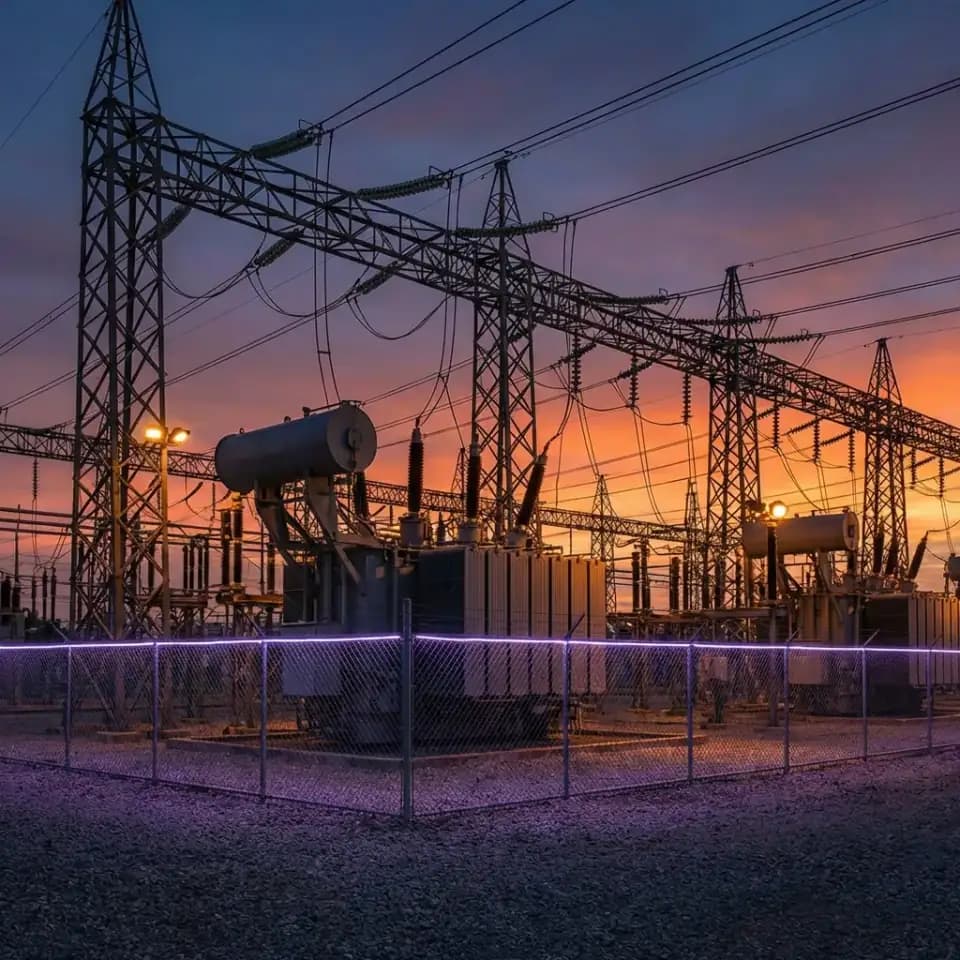
EMI-immune monitoring for electrical substations, telecom towers, and unmanned critical assets.

Ideal for applications in Egypt

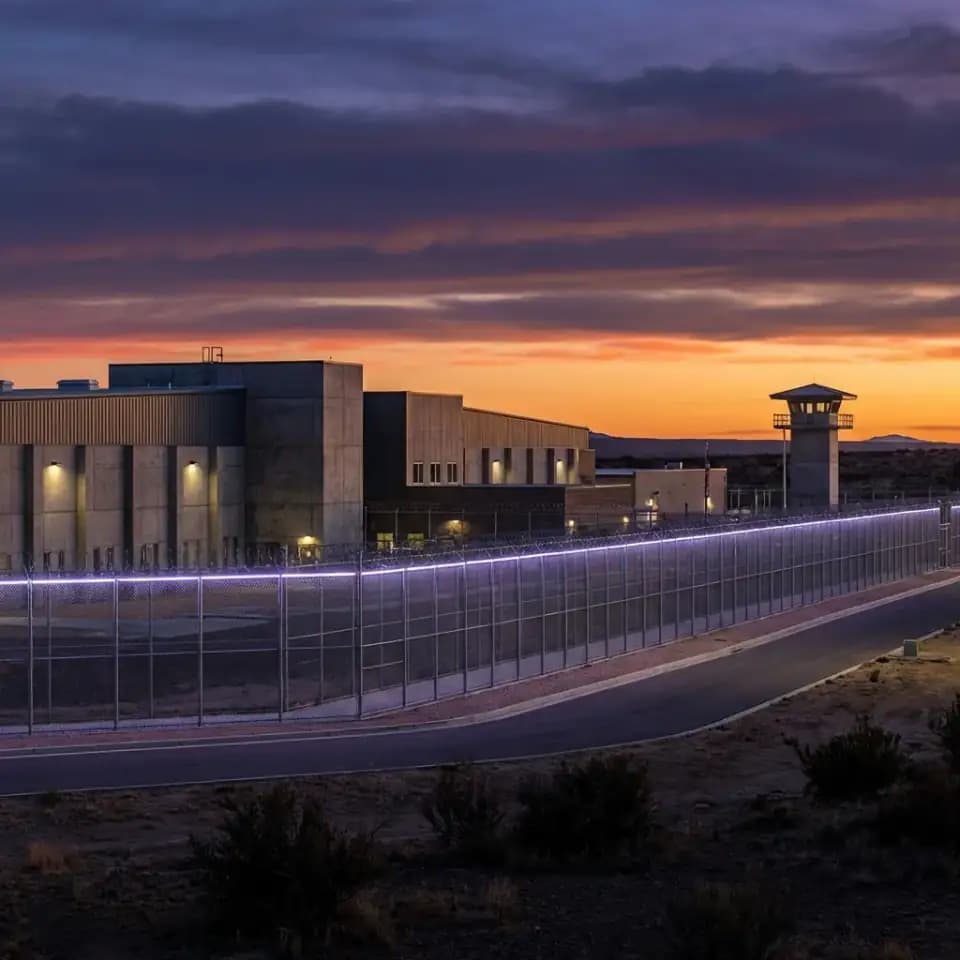
FortSense Corrections & Prisons

Corrections & Prisons

Perimeter Security Fiber Optics

Corrections & Prisons

Zero-tolerance perimeter security for correctional facilities, detecting escape attempts and breaches.

Ideal for applications in Egypt

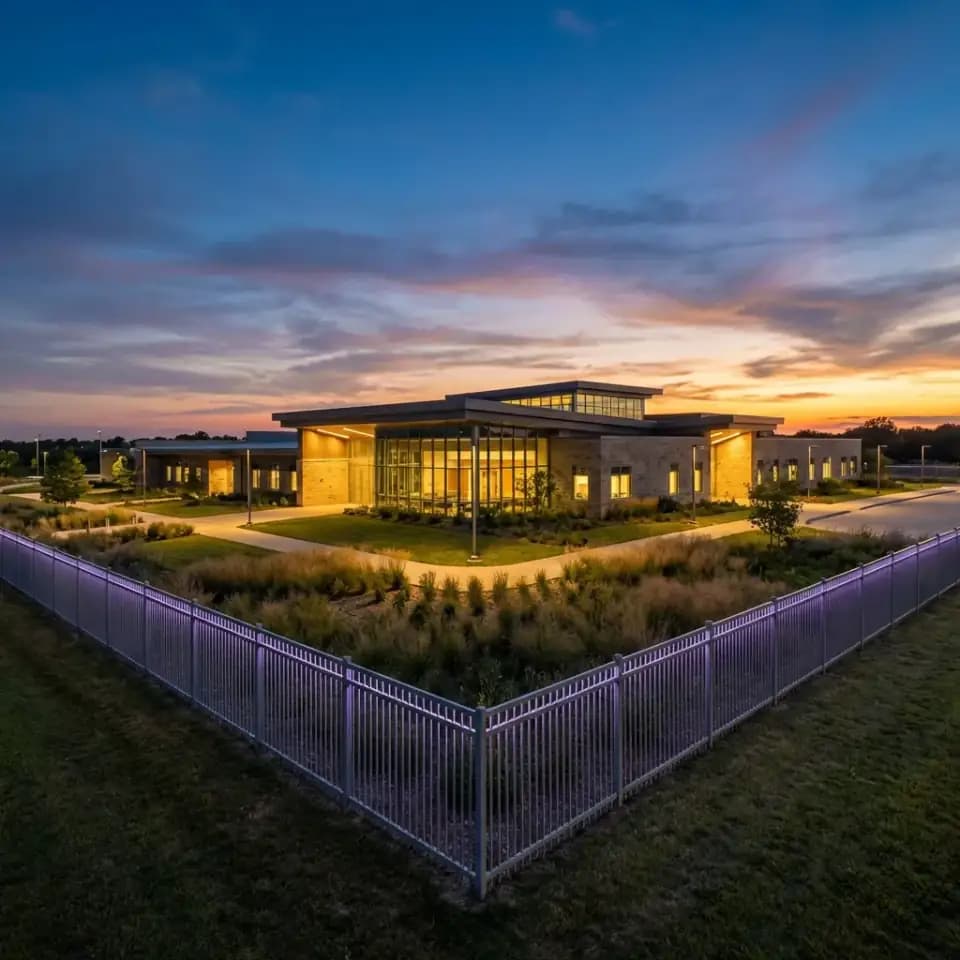
FortSense Public Sector & Schools

Public Sector & Schools

Perimeter Security Fiber Optics

Public Sector & Schools

Non-invasive security for schools, government buildings, and public facilities with rapid lockdown protocols.

Ideal for applications in Egypt

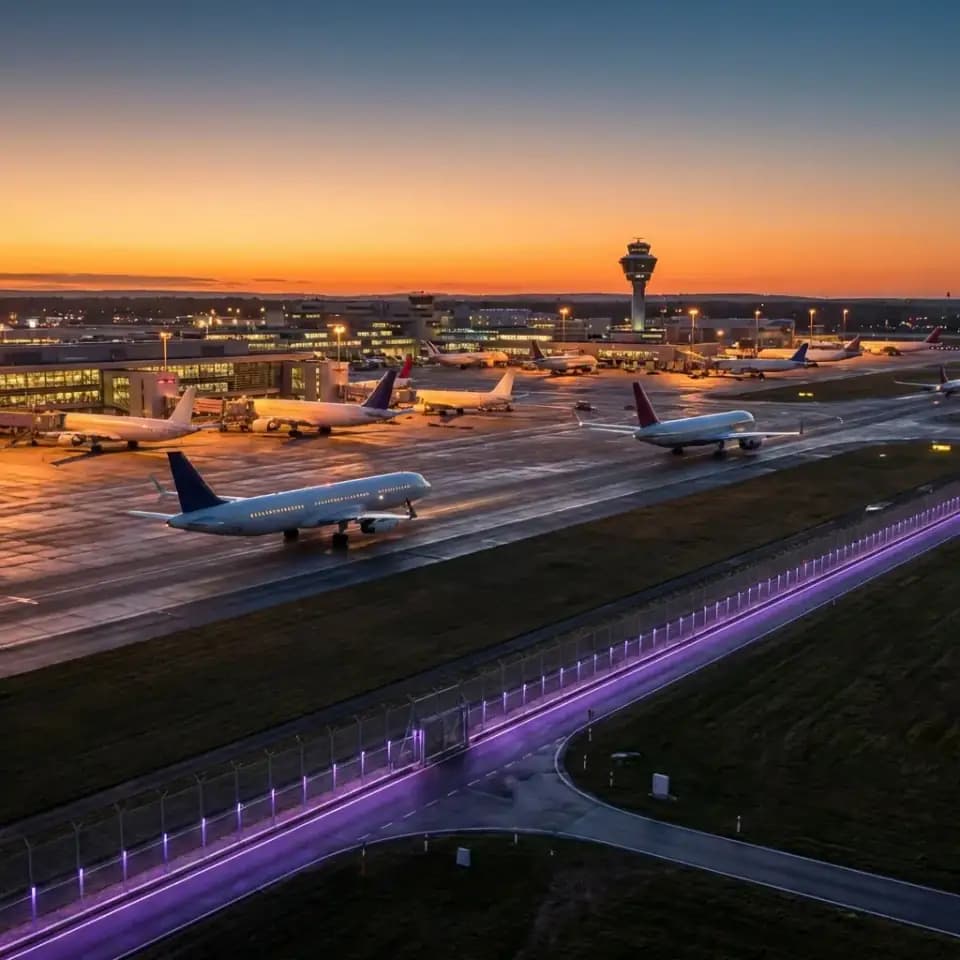
FortSense Perimeter Security for Airports

Perimeter Security for Airports

Perimeter Security Fiber Optics

Perimeter Security for Airports

ICAO-compliant sterile zone enforcement with zero interference to airport radar and navigation systems.

Ideal for applications in Egypt

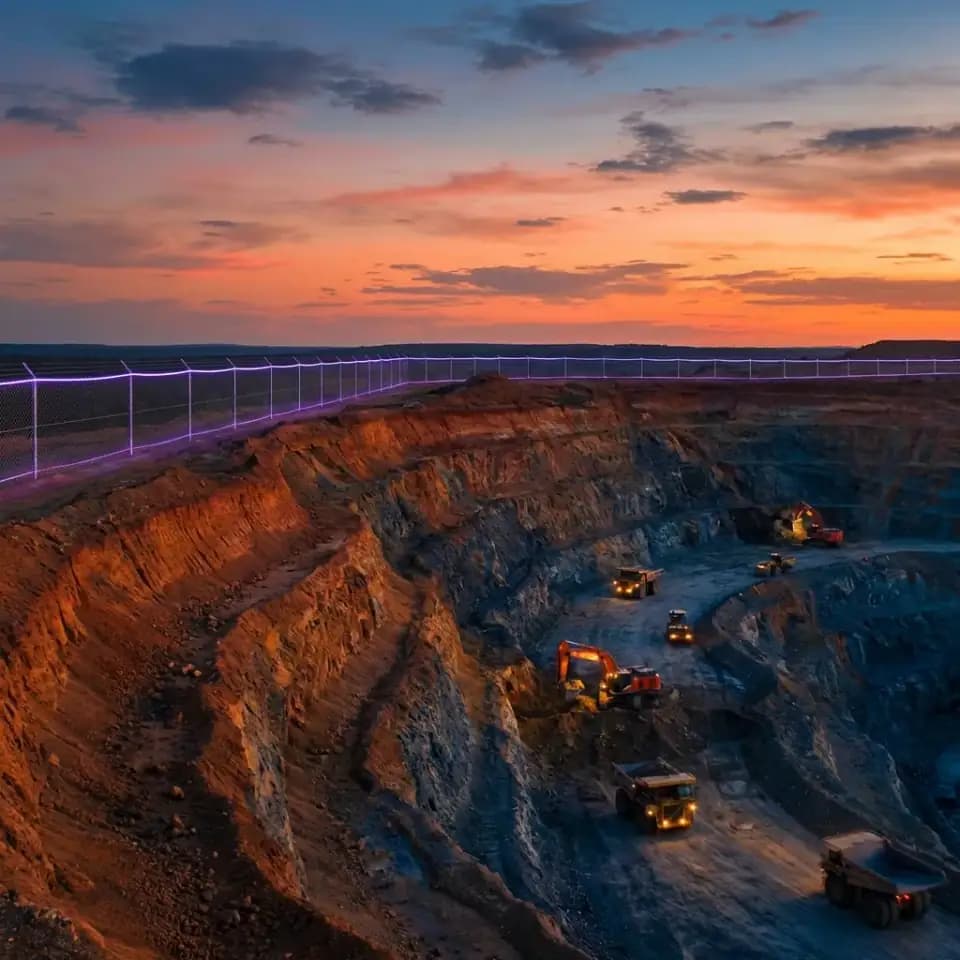
FortSense Mining Operations

Mining Operations

Perimeter Security Fiber Optics

Mining Operations

Ruggedized perimeter security for open-pit mines, ore stockpiles, and remote mining infrastructure.

Ideal for applications in Egypt

Local service overview

Perimeter Security for the Suez Canal and Critical Infrastructure in Egypt

Fiber optic PIDS for protecting the Suez Canal, Egypt's New Administrative Capital, and oil and gas infrastructure across the most populous Arab country.

Egypt occupies one of the most strategically significant positions in global commerce, anchored by the Suez Canal — a 193-kilometer waterway that handles 12 to 15 percent of world trade, approximately 50 ships per day, and generates billions of dollars in annual transit fees. The canal's security is not merely a national priority but a global one: disruption would force vessels on a 6,000-kilometer detour around the Cape of Good Hope, with cascading impacts on supply chains, energy markets, and commodity prices worldwide.

The Suez Canal Economic Zone (SCZone), centered on the port of Ain Sokhna, is Egypt's ambitious bid to transform the canal corridor from a transit route into an industrial and logistics hub.

Egypt is simultaneously undertaking one of the largest infrastructure programs in the developing world. The New Administrative Capital (NAC), a $58-billion city being built east of Cairo, will house government ministries, foreign embassies, financial institutions, and residential communities across an area of 700 square kilometers. The Zohr Gas Field, discovered by Eni in 2015 in the Mediterranean, is the largest gas field in the region and a cornerstone of Egypt's energy security.

The Benban Solar Park, one of the world's largest solar installations, and the El-Dabaa Nuclear Power Plant (under construction by Rosatom) represent Egypt's energy diversification strategy. The Aswan High Dam continues to regulate the Nile and generate hydroelectric power.

The Suez Canal's physical infrastructure encompasses far more than the waterway itself. The canal's banks, approach channels, staging areas, port facilities at Port Said and Suez, the New Suez Canal parallel channel, and the SCZone's industrial facilities present an extensive security perimeter that spans the Sinai Peninsula and the Egyptian mainland. The New Administrative Capital's government district — where the presidency, parliament, and ministries will be located — requires perimeter security of the highest tier, equivalent to sovereign government compounds worldwide.

Egypt's oil and gas infrastructure — EGPC (Egyptian General Petroleum Corporation) facilities across the Western Desert, Mediterranean offshore platforms, Gulf of Suez production sites, the Mostorod refinery (Egyptian Refining Company), and the network of pipelines connecting them — represents billions of dollars in installed capital. Cairo International Airport, Africa's second-busiest, and the expanding port facilities at Port Said East add to the critical infrastructure requiring protection.

Egypt's security environment is shaped by the ongoing Sinai Peninsula insurgency, where Islamic State-affiliated groups (Wilayat Sinai) have conducted sustained attacks on military and civilian targets, including pipeline bombings, checkpoint assaults, and the catastrophic 2017 Rawda mosque attack that killed 311 people. While mainland Egypt is generally more stable, the threat of terrorism against iconic targets — tourist sites, government buildings, foreign embassies, critical infrastructure — remains elevated.

Pipeline and gas infrastructure attacks in the Sinai have disrupted energy exports to Jordan and Israel.

The New Administrative Capital's security requires perimeter protection against a spectrum of threats from terrorism to political protest. Oil field and refinery security in the Western Desert operates in an austere environment where vast distances and limited surveillance create vulnerabilities. Cross-border smuggling from Libya and the Gaza Strip, political instability risk, and power grid protection against both physical attack and sabotage complete a threat profile of exceptional breadth and severity.

FortSense fiber optic PIDS technology is inherently suited to Egypt's environment and security requirements. The arid desert climate — extreme heat reaching 40 to 50 degrees Celsius in Upper Egypt, minimal rainfall, intense sandstorms driven by Khamsin winds from March to May, and extreme UV radiation — destroys electronic sensor systems through heat degradation, sand infiltration, and UV damage.

Fiber optic cables are completely immune to all of these environmental factors, maintaining detection sensitivity across temperature ranges from cool desert nights to extreme daytime heat without any degradation or calibration drift.

For the Suez Canal corridor, fiber optic cables installed along canal banks and approach infrastructure detect unauthorized approach, climbing, and potential sabotage attempts across the entire length of the waterway and its associated facilities. The system's capacity to monitor tens of kilometers from a single processing unit is uniquely suited to the linear geometry of canal perimeter security.

For the New Administrative Capital, fiber optic PIDS provides sovereign-grade perimeter detection for government buildings, diplomatic compounds, and residential districts with the reliability that zero-failure-tolerance security demands.

For Egypt's oil and gas infrastructure, fiber optic's intrinsic safety in hydrocarbon environments and its capacity for long-distance pipeline monitoring via distributed acoustic sensing provide dual-purpose security and integrity monitoring. The Mostorod refinery, operated by the Egyptian Refining Company near Cairo, and the MIDOR refinery in Alexandria process millions of barrels of crude oil annually in facilities where intrinsic safety and electromagnetic immunity are essential requirements for perimeter detection systems.

Deployment in Egypt centers on the Suez Canal and SCZone, the New Administrative Capital government district, Zohr Gas Field shore facilities, EGPC Western Desert operations, the Benban Solar Park, and El-Dabaa Nuclear Power Plant construction perimeter. Fiber optic PIDS provides the environmental resilience, coverage scale, and detection reliability that Egypt's uniquely strategic infrastructure demands.

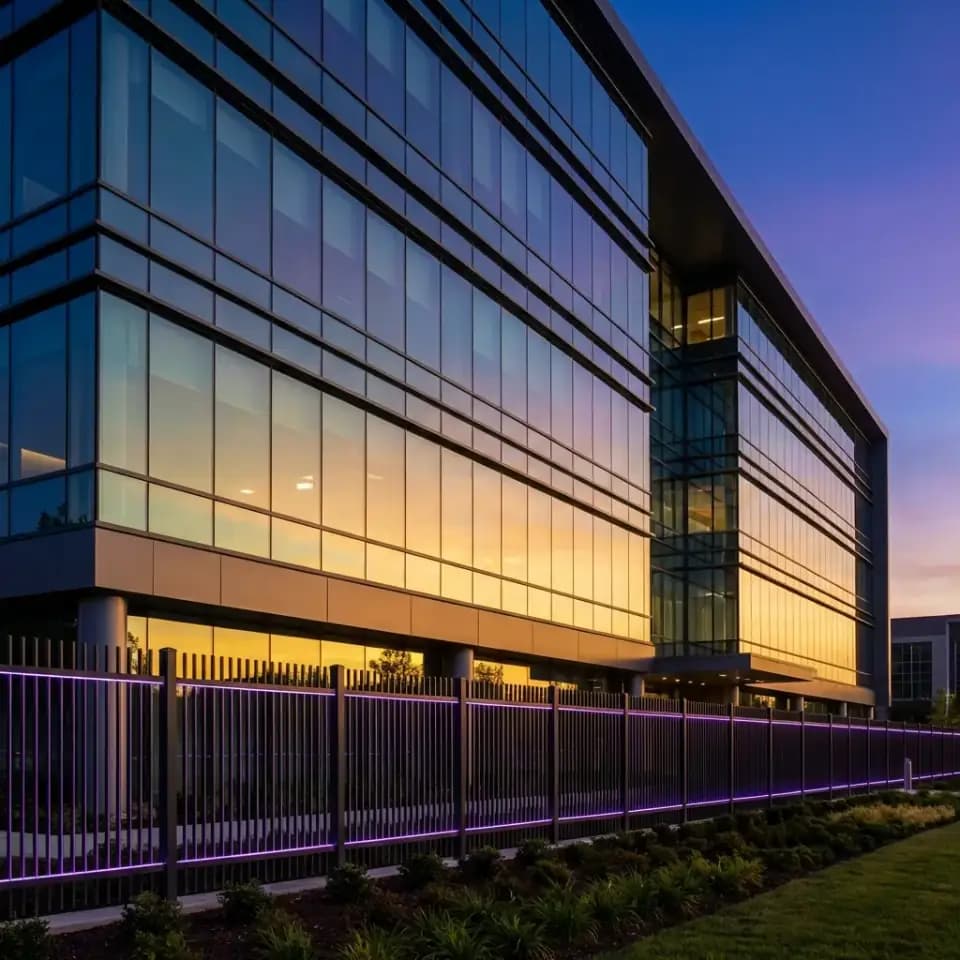
Professional perimeter protection for distribution centers, manufacturing, and critical infrastructure in Egypt.

  • Water Treatment & Utility Plant Perimeter
  • Data Center & Telecom Tower Fencing
  • Warehouse Complex & Distribution Center
  • Canal and waterway authorities

Plan a FortSense assessment for this market

Share the perimeter length, fence type, and monitoring workflow. FortSense can help scope zones, integration points, and commissioning requirements for this location.

Services

Water Treatment & Utility Plant Perimeter

Securing water treatment facilities, pumping stations, and utility plants against contamination threats and unauthorized access with SCADA-integrated alarms.

Data Center & Telecom Tower Fencing

High-security perimeter detection for data centers, telecom towers, and communication hubs with redundant fiber paths and no single point of failure.

Warehouse Complex & Distribution Center

Multi-zone fiber optic fencing for warehouse complexes and distribution centers with integration to inventory management and access control systems.

Deployment patterns for local sites

How FortSense Works in Egypt

Fiber optic perimeter security adapted to local conditions and requirements.

  1. Fiber installed. Passive fiber optic cable mounts on the existing fence or wall with minimal civil work.
  2. Vibration detected. Any contact creates vibration patterns in the fiber so climbing, cutting, or lifting attempts become visible immediately.
  3. AI/DSP verification. Algorithms filter out wind, animals, and environmental noise before an operator ever sees an alarm.
  4. Alarm if intrusion. Only real threats trigger zone-based alarms that can route into the monitoring workflow already used by the site team.

Adapted for Egypt. Our local partners understand Egypt's climate, terrain, and security challenges. The fiber optic system is configured to filter local environmental conditions while maintaining maximum sensitivity to real intrusion attempts.

Integration and security software fit

FortSense can feed alarms into the monitoring stack a site already uses, including VMS, PSIM, alarm panels, relay inputs, TCP/IP workflows, and camera verification.

  • Zone-based alarms for operators and guard teams
  • Camera and VMS workflows for visual verification
  • Relay or network outputs for existing security systems
  • Software-assisted filtering before dispatch decisions

Industries in this market

Relevant FortSense industry and use-case paths connected to this location.

  • Canal and waterway authorities
  • Government megaprojects and new city developments
  • Oil and gas fields and pipeline networks
  • Distribution Center Perimeter Security
  • Solar Farm Perimeter Security
  • Perimeter Security for Critical Infrastructure

Why FortSense fits in Perimeter Security in Egypt

FortSense is designed for perimeter security work where false-alarm reduction, passive fiber sensing, and practical integration matter more than adding another camera-only layer.

  • Passive fiber on existing fences, walls, or perimeter structures
  • AI/DSP filtering for wind, vibration, and environmental noise
  • Zone-level alerts that can match the site's response model
  • Support for design, integration, commissioning, and handover

Market notes

Practical details that help this page stay specific to the market instead of drifting into generic copy.

  • Canal and waterway authorities
  • Government megaprojects and new city developments
  • Oil and gas fields and pipeline networks
  • Water Treatment & Utility Plant Perimeter

Related FortSense paths

Related technical content and commercial guidance linked from this location page.

Frequently Asked Questions (FAQ)

Frequently Asked Questions (FAQ) — Egypt

Can FortSense protect water treatment facilities against contamination threats?

Yes. Perimeter detection around water treatment plants, pumping stations, and reservoirs provides an early warning layer against unauthorized access. Integration with SCADA triggers facility lockdown procedures before intruders can reach treatment processes.

How does the system secure geographically dispersed utility assets?

One FortSense interrogator covers up to 80 km of fiber, allowing you to connect multiple substations, pump stations, or telecom sites on a single fiber ring. This dramatically reduces the cost-per-site compared to standalone security systems at each location.

What about data center security with redundancy requirements?

FortSense supports dual-fiber redundant configurations where the sensing cable forms a complete loop. If the cable is cut at any point, both segments continue operating independently — no single point of failure, matching Tier III/IV data center uptime requirements.

What is the false alarm rate in an industrial environment?

Properly calibrated FortSense systems achieve Nuisance Alarm Rates (NAR) below 1 per zone per day in industrial environments. Our AI-based filtering adapts to site-specific conditions over the first 2-4 weeks, continuously improving accuracy.

Is the system affected by extreme UV radiation in desert environments?

Our fiber cable uses UV-stabilized outer jacketing rated for permanent outdoor exposure. The fiber itself — glass — is unaffected by UV radiation. Systems installed in desert environments show no performance degradation even after 15+ years of continuous operation.

Local perimeter assessment

Request Perimeter Assessment in Egypt

Receive a technical proposal, deployment design, and integration plan.

Perimeter Security for the Suez Canal and Critical…