
Fiber Optic Perimeter Security in Baja California: Maquiladora Perimeter Security in Baja California

Protecting Over 1,000 Maquiladora Plants in Tijuana and Mexicali, the Port of Ensenada, and Border Infrastructure with Fiber Optics

Applications

Perimeter Security Fiber Optics Ideal for Applications in Baja California

FortSense Solar & Renewables

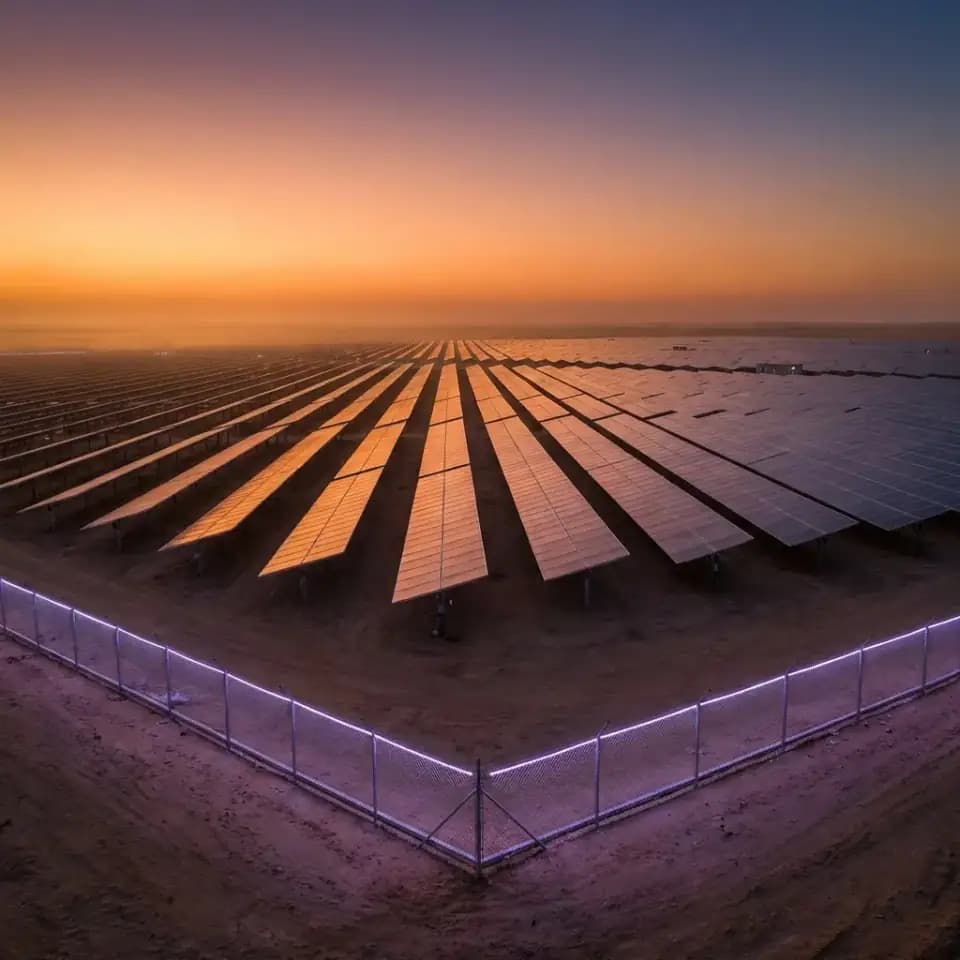
Solar & Renewables

Perimeter Security Fiber Optics

Solar & Renewables

Autonomous perimeter monitoring for solar plants, protecting against theft of panels, copper cables, and inverters.

Ideal for applications in Baja California

FortSense Oil & Gas

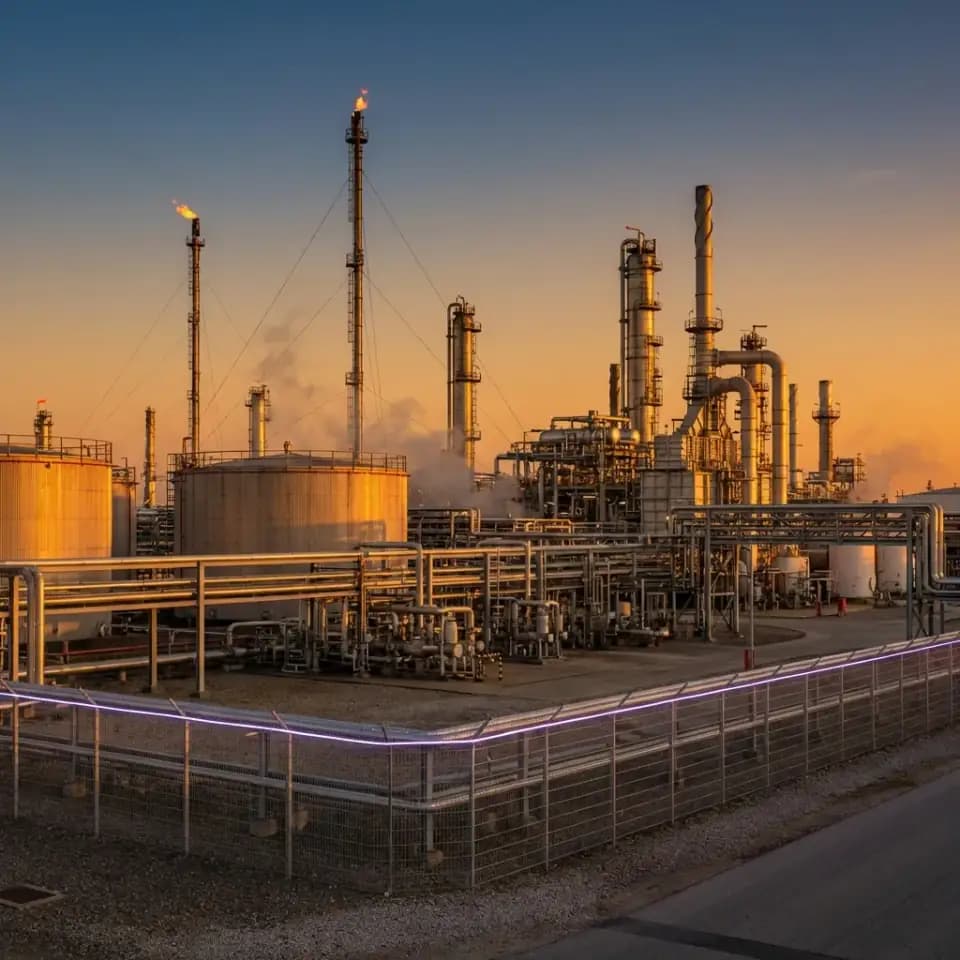
Oil & Gas

Perimeter Security Fiber Optics

Oil & Gas

Intrinsically safe perimeter detection for refineries, chemical plants, and fuel storage depots.

Ideal for applications in Baja California

FortSense Ports & Maritime

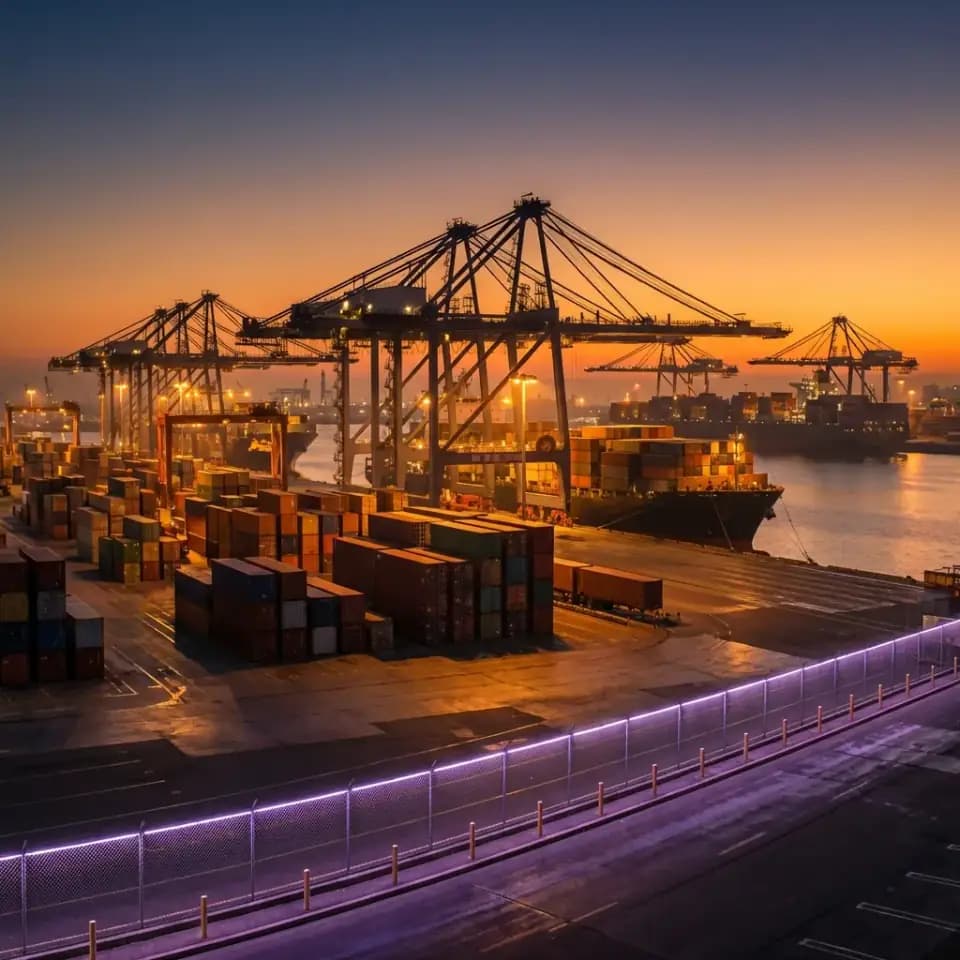
Ports & Maritime

Perimeter Security Fiber Optics

Ports & Maritime

ISPS-compliant security for cargo containers, fuel depots, and docked vessels in harsh marine environments.

Ideal for applications in Baja California

FortSense Agriculture

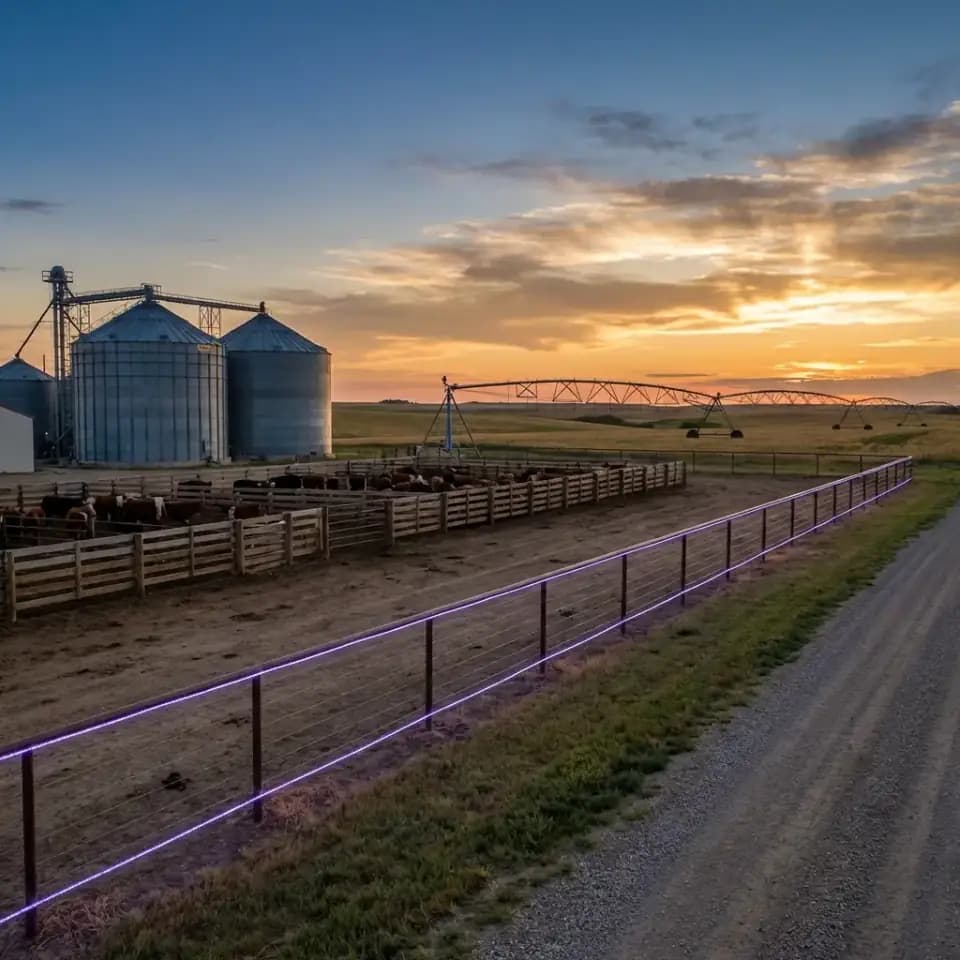
Agriculture

Perimeter Security Fiber Optics

Agriculture

Fire detection and security for farms, livestock pens, pivot irrigation systems, and rural assets.

Ideal for applications in Baja California

FortSense Financial Sector

Financial Sector

Perimeter Security Fiber Optics

Financial Sector

High-security perimeter protection for banks, vaults, administrative centers, and ATM areas.

Ideal for applications in Baja California

FortSense Residential Condominiums

Residential Condominiums

Perimeter Security Fiber Optics

Residential Condominiums

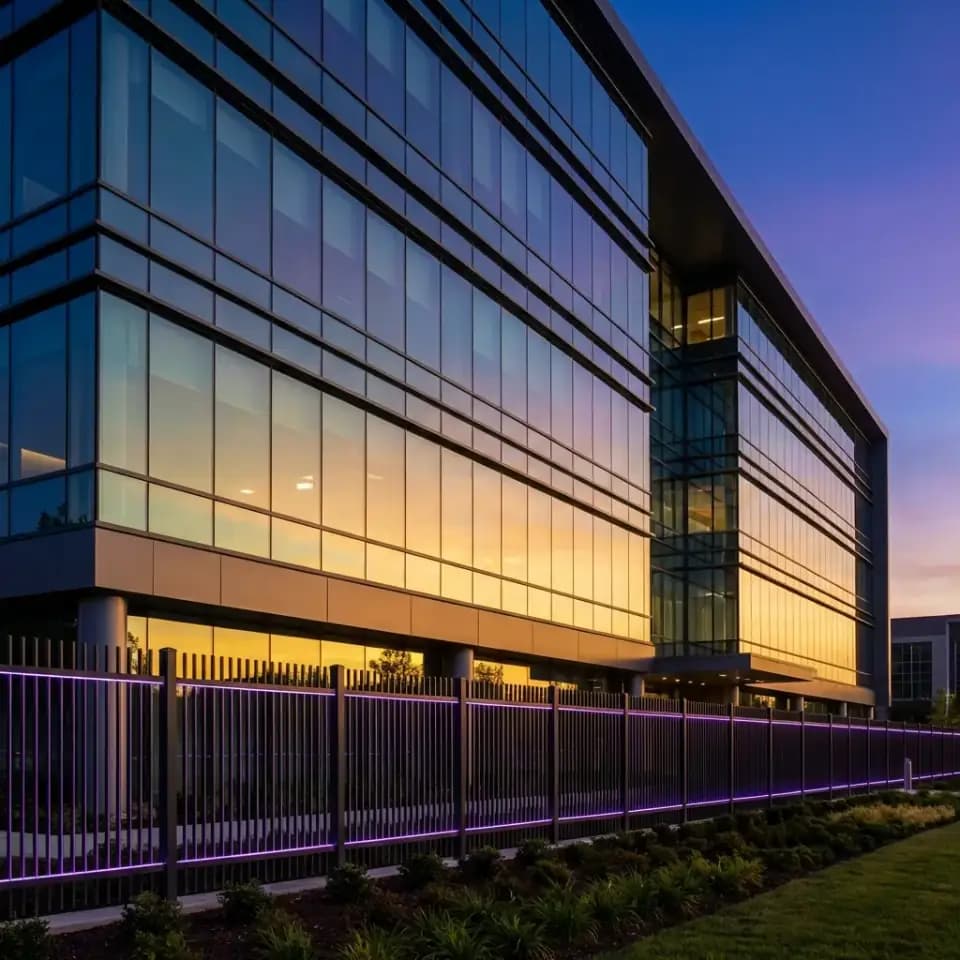
Invisible security for gated communities and apartment complexes, preserving aesthetics while detecting intrusions.

Ideal for applications in Baja California

FortSense Distribution Centers

Distribution Centers

Perimeter Security Fiber Optics

Distribution Centers

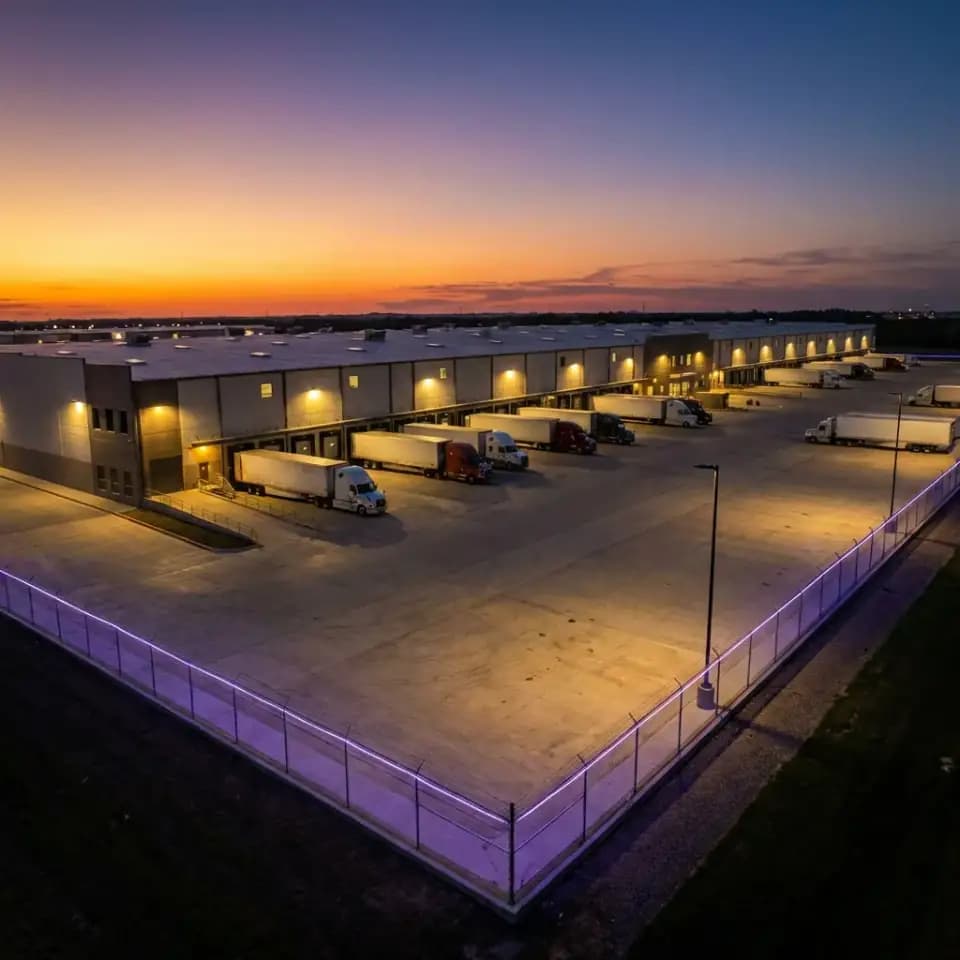
Security for logistics parks, warehouses, and high-value storage areas, meeting TAPA security standards.

Ideal for applications in Baja California

FortSense Critical Infrastructure

Critical Infrastructure

Perimeter Security Fiber Optics

Critical Infrastructure

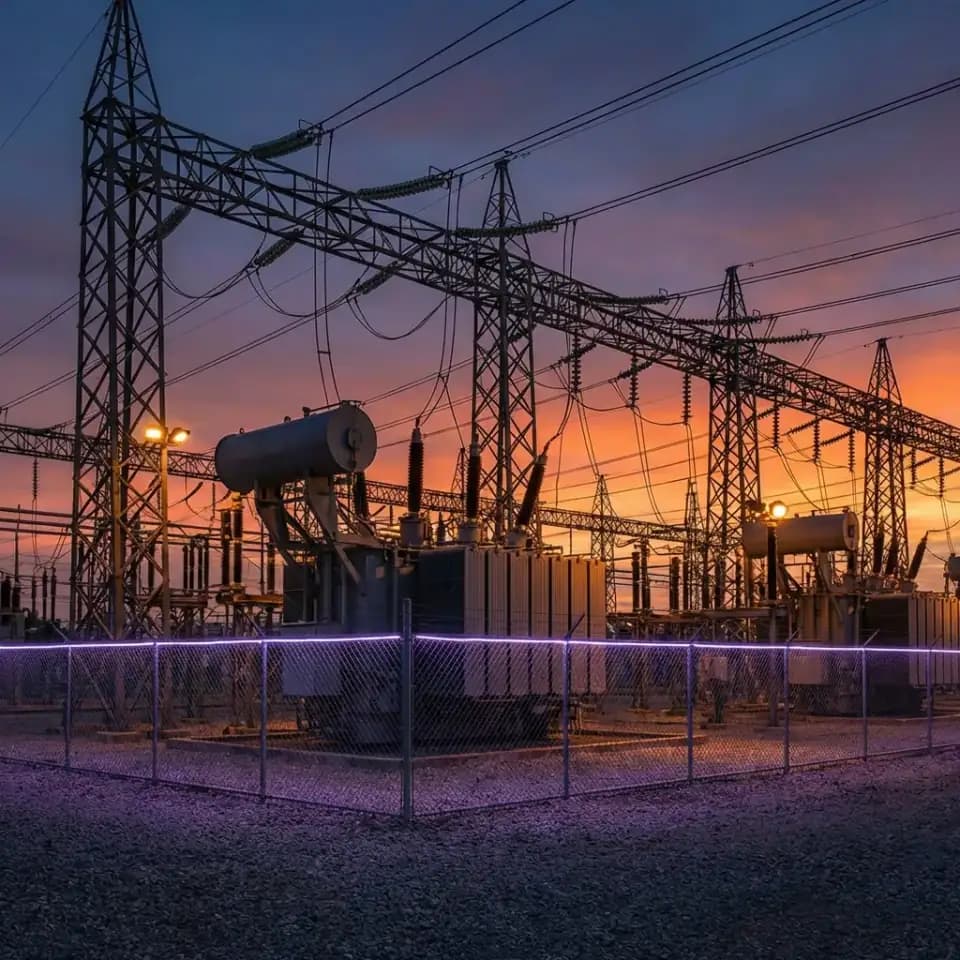
EMI-immune monitoring for electrical substations, telecom towers, and unmanned critical assets.

Ideal for applications in Baja California

FortSense Corrections & Prisons

Corrections & Prisons

Perimeter Security Fiber Optics

Corrections & Prisons

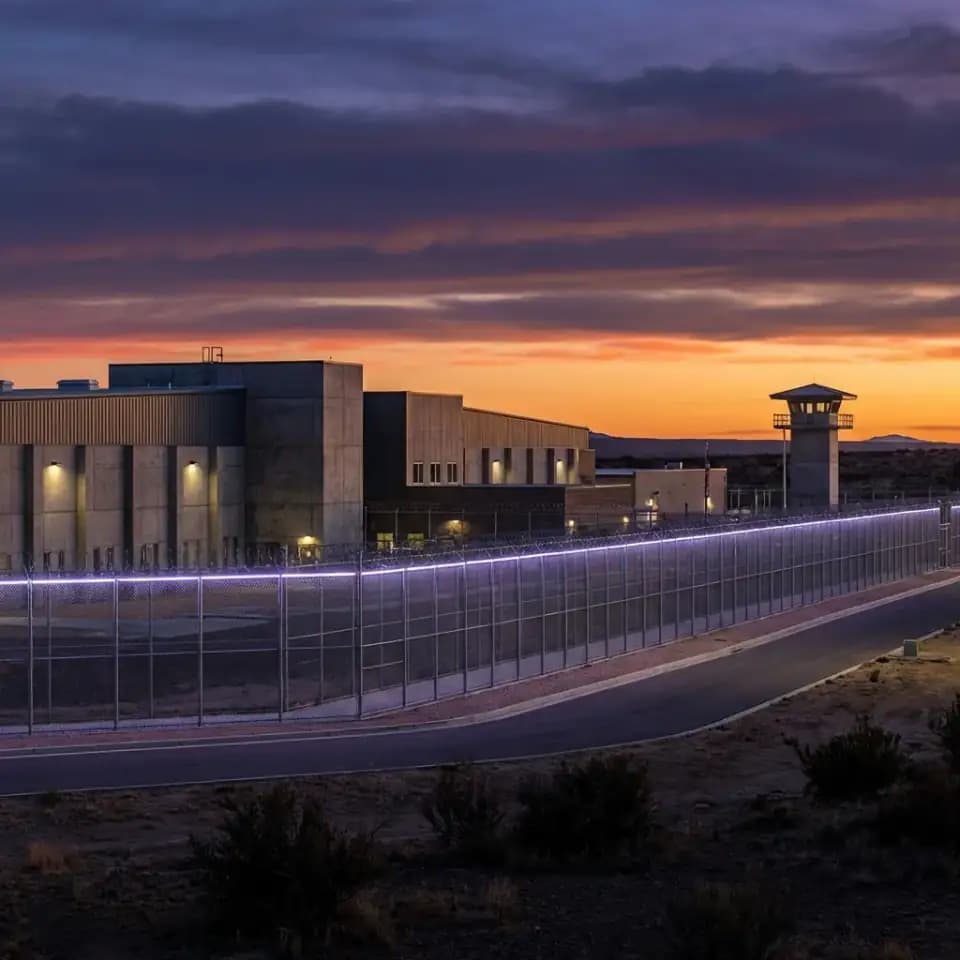
Zero-tolerance perimeter security for correctional facilities, detecting escape attempts and breaches.

Ideal for applications in Baja California

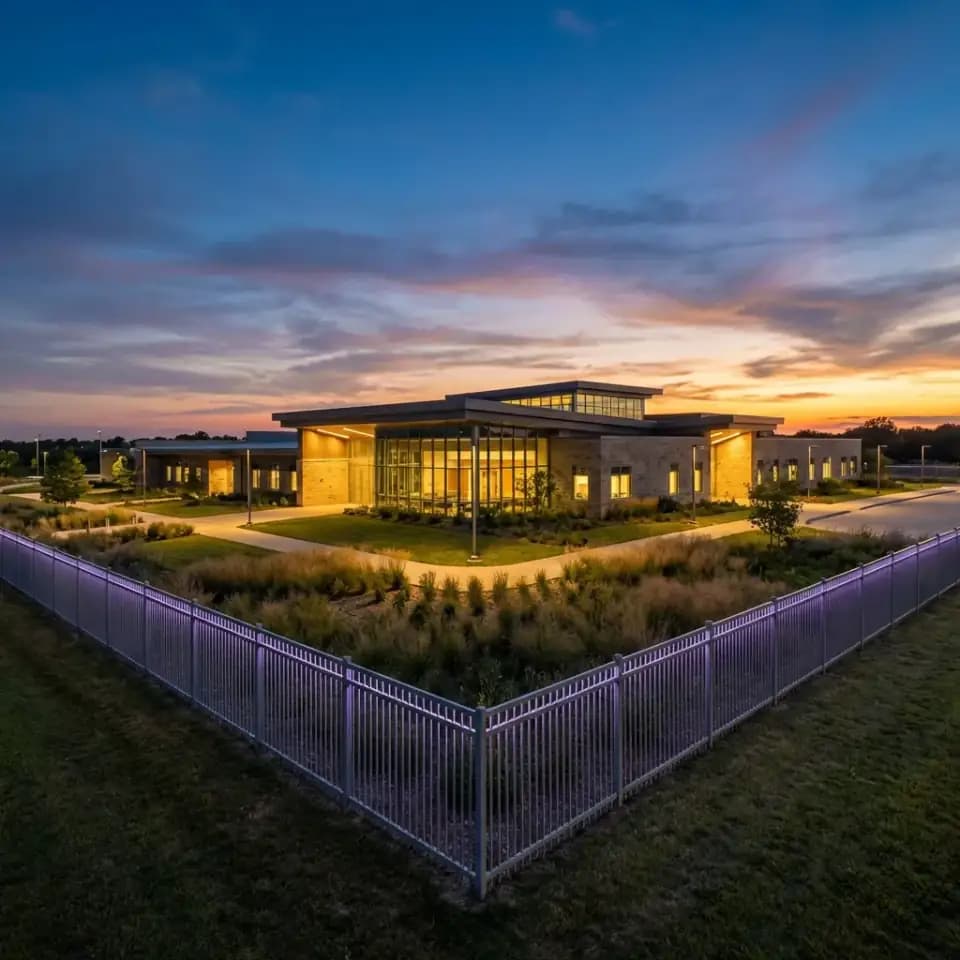
FortSense Public Sector & Schools

Public Sector & Schools

Perimeter Security Fiber Optics

Public Sector & Schools

Non-invasive security for schools, government buildings, and public facilities with rapid lockdown protocols.

Ideal for applications in Baja California

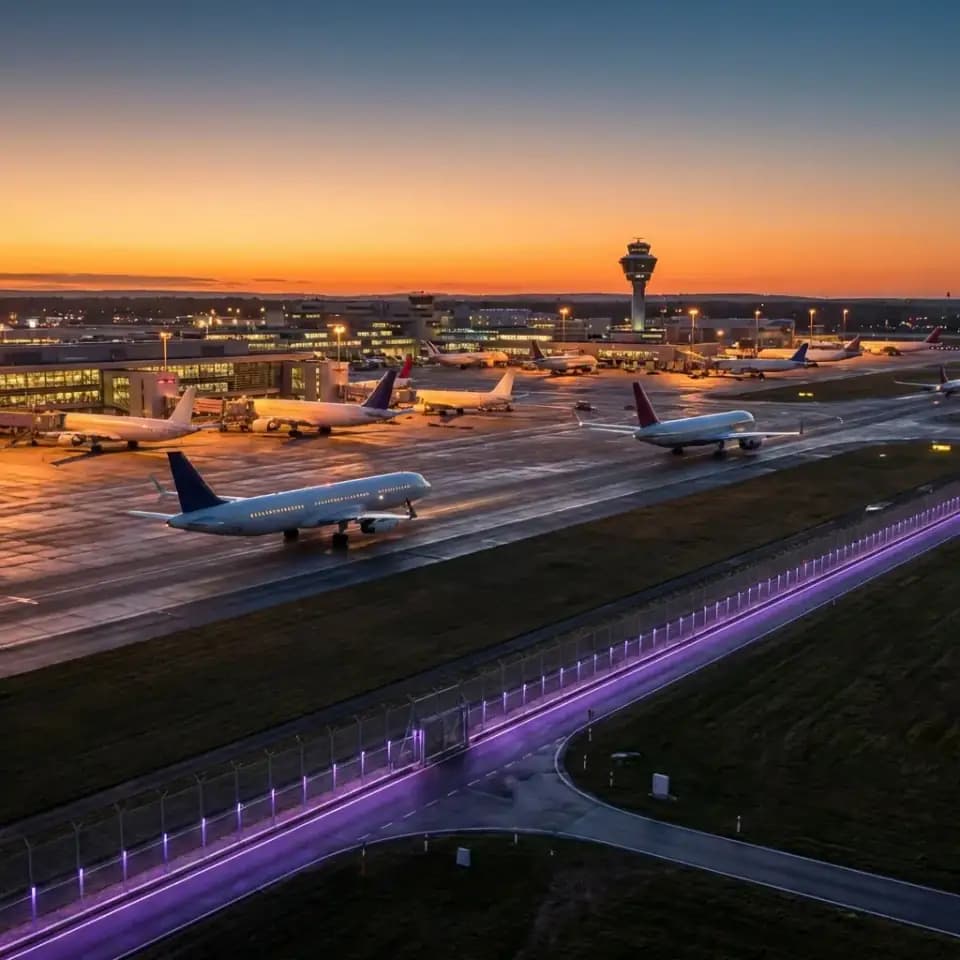
FortSense Perimeter Security for Airports

Perimeter Security for Airports

Perimeter Security Fiber Optics

Perimeter Security for Airports

ICAO-compliant sterile zone enforcement with zero interference to airport radar and navigation systems.

Ideal for applications in Baja California

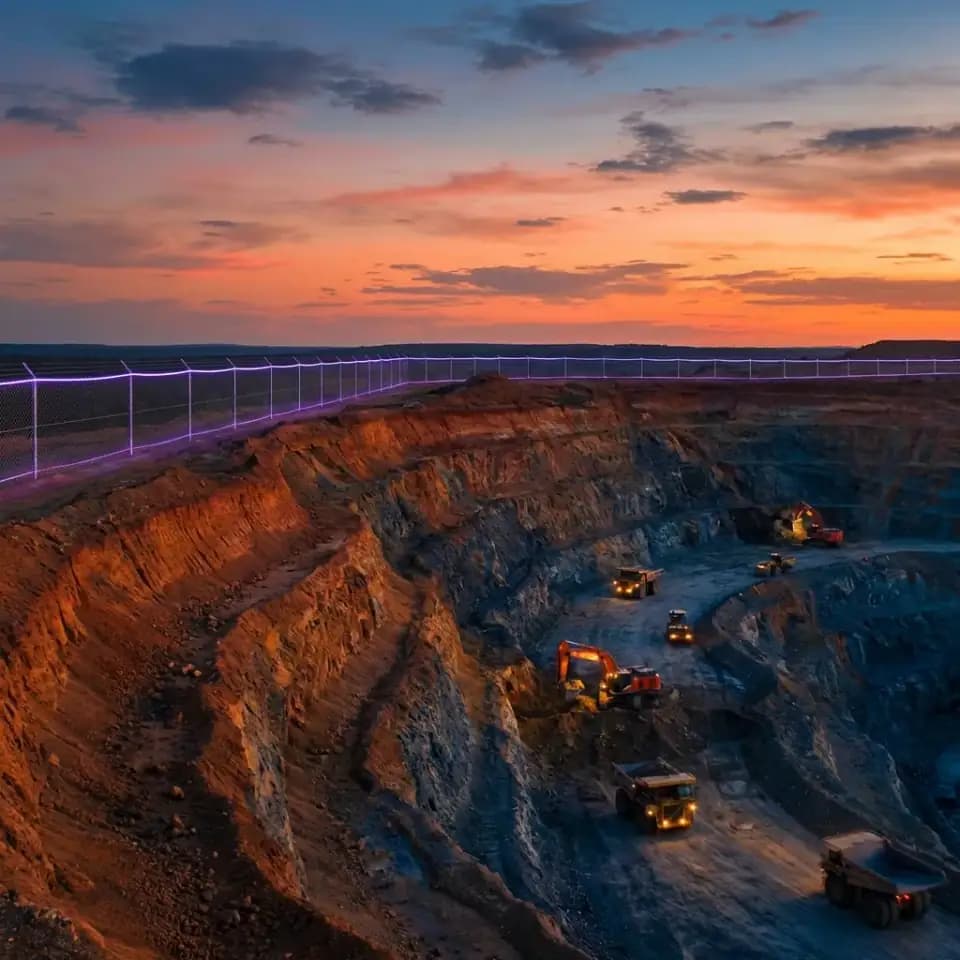
FortSense Mining Operations

Mining Operations

Perimeter Security Fiber Optics

Mining Operations

Ruggedized perimeter security for open-pit mines, ore stockpiles, and remote mining infrastructure.

Ideal for applications in Baja California

Local service overview

Maquiladora Perimeter Security in Baja California

FortSense® protects electronics and medical device maquiladoras, border industrial parks and the Port of Ensenada in Baja California.

Baja California is Mexico's quintessential maquiladora state, home to over 1,000 manufacturing plants concentrated primarily in Tijuana and Mexicali. The state accounts for 30% of all maquiladoras in the country, with Tijuana representing more than 70% of them. It is the world leader in flat-screen TV production (Samsung, Panasonic, Hisense) and a premier medical device manufacturing hub (Medtronic, Baxter, Thermo Fisher, Becton Dickinson).

Its proximity to San Diego and California makes it a critical node in Mexico-US supply chains, with the San Ysidro and Otay Mesa border crossings processing over 70,000 northbound vehicle crossings daily, and the Cross Border Xpress connecting the US directly to Tijuana's airport.

Tijuana's industrial corridor hosts parks such as El Florido, Pacífico, Las Californias, FINSA and The New City, where Samsung, Sony, Toyota, Panasonic, Hyundai and dozens of electronics, medical device and aerospace component manufacturers operate. The medical device industry has grown to position Tijuana as one of the top sector export hubs in the Americas, with companies like DJO Global, CareFusion and Smith & Nephew complementing the large multinationals.

In Mexicali, the PIMSA, Baja Park and Parque Industrial Cachanilla parks host Honeywell Aerospace, GE Aviation, Raytheon Technologies, Kenworth and Samsung SDI's battery plant. The Cerro Prieto Geothermal Power Plant in Mexicali, with 570 MW of installed capacity, is one of the five largest geothermal facilities in the world and has been operating since 1973. The Port of Ensenada handles commercial cargo, agricultural exports from the wine valleys and international cruise traffic.

The state's economy has successfully diversified beyond basic assembly into aerospace manufacturing, advanced medical devices, high-tech electronics, and a growing wine industry in the Valle de Guadalupe. NAFTA deeply integrated Baja California's economy with California's, creating one of the world's largest binational manufacturing corridors. The Cali-Baja binational region represents a combined GDP exceeding US$230 billion.

Companies such as Skyworks Solutions, Delphi Technologies and Eaton Corporation have established advanced engineering centers, raising the technological level of manufacturing well beyond traditional assembly. The Mexicali Valley is also an important agricultural hub, producing cotton, wheat, asparagus and onions for export, with irrigation infrastructure fed by the Colorado River.

Security challenges in Baja California are significant, particularly in Tijuana, which has experienced periods of intense violence related to territorial disputes between the Sinaloa Cartel and CJNG. The Tijuana-San Diego corridor is one of the world's most active drug trafficking routes, with sophisticated cross-border tunnels discovered periodically. Maquiladoras face cargo theft, copper and cable theft, and extortion (cobro de piso) risks. Kidnappings of business executives and logistics operators represent additional threats.

Perimeter breaches at industrial parks near border zones are a constant concern, with intrusion attempts reported at parks like El Florido and Las Californias, where proximity to residential neighborhoods facilitates criminal access.

The climate ranges from Mediterranean along the Pacific coast to extreme desert in Mexicali, where summer temperatures exceed 50°C, making the city one of the hottest in the Western Hemisphere. Santa Ana wind events create severe wildfire risk, as seen in the destructive episodes of 2023 and 2024 on Tijuana's hillsides. Seismic activity is significant, with Mexicali sitting atop the Imperial-Cerro Prieto Fault in a zone of frequent earthquakes. Seasonal flooding in the Tijuana and Mexicali basins and landslides in areas of irregular urban development add operational complexity for any security system.

FortSense fiber optics are immune to the extreme desert heat in Mexicali, coastal salt corrosion in Ensenada, and electromagnetic interference from dense industrial zones with hundreds of maquiladoras operating simultaneously. A single sensor cable can monitor the extensive perimeters of industrial parks housing hundreds of companies, eliminating the need for electronic nodes that would fail under 50°C temperatures or degrade from Ensenada's marine salinity.

The signal classification capability distinguishes between legitimate cross-border operations, the constant noise of heavy truck traffic, and genuine intrusion attempts.

Typical deployments include Tijuana and Mexicali maquiladora industrial parks requiring 24/7 perimeter detection against theft of high-value electronics and medical device components; the Port of Ensenada with integrated maritime and land security needs; Honeywell and GE Aviation aerospace facilities with classified intellectual property protection requirements; the Cerro Prieto geothermal infrastructure operating under extreme heat and seismic activity; and Valle de Guadalupe wineries storing premium export wine inventories.

Professional perimeter protection for distribution centers, manufacturing, and critical infrastructure in Baja California.

  • R&D Campus & IP Protection
  • Factory & Industrial Park Perimeter
  • Quayside & Vessel Berth Security
  • Maquiladora Industrial Parks in Tijuana

Plan a FortSense assessment for this market

Share the perimeter length, fence type, and monitoring workflow. FortSense can help scope zones, integration points, and commissioning requirements for this location.

Services

R&D Campus & IP Protection

High-security perimeter for R&D campuses, pharmaceutical plants, and IP-sensitive manufacturing facilities with tamper-proof fiber and encrypted alarm channels.

Factory & Industrial Park Perimeter

Shift-aware perimeter detection for factories and industrial parks with automatic sensitivity adjustment between production hours and quiet periods.

Quayside & Vessel Berth Security

Waterside perimeter security for quay walls, vessel berths, and dry dock areas with wave-motion filtering and diver detection capability.

Deployment patterns for local sites

How FortSense Works in Baja California

Fiber optic perimeter security adapted to local conditions and requirements.

  1. Fiber installed. Passive fiber optic cable mounts on the existing fence or wall with minimal civil work.
  2. Vibration detected. Any contact creates vibration patterns in the fiber so climbing, cutting, or lifting attempts become visible immediately.
  3. AI/DSP verification. Algorithms filter out wind, animals, and environmental noise before an operator ever sees an alarm.
  4. Alarm if intrusion. Only real threats trigger zone-based alarms that can route into the monitoring workflow already used by the site team.

Adapted for Baja California. Our local partners understand Baja California's climate, terrain, and security challenges. The fiber optic system is configured to filter local environmental conditions while maintaining maximum sensitivity to real intrusion attempts.

Integration and security software fit

FortSense can feed alarms into the monitoring stack a site already uses, including VMS, PSIM, alarm panels, relay inputs, TCP/IP workflows, and camera verification.

  • Zone-based alarms for operators and guard teams
  • Camera and VMS workflows for visual verification
  • Relay or network outputs for existing security systems
  • Software-assisted filtering before dispatch decisions

Industries in this market

Relevant FortSense industry and use-case paths connected to this location.

  • Maquiladora Industrial Parks in Tijuana
  • Aerospace, Electronics and Contract Manufacturing Plants in Mexicali and Tijuana
  • Port of Ensenada and Commercial Cargo Terminal
  • Distribution Center Perimeter Security
  • Solar Farm Perimeter Security
  • Perimeter Security for Critical Infrastructure

Why FortSense fits in Perimeter Security in Baja California

FortSense is designed for perimeter security work where false-alarm reduction, passive fiber sensing, and practical integration matter more than adding another camera-only layer.

  • Passive fiber on existing fences, walls, or perimeter structures
  • AI/DSP filtering for wind, vibration, and environmental noise
  • Zone-level alerts that can match the site's response model
  • Support for design, integration, commissioning, and handover

Market notes

Practical details that help this page stay specific to the market instead of drifting into generic copy.

  • Maquiladora Industrial Parks in Tijuana
  • Aerospace, Electronics and Contract Manufacturing Plants in Mexicali and Tijuana
  • Port of Ensenada and Commercial Cargo Terminal
  • R&D Campus & IP Protection

Related FortSense paths

Related technical content and commercial guidance linked from this location page.

Frequently Asked Questions (FAQ)

Frequently Asked Questions (FAQ) — Baja California

What is the false alarm rate in an industrial environment?

Properly calibrated FortSense systems achieve Nuisance Alarm Rates (NAR) below 1 per zone per day in industrial environments. Our AI-based filtering adapts to site-specific conditions over the first 2-4 weeks, continuously improving accuracy.

Can the system secure multiple buildings in an industrial park?

Yes. The fiber cable can be routed through multiple perimeters within a single industrial park — factory buildings, warehouses, parking areas, and utility compounds — all monitored from one interrogator with independent alarm zones per building.

How quickly can the system be relocated if manufacturing operations move?

FortSense cable can be removed and reinstalled at a new location. The fiber sensor is reusable, and recalibration at the new site takes 1-2 weeks. This flexibility is valuable for manufacturers with changing facility footprints or lease agreements.

Does FortSense meet ISPS Code requirements for port security?

Yes. Our system supports International Ship and Port Facility Security (ISPS) Code compliance by providing continuous perimeter monitoring, zone-based alarm management, and integration with port facility security plans (PFSP) at all MARSEC levels.

Is wildfire smoke and ash a concern for the sensor?

No. While cameras lose visibility in smoke, FortSense detects intrusion by fence vibration — completely unaffected by smoke, ash, or reduced visibility. This makes it valuable during fire season when other security systems are degraded.

Local perimeter assessment

Request Perimeter Assessment in Baja California

Receive a technical proposal, deployment design, and integration plan.

Maquiladora Perimeter Security in Baja California