


Local service overview
Solar and Mining Perimeter Security in Baja California Sur
FortSense® protects solar installations, mining operations, the world's largest salt works and Los Cabos resorts in Baja California Sur.
Baja California Sur is Mexico's least populous state with approximately 800,000 inhabitants, yet it boasts one of the country's highest GDP per capita figures thanks to world-class tourism in Los Cabos and globally significant extractive industries. The Los Cabos tourism corridor — spanning Cabo San Lucas and San José del Cabo — attracts over 3 million visitors annually, generating more than US$5 billion in revenue and supporting a massive hotel industry with chains including Marriott, Hilton, Hyatt, Four Seasons, Waldorf Astoria and Viceroy.
The luxury real estate developments of Diamante and Quivira represent multibillion-dollar investments requiring top-tier security. La Paz, the state capital, is developing as a center for marine ecotourism, oceanographic research, and home to the Centro de Investigaciones Biológicas del Noroeste (CIBNOR).
The state's industrial infrastructure includes world-class assets. Exportadora de Sal (ESSA) in Guerrero Negro is the world's largest solar salt evaporation operation, with a concession covering over 30,000 hectares of evaporation ponds in the Ojo de Liebre and Guerrero Negro lagoons, producing more than 7 million tons annually through a joint venture between the Mexican government (51%) and Mitsubishi Corporation (49%). Salt is exported primarily to Japan, the United States and Canada via a dedicated loading port.
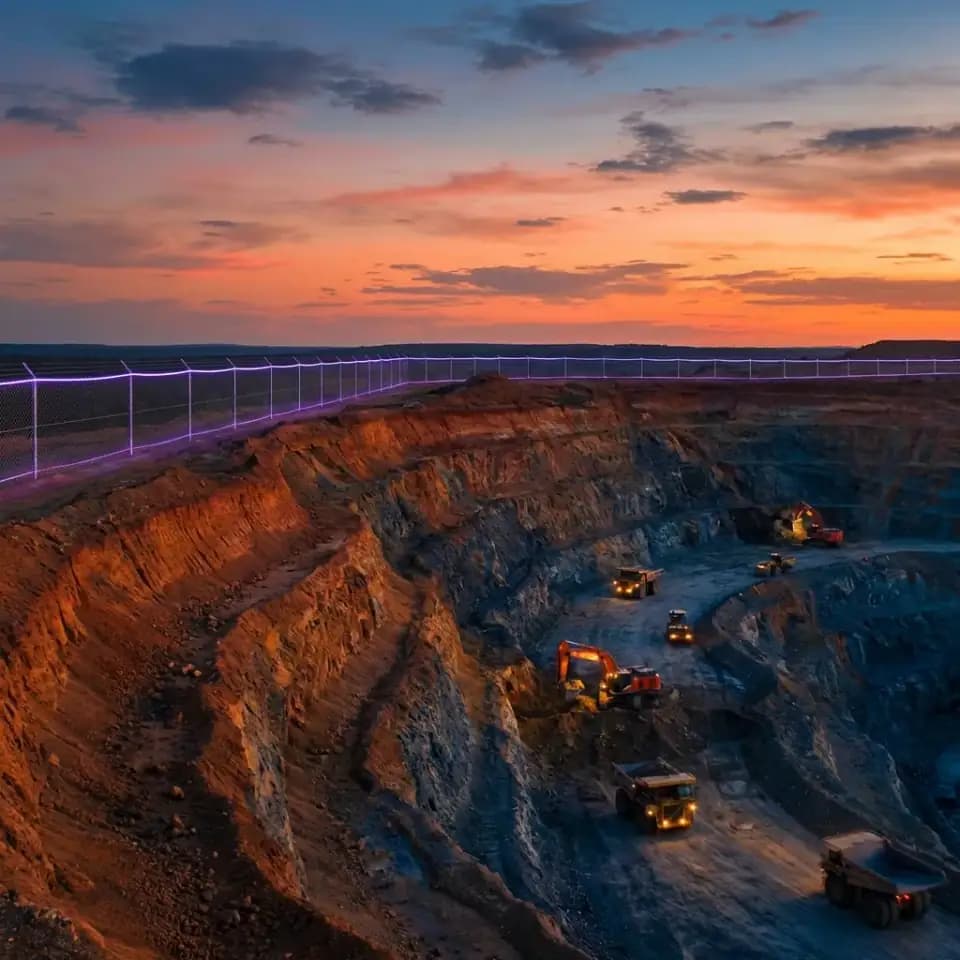
Minera y Metalúrgica del Boleo near Santa Rosalía, operated by the Korean consortium Korea Resources Corporation (KORES), extracts copper, cobalt, zinc and manganese from deposits historically worked by the French company El Boleo since 1885. The Aura Solar I Solar Park in La Paz was one of Latin America's first utility-scale photovoltaic plants at 39 MW capacity, with additional projects seeking to expand renewable generation in a state with over 300 sunny days per year.
Agriculture has grown significantly through greenhouse technology and drip irrigation, with companies exporting cherry tomatoes, bell peppers, habanero chiles and melons to the United States under certified organic standards. The fishing industry is vital, with BCS as Mexico's top producer of Pacific red abalone and lobster, plus a major supplier of sardine, squid and tuna to US, Japanese and Canadian markets. The fishing cooperatives of the El Vizcaíno Biosphere Reserve are internationally recognized for their sustainable fishing model.
Exceptional solar radiation levels — among the highest in the Western Hemisphere — have attracted increasing interest in renewable energy development, with wind projects complementing photovoltaic generation.
BCS's peninsular geographic isolation creates unique infrastructure challenges. The state is not connected to the National Interconnected System, depending entirely on local generation through thermoelectric plants in La Paz and Los Cabos fueled by imported oil. The Port of Pichilingue in La Paz is the primary ferry terminal connecting BCS to the mainland, with routes to Topolobampo and Mazatlán operated by Baja Ferries and TMC.
The Transpeninsular Highway (Highway 1), stretching over 1,700 kilometers from Tijuana to Cabo San Lucas, is the only main land route and its irregular maintenance creates stretches vulnerable to isolation.
Security in BCS deteriorated dramatically from 2016–2017, particularly in the Los Cabos corridor, when CJNG and the Sinaloa Cartel competed for control of maritime drug trafficking routes. Homicides surged from fewer than 200 annually to over 500 before National Guard intervention brought some stabilization. Mining and industrial operations face threats from heavy equipment and copper theft, particularly at remote facilities like El Boleo where surveillance is limited.
Fuel theft from CFE storage facilities, illegal trawling in protected areas and vandalism of telecommunications infrastructure affect the operability of industrial and tourism assets.
The extreme desert climate brings summer temperatures exceeding 45°C in areas such as Comondú and the Vizcaíno region, solar radiation among Mexico's highest with UV indices frequently above 11, precipitation below 200 mm annually, and direct exposure to Pacific hurricanes (June–November) — including the devastating Category 3 Hurricane Odile in 2014, which destroyed over US$2 billion in tourism and electrical infrastructure. The Gulf of California fault system creates moderate seismic risk.
These conditions destroy conventional electronic equipment within months, accelerating corrosion of metal connectors and degrading plastics exposed to UV radiation.
FortSense offers the ideal solution for BCS: fiber optics are immune to extreme heat, intense UV radiation and the corrosive marine environment that characterize the peninsula. The vast 30,000-hectare ESSA salt flats require a system capable of monitoring perimeters spanning tens of kilometers without intermediate electronic nodes that would degrade in the saline environment. The remote perimeters of El Boleo mine and isolated solar parks need long-range monitoring with minimal maintenance — exactly the capabilities of a fiber optic PIDS.
Los Cabos luxury resorts — including Four Seasons, Waldorf Astoria and Diamante properties — need discreet perimeter detection that does not compromise the guest experience while protecting against intrusions and unauthorized access through coastal areas.
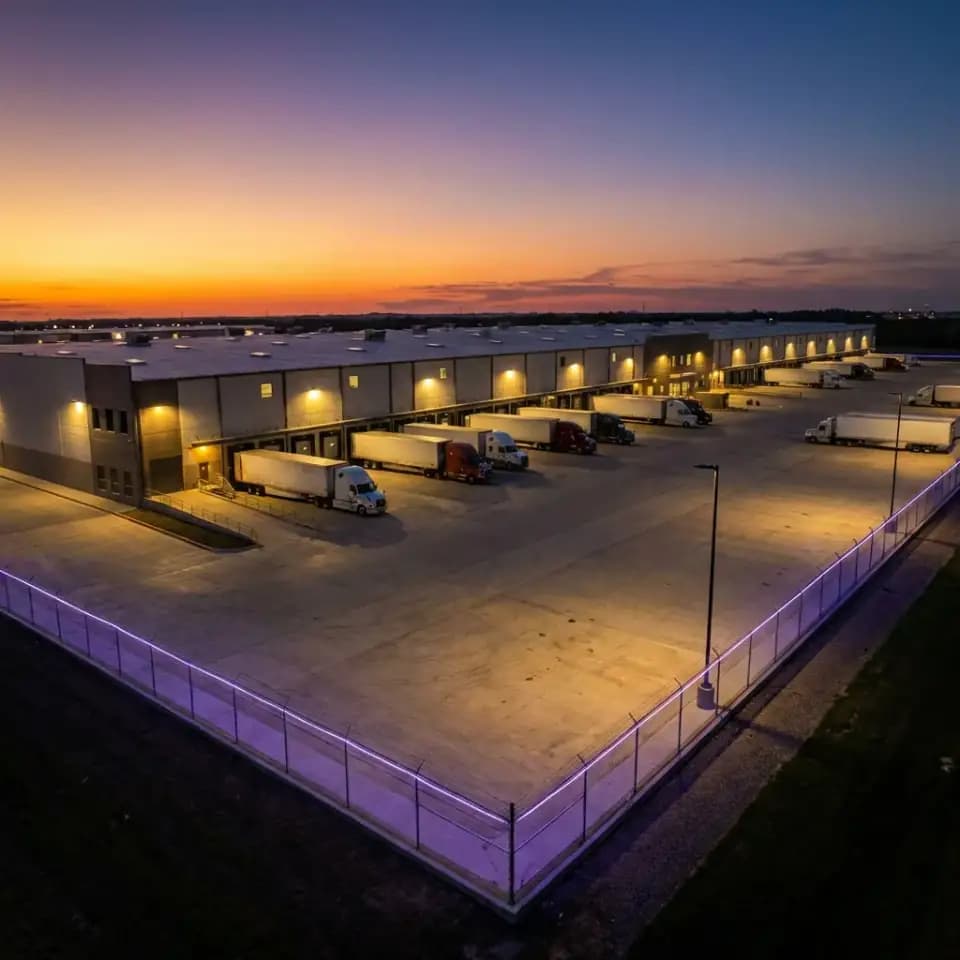
Professional perimeter protection for distribution centers, manufacturing, and critical infrastructure in Baja California Sur.
- Solar Array & Panel Theft Prevention
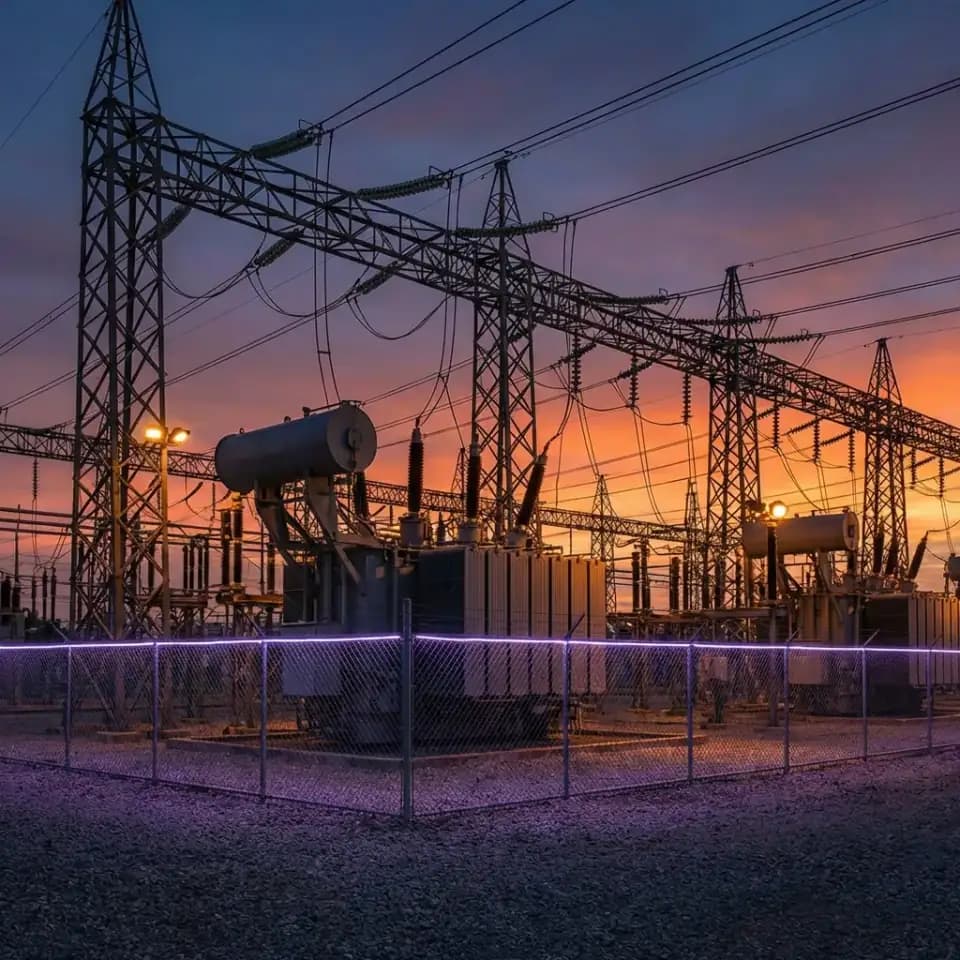
- Substation & Inverter Perimeter (EMI-Immune)
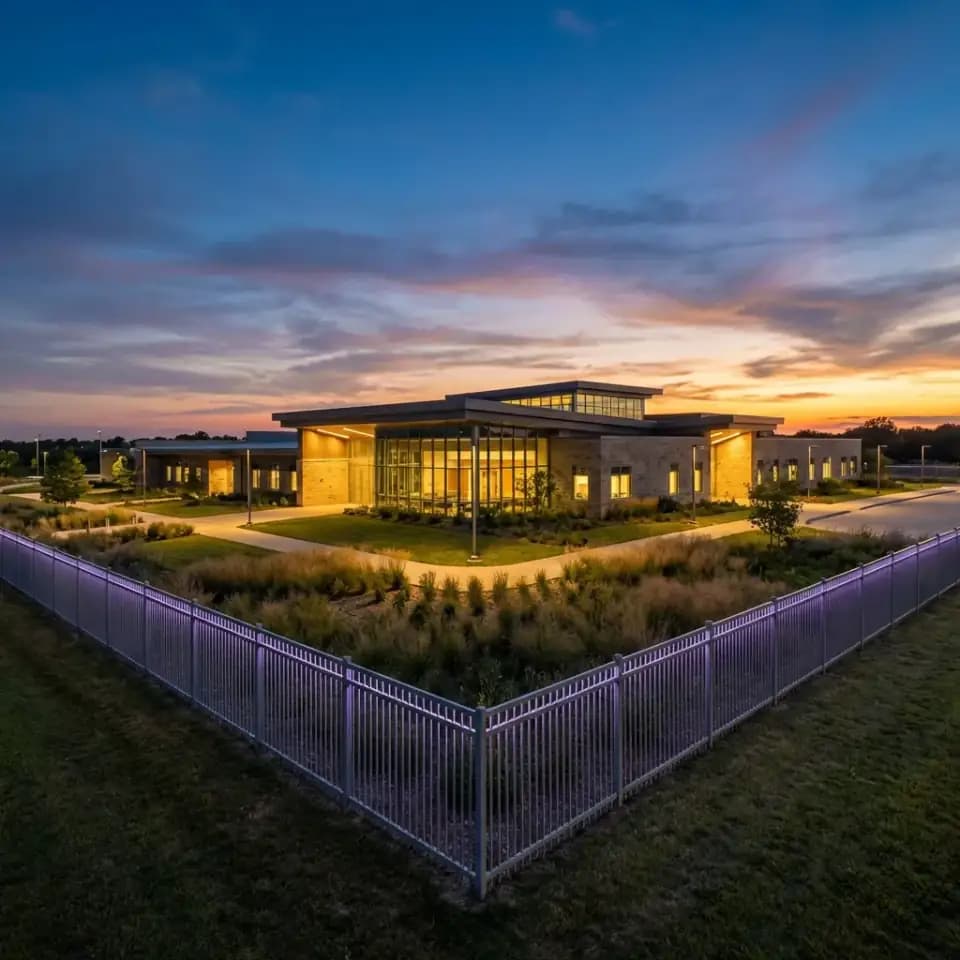
- Gated Community Perimeter (Pet-Immune)
- Guerrero Negro Salt Works — World's Largest Solar Evaporation Operation
Plan a FortSense assessment for this market
Share the perimeter length, fence type, and monitoring workflow. FortSense can help scope zones, integration points, and commissioning requirements for this location.
Services
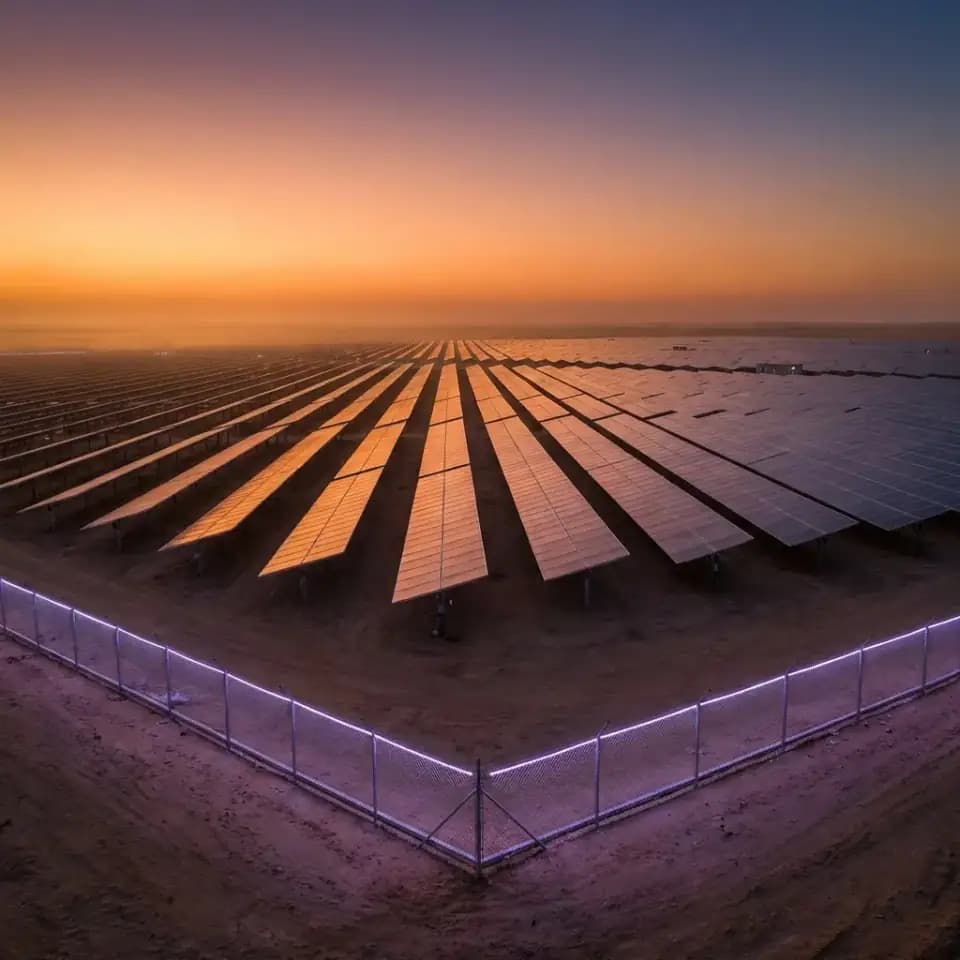
Solar Array & Panel Theft Prevention
Fiber optic fence detection surrounding solar farms to prevent panel theft, copper wire stripping, and vandalism across large-area installations.
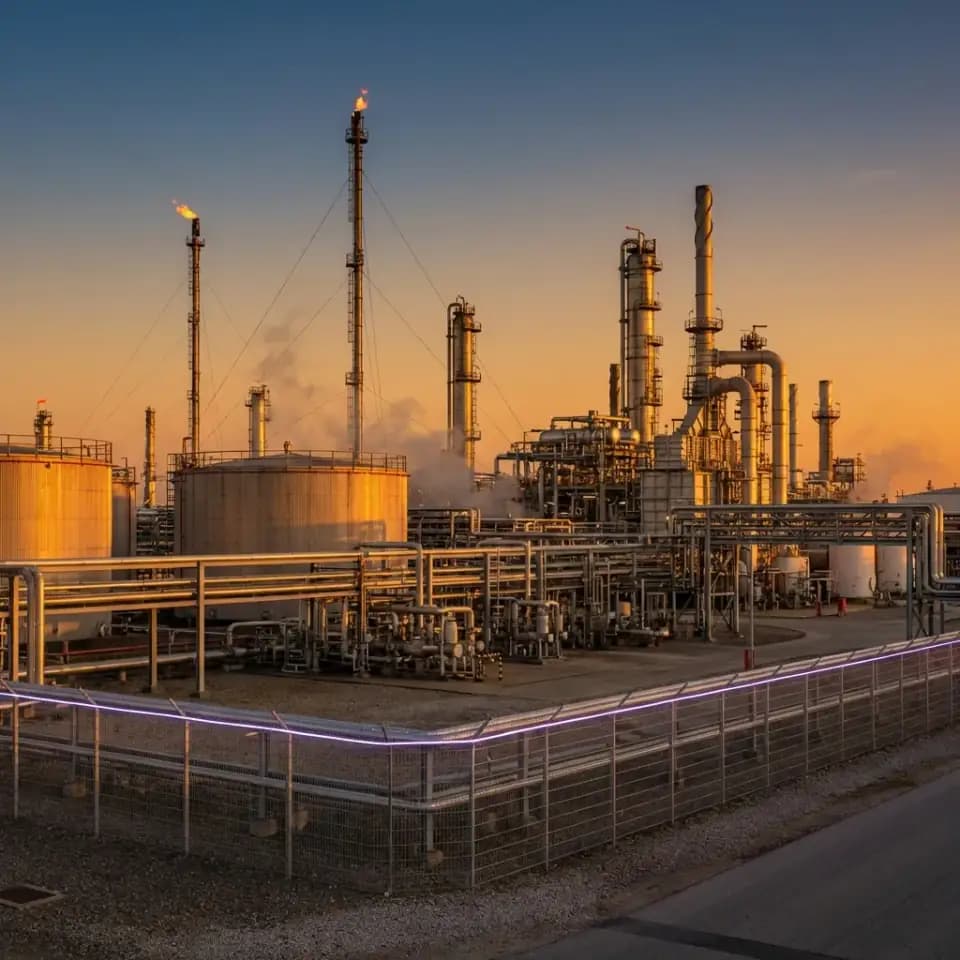
Substation & Inverter Perimeter (EMI-Immune)
EMI-immune perimeter protection for high-voltage substations, inverter banks, and transformer yards within solar generation facilities.
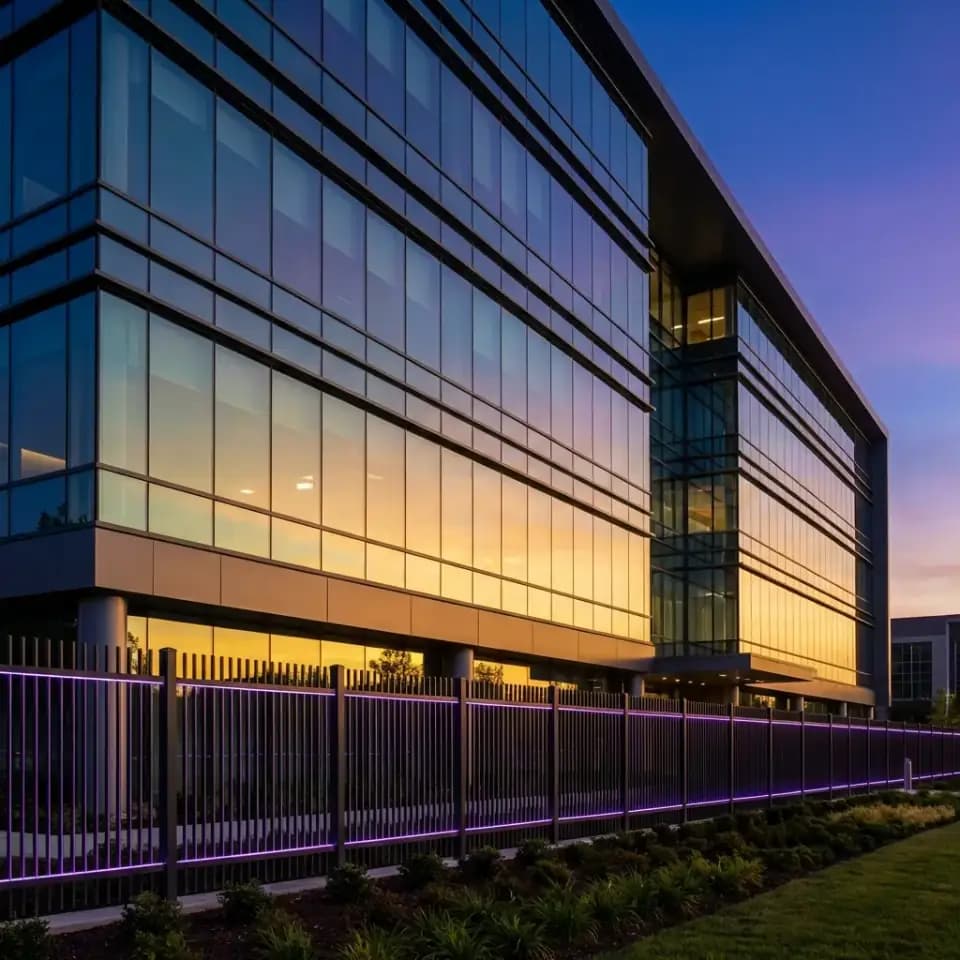
Gated Community Perimeter (Pet-Immune)
Invisible fiber optic detection for gated communities with advanced pet-immune algorithms, minimizing false alarms while detecting human-sized intrusions.
Deployment patterns for local sites
How FortSense Works in Baja California Sur
Fiber optic perimeter security adapted to local conditions and requirements.
- Fiber installed. Passive fiber optic cable mounts on the existing fence or wall with minimal civil work.
- Vibration detected. Any contact creates vibration patterns in the fiber so climbing, cutting, or lifting attempts become visible immediately.
- AI/DSP verification. Algorithms filter out wind, animals, and environmental noise before an operator ever sees an alarm.
- Alarm if intrusion. Only real threats trigger zone-based alarms that can route into the monitoring workflow already used by the site team.
Adapted for Baja California Sur. Our local partners understand Baja California Sur's climate, terrain, and security challenges. The fiber optic system is configured to filter local environmental conditions while maintaining maximum sensitivity to real intrusion attempts.
Integration and security software fit
FortSense can feed alarms into the monitoring stack a site already uses, including VMS, PSIM, alarm panels, relay inputs, TCP/IP workflows, and camera verification.
- Zone-based alarms for operators and guard teams
- Camera and VMS workflows for visual verification
- Relay or network outputs for existing security systems
- Software-assisted filtering before dispatch decisions
Industries in this market
Relevant FortSense industry and use-case paths connected to this location.
- Guerrero Negro Salt Works — World's Largest Solar Evaporation Operation
- Photovoltaic Solar Parks and Renewable Energy Projects in La Paz
- Copper and Polymetallic Mining in Santa Rosalía
- Distribution Center Perimeter Security
- Solar Farm Perimeter Security
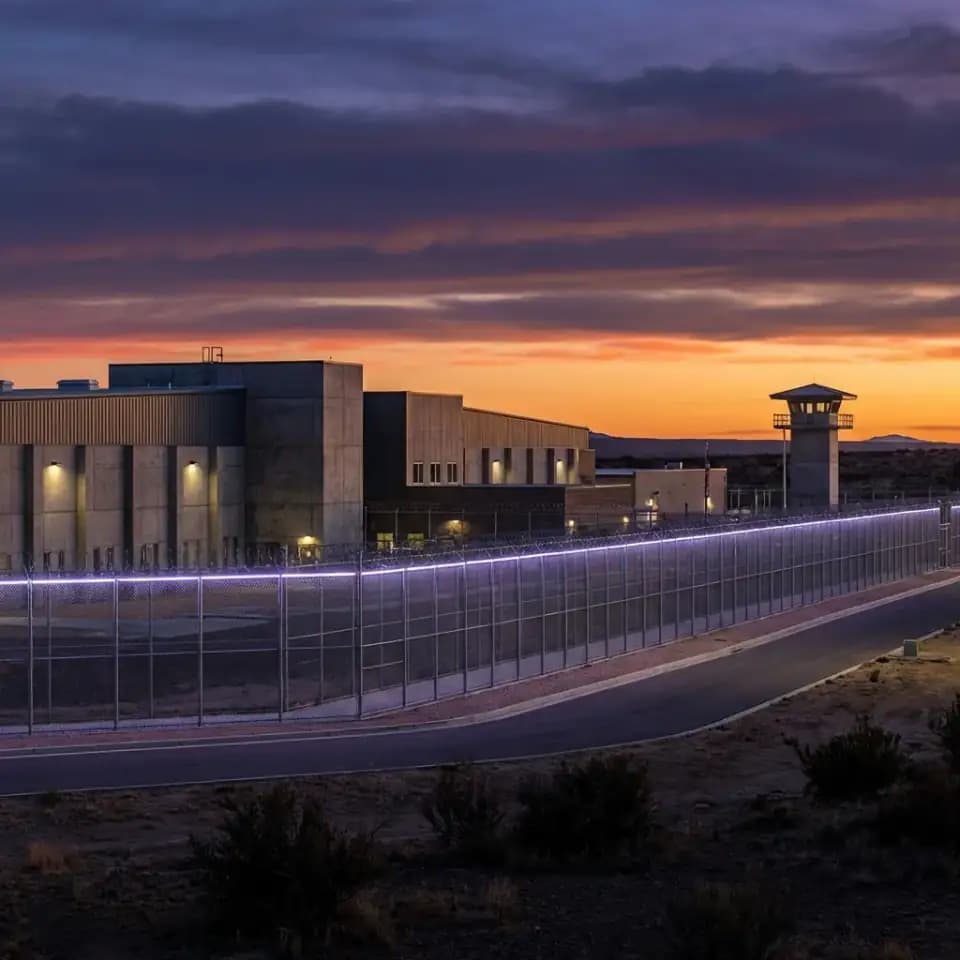
- Perimeter Security for Critical Infrastructure
Why FortSense fits in Perimeter Security in Baja California Sur
FortSense is designed for perimeter security work where false-alarm reduction, passive fiber sensing, and practical integration matter more than adding another camera-only layer.
- Passive fiber on existing fences, walls, or perimeter structures
- AI/DSP filtering for wind, vibration, and environmental noise
- Zone-level alerts that can match the site's response model
- Support for design, integration, commissioning, and handover
Market notes
Practical details that help this page stay specific to the market instead of drifting into generic copy.
- Guerrero Negro Salt Works — World's Largest Solar Evaporation Operation
- Photovoltaic Solar Parks and Renewable Energy Projects in La Paz
- Copper and Polymetallic Mining in Santa Rosalía
- Solar Array & Panel Theft Prevention
Related FortSense paths
Related technical content and commercial guidance linked from this location page.


