


Local service overview
Hydroelectric Perimeter Security in Chiapas
FortSense® protects Grijalva River hydroelectric dams, Puerto Chiapas and coffee agribusiness infrastructure in Chiapas with fiber optics.
Chiapas is one of Mexico's poorest states — with over 75% of its population living in poverty according to CONEVAL — yet it possesses extraordinary natural resources that make it a strategic pillar of national energy infrastructure. Its most critical industrial asset is the Grijalva River hydroelectric system, the most important in Mexico: the four main dams generate over 50% of all the country's hydroelectric power, with combined capacity close to 5,000 MW.
The Chicoasén Dam (Manuel Moreno Torres) is Mexico's tallest and the world's fifth tallest of its type, with a 261-meter wall, and houses the country's largest hydroelectric plant at 2,400 MW of installed capacity. The Malpaso (1,080 MW), La Angostura (Belisario Domínguez, 900 MW) and Peñitas (Ángel Albino Corzo, 420 MW) dams complete the cascade system, transmitting electricity via CFE-operated 400 kV high-voltage lines to central Mexico and the national interconnected grid.
The state is Mexico's top coffee producer with 33% of national output, grown primarily in the mountainous regions of the Soconusco, Sierra Madre and Altos, with over 250,000 producers — mostly Tzotzil, Tzeltal and Mam indigenous farmers — working plots of less than 2 hectares. Chiapas produces more than 80% of Mexico's certified organic coffee, exported to specialty markets in the United States, Europe and Japan by companies such as Agroindustrias Unidas de México (AMSA), Cafés California and fair-trade exporters. The state is also an important producer of cacao, banana, oil palm, mango, lychee and sugar cane.
The Pujiltic (Grupo Azucarero México) and Huixtla sugar mills process over 2 million tons of cane annually. The amber production of Simojovel is unique in Mexico. Puerto Chiapas on the Pacific coast near Tapachula handles Central American commercial cargo, coffee exports and international cruise ships with capacity for vessels up to 300 meters in length.
The 658-kilometer border with Guatemala makes Chiapas a strategic corridor for cross-border trade and migration management. The Ciudad Hidalgo-Tecún Umán and Talismán-El Carmen border crossings handle significant commercial traffic, while the Central American and extracontinental migration crisis generates massive flows of people in transit to the United States. The Puerto Chiapas Special Economic Zone, created to spur regional development, seeks to attract manufacturing and logistics investment by leveraging the Central American connection.
The shrimp fishery and coastal fishing industry in the Pacific coastal lagoons of the Soconusco employs thousands of families.
Security challenges are complex and multidimensional. Drug trafficking along the Guatemalan border corridor involves the Sinaloa Cartel and CJNG disputing control of cocaine routes and chemical precursors, with armed clashes in municipalities such as Frontera Comalapa, La Trinitaria and Motozintla. Long-standing social and political conflicts — from the 1994 Zapatista uprising to contemporary land disputes between indigenous communities and paramilitary groups — generate roadblocks that can isolate hydroelectric dams and disrupt supply chains.
Organized theft of coffee and cacao harvests from warehouses and in transit, illegal logging in the Lacandón Rainforest and the Montes Azules Biosphere Reserve, PEMEX pipeline sabotage through illegal taps in the northern part of the state, and access blockades to CFE critical infrastructure by community groups demanding reduced electricity rates form a threat environment unique in Mexico.
The climate is highly diverse: tropical humid in the Central Depression and coastal lowlands with rainfall exceeding 3,000 mm annually (reaching 4,500 mm in the Sierra del Soconusco), and cool temperate in the highlands around San Cristóbal de las Casas at 2,200 meters altitude. Direct hurricane exposure from both Pacific and Gulf coasts simultaneously, devastating landslides during heavy rains — such as those in Motozintla in 2005 that buried entire communities — extreme seismic risk (the M8.
2 earthquake in September 2017 was the strongest recorded in Mexico in a century), and volcanic risk from El Chichón (whose 1982 eruption destroyed nine communities) add extreme environmental complexity to any security system.
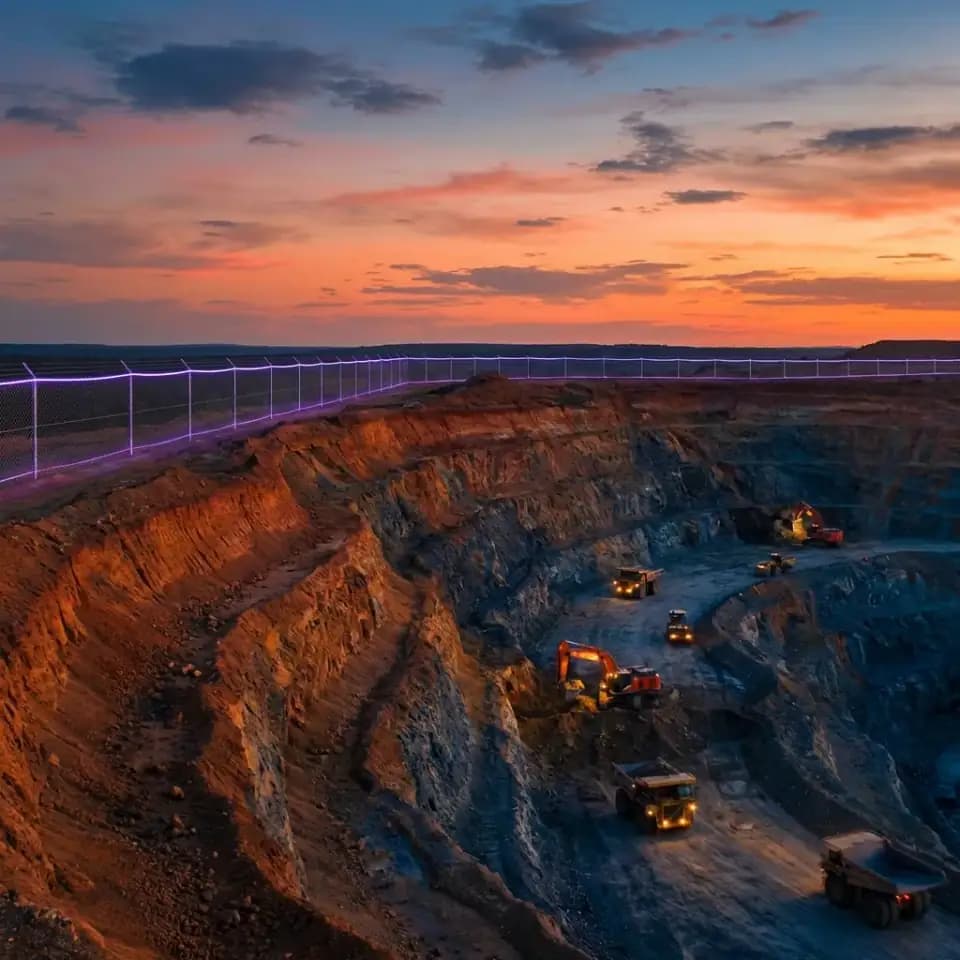
FortSense provides critical protection for Chiapas' strategic energy infrastructure. The hydroelectric dams, situated in deep canyons of the Sierra Madre de Chiapas surrounded by remote, dense tropical forest, require robust perimeter detection that operates in extreme humidity above 95%, torrential rain exceeding 100 mm in 24 hours, and vegetation that aggressively overtakes any exposed infrastructure. Fiber optics operate without degradation under these conditions, detecting intrusions along kilometers of perimeter without electronic nodes vulnerable to humidity, tropical insects and plant growth.
Deployments in Chiapas include the four Grijalva dams and their associated electrical substations, Puerto Chiapas and its commercial terminal, agroindustrial facilities at the Pujiltic and Huixtla sugar mills, premium-export coffee processing plants, and PEMEX pipelines in the northern part of the state where fuel theft represents a significant environmental and human risk.
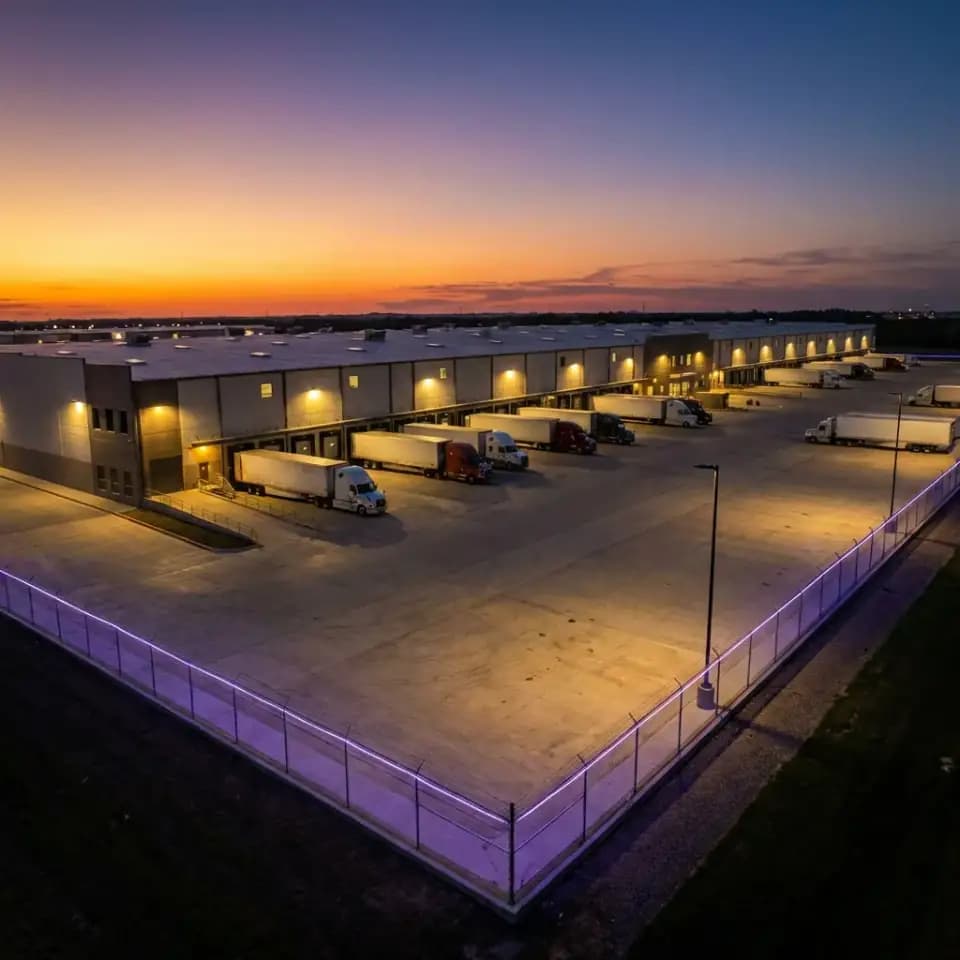
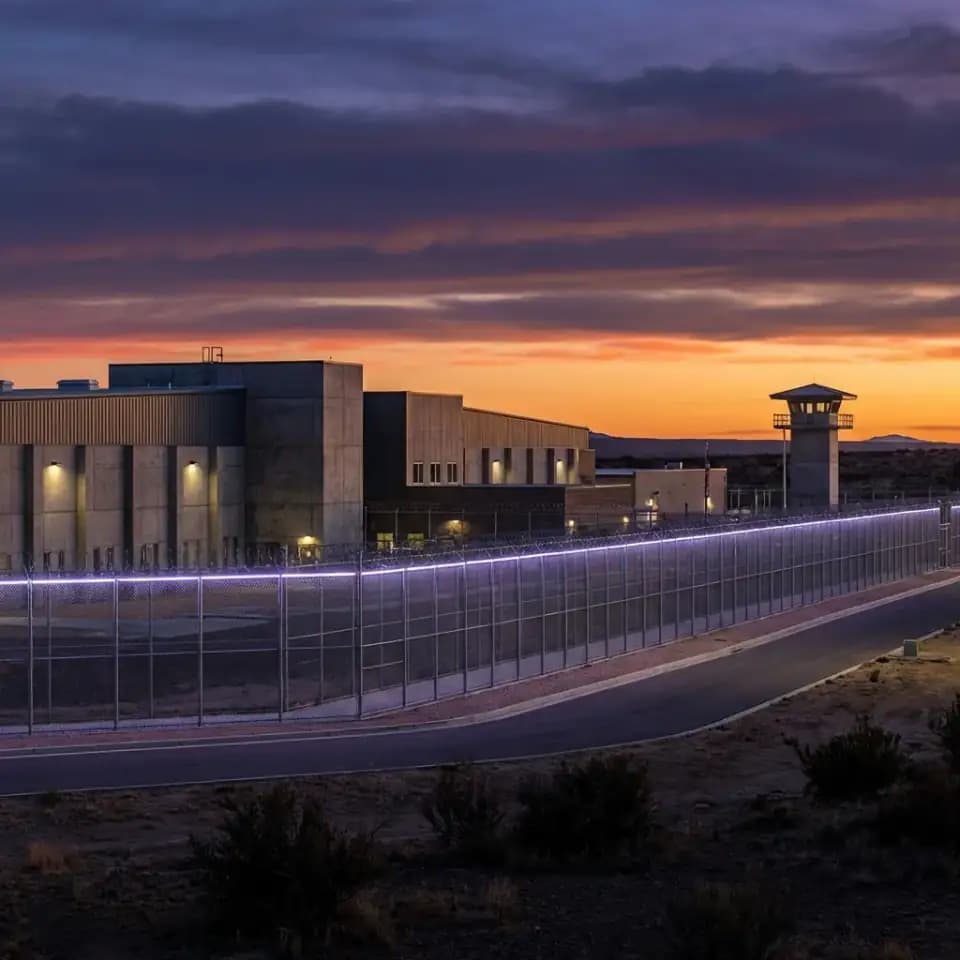
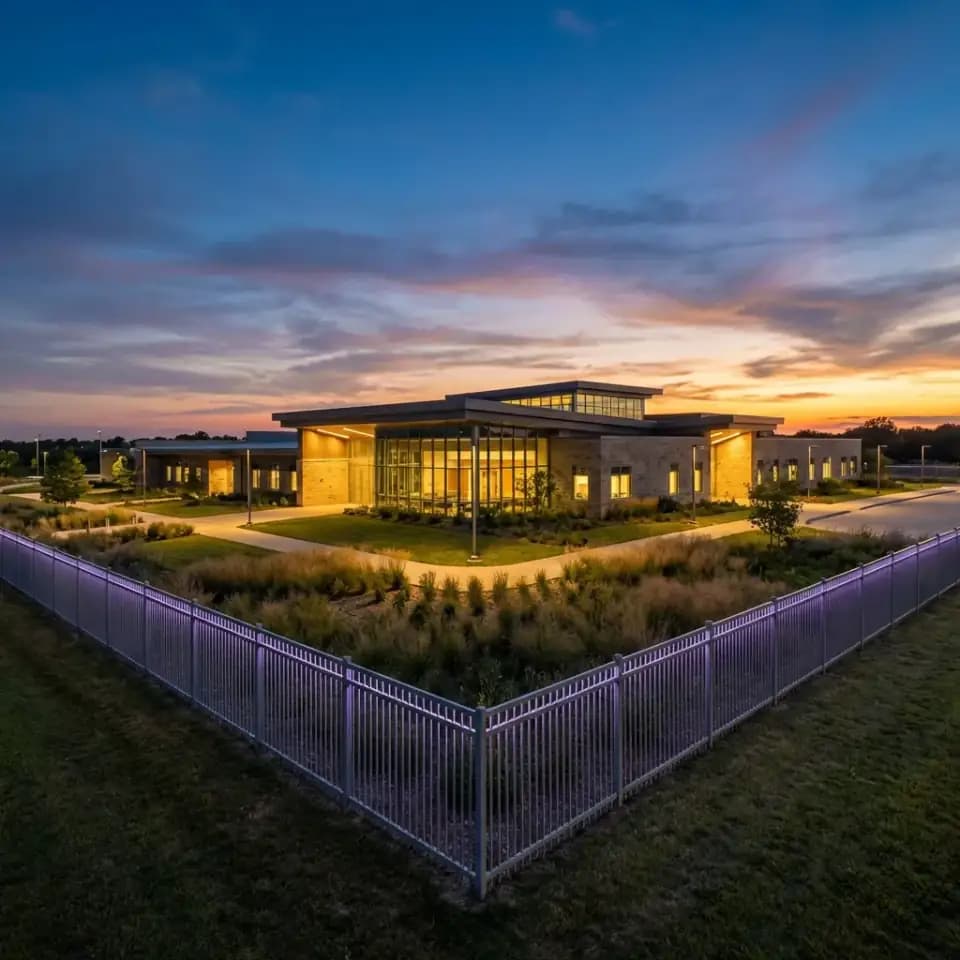
Professional perimeter protection for distribution centers, manufacturing, and critical infrastructure in Chiapas.
- Livestock & Feed Lot Perimeter
- Irrigation & Cable Theft Detection
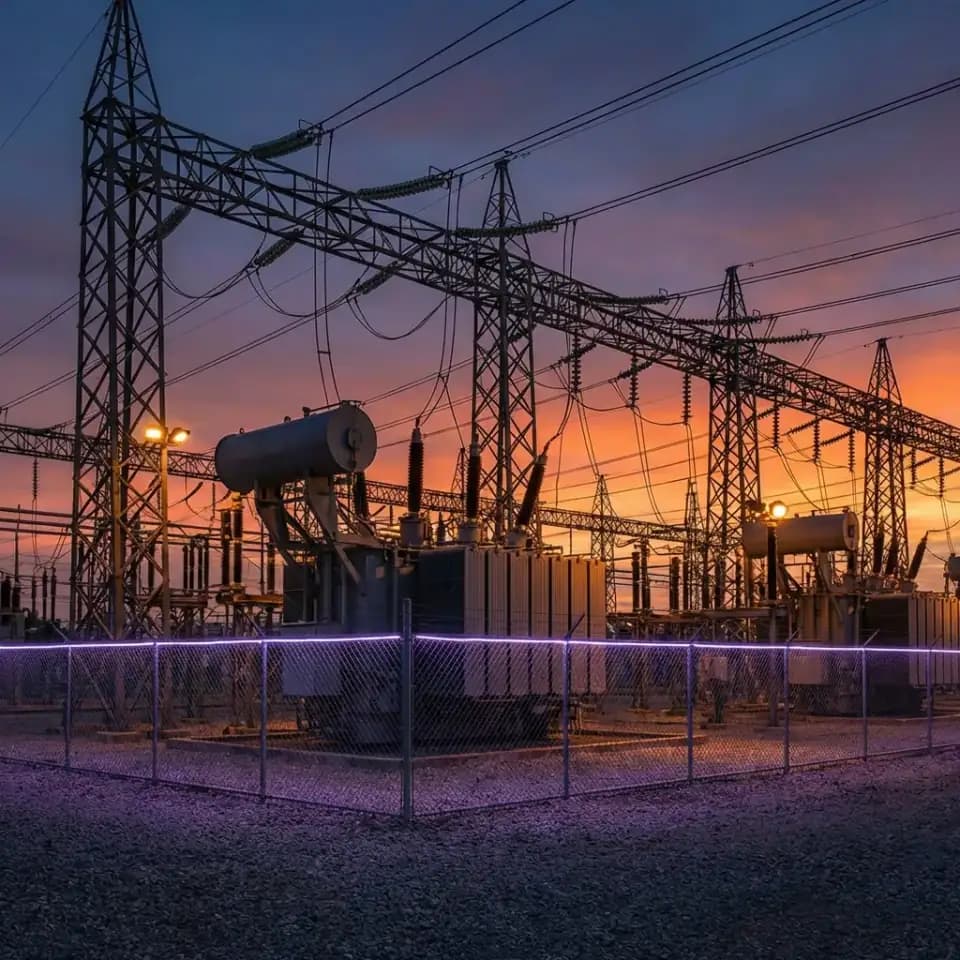
- Substation & Grid Protection (Copper Theft)
- Grijalva River Hydroelectric Dams: Chicoasén (2,400 MW), Malpaso and La Angostura
Plan a FortSense assessment for this market
Share the perimeter length, fence type, and monitoring workflow. FortSense can help scope zones, integration points, and commissioning requirements for this location.
Services
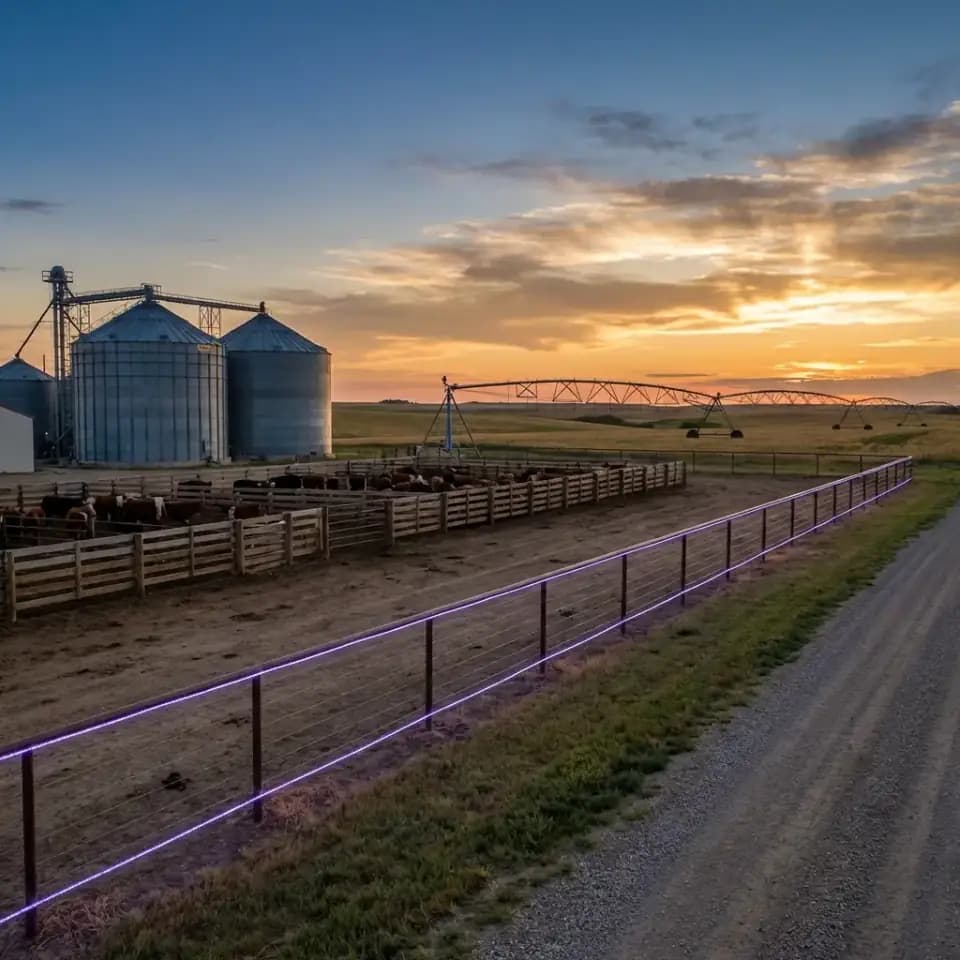
Livestock & Feed Lot Perimeter
Fiber optic perimeter detection for livestock pens, feedlots, and breeding facilities with animal-immune algorithms calibrated for large herds.
Irrigation & Cable Theft Detection
Protecting irrigation infrastructure, pivot systems, and agricultural power lines from cable theft and equipment vandalism across remote farmland.
Substation & Grid Protection (Copper Theft)
Fiber optic perimeter security for electrical substations, switching stations, and transmission corridors to prevent copper theft and infrastructure sabotage.
Deployment patterns for local sites
How FortSense Works in Chiapas
Fiber optic perimeter security adapted to local conditions and requirements.
- Fiber installed. Passive fiber optic cable mounts on the existing fence or wall with minimal civil work.
- Vibration detected. Any contact creates vibration patterns in the fiber so climbing, cutting, or lifting attempts become visible immediately.
- AI/DSP verification. Algorithms filter out wind, animals, and environmental noise before an operator ever sees an alarm.
- Alarm if intrusion. Only real threats trigger zone-based alarms that can route into the monitoring workflow already used by the site team.
Adapted for Chiapas. Our local partners understand Chiapas's climate, terrain, and security challenges. The fiber optic system is configured to filter local environmental conditions while maintaining maximum sensitivity to real intrusion attempts.
Integration and security software fit
FortSense can feed alarms into the monitoring stack a site already uses, including VMS, PSIM, alarm panels, relay inputs, TCP/IP workflows, and camera verification.
- Zone-based alarms for operators and guard teams
- Camera and VMS workflows for visual verification
- Relay or network outputs for existing security systems
- Software-assisted filtering before dispatch decisions
Industries in this market
Relevant FortSense industry and use-case paths connected to this location.
- Grijalva River Hydroelectric Dams: Chicoasén (2,400 MW), Malpaso and La Angostura
- Puerto Chiapas — Pacific Commercial Terminal
- Sugar Mills and Export Coffee Processing Facilities
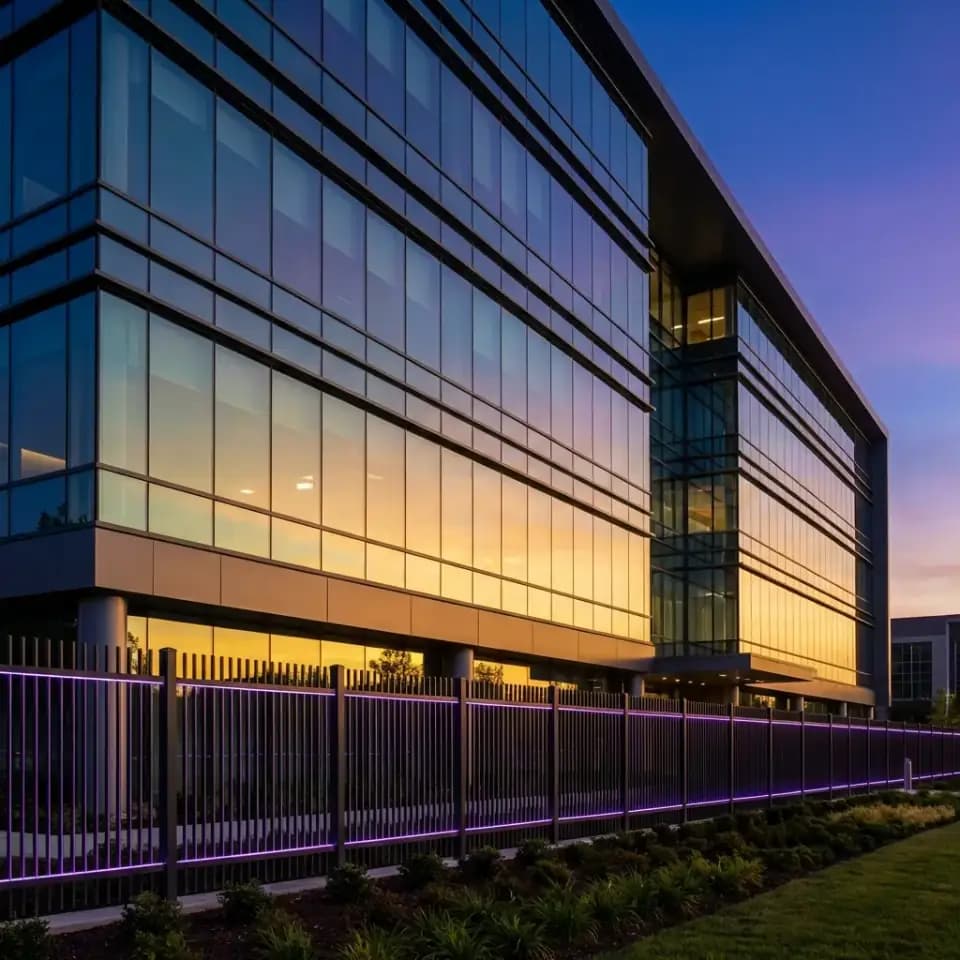
- Distribution Center Perimeter Security
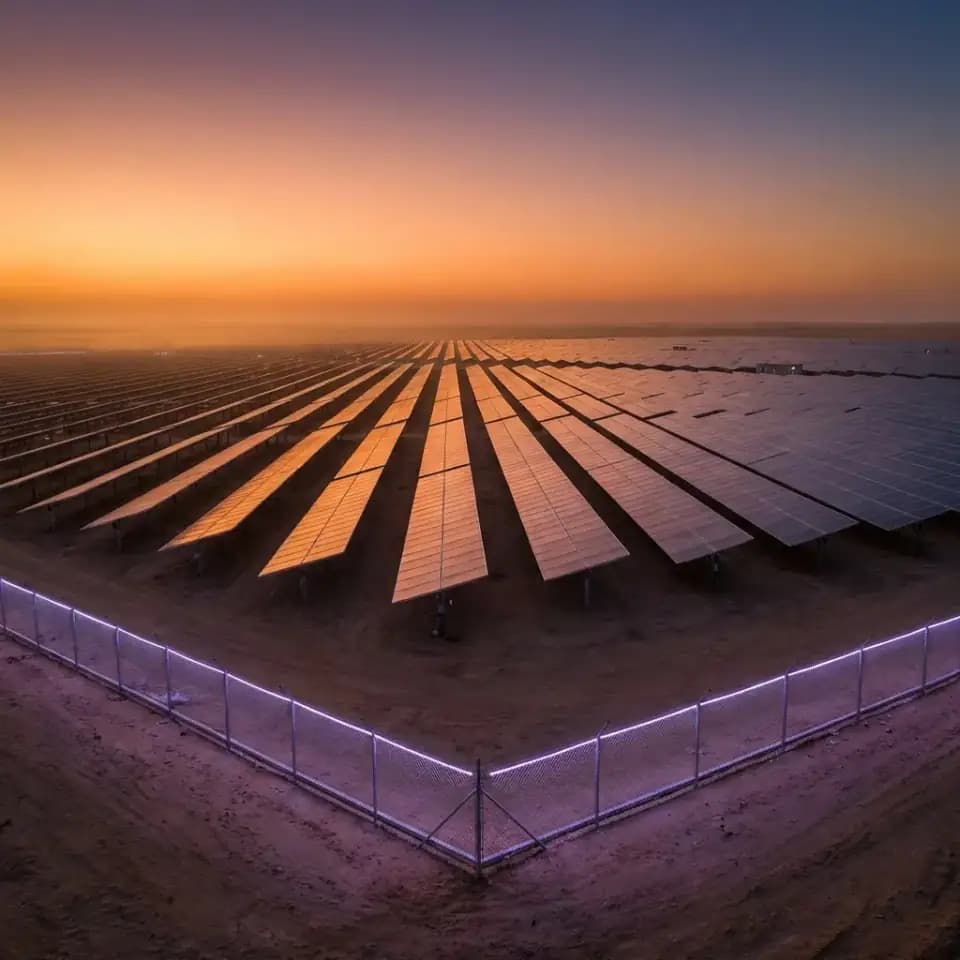
- Solar Farm Perimeter Security
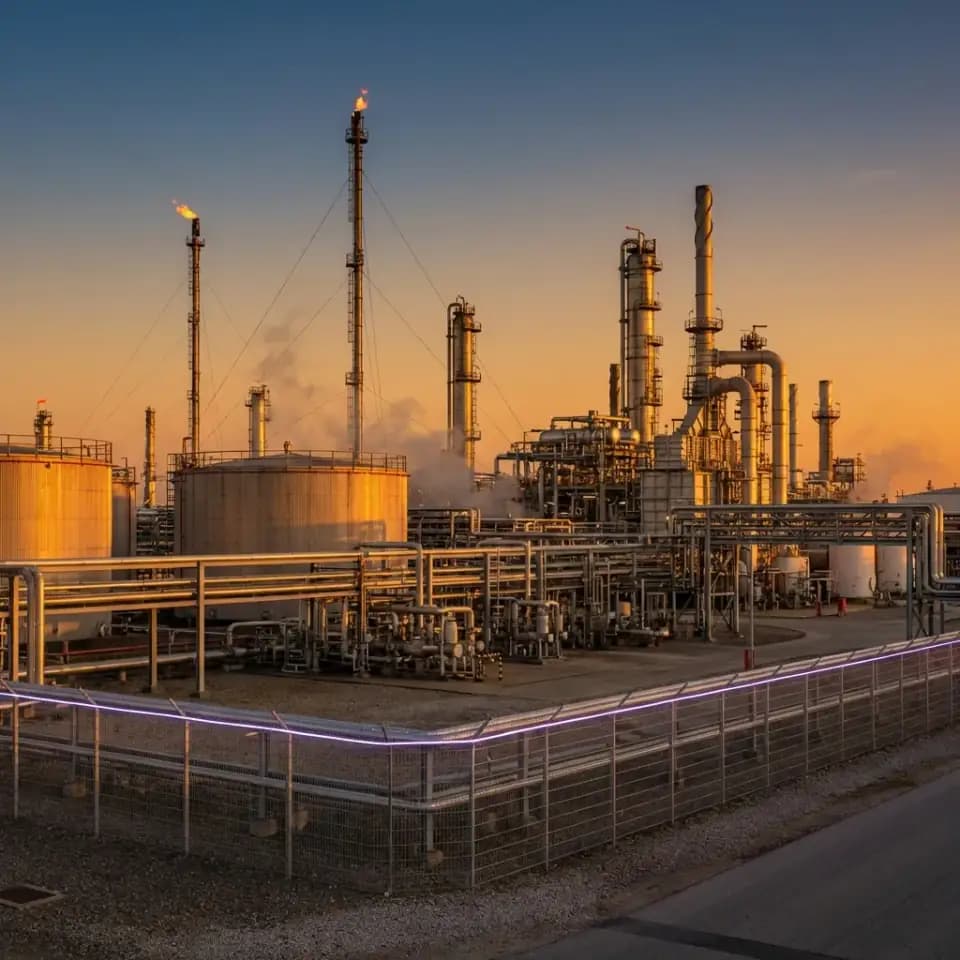
- Perimeter Security for Critical Infrastructure
Why FortSense fits in Perimeter Security in Chiapas
FortSense is designed for perimeter security work where false-alarm reduction, passive fiber sensing, and practical integration matter more than adding another camera-only layer.
- Passive fiber on existing fences, walls, or perimeter structures
- AI/DSP filtering for wind, vibration, and environmental noise
- Zone-level alerts that can match the site's response model
- Support for design, integration, commissioning, and handover
Market notes
Practical details that help this page stay specific to the market instead of drifting into generic copy.
- Grijalva River Hydroelectric Dams: Chicoasén (2,400 MW), Malpaso and La Angostura
- Puerto Chiapas — Pacific Commercial Terminal
- Sugar Mills and Export Coffee Processing Facilities
- Livestock & Feed Lot Perimeter
Related FortSense paths
Related technical content and commercial guidance linked from this location page.


