
Fiber Optic Perimeter Security in Colima: Port Perimeter Security in Colima

Protecting the Port of Manzanillo — Mexico's Largest Container Port, the LNG Terminal and the Peña Colorada Iron Mine

Applications

Perimeter Security Fiber Optics Ideal for Applications in Colima

FortSense Solar & Renewables

Solar & Renewables

Perimeter Security Fiber Optics

Solar & Renewables

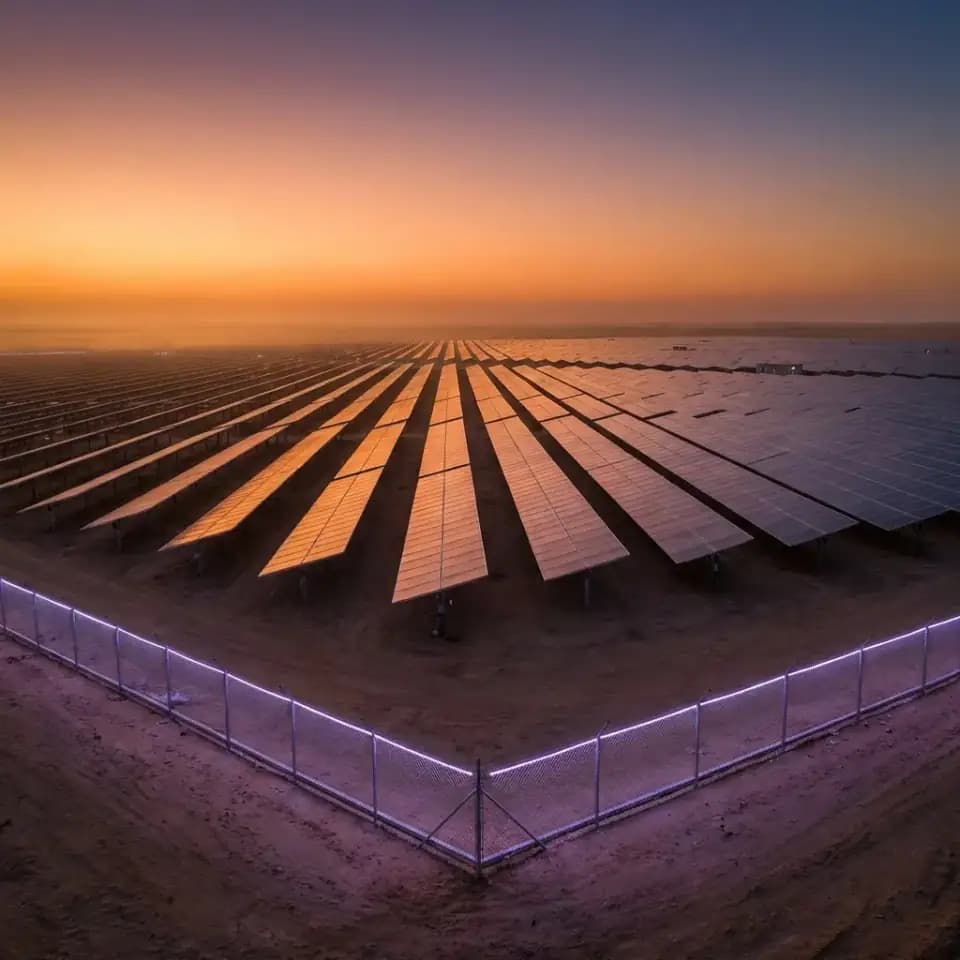
Autonomous perimeter monitoring for solar plants, protecting against theft of panels, copper cables, and inverters.

Ideal for applications in Colima

FortSense Oil & Gas

Oil & Gas

Perimeter Security Fiber Optics

Oil & Gas

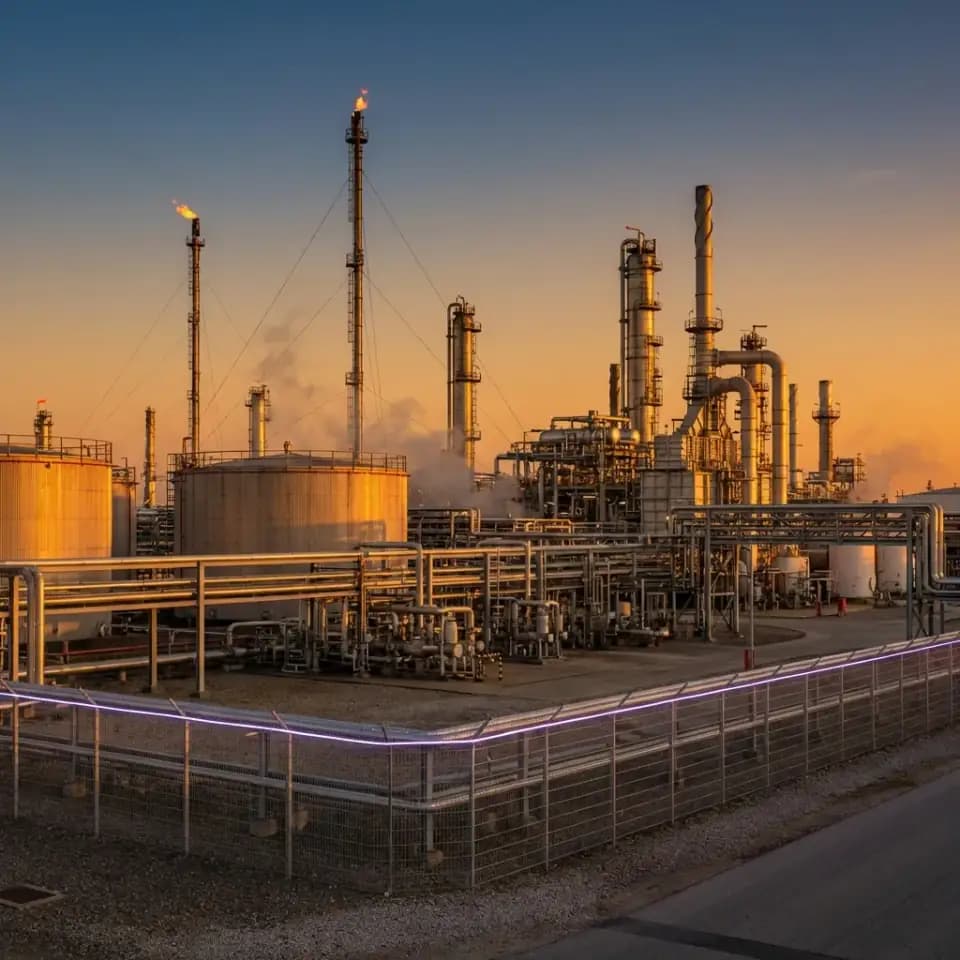
Intrinsically safe perimeter detection for refineries, chemical plants, and fuel storage depots.

Ideal for applications in Colima

FortSense Ports & Maritime

Ports & Maritime

Perimeter Security Fiber Optics

Ports & Maritime

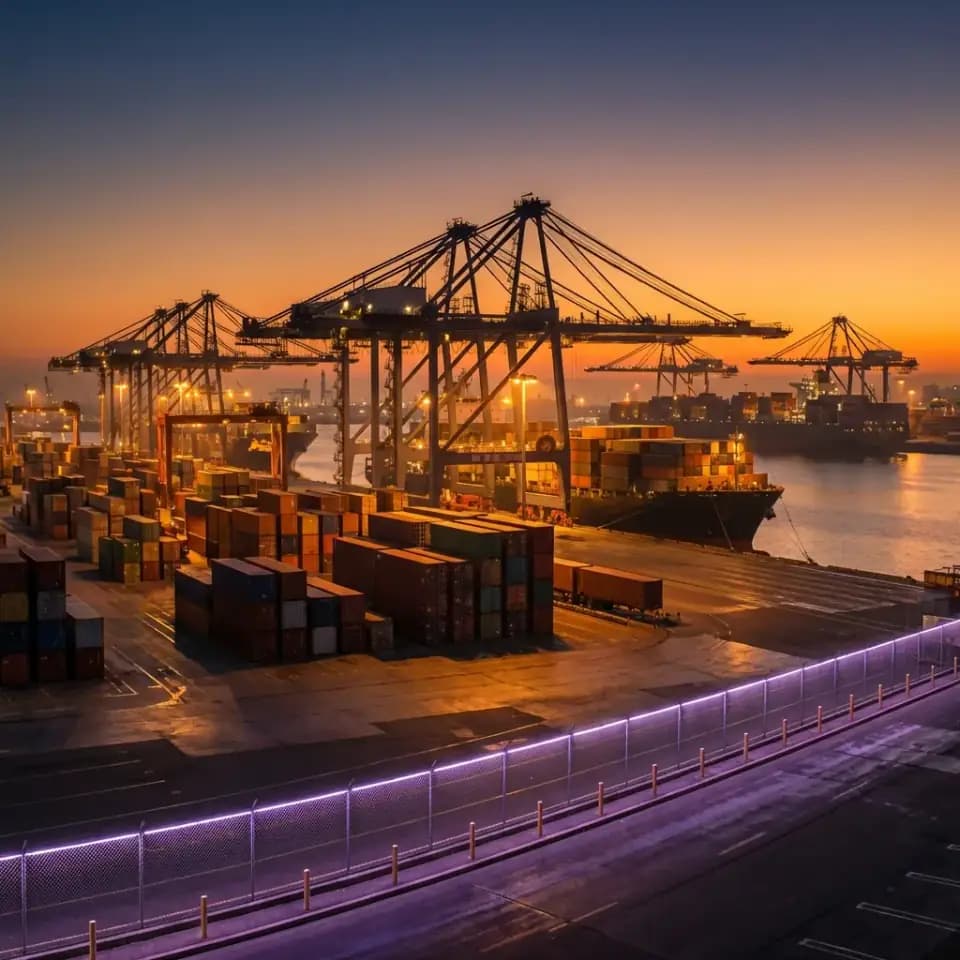
ISPS-compliant security for cargo containers, fuel depots, and docked vessels in harsh marine environments.

Ideal for applications in Colima

FortSense Agriculture

Agriculture

Perimeter Security Fiber Optics

Agriculture

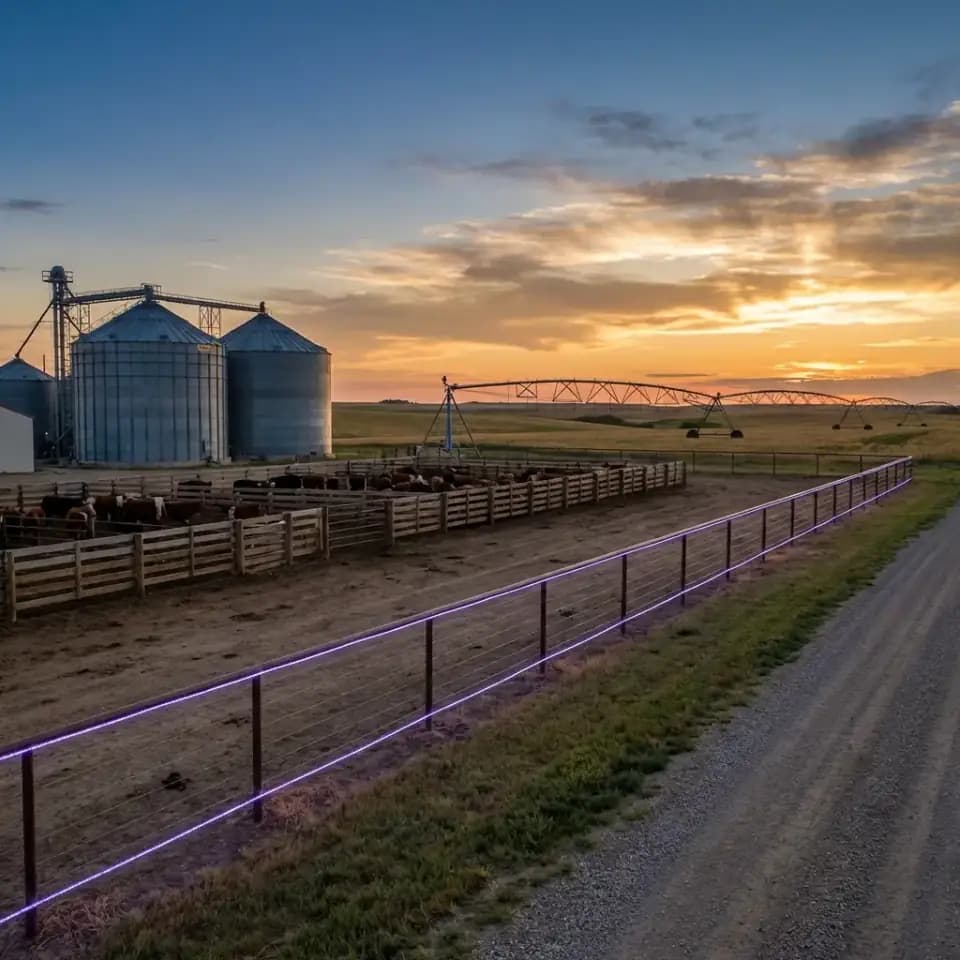
Fire detection and security for farms, livestock pens, pivot irrigation systems, and rural assets.

Ideal for applications in Colima

FortSense Financial Sector

Financial Sector

Perimeter Security Fiber Optics

Financial Sector

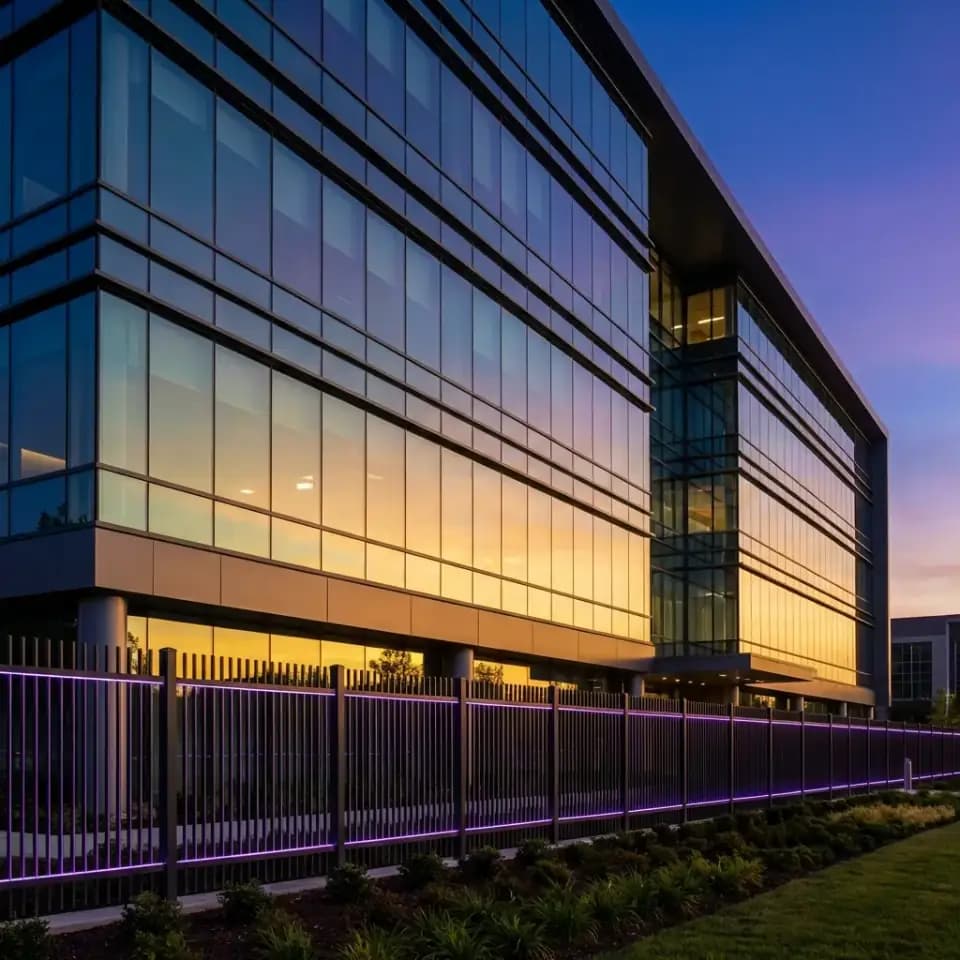
High-security perimeter protection for banks, vaults, administrative centers, and ATM areas.

Ideal for applications in Colima

FortSense Residential Condominiums

Residential Condominiums

Perimeter Security Fiber Optics

Residential Condominiums

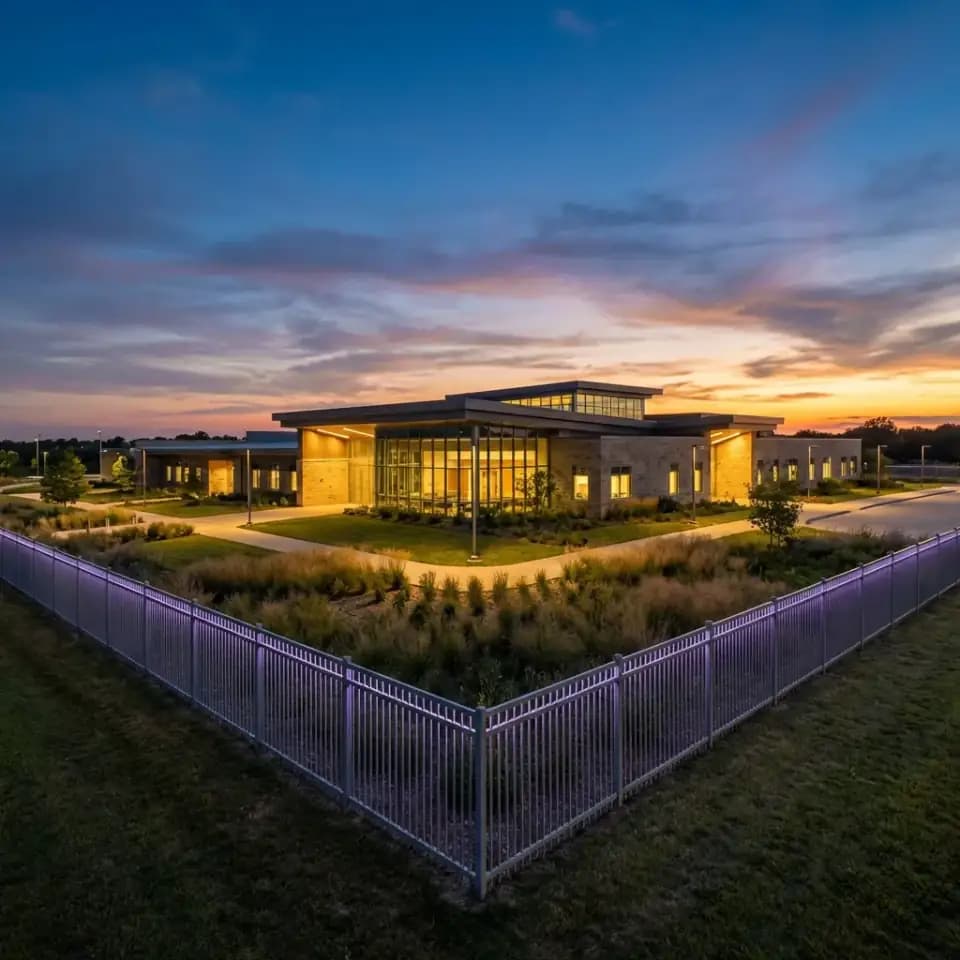
Invisible security for gated communities and apartment complexes, preserving aesthetics while detecting intrusions.

Ideal for applications in Colima

FortSense Distribution Centers

Distribution Centers

Perimeter Security Fiber Optics

Distribution Centers

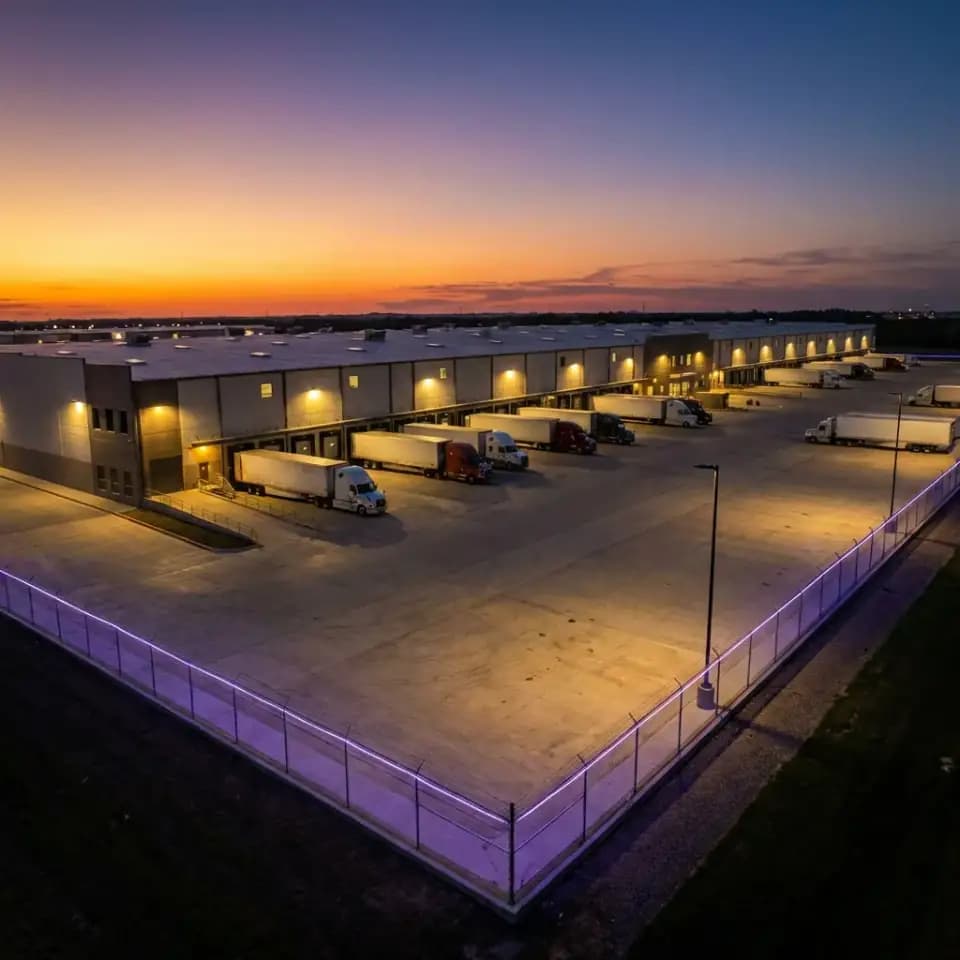
Security for logistics parks, warehouses, and high-value storage areas, meeting TAPA security standards.

Ideal for applications in Colima

FortSense Critical Infrastructure

Critical Infrastructure

Perimeter Security Fiber Optics

Critical Infrastructure

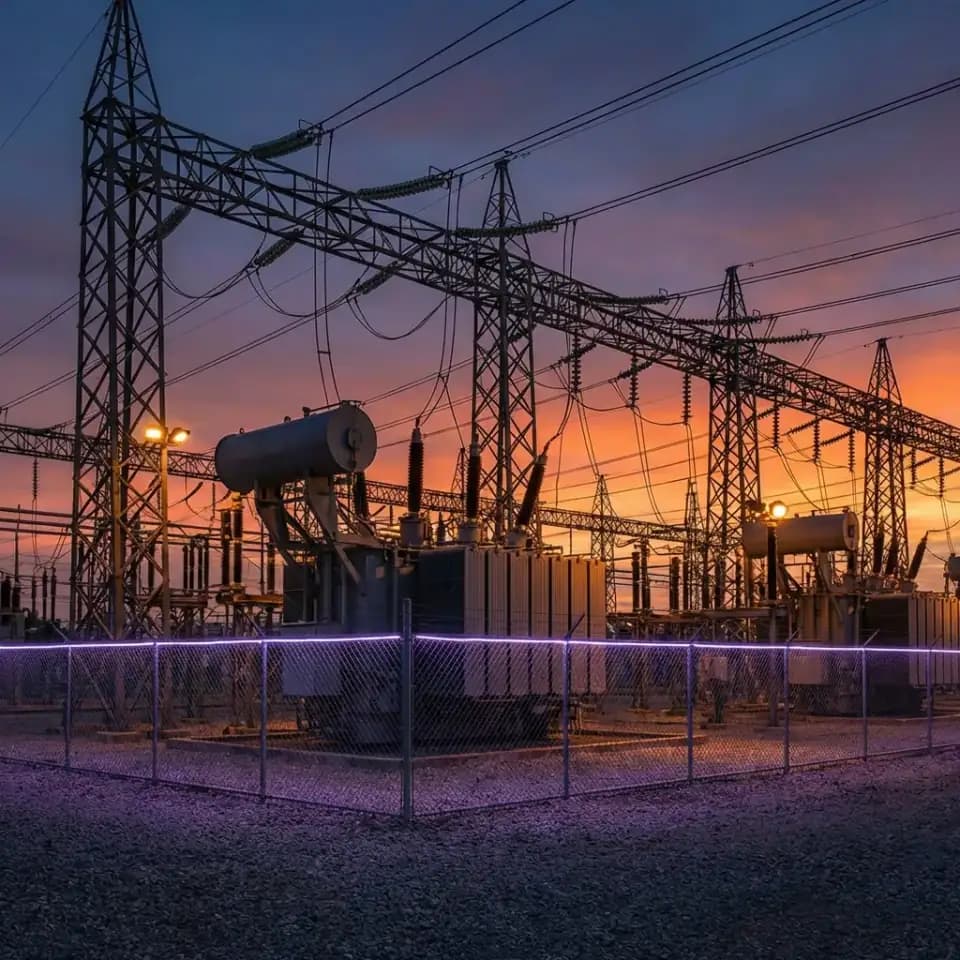
EMI-immune monitoring for electrical substations, telecom towers, and unmanned critical assets.

Ideal for applications in Colima

FortSense Corrections & Prisons

Corrections & Prisons

Perimeter Security Fiber Optics

Corrections & Prisons

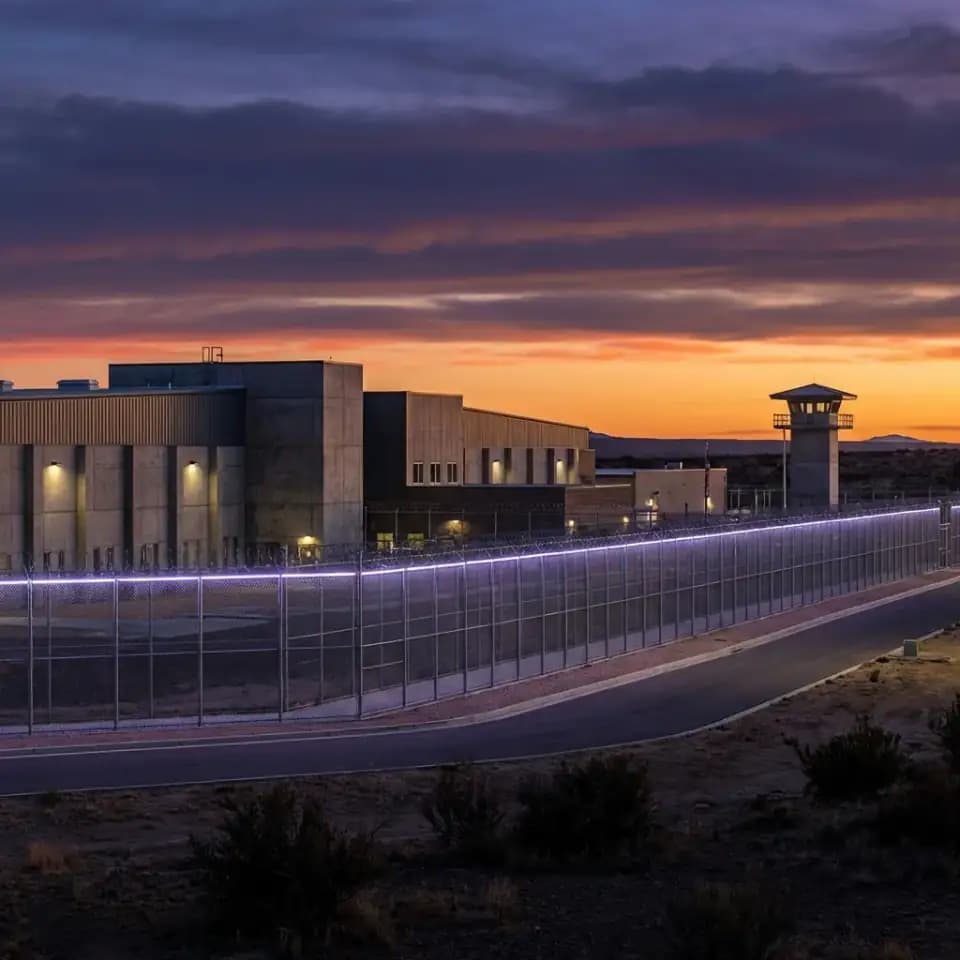
Zero-tolerance perimeter security for correctional facilities, detecting escape attempts and breaches.

Ideal for applications in Colima

FortSense Public Sector & Schools

Public Sector & Schools

Perimeter Security Fiber Optics

Public Sector & Schools

Non-invasive security for schools, government buildings, and public facilities with rapid lockdown protocols.

Ideal for applications in Colima

FortSense Perimeter Security for Airports

Perimeter Security for Airports

Perimeter Security Fiber Optics

Perimeter Security for Airports

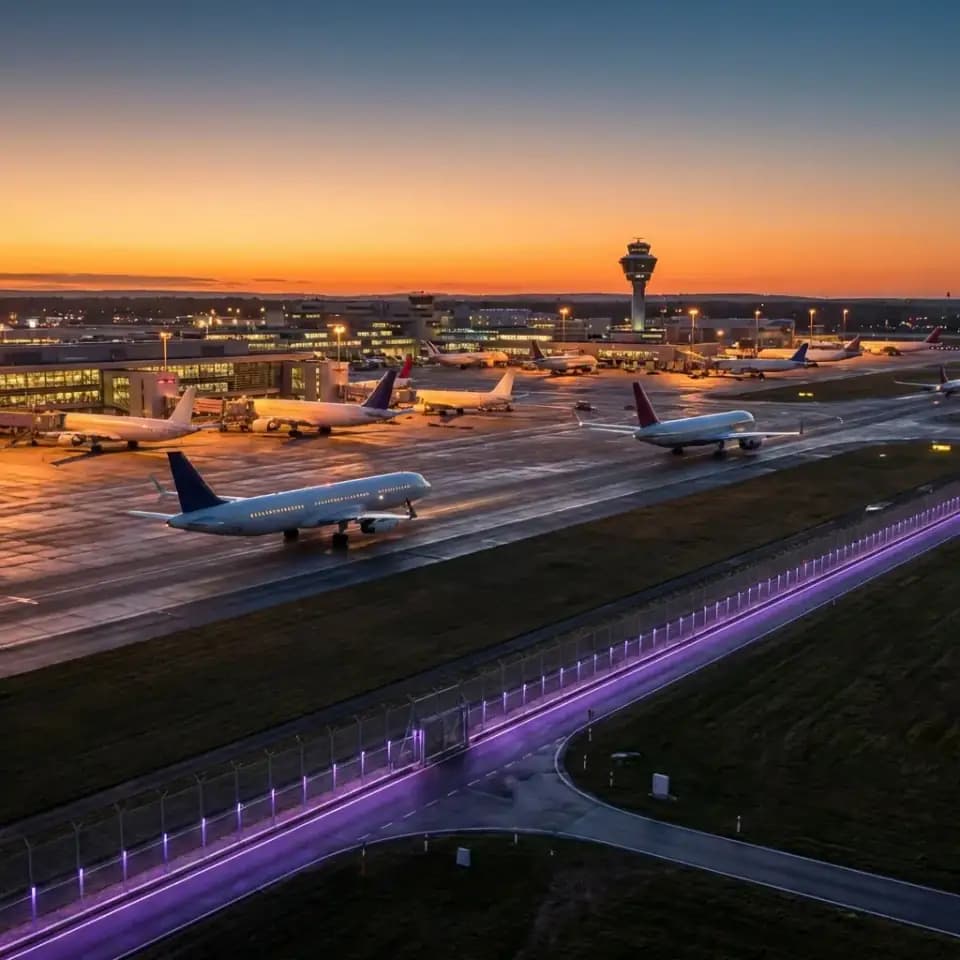
ICAO-compliant sterile zone enforcement with zero interference to airport radar and navigation systems.

Ideal for applications in Colima

FortSense Mining Operations

Mining Operations

Perimeter Security Fiber Optics

Mining Operations

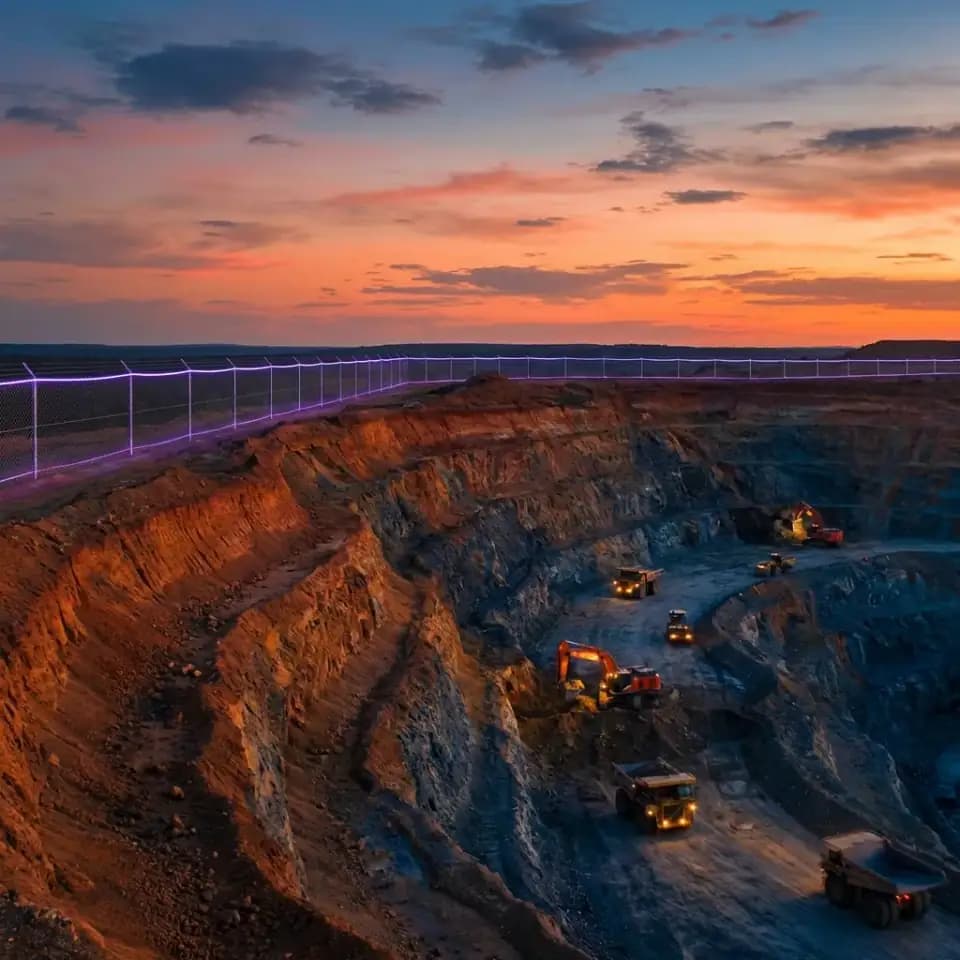
Ruggedized perimeter security for open-pit mines, ore stockpiles, and remote mining infrastructure.

Ideal for applications in Colima

Local service overview

Port Perimeter Security in Colima

FortSense® protects the Port of Manzanillo, container terminals, the LNG terminal and the Peña Colorada mine in Colima with fiber optics.

Colima's economy revolves around the Port of Manzanillo, Mexico's busiest port and the largest container port on the entire Latin American Pacific coast, positioned as the primary gateway for trade between Mexico and Asia-Pacific markets. The port handles over 90% of all containerized cargo transiting Mexico's Pacific coast, with over 3. 4 million TEUs processed in 2024 and over 26 regular shipping lines connecting with China, Japan, South Korea, Singapore and other Asian ports. Daily traffic exceeds 1,000 cargo trucks, 850 light vehicles and 900 motorcycles accessing the port complex.

The transportation, mail and warehousing sector directly linked to the port grew 70. 76% between 2013 and 2023, from 13,126 million to 22,415 million pesos in constant values, demonstrating the port's transformative impact on Colima's economy.

The port complex includes multiple container terminals operated by world-leading international firms: Terminal Internacional de Manzanillo (TIM, operated by Hutchison Ports, one of the world's largest port operators), Contecon Manzanillo (ICTSI of the Philippines) and SSA México (SSA Marine of Seattle). The Viaducto Alterno expansion and road and rail access modernization have improved logistics connectivity with the Bajío industrial corridor.

The Liquefied Natural Gas (LNG) terminal, operated by Samsung C&T and Mitsui, receives natural gas imports from the United States, Trinidad and Tobago and other origins for regasification and distribution to the central-western Mexico energy grid via CFE pipelines — a critical facility for national energy security. Peña Colorada, jointly owned by Ternium (60%) and ArcelorMittal (40%), is Mexico's largest iron mine and pelletizing operation, located in the hills of Minatitlán and producing iron ore pellets that feed the Ternium Group's steel mills in Monterrey.

Despite being Mexico's smallest state at just 5,627 km² and fewer than 800,000 inhabitants, Colima has an outsized economic weight thanks to a port that moves over 40 million tons of cargo annually. Agriculture contributes significant production of Mexican lime (Colima is the leading national producer), copra, tamarind, banana and sugar cane. The University of Colima is a regional educational hub, and beach tourism in Manzanillo complements the economy.

However, the port's strategic importance as the primary entry point for drug trafficking from South America has resulted in extreme violence and unparalleled security challenges. Colima has in recent years recorded one of Mexico's highest per capita homicide rates — at times exceeding 100 homicides per 100,000 inhabitants — making the state proportionally one of the most violent in the Western Hemisphere. Territorial disputes between CJNG and the Sinaloa Cartel for control of the port and its logistics routes generate sustained violence affecting civilians, business owners and port workers.

Security challenges include massive drug trafficking through the port — Manzanillo is the primary entry point for cocaine from Colombia, Peru and Ecuador via maritime containers, with seizures exceeding 50 tons in some years — organized cargo theft through seal tampering and container fraud with internal complicity, widespread extortion of port workers, truck drivers and logistics and customs brokerage companies, corruption and organized crime infiltration of port security and customs personnel, armed robberies and kidnappings of truck operators on port access roads (particularly the Manzanillo-Guadalajara highway), and murders of business owners who resist extortion payments.

The tropical humid climate brings direct hurricane exposure from the Pacific — the cyclone season from June to November historically has produced storms that have damaged port infrastructure — very high seismic risk due to proximity to the Rivera Plate subduction zone under the North American Plate (with destructive earthquakes such as the 1995 Manzanillo M8.

0), the active Colima Volcano just 35 km from the state capital with frequent eruptions and pyroclastic flow risk, intense heat and humidity with temperatures above 35°C for much of the year, flooding during hurricane season from river overflow and tsunami risk generated by submarine earthquakes.

FortSense offers world-class port security for Manzanillo. Fiber optics can monitor kilometers of port perimeter in corrosive marine environments where salty sea air and tropical humidity destroy conventional electronic equipment within months. Hutchison Ports, ICTSI and SSA México container terminals require detection that distinguishes between legitimate loading operations — gantry cranes, straddle carriers, reach stackers operating 24/7 — and unauthorized approaches to high-value storage areas.

The LNG terminal requires intrinsically safe systems for potentially explosive atmospheres near cryogenic tanks and vaporizers — a requirement fiber optics fulfill by design, as they carry no electrical current. The Peña Colorada mine in remote mountain terrain requires autonomous perimeter monitoring that withstands the tropical conditions of the sierra.

Professional perimeter protection for distribution centers, manufacturing, and critical infrastructure in Colima.

  • ISPS-Compliant Port Perimeter
  • Container Yard & Terminal Protection
  • Factory & Industrial Park Perimeter
  • Port of Manzanillo — Mexico's #1 Pacific Container Port (3M+ TEUs)

Plan a FortSense assessment for this market

Share the perimeter length, fence type, and monitoring workflow. FortSense can help scope zones, integration points, and commissioning requirements for this location.

Services

ISPS-Compliant Port Perimeter

International Ship and Port Facility Security (ISPS) compliant fiber optic perimeter detection for port boundaries, restricted zones, and maritime access points.

Container Yard & Terminal Protection

High-density container yard monitoring with zone-based intrusion detection, anti-climb sensing, and integration with port access control systems.

Factory & Industrial Park Perimeter

Shift-aware perimeter detection for factories and industrial parks with automatic sensitivity adjustment between production hours and quiet periods.

Deployment patterns for local sites

How FortSense Works in Colima

Fiber optic perimeter security adapted to local conditions and requirements.

  1. Fiber installed. Passive fiber optic cable mounts on the existing fence or wall with minimal civil work.
  2. Vibration detected. Any contact creates vibration patterns in the fiber so climbing, cutting, or lifting attempts become visible immediately.
  3. AI/DSP verification. Algorithms filter out wind, animals, and environmental noise before an operator ever sees an alarm.
  4. Alarm if intrusion. Only real threats trigger zone-based alarms that can route into the monitoring workflow already used by the site team.

Adapted for Colima. Our local partners understand Colima's climate, terrain, and security challenges. The fiber optic system is configured to filter local environmental conditions while maintaining maximum sensitivity to real intrusion attempts.

Integration and security software fit

FortSense can feed alarms into the monitoring stack a site already uses, including VMS, PSIM, alarm panels, relay inputs, TCP/IP workflows, and camera verification.

  • Zone-based alarms for operators and guard teams
  • Camera and VMS workflows for visual verification
  • Relay or network outputs for existing security systems
  • Software-assisted filtering before dispatch decisions

Industries in this market

Relevant FortSense industry and use-case paths connected to this location.

  • Port of Manzanillo — Mexico's #1 Pacific Container Port (3M+ TEUs)
  • Manzanillo Liquefied Natural Gas Terminal
  • Iron Mine and Pelletizing Plant in Minatitlán
  • Distribution Center Perimeter Security
  • Solar Farm Perimeter Security
  • Perimeter Security for Critical Infrastructure

Why FortSense fits in Perimeter Security in Colima

FortSense is designed for perimeter security work where false-alarm reduction, passive fiber sensing, and practical integration matter more than adding another camera-only layer.

  • Passive fiber on existing fences, walls, or perimeter structures
  • AI/DSP filtering for wind, vibration, and environmental noise
  • Zone-level alerts that can match the site's response model
  • Support for design, integration, commissioning, and handover

Market notes

Practical details that help this page stay specific to the market instead of drifting into generic copy.

  • Port of Manzanillo — Mexico's #1 Pacific Container Port (3M+ TEUs)
  • Manzanillo Liquefied Natural Gas Terminal
  • Iron Mine and Pelletizing Plant in Minatitlán
  • ISPS-Compliant Port Perimeter

Related FortSense paths

Related technical content and commercial guidance linked from this location page.

Frequently Asked Questions (FAQ)

Frequently Asked Questions (FAQ) — Colima

How does the system handle the vibration from container handling equipment?

Port-specific algorithms profile the acoustic signatures of gantry cranes, straddle carriers, reach stackers, and terminal tractors. These known patterns are filtered, maintaining detection capability even in high-activity container yards.

Can FortSense cover restricted zones within a large port facility?

Absolutely. The fiber cable creates independent alarm zones for each restricted area: cruise terminals, fuel bunkering stations, hazmat storage, customs bonded warehouses, and passenger embarkation points — each with tailored sensitivity and response protocols.

How does the system integrate with port access control?

FortSense integrates with TWIC-based access control, vehicle weigh-in-motion systems, and port community systems via standard protocols. Perimeter alarms can automatically lockdown nearby gates and trigger credential verification procedures.

What is the false alarm rate in an industrial environment?

Properly calibrated FortSense systems achieve Nuisance Alarm Rates (NAR) below 1 per zone per day in industrial environments. Our AI-based filtering adapts to site-specific conditions over the first 2-4 weeks, continuously improving accuracy.

How does vegetation growth in tropical climates affect the system?

Tropical vegetation touching the fence can generate false contacts. FortSense learns these patterns and filters them. We recommend quarterly vegetation management along the fence line, but the system maintains detection through moderate vine and branch contact.

Local perimeter assessment

Request Perimeter Assessment in Colima

Receive a technical proposal, deployment design, and integration plan.

Port Perimeter Security in Colima