



Fiber Optic Perimeter Security in Hidalgo: Refinery and Pipeline Perimeter Security in Hidalgo

Protecting the PEMEX Tula Refinery, the Tula-Tepeji Industrial Corridor and Pipelines Against Huachicoleo in Memory of Tlahuelilpan

Applications

Perimeter Security Fiber Optics Ideal for Applications in Hidalgo

FortSense Solar & Renewables

Solar & Renewables

Perimeter Security Fiber Optics

Solar & Renewables

Autonomous perimeter monitoring for solar plants, protecting against theft of panels, copper cables, and inverters.

Ideal for applications in Hidalgo

FortSense Oil & Gas

Oil & Gas

Perimeter Security Fiber Optics

Oil & Gas

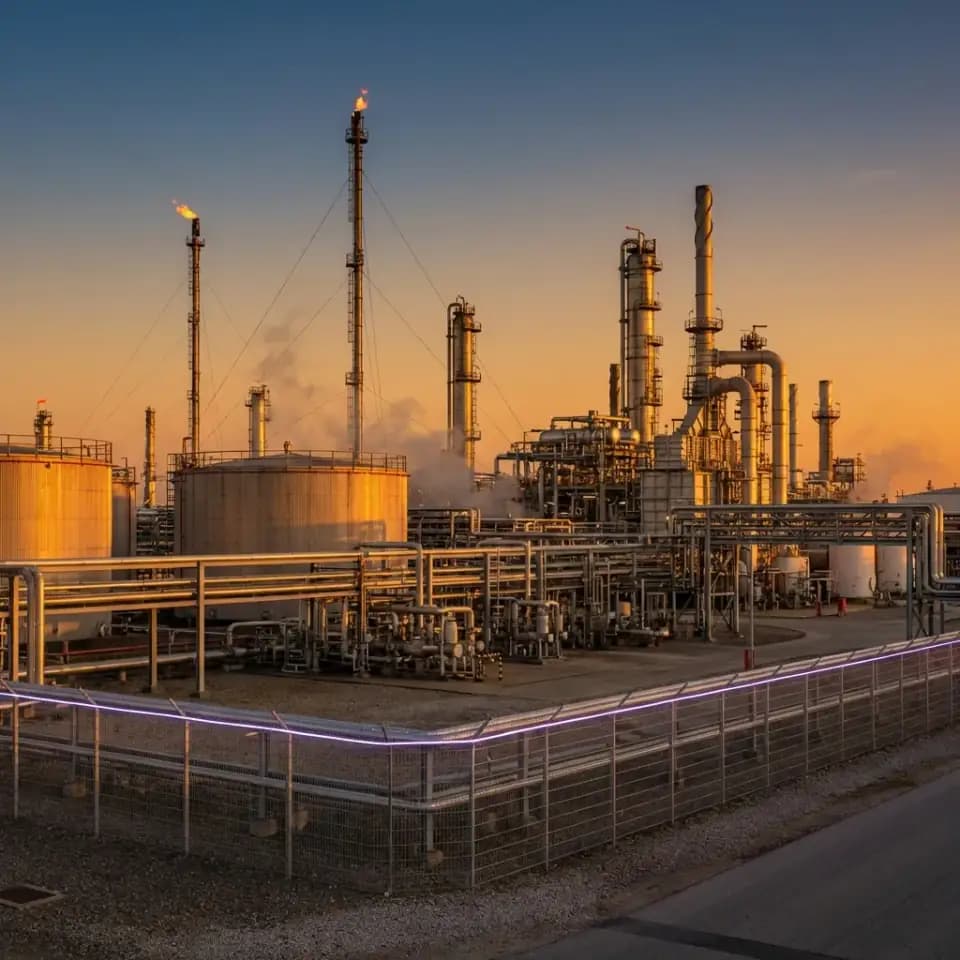
Intrinsically safe perimeter detection for refineries, chemical plants, and fuel storage depots.

Ideal for applications in Hidalgo

FortSense Ports & Maritime

Ports & Maritime

Perimeter Security Fiber Optics

Ports & Maritime

ISPS-compliant security for cargo containers, fuel depots, and docked vessels in harsh marine environments.

Ideal for applications in Hidalgo

FortSense Agriculture

Agriculture

Perimeter Security Fiber Optics

Agriculture

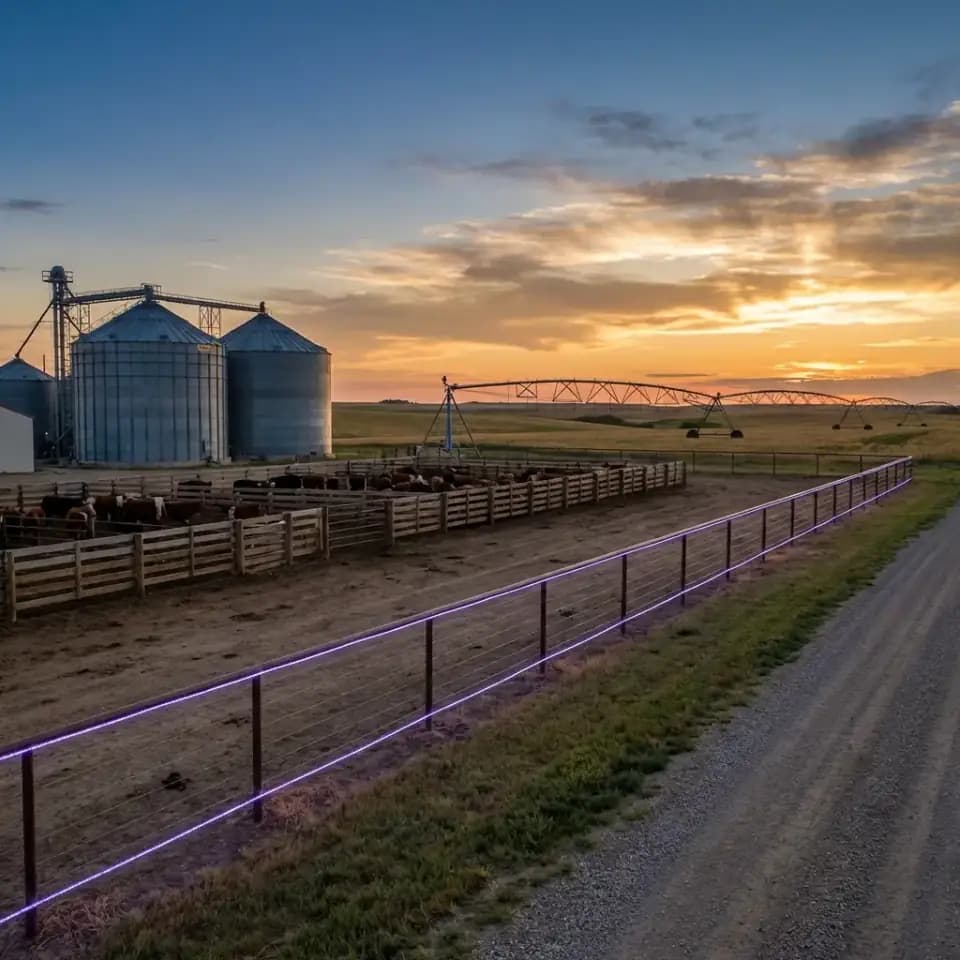
Fire detection and security for farms, livestock pens, pivot irrigation systems, and rural assets.

Ideal for applications in Hidalgo

FortSense Financial Sector

Financial Sector

Perimeter Security Fiber Optics

Financial Sector

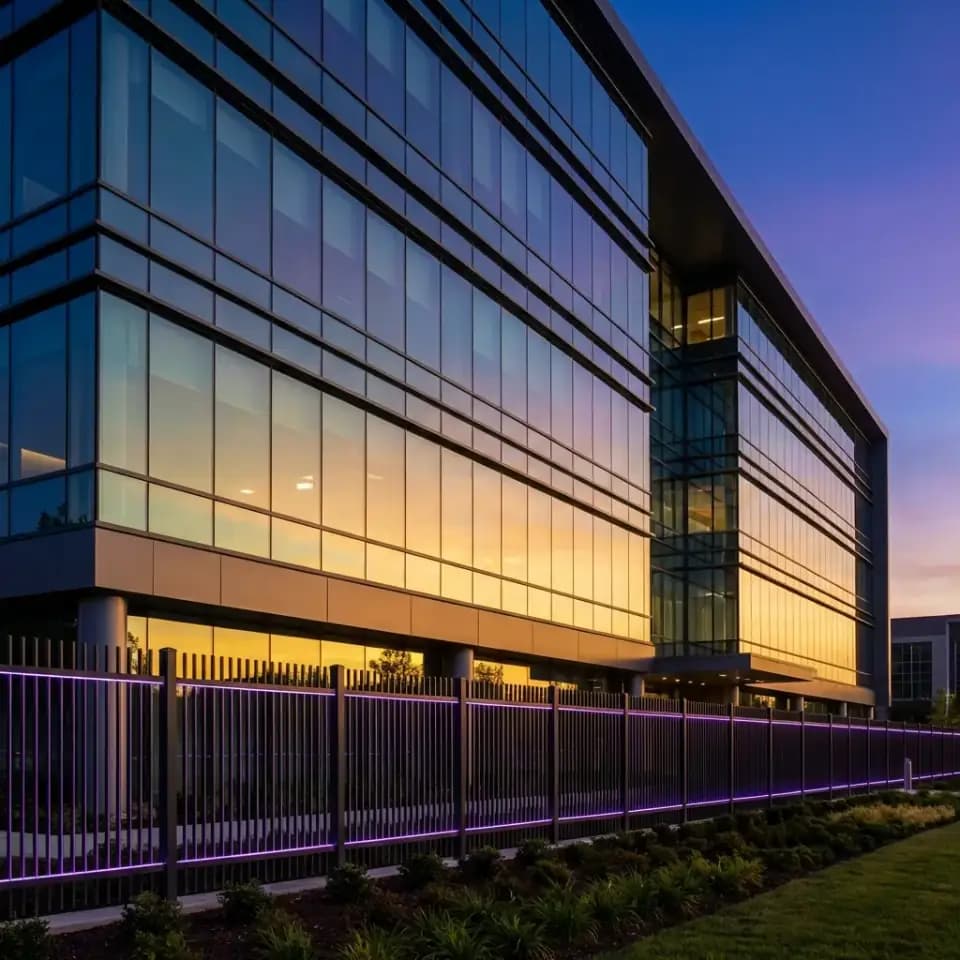
High-security perimeter protection for banks, vaults, administrative centers, and ATM areas.

Ideal for applications in Hidalgo

FortSense Residential Condominiums

Residential Condominiums

Perimeter Security Fiber Optics

Residential Condominiums

Invisible security for gated communities and apartment complexes, preserving aesthetics while detecting intrusions.

Ideal for applications in Hidalgo

FortSense Distribution Centers

Distribution Centers

Perimeter Security Fiber Optics

Distribution Centers

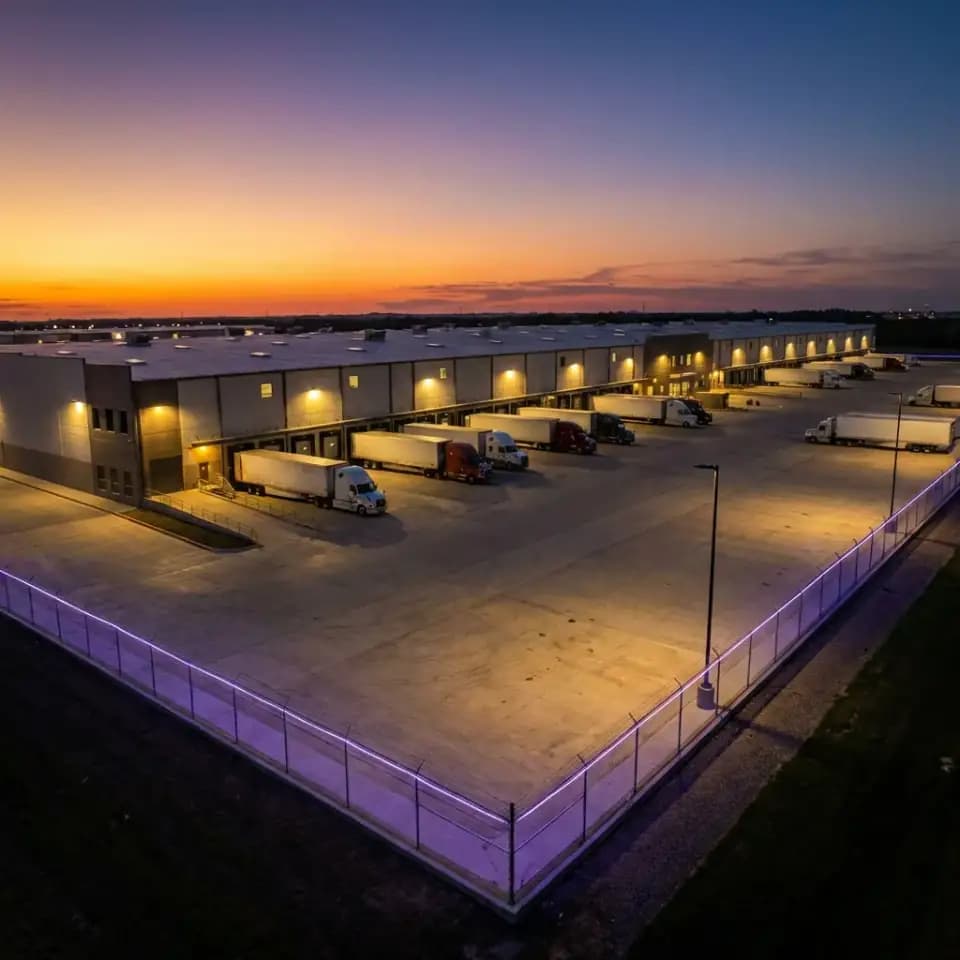
Security for logistics parks, warehouses, and high-value storage areas, meeting TAPA security standards.

Ideal for applications in Hidalgo

FortSense Critical Infrastructure

Critical Infrastructure

Perimeter Security Fiber Optics

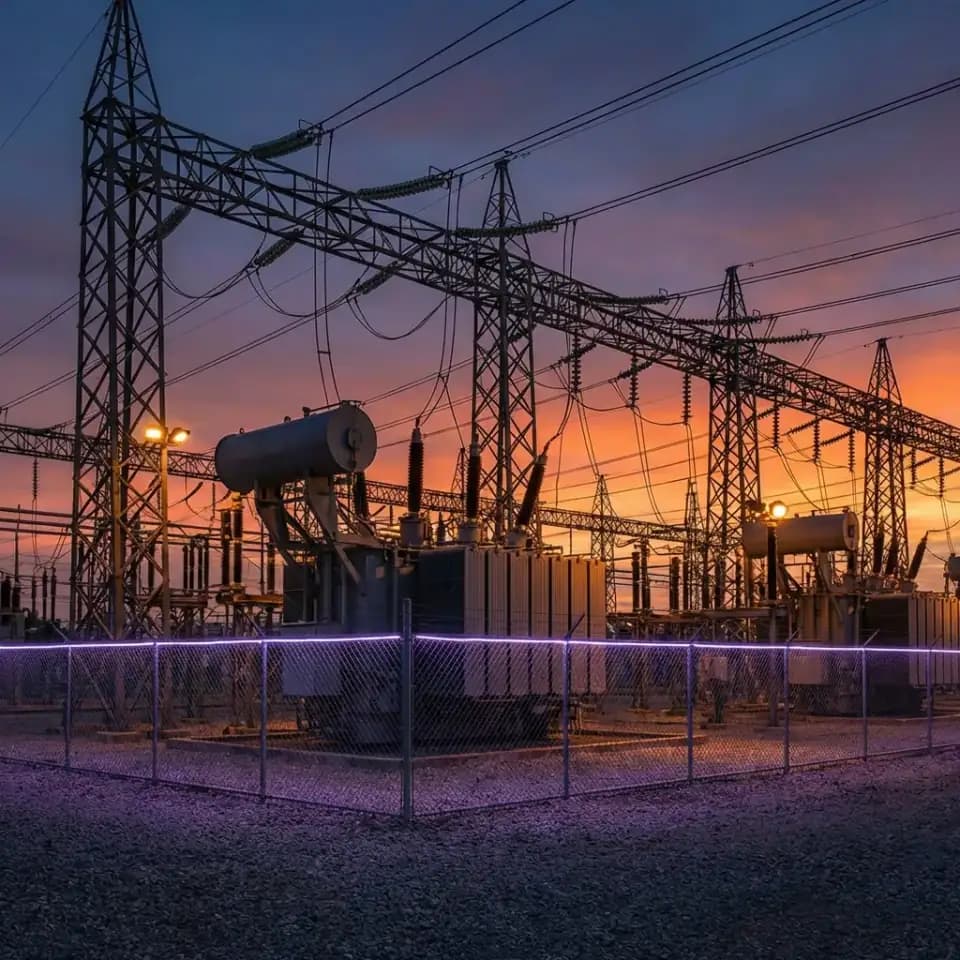
Critical Infrastructure

EMI-immune monitoring for electrical substations, telecom towers, and unmanned critical assets.

Ideal for applications in Hidalgo

FortSense Corrections & Prisons

Corrections & Prisons

Perimeter Security Fiber Optics

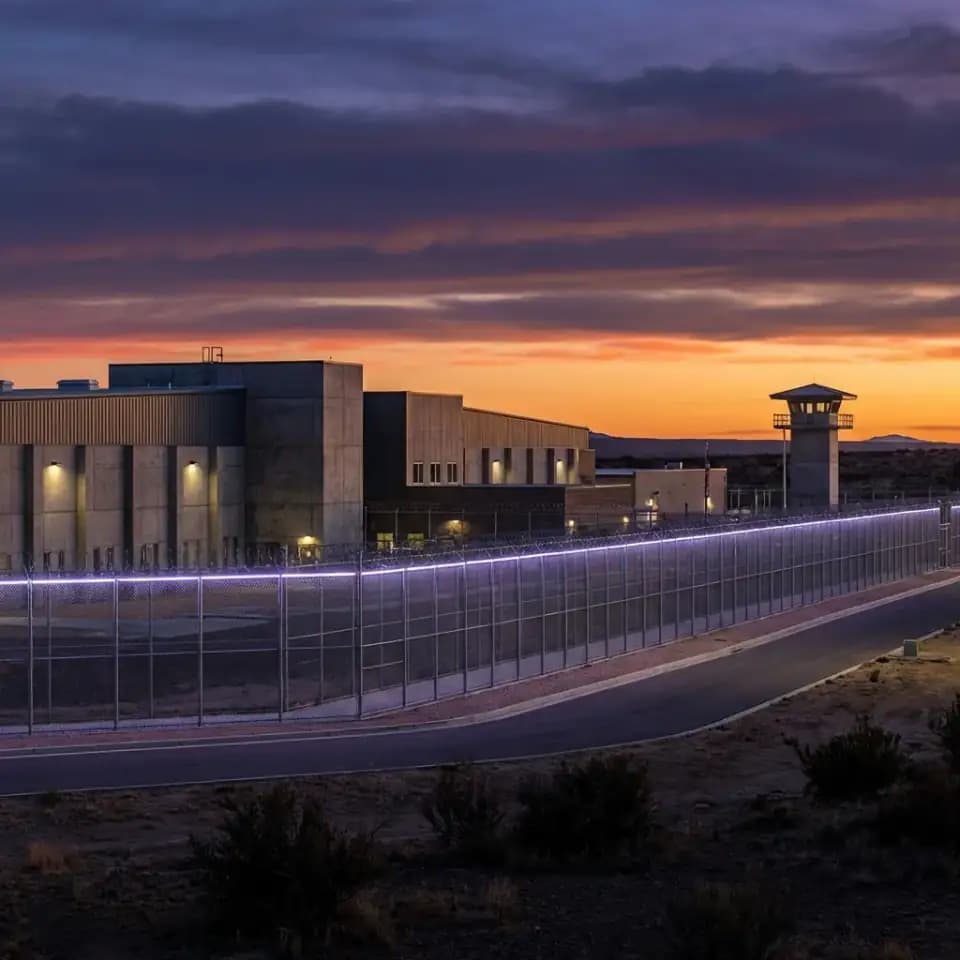
Corrections & Prisons

Zero-tolerance perimeter security for correctional facilities, detecting escape attempts and breaches.

Ideal for applications in Hidalgo

FortSense Public Sector & Schools

Public Sector & Schools

Perimeter Security Fiber Optics

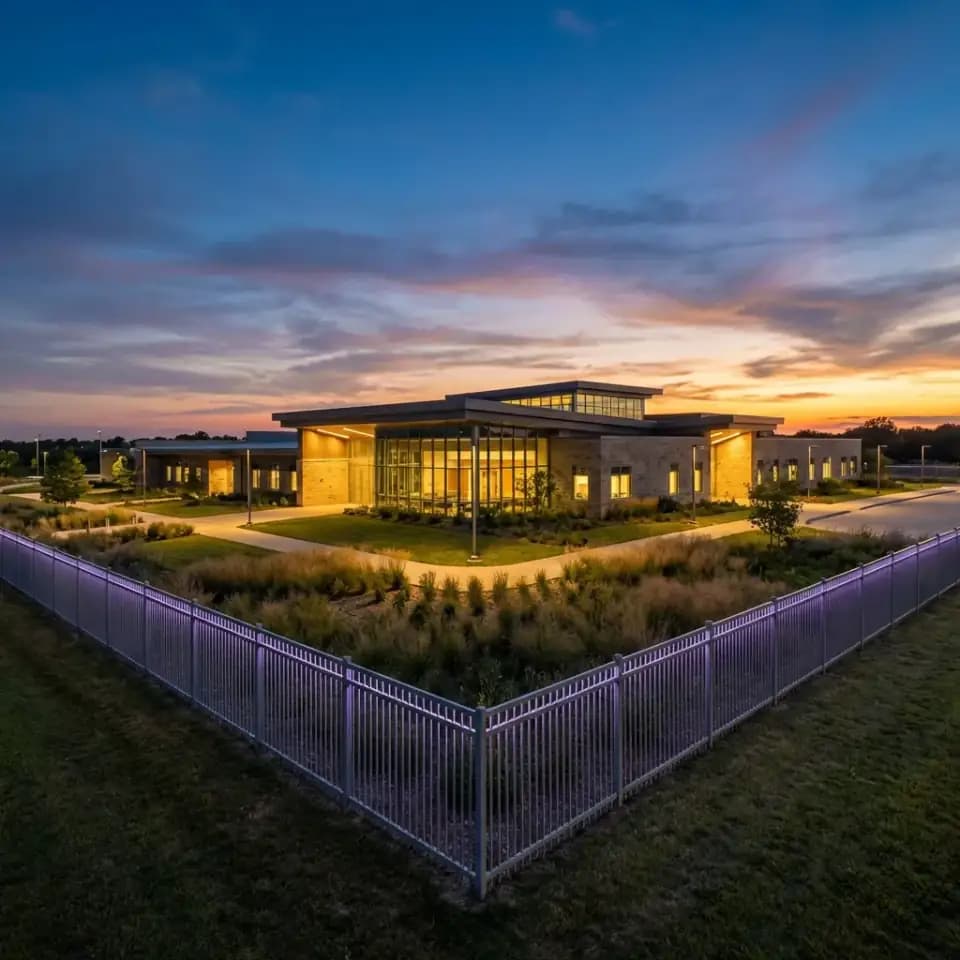
Public Sector & Schools

Non-invasive security for schools, government buildings, and public facilities with rapid lockdown protocols.

Ideal for applications in Hidalgo

FortSense Perimeter Security for Airports

Perimeter Security for Airports

Perimeter Security Fiber Optics

Perimeter Security for Airports

ICAO-compliant sterile zone enforcement with zero interference to airport radar and navigation systems.

Ideal for applications in Hidalgo

FortSense Mining Operations

Mining Operations

Perimeter Security Fiber Optics

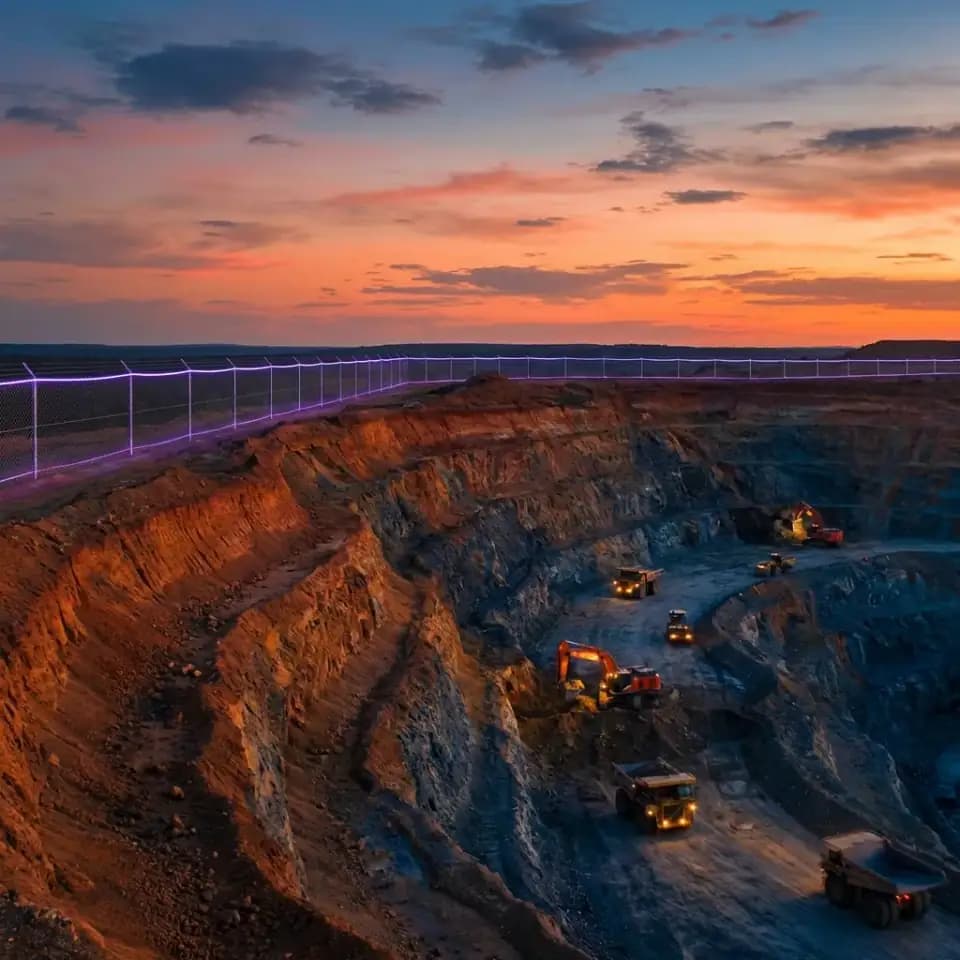
Mining Operations

Ruggedized perimeter security for open-pit mines, ore stockpiles, and remote mining infrastructure.

Ideal for applications in Hidalgo

Local service overview

Refinery and Pipeline Perimeter Security in Hidalgo

FortSense® protects the Tula refinery, anti-huachicoleo pipelines and the Pachuca mining industrial corridor in Hidalgo with fiber optics.

Hidalgo's economy is anchored by the massive industrial and energy corridor of Tula de Allende, one of the most concentrated heavy infrastructure poles in central Mexico. The PEMEX Miguel Hidalgo Refinery, located just 80 kilometers north of Mexico City, has a processing capacity of approximately 315,000 barrels per day — the country's second largest of the six operating refineries — and is absolutely critical for the gasoline, diesel, jet fuel and fuel oil supply of the entire Valle de México Metropolitan Area with more than 21 million inhabitants.

The Francisco Pérez Ríos Thermoelectric Power Plant (also known as Tula I and II), operated by CFE with 1,500 MW of installed capacity on fuel oil and gas units, complements this energy pole, making Tula one of the country's most important strategic infrastructure nodes. The cement plants of Holcim México (formerly Apasco) and Cooperativa La Cruz Azul — one of Mexico's most iconic cement brands, founded in 1881 — add heavy industrial capacity to the corridor, along with Cal Química Mexicana and other construction materials companies.

The Pachuca-Real del Monte Mining District has a rich heritage as one of the world's leading silver producers during the colonial era and through the early twentieth century. The Compañía Real del Monte y Pachuca, founded with British investment in 1824, exploited deposits that produced hundreds of millions of ounces of silver. While large-scale mining has declined, active operations by companies such as Endeavour Silver and Minera Autlán (Mexico's leading manganese and ferroalloy producer) continue extracting silver, gold and industrial minerals.

The Hidalgo Logistics Platform (PLH) in Tepeapulco, developed as an intermodal distribution center with rail and road access, and the Sahagún Industrial Park in Ciudad Sahagún — with the industrial legacy of DINA (trucks and buses), Bombardier (metro railcars) and Siderúrgica Nacional — complement the manufacturing base. Proximity to Mexico City (1–2 hours by highway) makes the state a growing logistics center, with the Tizayuca Industrial Park and the Tula-Tepeji Industrial Corridor attracting distribution companies seeking lower costs than in CDMX.

Agroindustry is significant in the Huasteca Hidalguense region (coffee, sugar cane, citrus) and the Valle del Mezquital (home to Mexico's largest irrigation project using treated wastewater from Mexico City). Hidalgo is also an important producer of brewing barley for Grupo Modelo and Heineken México, and its textile industry in Tulancingo and Tepeji del Río employs thousands of workers in synthetic fiber and apparel factories.

The most urgent and tragic security challenge in Hidalgo is huachicoleo. The Tlahuelilpan explosion on January 18, 2019, where 137 people died burned alive trying to collect fuel from an illegally perforated 14-inch PEMEX pipeline, was one of Mexico's worst industrial tragedies in decades and exposed the industrial scale of fuel theft in the Tula-Pachuca corridor. Organized crime networks operate sophisticated pipeline perforation operations using specialized tools, valve assemblies and hoses, with clandestine tanker trucks transporting stolen fuel to illegal filling stations and distributors.

In the Tula Refinery corridor alone, hundreds of clandestine taps have been detected in recent years, each representing a potential catastrophic explosion risk in densely populated areas. Cargo theft on the México-Pachuca and México-Tuxpan highways connecting the capital to the Gulf coast, theft of minerals and metal concentrates, extortion of businesses and merchants, illegal mining in thousands of abandoned historic shafts of the Pachuca-Real del Monte District, and environmental contamination from illegal discharges in the Valle del Mezquital add further threat layers.

The climate varies significantly from temperate in the central valleys (Pachuca at 2,400 meters altitude) to semi-arid in the Valle del Mezquital and subtropical in the Huasteca. Frequent frosts at higher elevations between November and February, flash floods in low-lying industrial zones of Tula during summer storms, severe hailstorms damaging exposed infrastructure, and serious air quality problems generated by the combined emissions of the refinery, thermoelectric plant and Tula cement plants — forming one of Mexico's most air-polluted zones according to UNAM studies — affect industrial operations and the health of surrounding populations.

FortSense is the quintessential anti-huachicoleo technology, with vital relevance in Hidalgo where clandestine taps caused the worst pipeline explosion in Mexico's history. Fiber optics detect the specific vibration signatures of pipeline drilling in real time — the distinctive sound of drills and cutters penetrating the pipe wall — pinpointing the exact location of the threat with metric precision along kilometers of pipeline, enabling immediate response by security teams before the perforation is complete. This capability is literally life-saving in the Tula-Tlahuelilpan corridor.

Deployments include linear protection of PEMEX pipelines along tens of kilometers, the Miguel Hidalgo Refinery perimeter, the Francisco Pérez Ríos Thermoelectric Plant, the Tula-Tepeji and Sahagún industrial corridors, and the Hidalgo Logistics Platform.

Professional perimeter protection for distribution centers, manufacturing, and critical infrastructure in Hidalgo.

  • Open-Pit & Quarry Perimeter Security
  • Stockpile & Conveyor Belt Monitoring
  • Factory & Industrial Park Perimeter
  • Miguel Hidalgo Refinery in Tula (315,000 barrels/day)

Plan a FortSense assessment for this market

Share the perimeter length, fence type, and monitoring workflow. FortSense can help scope zones, integration points, and commissioning requirements for this location.

Services

Open-Pit & Quarry Perimeter Security

Blast-resistant fiber optic detection for open-pit mine boundaries, haul roads, and restricted blasting zones with vibration filtering for heavy equipment.

Stockpile & Conveyor Belt Monitoring

Protecting ore stockpiles, conveyor systems, and processing plants from theft and unauthorized access with continuous 24/7 fiber sensing.

Factory & Industrial Park Perimeter

Shift-aware perimeter detection for factories and industrial parks with automatic sensitivity adjustment between production hours and quiet periods.

Deployment patterns for local sites

How FortSense Works in Hidalgo

Fiber optic perimeter security adapted to local conditions and requirements.

  1. Fiber installed. Passive fiber optic cable mounts on the existing fence or wall with minimal civil work.
  2. Vibration detected. Any contact creates vibration patterns in the fiber so climbing, cutting, or lifting attempts become visible immediately.
  3. AI/DSP verification. Algorithms filter out wind, animals, and environmental noise before an operator ever sees an alarm.
  4. Alarm if intrusion. Only real threats trigger zone-based alarms that can route into the monitoring workflow already used by the site team.

Adapted for Hidalgo. Our local partners understand Hidalgo's climate, terrain, and security challenges. The fiber optic system is configured to filter local environmental conditions while maintaining maximum sensitivity to real intrusion attempts.

Integration and security software fit

FortSense can feed alarms into the monitoring stack a site already uses, including VMS, PSIM, alarm panels, relay inputs, TCP/IP workflows, and camera verification.

  • Zone-based alarms for operators and guard teams
  • Camera and VMS workflows for visual verification
  • Relay or network outputs for existing security systems
  • Software-assisted filtering before dispatch decisions

Industries in this market

Relevant FortSense industry and use-case paths connected to this location.

  • Miguel Hidalgo Refinery in Tula (315,000 barrels/day)
  • Francisco Pérez Ríos Thermoelectric Plant (1,500 MW) in Tula
  • Tula-Tepeji Industrial Corridor and Hidalgo Logistics Platform
  • Distribution Center Perimeter Security
  • Solar Farm Perimeter Security
  • Perimeter Security for Critical Infrastructure

Why FortSense fits in Perimeter Security in Hidalgo

FortSense is designed for perimeter security work where false-alarm reduction, passive fiber sensing, and practical integration matter more than adding another camera-only layer.

  • Passive fiber on existing fences, walls, or perimeter structures
  • AI/DSP filtering for wind, vibration, and environmental noise
  • Zone-level alerts that can match the site's response model
  • Support for design, integration, commissioning, and handover

Market notes

Practical details that help this page stay specific to the market instead of drifting into generic copy.

  • Miguel Hidalgo Refinery in Tula (315,000 barrels/day)
  • Francisco Pérez Ríos Thermoelectric Plant (1,500 MW) in Tula
  • Tula-Tepeji Industrial Corridor and Hidalgo Logistics Platform
  • Open-Pit & Quarry Perimeter Security

Related FortSense paths

Related technical content and commercial guidance linked from this location page.

Frequently Asked Questions (FAQ)

Frequently Asked Questions (FAQ) — Hidalgo

How is the system maintained in harsh mining environments?

Minimal maintenance is required — the fiber sensor has no moving parts and no electronics in the field. The interrogator unit, located in a protected enclosure, requires only periodic software updates and calibration checks, typically during scheduled shutdowns.

Can FortSense withstand blasting vibrations common in mining operations?

Yes. Our mining-specific algorithm profiles include blast event filtering. When a scheduled blast occurs, the system automatically adjusts sensitivity for the blast zone while maintaining full detection capability on the rest of the perimeter.

How does the system perform in extreme dust and temperature conditions?

The fiber optic sensor cable is immune to dust, EMI, and temperature extremes from -40°C to +70°C. Unlike electronic sensors, fiber has no active components in the field that can degrade from dust infiltration or thermal cycling.

Is the system effective against coordinated theft from warehouse complexes?

Yes. Multi-zone detection covers all warehouse perimeters simultaneously with independent alarm zones. The system detects fence breaches, loading dock intrusion, and roof access attempts — addressing the multiple entry vectors used in organized theft operations.

Can the system handle the freeze-thaw cycles common in temperate regions?

Yes. Our fiber cable and mounting hardware are rated for 1000+ freeze-thaw cycles without degradation. The system adapts its acoustic baseline as fence tension changes with temperature, maintaining detection accuracy through seasonal transitions.

Local perimeter assessment

Request Perimeter Assessment in Hidalgo

Receive a technical proposal, deployment design, and integration plan.

Refinery and Pipeline Perimeter Security in Hidalgo