




Fiber Optic Perimeter Security in Oaxaca: Renewable Energy Perimeter Security in Oaxaca

Protecting Tehuantepec Isthmus Wind Farms, the Salina Cruz PEMEX Refinery and the Interoceanic Corridor

Applications

Perimeter Security Fiber Optics Ideal for Applications in Oaxaca

FortSense Solar & Renewables

Solar & Renewables

Perimeter Security Fiber Optics

Solar & Renewables

Autonomous perimeter monitoring for solar plants, protecting against theft of panels, copper cables, and inverters.

Ideal for applications in Oaxaca

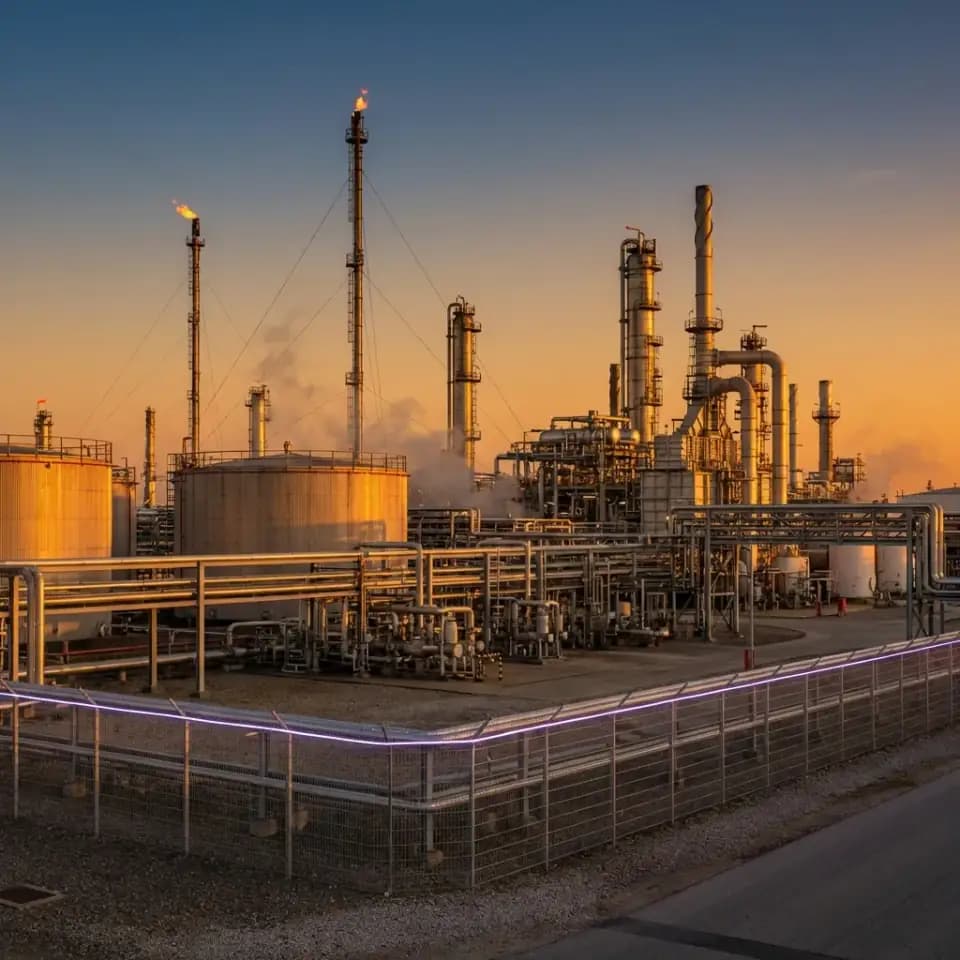
FortSense Oil & Gas

Oil & Gas

Perimeter Security Fiber Optics

Oil & Gas

Intrinsically safe perimeter detection for refineries, chemical plants, and fuel storage depots.

Ideal for applications in Oaxaca

FortSense Ports & Maritime

Ports & Maritime

Perimeter Security Fiber Optics

Ports & Maritime

ISPS-compliant security for cargo containers, fuel depots, and docked vessels in harsh marine environments.

Ideal for applications in Oaxaca

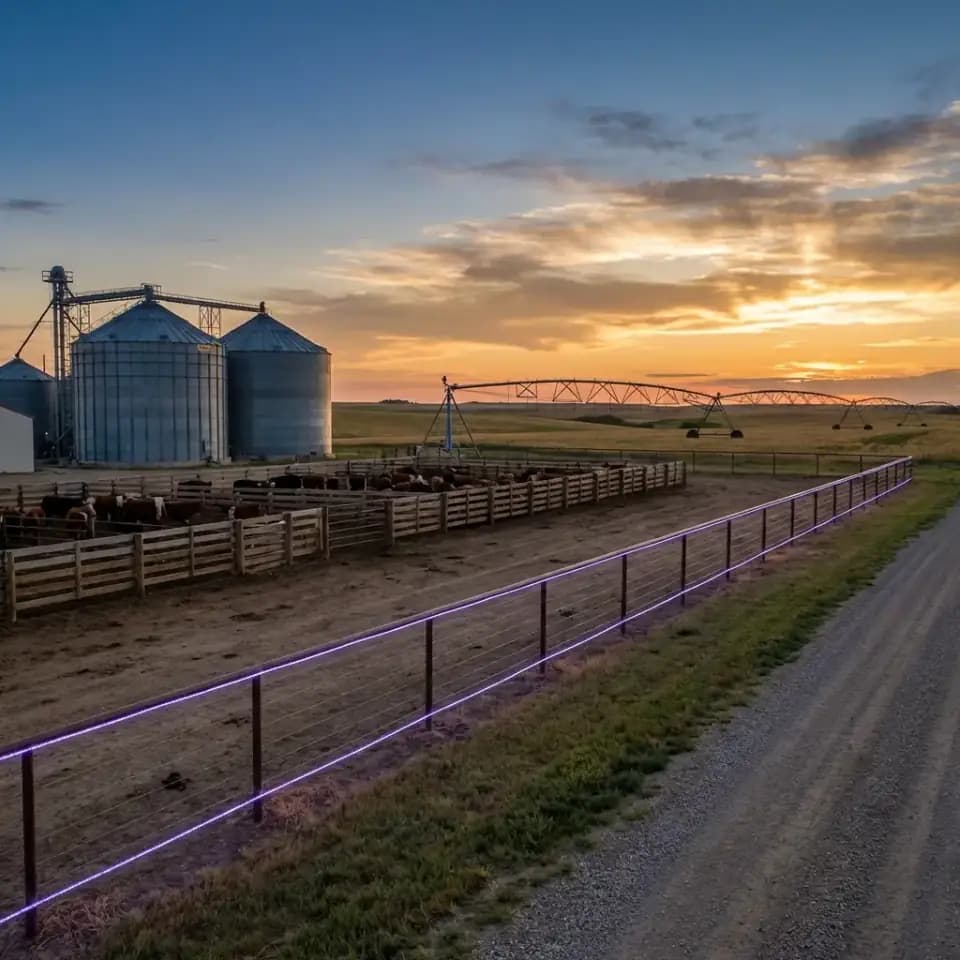
FortSense Agriculture

Agriculture

Perimeter Security Fiber Optics

Agriculture

Fire detection and security for farms, livestock pens, pivot irrigation systems, and rural assets.

Ideal for applications in Oaxaca

FortSense Financial Sector

Financial Sector

Perimeter Security Fiber Optics

Financial Sector

High-security perimeter protection for banks, vaults, administrative centers, and ATM areas.

Ideal for applications in Oaxaca

FortSense Residential Condominiums

Residential Condominiums

Perimeter Security Fiber Optics

Residential Condominiums

Invisible security for gated communities and apartment complexes, preserving aesthetics while detecting intrusions.

Ideal for applications in Oaxaca

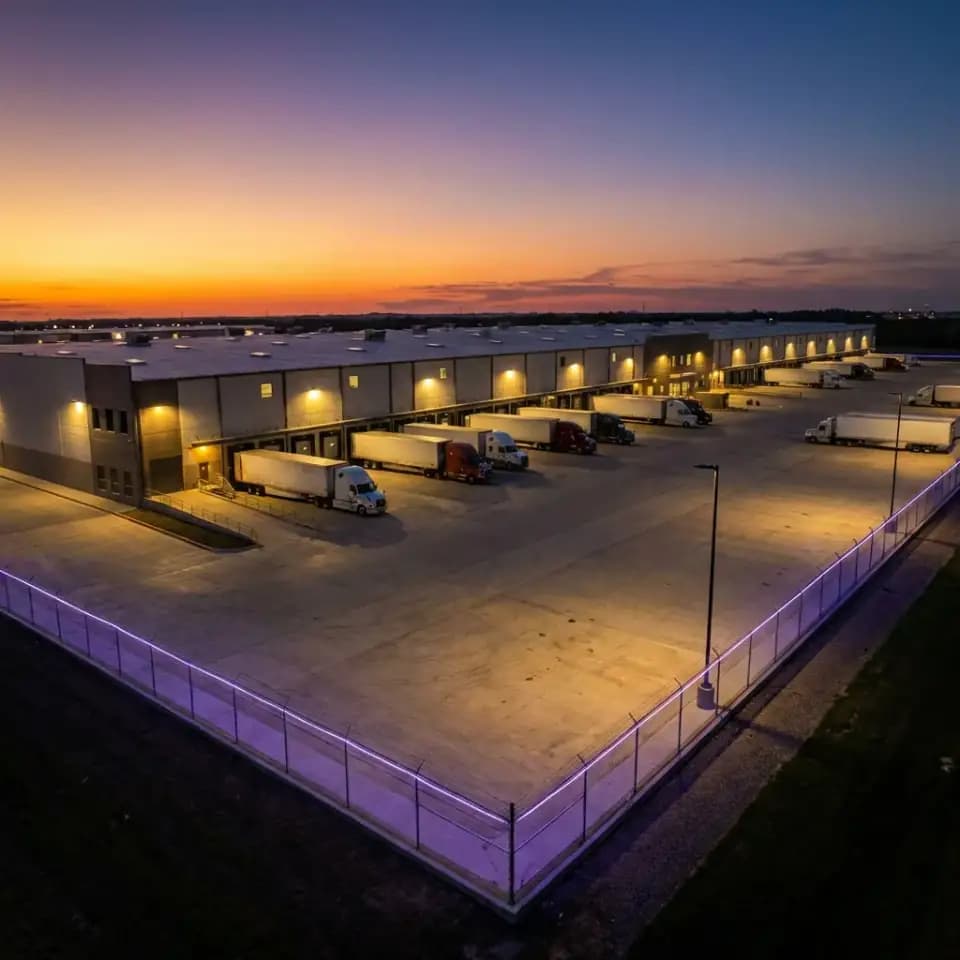
FortSense Distribution Centers

Distribution Centers

Perimeter Security Fiber Optics

Distribution Centers

Security for logistics parks, warehouses, and high-value storage areas, meeting TAPA security standards.

Ideal for applications in Oaxaca

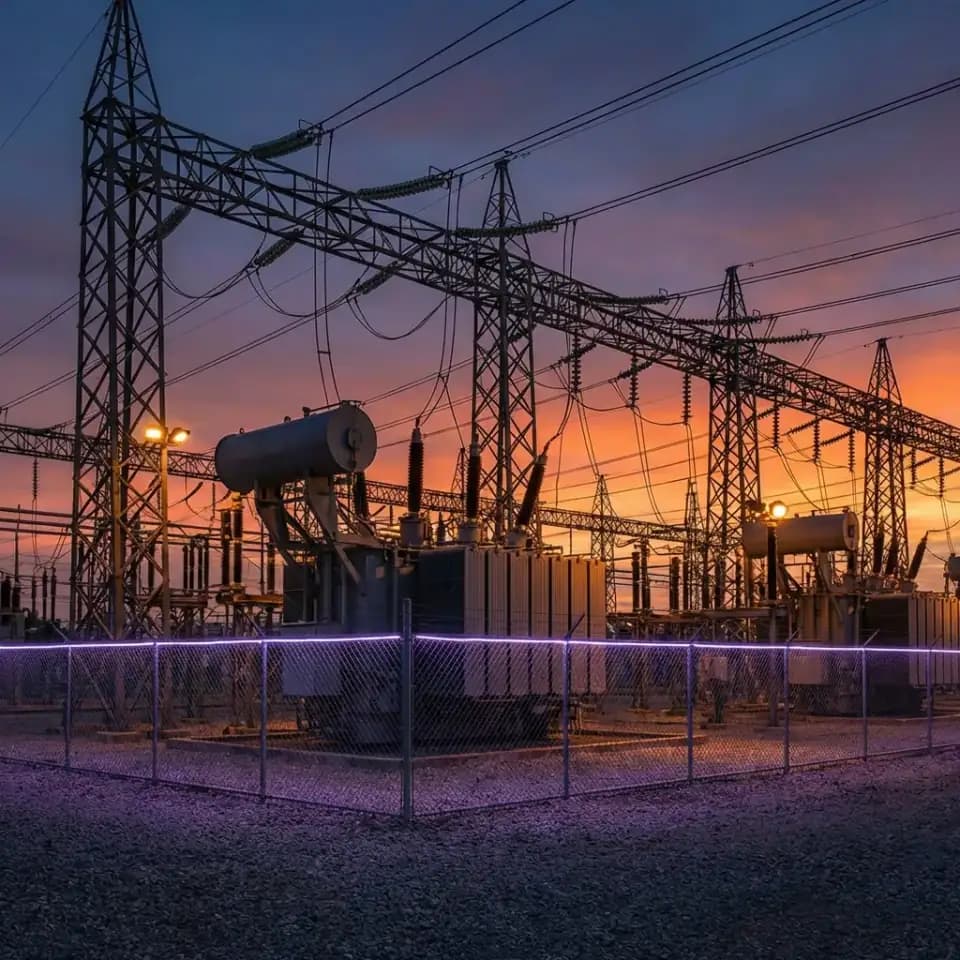
FortSense Critical Infrastructure

Critical Infrastructure

Perimeter Security Fiber Optics

Critical Infrastructure

EMI-immune monitoring for electrical substations, telecom towers, and unmanned critical assets.

Ideal for applications in Oaxaca

FortSense Corrections & Prisons

Corrections & Prisons

Perimeter Security Fiber Optics

Corrections & Prisons

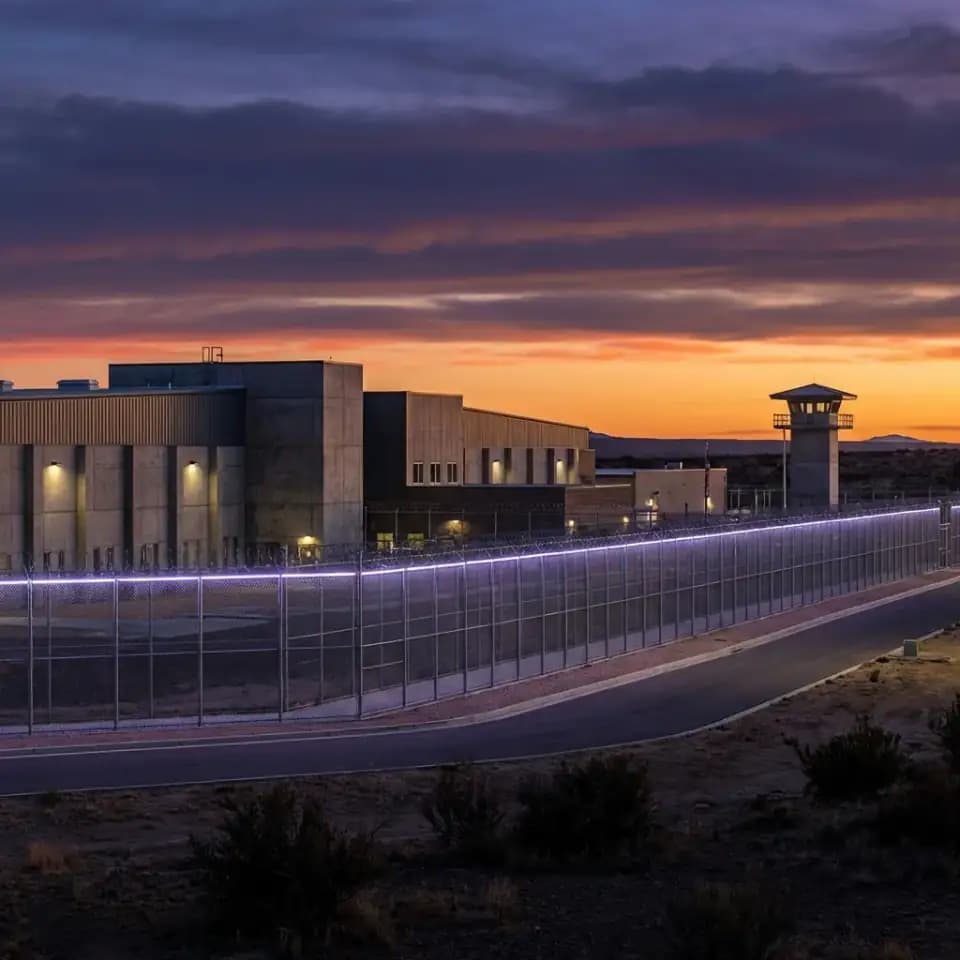
Zero-tolerance perimeter security for correctional facilities, detecting escape attempts and breaches.

Ideal for applications in Oaxaca

FortSense Public Sector & Schools

Public Sector & Schools

Perimeter Security Fiber Optics

Public Sector & Schools

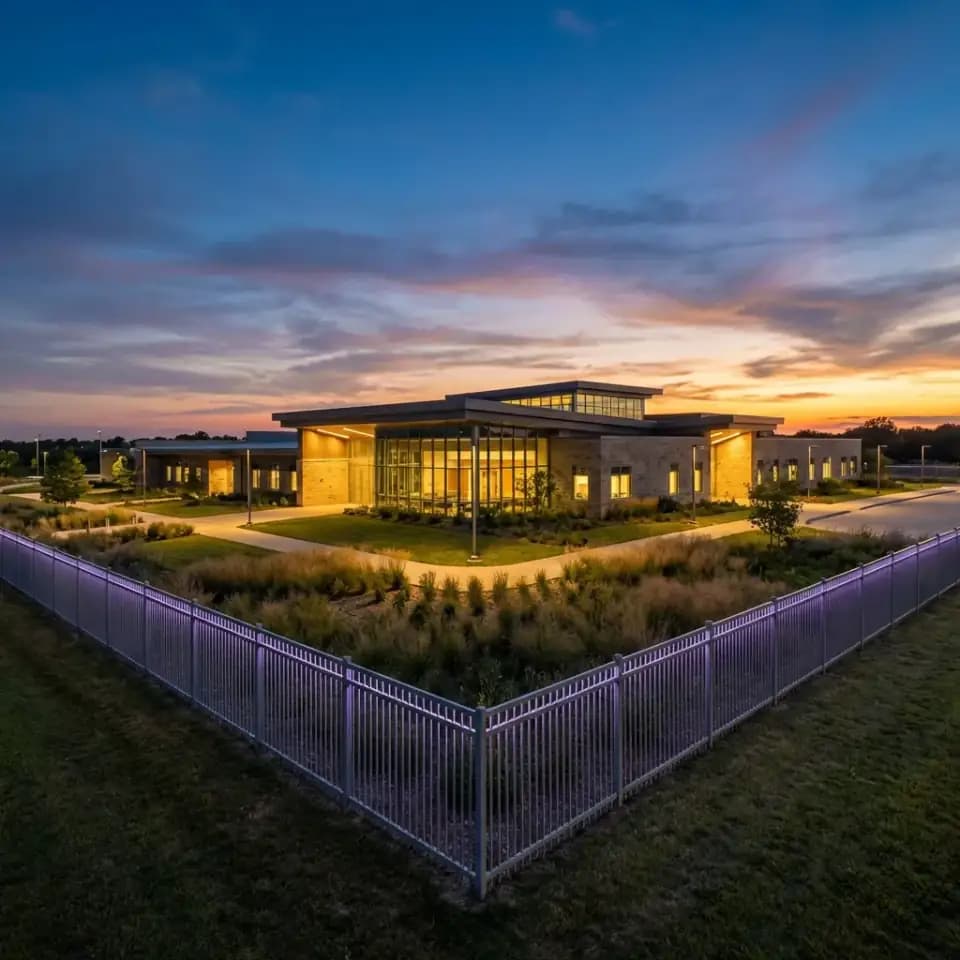
Non-invasive security for schools, government buildings, and public facilities with rapid lockdown protocols.

Ideal for applications in Oaxaca

FortSense Perimeter Security for Airports

Perimeter Security for Airports

Perimeter Security Fiber Optics

Perimeter Security for Airports

ICAO-compliant sterile zone enforcement with zero interference to airport radar and navigation systems.

Ideal for applications in Oaxaca

FortSense Mining Operations

Mining Operations

Perimeter Security Fiber Optics

Mining Operations

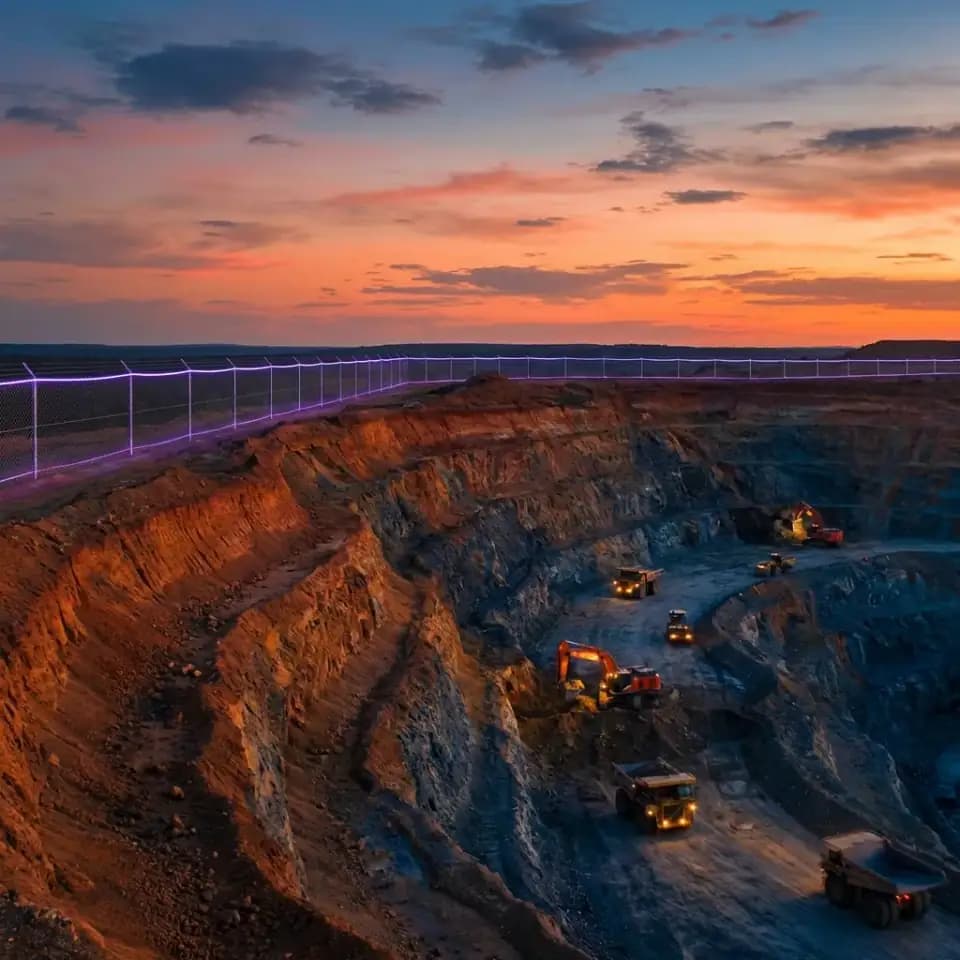
Ruggedized perimeter security for open-pit mines, ore stockpiles, and remote mining infrastructure.

Ideal for applications in Oaxaca

Local service overview

Renewable Energy Perimeter Security in Oaxaca

FortSense® protects Isthmus wind farms, the Salina Cruz refinery and the Interoceanic Corridor in Oaxaca with fiber optics.

Oaxaca presents a unique contrast between cutting-edge renewable energy infrastructure and traditional indigenous agriculture. The state is Mexico's wind power capital, with the Tehuantepec Isthmus hosting the largest concentration of wind farms in Latin America. According to the Energy Regulatory Commission, 917 wind turbines operate in 16 parks controlled by 10 companies including CFE, EDF Energies Nouvelles (now EDF Renewables), Acciona Energía, Iberdrola, Enel Green Power, EDPR and Gas Natural Fenosa.

The La Venta Wind Farm, located in the La Ventosa ejido near Juchitán de Zaragoza, was the first wind plant integrated into Mexico's and Latin America's national grid, with 84. 875 MW of installed capacity. Subsequent parks — La Venta II (83 MW), La Venta III (102 MW), Bii Nee Stipa (26 MW), Piedra Larga (90 MW) and Sureste I (102 MW) — raised total installed wind capacity in the Isthmus to over 2,700 MW, making this strip of land barely 200 km wide between the Pacific and Atlantic Oceans one of the densest wind generation regions in the Americas.

The Papaloapan River hydroelectric complex includes the Miguel Alemán Valdés Dam (Temascal, with a 9-billion-cubic-meter reservoir) and the Miguel de la Madrid Hurtado Dam (Cerro de Oro), ranked 5th and 8th nationally by storage capacity, with combined generation capacity of 365 MW feeding the southeastern Mexican grid.

The Antonio Dovalí Jaime PEMEX Refinery in Salina Cruz, with a processing capacity of 330,000 barrels per day of Maya crude, is one of the six refineries in the National Refining System and the most important refining facility on the Mexican Pacific coast, processing heavy crude to produce gasoline, diesel and fuel oil.

The Tehuantepec Isthmus Interoceanic Corridor is a federal megaproject with investments exceeding 100 billion pesos, aimed at creating a multimodal commercial corridor connecting the Pacific (Salina Cruz) with the Gulf of Mexico (Coatzacoalcos, Veracruz), including modernization of the Tehuantepec Isthmus Railway, creation of 10 Welfare Development Poles with tax incentives and comprehensive port rehabilitation.

Oaxaca's economy also rests on a diverse, culturally rooted agriculture. The state is the world's largest producer of artisanal and premium mezcal, with over 700 registered brands and hundreds of distilleries (palenques) in regions such as Central Valleys (Santiago Matatlán, the "World Mezcal Capital"), Sierra Sur and Miahuatlán. The Mezcal Denomination of Origin has driven exports exceeding US$600 million annually.

High-altitude coffee production in the Sierra Norte (Pluma Hidalgo, with internationally recognized organic certification), fine Criollo cacao from the Costa and Tuxtepec, Manila export mangoes, pineapple, sugar cane, artisanal fishing in the Isthmus lagoons, and cultural tourism (UNESCO-listed Oaxaca City, Monte Albán, Hierve el Agua, Mitla, Huatulco beaches and the internationally recognized Guelaguetza festival) position Oaxaca as one of the Americas' most important cultural destinations.

Security challenges are unique and multidimensional. Wind farm facilities face recurring opposition from Zapotec and Huave indigenous communities who dispute land-use agreements and denounce lack of prior consultation under ILO Convention 169, generating massive protests, road blockades lasting weeks that halt operations worth millions of dollars daily, and equipment vandalism including destruction of measurement towers, substations and cabling.

Copper and cable theft from wind installations (a single tower can have hundreds of meters of copper cable worth tens of thousands of pesos), pipeline and valve sabotage near the Salina Cruz refinery, armed robberies on federal highways (including Highway 175, Highway 200 and Highway 190), illegal logging of precious timber in the Sierra Norte, and drug trafficking routes across the Isthmus connecting Pacific and Gulf ports add layers of complexity to the state's security landscape.

The extreme Tehuantepec winds (Tehuanos — sustained gusts above 100 km/h that can overturn semi-trucks on the Trans-Isthmus highway and topple light structures), extremely high seismic risk (the M8. 2 earthquake of September 7, 2017 with epicenter in the Gulf of Tehuantepec destroyed thousands of homes and public buildings in Juchitán, Ixtepec and Unión Hidalgo), exposure to hurricanes from both the Pacific (Agatha 2022) and the Gulf, torrential rains and devastating floods in the Papaloapan basin that have displaced thousands, and landslides in the Sierra Norte characterize an extremely challenging climatic and geological profile.

FortSense is the optimal solution for Oaxaca's dispersed and remote energy infrastructure. Wind farms spanning dozens of kilometers of flat, semi-arid Isthmus terrain require long-range perimeter detection that works reliably in extreme winds where conventional motion sensors, microwave barriers and infrared systems would generate constant false alarms from tower vibration, vegetation movement and wind-blown sand. The Salina Cruz refinery needs anti-huachicoleo protection and perimeter intrusion detection across a coastal industrial complex of hundreds of hectares exposed to a saline environment.

The Interoceanic Corridor requires linear infrastructure security for railway and pipeline systems along over 300 km of track. FortSense fiber optics meet all these requirements with complete immunity to electromagnetic interference from wind generators and high-voltage substations, resistance to extreme weather including the Tehuano winds that would disable any other perimeter detection system, and the ability to operate in active seismic zones without post-earthquake recalibration.

Professional perimeter protection for distribution centers, manufacturing, and critical infrastructure in Oaxaca.

  • Battery Energy Storage (BESS) Security
  • Solar Array & Panel Theft Prevention
  • Remote Mining Camp Protection
  • Tehuantepec Isthmus Wind Farms — 917 Turbines in 16 Parks

Plan a FortSense assessment for this market

Share the perimeter length, fence type, and monitoring workflow. FortSense can help scope zones, integration points, and commissioning requirements for this location.

Services

Battery Energy Storage (BESS) Security

Securing battery energy storage systems against intrusion, theft, and tampering with thermal-event-aware alarm correlation for lithium-ion facilities.

Solar Array & Panel Theft Prevention

Fiber optic fence detection surrounding solar farms to prevent panel theft, copper wire stripping, and vandalism across large-area installations.

Remote Mining Camp Protection

Securing remote worker camps, equipment yards, and explosive storage facilities in isolated locations with satellite-backhaul alarm reporting.

Deployment patterns for local sites

How FortSense Works in Oaxaca

Fiber optic perimeter security adapted to local conditions and requirements.

  1. Fiber installed. Passive fiber optic cable mounts on the existing fence or wall with minimal civil work.
  2. Vibration detected. Any contact creates vibration patterns in the fiber so climbing, cutting, or lifting attempts become visible immediately.
  3. AI/DSP verification. Algorithms filter out wind, animals, and environmental noise before an operator ever sees an alarm.
  4. Alarm if intrusion. Only real threats trigger zone-based alarms that can route into the monitoring workflow already used by the site team.

Adapted for Oaxaca. Our local partners understand Oaxaca's climate, terrain, and security challenges. The fiber optic system is configured to filter local environmental conditions while maintaining maximum sensitivity to real intrusion attempts.

Integration and security software fit

FortSense can feed alarms into the monitoring stack a site already uses, including VMS, PSIM, alarm panels, relay inputs, TCP/IP workflows, and camera verification.

  • Zone-based alarms for operators and guard teams
  • Camera and VMS workflows for visual verification
  • Relay or network outputs for existing security systems
  • Software-assisted filtering before dispatch decisions

Industries in this market

Relevant FortSense industry and use-case paths connected to this location.

  • Tehuantepec Isthmus Wind Farms — 917 Turbines in 16 Parks
  • Salina Cruz Oil Refinery and Pacific Port
  • Tehuantepec Isthmus Interoceanic Corridor — Federal Megaproject
  • Distribution Center Perimeter Security
  • Solar Farm Perimeter Security
  • Perimeter Security for Critical Infrastructure

Why FortSense fits in Perimeter Security in Oaxaca

FortSense is designed for perimeter security work where false-alarm reduction, passive fiber sensing, and practical integration matter more than adding another camera-only layer.

  • Passive fiber on existing fences, walls, or perimeter structures
  • AI/DSP filtering for wind, vibration, and environmental noise
  • Zone-level alerts that can match the site's response model
  • Support for design, integration, commissioning, and handover

Market notes

Practical details that help this page stay specific to the market instead of drifting into generic copy.

  • Tehuantepec Isthmus Wind Farms — 917 Turbines in 16 Parks
  • Salina Cruz Oil Refinery and Pacific Port
  • Tehuantepec Isthmus Interoceanic Corridor — Federal Megaproject
  • Battery Energy Storage (BESS) Security

Related FortSense paths

Related technical content and commercial guidance linked from this location page.

Frequently Asked Questions (FAQ)

Frequently Asked Questions (FAQ) — Oaxaca

What is the ROI of perimeter security for solar installations?

A single stolen panel can cost $300-500 to replace plus lost generation revenue. A coordinated theft targeting copper wiring or multiple panels can cause $50,000-500,000 in losses. FortSense typically pays for itself within one prevented theft incident on large solar farms.

Can the system cover the full perimeter of a utility-scale solar farm?

Yes. Utility-scale solar farms often have 10-40 km of perimeter fencing. A single FortSense interrogator monitors up to 80 km, meaning even the largest installations can be covered from one central unit with full zone-by-zone detection.

Does the system work at night when most solar theft occurs?

FortSense operates 24/7 regardless of lighting conditions. Unlike cameras that require IR illumination at night, fiber optic sensing detects intrusions by acoustic vibration — working equally well in complete darkness, fog, rain, or dust storms.

How is the system maintained in harsh mining environments?

Minimal maintenance is required — the fiber sensor has no moving parts and no electronics in the field. The interrogator unit, located in a protected enclosure, requires only periodic software updates and calibration checks, typically during scheduled shutdowns.

How does the system perform in tropical humidity and heavy rainfall?

FortSense fiber optic sensors are immune to moisture, humidity, and rainfall. Unlike electronic sensors that corrode and short-circuit in tropical conditions, our passive fiber operates reliably at 95%+ humidity with zero degradation year-round.

Local perimeter assessment

Request Perimeter Assessment in Oaxaca

Receive a technical proposal, deployment design, and integration plan.

Renewable Energy Perimeter Security in Oaxaca