

Fiber Optic Perimeter Security in Quintana Roo: Tourism and Residential Perimeter Security in Quintana Roo

Protecting the Cancún Hotel Zone, Riviera Maya Corridor, Mayan Train Stations and the Cozumel Cruise Port

Applications

Perimeter Security Fiber Optics Ideal for Applications in Quintana Roo

FortSense Solar & Renewables

Solar & Renewables

Perimeter Security Fiber Optics

Solar & Renewables

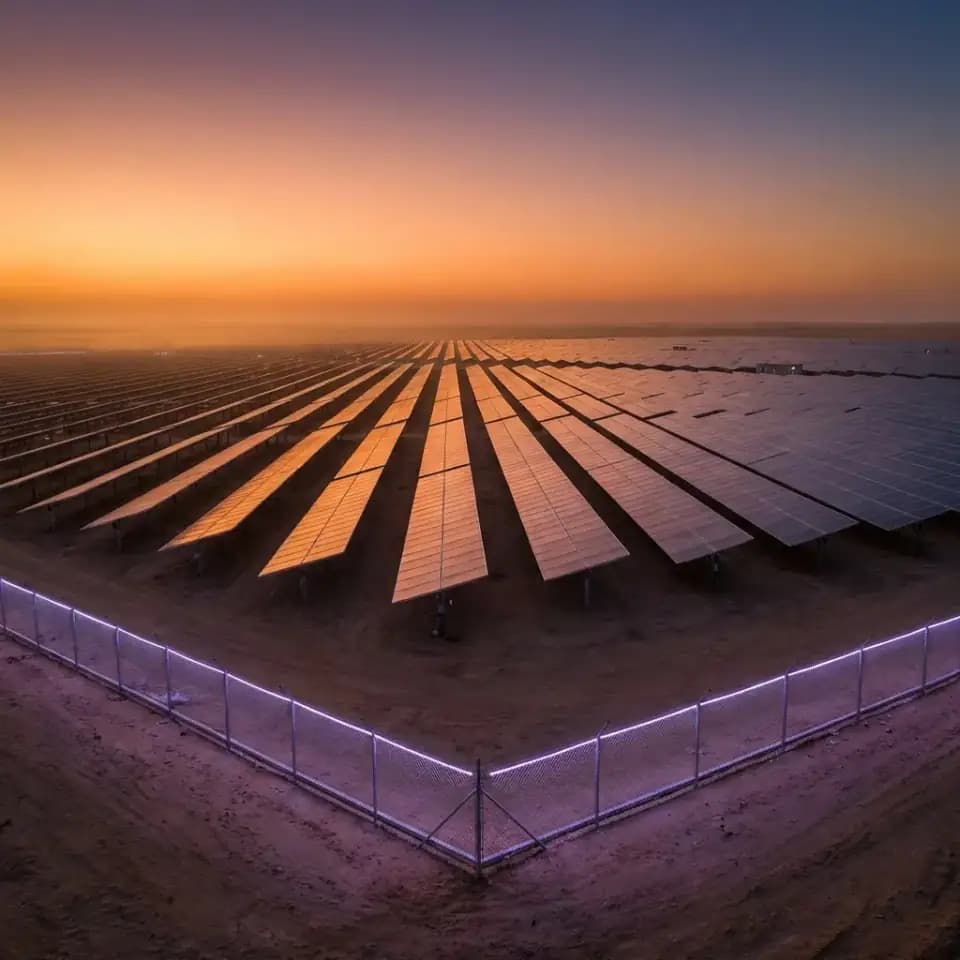
Autonomous perimeter monitoring for solar plants, protecting against theft of panels, copper cables, and inverters.

Ideal for applications in Quintana Roo

FortSense Oil & Gas

Oil & Gas

Perimeter Security Fiber Optics

Oil & Gas

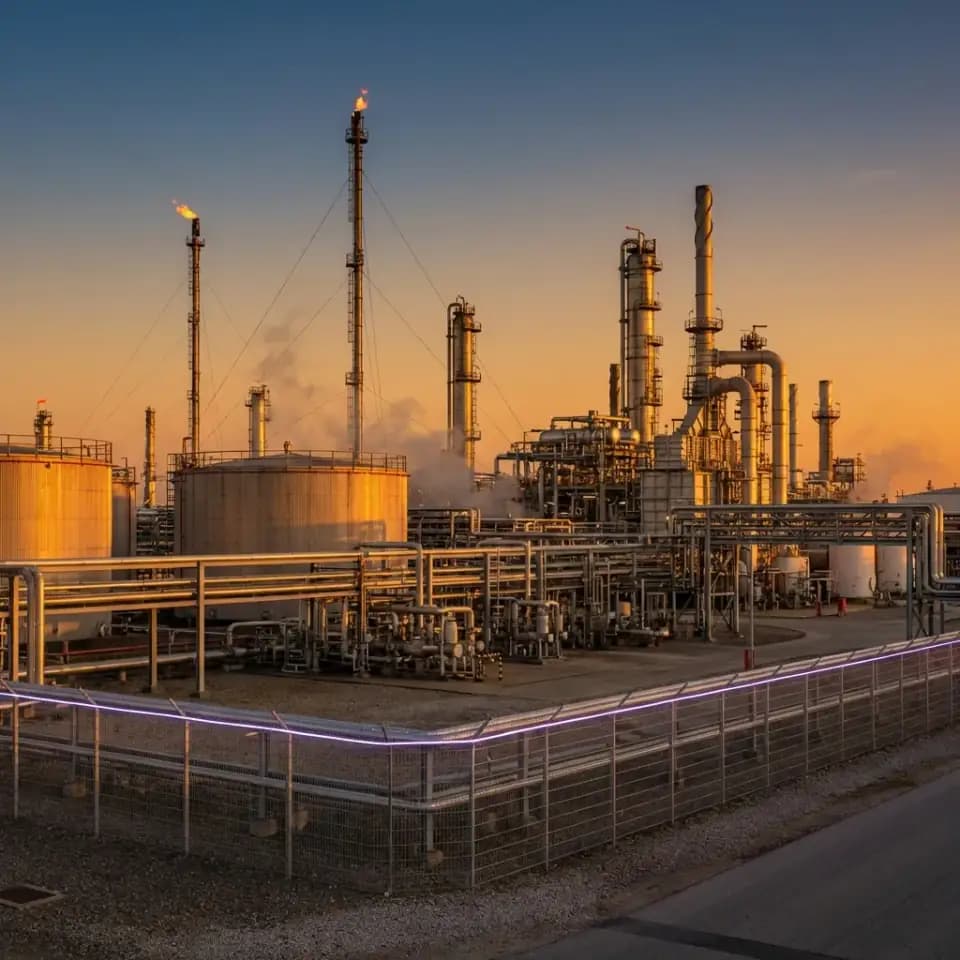
Intrinsically safe perimeter detection for refineries, chemical plants, and fuel storage depots.

Ideal for applications in Quintana Roo

FortSense Ports & Maritime

Ports & Maritime

Perimeter Security Fiber Optics

Ports & Maritime

ISPS-compliant security for cargo containers, fuel depots, and docked vessels in harsh marine environments.

Ideal for applications in Quintana Roo

FortSense Agriculture

Agriculture

Perimeter Security Fiber Optics

Agriculture

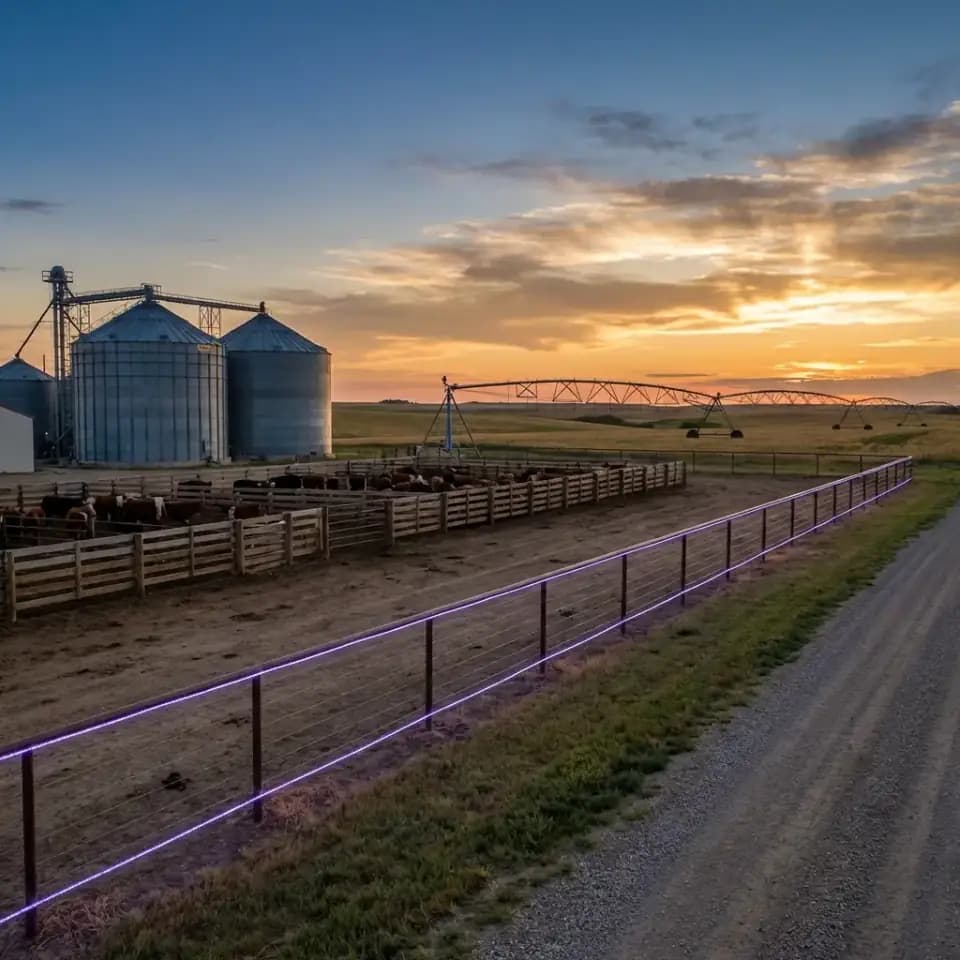
Fire detection and security for farms, livestock pens, pivot irrigation systems, and rural assets.

Ideal for applications in Quintana Roo

FortSense Financial Sector

Financial Sector

Perimeter Security Fiber Optics

Financial Sector

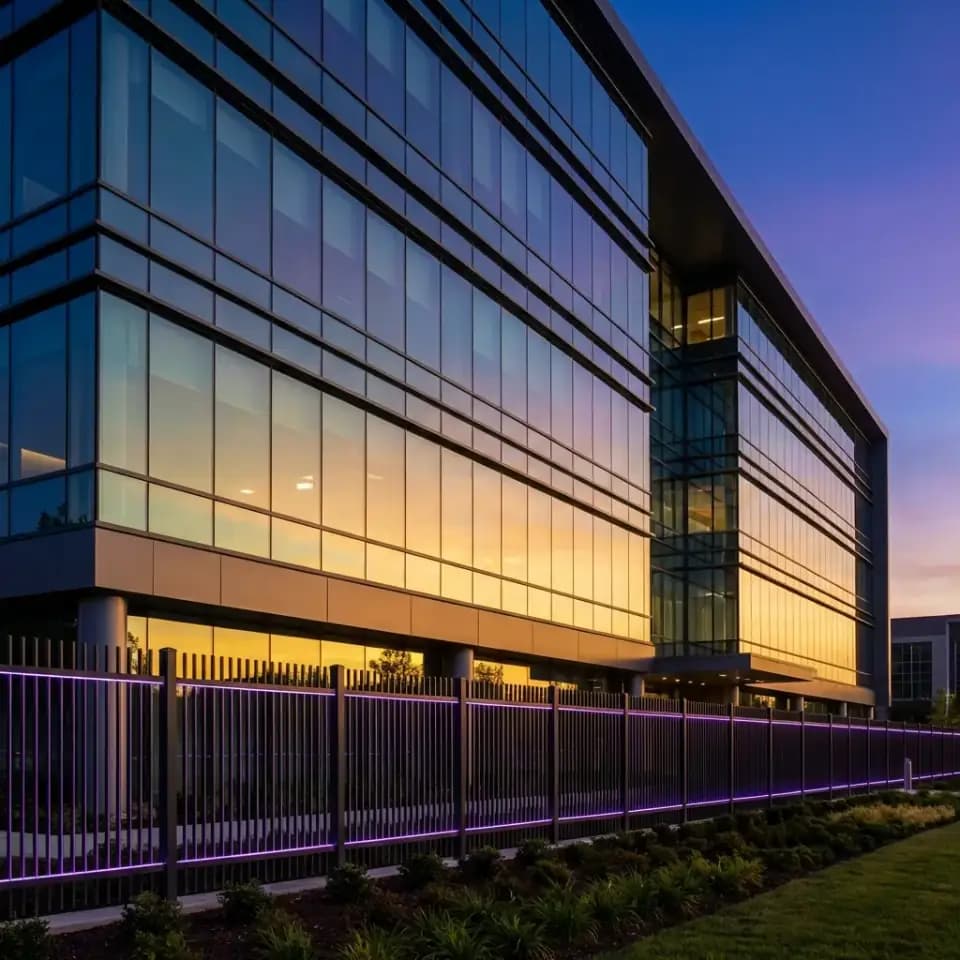
High-security perimeter protection for banks, vaults, administrative centers, and ATM areas.

Ideal for applications in Quintana Roo

FortSense Residential Condominiums

Residential Condominiums

Perimeter Security Fiber Optics

Residential Condominiums

Invisible security for gated communities and apartment complexes, preserving aesthetics while detecting intrusions.

Ideal for applications in Quintana Roo

FortSense Distribution Centers

Distribution Centers

Perimeter Security Fiber Optics

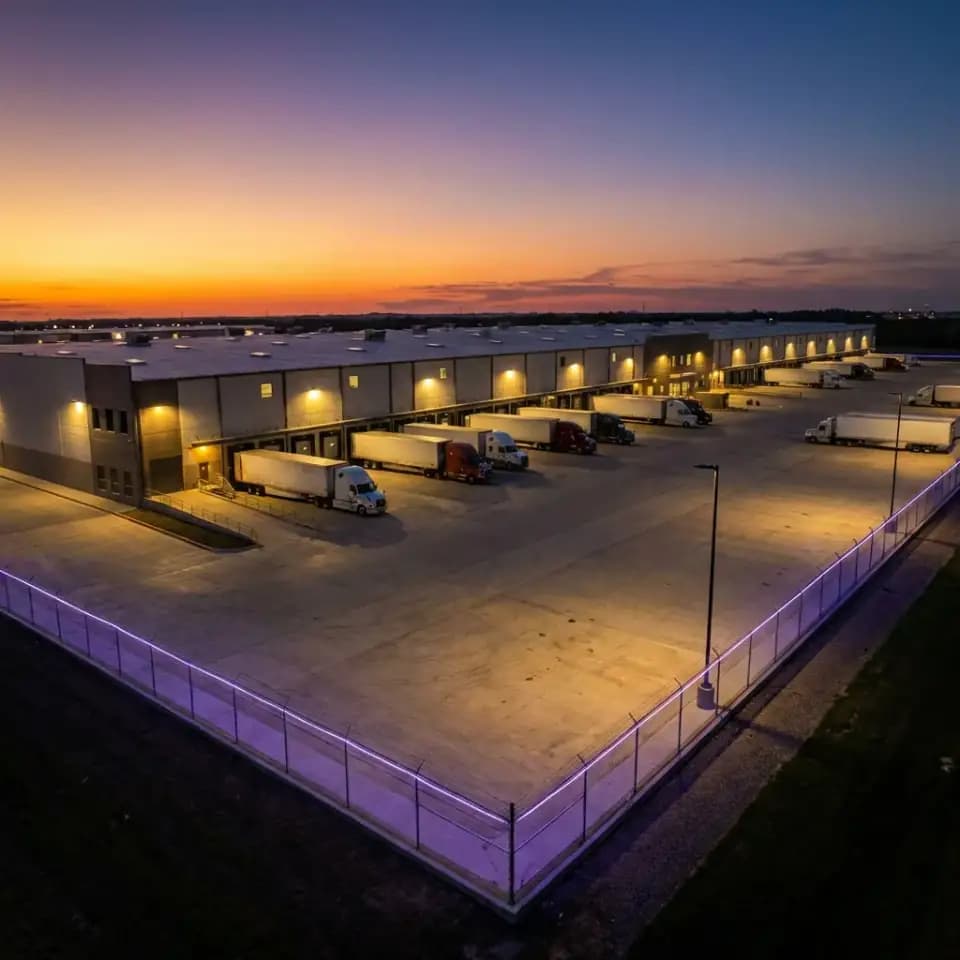
Distribution Centers

Security for logistics parks, warehouses, and high-value storage areas, meeting TAPA security standards.

Ideal for applications in Quintana Roo

FortSense Critical Infrastructure

Critical Infrastructure

Perimeter Security Fiber Optics

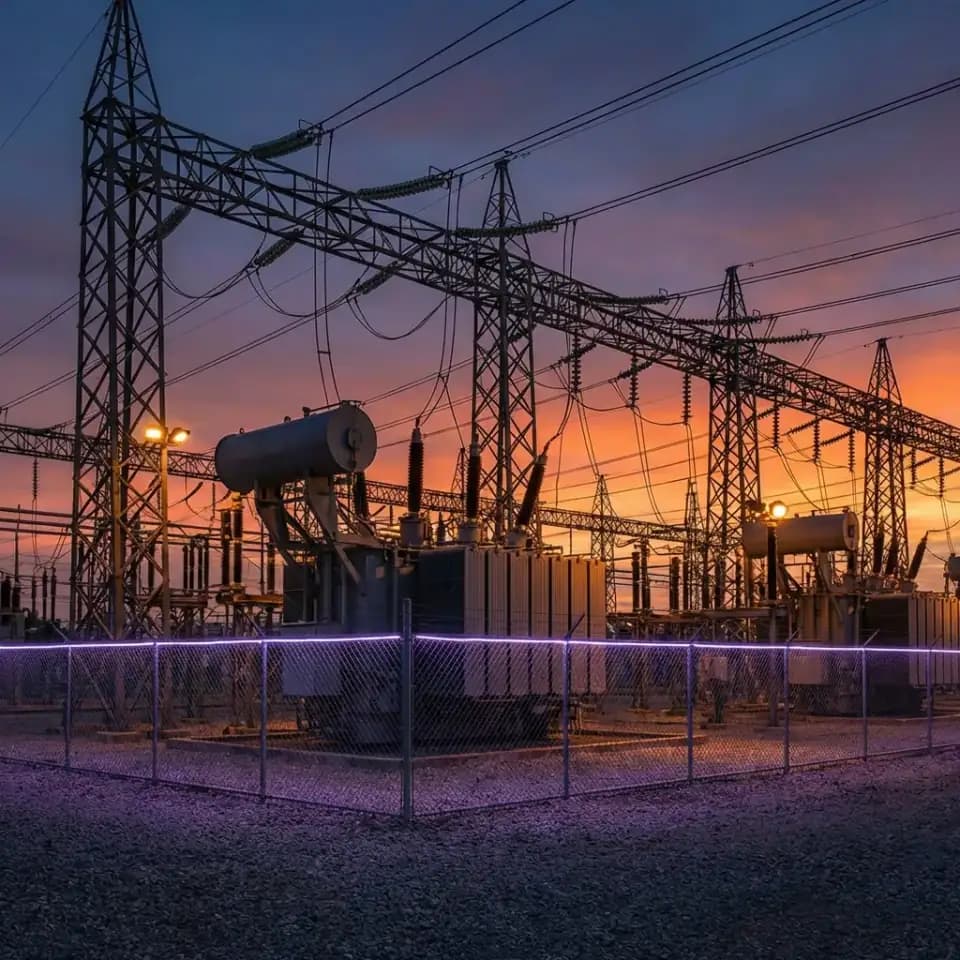
Critical Infrastructure

EMI-immune monitoring for electrical substations, telecom towers, and unmanned critical assets.

Ideal for applications in Quintana Roo

FortSense Corrections & Prisons

Corrections & Prisons

Perimeter Security Fiber Optics

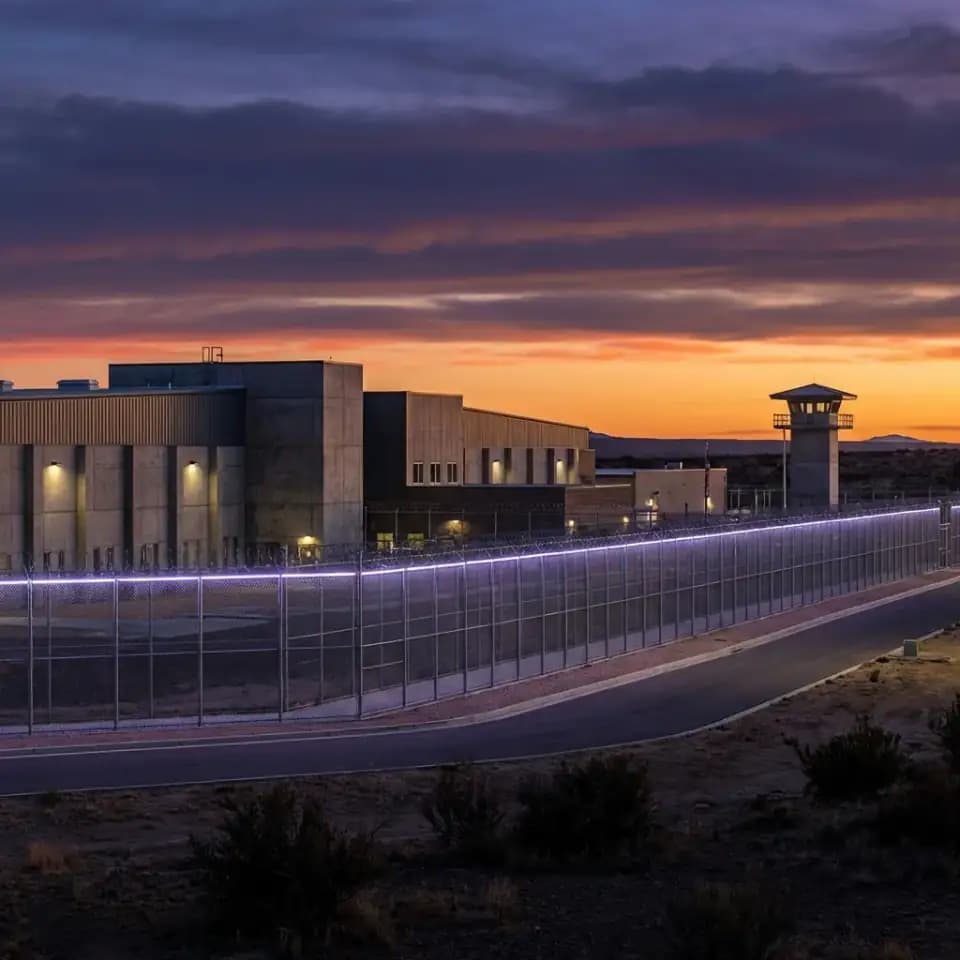
Corrections & Prisons

Zero-tolerance perimeter security for correctional facilities, detecting escape attempts and breaches.

Ideal for applications in Quintana Roo

FortSense Public Sector & Schools

Public Sector & Schools

Perimeter Security Fiber Optics

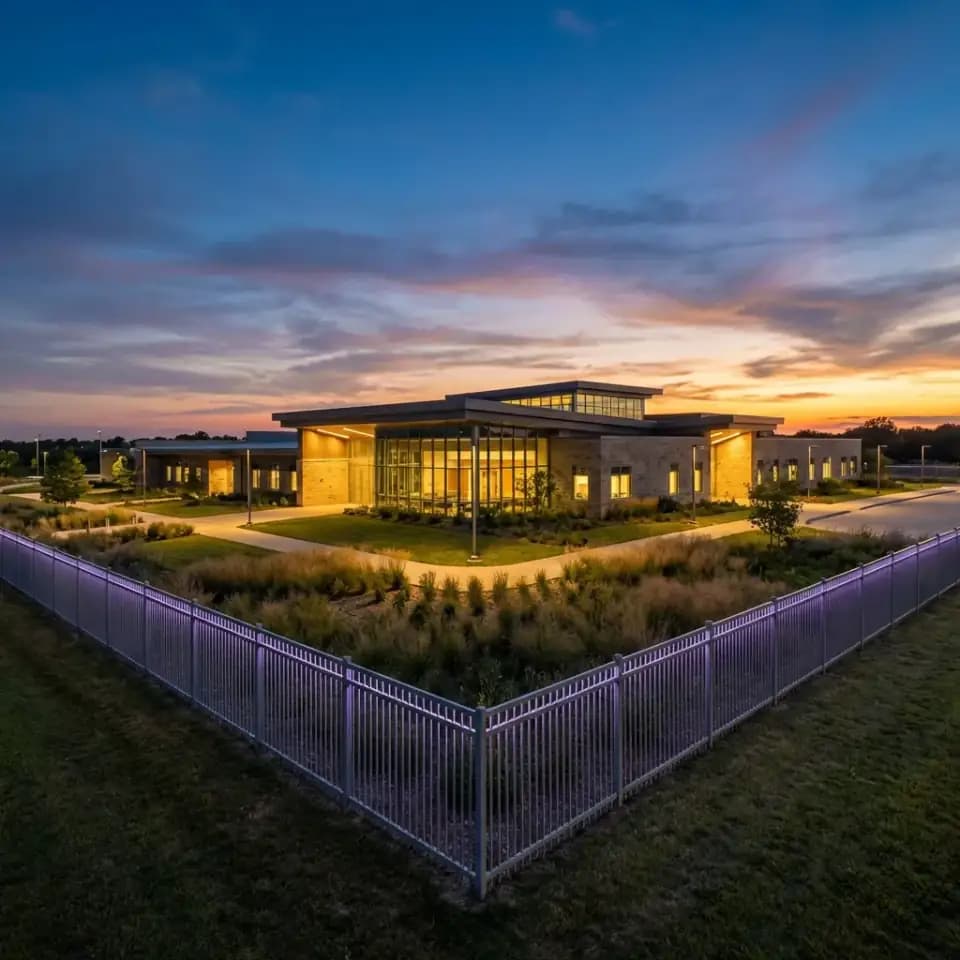
Public Sector & Schools

Non-invasive security for schools, government buildings, and public facilities with rapid lockdown protocols.

Ideal for applications in Quintana Roo

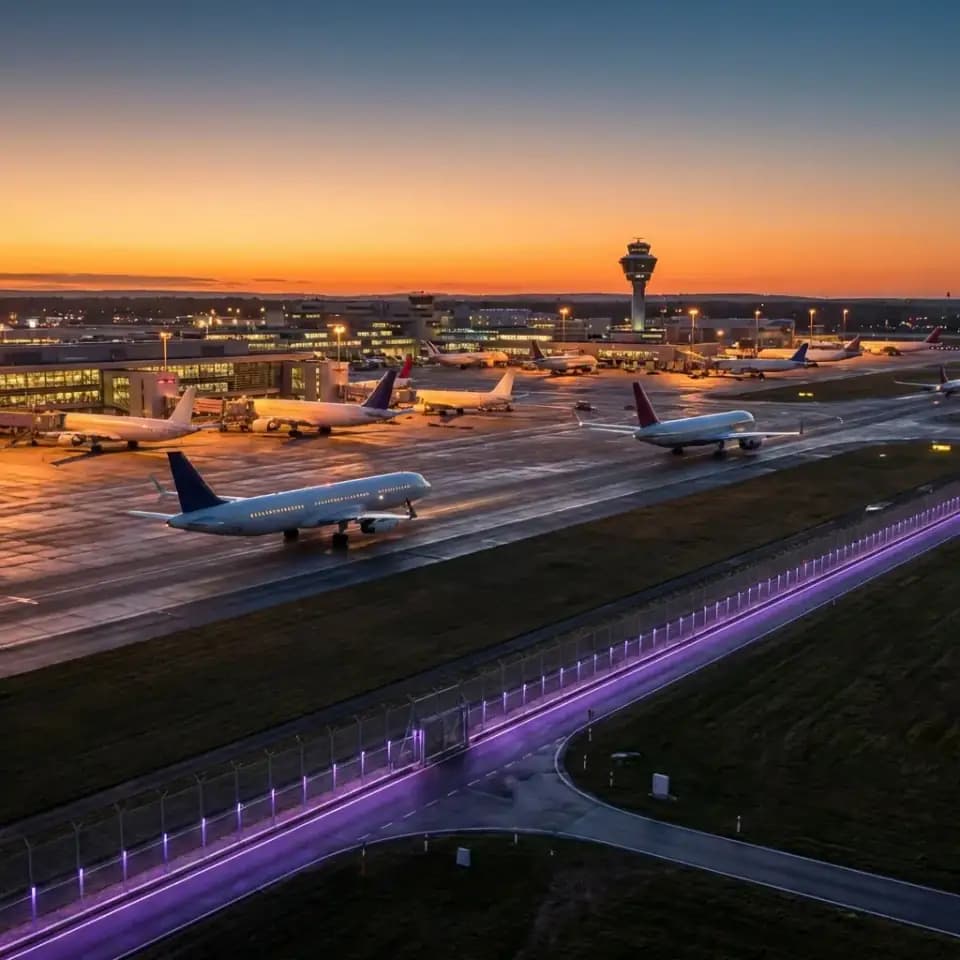
FortSense Perimeter Security for Airports

Perimeter Security for Airports

Perimeter Security Fiber Optics

Perimeter Security for Airports

ICAO-compliant sterile zone enforcement with zero interference to airport radar and navigation systems.

Ideal for applications in Quintana Roo

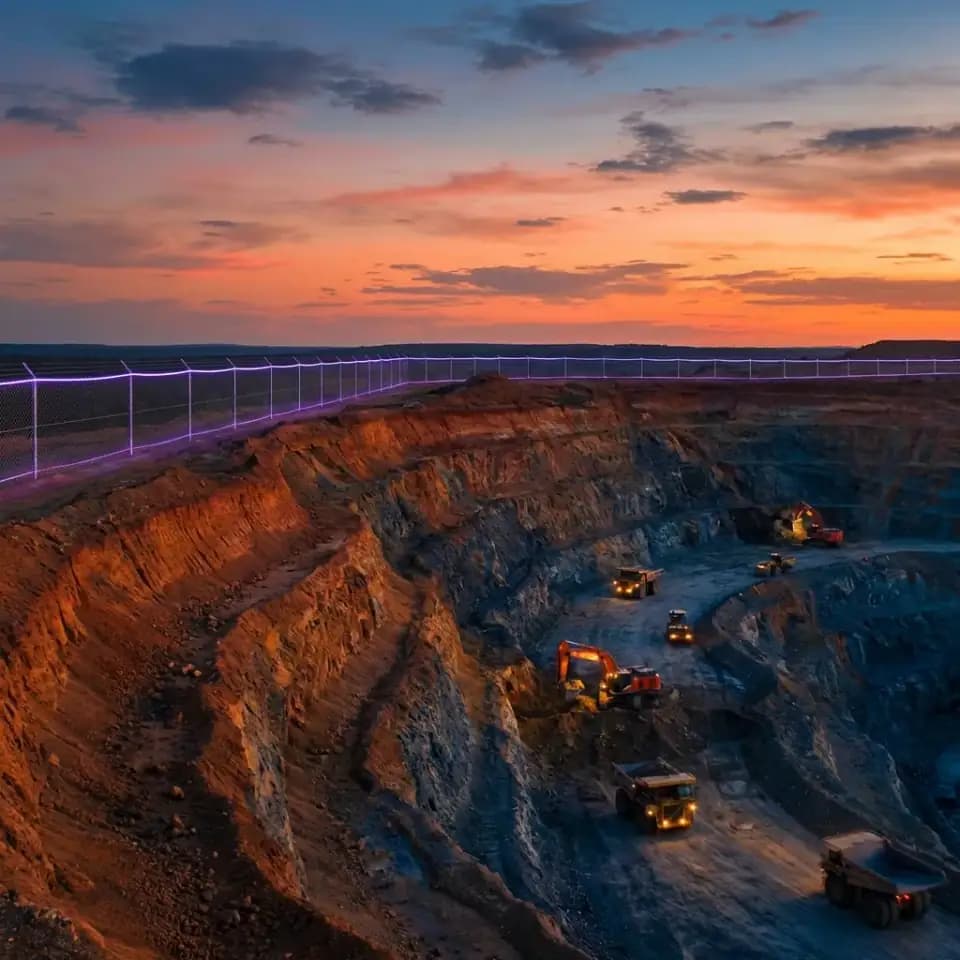
FortSense Mining Operations

Mining Operations

Perimeter Security Fiber Optics

Mining Operations

Ruggedized perimeter security for open-pit mines, ore stockpiles, and remote mining infrastructure.

Ideal for applications in Quintana Roo

Local service overview

Tourism and Residential Perimeter Security in Quintana Roo

FortSense® protects Cancún resorts, the Riviera Maya, Mayan Train stations and the Cozumel cruise port in Quintana Roo.

Quintana Roo's economy is overwhelmingly dominated by tourism, with Cancún and the Riviera Maya forming one of the world's premier resort destinations. With over 10 billion pesos in investment in 2024 focused on hotel developments and key infrastructure, the state continues to consolidate as an international tourism reference. Cancún International Airport is Mexico's busiest and one of Latin America's most active, handling over 32 million passengers annually with direct connections to over 100 cities in North America, Europe and South America.

The Cancún Hotel Zone is a 23-kilometer barrier island corridor packed with luxury resorts from chains such as Marriott (JW Marriott, Ritz-Carlton), Hilton (Waldorf Astoria, Conrad), Hyatt (Grand Hyatt, Hyatt Zilara), Palace Resorts, RIU Hotels, Iberostar, Barceló, Fiesta Americana and Secrets Resorts, each requiring sophisticated security systems to protect thousands of international guests and assets worth hundreds of millions of dollars.

The Riviera Maya corridor along Federal Highway 307 connects dozens of resort developments, eco-parks and residential communities from Puerto Morelos to Tulum, passing through Playa del Carmen — the epicenter of Mexico's fastest-growing real estate market with population growth rates exceeding 10% annually. Cozumel is one of the world's busiest cruise ports, receiving over 1,200 vessels and 4 million cruise passengers annually through three maritime terminals (Puerta Maya, Punta Langosta and TMM).

Xcaret, Xel-Há, Xplor and other Grupo Xcaret parks attract millions of visitors with accumulated investments exceeding US$2 billion in sustainable tourism infrastructure. The Mayan Train, operated by SEDENA, has introduced new railway infrastructure with stations in Cancún, Puerto Morelos, Playa del Carmen and Tulum, representing a federal investment of over 500 billion pesos that strengthens southeastern Mexico's connectivity. The new Felipe Carrillo Puerto Tulum International Airport, inaugurated in 2024, adds critical airport capacity to the southern part of the state.

Beyond tourism, the state has a complementary economy including sugar cane processed at the Ingenio San Rafael de Pucte in Othón P. Blanco (Mexico's southernmost sugar mill), organic honey production (3,546 tons annually from 4,000 Maya beekeepers producing stingless bee honey prized internationally at over US$100 per liter), artisanal and commercial Caribbean spiny lobster, conch and finfish fishing along 865 km of Caribbean coastline, and a booming real estate sector that has made Tulum, Playa del Carmen and the Riviera Maya premium investment destinations for international buyers from the US, Canada, Europe and South America with active developments exceeding US$2 billion in simultaneous construction.

The Chetumal Free Zone on the Belize border generates additional cross-border commerce.

Security has deteriorated significantly over the past decade. Growing cartel activity in Cancún and Playa del Carmen, driven by drug trafficking and synthetic drug distribution to foreign tourists, has dramatically raised homicide rates — Cancún has recorded over 600 homicides in its worst years, an alarming figure for a world-class tourist destination.

Shootings between CJNG rival factions and local groups such as Los Pelones that have affected innocent bystanders in tourist areas of Playa del Carmen (including the 2017 BPM festival incident), crime in both tourist areas and working-class neighborhoods, widespread extortion of restaurants, bars, pharmacies and convenience stores, theft at real estate construction sites where materials and heavy machinery disappear overnight, maritime security at ports with drug and weapons smuggling risk from Central America and the Caribbean, and robberies of hotel rooms and beach tourists are constant concerns threatening the viability of the country's most important tourist destination.

Caribbean hurricane risk is extremely high — Category 4–5 hurricanes such as Wilma (2005, which devastated the Hotel Zone, remaining stationary for 60 hours causing over US$5 billion in damage), Dean (2007), Emily (2005) and the most recent Beryl (2024, Category 5 in the Caribbean) demonstrate the extreme vulnerability.

Frequent tropical storms, storm surge that can flood the Hotel Zone raising sea level up to 3 meters, extreme year-round humidity (above 85%), sargassum season from May to September depositing thousands of tons of seaweed on beaches — generating decomposition gases and affecting coastal aesthetics — and progressive coastal erosion threatening beachfront hotel foundations characterize the climate challenges.

FortSense offers discreet and reliable perimeter detection for Quintana Roo's hotel industry. Luxury resorts need invisible security that does not compromise the guest experience with intrusive cameras or visible electric fences, while protecting against nighttime intrusions from deserted beaches, mangrove areas and undeveloped zones adjoining hotel properties. Fiber optics integrate invisibly into decorative fences, stone perimeter walls and landscaped pathways without altering the luxury resort aesthetic.

Long-range monitoring covers extensive coastal corridors with a single sensor cable, eliminating the need for dozens of cameras and sensors exposed to the saline environment. Mayan Train stations require protection of high-value public infrastructure against vandalism and cable theft. Complete immunity to extreme tropical humidity, corrosive Caribbean salt environment and hurricane conditions guarantees continuous operation precisely when security is most needed — during and after weather events that leave facilities vulnerable and security forces overwhelmed.

Professional perimeter protection for distribution centers, manufacturing, and critical infrastructure in Quintana Roo.

  • Gated Community Perimeter (Pet-Immune)
  • Wall Climbing & Cut-Through Detection
  • ISPS-Compliant Port Perimeter
  • Cancún Hotel Zone — 23 km Luxury Resort Corridor

Plan a FortSense assessment for this market

Share the perimeter length, fence type, and monitoring workflow. FortSense can help scope zones, integration points, and commissioning requirements for this location.

Services

Gated Community Perimeter (Pet-Immune)

Invisible fiber optic detection for gated communities with advanced pet-immune algorithms, minimizing false alarms while detecting human-sized intrusions.

Wall Climbing & Cut-Through Detection

Detecting climbing, cutting, and impact attempts on perimeter walls and fences for residential estates with silent alarm notification to security control rooms.

ISPS-Compliant Port Perimeter

International Ship and Port Facility Security (ISPS) compliant fiber optic perimeter detection for port boundaries, restricted zones, and maritime access points.

Deployment patterns for local sites

How FortSense Works in Quintana Roo

Fiber optic perimeter security adapted to local conditions and requirements.

  1. Fiber installed. Passive fiber optic cable mounts on the existing fence or wall with minimal civil work.
  2. Vibration detected. Any contact creates vibration patterns in the fiber so climbing, cutting, or lifting attempts become visible immediately.
  3. AI/DSP verification. Algorithms filter out wind, animals, and environmental noise before an operator ever sees an alarm.
  4. Alarm if intrusion. Only real threats trigger zone-based alarms that can route into the monitoring workflow already used by the site team.

Adapted for Quintana Roo. Our local partners understand Quintana Roo's climate, terrain, and security challenges. The fiber optic system is configured to filter local environmental conditions while maintaining maximum sensitivity to real intrusion attempts.

Integration and security software fit

FortSense can feed alarms into the monitoring stack a site already uses, including VMS, PSIM, alarm panels, relay inputs, TCP/IP workflows, and camera verification.

  • Zone-based alarms for operators and guard teams
  • Camera and VMS workflows for visual verification
  • Relay or network outputs for existing security systems
  • Software-assisted filtering before dispatch decisions

Industries in this market

Relevant FortSense industry and use-case paths connected to this location.

  • Cancún Hotel Zone — 23 km Luxury Resort Corridor
  • Riviera Maya Tourism Corridor — Puerto Morelos to Tulum
  • Cozumel Cruise Port — One of the World's Busiest
  • Distribution Center Perimeter Security
  • Solar Farm Perimeter Security
  • Perimeter Security for Critical Infrastructure

Why FortSense fits in Perimeter Security in Quintana Roo

FortSense is designed for perimeter security work where false-alarm reduction, passive fiber sensing, and practical integration matter more than adding another camera-only layer.

  • Passive fiber on existing fences, walls, or perimeter structures
  • AI/DSP filtering for wind, vibration, and environmental noise
  • Zone-level alerts that can match the site's response model
  • Support for design, integration, commissioning, and handover

Market notes

Practical details that help this page stay specific to the market instead of drifting into generic copy.

  • Cancún Hotel Zone — 23 km Luxury Resort Corridor
  • Riviera Maya Tourism Corridor — Puerto Morelos to Tulum
  • Cozumel Cruise Port — One of the World's Busiest
  • Gated Community Perimeter (Pet-Immune)

Related FortSense paths

Related technical content and commercial guidance linked from this location page.

Frequently Asked Questions (FAQ)

Frequently Asked Questions (FAQ) — Quintana Roo

Will the system trigger false alarms from pets and wildlife?

No. FortSense uses advanced pet-immune algorithms that distinguish between animal and human acoustic signatures based on mass, gait pattern, and fence interaction type. The system is calibrated to ignore animals up to 35 kg while detecting human-sized intrusions.

Is the fiber optic cable visible on residential fencing and walls?

The sensing cable is a slim 3-5mm fiber that can be installed inside the fence mesh, along the top rail, or within wall conduit. It is virtually invisible from a few meters away, preserving the aesthetic appearance of residential properties.

How are residents notified of perimeter alarms?

FortSense integrates with residential security monitoring platforms and can push instant notifications to smartphone apps, control room monitors, and SMS/email alerts. Zone identification tells you exactly which section of your perimeter was breached.

Can FortSense cover restricted zones within a large port facility?

Absolutely. The fiber cable creates independent alarm zones for each restricted area: cruise terminals, fuel bunkering stations, hazmat storage, customs bonded warehouses, and passenger embarkation points — each with tailored sensitivity and response protocols.

How does the system perform in tropical humidity and heavy rainfall?

FortSense fiber optic sensors are immune to moisture, humidity, and rainfall. Unlike electronic sensors that corrode and short-circuit in tropical conditions, our passive fiber operates reliably at 95%+ humidity with zero degradation year-round.

Local perimeter assessment

Request Perimeter Assessment in Quintana Roo

Receive a technical proposal, deployment design, and integration plan.

Tourism and Residential Perimeter Security in Quintana Roo