
Local service overview
Border and Port Perimeter Security in Tamaulipas
FortSense® protects the Port of Altamira, the Madero refinery and border maquiladora zones in Tamaulipas with fiber optics.
Tamaulipas is a critical border state with US$31. 73 billion in annual exports, driven by monitors and projectors (US$2. 6 billion), auto parts (US$2. 52 billion) and medical instruments (US$2. 18 billion). Reynosa leads with US$17. 73 billion in exports (representing over half of the state total and exceeding entire states such as Querétaro or San Luis Potosí individually), followed by Matamoros (US$6. 82 billion) and Nuevo Laredo (US$4. 87 billion).
The state operates Mexico's busiest land crossing in Nuevo Laredo — the World Trade Bridge and the Laredo I, II and III bridges together process over 14,000 truck crossings daily with goods worth billions of dollars annually, making Nuevo Laredo the most important land gateway for Mexico-US bilateral trade and one of the world's most active land ports of entry. The Altamira Industrial Port, the PEMEX Refinery in Ciudad Madero and the extensive maquiladora operations define the economic base of a state that, despite enormous security challenges, remains indispensable to Mexico's foreign trade.
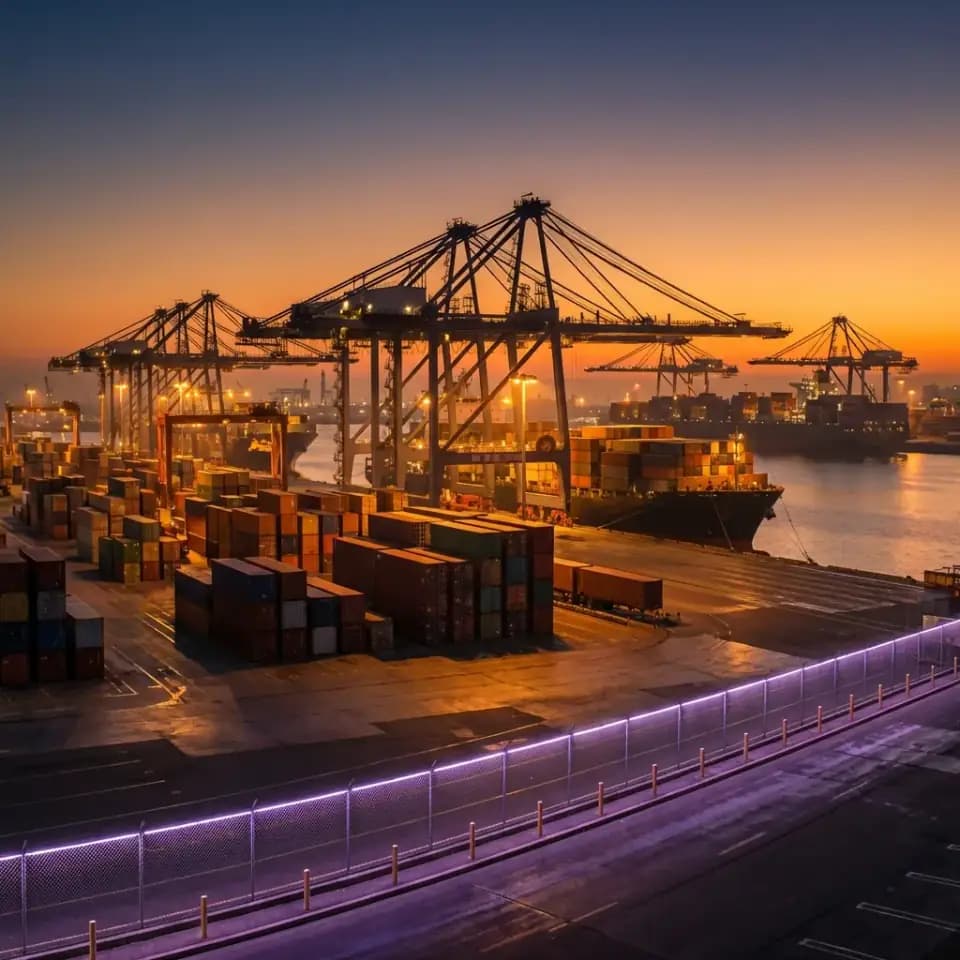
The Altamira Industrial Port is one of the Gulf of Mexico's most important deep-water ports, with an associated petrochemical complex hosting world-class plants: Braskem-Idesa (high- and low-density polyethylene), Indorama Ventures (PTA and PET for packaging), Mexichem/Orbia (PVC and pipe systems), BASF (specialty chemicals), Dow Chemical (polyurethanes), Mitsubishi Chemical and Huntsman. The Altamira LNG terminal, operated by Vopak/Engie, has regasification capacity of 500 million cubic feet per day supplying power generation plants in the northeast.
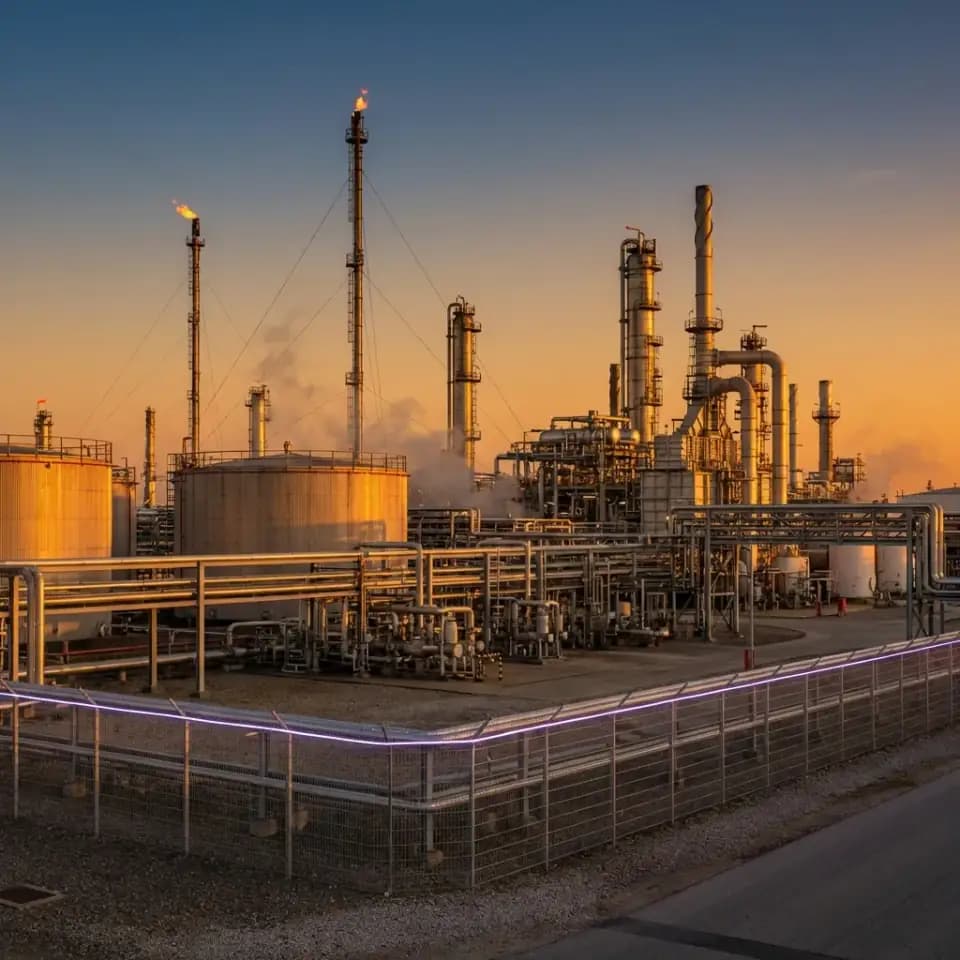
The Port of Tampico, founded in the colonial era and the historical scene of Mexico's 1920s oil boom, handles general cargo, mineral and agricultural bulk and imported vehicles. The Francisco I. Madero Refinery in Ciudad Madero, with a processing capacity of 190,000 barrels per day, is one of the six refineries in PEMEX's National Refining System, producing gasoline, diesel and fuel oil for northeastern Mexico.
The Reynosa Industrial Zones host over 150 maquiladoras in parks such as FINSA Reynosa, Parque Industrial del Norte, Parque Industrial Colonial, Reynosa Industrial Park and the McAllen-Reynosa corridor, producing consumer electronics for LG Electronics, Samsung, Sony and Foxconn (component assembly); auto parts for Delphi Technologies/Aptiv, Valeo, Magna International and Martinrea; and medical instruments and devices for Medtronic, C. R. Bard (Becton Dickinson), Stryker and Edwards Lifesciences.
The Matamoros maquiladora zone operates an industrial corridor with Caterpillar (heavy machinery), BRP/Bombardier Recreational Products (Sea-Doo and Ski-Doo recreational vehicles), Trico (windshield wipers), Autoliv (airbags and seat belts), Emerson Electric and Fisher Controls. The Tres Mesas I, II and III Wind Farm in Llera, with combined installed capacity of 148 MW operated by Acciona Energía, adds renewable energy infrastructure to the state's energy profile.
Security challenges are extreme — the US State Department maintains a Level 4 (DO NOT TRAVEL) travel advisory for all of Tamaulipas, the most severe classification possible. Organized crime is extremely active throughout the northern border strip, with historic territorial disputes between the Gulf Cartel, Los Zetas and their splinter groups (particularly the Cártel del Noreste controlling Nuevo Laredo) and CJNG seeking to expand its presence.
Public gunfights that paralyze cities, targeted killings of public officials, business owners and journalists, armed robberies of pedestrians in urban areas, mass kidnappings (including the San Fernando migrant massacres in 2010 and 2011 with 193 and 72 victims respectively), forced disappearances numbering in the thousands of unresolved cases, widespread extortion affecting everything from tortillerias and convenience stores to multinational maquiladoras, operation of criminal checkpoints and patrols with artisanal armored vehicles on rural corridors, armed intrusions into maquiladora industrial facilities, cargo theft on highways with estimated annual losses of hundreds of millions of dollars, and huachicoleo from PEMEX pipelines form Mexico's most severe threat landscape.
Gulf hurricane risk is high, with storms such as Alex (2010, causing devastating floods in the Monterrey-Tamaulipas metropolitan area) and Hanna (2020, directly impacting Tamaulipas with floods and billions in damage). Tropical storms and coastal flooding affect Altamira and Tampico port facilities with storm surge penetrating kilometers inland. Extreme heat exceeds 45°C in the border strip during June to September, stressing personnel and equipment. Winter cold fronts (nortes) from November to March bring winds above 80 km/h disrupting port and logistics operations, and torrential rains flooding low-lying areas.
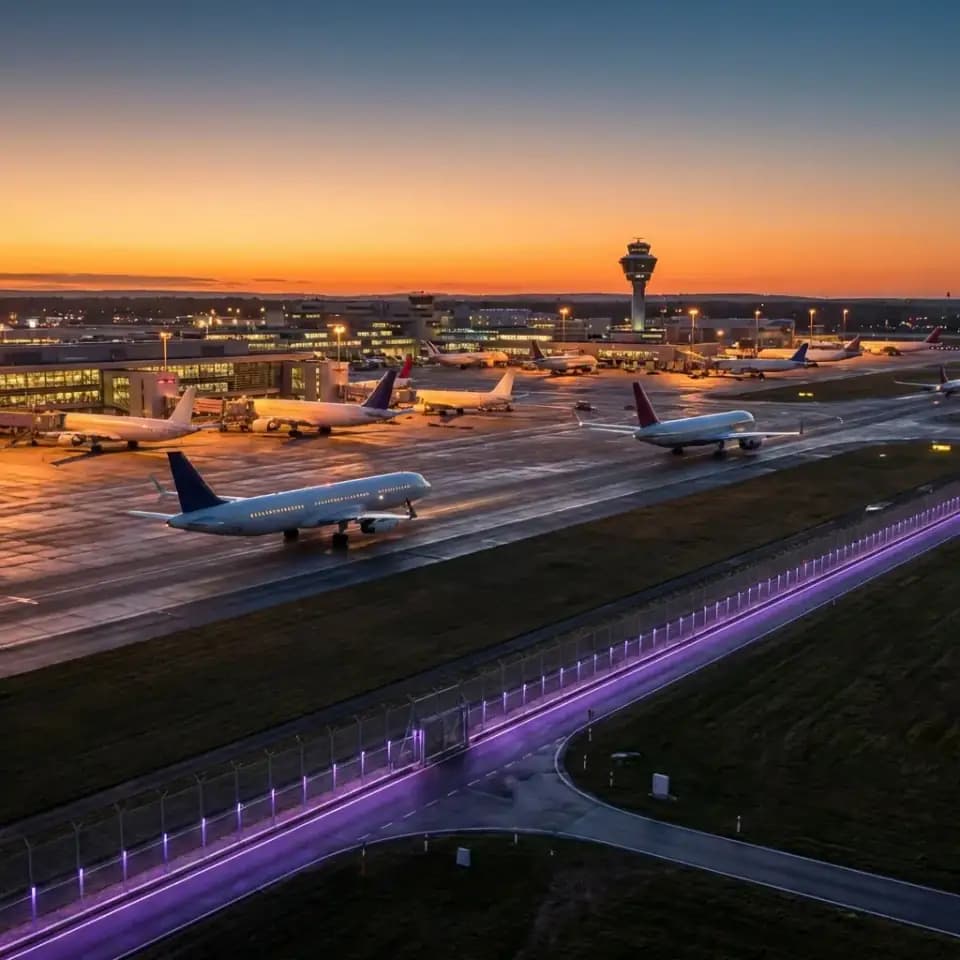
FortSense provides military-grade security for Tamaulipas' critical infrastructure, operating reliably in Mexico's most hostile security environment. The Port of Altamira needs long-range perimeter detection in a highly corrosive marine environment where salinity and humidity destroy conventional electronics within months and corrode metal housings.
Reynosa and Matamoros maquiladoras require 24/7 perimeter monitoring against armed intrusions in an environment where security incidents can escalate to life-or-death situations within minutes — fiber optics detect fence cutting, climbing and vehicle approaches before intruders reach the inner perimeter. The Madero refinery needs anti-huachicoleo protection with metric localization of perforations in its distribution pipelines.
The Altamira petrochemical facilities demand intrinsically safe systems for potentially explosive ATEX-classified atmospheres — fiber optics fulfill this by design, carrying no electrical current and generating no sparks. The system operates silently without detectable electromagnetic emissions by organized crime counter-surveillance equipment, providing decisive tactical advantage in active conflict zones.
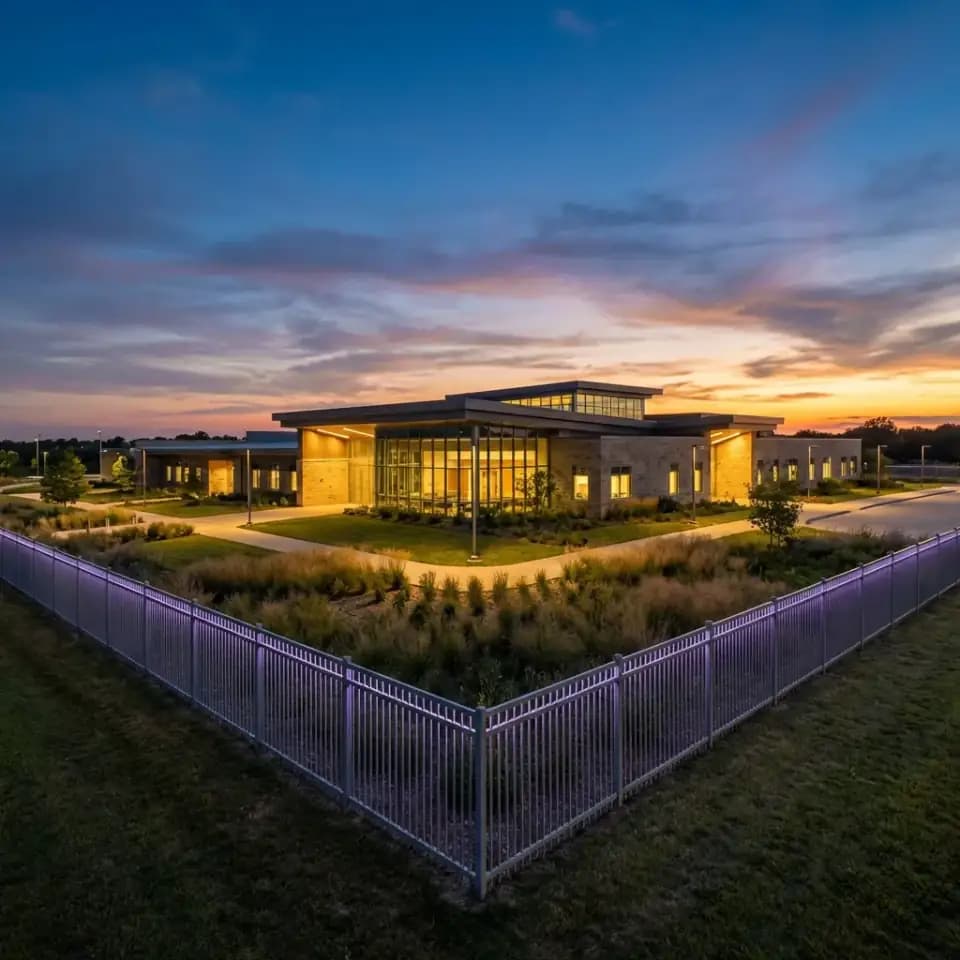
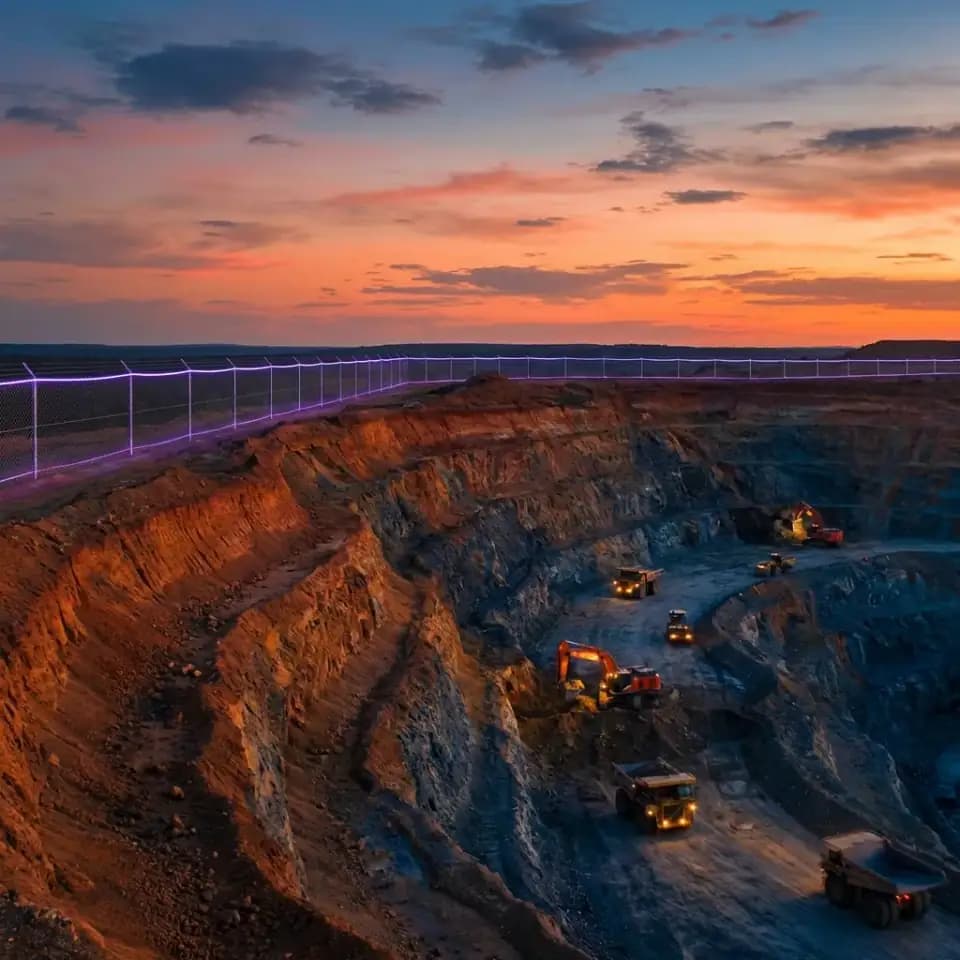
Professional perimeter protection for distribution centers, manufacturing, and critical infrastructure in Tamaulipas.
- Wellhead & Pump Station Security
- Pipeline & Refinery Monitoring
- Quayside & Vessel Berth Security
- Altamira Industrial Port — Leading Deep-Water Port on the Gulf
Plan a FortSense assessment for this market
Share the perimeter length, fence type, and monitoring workflow. FortSense can help scope zones, integration points, and commissioning requirements for this location.
Services
Wellhead & Pump Station Security
Remote wellhead perimeter monitoring across dispersed field operations with solar-powered relay nodes and SCADA integration.
Pipeline & Refinery Monitoring
Real-time fiber optic detection along pipelines, tank farms, and refinery perimeters. ATEX/IECEx-compatible for hazardous zones with leak and intrusion discrimination.
Quayside & Vessel Berth Security
Waterside perimeter security for quay walls, vessel berths, and dry dock areas with wave-motion filtering and diver detection capability.
Deployment patterns for local sites
How FortSense Works in Tamaulipas
Fiber optic perimeter security adapted to local conditions and requirements.
- Fiber installed. Passive fiber optic cable mounts on the existing fence or wall with minimal civil work.
- Vibration detected. Any contact creates vibration patterns in the fiber so climbing, cutting, or lifting attempts become visible immediately.
- AI/DSP verification. Algorithms filter out wind, animals, and environmental noise before an operator ever sees an alarm.
- Alarm if intrusion. Only real threats trigger zone-based alarms that can route into the monitoring workflow already used by the site team.
Adapted for Tamaulipas. Our local partners understand Tamaulipas's climate, terrain, and security challenges. The fiber optic system is configured to filter local environmental conditions while maintaining maximum sensitivity to real intrusion attempts.
Integration and security software fit
FortSense can feed alarms into the monitoring stack a site already uses, including VMS, PSIM, alarm panels, relay inputs, TCP/IP workflows, and camera verification.
- Zone-based alarms for operators and guard teams
- Camera and VMS workflows for visual verification
- Relay or network outputs for existing security systems
- Software-assisted filtering before dispatch decisions
Industries in this market
Relevant FortSense industry and use-case paths connected to this location.
- Altamira Industrial Port — Leading Deep-Water Port on the Gulf
- Francisco I. Madero Refinery in Tampico/Ciudad Madero
- Reynosa and Matamoros Maquiladora Industrial Zones
- Distribution Center Perimeter Security
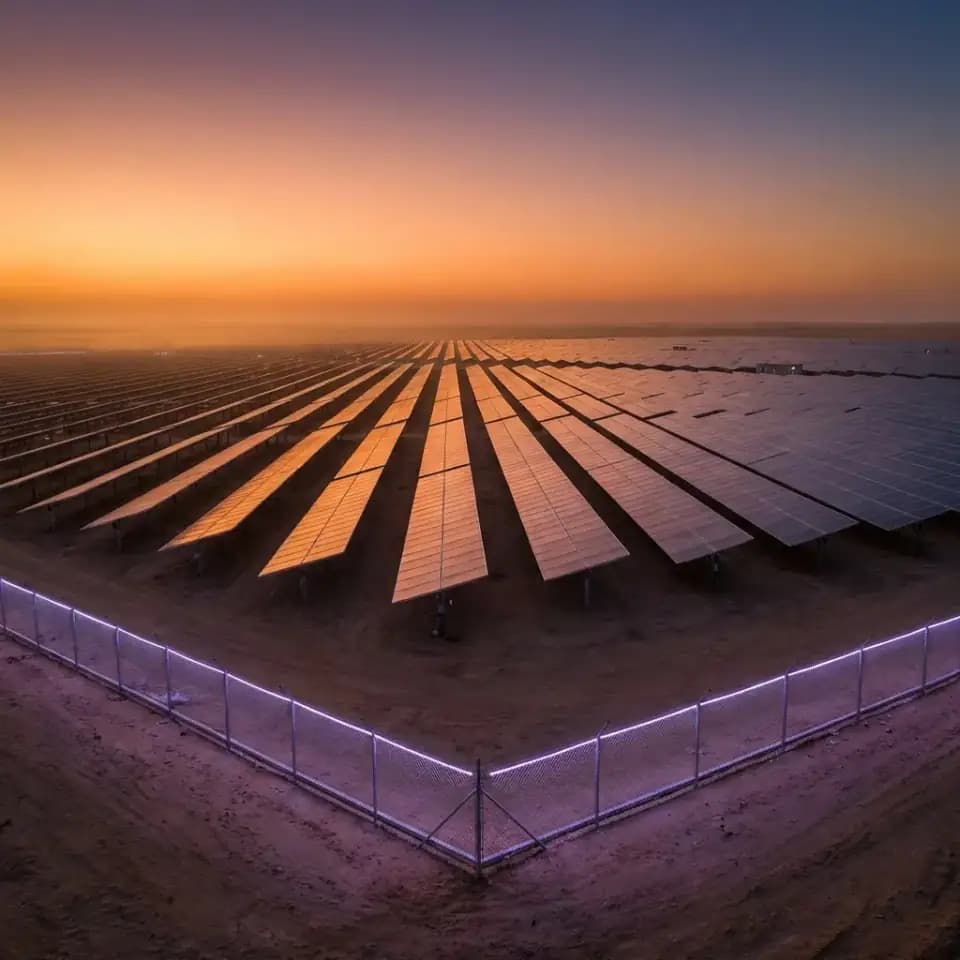
- Solar Farm Perimeter Security
- Perimeter Security for Critical Infrastructure
Why FortSense fits in Perimeter Security in Tamaulipas
FortSense is designed for perimeter security work where false-alarm reduction, passive fiber sensing, and practical integration matter more than adding another camera-only layer.
- Passive fiber on existing fences, walls, or perimeter structures
- AI/DSP filtering for wind, vibration, and environmental noise
- Zone-level alerts that can match the site's response model
- Support for design, integration, commissioning, and handover
Market notes
Practical details that help this page stay specific to the market instead of drifting into generic copy.
- Altamira Industrial Port — Leading Deep-Water Port on the Gulf
- Francisco I. Madero Refinery in Tampico/Ciudad Madero
- Reynosa and Matamoros Maquiladora Industrial Zones
- Wellhead & Pump Station Security
Related FortSense paths
Related technical content and commercial guidance linked from this location page.


