Local service overview
Automotive Manufacturing Perimeter Security in Tlaxcala
FortSense® protects automotive industrial parks, Tier 1 supplier plants and the Puebla-Tlaxcala corridor in Tlaxcala with fiber optics.
Tlaxcala is Mexico's smallest state at just 4,016 square kilometers, but it has built a growing manufacturing base that leverages its strategic location bordering Puebla and its proximity to Mexico City. Foreign direct investment reached US$95. 6 million in 2024, with the United States as the leading investor followed by Germany and Japan, reflecting the state's appeal to automotive suppliers servicing the Volkswagen and Audi plants in neighboring Puebla.
The Ciudad Industrial Xicohténcatl I (inaugurated 1972, with 230 hectares and over 90 companies), Xicohténcatl II (170 hectares) and Xicohténcatl III (250 hectares in Huamantla) industrial parks host world-class Tier 1 automotive suppliers such as Grammer AG (seats and headrests for VW and Audi), Faurecia (now Forvia, automotive interiors and exhaust systems), Hella (LED automotive lighting and electronics), Draexlmaier (wiring harnesses for premium vehicles) and Continental AG (electronic components).
The Panzacola, Ixtacuixtla and Apizaco-Huamantla corridor industrial parks complement the infrastructure, with a total of 7 industrial parks employing over 25,000 direct workers.
Historic textile manufacturing is the original industrial backbone of Tlaxcala. The state was a pioneer in Mexico's 19th century textile industry with factories such as La Trinidad, San Manuel and La Tlaxcalteca that transformed artisanal production into industrial manufacturing. Today over 200 textile and apparel companies operate in the state, producing denim fabric, underwear, uniforms, cotton and synthetic fiber fabrics for the domestic market and export. Companies such as Grupo Coratex, Texollini and Confecciones de Tlaxcala maintain the textile tradition.
The chemical industry produces plastics, resins and basic pharmaceuticals. Food processing includes Bimbo, La Moderna (pasta), cold cuts producers and pulque production — the ancestral alcoholic beverage of the region.
The Puebla-Tlaxcala industrial corridor is a bi-state economic reality that functions as a single integrated manufacturing zone. The Volkswagen and Audi supply chains cross the state border multiple times: components manufactured in Xicohténcatl travel 30 minutes to VW assembly lines in Puebla, and vice versa. This synergy has created a just-in-time supply ecosystem that depends on the security and fluidity of transport between both states.
The workforce of 675,000 economically active people with competitive wages (below those of the Puebla metropolitan area but with lower cost of living) and the availability of skilled technicians from institutions such as the Tecnológico Nacional de México Apizaco campus and the Universidad Autónoma de Tlaxcala attract cost-sensitive manufacturing seeking operational efficiency.
Transport infrastructure includes the Puebla-Tlaxcala highway, Federal Highway 117 (Tlaxcala-Apizaco-Huamantla), Highway 136 (Apizaco-Veracruz) and Ferrosur rail connections allowing cargo transport to the ports of Veracruz and Lázaro Cárdenas. Proximity to Puebla International Airport (35 minutes) and AIFA (90 minutes) provides air connectivity for cargo and executives.
Security challenges include cargo theft on roads connecting to Puebla and Mexico City (particularly on the Arco Norte highway and Federal Highway 136), severe huachicoleo in the PEMEX pipeline corridor crossing the southern part of the state — Tlaxcala is part of the so-called "red triangle" along with Puebla municipalities where clandestine pipeline perforation is an organized criminal activity — vehicle theft in industrial zones above national average, minor crimes and break-ins at facilities during weekends and night shifts, growing extortion of small and medium traders, organized crime spillover from neighboring Puebla with CJNG presence and local groups, and theft of raw materials (fabrics, yarns, chemicals) from textile and manufacturing plants.
Volcanic risk is particularly significant for Tlaxcala. The Popocatépetl volcano is just 45 km from the state center and La Malinche (Matlalcuéyetl, 4,461 meters) rises directly above the Tlaxcalan capital. Popocatépetl volcanic ash fall events regularly affect industrial operations, contaminate exposed raw materials, reduce air quality and can close roads. Severe hailstorms (some with stones over 3 cm damaging roofs and vehicles), winter frosts reaching -5°C on the Altiplano, and seasonal floods from the Zahuapan and Atoyac rivers add climate challenges.
FortSense protects Tlaxcala's growing manufacturing base with technology proven in volcanic conditions. Ciudad Industrial Xicohténcatl requires integrated perimeter detection protecting three separate parks (I, II and III) with high-value automotive supplier operations where a single supply interruption can halt VW or Audi production lines in Puebla, generating losses of millions of dollars per hour. The Puebla-Tlaxcala corridor needs supply chain security against theft of automotive components in transit. PEMEX pipelines require anti-huachicoleo detection in the red triangle.
Fiber optics operate without degradation during volcanic ash events that blind CCTV cameras, hailstorms that destroy exposed sensors and winter highland conditions, providing reliable interference-immune detection for Grammer, Faurecia, Hella and Draexlmaier plants.
Professional perimeter protection for distribution centers, manufacturing, and critical infrastructure in Tlaxcala.
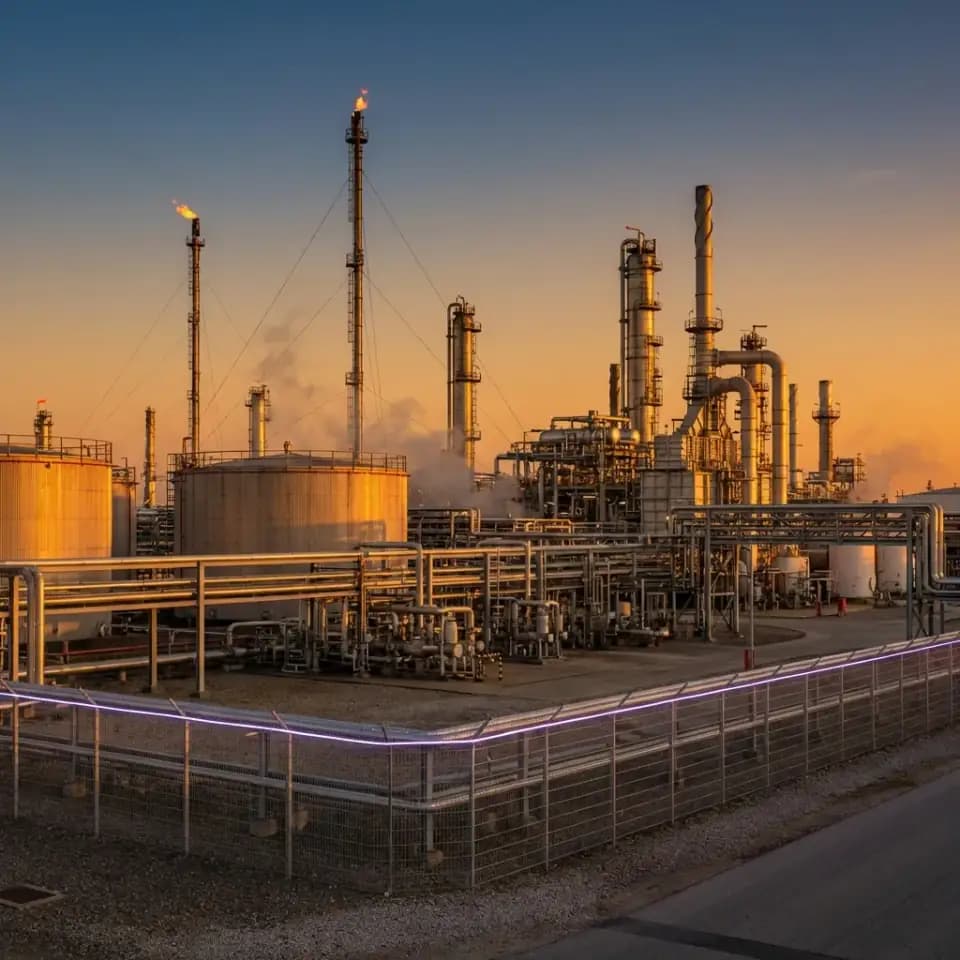
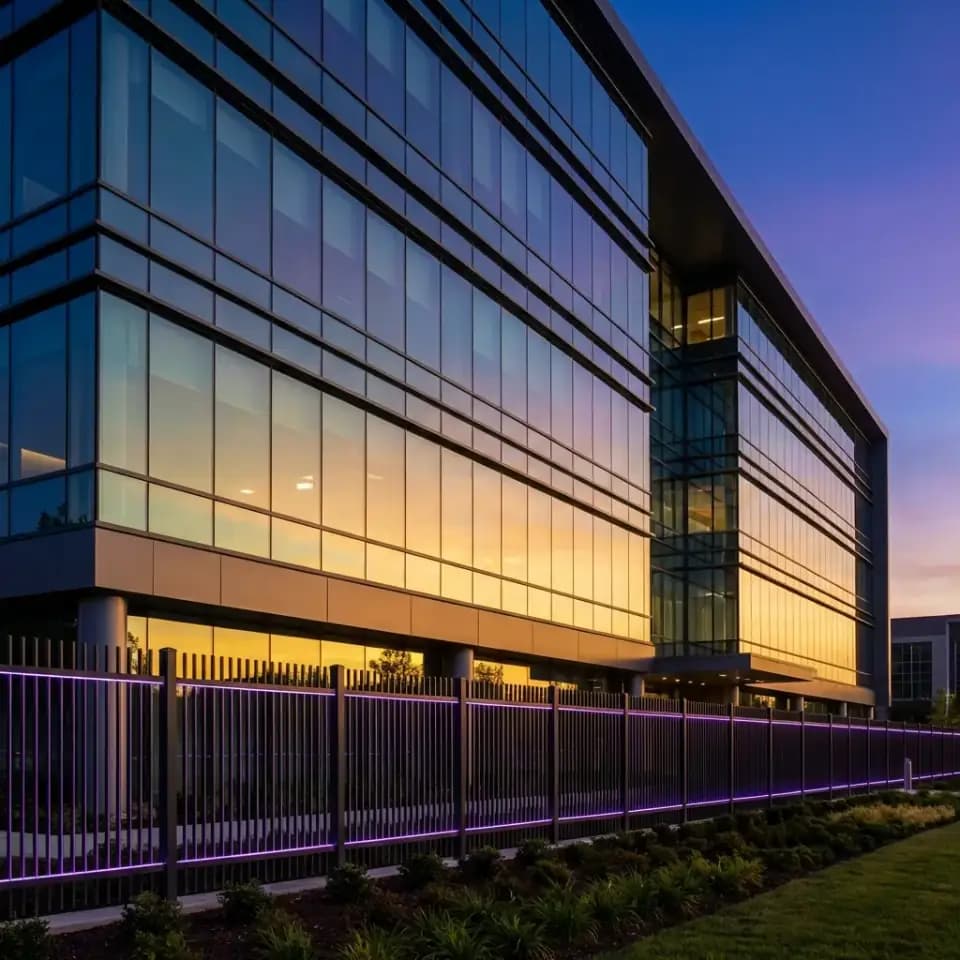
- Factory & Industrial Park Perimeter
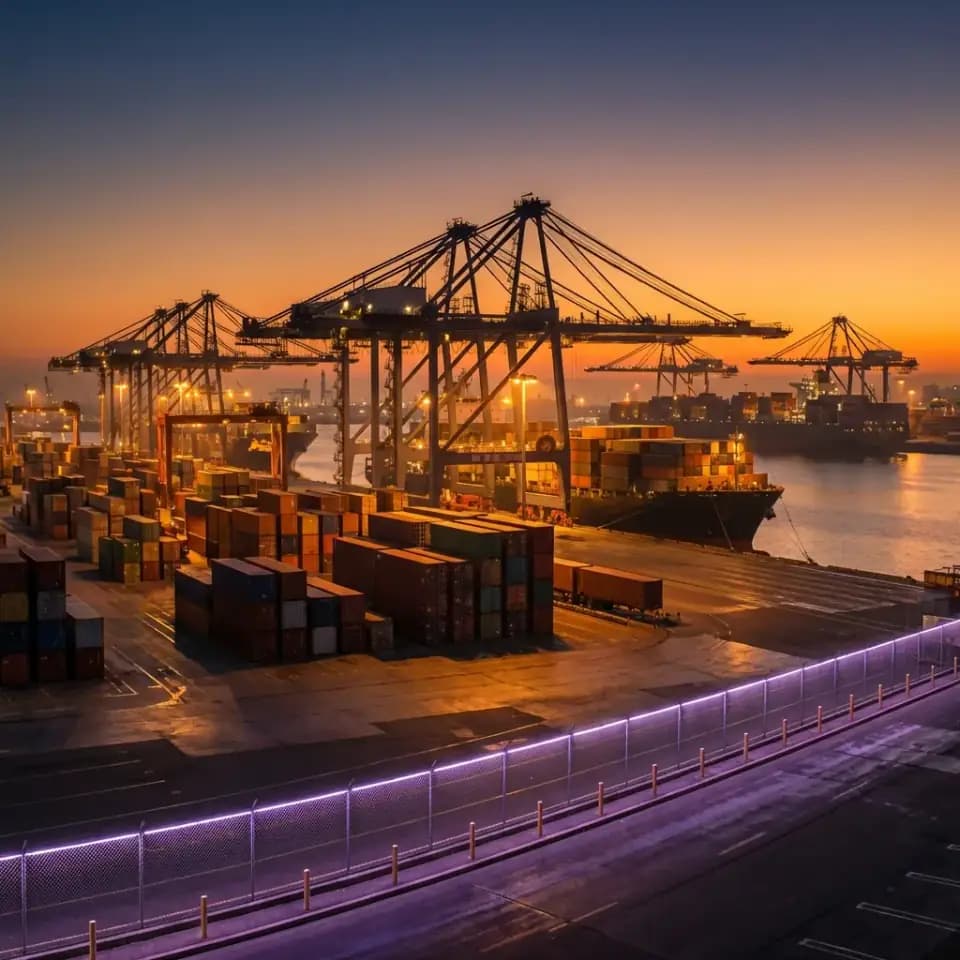
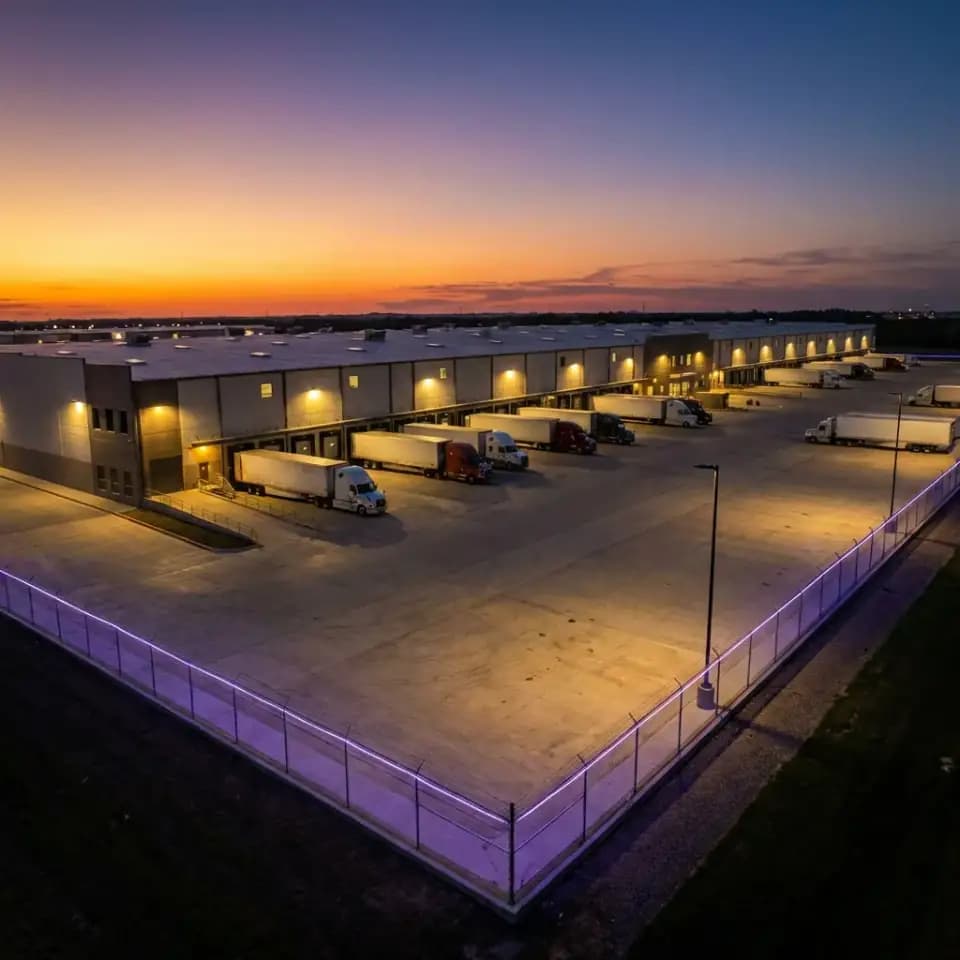
- Warehouse Complex & Distribution Center
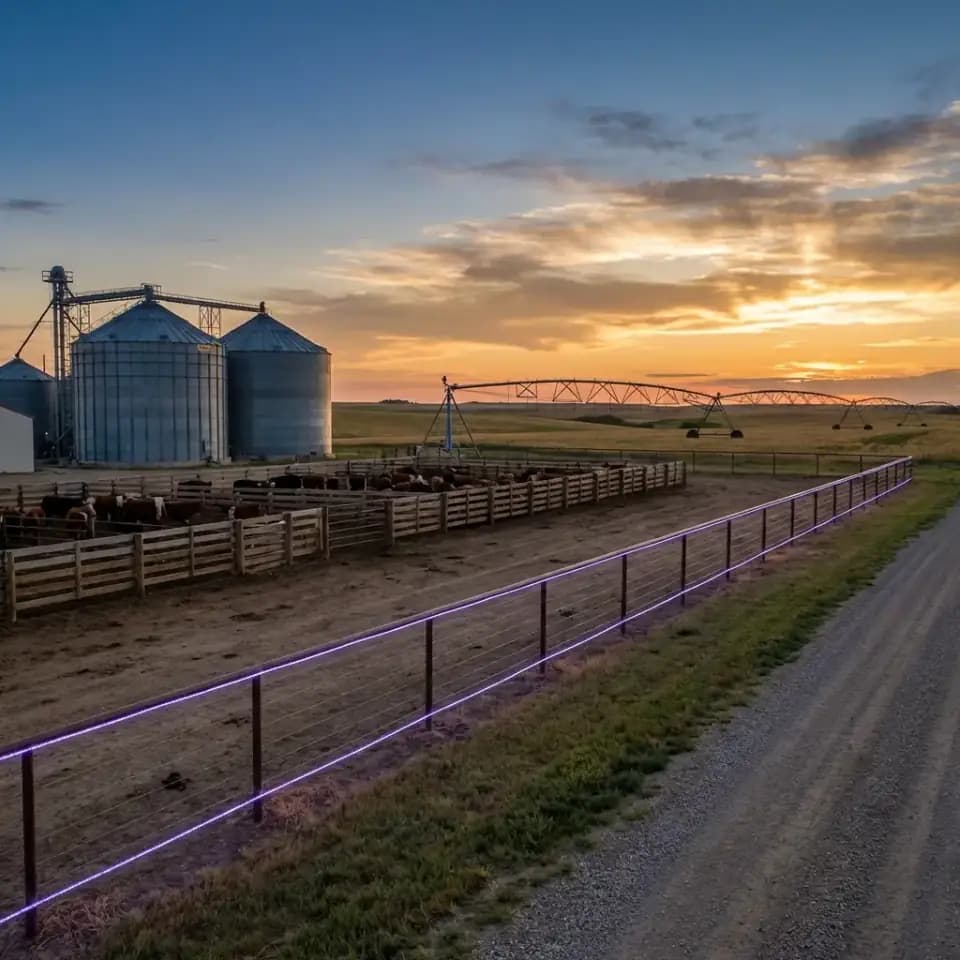
- Livestock & Feed Lot Perimeter
- Ciudad Industrial Xicohténcatl I, II and III — Main Industrial Parks
Plan a FortSense assessment for this market
Share the perimeter length, fence type, and monitoring workflow. FortSense can help scope zones, integration points, and commissioning requirements for this location.
Services
Factory & Industrial Park Perimeter
Shift-aware perimeter detection for factories and industrial parks with automatic sensitivity adjustment between production hours and quiet periods.
Warehouse Complex & Distribution Center
Multi-zone fiber optic fencing for warehouse complexes and distribution centers with integration to inventory management and access control systems.
Livestock & Feed Lot Perimeter
Fiber optic perimeter detection for livestock pens, feedlots, and breeding facilities with animal-immune algorithms calibrated for large herds.
Deployment patterns for local sites
How FortSense Works in Tlaxcala
Fiber optic perimeter security adapted to local conditions and requirements.
- Fiber installed. Passive fiber optic cable mounts on the existing fence or wall with minimal civil work.
- Vibration detected. Any contact creates vibration patterns in the fiber so climbing, cutting, or lifting attempts become visible immediately.
- AI/DSP verification. Algorithms filter out wind, animals, and environmental noise before an operator ever sees an alarm.
- Alarm if intrusion. Only real threats trigger zone-based alarms that can route into the monitoring workflow already used by the site team.
Adapted for Tlaxcala. Our local partners understand Tlaxcala's climate, terrain, and security challenges. The fiber optic system is configured to filter local environmental conditions while maintaining maximum sensitivity to real intrusion attempts.
Integration and security software fit
FortSense can feed alarms into the monitoring stack a site already uses, including VMS, PSIM, alarm panels, relay inputs, TCP/IP workflows, and camera verification.
- Zone-based alarms for operators and guard teams
- Camera and VMS workflows for visual verification
- Relay or network outputs for existing security systems
- Software-assisted filtering before dispatch decisions
Industries in this market
Relevant FortSense industry and use-case paths connected to this location.
- Ciudad Industrial Xicohténcatl I, II and III — Main Industrial Parks
- Tier 1 Automotive Supplier Plants — Seats, Interiors and Lighting
- Puebla-Tlaxcala Industrial Corridor — Bi-State Manufacturing Synergy
- Distribution Center Perimeter Security
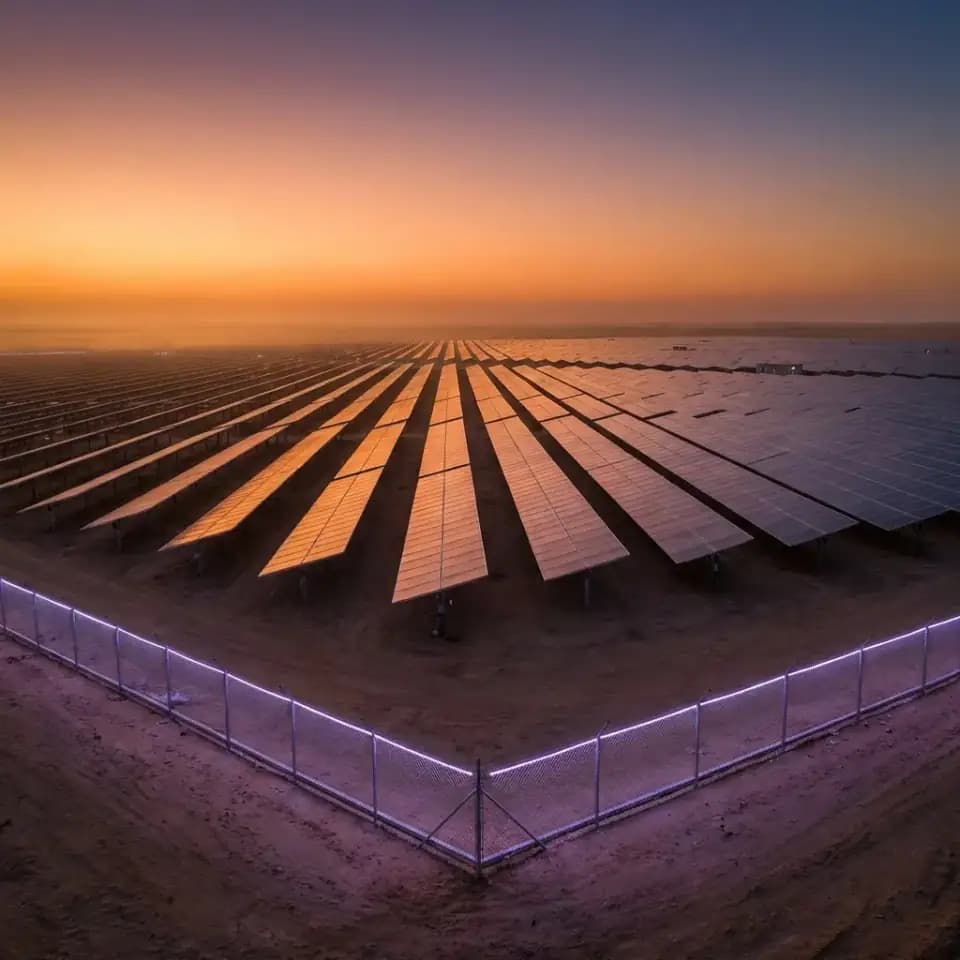
- Solar Farm Perimeter Security
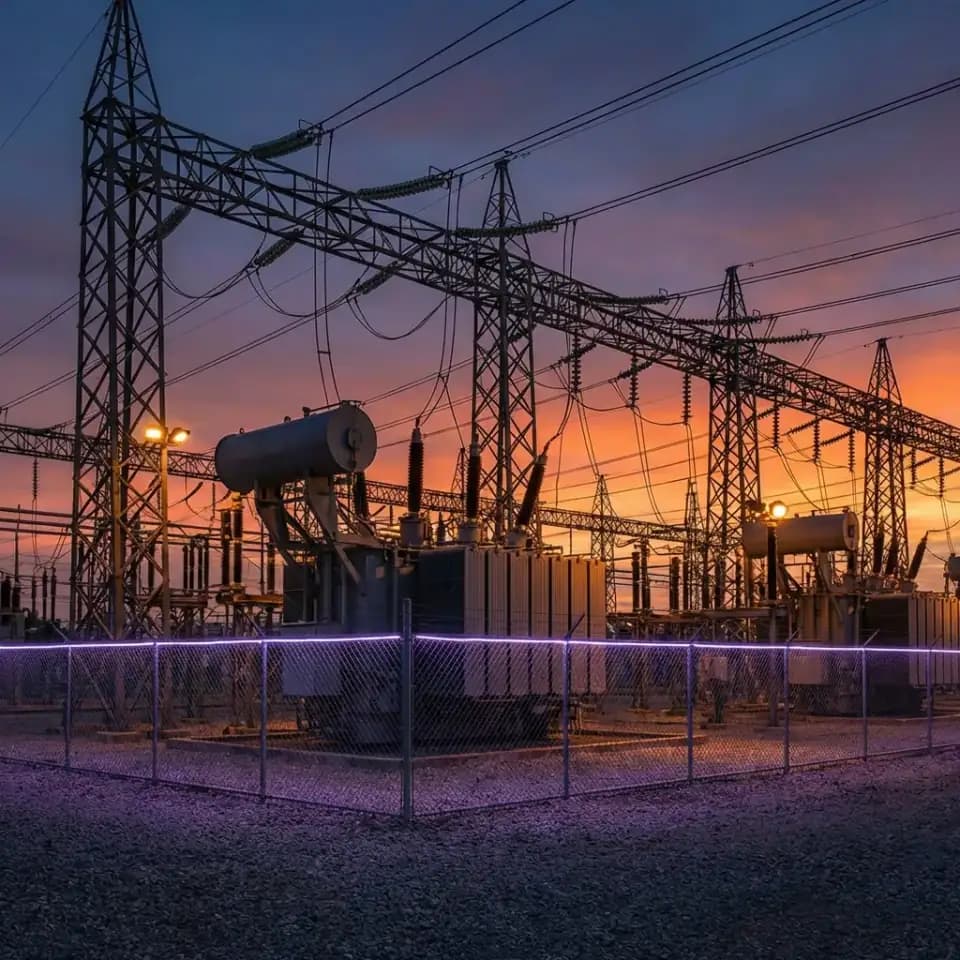
- Perimeter Security for Critical Infrastructure
Why FortSense fits in Perimeter Security in Tlaxcala
FortSense is designed for perimeter security work where false-alarm reduction, passive fiber sensing, and practical integration matter more than adding another camera-only layer.
- Passive fiber on existing fences, walls, or perimeter structures
- AI/DSP filtering for wind, vibration, and environmental noise
- Zone-level alerts that can match the site's response model
- Support for design, integration, commissioning, and handover
Market notes
Practical details that help this page stay specific to the market instead of drifting into generic copy.
- Ciudad Industrial Xicohténcatl I, II and III — Main Industrial Parks
- Tier 1 Automotive Supplier Plants — Seats, Interiors and Lighting
- Puebla-Tlaxcala Industrial Corridor — Bi-State Manufacturing Synergy
- Factory & Industrial Park Perimeter
Related FortSense paths
Related technical content and commercial guidance linked from this location page.


