
Local service overview
Perimeter Security for Global Logistics Hubs and Free Zones in Dubai
Fiber optic PIDS for protecting the Middle East's largest port, world's busiest international airport, and critical logistics infrastructure in Dubai.
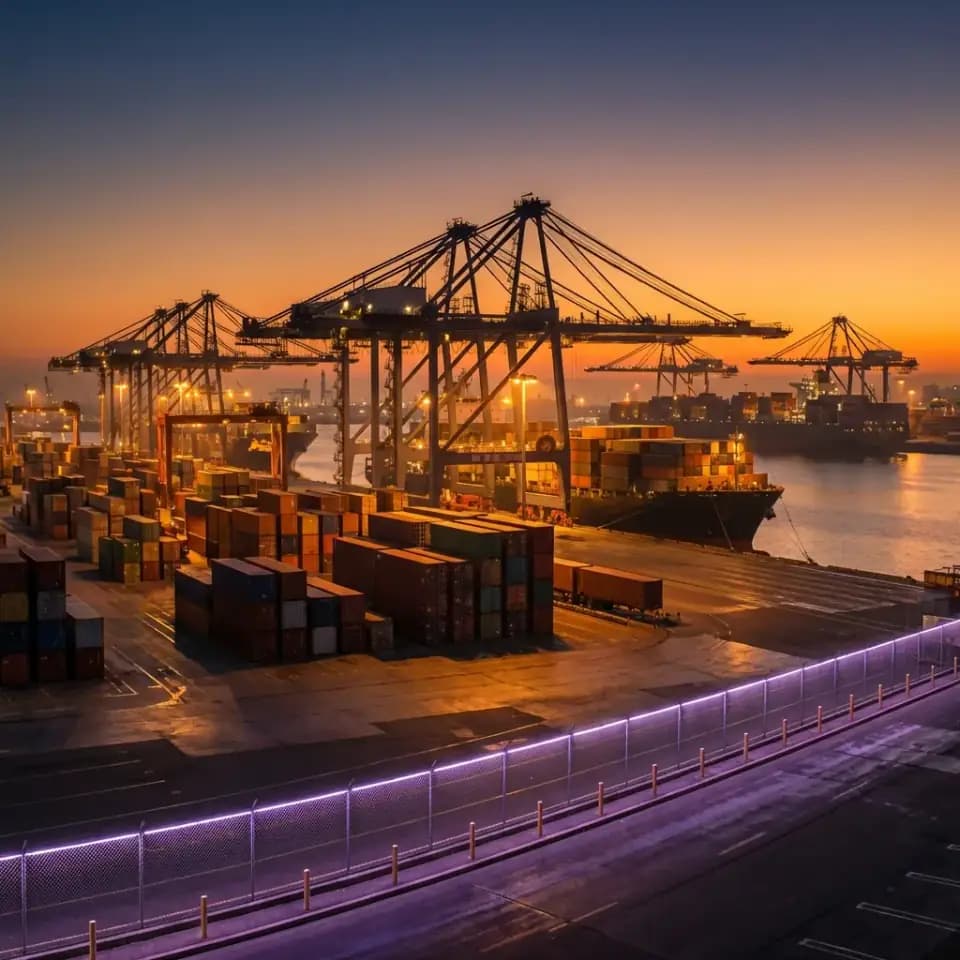
Dubai is the commercial and logistics capital of the Middle East, a position built on a deliberate strategy of creating world-class infrastructure and business-friendly regulatory environments. Jebel Ali Port, managed by DP World, is the largest port in the Middle East and the ninth-largest globally, handling over 14 million TEUs annually and serving as a transshipment hub connecting Asian manufacturing to European and African markets.
The Jebel Ali Free Zone (JAFZA), adjacent to the port, hosts over 8,700 companies and generates approximately 32% of Dubai's GDP — making it one of the most economically significant free trade zones in the world.
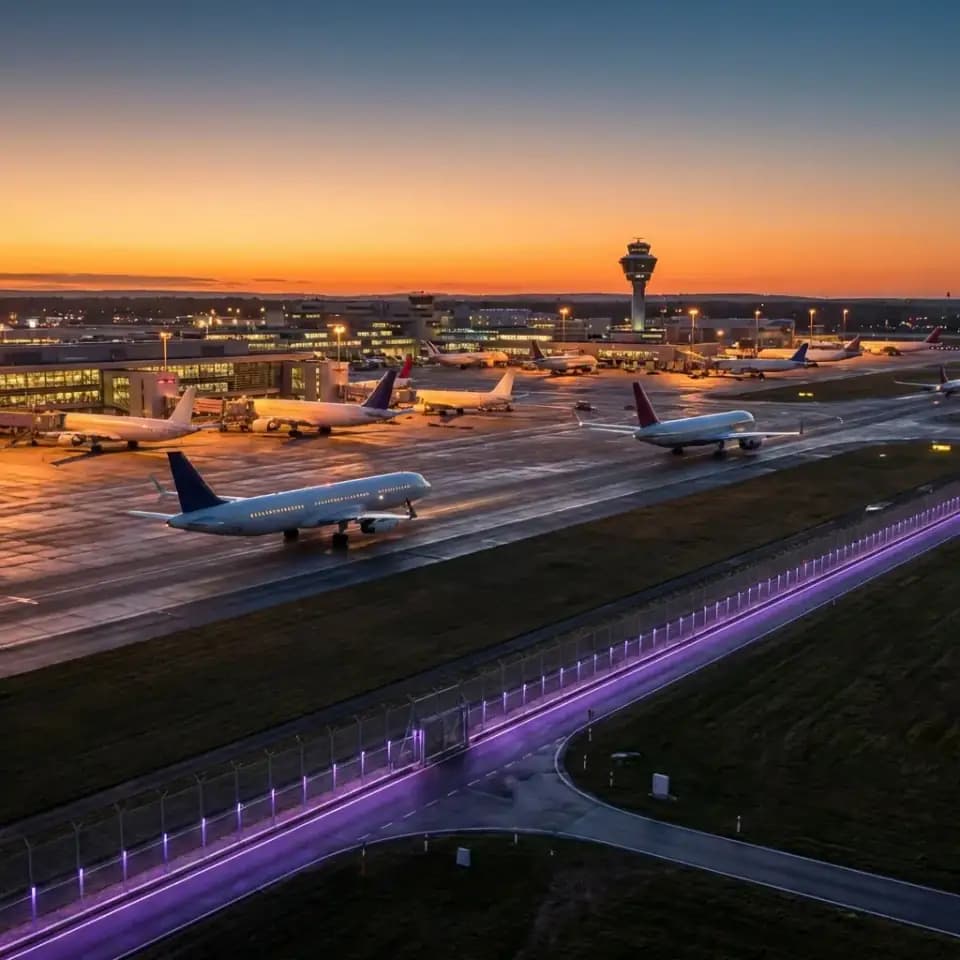
Dubai International Airport (DXB) is the world's busiest airport for international passenger traffic, processing over 86 million passengers annually. Al Maktoum International Airport (DWC) at Dubai World Central is being expanded to become the world's largest airport. Dubai's logistics ecosystem — including Dubai Logistics City, the Dubai Multi Commodities Centre (DMCC), the Dubai International Financial Centre (DIFC), and Expo City Dubai — creates a concentration of high-value commercial activity that demands sophisticated perimeter security across dozens of major facilities.
Jebel Ali Port's operations span an enormous footprint along Dubai's southwestern coast. Container terminals, break-bulk berths, ro-ro facilities, liquid bulk terminals, and an adjacent aluminum smelter (Dubai Aluminium) create a complex of interlinked industrial facilities whose combined perimeter stretches for many kilometers. JAFZA's logistics warehouses, light manufacturing facilities, and distribution centers house billions of dollars in merchandise and equipment. The free zone's perimeter security is the first line of defense for the trade and re-export economy that defines Dubai's commercial identity.
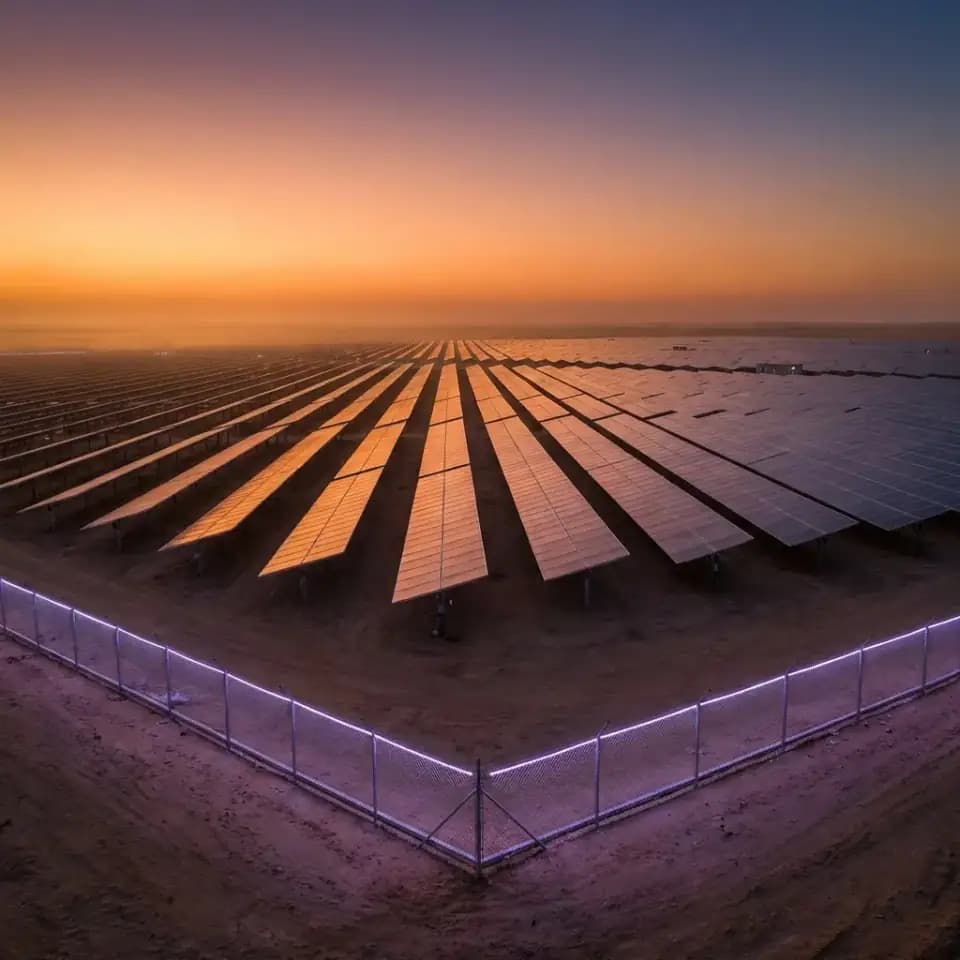
The Mohammed bin Rashid Al Maktoum Solar Park, targeting 5,000 MW of capacity, is one of the world's largest single-site solar energy installations. Spread across desert terrain south of Dubai, its extensive perimeter encompasses thousands of solar panels representing billions of dollars in investment. DEWA's (Dubai Electricity and Water Authority) power generation and desalination facilities, including the Jebel Ali power and desalination complex, provide essential utility services whose disruption would impact the entire emirate.
Palm Jumeirah, The World Islands, and other luxury developments represent high-value real estate requiring perimeter protection.
Dubai's security threat profile reflects its position as a global trade hub handling sensitive cargo. Port and free zone perimeter security must counter conventional theft and pilferage, sophisticated smuggling operations, and container fraud. Jebel Ali handles sensitive military cargo and dual-use goods whose security is a matter of international compliance. Logistics warehouse theft — targeting electronics, luxury goods, pharmaceuticals, and automotive parts stored in JAFZA — represents a significant financial exposure.
Airport perimeter security at both DXB and DWC must meet ICAO standards while protecting against evolving threats including unauthorized drone operations.
The drone threat to critical infrastructure, highlighted by attacks elsewhere in the Gulf region, has elevated security requirements for the solar park, power generation facilities, and desalination plants. Gold and commodity trading security at DMCC — one of the world's largest physical gold trading centers — creates specialized protection requirements. Maritime security in the Gulf, construction site theft affecting Dubai's perpetual building boom, and cybersecurity threats to the financial and logistics sectors round out a comprehensive threat environment.
FortSense fiber optic PIDS technology provides the environmental resilience and coverage capability that Dubai's infrastructure demands. The hot desert climate — summer temperatures of 40 to 50 degrees Celsius with extreme humidity, sandstorms, minimal rainfall, and coastal salt spray — creates conditions that degrade electronic security systems rapidly.
Fiber optic cables installed along perimeter fences, embedded in ground surfaces, or mounted on barriers maintain full detection sensitivity in these extreme conditions year-round, with no cooling requirements, no sun damage, and no sand infiltration of sensitive components.
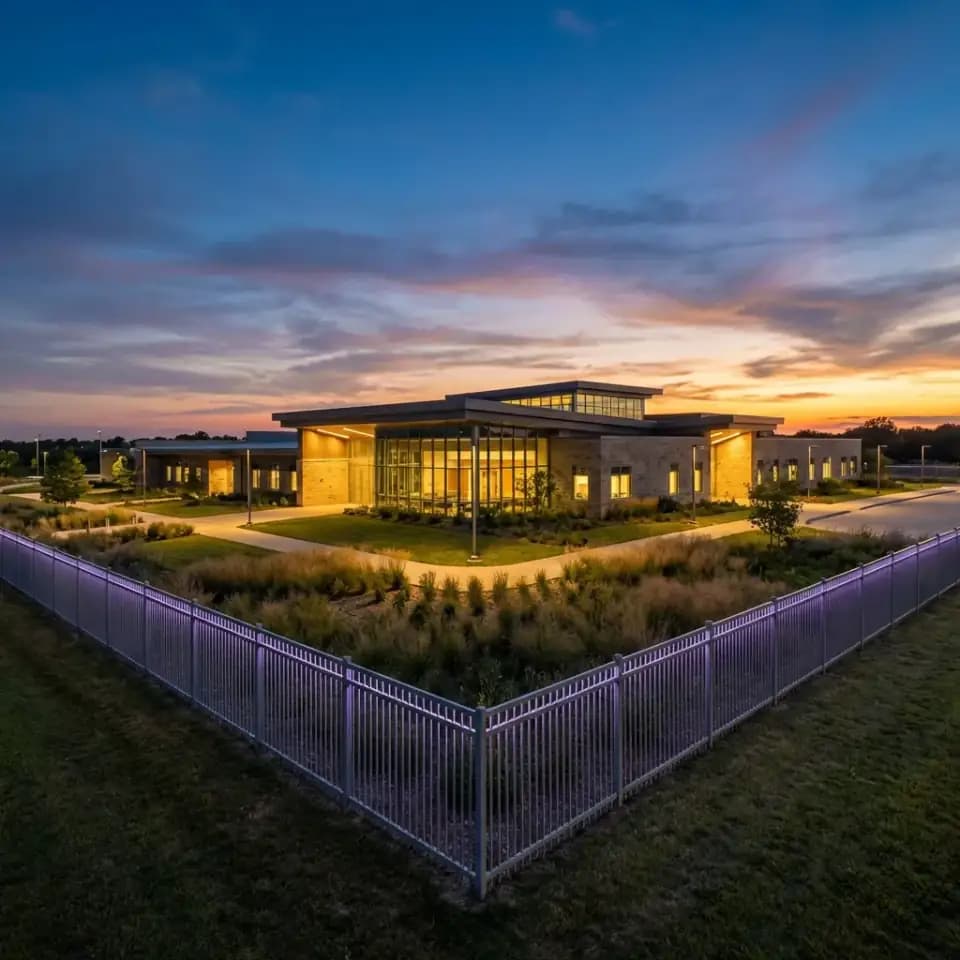
For Jebel Ali Port and JAFZA, fiber optic PIDS monitors kilometers of perimeter with continuous detection of cutting, climbing, tunneling, and vehicular breach attempts. The system's ability to cover the enormous footprint of the port-free zone complex from a minimal number of processing units dramatically reduces the operational cost of perimeter security compared to camera-based or sensor-based alternatives that require power, networking, and maintenance at thousands of individual points.
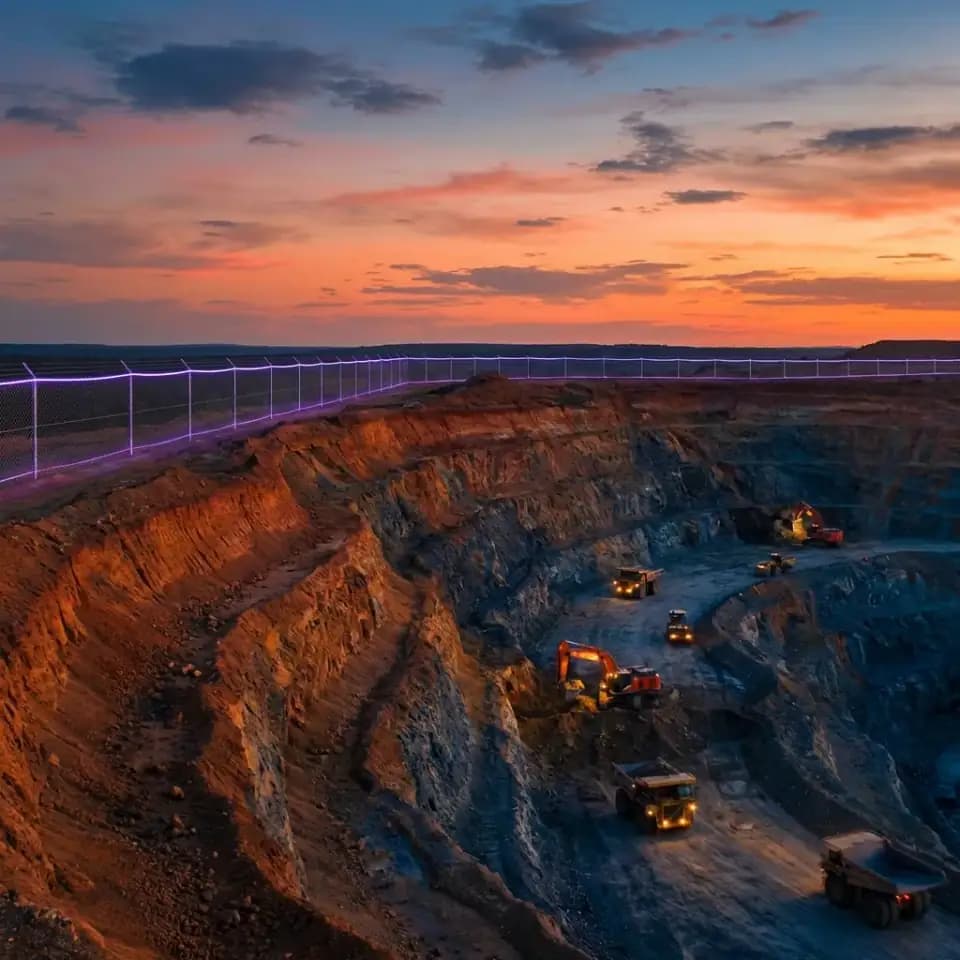
For the Mohammed bin Rashid Al Maktoum Solar Park, fiber optic cables installed along the facility's extensive desert perimeter detect unauthorized access across what would otherwise be an impossible-to-patrol expanse of open terrain. The cable requires no power at the detection point — eliminating the paradox of using electricity to protect an electricity generation facility in a remote location.
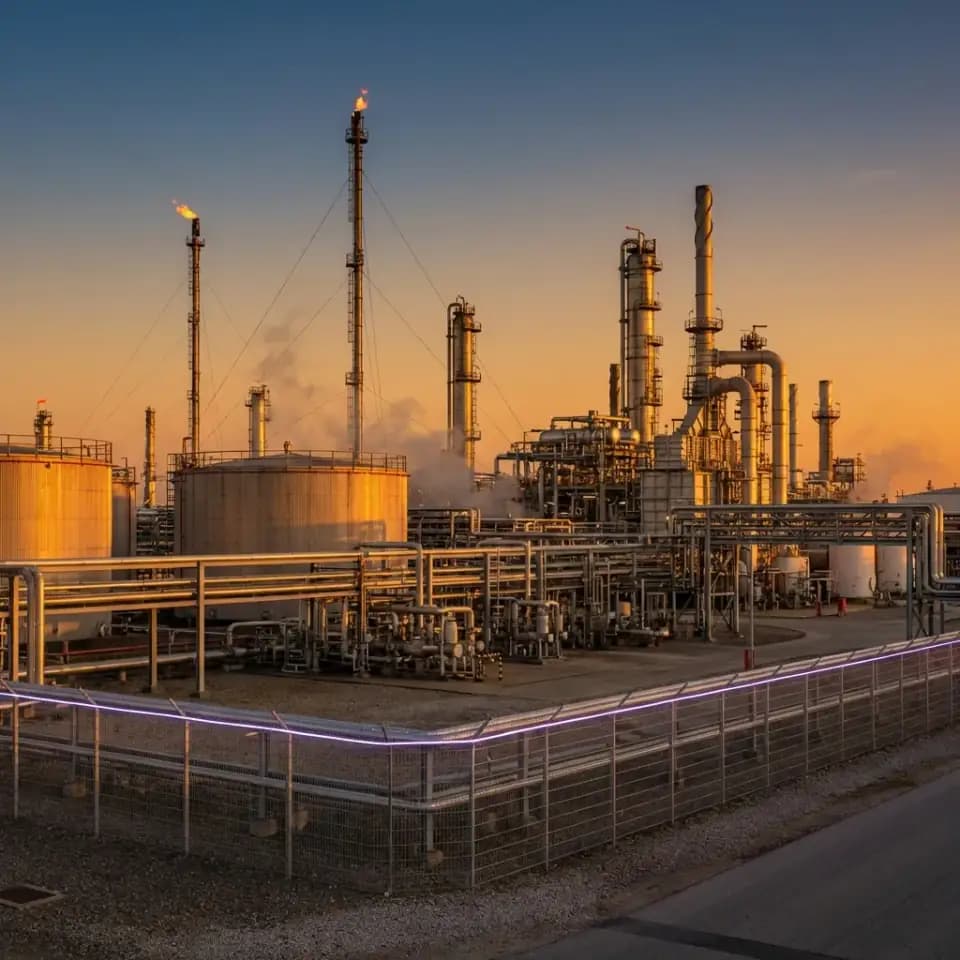
The Dubai Aluminium (DUBAL) smelter at Jebel Ali, one of the world's largest primary aluminum producers, operates potlines carrying hundreds of thousands of amperes that generate intense electromagnetic fields rendering electronic security sensors unreliable. Fiber optic detection, completely immune to electromagnetic interference of any magnitude, provides the only technically viable perimeter detection solution for this facility.
Deployment in Dubai prioritizes Jebel Ali Port and JAFZA, Dubai International Airport perimeter, Mohammed bin Rashid Al Maktoum Solar Park, DEWA power and desalination facilities, the DUBAL smelter, and high-value logistics warehouses. The technology provides the scale, environmental resilience, and operational efficiency that Dubai's world-class infrastructure demands.
Professional perimeter protection for distribution centers, manufacturing, and critical infrastructure in Dubai.
- Yard & Loading Dock Security (TAPA FSR)
- Cold Storage & Warehouse Perimeter
- Substation & Grid Protection (Copper Theft)
- Container ports and free trade zone complexes
Plan a FortSense assessment for this market
Share the perimeter length, fence type, and monitoring workflow. FortSense can help scope zones, integration points, and commissioning requirements for this location.
Services
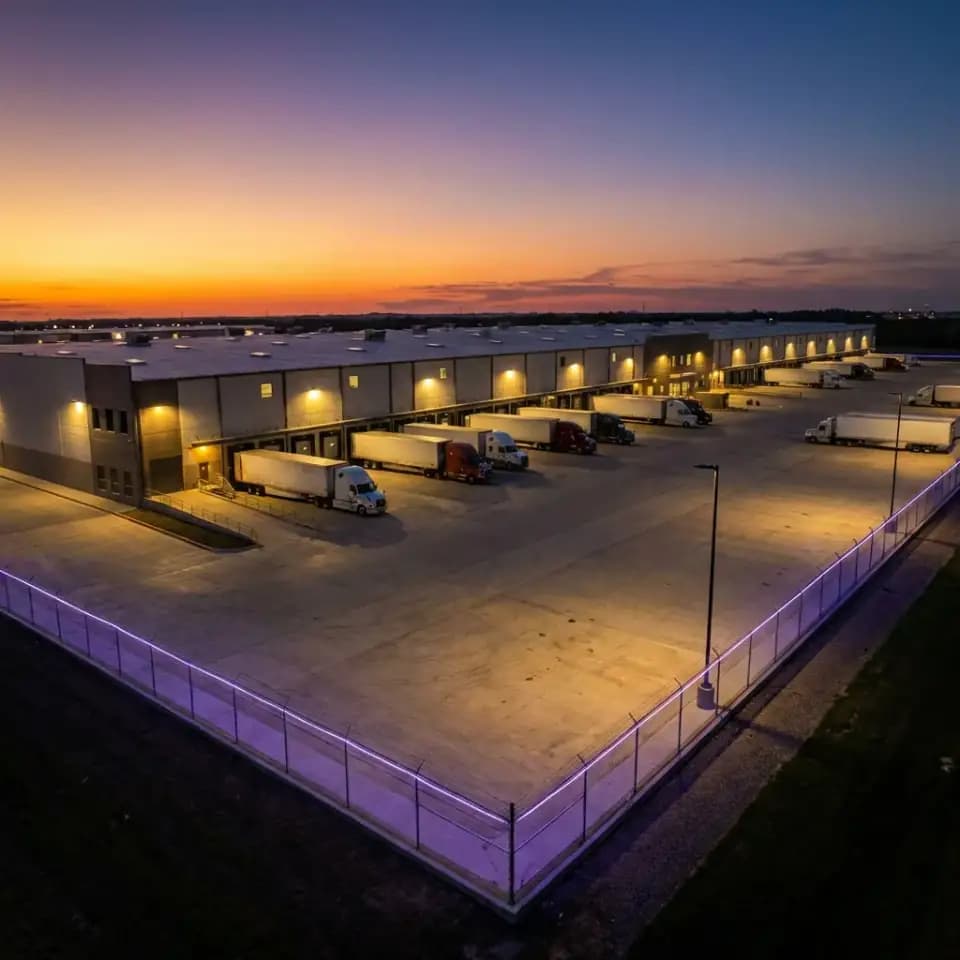
Yard & Loading Dock Security (TAPA FSR)
TAPA FSR-compliant perimeter detection for logistics yards, loading docks, and cross-dock facilities with vehicle and pedestrian discrimination.
Cold Storage & Warehouse Perimeter
All-weather fiber optic fencing for cold storage facilities (-40°C rated), distribution warehouses, and fulfillment centers with zone-based alarm priority.
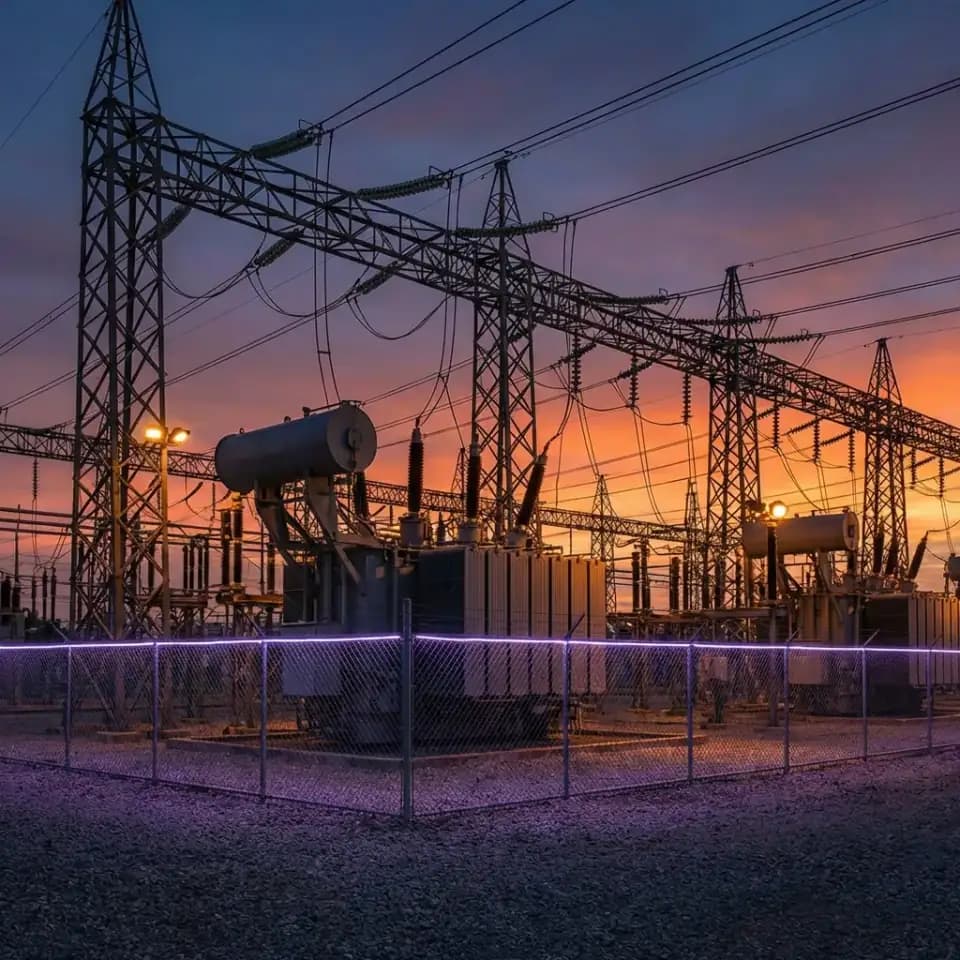
Substation & Grid Protection (Copper Theft)
Fiber optic perimeter security for electrical substations, switching stations, and transmission corridors to prevent copper theft and infrastructure sabotage.
Deployment patterns for local sites
How FortSense Works in Dubai
Fiber optic perimeter security adapted to local conditions and requirements.
- Fiber installed. Passive fiber optic cable mounts on the existing fence or wall with minimal civil work.
- Vibration detected. Any contact creates vibration patterns in the fiber so climbing, cutting, or lifting attempts become visible immediately.
- AI/DSP verification. Algorithms filter out wind, animals, and environmental noise before an operator ever sees an alarm.
- Alarm if intrusion. Only real threats trigger zone-based alarms that can route into the monitoring workflow already used by the site team.
Adapted for Dubai. Our local partners understand Dubai's climate, terrain, and security challenges. The fiber optic system is configured to filter local environmental conditions while maintaining maximum sensitivity to real intrusion attempts.
Integration and security software fit
FortSense can feed alarms into the monitoring stack a site already uses, including VMS, PSIM, alarm panels, relay inputs, TCP/IP workflows, and camera verification.
- Zone-based alarms for operators and guard teams
- Camera and VMS workflows for visual verification
- Relay or network outputs for existing security systems
- Software-assisted filtering before dispatch decisions
Industries in this market
Relevant FortSense industry and use-case paths connected to this location.
- Container ports and free trade zone complexes
- International airports and aviation logistics
- Solar energy installations and desalination facilities
- Distribution Center Perimeter Security
- Solar Farm Perimeter Security
- Perimeter Security for Critical Infrastructure
Why FortSense fits in Perimeter Security in Dubai
FortSense is designed for perimeter security work where false-alarm reduction, passive fiber sensing, and practical integration matter more than adding another camera-only layer.
- Passive fiber on existing fences, walls, or perimeter structures
- AI/DSP filtering for wind, vibration, and environmental noise
- Zone-level alerts that can match the site's response model
- Support for design, integration, commissioning, and handover
Market notes
Practical details that help this page stay specific to the market instead of drifting into generic copy.
- Container ports and free trade zone complexes
- International airports and aviation logistics
- Solar energy installations and desalination facilities
- Yard & Loading Dock Security (TAPA FSR)
Related FortSense paths
Related technical content and commercial guidance linked from this location page.


