

Local service overview
Perimeter Security for Oil Sands and Pipeline Infrastructure in Alberta
Fiber optic PIDS for protecting oil sands operations, pipeline corridors, and petrochemical complexes across Alberta, Canada's energy capital.
Alberta is Canada's energy superpower, home to the Athabasca Oil Sands — the third-largest proven crude oil reserve in the world, surpassed only by Venezuela and Saudi Arabia. The province produces approximately 80% of Canada's crude oil and a significant share of its natural gas, making Alberta's energy infrastructure a strategic asset of national and international significance.
Syncrude Canada's Fort McMurray operation, Suncor Energy's oil sands facilities, Canadian Natural Resources' Horizon Oil Sands project, and Imperial Oil's Kearl Oil Sands operation collectively represent tens of billions of dollars in installed capital and process some of the most complex hydrocarbon extraction on Earth.
The pipeline network radiating from Alberta's oil sands and conventional fields is a critical infrastructure system of continental scale. The Trans Mountain Pipeline (TMX), recently expanded to the British Columbia coast, carries crude to Pacific tidewater for export to Asian markets. The Keystone Pipeline System transports Alberta crude to refineries on the US Gulf Coast. The NOVA Gas Transmission system (TC Energy) moves natural gas across the province and beyond. Pembina Pipeline Corporation operates thousands of kilometers of hydrocarbon pipelines.
The Inter Pipeline Heartland Petrochemical Complex, the Alberta Carbon Trunk Line (ACTL), Shell's Quest Carbon Capture and Storage facility, and the Joffre Petrochemical Complex (NOVA Chemicals) add further dimensions to the province's petrochemical infrastructure.
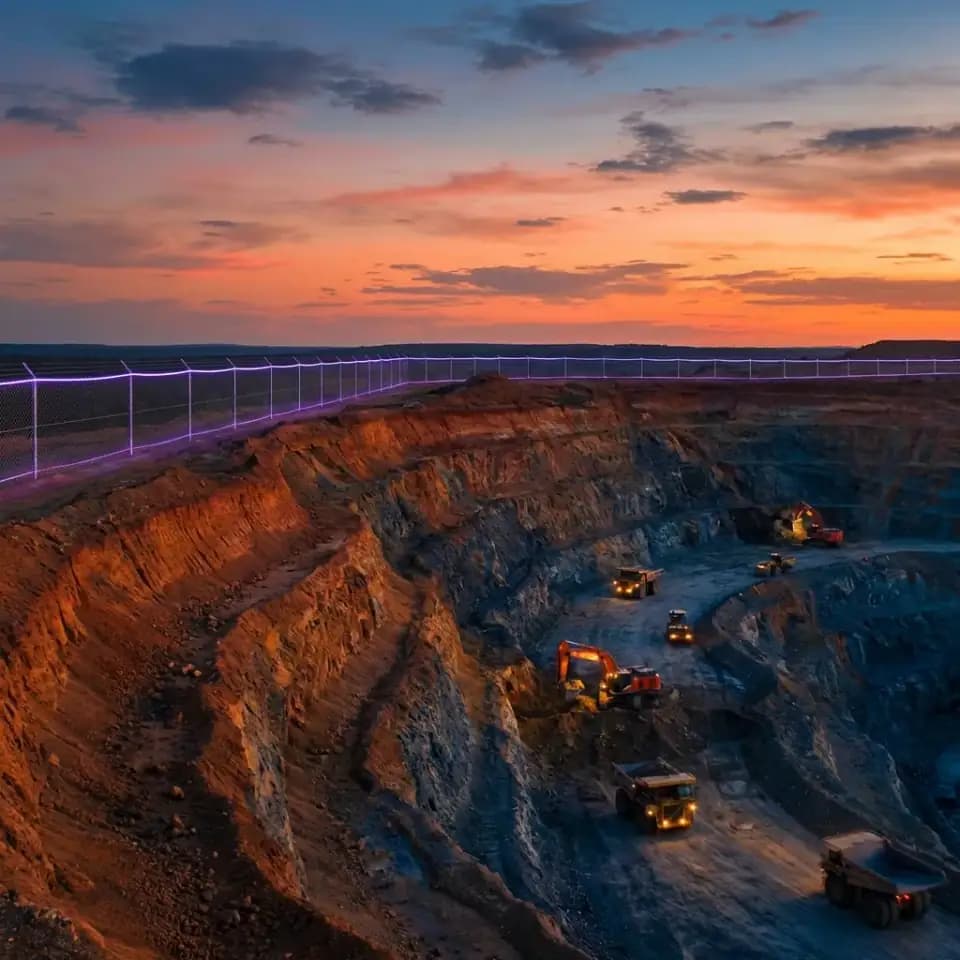
The Athabasca Oil Sands operations near Fort McMurray are industrial installations of unprecedented scale. A single oil sands mine can span hundreds of square kilometers, with open-pit mining operations, in-situ extraction facilities using steam-assisted gravity drainage (SAGD), upgraders that convert bitumen to synthetic crude, and tailings ponds containing billions of liters of process water. The perimeters of these operations stretch for tens of kilometers through boreal forest, creating security challenges that conventional technologies cannot economically address.
Syncrude's operation alone covers an area larger than many cities.
The pipeline corridors present a fundamentally different security challenge — thousands of kilometers of linear infrastructure traversing remote boreal forest, farmland, river crossings, and mountainous terrain. Compression stations, valve sites, and metering stations along these pipelines are concentrated points of vulnerability. The Joffre Petrochemical Complex, one of the largest in Canada, concentrates explosive and toxic materials in a facility whose perimeter requires the highest level of protection.
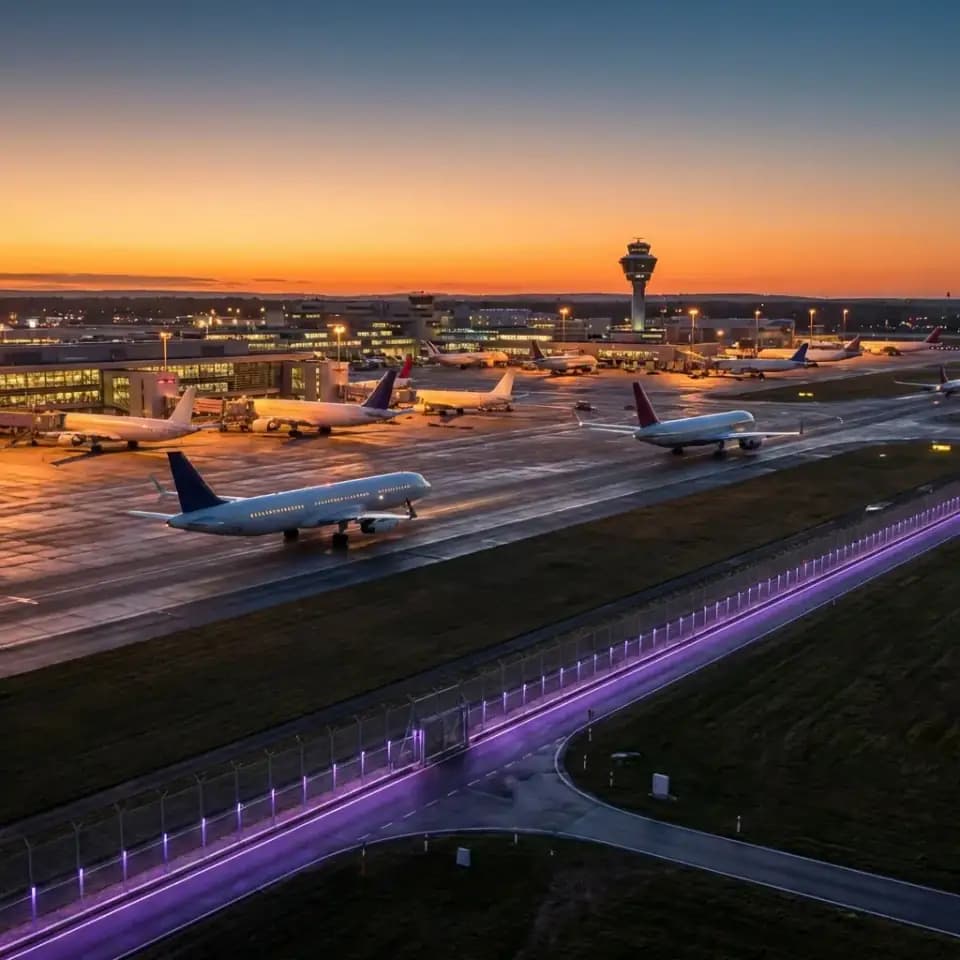
The Port of Edmonton, Canada's largest inland port, and Calgary International Airport complete the critical infrastructure portfolio.
Alberta's security threat profile is unique in its combination of industrial vulnerability, environmental activism, rural crime, and natural disaster risk. Pipeline security and sabotage threats span the spectrum from organized environmental protest actions to criminal interference. The province experienced rural crime reaching epidemic proportions, with property theft, break-ins, and equipment theft affecting remote oil field and agricultural facilities where RCMP response times can exceed an hour.
Oil field equipment — pumps, generators, copper wiring — and catalytic converters are targets of organized theft networks.
Tailings pond security and environmental compliance monitoring are regulatory requirements that complement perimeter security needs. Cyberattacks targeting SCADA systems controlling oil sands and pipeline operations represent a growing threat vector. The 2016 Fort McMurray wildfire, which destroyed thousands of structures and caused temporary evacuation of oil sands facilities, demonstrated how natural disasters can intersect with security vulnerabilities. Environmental activist threats, while generally non-violent, have included pipeline facility protests, blockades, and property damage.
FortSense fiber optic PIDS technology addresses Alberta's security challenges with capabilities that no competing technology can match. For oil sands operations, fiber optic cables can monitor perimeters stretching tens of kilometers through boreal forest, detecting unauthorized approach, fence cutting, and vehicle penetration regardless of whether the temperature is minus 40 degrees Celsius in January or plus 35 degrees in July. The technology's extreme temperature range — fully operational from Arctic cold to summer heat — is essential in a province where annual temperature swings exceed 70 degrees.
For pipeline corridors, fiber optic distributed acoustic sensing (DAS) represents a transformative approach to pipeline security and integrity monitoring. A single fiber optic cable installed alongside or integrated with the pipeline can detect unauthorized digging within the pipeline right-of-way, vehicle and heavy equipment approach, and third-party interference across distances of 40 to 80 kilometers from a single interrogator unit.
This dual capability — simultaneous security and integrity monitoring — provides pipeline operators with unprecedented situational awareness across their most critical and exposed infrastructure.
For petrochemical facilities like the Joffre Complex, fiber optic's intrinsic safety in explosive atmospheres — no electrical energy at detection points, no ignition risk — is not merely an advantage but a regulatory requirement. The Alberta Carbon Trunk Line, one of the world's largest carbon capture and storage pipeline systems, transports captured CO2 from industrial emitters to mature oil reservoirs for enhanced oil recovery and permanent sequestration.
This pipeline infrastructure, along with emerging hydrogen production facilities that will support Alberta's energy transition strategy, represents a new category of critical infrastructure requiring perimeter protection with the same rigor applied to hydrocarbon facilities.
Deployment in Alberta prioritizes oil sands perimeters (Syncrude, Suncor, Horizon, Kearl), the Trans Mountain and Keystone pipeline corridors, the Joffre and Heartland petrochemical complexes, and critical compression and valve stations. Fiber optic PIDS provides the combination of extreme-climate reliability, linear infrastructure coverage, and intrinsic safety that Alberta's energy infrastructure demands.
Professional perimeter protection for distribution centers, manufacturing, and critical infrastructure in Alberta.
- Fuel Depot & Terminal Protection
- Wellhead & Pump Station Security
- Stockpile & Conveyor Belt Monitoring
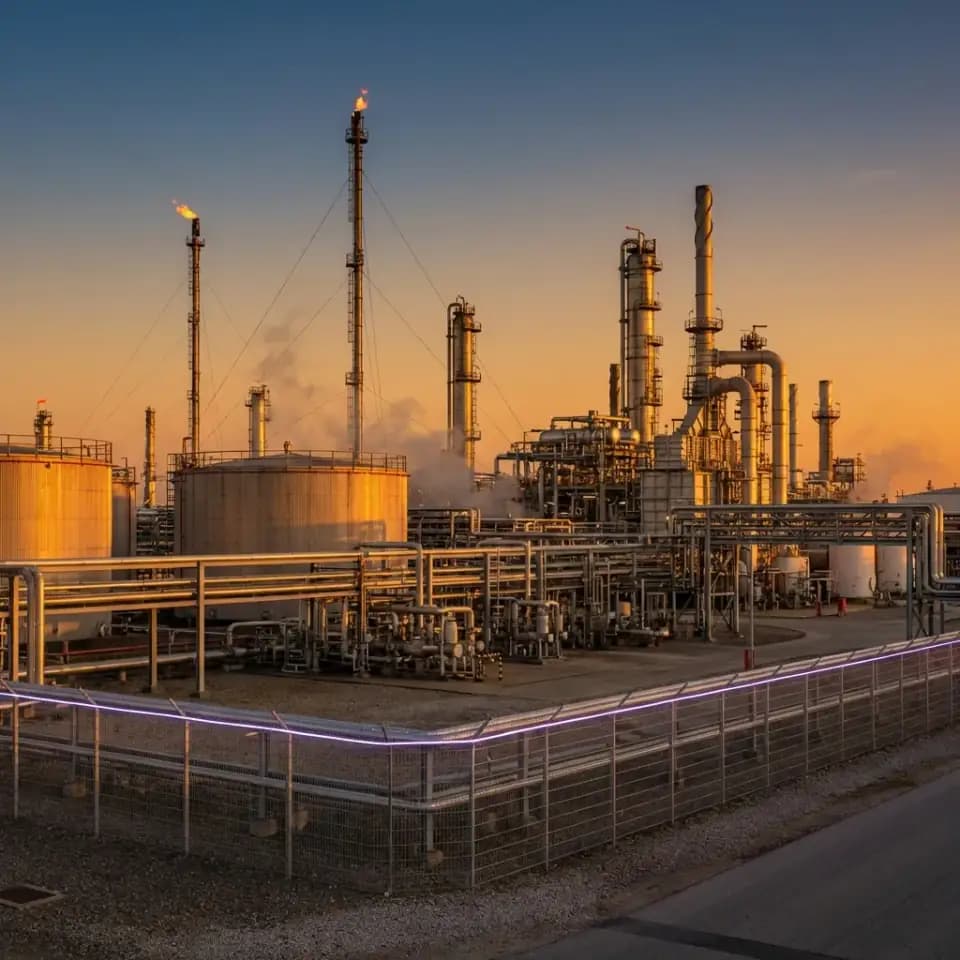
- Oil sands extraction and upgrading operations
Plan a FortSense assessment for this market
Share the perimeter length, fence type, and monitoring workflow. FortSense can help scope zones, integration points, and commissioning requirements for this location.
Services
Fuel Depot & Terminal Protection
Securing fuel storage depots, LNG terminals, and transfer stations against unauthorized access, sabotage, and theft with zone-specific alarm mapping.
Wellhead & Pump Station Security
Remote wellhead perimeter monitoring across dispersed field operations with solar-powered relay nodes and SCADA integration.
Stockpile & Conveyor Belt Monitoring
Protecting ore stockpiles, conveyor systems, and processing plants from theft and unauthorized access with continuous 24/7 fiber sensing.
Deployment patterns for local sites
How FortSense Works in Alberta
Fiber optic perimeter security adapted to local conditions and requirements.
- Fiber installed. Passive fiber optic cable mounts on the existing fence or wall with minimal civil work.
- Vibration detected. Any contact creates vibration patterns in the fiber so climbing, cutting, or lifting attempts become visible immediately.
- AI/DSP verification. Algorithms filter out wind, animals, and environmental noise before an operator ever sees an alarm.
- Alarm if intrusion. Only real threats trigger zone-based alarms that can route into the monitoring workflow already used by the site team.
Adapted for Alberta. Our local partners understand Alberta's climate, terrain, and security challenges. The fiber optic system is configured to filter local environmental conditions while maintaining maximum sensitivity to real intrusion attempts.
Integration and security software fit
FortSense can feed alarms into the monitoring stack a site already uses, including VMS, PSIM, alarm panels, relay inputs, TCP/IP workflows, and camera verification.
- Zone-based alarms for operators and guard teams
- Camera and VMS workflows for visual verification
- Relay or network outputs for existing security systems
- Software-assisted filtering before dispatch decisions
Industries in this market
Relevant FortSense industry and use-case paths connected to this location.
- Oil sands extraction and upgrading operations
- Pipeline systems and compression stations
- Petrochemical plants and carbon capture facilities
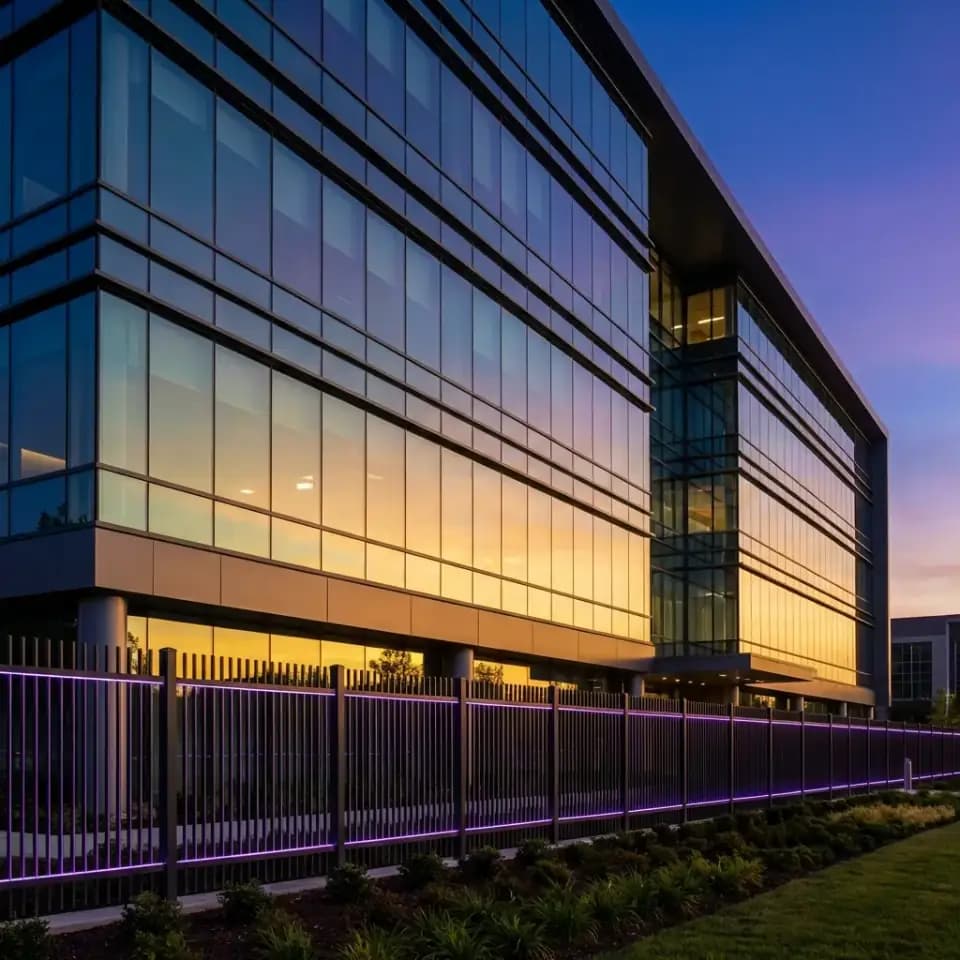
- Distribution Center Perimeter Security
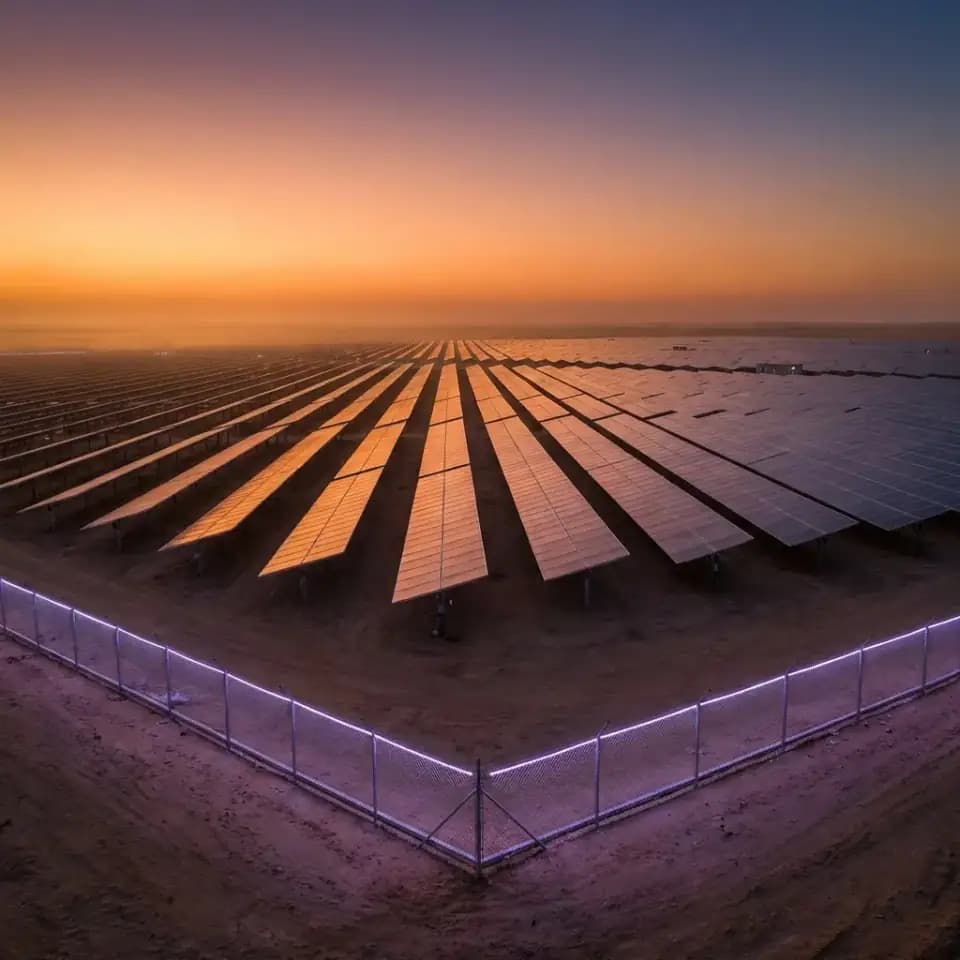
- Solar Farm Perimeter Security
- Perimeter Security for Critical Infrastructure
Why FortSense fits in Perimeter Security in Alberta
FortSense is designed for perimeter security work where false-alarm reduction, passive fiber sensing, and practical integration matter more than adding another camera-only layer.
- Passive fiber on existing fences, walls, or perimeter structures
- AI/DSP filtering for wind, vibration, and environmental noise
- Zone-level alerts that can match the site's response model
- Support for design, integration, commissioning, and handover
Market notes
Practical details that help this page stay specific to the market instead of drifting into generic copy.
- Oil sands extraction and upgrading operations
- Pipeline systems and compression stations
- Petrochemical plants and carbon capture facilities
- Fuel Depot & Terminal Protection
Related FortSense paths
Related technical content and commercial guidance linked from this location page.


