
Fiber Optic Perimeter Security in British Columbia: Perimeter Security for Pacific Gateway Ports and LNG Infrastructure in British Columbia

Fiber optic intrusion detection for the Port of Vancouver, LNG Canada Kitimat terminal, and Coastal GasLink Pipeline corridor

Applications

Perimeter Security Fiber Optics Ideal for Applications in British Columbia

FortSense Solar & Renewables

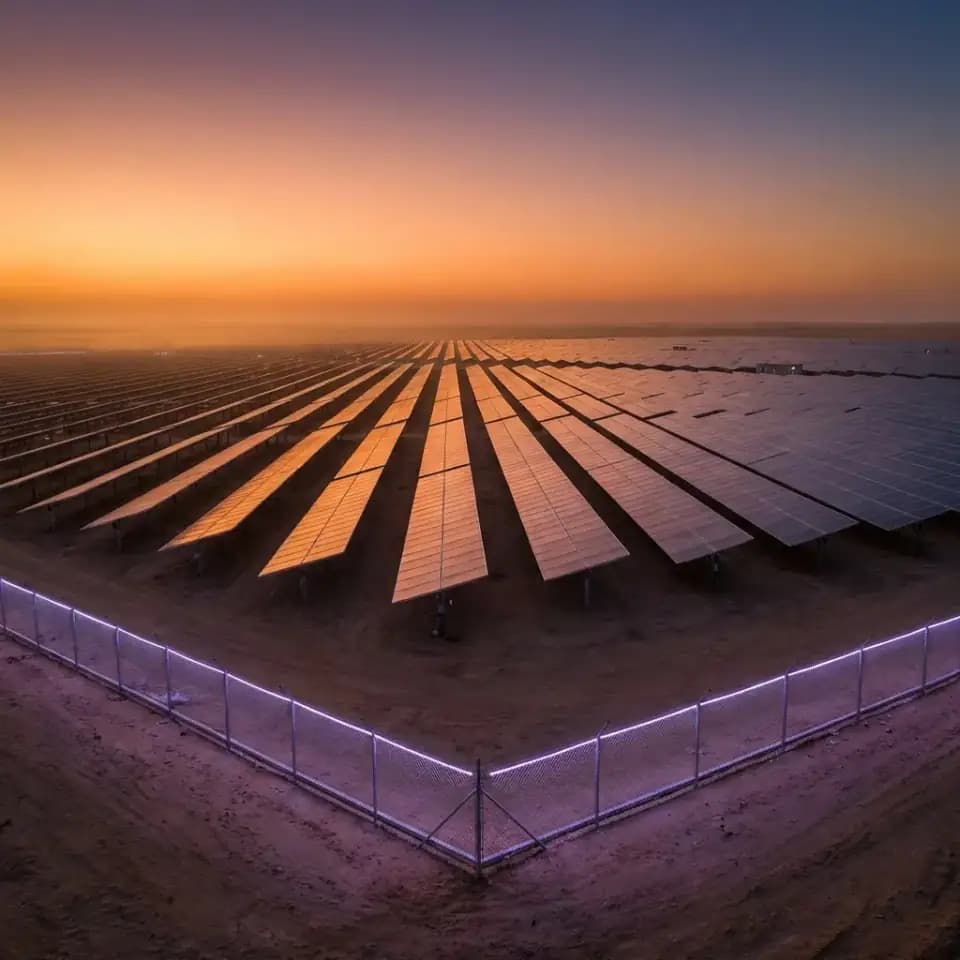
Solar & Renewables

Perimeter Security Fiber Optics

Solar & Renewables

Autonomous perimeter monitoring for solar plants, protecting against theft of panels, copper cables, and inverters.

Ideal for applications in British Columbia

FortSense Oil & Gas

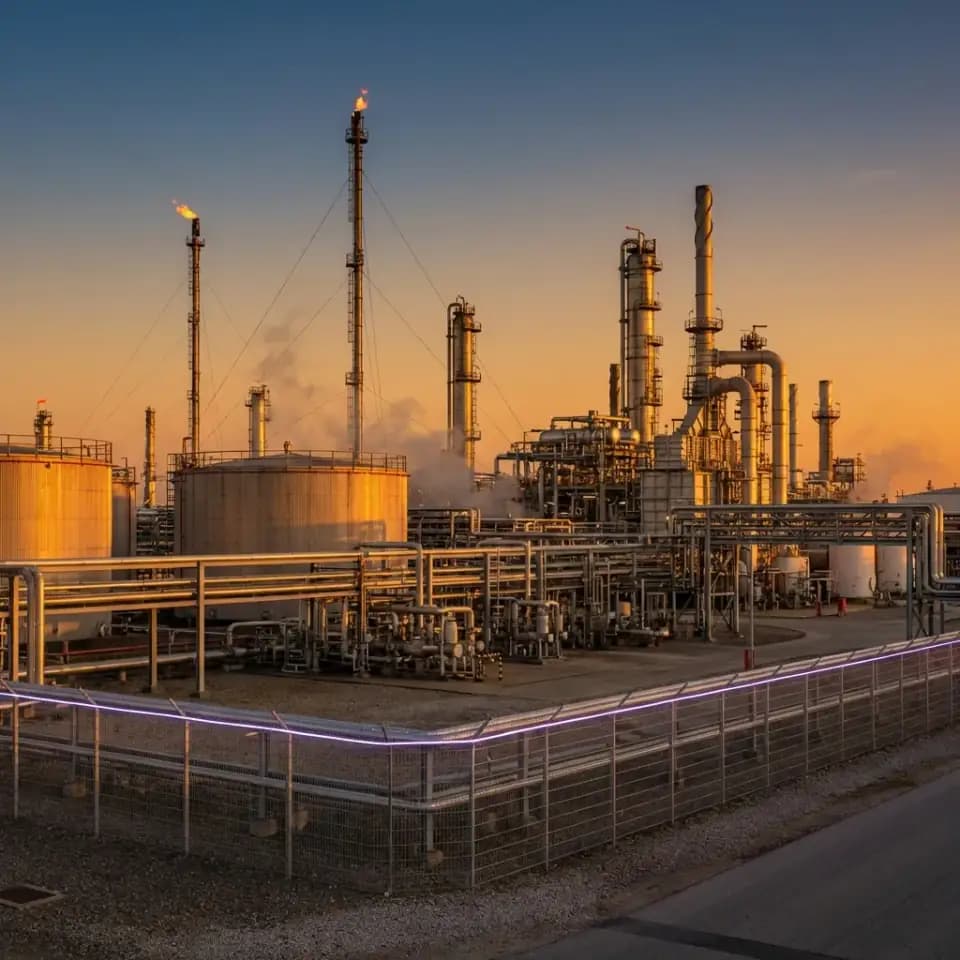
Oil & Gas

Perimeter Security Fiber Optics

Oil & Gas

Intrinsically safe perimeter detection for refineries, chemical plants, and fuel storage depots.

Ideal for applications in British Columbia

FortSense Ports & Maritime

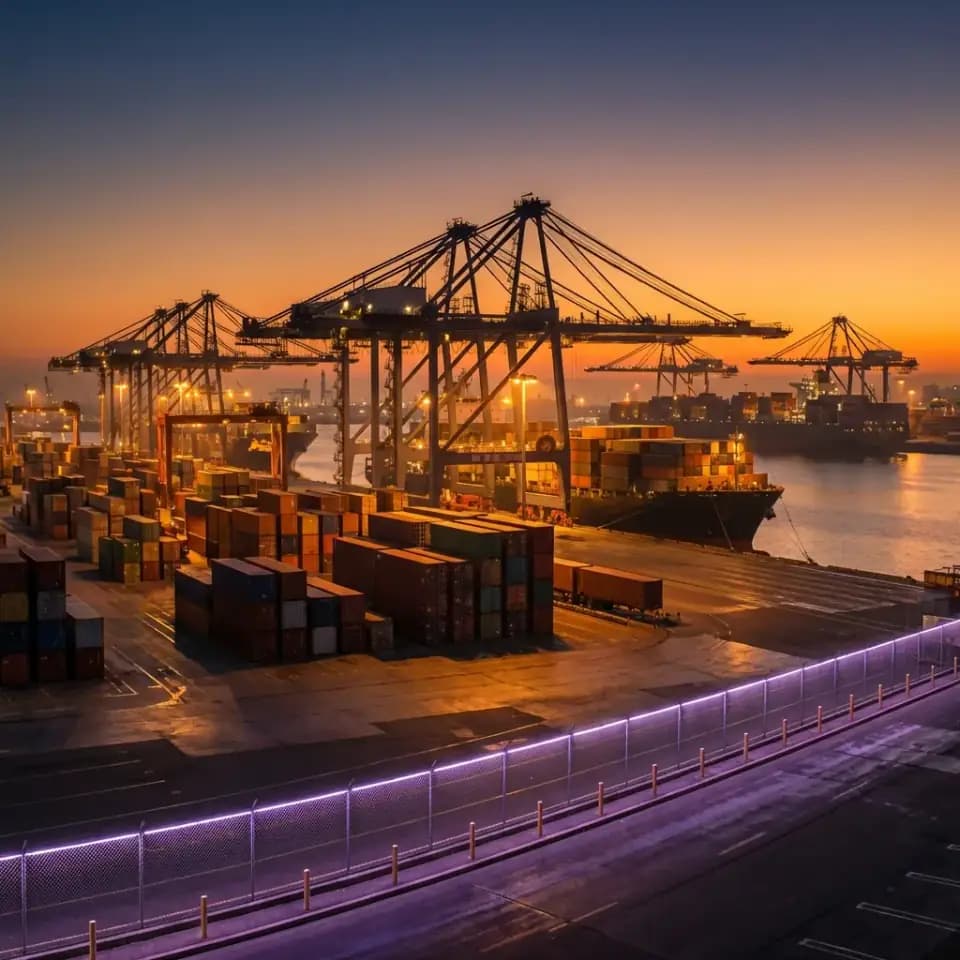
Ports & Maritime

Perimeter Security Fiber Optics

Ports & Maritime

ISPS-compliant security for cargo containers, fuel depots, and docked vessels in harsh marine environments.

Ideal for applications in British Columbia

FortSense Agriculture

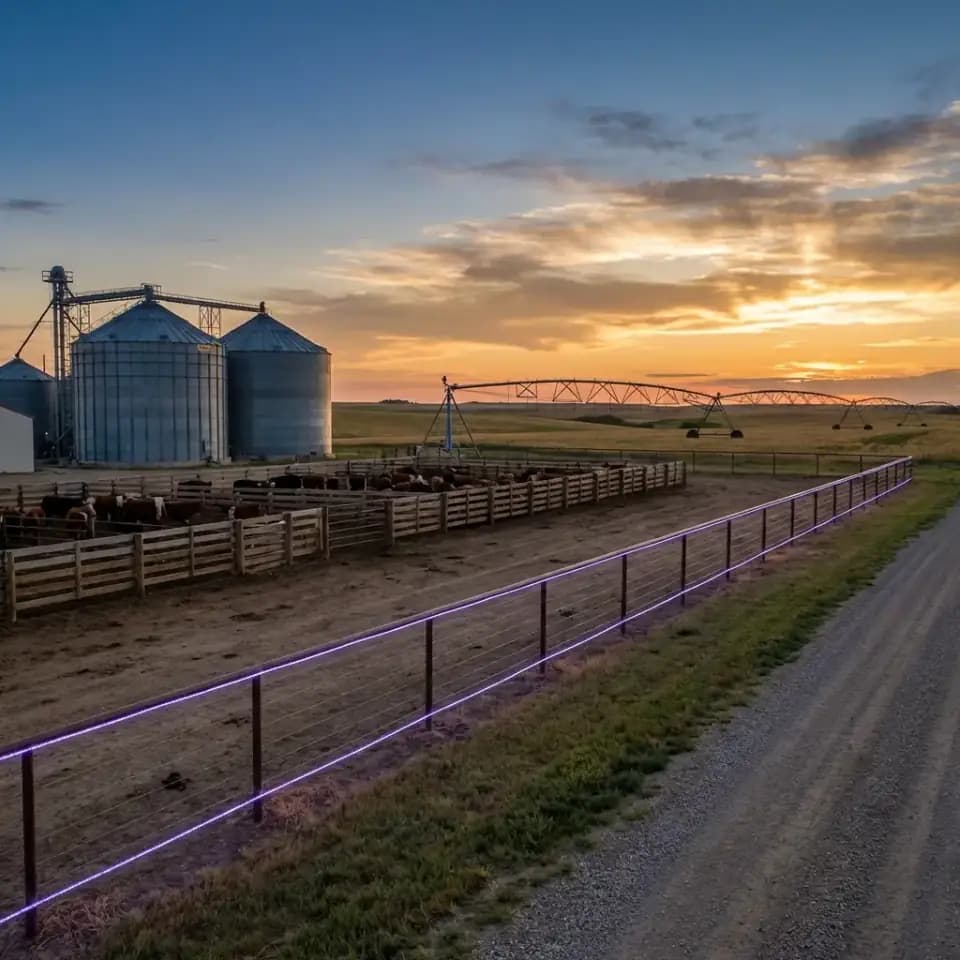
Agriculture

Perimeter Security Fiber Optics

Agriculture

Fire detection and security for farms, livestock pens, pivot irrigation systems, and rural assets.

Ideal for applications in British Columbia

FortSense Financial Sector

Financial Sector

Perimeter Security Fiber Optics

Financial Sector

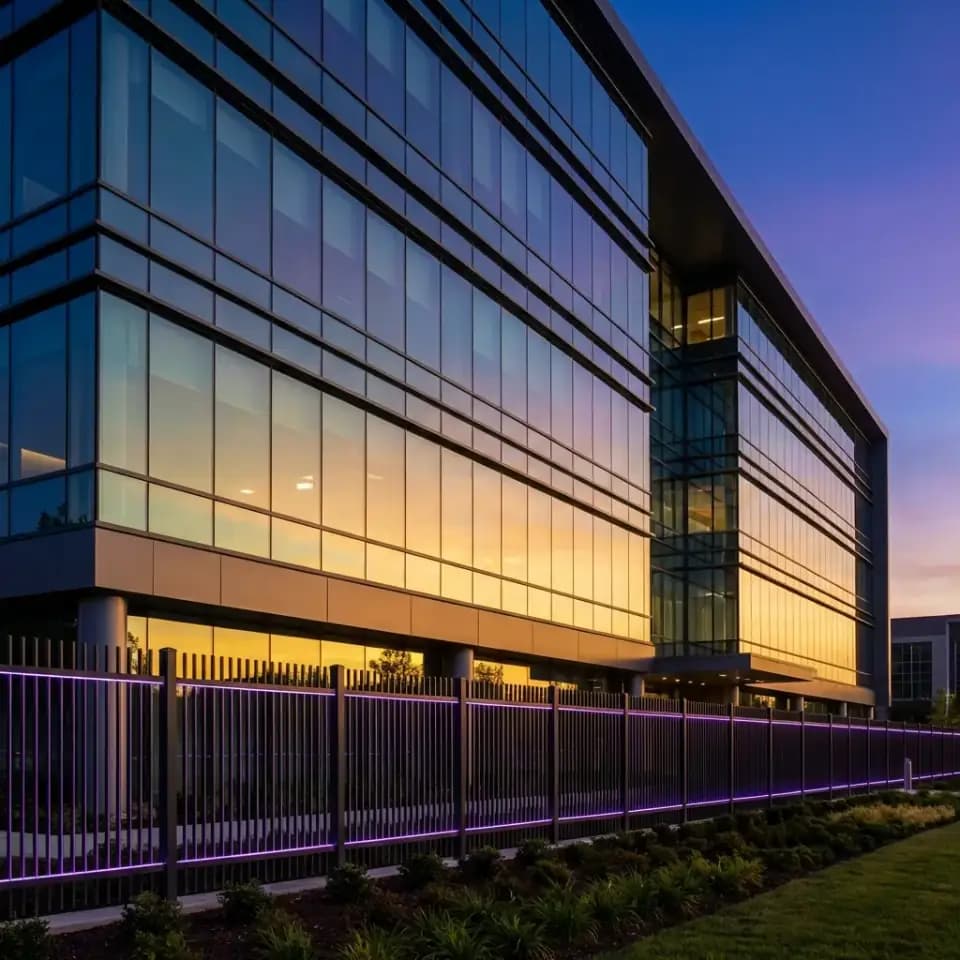
High-security perimeter protection for banks, vaults, administrative centers, and ATM areas.

Ideal for applications in British Columbia

FortSense Residential Condominiums

Residential Condominiums

Perimeter Security Fiber Optics

Residential Condominiums

Invisible security for gated communities and apartment complexes, preserving aesthetics while detecting intrusions.

Ideal for applications in British Columbia

FortSense Distribution Centers

Distribution Centers

Perimeter Security Fiber Optics

Distribution Centers

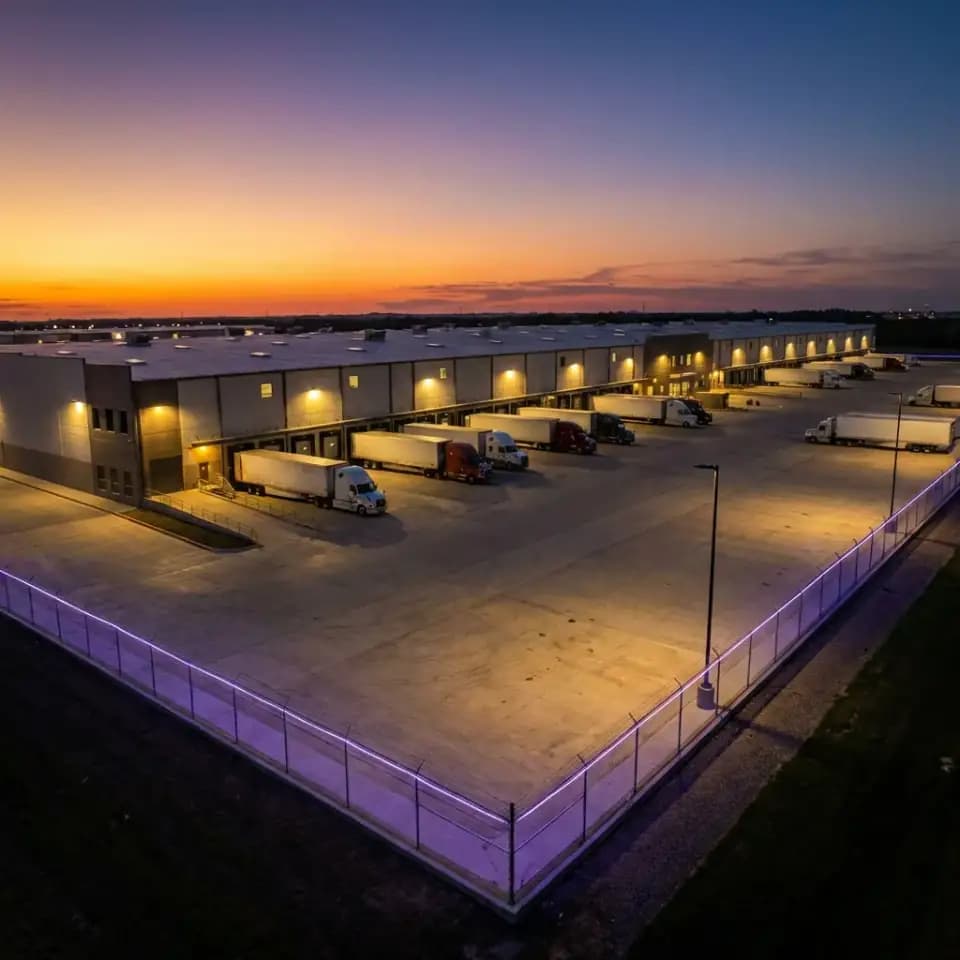
Security for logistics parks, warehouses, and high-value storage areas, meeting TAPA security standards.

Ideal for applications in British Columbia

FortSense Critical Infrastructure

Critical Infrastructure

Perimeter Security Fiber Optics

Critical Infrastructure

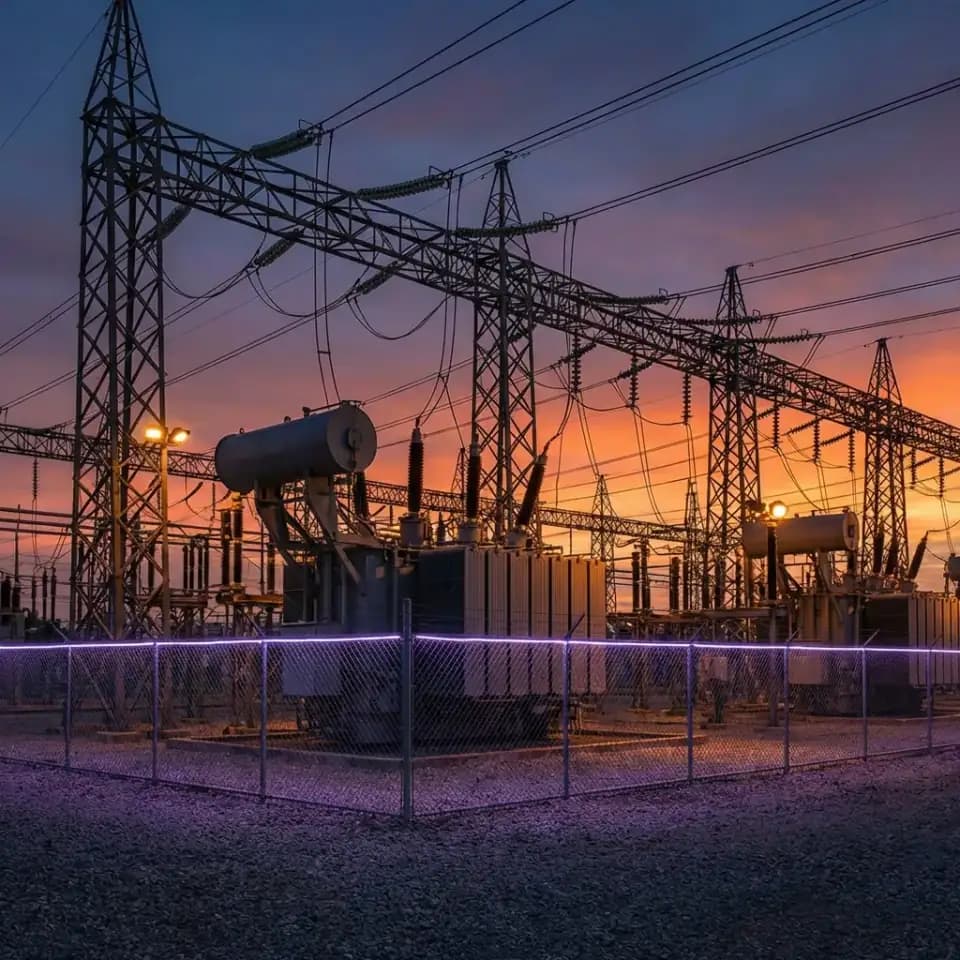
EMI-immune monitoring for electrical substations, telecom towers, and unmanned critical assets.

Ideal for applications in British Columbia

FortSense Corrections & Prisons

Corrections & Prisons

Perimeter Security Fiber Optics

Corrections & Prisons

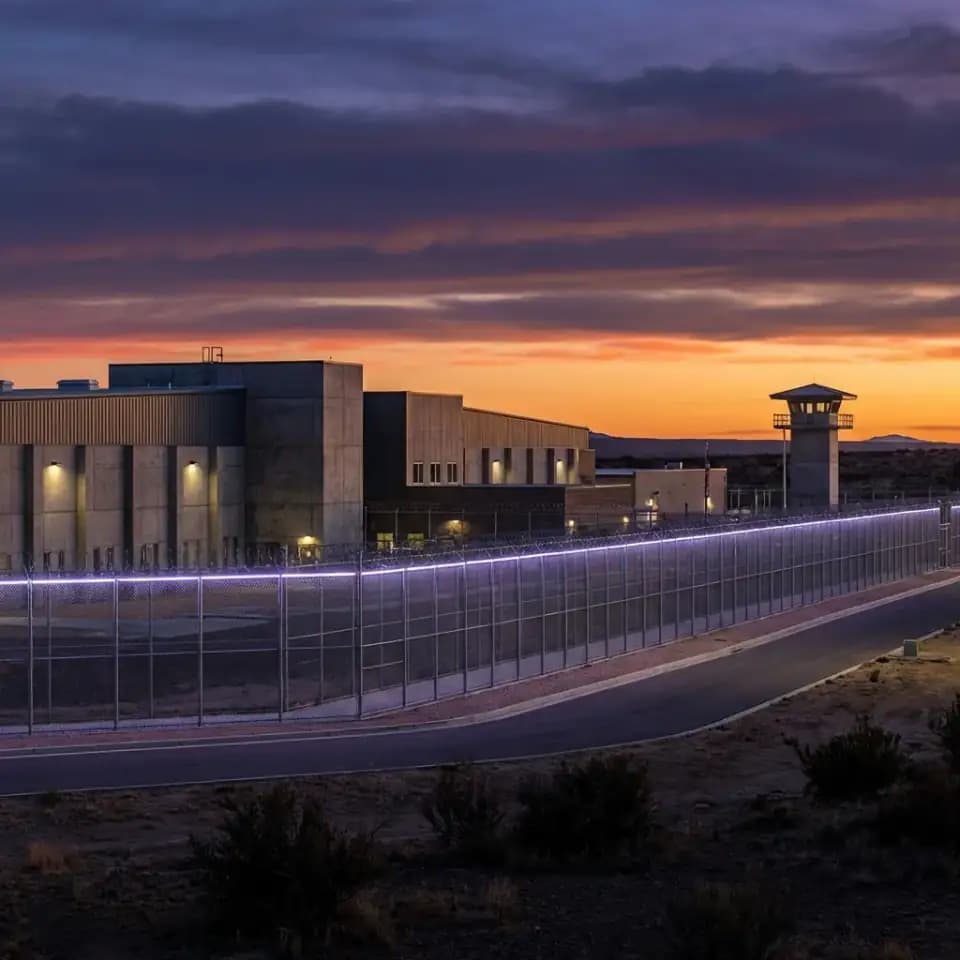
Zero-tolerance perimeter security for correctional facilities, detecting escape attempts and breaches.

Ideal for applications in British Columbia

FortSense Public Sector & Schools

Public Sector & Schools

Perimeter Security Fiber Optics

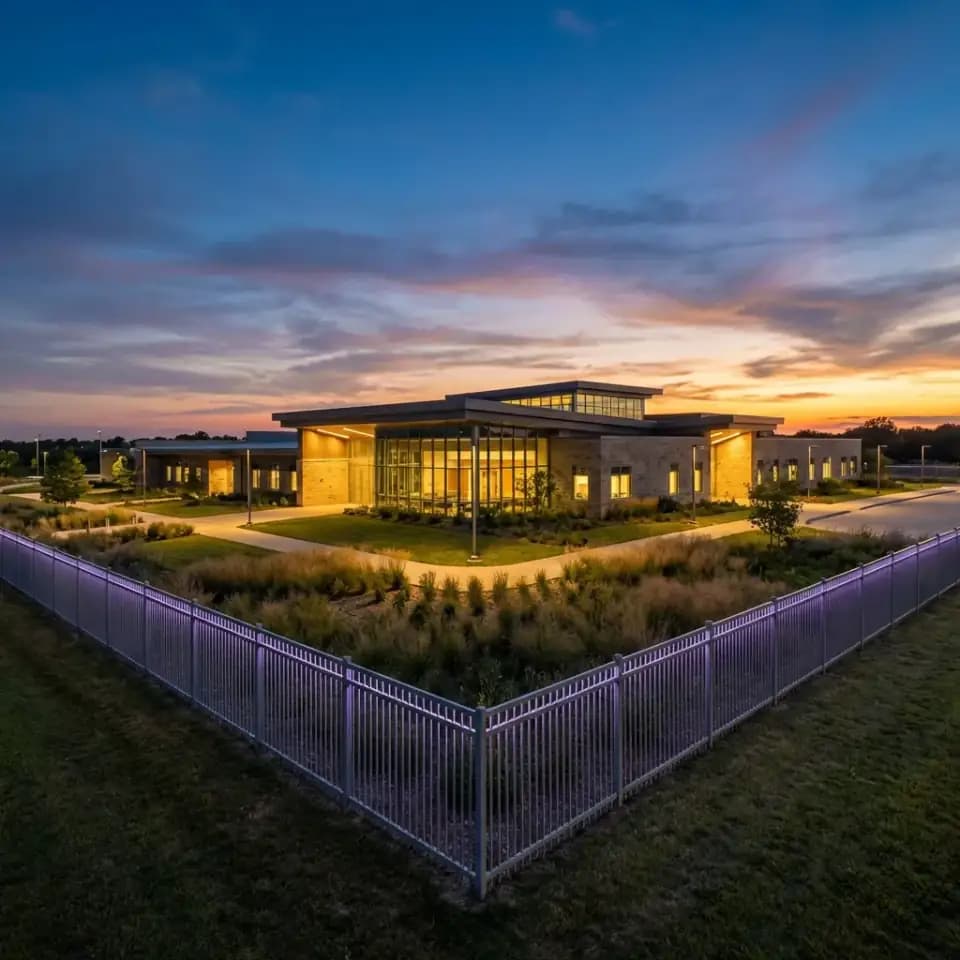
Public Sector & Schools

Non-invasive security for schools, government buildings, and public facilities with rapid lockdown protocols.

Ideal for applications in British Columbia

FortSense Perimeter Security for Airports

Perimeter Security for Airports

Perimeter Security Fiber Optics

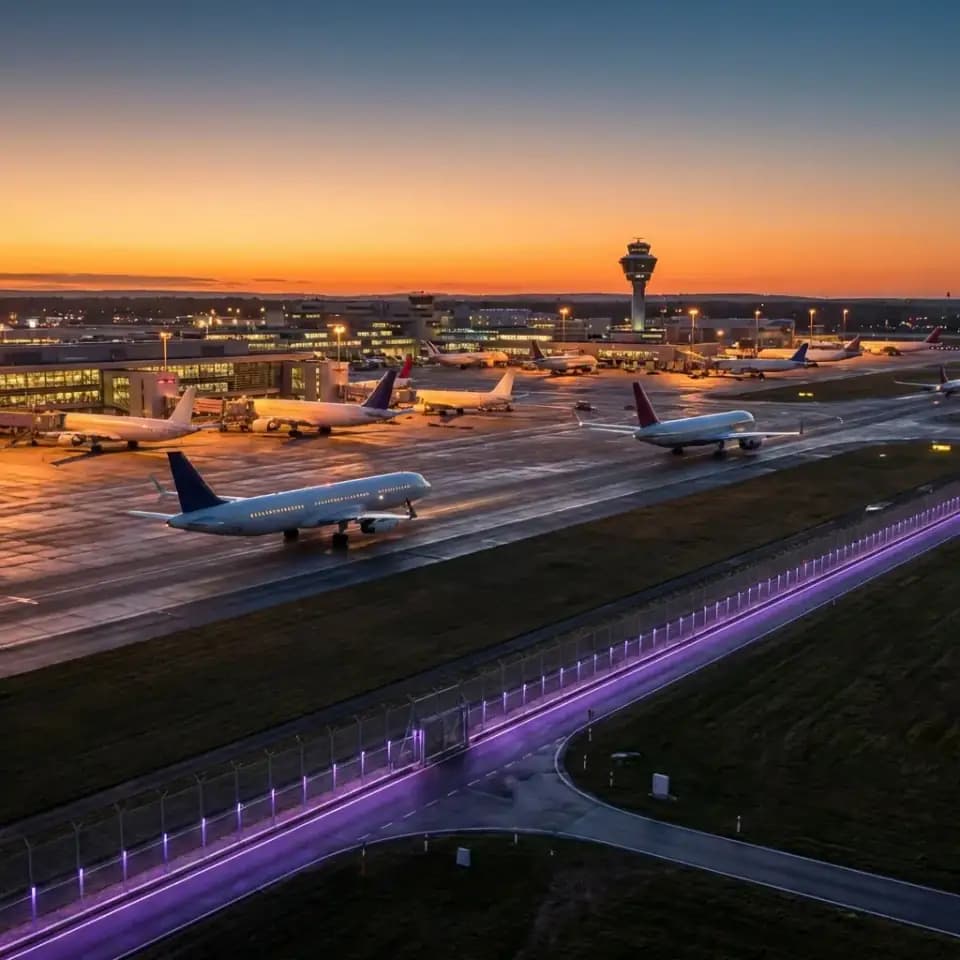
Perimeter Security for Airports

ICAO-compliant sterile zone enforcement with zero interference to airport radar and navigation systems.

Ideal for applications in British Columbia

FortSense Mining Operations

Mining Operations

Perimeter Security Fiber Optics

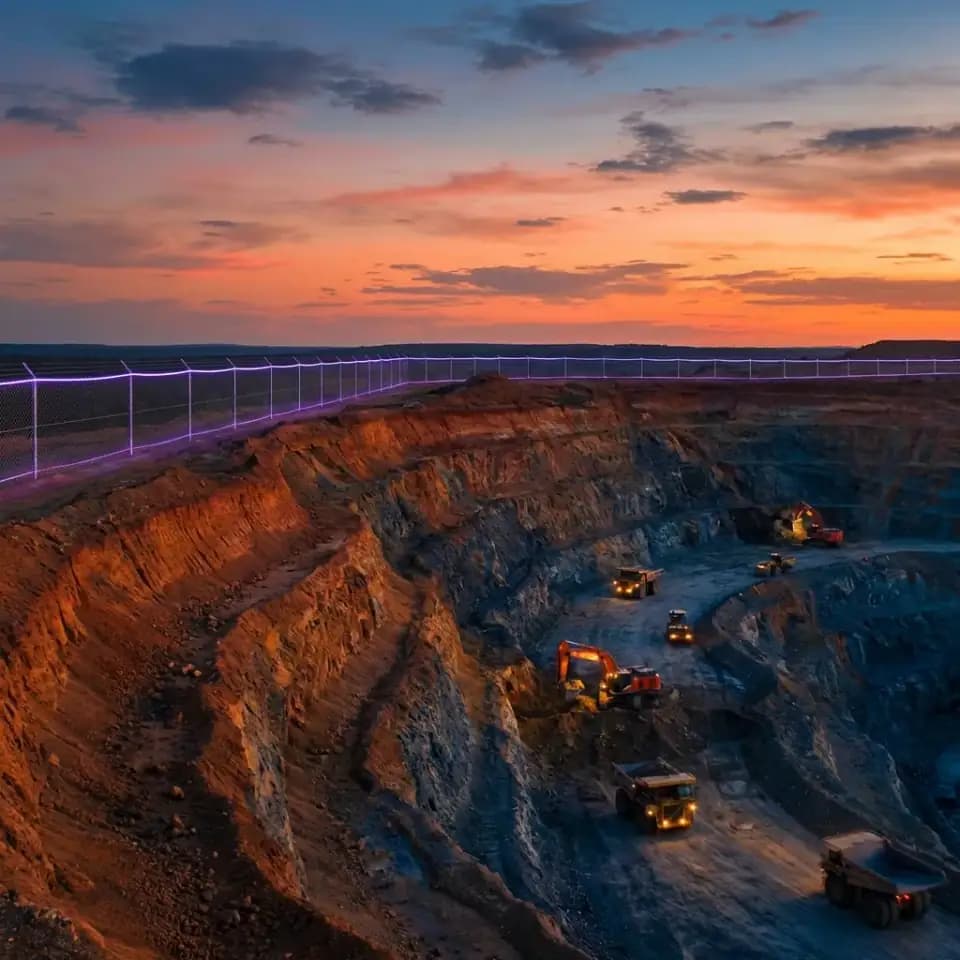
Mining Operations

Ruggedized perimeter security for open-pit mines, ore stockpiles, and remote mining infrastructure.

Ideal for applications in British Columbia

Local service overview

Perimeter Security for Pacific Gateway Ports and LNG Infrastructure in British Columbia

Fiber optic PIDS for protecting Canada's busiest port, the $40-billion LNG Canada terminal, and critical Pacific gateway infrastructure in British Columbia.

British Columbia is Canada's Pacific gateway, and the Port of Vancouver — the country's largest and busiest port — is the fulcrum of trans-Pacific trade between North America and Asia. Handling over 144 million tonnes annually across its Roberts Bank, Deltaport, and Centerm terminals, the Port of Vancouver processes containers, grain, coal, potash, and sulfur for export to Pacific Rim markets. The port's strategic importance to Canada's trade-dependent economy cannot be overstated — disruptions here ripple through supply chains from coast to coast.

The Port of Prince Rupert, a deep-water facility increasingly important for container and grain shipment, provides a northern alternative route to Asian markets.

The defining infrastructure project in British Columbia's recent history is LNG Canada — a $40-billion liquefied natural gas export terminal under construction in Kitimat, fed by the 670-kilometer Coastal GasLink Pipeline from northeastern BC's gas fields. This project represents one of the largest private infrastructure investments in Canadian history and will fundamentally alter BC's economic profile. The Trans Mountain Pipeline Terminal in Burnaby, receiving Alberta crude for export from the Westridge Marine Terminal, is another critical energy infrastructure asset.

The Site C Dam on the Peace River, a major hydroelectric project, Teck Resources' Highland Valley Copper Mine, and Vancouver International Airport (YVR) round out the province's critical infrastructure portfolio.

The Port of Vancouver's terminal operations span multiple locations along Burrard Inlet and the Fraser River Delta. Roberts Bank, with its Deltaport container terminal and coal terminal, is one of the busiest port complexes on the Pacific coast. Centerm, recently expanded, handles container traffic in the inner harbor. Fraser Surrey Docks processes steel, lumber, and breakbulk cargo. Each facility has extensive waterside and landside perimeters, with container yards, rail terminals, and warehouse complexes that must be secured against theft, smuggling, and unauthorized access.

The Roberts Bank Terminal 2 expansion project will add additional critical infrastructure requiring security from the construction phase.

LNG Canada's Kitimat terminal, when operational, will be one of the most significant industrial facilities on Canada's Pacific coast — liquefying natural gas at cryogenic temperatures and loading it onto LNG carriers for export. The 670-kilometer Coastal GasLink Pipeline traverses some of BC's most rugged and remote terrain, crossing mountain ranges, rivers, and territories subject to Indigenous land claims. The pipeline has been the focus of significant protest activity, including blockades and sabotage attempts, making its security a priority of national attention.

British Columbia's security threat profile combines port-related crime, pipeline protest and sabotage risk, natural disaster vulnerability, and transnational criminal enterprise. The Port of Vancouver is a major entry point for fentanyl from Asia, with organized crime networks operating sophisticated smuggling operations through container traffic. Container theft, vehicle theft for export, and cargo pilferage are endemic at port facilities. Drug trafficking operations generate secondary criminal activity including violence, money laundering, and corruption.

Pipeline protests and Indigenous land disputes, particularly around the Coastal GasLink Pipeline, have escalated to include physical blockades, rail line disruptions, and alleged sabotage of pipeline infrastructure. LNG terminal security at Kitimat must account for both conventional criminal threats and protest-related interference. BC's natural disaster profile — atmospheric rivers causing catastrophic flooding (the 2021 BC floods caused $9 billion in damage), record-breaking wildfire seasons, and extreme heat events (the 2021 heat dome reached 49.

6 degrees Celsius) — creates compound security vulnerabilities where natural disasters disable conventional security systems precisely when they are most needed.

FortSense fiber optic PIDS technology provides solutions specifically suited to BC's diverse security environment. For the Port of Vancouver, fiber optic cables installed along perimeter fences, container yard boundaries, and restricted access zones provide continuous detection of unauthorized entry regardless of weather conditions — critical in a region that receives 2,000 to 4,000 millimeters of rain annually on the coast and experiences atmospheric river events that can dump hundreds of millimeters of rain in days.

The system's immunity to water, corrosion, and electrical interference ensures reliable operation in one of North America's wettest climates.

For the Coastal GasLink Pipeline and LNG Canada terminal, fiber optic distributed sensing provides dual-purpose security and pipeline integrity monitoring across the full 670-kilometer route. Detection of unauthorized digging, vehicle approach within the right-of-way, and protest encampment establishment enables proactive security response before incidents escalate. At the Kitimat terminal, fiber optic's intrinsic safety in environments handling cryogenic and flammable materials is a fundamental advantage.

The Site C Dam on the Peace River, British Columbia's largest public infrastructure project, will generate 1,100 MW of hydroelectric power when complete. Its construction site and future operational perimeter, located in northeastern BC where winter temperatures drop below minus 30 degrees Celsius, requires year-round monitoring that only fiber optic technology can reliably provide in such extreme conditions.

Teck Resources' Highland Valley Copper Mine, one of the largest open-pit copper mines in the world, and other major mining operations throughout BC's interior add to the province's portfolio of remote high-value assets demanding perimeter protection.

Deployment in BC prioritizes the Port of Vancouver (Roberts Bank, Deltaport, Centerm), the LNG Canada Kitimat terminal, the Coastal GasLink Pipeline corridor, the Trans Mountain Pipeline Terminal in Burnaby, and the Port of Prince Rupert. The combination of extreme rainfall, mountainous terrain, remote pipeline corridors, and high-value port assets creates a security environment where fiber optic technology's environmental resilience and long-range coverage capability are decisive advantages over all conventional alternatives.

Professional perimeter protection for distribution centers, manufacturing, and critical infrastructure in British Columbia.

  • ISPS-Compliant Port Perimeter
  • Container Yard & Terminal Protection
  • Livestock & Feed Lot Perimeter
  • Container ports and marine terminal operations

Plan a FortSense assessment for this market

Share the perimeter length, fence type, and monitoring workflow. FortSense can help scope zones, integration points, and commissioning requirements for this location.

Services

ISPS-Compliant Port Perimeter

International Ship and Port Facility Security (ISPS) compliant fiber optic perimeter detection for port boundaries, restricted zones, and maritime access points.

Container Yard & Terminal Protection

High-density container yard monitoring with zone-based intrusion detection, anti-climb sensing, and integration with port access control systems.

Livestock & Feed Lot Perimeter

Fiber optic perimeter detection for livestock pens, feedlots, and breeding facilities with animal-immune algorithms calibrated for large herds.

Deployment patterns for local sites

How FortSense Works in British Columbia

Fiber optic perimeter security adapted to local conditions and requirements.

  1. Fiber installed. Passive fiber optic cable mounts on the existing fence or wall with minimal civil work.
  2. Vibration detected. Any contact creates vibration patterns in the fiber so climbing, cutting, or lifting attempts become visible immediately.
  3. AI/DSP verification. Algorithms filter out wind, animals, and environmental noise before an operator ever sees an alarm.
  4. Alarm if intrusion. Only real threats trigger zone-based alarms that can route into the monitoring workflow already used by the site team.

Adapted for British Columbia. Our local partners understand British Columbia's climate, terrain, and security challenges. The fiber optic system is configured to filter local environmental conditions while maintaining maximum sensitivity to real intrusion attempts.

Integration and security software fit

FortSense can feed alarms into the monitoring stack a site already uses, including VMS, PSIM, alarm panels, relay inputs, TCP/IP workflows, and camera verification.

  • Zone-based alarms for operators and guard teams
  • Camera and VMS workflows for visual verification
  • Relay or network outputs for existing security systems
  • Software-assisted filtering before dispatch decisions

Industries in this market

Relevant FortSense industry and use-case paths connected to this location.

  • Container ports and marine terminal operations
  • LNG export terminals and gas pipeline corridors
  • Mining operations and hydroelectric facilities
  • Distribution Center Perimeter Security
  • Solar Farm Perimeter Security
  • Perimeter Security for Critical Infrastructure

Why FortSense fits in Perimeter Security in British Columbia

FortSense is designed for perimeter security work where false-alarm reduction, passive fiber sensing, and practical integration matter more than adding another camera-only layer.

  • Passive fiber on existing fences, walls, or perimeter structures
  • AI/DSP filtering for wind, vibration, and environmental noise
  • Zone-level alerts that can match the site's response model
  • Support for design, integration, commissioning, and handover

Market notes

Practical details that help this page stay specific to the market instead of drifting into generic copy.

  • Container ports and marine terminal operations
  • LNG export terminals and gas pipeline corridors
  • Mining operations and hydroelectric facilities
  • ISPS-Compliant Port Perimeter

Related FortSense paths

Related technical content and commercial guidance linked from this location page.

Frequently Asked Questions (FAQ)

Frequently Asked Questions (FAQ) — British Columbia

Does FortSense meet ISPS Code requirements for port security?

Yes. Our system supports International Ship and Port Facility Security (ISPS) Code compliance by providing continuous perimeter monitoring, zone-based alarm management, and integration with port facility security plans (PFSP) at all MARSEC levels.

Can the system detect waterside intrusion attempts?

Yes. FortSense fiber installed on quay walls and waterside barriers detects climbing from the water, impact from small vessels, and diver activity. Our wave-motion filtering algorithms eliminate false alarms from tidal movements and boat wash.

How does the system handle the vibration from container handling equipment?

Port-specific algorithms profile the acoustic signatures of gantry cranes, straddle carriers, reach stackers, and terminal tractors. These known patterns are filtered, maintaining detection capability even in high-activity container yards.

Can the system operate reliably in high-humidity agricultural environments?

Yes. The fiber optic sensor is immune to moisture, condensation, and high humidity that degrades electronic sensors. It operates reliably in tropical, irrigated, and high-humidity environments without any performance degradation or corrosion risk.

Is the system resistant to salt spray and marine corrosion?

Yes. Our fiber cable uses marine-grade UV-resistant jacketing, and the sensor itself — glass fiber — cannot corrode. This is a significant advantage over metallic and electronic sensors that degrade rapidly in coastal environments, often requiring replacement within 3-5 years.

Local perimeter assessment

Request Perimeter Assessment in British Columbia

Receive a technical proposal, deployment design, and integration plan.

Perimeter Security for Pacific Gateway Ports and LNG…