
Fiber Optic Perimeter Security in Ontario: Perimeter Security for Manufacturing and Critical Infrastructure in Ontario

Fiber optic intrusion detection for nuclear generating stations, automotive plants, and the Highway 401 logistics corridor

Applications

Perimeter Security Fiber Optics Ideal for Applications in Ontario

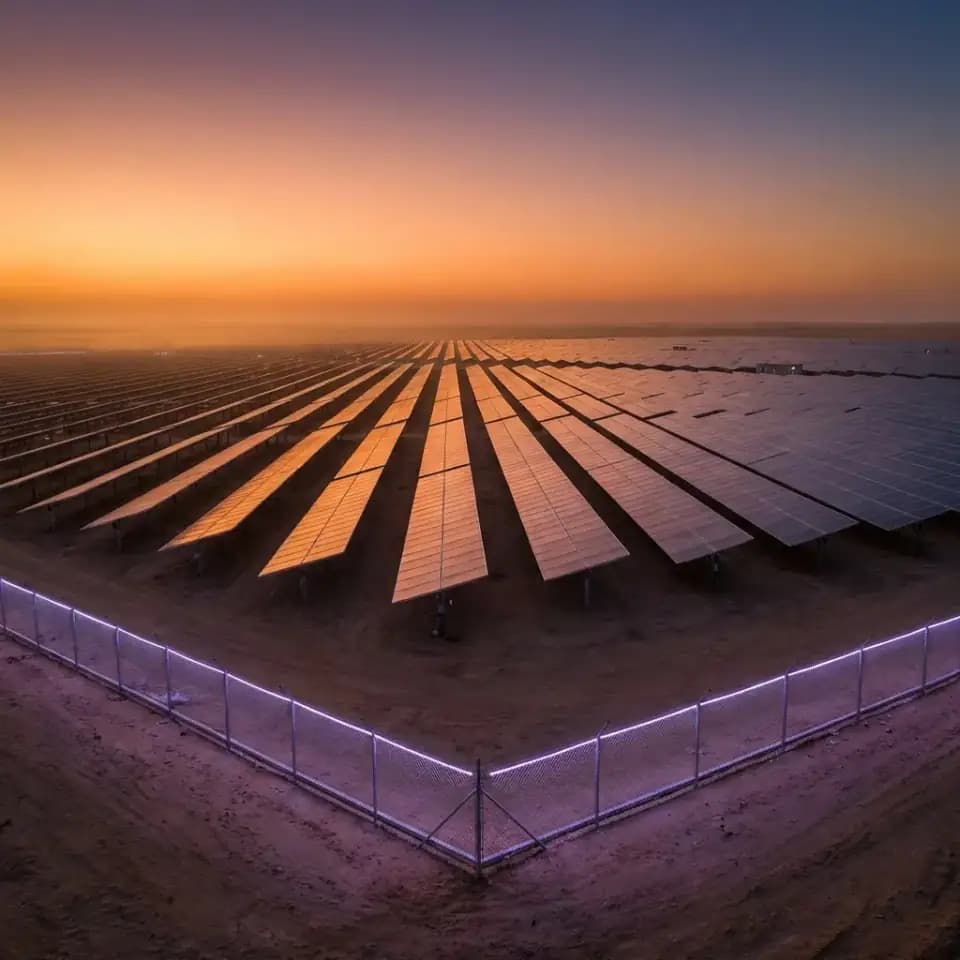
FortSense Solar & Renewables

Solar & Renewables

Perimeter Security Fiber Optics

Solar & Renewables

Autonomous perimeter monitoring for solar plants, protecting against theft of panels, copper cables, and inverters.

Ideal for applications in Ontario

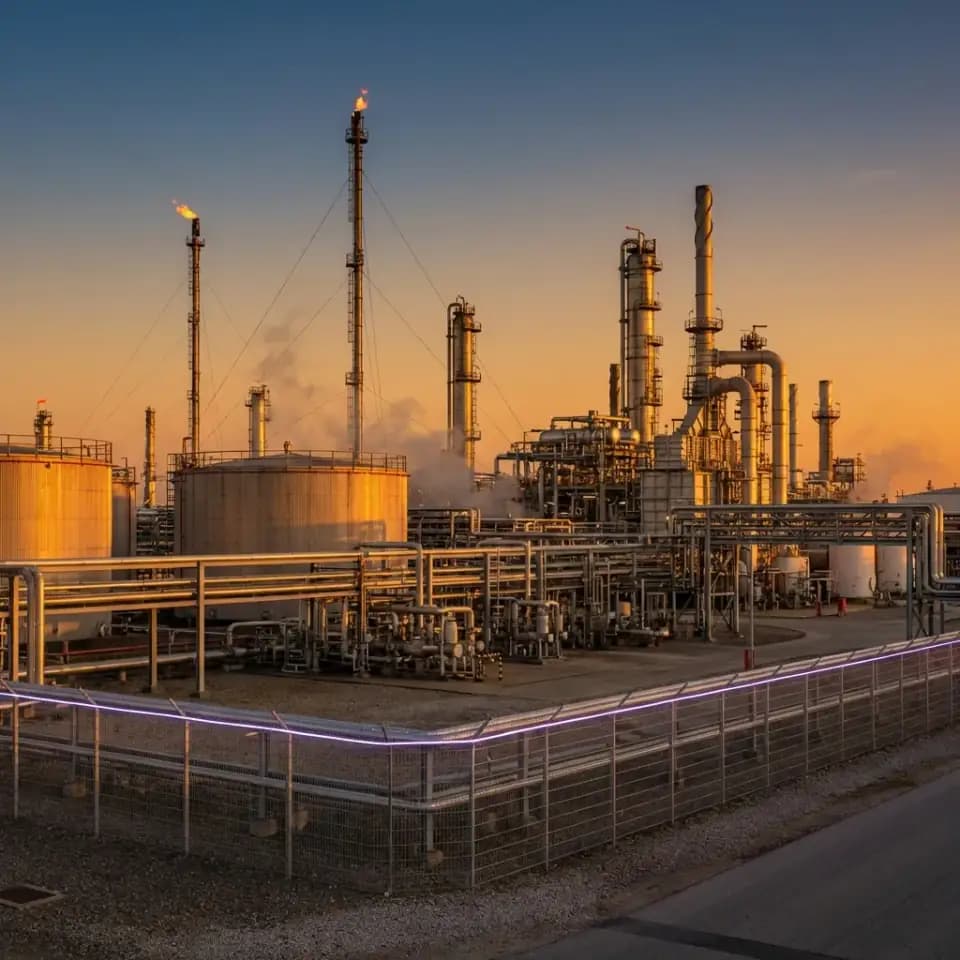
FortSense Oil & Gas

Oil & Gas

Perimeter Security Fiber Optics

Oil & Gas

Intrinsically safe perimeter detection for refineries, chemical plants, and fuel storage depots.

Ideal for applications in Ontario

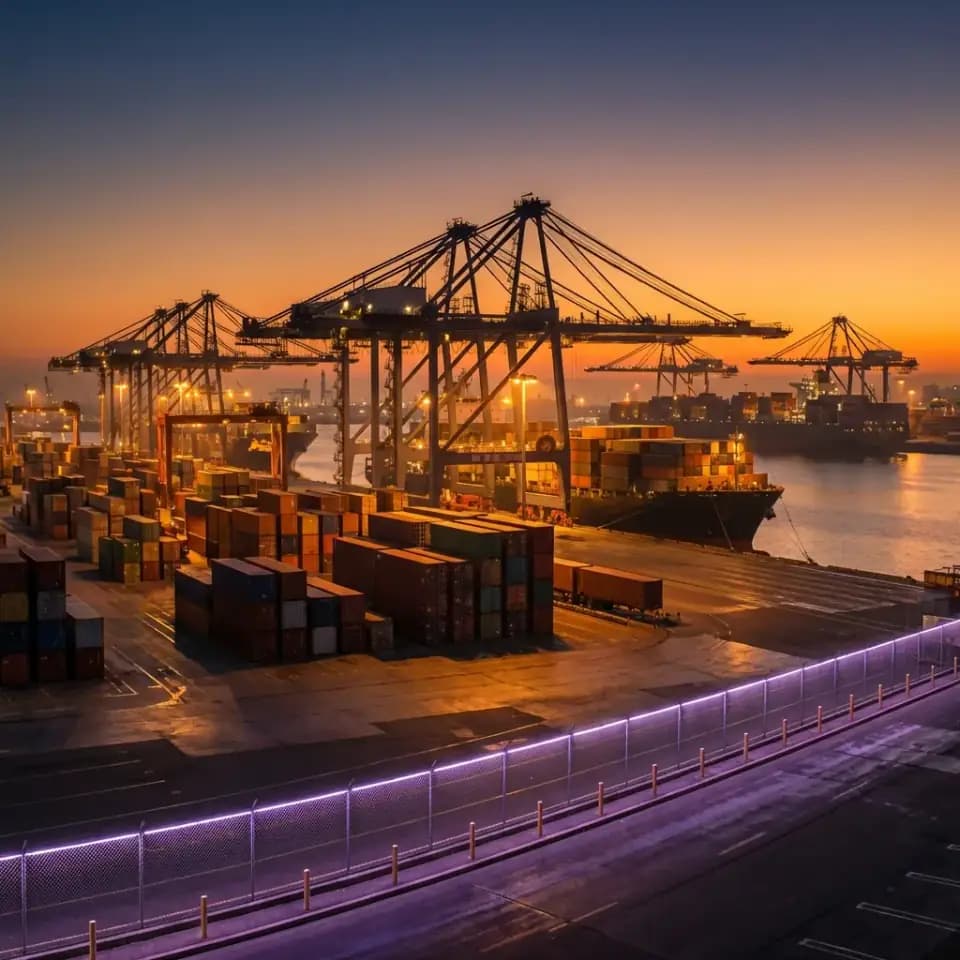
FortSense Ports & Maritime

Ports & Maritime

Perimeter Security Fiber Optics

Ports & Maritime

ISPS-compliant security for cargo containers, fuel depots, and docked vessels in harsh marine environments.

Ideal for applications in Ontario

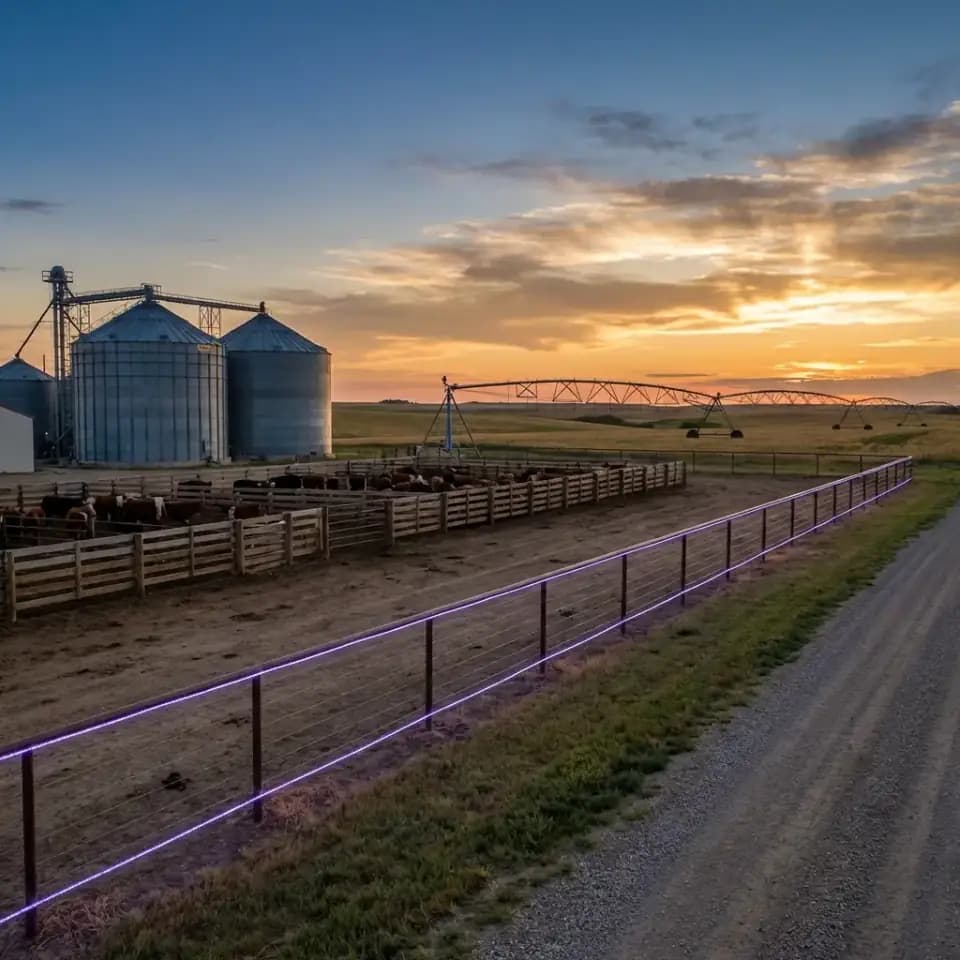
FortSense Agriculture

Agriculture

Perimeter Security Fiber Optics

Agriculture

Fire detection and security for farms, livestock pens, pivot irrigation systems, and rural assets.

Ideal for applications in Ontario

FortSense Financial Sector

Financial Sector

Perimeter Security Fiber Optics

Financial Sector

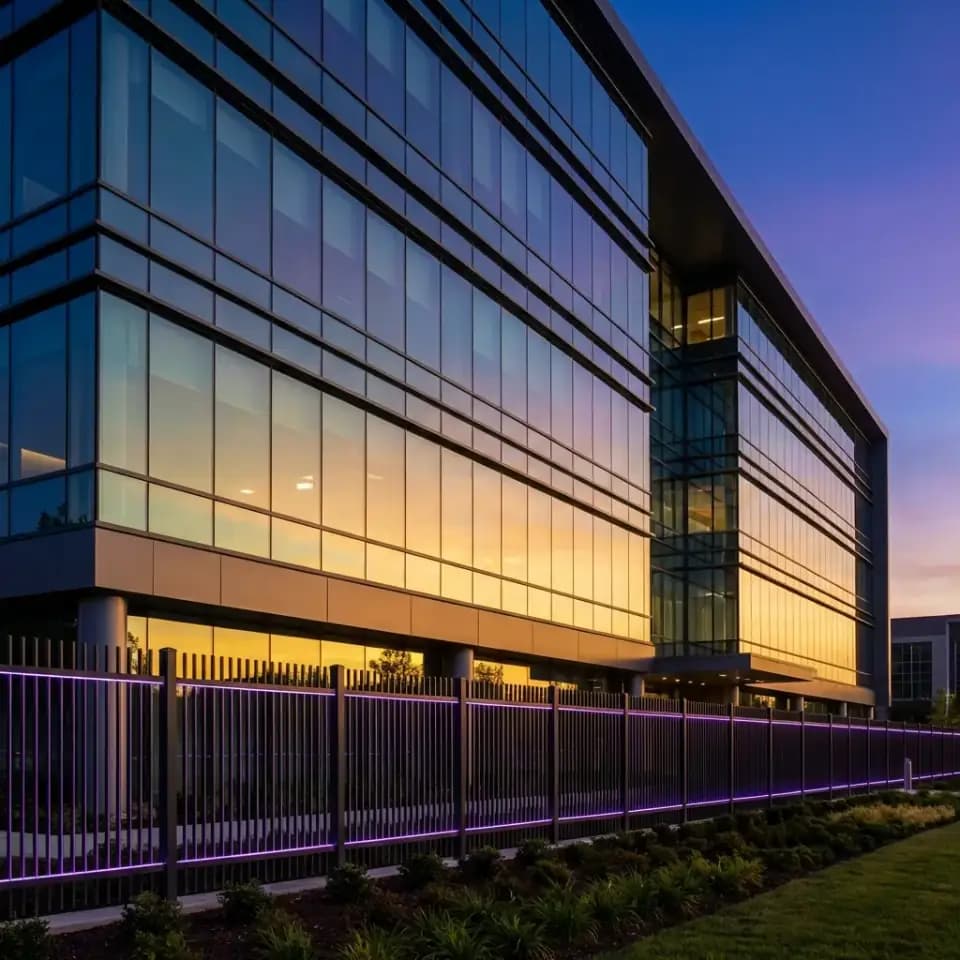
High-security perimeter protection for banks, vaults, administrative centers, and ATM areas.

Ideal for applications in Ontario

FortSense Residential Condominiums

Residential Condominiums

Perimeter Security Fiber Optics

Residential Condominiums

Invisible security for gated communities and apartment complexes, preserving aesthetics while detecting intrusions.

Ideal for applications in Ontario

FortSense Distribution Centers

Distribution Centers

Perimeter Security Fiber Optics

Distribution Centers

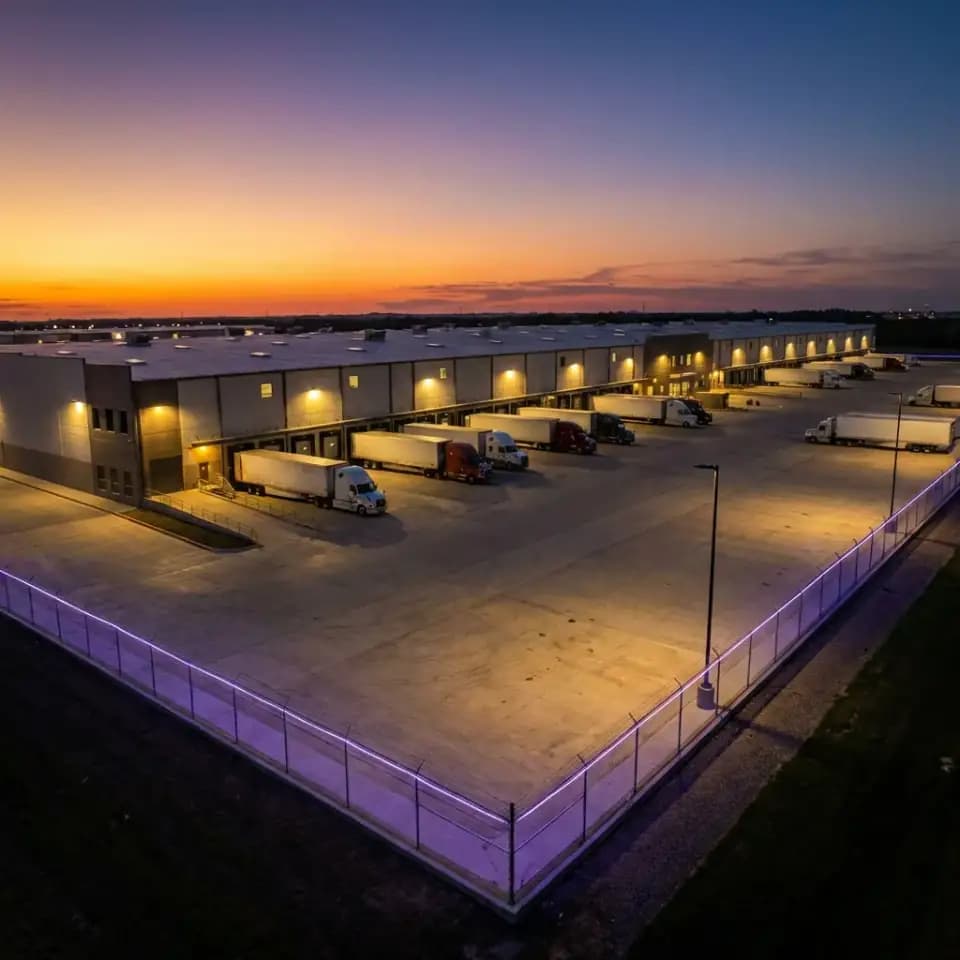
Security for logistics parks, warehouses, and high-value storage areas, meeting TAPA security standards.

Ideal for applications in Ontario

FortSense Critical Infrastructure

Critical Infrastructure

Perimeter Security Fiber Optics

Critical Infrastructure

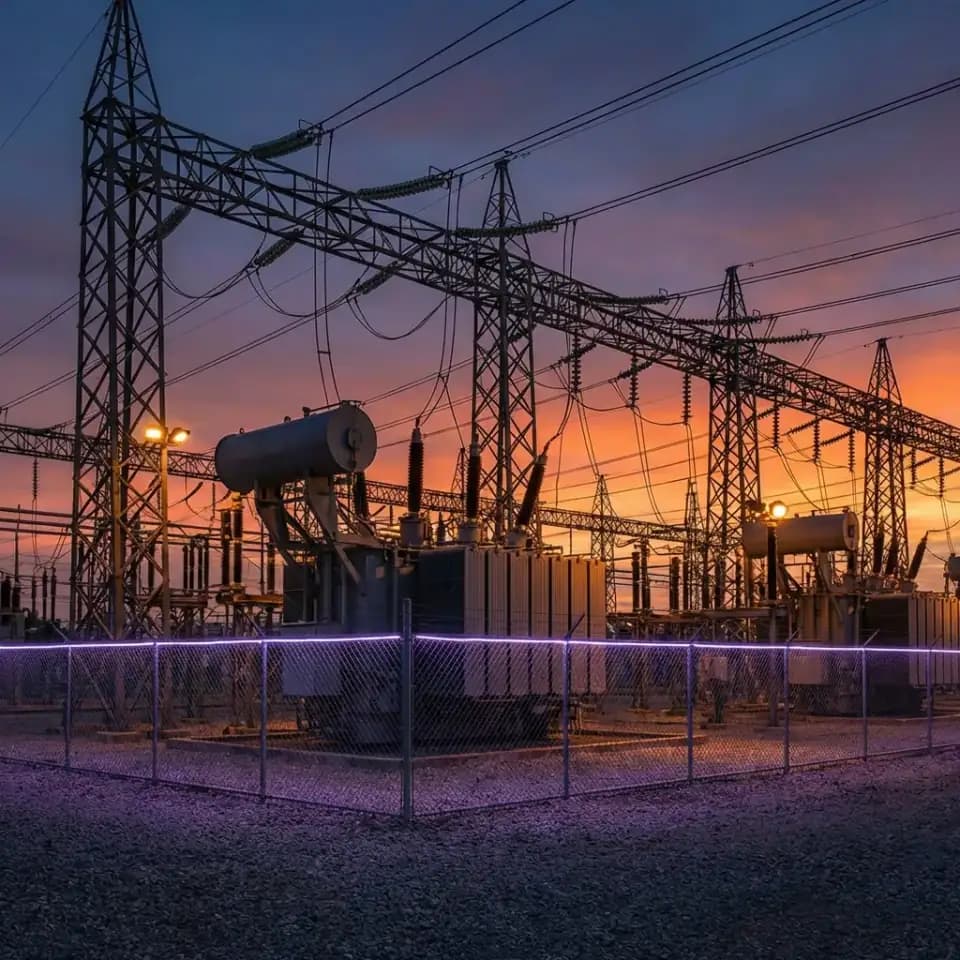
EMI-immune monitoring for electrical substations, telecom towers, and unmanned critical assets.

Ideal for applications in Ontario

FortSense Corrections & Prisons

Corrections & Prisons

Perimeter Security Fiber Optics

Corrections & Prisons

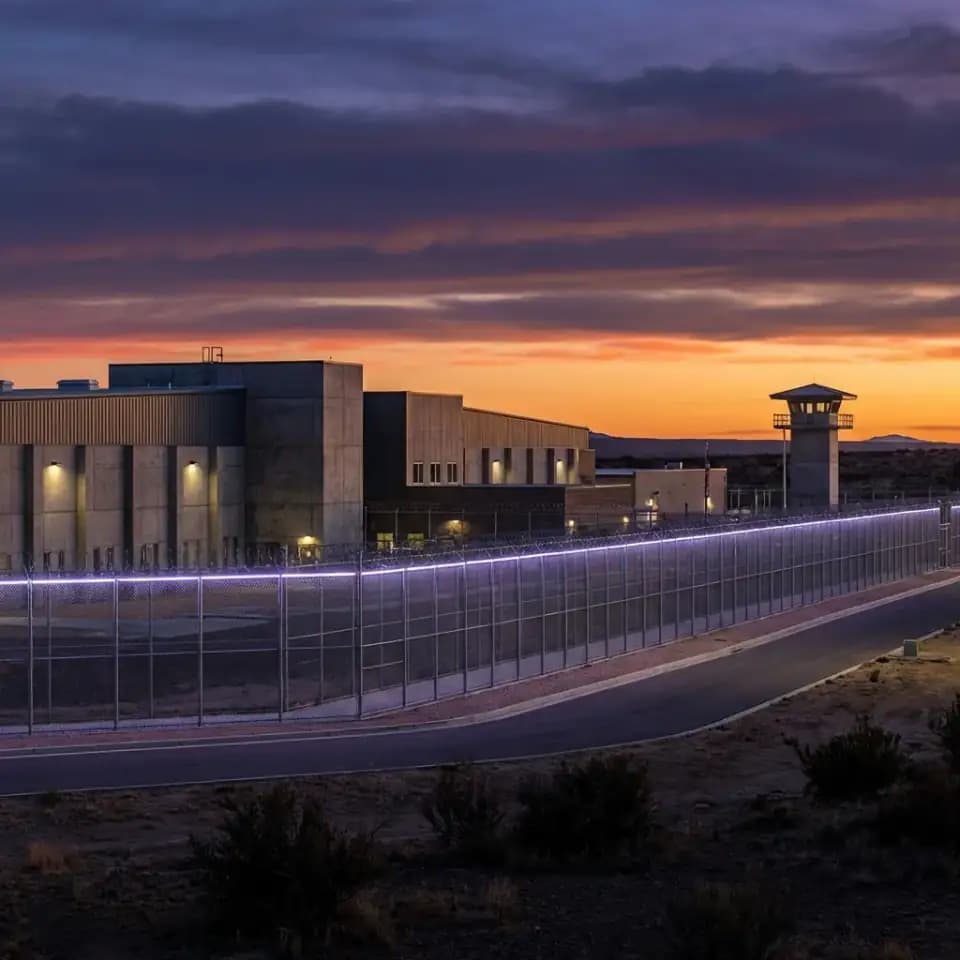
Zero-tolerance perimeter security for correctional facilities, detecting escape attempts and breaches.

Ideal for applications in Ontario

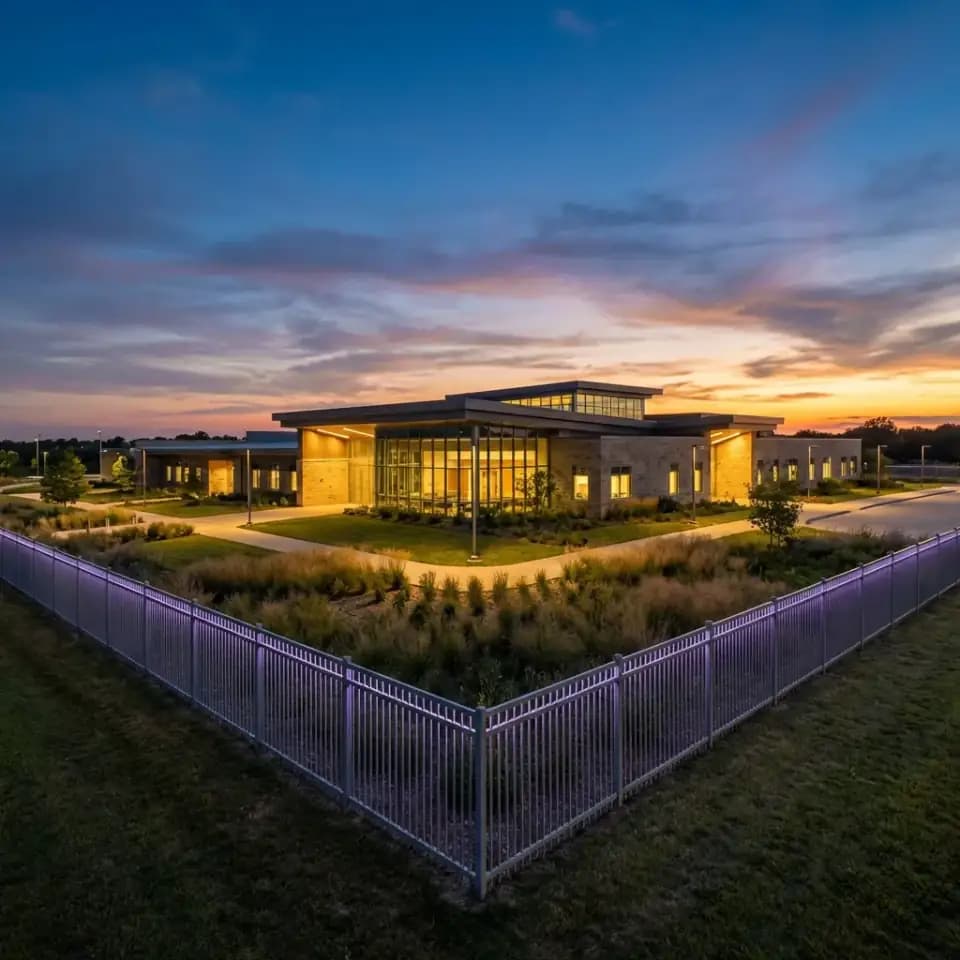
FortSense Public Sector & Schools

Public Sector & Schools

Perimeter Security Fiber Optics

Public Sector & Schools

Non-invasive security for schools, government buildings, and public facilities with rapid lockdown protocols.

Ideal for applications in Ontario

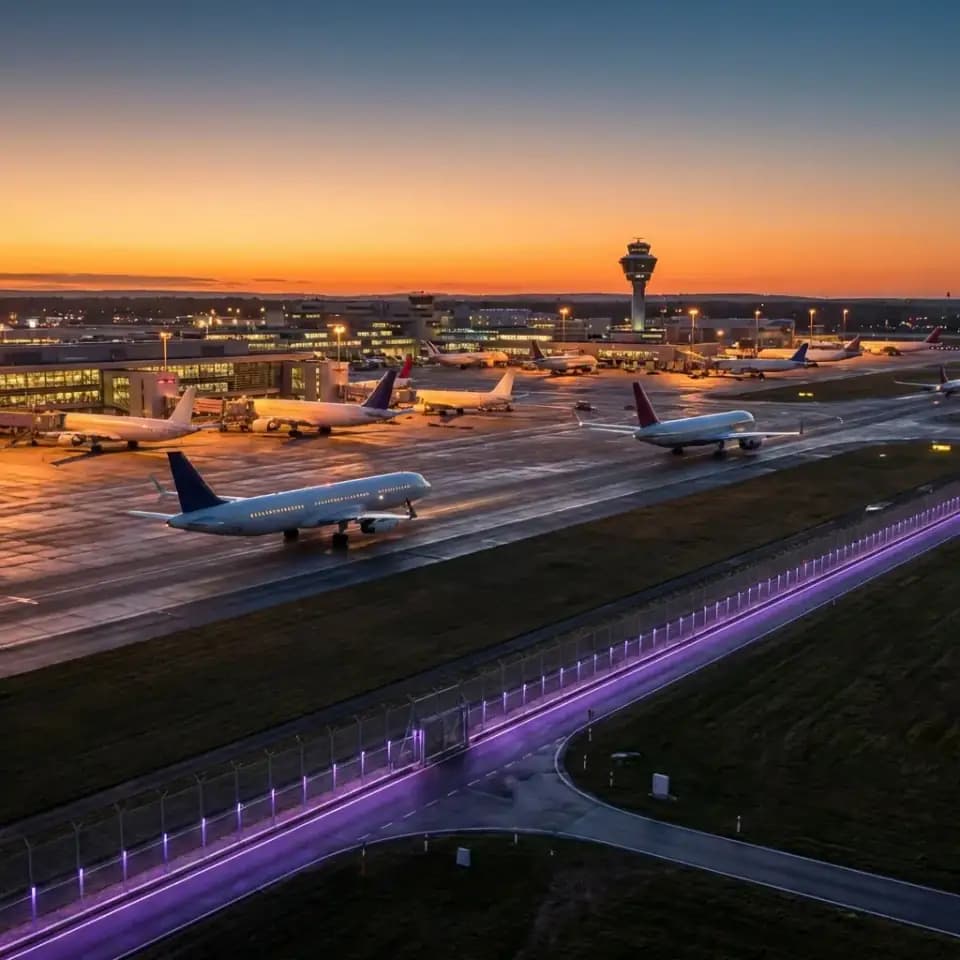
FortSense Perimeter Security for Airports

Perimeter Security for Airports

Perimeter Security Fiber Optics

Perimeter Security for Airports

ICAO-compliant sterile zone enforcement with zero interference to airport radar and navigation systems.

Ideal for applications in Ontario

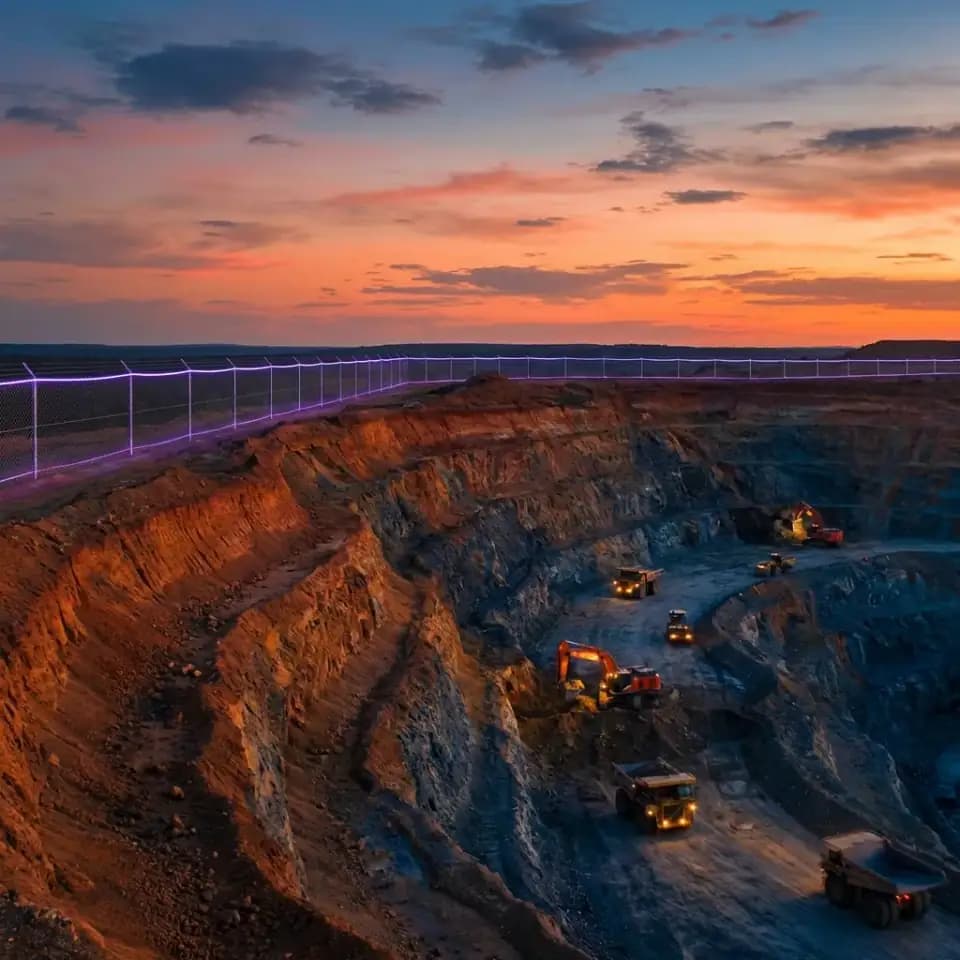
FortSense Mining Operations

Mining Operations

Perimeter Security Fiber Optics

Mining Operations

Ruggedized perimeter security for open-pit mines, ore stockpiles, and remote mining infrastructure.

Ideal for applications in Ontario

Local service overview

Perimeter Security for Manufacturing and Critical Infrastructure in Ontario

Fiber optic PIDS for protecting nuclear facilities, automotive manufacturing plants, and critical transportation corridors across Ontario, Canada.

Ontario is Canada's economic engine, generating approximately 38% of national GDP through a diverse economy that spans advanced manufacturing, financial services, technology, mining, and nuclear energy. The Greater Toronto Area serves as Canada's financial and technology capital, while the southern Ontario automotive corridor stretching from Windsor to Oshawa constitutes the largest vehicle production region in North America outside Michigan.

General Motors' Oshawa Assembly Plant, Toyota Motor Manufacturing Canada facilities in Cambridge and Woodstock, Honda Canada Manufacturing in Alliston, and Stellantis' Windsor Assembly Plant collectively produce millions of vehicles annually, supported by hundreds of Tier 1 and Tier 2 parts suppliers including Magna International, one of the world's largest automotive parts manufacturers.

The province's critical infrastructure extends far beyond automotive manufacturing. Ontario's nuclear fleet — the Bruce Nuclear Generating Station (the world's largest operating nuclear power plant), Pickering Nuclear Generating Station, and Darlington Nuclear Generating Station — provides approximately 60% of the province's electricity. These facilities represent some of the highest-security assets in North America, subject to Canadian Nuclear Safety Commission regulations that mandate sophisticated perimeter intrusion detection systems.

Ontario Power Generation facilities, CN Rail and CP Rail intermodal terminals, the Port of Hamilton on the Great Lakes, and Toronto Pearson International Airport (Canada's busiest) round out a critical infrastructure portfolio of extraordinary scale and diversity.

The Bruce Nuclear Generating Station, located on the shores of Lake Huron, operates eight CANDU reactor units with a combined capacity exceeding 6,200 MW. Its perimeter security requirements are among the most stringent in the world, mandated by the Canadian Nuclear Safety Commission and informed by international nuclear security standards. The Pickering and Darlington stations, located east of Toronto along the Lake Ontario shoreline, face similar requirements.

Each of these facilities has perimeters measured in kilometers, requiring detection systems that provide reliable, continuous monitoring regardless of weather conditions.

The Highway 401 corridor, the busiest highway in North America, is also a logistics artery connecting Windsor's border crossings to Montreal and the eastern seaboard. CN Rail and CP Rail operate major intermodal terminals throughout the province. The Ring of Fire mining development in northern Ontario, targeting one of the world's largest chromite deposits, represents billions of dollars in future infrastructure requiring security planning from inception. The Port of Hamilton handles millions of tonnes of cargo annually across its Great Lakes docks.

Ontario faces a distinct and escalating security threat profile. Cargo theft along the Highway 401 corridor has become a major organized crime enterprise, with sophisticated criminal networks targeting high-value shipments from warehouses and distribution centers. The Greater Toronto Area is experiencing an unprecedented auto theft crisis, with organized crime groups stealing vehicles and shipping them overseas in containers through ports — a phenomenon that has drawn national attention and law enforcement resources.

Critical infrastructure protection for nuclear facilities remains paramount given the catastrophic consequences of a security breach.

Copper wire and catalytic converter theft, warehouse and distribution center break-ins, port security and container fraud at Hamilton, and cyber-physical attacks on manufacturing control systems represent additional threat vectors. The concentration of high-value manufacturing assets — automotive plants contain billions of dollars in tooling, robotics, and intellectual property — creates attractive targets for both criminal and state-sponsored actors. Cannabis industry-related theft and organized crime add another dimension to the security landscape.

FortSense fiber optic PIDS technology addresses Ontario's security challenges with unique effectiveness. The province's continental climate — winters reaching minus 25 degrees Celsius with heavy snowfall, ice storms, and lake-effect snow — renders many conventional electronic sensor systems unreliable or inoperable for months each year. Fiber optic cables operate with full detection sensitivity at all temperatures, from the deepest winter freeze to summer heat waves.

The 2013 ice storm, which caused billions in damage across the GTA, demonstrated how quickly extreme weather can disable electronic security systems while leaving fiber optic systems fully operational.

For nuclear generating stations, fiber optic PIDS meets the stringent requirements of CNSC REGDOC-2. 12. 3 for nuclear facility security. The technology's immunity to electromagnetic interference — critical in facilities generating and transmitting massive amounts of electricity — its inability to generate sparks or serve as an ignition source, and its capacity to provide continuous, calibration-free monitoring across multi-kilometer perimeters make it the definitive choice for nuclear perimeter security.

The system detects fence climbing, cutting, tunneling, and forced entry with meter-level location accuracy, enabling rapid response force deployment to the exact point of intrusion.

The Ring of Fire mineral development in northern Ontario's James Bay Lowlands, targeting one of the world's largest chromite deposits along with nickel, copper, and platinum group metals, represents a multi-billion dollar future mining district that will require comprehensive security infrastructure from initial construction through full operation. The extreme remoteness of the site — accessible only by winter roads and air transport — demands security solutions that can operate autonomously with minimal maintenance for extended periods.

Deployment in Ontario prioritizes nuclear generating stations (Bruce, Pickering, Darlington), automotive manufacturing plants along the Windsor-Oshawa corridor, CN and CP Rail intermodal terminals, the Highway 401 logistics corridor's major warehousing complexes, and the Port of Hamilton. Fiber optic technology provides the extreme-climate reliability, electromagnetic immunity, and regulatory-compliant sensitivity that Ontario's critical infrastructure demands across a province where winter conditions alone eliminate most competing technologies.

Professional perimeter protection for distribution centers, manufacturing, and critical infrastructure in Ontario.

  • Factory & Industrial Park Perimeter
  • Warehouse Complex & Distribution Center
  • Yard & Loading Dock Security (TAPA FSR)
  • Nuclear generating stations and power utilities

Plan a FortSense assessment for this market

Share the perimeter length, fence type, and monitoring workflow. FortSense can help scope zones, integration points, and commissioning requirements for this location.

Services

Factory & Industrial Park Perimeter

Shift-aware perimeter detection for factories and industrial parks with automatic sensitivity adjustment between production hours and quiet periods.

Warehouse Complex & Distribution Center

Multi-zone fiber optic fencing for warehouse complexes and distribution centers with integration to inventory management and access control systems.

Yard & Loading Dock Security (TAPA FSR)

TAPA FSR-compliant perimeter detection for logistics yards, loading docks, and cross-dock facilities with vehicle and pedestrian discrimination.

Deployment patterns for local sites

How FortSense Works in Ontario

Fiber optic perimeter security adapted to local conditions and requirements.

  1. Fiber installed. Passive fiber optic cable mounts on the existing fence or wall with minimal civil work.
  2. Vibration detected. Any contact creates vibration patterns in the fiber so climbing, cutting, or lifting attempts become visible immediately.
  3. AI/DSP verification. Algorithms filter out wind, animals, and environmental noise before an operator ever sees an alarm.
  4. Alarm if intrusion. Only real threats trigger zone-based alarms that can route into the monitoring workflow already used by the site team.

Adapted for Ontario. Our local partners understand Ontario's climate, terrain, and security challenges. The fiber optic system is configured to filter local environmental conditions while maintaining maximum sensitivity to real intrusion attempts.

Integration and security software fit

FortSense can feed alarms into the monitoring stack a site already uses, including VMS, PSIM, alarm panels, relay inputs, TCP/IP workflows, and camera verification.

  • Zone-based alarms for operators and guard teams
  • Camera and VMS workflows for visual verification
  • Relay or network outputs for existing security systems
  • Software-assisted filtering before dispatch decisions

Industries in this market

Relevant FortSense industry and use-case paths connected to this location.

  • Nuclear generating stations and power utilities
  • Automotive manufacturing plants and parts suppliers
  • Logistics hubs and intermodal transportation terminals
  • Distribution Center Perimeter Security
  • Solar Farm Perimeter Security
  • Perimeter Security for Critical Infrastructure

Why FortSense fits in Perimeter Security in Ontario

FortSense is designed for perimeter security work where false-alarm reduction, passive fiber sensing, and practical integration matter more than adding another camera-only layer.

  • Passive fiber on existing fences, walls, or perimeter structures
  • AI/DSP filtering for wind, vibration, and environmental noise
  • Zone-level alerts that can match the site's response model
  • Support for design, integration, commissioning, and handover

Market notes

Practical details that help this page stay specific to the market instead of drifting into generic copy.

  • Nuclear generating stations and power utilities
  • Automotive manufacturing plants and parts suppliers
  • Logistics hubs and intermodal transportation terminals
  • Factory & Industrial Park Perimeter

Related FortSense paths

Related technical content and commercial guidance linked from this location page.

Frequently Asked Questions (FAQ)

Frequently Asked Questions (FAQ) — Ontario

Can the system secure multiple buildings in an industrial park?

Yes. The fiber cable can be routed through multiple perimeters within a single industrial park — factory buildings, warehouses, parking areas, and utility compounds — all monitored from one interrogator with independent alarm zones per building.

How quickly can the system be relocated if manufacturing operations move?

FortSense cable can be removed and reinstalled at a new location. The fiber sensor is reusable, and recalibration at the new site takes 1-2 weeks. This flexibility is valuable for manufacturers with changing facility footprints or lease agreements.

Can the system adjust sensitivity between production shifts and quiet periods?

Yes. FortSense supports shift-aware profiles that automatically adjust perimeter sensitivity based on your production schedule. Full sensitivity during night shifts and weekends, with nuisance alarm filtering during busy shift changes and delivery windows.

How does the system distinguish between authorized vehicles and intruders?

FortSense uses acoustic signature analysis to differentiate between vehicle types and pedestrian activity. Authorized entry points can be zoned with reduced sensitivity during operational hours while maintaining full detection on non-entry perimeter sections.

Is the system affected by ground frost heave shifting fence posts?

FortSense continuously recalibrates its acoustic baseline, automatically adapting to gradual fence movement from frost heave. This self-learning capability means the system maintains accuracy through seasonal freeze-thaw cycles without manual recalibration.

Local perimeter assessment

Request Perimeter Assessment in Ontario

Receive a technical proposal, deployment design, and integration plan.

Perimeter Security for Manufacturing and Critical…