

Fiber Optic Perimeter Security in Quebec: Perimeter Security for Hydroelectric Infrastructure and Ports in Quebec

Fiber optic intrusion detection for the James Bay Complex, Hydro-Quebec transmission grid, and the Port of Montreal

Applications

Perimeter Security Fiber Optics Ideal for Applications in Quebec

FortSense Solar & Renewables

Solar & Renewables

Perimeter Security Fiber Optics

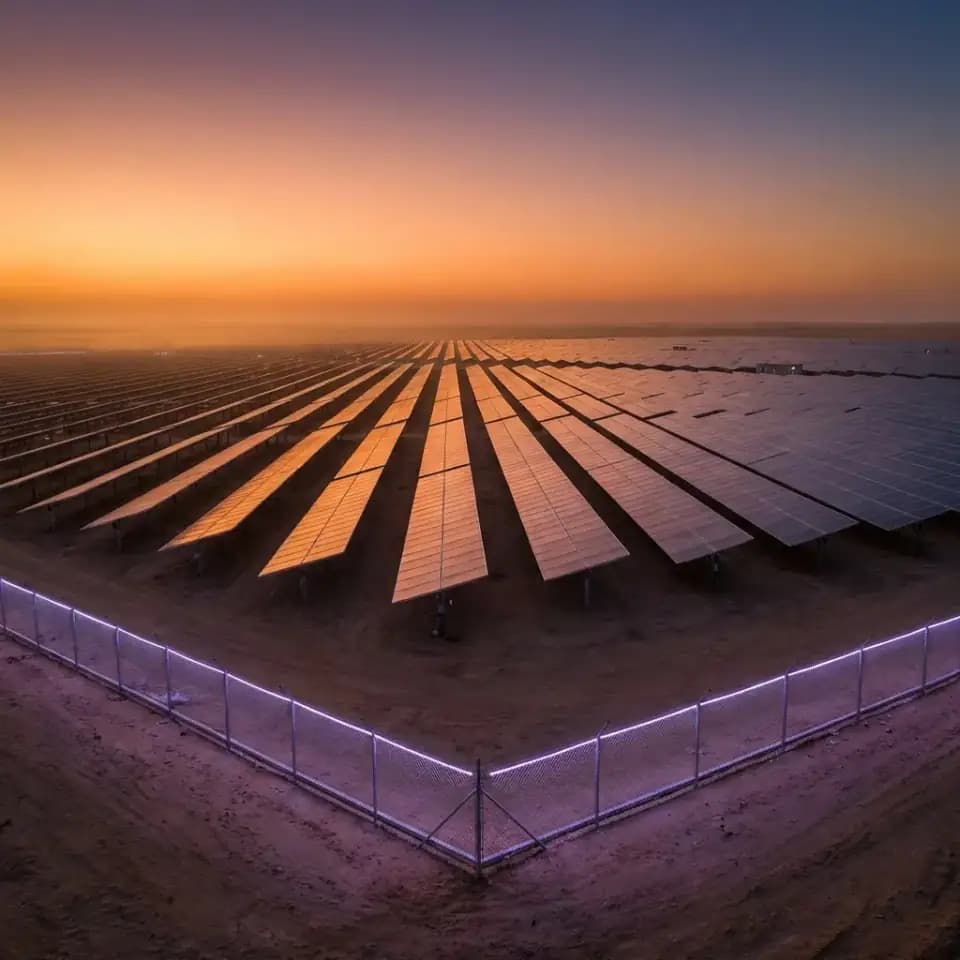
Solar & Renewables

Autonomous perimeter monitoring for solar plants, protecting against theft of panels, copper cables, and inverters.

Ideal for applications in Quebec

FortSense Oil & Gas

Oil & Gas

Perimeter Security Fiber Optics

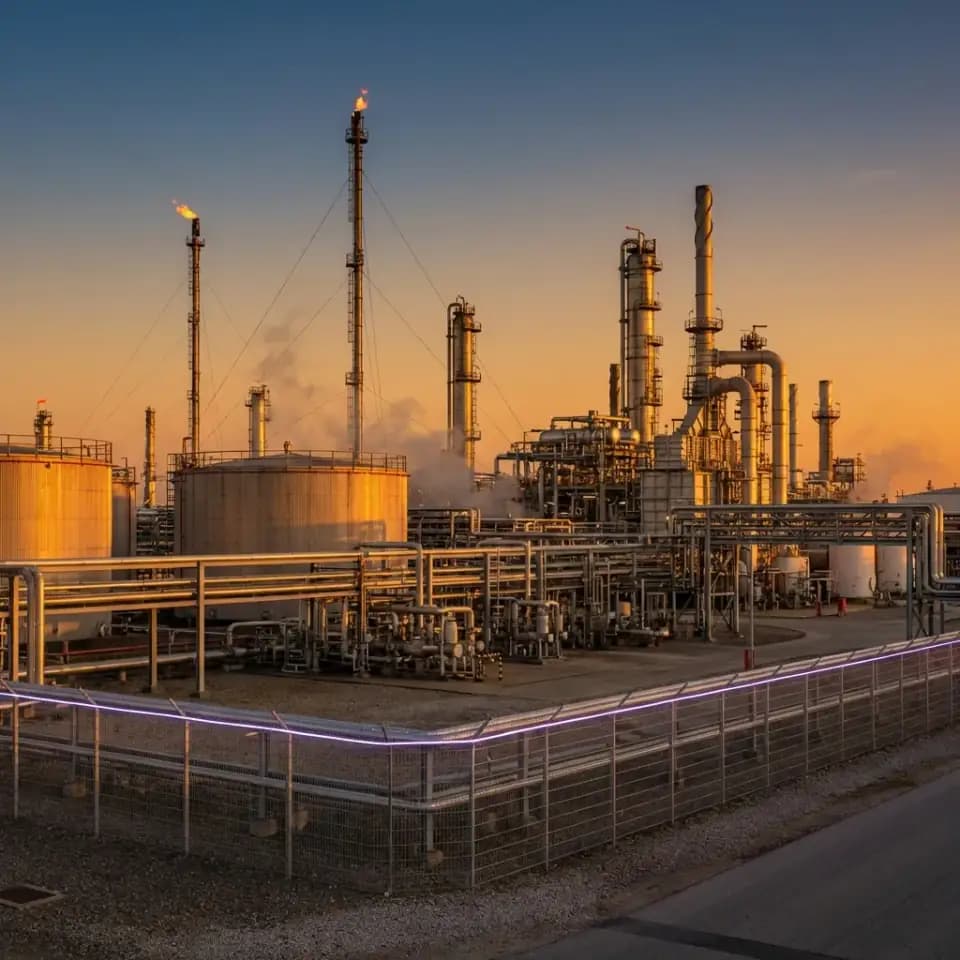
Oil & Gas

Intrinsically safe perimeter detection for refineries, chemical plants, and fuel storage depots.

Ideal for applications in Quebec

FortSense Ports & Maritime

Ports & Maritime

Perimeter Security Fiber Optics

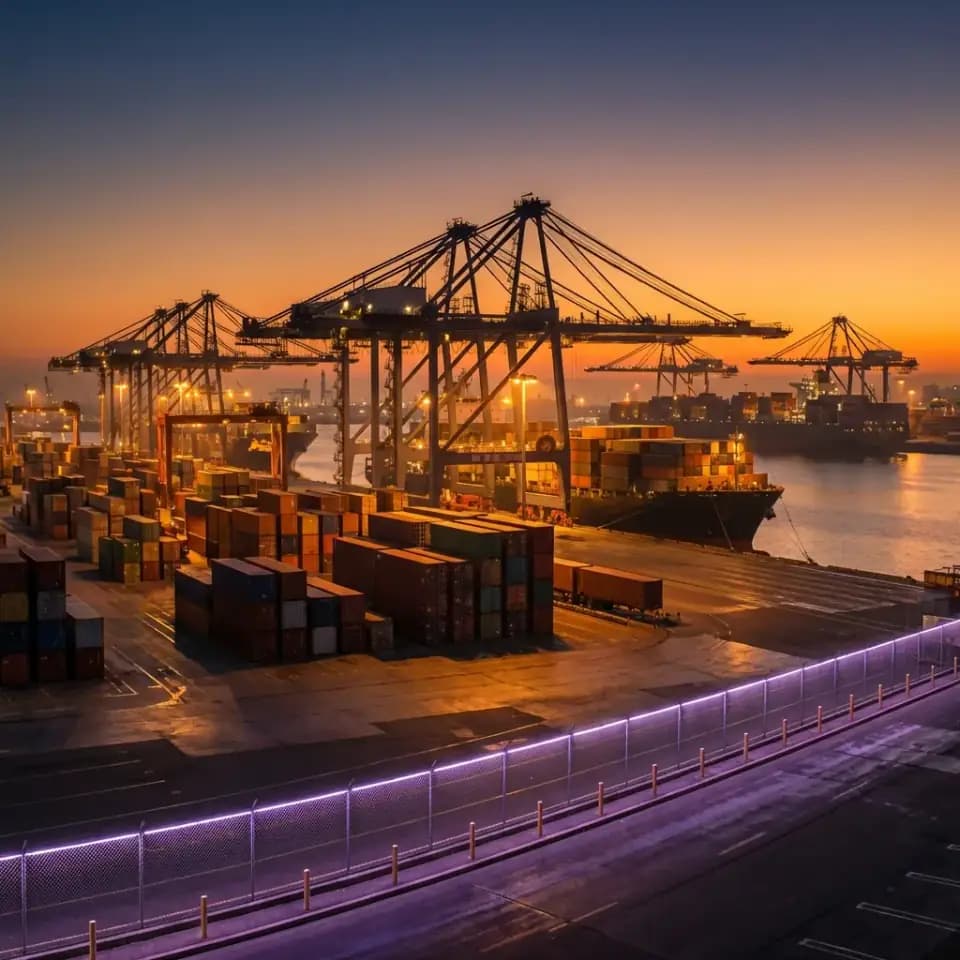
Ports & Maritime

ISPS-compliant security for cargo containers, fuel depots, and docked vessels in harsh marine environments.

Ideal for applications in Quebec

FortSense Agriculture

Agriculture

Perimeter Security Fiber Optics

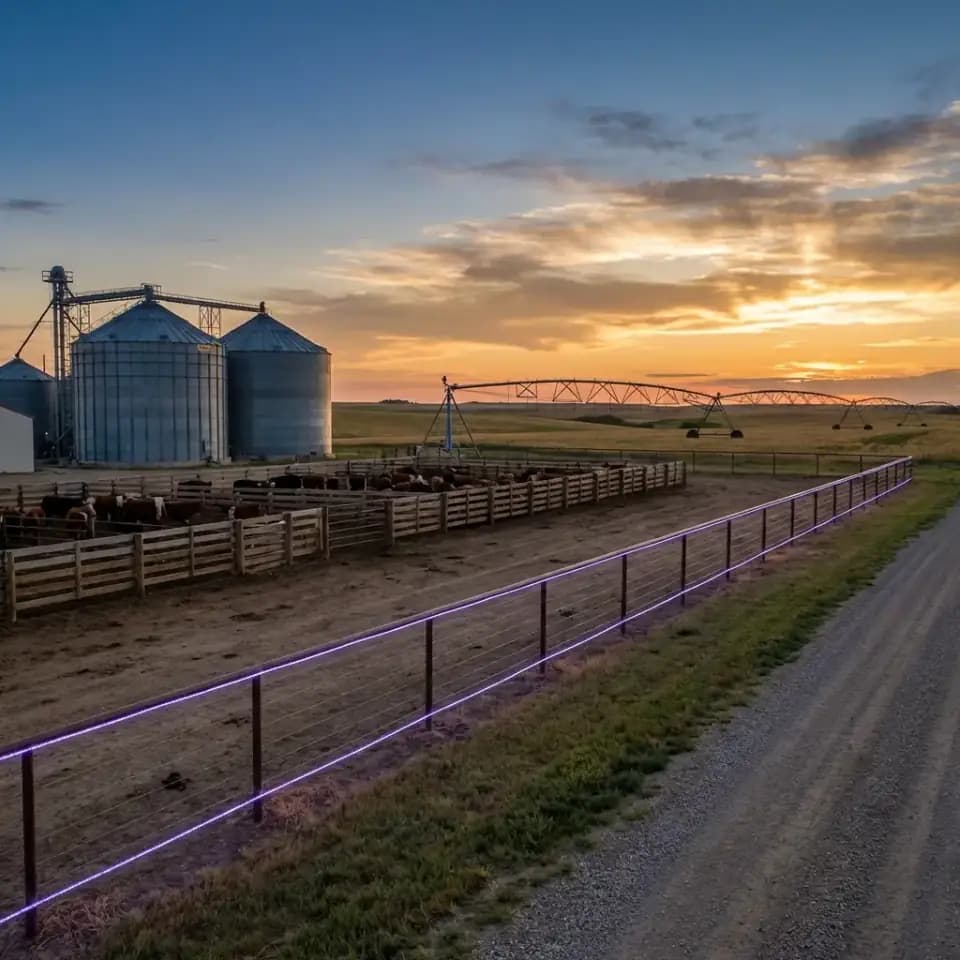
Agriculture

Fire detection and security for farms, livestock pens, pivot irrigation systems, and rural assets.

Ideal for applications in Quebec

FortSense Financial Sector

Financial Sector

Perimeter Security Fiber Optics

Financial Sector

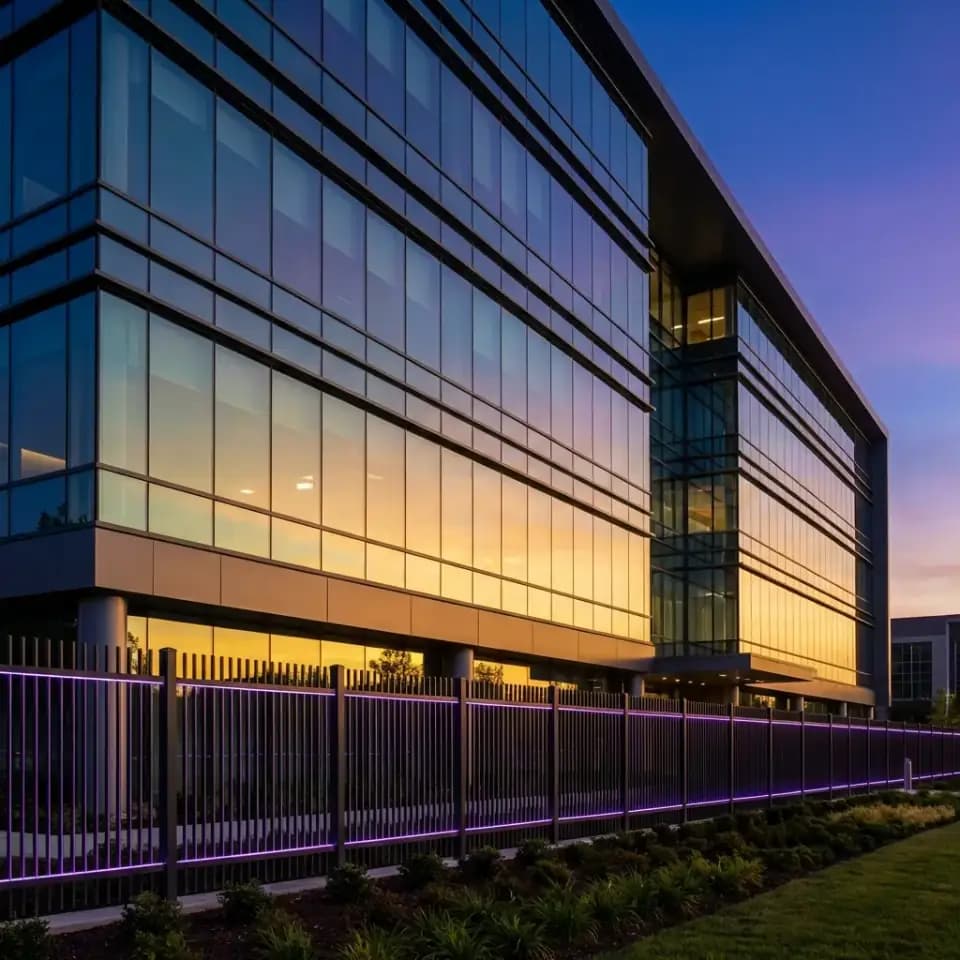
High-security perimeter protection for banks, vaults, administrative centers, and ATM areas.

Ideal for applications in Quebec

FortSense Residential Condominiums

Residential Condominiums

Perimeter Security Fiber Optics

Residential Condominiums

Invisible security for gated communities and apartment complexes, preserving aesthetics while detecting intrusions.

Ideal for applications in Quebec

FortSense Distribution Centers

Distribution Centers

Perimeter Security Fiber Optics

Distribution Centers

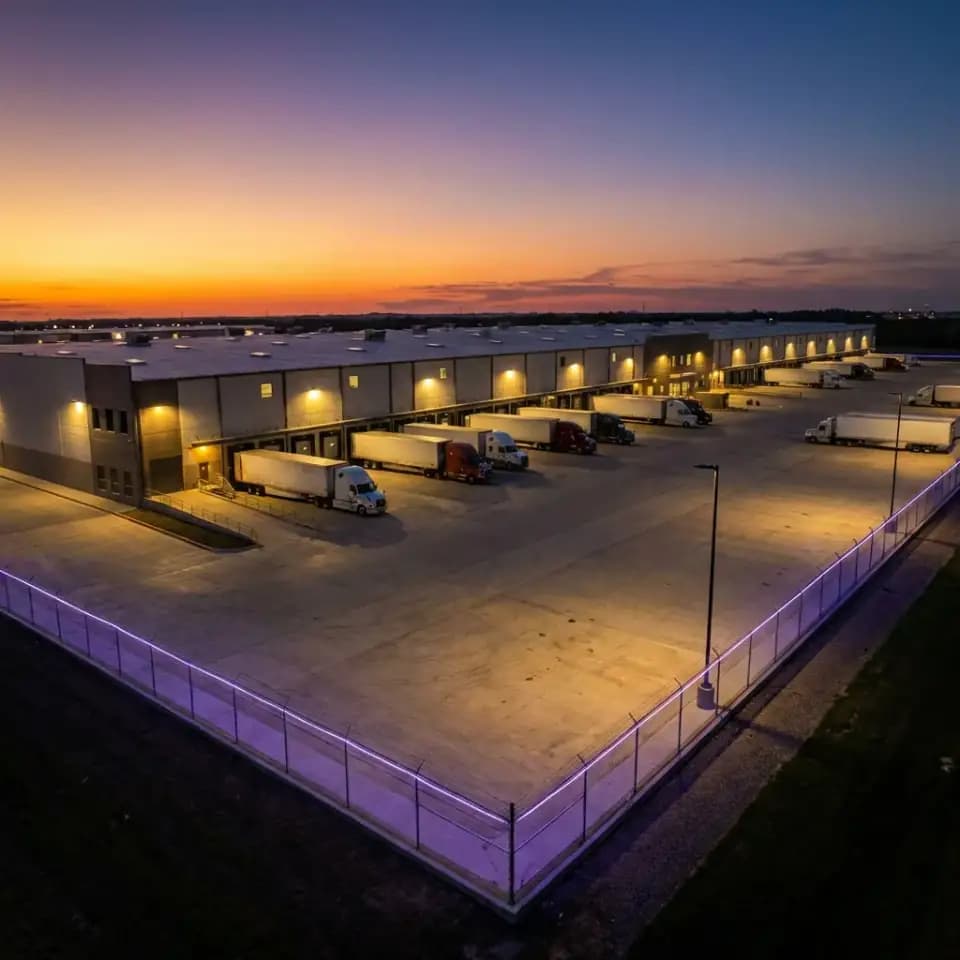
Security for logistics parks, warehouses, and high-value storage areas, meeting TAPA security standards.

Ideal for applications in Quebec

FortSense Critical Infrastructure

Critical Infrastructure

Perimeter Security Fiber Optics

Critical Infrastructure

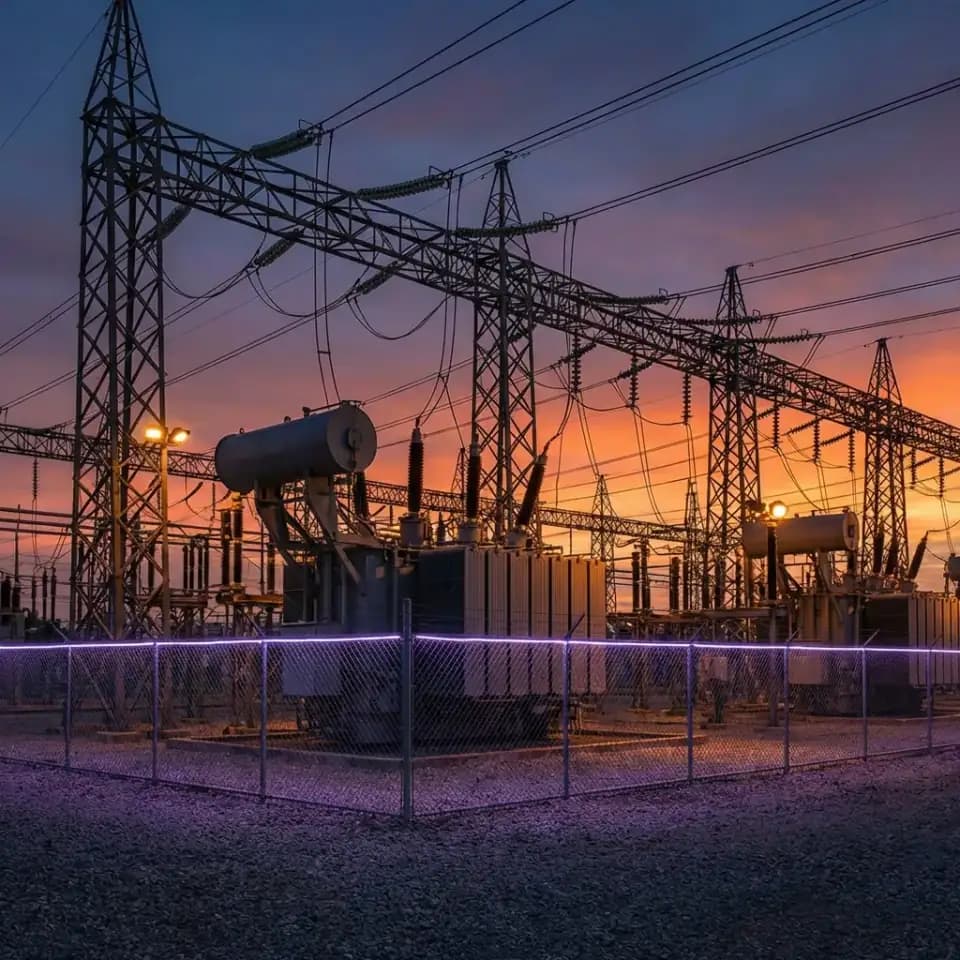
EMI-immune monitoring for electrical substations, telecom towers, and unmanned critical assets.

Ideal for applications in Quebec

FortSense Corrections & Prisons

Corrections & Prisons

Perimeter Security Fiber Optics

Corrections & Prisons

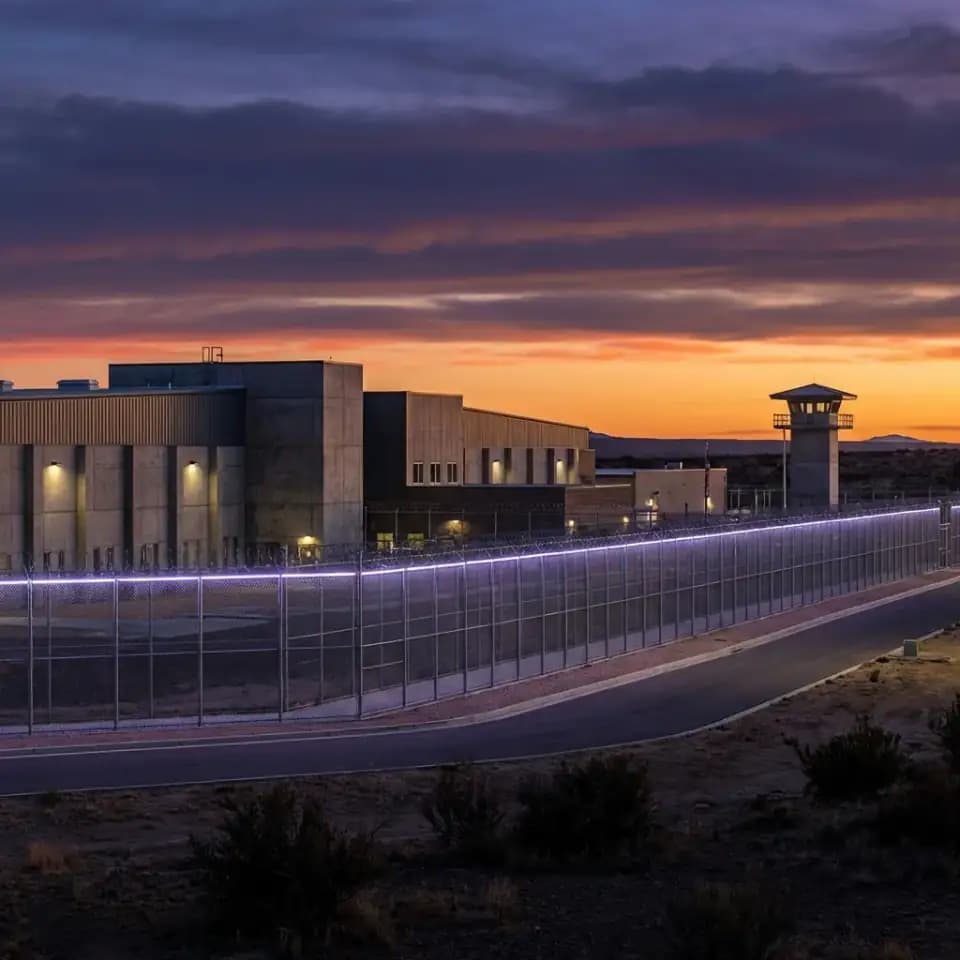
Zero-tolerance perimeter security for correctional facilities, detecting escape attempts and breaches.

Ideal for applications in Quebec

FortSense Public Sector & Schools

Public Sector & Schools

Perimeter Security Fiber Optics

Public Sector & Schools

Non-invasive security for schools, government buildings, and public facilities with rapid lockdown protocols.

Ideal for applications in Quebec

FortSense Perimeter Security for Airports

Perimeter Security for Airports

Perimeter Security Fiber Optics

Perimeter Security for Airports

ICAO-compliant sterile zone enforcement with zero interference to airport radar and navigation systems.

Ideal for applications in Quebec

FortSense Mining Operations

Mining Operations

Perimeter Security Fiber Optics

Mining Operations

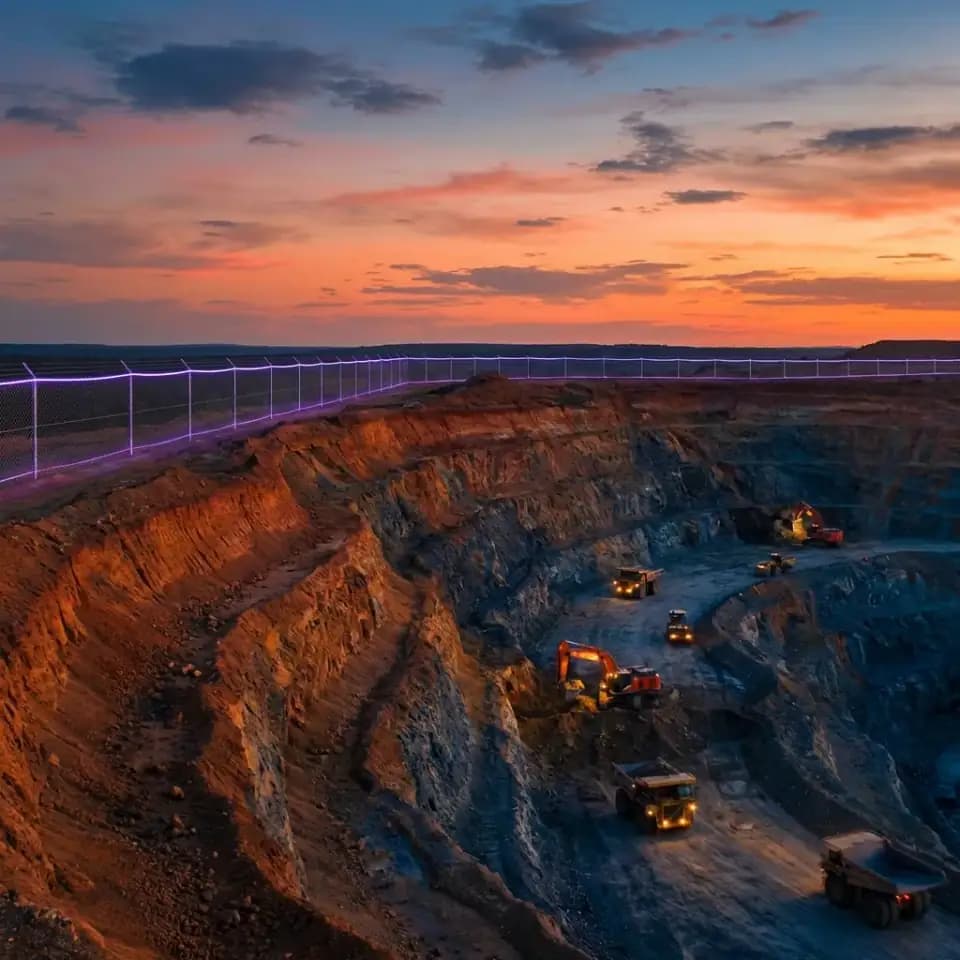
Ruggedized perimeter security for open-pit mines, ore stockpiles, and remote mining infrastructure.

Ideal for applications in Quebec

Local service overview

Perimeter Security for Hydroelectric Infrastructure and Ports in Quebec

Fiber optic PIDS for protecting massive hydroelectric facilities, 34,000+ km of transmission lines, and critical port infrastructure across Quebec, Canada.

Quebec is home to one of the world's largest and most strategically important hydroelectric systems. Hydro-Quebec operates a generation fleet exceeding 37,000 MW of installed capacity, anchored by the James Bay Hydroelectric Complex on La Grande Riviere — one of the largest hydroelectric developments ever constructed. The Robert-Bourassa Dam, La Grande-2, La Grande-3, and La Grande-4 generating stations represent engineering achievements of continental scale, while the Manic-5 (Daniel-Johnson Dam) remains an icon of Canadian infrastructure.

This system provides Quebec with among the cheapest and cleanest electricity in the world, a strategic advantage that has attracted energy-intensive industries including aluminum smelting and, more recently, data centers and cryptocurrency operations.

Beyond hydroelectric power, Quebec's economy encompasses aerospace manufacturing (Bombardier, CAE, Pratt and Whitney, Bell Textron), aluminum production (Rio Tinto Alcan smelters in the Saguenay-Lac-Saint-Jean region), iron ore mining (ArcelorMittal operations in Fermont and Port-Cartier), lithium mining (Nemaska Lithium's Whabouchi mine), and a thriving artificial intelligence research ecosystem centered on the Mila Institute in Montreal. The Port of Montreal is the largest container port in Eastern Canada and a critical node in North Atlantic trade routes.

CN Rail's headquarters and extensive rail network originate in the province.

The James Bay Complex represents critical infrastructure of national and continental significance. Located in one of the most remote and extreme environments in North America — winter temperatures reaching minus 40 degrees Celsius, accessible only by a single road for hundreds of kilometers — the dams and generating stations of La Grande Riviere produce electricity that flows south through Hydro-Quebec's TransEnergie transmission grid, comprising over 34,000 kilometers of high-voltage lines.

This transmission grid traverses some of the most remote territory in eastern North America, crossing boreal forest, tundra, and river systems with minimal human habitation or surveillance.

The Manic-5 dam complex, the Port of Montreal's container terminals, Bombardier Aerospace facilities in Mirabel and Dorval, Rio Tinto Alcan's aluminum smelters, ArcelorMittal's iron ore operations, and the Trans-Canada natural gas pipeline represent additional critical infrastructure whose perimeters demand protection. Substations where transmission lines converge represent high-value chokepoints in the electrical grid.

Quebec's security challenges are shaped by the scale and remoteness of its critical infrastructure. The vast Hydro-Quebec transmission network, stretching over 34,000 kilometers through predominantly uninhabited wilderness, is inherently vulnerable to copper cable theft, vandalism, and sabotage. Physical access to remote transmission towers and lines, while difficult, is not impossible, and disruptions to the grid can cascade into widespread outages affecting millions.

Pipeline sabotage concerns for natural gas infrastructure and protests related to Indigenous land rights near pipeline and hydroelectric projects create additional security dynamics.

At the Port of Montreal, cargo theft, firearms smuggling, and drug trafficking — often linked to organized crime — represent persistent threats. Mining operations in remote northern Quebec face security challenges related to equipment theft, unauthorized access, and winter conditions that limit response capabilities. Severe winter storms can cause catastrophic damage to power infrastructure while simultaneously preventing repair crews from accessing affected areas.

Fiber optic PIDS technology from FortSense is engineered for environments exactly like Quebec's. The extreme cold — minus 25 to minus 40 degrees Celsius for extended periods — heavy snowfall of 200 to 400 centimeters annually, ice accumulation, spring flooding, and the sheer remoteness of critical infrastructure all favor fiber optic systems over any electronic alternative. Fiber optic cables maintain full detection sensitivity at all temperatures encountered in Quebec, with no batteries to freeze, no electronics to condense, and no mechanical components to seize.

For the Hydro-Quebec transmission grid, fiber optic cables installed along transmission corridors or integrated into shield wires can monitor hundreds of kilometers of line from a single processing unit. The system detects unauthorized climbing of towers, cutting of ground wires, excavation near foundations, and vehicle approach to restricted areas. For the James Bay Complex, fiber optic perimeter detection around dams, powerhouses, and switchyards provides year-round security without the maintenance burden that extreme cold imposes on electronic systems.

Quebec's aluminum smelting industry, concentrated in the Saguenay-Lac-Saint-Jean region, consumes enormous quantities of the province's cheap hydroelectric power. Rio Tinto Alcan operates smelters in Alma, Jonquiere, and Laterriere that produce primary aluminum for global markets. These facilities operate continuously at temperatures exceeding 960 degrees Celsius in electrolytic cells, creating an industrial environment where perimeter security must be robust yet immune to the electromagnetic fields generated by hundreds of thousands of amperes of direct current flowing through the potlines.

Fiber optic detection systems, entirely immune to electromagnetic interference regardless of intensity, are uniquely suited to protect these electromagnetically intensive facilities where electronic sensors would be rendered unreliable or completely inoperable.

The emergence of data centers and cryptocurrency mining operations in Quebec, attracted by the province's low-cost hydroelectricity and cool climate that reduces cooling costs, has created a new category of high-value facilities requiring perimeter protection. These installations, often located in converted industrial buildings or purpose-built facilities in semi-rural areas, house computing equipment worth tens of millions of dollars and process financial transactions of enormous value, making them attractive targets for both physical theft and sabotage.

Deployment in Quebec focuses on the James Bay Complex generating stations, critical Hydro-Quebec substations and transmission corridors, the Port of Montreal, Bombardier Aerospace facilities, and major mining operations in northern Quebec. The technology's ability to operate maintenance-free in extreme cold for extended periods — a requirement unique to northern infrastructure — positions fiber optic PIDS as the only viable large-scale perimeter security solution for the province's most critical assets.

Professional perimeter protection for distribution centers, manufacturing, and critical infrastructure in Quebec.

  • Substation & Grid Protection (Copper Theft)
  • Water Treatment & Utility Plant Perimeter
  • ISPS-Compliant Port Perimeter
  • Hydroelectric dams and power generation complexes

Plan a FortSense assessment for this market

Share the perimeter length, fence type, and monitoring workflow. FortSense can help scope zones, integration points, and commissioning requirements for this location.

Services

Substation & Grid Protection (Copper Theft)

Fiber optic perimeter security for electrical substations, switching stations, and transmission corridors to prevent copper theft and infrastructure sabotage.

Water Treatment & Utility Plant Perimeter

Securing water treatment facilities, pumping stations, and utility plants against contamination threats and unauthorized access with SCADA-integrated alarms.

ISPS-Compliant Port Perimeter

International Ship and Port Facility Security (ISPS) compliant fiber optic perimeter detection for port boundaries, restricted zones, and maritime access points.

Deployment patterns for local sites

How FortSense Works in Quebec

Fiber optic perimeter security adapted to local conditions and requirements.

  1. Fiber installed. Passive fiber optic cable mounts on the existing fence or wall with minimal civil work.
  2. Vibration detected. Any contact creates vibration patterns in the fiber so climbing, cutting, or lifting attempts become visible immediately.
  3. AI/DSP verification. Algorithms filter out wind, animals, and environmental noise before an operator ever sees an alarm.
  4. Alarm if intrusion. Only real threats trigger zone-based alarms that can route into the monitoring workflow already used by the site team.

Adapted for Quebec. Our local partners understand Quebec's climate, terrain, and security challenges. The fiber optic system is configured to filter local environmental conditions while maintaining maximum sensitivity to real intrusion attempts.

Integration and security software fit

FortSense can feed alarms into the monitoring stack a site already uses, including VMS, PSIM, alarm panels, relay inputs, TCP/IP workflows, and camera verification.

  • Zone-based alarms for operators and guard teams
  • Camera and VMS workflows for visual verification
  • Relay or network outputs for existing security systems
  • Software-assisted filtering before dispatch decisions

Industries in this market

Relevant FortSense industry and use-case paths connected to this location.

  • Hydroelectric dams and power generation complexes
  • High-voltage transmission corridors and substations
  • Container ports and aerospace manufacturing facilities
  • Distribution Center Perimeter Security
  • Solar Farm Perimeter Security
  • Perimeter Security for Critical Infrastructure

Why FortSense fits in Perimeter Security in Quebec

FortSense is designed for perimeter security work where false-alarm reduction, passive fiber sensing, and practical integration matter more than adding another camera-only layer.

  • Passive fiber on existing fences, walls, or perimeter structures
  • AI/DSP filtering for wind, vibration, and environmental noise
  • Zone-level alerts that can match the site's response model
  • Support for design, integration, commissioning, and handover

Market notes

Practical details that help this page stay specific to the market instead of drifting into generic copy.

  • Hydroelectric dams and power generation complexes
  • High-voltage transmission corridors and substations
  • Container ports and aerospace manufacturing facilities
  • Substation & Grid Protection (Copper Theft)

Related FortSense paths

Related technical content and commercial guidance linked from this location page.

Frequently Asked Questions (FAQ)

Frequently Asked Questions (FAQ) — Quebec

Is the system immune to electromagnetic interference from high-voltage equipment?

Yes. Fiber optic sensors are 100% immune to EMI, RFI, and ground loops — the primary failure mode of electronic security sensors near substations and switchgear. FortSense operates reliably next to 500 kV+ equipment without shielding or filtering.

Can FortSense protect water treatment facilities against contamination threats?

Yes. Perimeter detection around water treatment plants, pumping stations, and reservoirs provides an early warning layer against unauthorized access. Integration with SCADA triggers facility lockdown procedures before intruders can reach treatment processes.

How does the system secure geographically dispersed utility assets?

One FortSense interrogator covers up to 80 km of fiber, allowing you to connect multiple substations, pump stations, or telecom sites on a single fiber ring. This dramatically reduces the cost-per-site compared to standalone security systems at each location.

How does the system integrate with port access control?

FortSense integrates with TWIC-based access control, vehicle weigh-in-motion systems, and port community systems via standard protocols. Perimeter alarms can automatically lockdown nearby gates and trigger credential verification procedures.

How does heavy snowfall and ice accumulation affect the system?

Snow loading on fences changes the acoustic baseline. FortSense adapts automatically over 24-48 hours to snow conditions. Ice-fall events (melting ice dropping from structures) are profiled and filtered to prevent false alarms during thaw cycles.

Local perimeter assessment

Request Perimeter Assessment in Quebec

Receive a technical proposal, deployment design, and integration plan.

Perimeter Security for Hydroelectric Infrastructure and…