

Fiber Optic Perimeter Security in Morocco: Perimeter Security for Tanger Med Port and Industrial Zones in Morocco

Fiber optic intrusion detection for Africa's largest port, Renault and Stellantis automotive plants, and the Noor-Ouarzazate Solar Complex

Applications

Perimeter Security Fiber Optics Ideal for Applications in Morocco

FortSense Solar & Renewables

Solar & Renewables

Perimeter Security Fiber Optics

Solar & Renewables

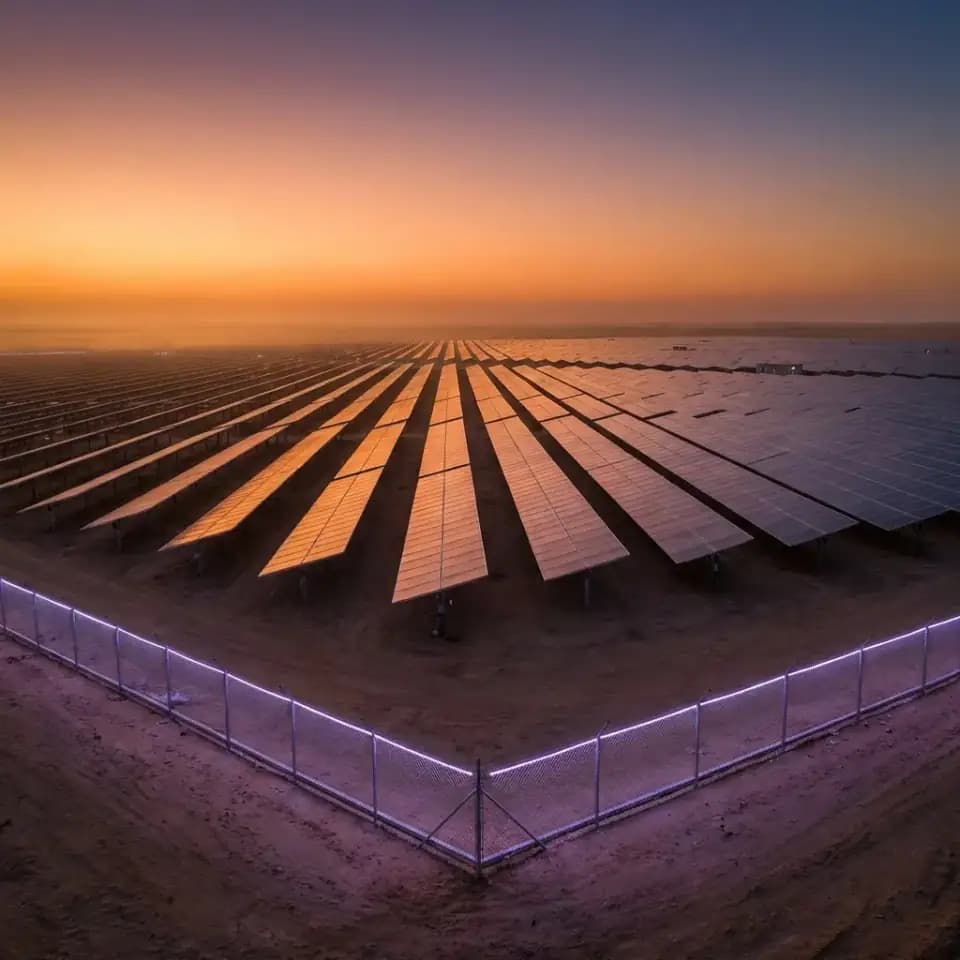
Autonomous perimeter monitoring for solar plants, protecting against theft of panels, copper cables, and inverters.

Ideal for applications in Morocco

FortSense Oil & Gas

Oil & Gas

Perimeter Security Fiber Optics

Oil & Gas

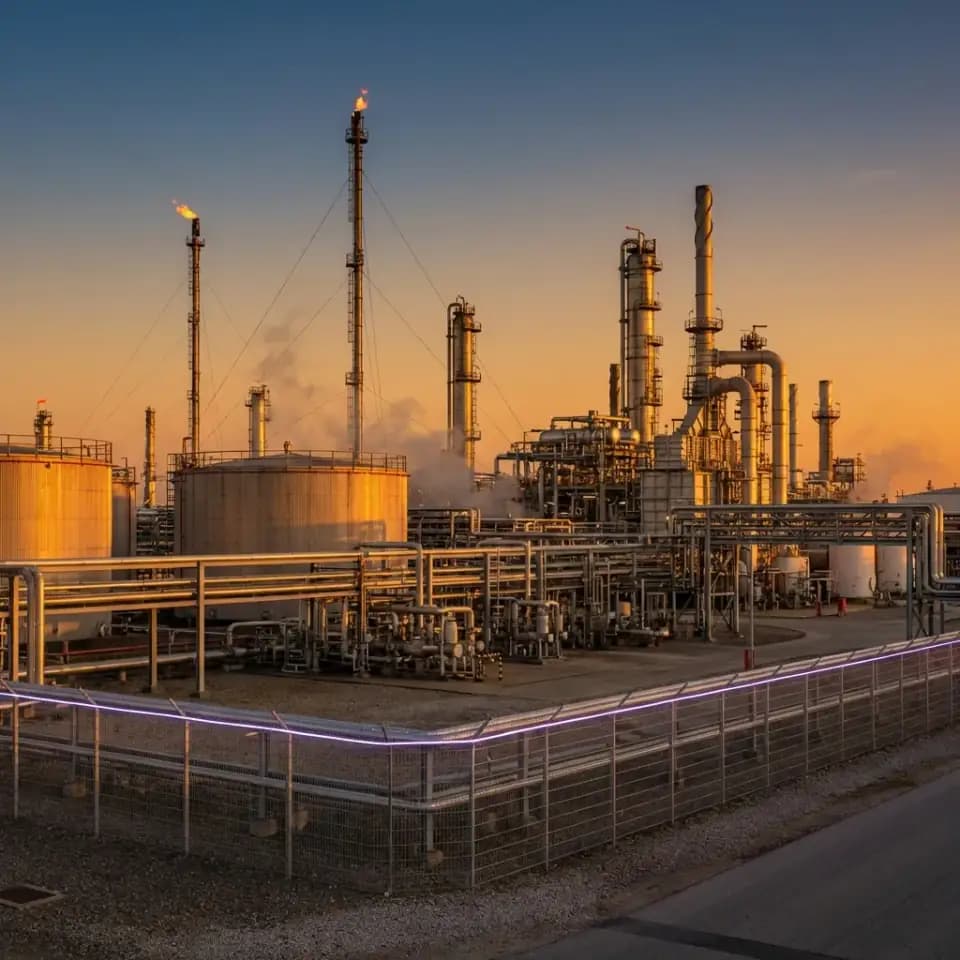
Intrinsically safe perimeter detection for refineries, chemical plants, and fuel storage depots.

Ideal for applications in Morocco

FortSense Ports & Maritime

Ports & Maritime

Perimeter Security Fiber Optics

Ports & Maritime

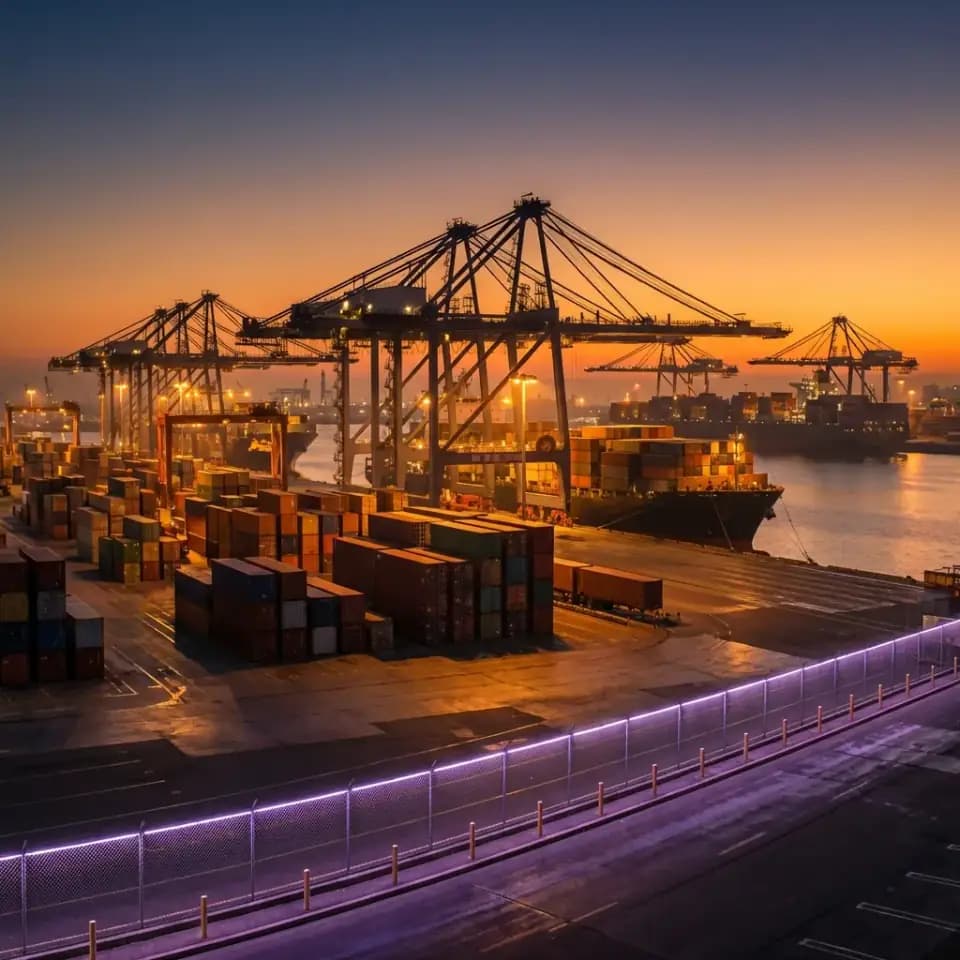
ISPS-compliant security for cargo containers, fuel depots, and docked vessels in harsh marine environments.

Ideal for applications in Morocco

FortSense Agriculture

Agriculture

Perimeter Security Fiber Optics

Agriculture

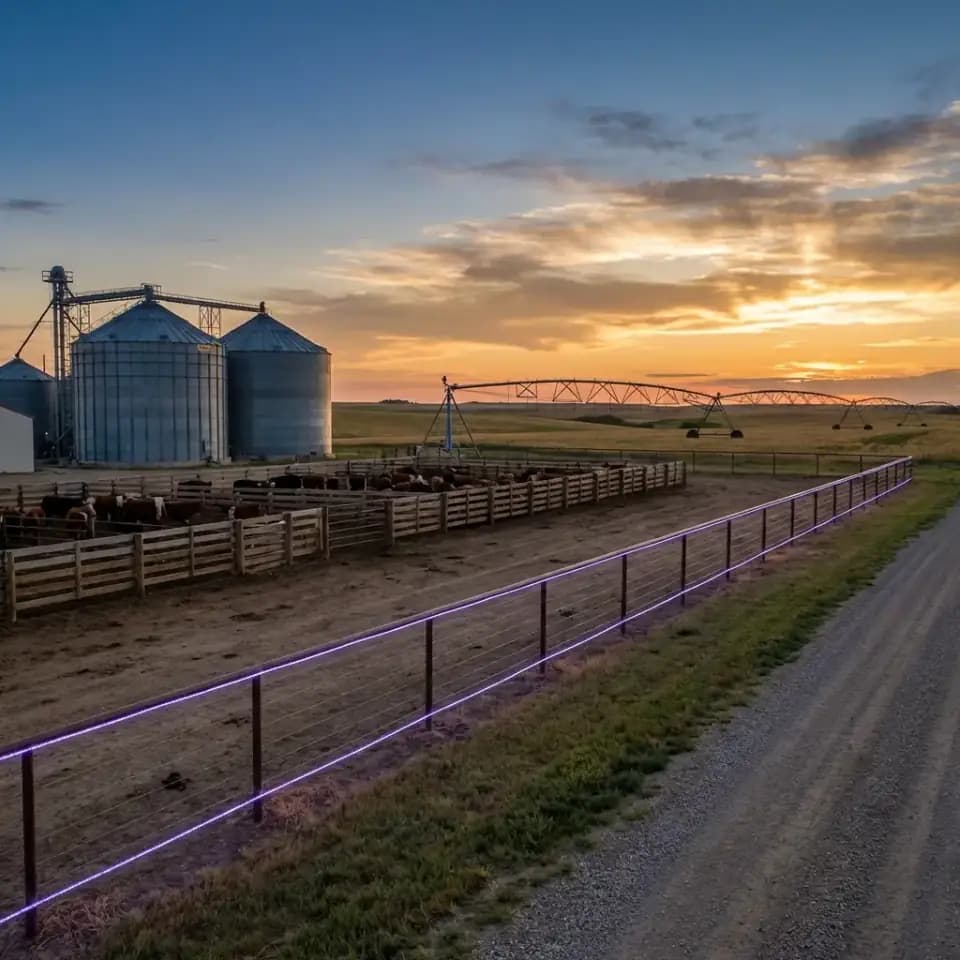
Fire detection and security for farms, livestock pens, pivot irrigation systems, and rural assets.

Ideal for applications in Morocco

FortSense Financial Sector

Financial Sector

Perimeter Security Fiber Optics

Financial Sector

High-security perimeter protection for banks, vaults, administrative centers, and ATM areas.

Ideal for applications in Morocco

FortSense Residential Condominiums

Residential Condominiums

Perimeter Security Fiber Optics

Residential Condominiums

Invisible security for gated communities and apartment complexes, preserving aesthetics while detecting intrusions.

Ideal for applications in Morocco

FortSense Distribution Centers

Distribution Centers

Perimeter Security Fiber Optics

Distribution Centers

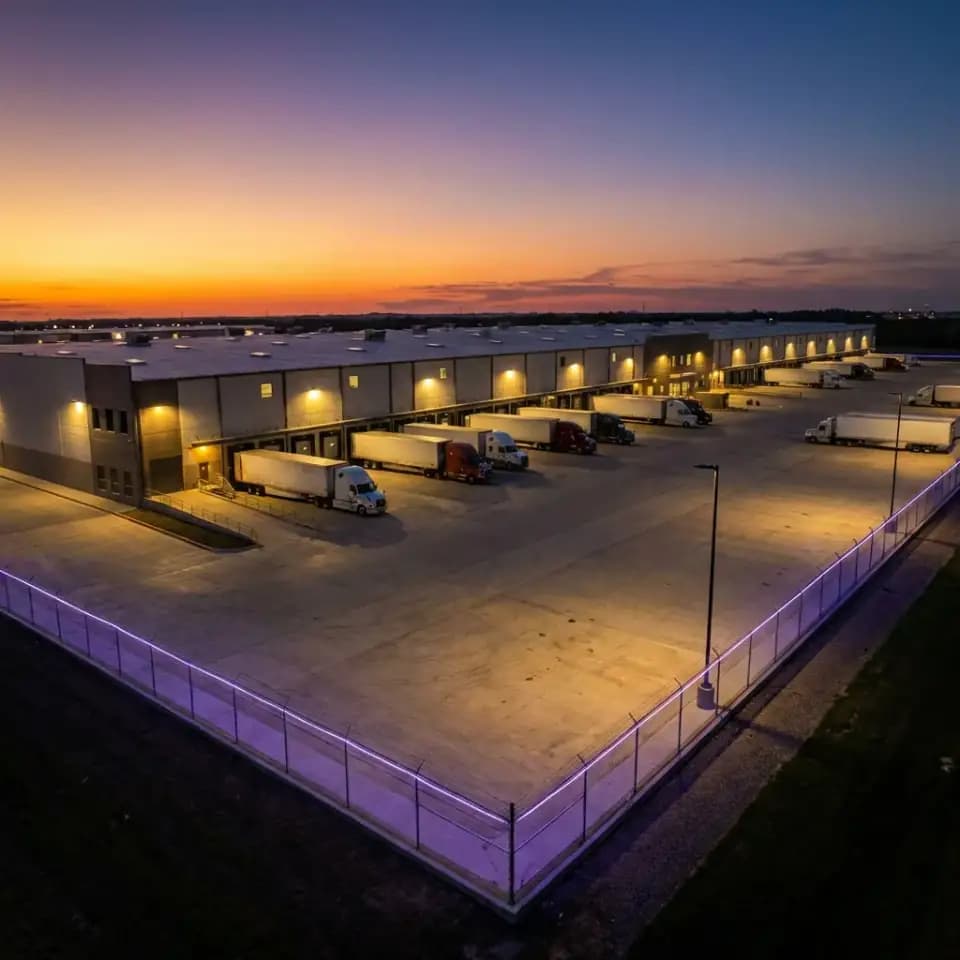
Security for logistics parks, warehouses, and high-value storage areas, meeting TAPA security standards.

Ideal for applications in Morocco

FortSense Critical Infrastructure

Critical Infrastructure

Perimeter Security Fiber Optics

Critical Infrastructure

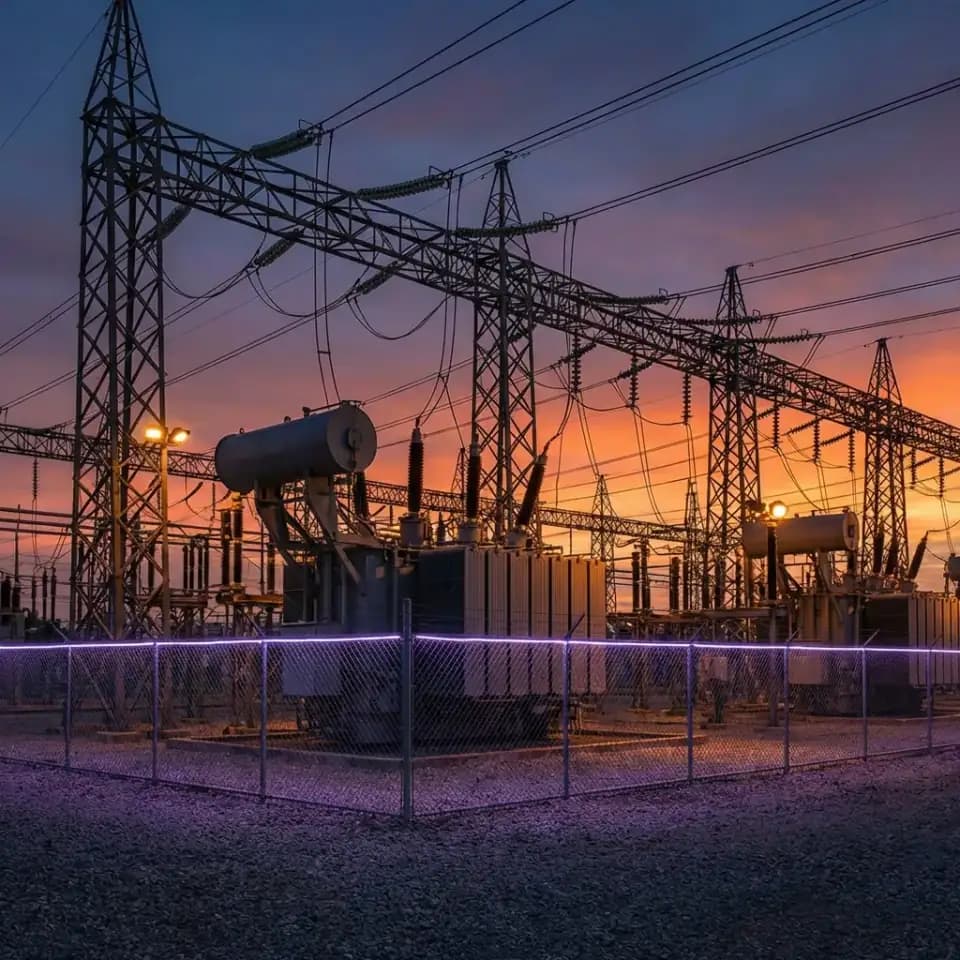
EMI-immune monitoring for electrical substations, telecom towers, and unmanned critical assets.

Ideal for applications in Morocco

FortSense Corrections & Prisons

Corrections & Prisons

Perimeter Security Fiber Optics

Corrections & Prisons

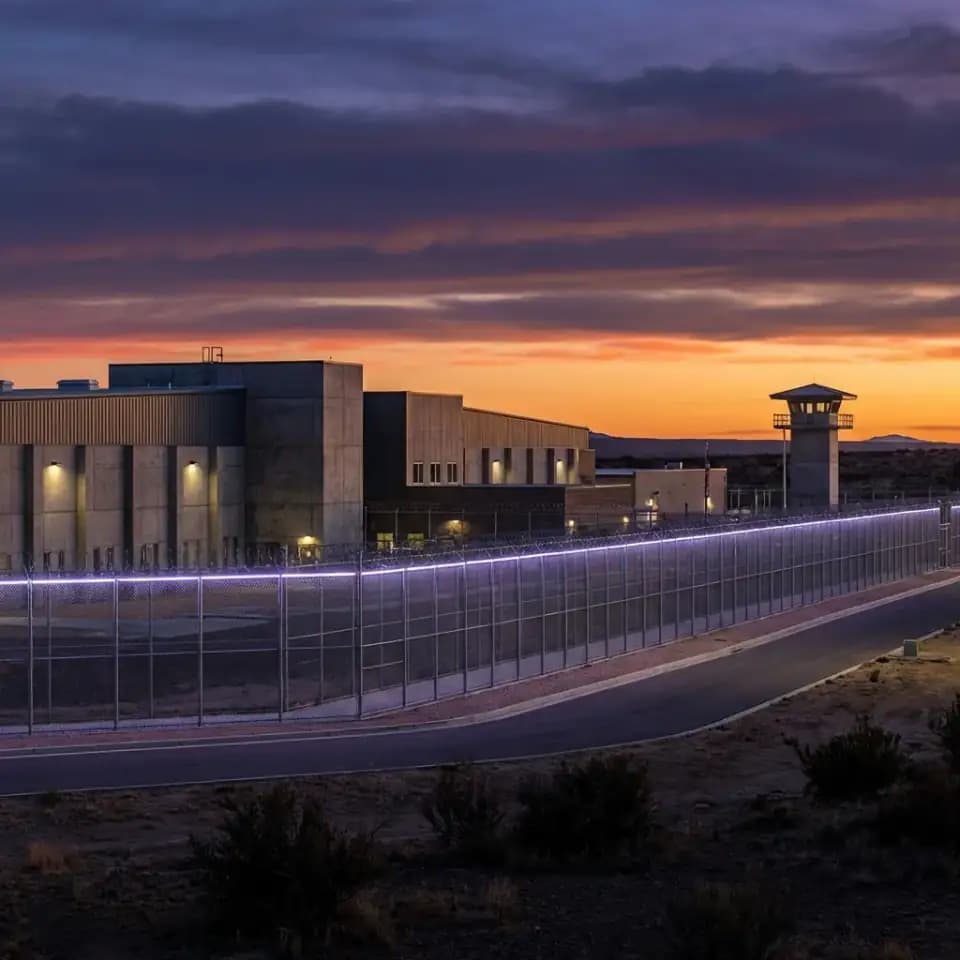
Zero-tolerance perimeter security for correctional facilities, detecting escape attempts and breaches.

Ideal for applications in Morocco

FortSense Public Sector & Schools

Public Sector & Schools

Perimeter Security Fiber Optics

Public Sector & Schools

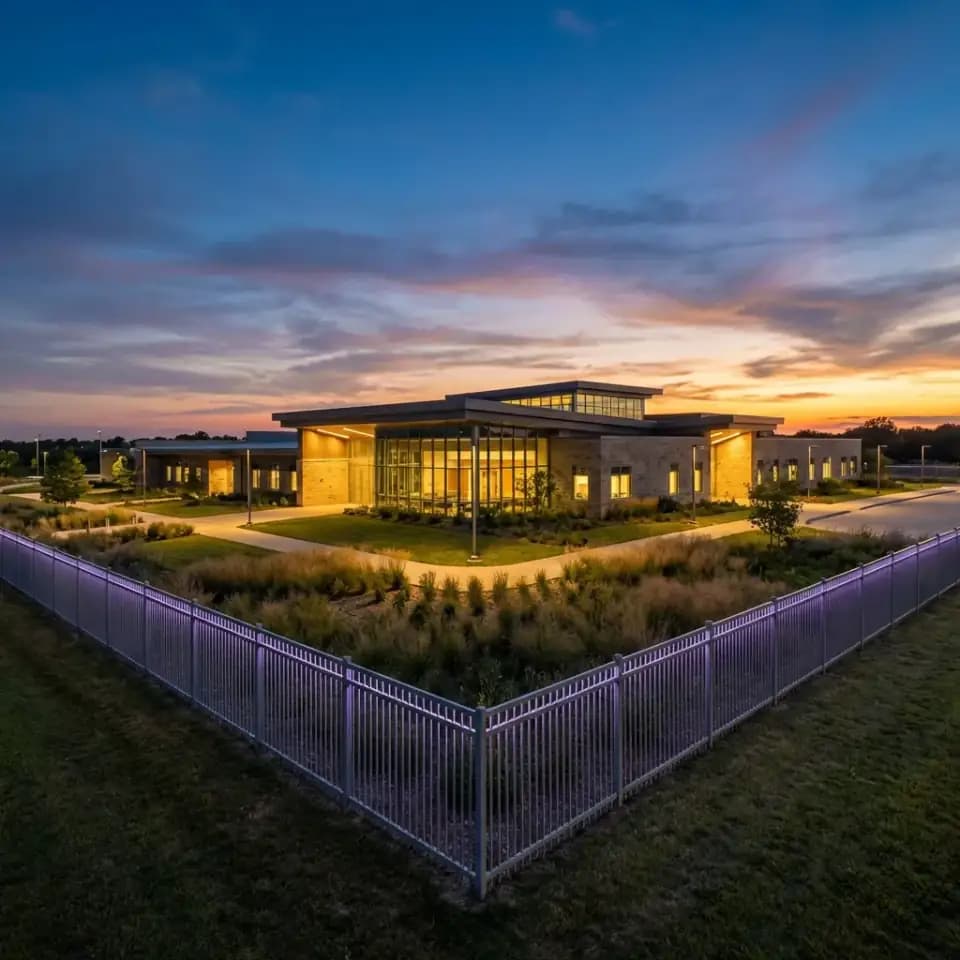
Non-invasive security for schools, government buildings, and public facilities with rapid lockdown protocols.

Ideal for applications in Morocco

FortSense Perimeter Security for Airports

Perimeter Security for Airports

Perimeter Security Fiber Optics

Perimeter Security for Airports

ICAO-compliant sterile zone enforcement with zero interference to airport radar and navigation systems.

Ideal for applications in Morocco

FortSense Mining Operations

Mining Operations

Perimeter Security Fiber Optics

Mining Operations

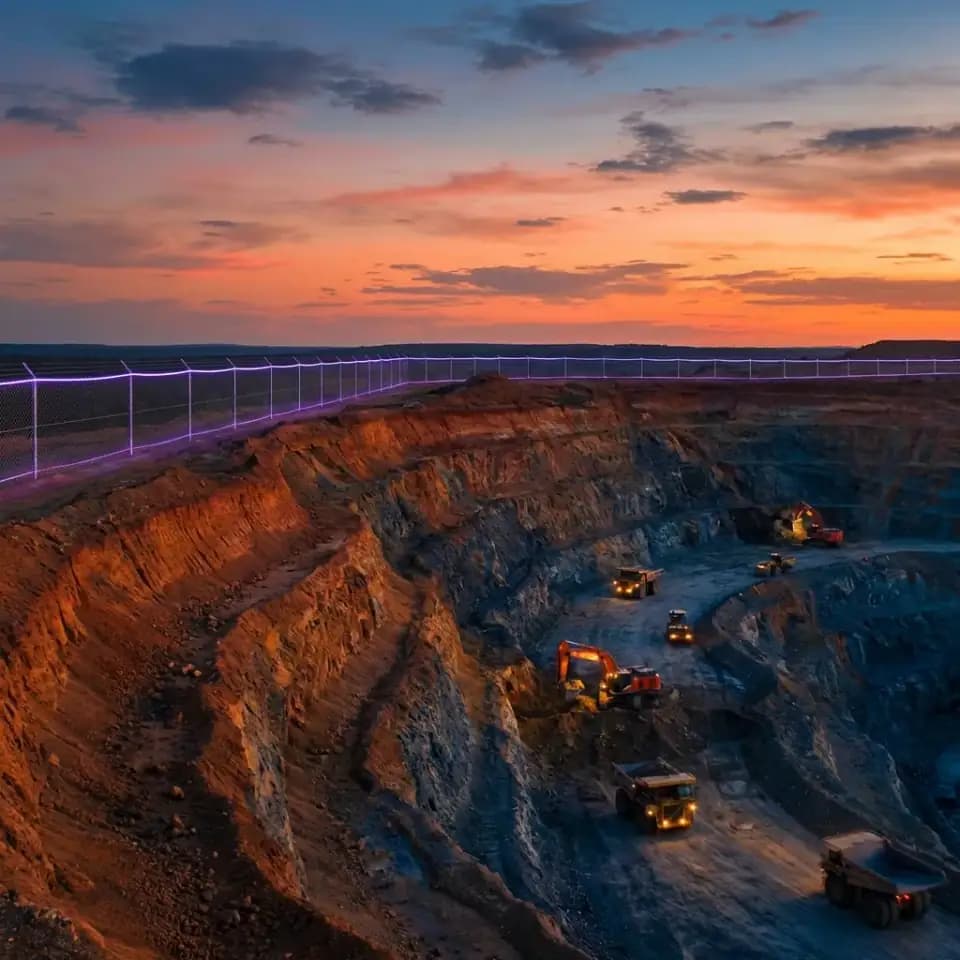
Ruggedized perimeter security for open-pit mines, ore stockpiles, and remote mining infrastructure.

Ideal for applications in Morocco

Local service overview

Perimeter Security for Tanger Med Port and Industrial Zones in Morocco

Fiber optic PIDS for protecting Africa's busiest port, world-class automotive manufacturing zones, and concentrated solar power facilities across Morocco.

Morocco has executed one of the most successful industrial development strategies in Africa, positioning itself as the continent's leading manufacturing and logistics hub at the crossroads of Europe and Africa. The Tanger Med Port Complex is the centerpiece of this transformation — Africa's largest port and the largest in the Mediterranean by capacity, handling over 7 million TEUs of container traffic annually plus vehicles, bulk cargo, and passengers.

Located just 14 kilometers from Spain across the Strait of Gibraltar, Tanger Med connects over 180 ports in 77 countries, making it one of the world's most important transshipment hubs.

The free trade zones surrounding Tanger Med — the Tanger Free Zone, Tanger Automotive City, and the Mohammed VI Tangier Tech City (a Chinese-backed industrial development) — have attracted global manufacturers. Renault's Tanger Med factory produces over 400,000 vehicles annually, making it one of the largest automobile plants in Africa. Stellantis' Kenitra plant (PSA/Peugeot) adds further automotive capacity. The Aeropolis aerospace free zone near Casablanca hosts Bombardier, Boeing, Safran, and dozens of other aerospace companies, making Morocco the leading aerospace manufacturer in Africa.

These facilities collectively employ hundreds of thousands of workers and represent billions of dollars in installed equipment.

OCP Group (Office Cherifien des Phosphates) controls the world's largest phosphate reserves, estimated at over 70% of global deposits. The company's mining operations at Khouribga and processing facilities at Jorf Lasfar produce phosphate rock, phosphoric acid, and fertilizers for global agricultural markets. The Noor-Ouarzazate Solar Complex, one of the world's largest concentrated solar power installations, generates clean energy from the edge of the Sahara Desert.

The Al Boraq high-speed rail line connecting Tangier to Casablanca, Casablanca Finance City (CFC), and the Port of Casablanca constitute additional critical infrastructure.

Tanger Med's physical footprint is vast, encompassing two terminal complexes (Tanger Med 1 and Tanger Med 2), vehicle import-export zones, bulk cargo terminals, a passenger ferry terminal linking Morocco to Spain, and the adjacent free trade zones. The container terminals, operated by APM Terminals and Eurogate, require perimeter security that accounts for both landside and seaside threat vectors. The free zones' boundaries, with their concentration of automotive, aerospace, and electronics manufacturing, contain intellectual property, finished goods, and raw materials of enormous value.

OCP's Khouribga mining operations span an extensive area of open-pit and underground phosphate extraction, with conveyor systems, processing plants, and rail connections to Jorf Lasfar port. The Noor-Ouarzazate Solar Complex occupies desert terrain east of the Atlas Mountains, with concentrating solar power (CSP) towers and parabolic trough collectors spread across square kilometers of arid landscape.

Morocco's security threats center on port-related criminal activity, industrial zone protection, and geographic risks. Tanger Med's proximity to Europe makes it a focus for illegal immigration attempts and smuggling networks seeking to move people, drugs, and contraband across the Strait of Gibraltar. Vehicle and cargo theft at port facilities, unauthorized access to free zone manufacturing areas, and factory and warehouse security are persistent operational concerns.

While Morocco's domestic terrorism risk is generally lower than regional peers — the 2011 Marrakech cafe bombing was the last major attack — cross-border threats from Algeria and Saharan smuggling routes require vigilance.

Phosphate mining operations face perimeter challenges related to their vast scale and remote location. Solar power plants in desert locations are inherently difficult to secure due to their extensive footprint and distance from population centers. Pipeline and power infrastructure protection, particularly the high-voltage transmission lines connecting the Noor solar complex to the national grid, addresses the vulnerability of linear infrastructure in sparsely populated areas.

FortSense fiber optic PIDS technology is optimally matched to Morocco's diverse infrastructure protection needs. The climate ranges from Mediterranean on the coast (mild, with moderate rainfall of 400-800mm) to semi-arid and arid in the interior and south, with Saharan influence bringing sirocco winds and summer temperatures of 35 to 45 degrees Celsius.

This diversity requires a detection technology that operates consistently across climate zones — fiber optic delivers this capability, maintaining identical sensitivity whether installed at sea-level Tanger Med in Mediterranean drizzle or at the Noor-Ouarzazate complex under extreme desert sun.

For Tanger Med, fiber optic PIDS monitors the extensive port perimeter, free zone boundaries, and vehicle storage areas with continuous detection of unauthorized access. The system's capacity to cover kilometers of perimeter from minimal processing units matches the scale of Africa's largest port complex. For OCP's phosphate operations, fiber optic protects mine perimeters, processing plants, and conveyor corridors across vast areas where conventional security systems would require impractical amounts of infrastructure.

For the Noor-Ouarzazate Solar Complex, fiber optic installed along the desert perimeter detects unauthorized approach without requiring electrical power at detection points — an elegant solution for protecting a power generation facility in a remote location.

Deployment in Morocco prioritizes Tanger Med Port Complex and associated free zones, Renault and Stellantis automotive plants, the Noor-Ouarzazate Solar Complex, OCP phosphate operations at Khouribga and Jorf Lasfar, and the Aeropolis aerospace zone. Fiber optic PIDS provides the scale, environmental versatility, and detection precision that Morocco's position as Africa's manufacturing gateway demands.

Professional perimeter protection for distribution centers, manufacturing, and critical infrastructure in Morocco.

  • ISPS-Compliant Port Perimeter
  • Container Yard & Terminal Protection
  • Solar Array & Panel Theft Prevention
  • Mega-port complexes and free trade zones

Plan a FortSense assessment for this market

Share the perimeter length, fence type, and monitoring workflow. FortSense can help scope zones, integration points, and commissioning requirements for this location.

Services

ISPS-Compliant Port Perimeter

International Ship and Port Facility Security (ISPS) compliant fiber optic perimeter detection for port boundaries, restricted zones, and maritime access points.

Container Yard & Terminal Protection

High-density container yard monitoring with zone-based intrusion detection, anti-climb sensing, and integration with port access control systems.

Solar Array & Panel Theft Prevention

Fiber optic fence detection surrounding solar farms to prevent panel theft, copper wire stripping, and vandalism across large-area installations.

Deployment patterns for local sites

How FortSense Works in Morocco

Fiber optic perimeter security adapted to local conditions and requirements.

  1. Fiber installed. Passive fiber optic cable mounts on the existing fence or wall with minimal civil work.
  2. Vibration detected. Any contact creates vibration patterns in the fiber so climbing, cutting, or lifting attempts become visible immediately.
  3. AI/DSP verification. Algorithms filter out wind, animals, and environmental noise before an operator ever sees an alarm.
  4. Alarm if intrusion. Only real threats trigger zone-based alarms that can route into the monitoring workflow already used by the site team.

Adapted for Morocco. Our local partners understand Morocco's climate, terrain, and security challenges. The fiber optic system is configured to filter local environmental conditions while maintaining maximum sensitivity to real intrusion attempts.

Integration and security software fit

FortSense can feed alarms into the monitoring stack a site already uses, including VMS, PSIM, alarm panels, relay inputs, TCP/IP workflows, and camera verification.

  • Zone-based alarms for operators and guard teams
  • Camera and VMS workflows for visual verification
  • Relay or network outputs for existing security systems
  • Software-assisted filtering before dispatch decisions

Industries in this market

Relevant FortSense industry and use-case paths connected to this location.

  • Mega-port complexes and free trade zones
  • Automotive and aerospace manufacturing facilities
  • Solar power plants and phosphate mining operations
  • Distribution Center Perimeter Security
  • Solar Farm Perimeter Security
  • Perimeter Security for Critical Infrastructure

Why FortSense fits in Perimeter Security in Morocco

FortSense is designed for perimeter security work where false-alarm reduction, passive fiber sensing, and practical integration matter more than adding another camera-only layer.

  • Passive fiber on existing fences, walls, or perimeter structures
  • AI/DSP filtering for wind, vibration, and environmental noise
  • Zone-level alerts that can match the site's response model
  • Support for design, integration, commissioning, and handover

Market notes

Practical details that help this page stay specific to the market instead of drifting into generic copy.

  • Mega-port complexes and free trade zones
  • Automotive and aerospace manufacturing facilities
  • Solar power plants and phosphate mining operations
  • ISPS-Compliant Port Perimeter

Related FortSense paths

Related technical content and commercial guidance linked from this location page.

Frequently Asked Questions (FAQ)

Frequently Asked Questions (FAQ) — Morocco

How does the system integrate with port access control?

FortSense integrates with TWIC-based access control, vehicle weigh-in-motion systems, and port community systems via standard protocols. Perimeter alarms can automatically lockdown nearby gates and trigger credential verification procedures.

What about securing long perimeters around container storage yards?

A single FortSense interrogator covers up to 80 km of fiber — more than enough for even the largest container terminals. Zone-based detection pinpoints breach locations within ±5 meters, enabling targeted response in dense container environments.

Is the system resistant to salt spray and marine environments?

Yes. Our fiber sensor cable uses marine-grade jacketing rated for coastal and marine environments. The passive fiber optic sensor is inherently immune to corrosion, salt spray, and moisture — unlike metallic electronic sensors that degrade rapidly in port environments.

How is copper cable theft from solar substations addressed?

The fiber cable installed on substation fencing detects cutting and climbing attempts specifically targeting copper infrastructure. Zone-based alarms prioritize substation zones for fastest response times, as copper theft can cause extended generation outages.

How does the system perform in Mediterranean climate with dry summers?

Mediterranean climates are ideal for FortSense — moderate temperatures, low humidity in summer, and mild winters. The system operates well year-round with minimal environmental filtering needed, resulting in exceptionally low false alarm rates.

Local perimeter assessment

Request Perimeter Assessment in Morocco

Receive a technical proposal, deployment design, and integration plan.

Perimeter Security for Tanger Med Port and Industrial Zones…