
Local service overview
Automotive Perimeter Security in Puebla
FortSense® protects the Volkswagen and Audi plants, industrial parks and PEMEX pipelines against huachicoleo in Puebla with fiber optics.
Puebla is a giant of Mexican automotive manufacturing with US$22. 66 billion in annual exports, dominated by finished vehicles (US$12. 19 billion) and auto parts (US$2. 81 billion), positioning it as the country's second largest automotive exporting state. The Volkswagen Puebla plant is a historic industrial landmark — it produced the iconic VW Beetle for decades (the last Sedán rolled off the line on July 30, 2003, marking the end of an era that produced over 1.
7 million units in Mexico) and now manufactures the Tiguan, Taos and Jetta for North American and global markets, with annual production capacity exceeding 450,000 vehicles, over 15,000 direct employees, and an industrial complex spanning more than 300 hectares with its own water treatment plant, electrical substation and dedicated rail line. The Audi México plant in San José Chiapa, inaugurated in September 2016, produces the Q5 SUV representing an investment of EUR 1.
3 billion — the only Audi factory in the Americas and one of the most technologically advanced in the Volkswagen AG group worldwide, with highly automated manufacturing processes, state-of-the-art welding robots and German premium quality standards.
The manufacturing sector contributes over 25% of state GDP. Machinery, metal products and industrial equipment represent 42% of industrial production value, followed by food processing (24. 7%) and textiles (15. 4%). Puebla is a crucial automotive supply hub with world-leading companies: Continental AG (electronic systems, ABS brakes and sensors), Draexlmaier (wiring harnesses for premium vehicles), Yanfeng (interiors and door panels), Lear Corporation (seats and electrical systems), Faurecia/Forvia (exhaust, emissions and interior systems), Brose (seat mechanisms, window regulators and doors), Johnson Controls (batteries and electronics), Hella (lighting), ZF Friedrichshafen (transmissions and steering systems) and Magna International operate dedicated plants supplying VW and Audi production lines with just-in-time deliveries.
The state counts 8 AMPIP-registered industrial parks, including Puebla 2000, FINSA Puebla, Chachapa, Xilotzingo and the Parque Industrial 5 de Mayo. An 867-km active rail network operated by Ferromex and Ferrosur, and 10,242 km of paved roads including the Mexico-Puebla highway (one of the busiest in the country with over 80,000 daily vehicles) support the automotive supply chain.
Beyond automotive, Puebla has a robust food and beverage industry. Grupo Bimbo operates one of its largest plants, Sigma Alimentos (Alfa group), Alpura, Nestlé, GEPP (Pepsi bottler), Bachoco and Lala maintain production facilities. The textile and apparel industry, with roots dating to the colonial era, employs tens of thousands of workers in Tehuacán ("denim capital" for its concentration of jeans maquilas), Teziutlán and the Puebla metropolitan area.
The Heroica Puebla de Zaragoza, with its UNESCO World Heritage historic center, internationally renowned gastronomy (mole poblano, chiles en nogada, cemitas) and Talavera architecture, attracts over 8 million annual visitors. Cholula, with its pyramid (the largest in the world by volume), complements the tourism offer.
Security challenges are significant and multifaceted. Huachicoleo in the Puebla-Tlaxcala PEMEX pipeline corridor is a severe problem — the Tlahuelilpan explosion in neighboring Hidalgo in January 2019, which killed 137 people, illustrated the deadly risks of this criminal activity, and the so-called "red triangle" of Puebla (municipalities of Tepeaca, Quecholac, Palmar de Bravo, Tecamachalco and Acatzingo) concentrates one of the country's highest densities of clandestine taps with hundreds of perforations detected annually.
Cargo theft on the Puebla-Mexico City, Puebla-Veracruz and Puebla-Oaxaca highways (with annual losses estimated in the hundreds of millions of pesos), theft of auto parts and finished vehicles from factory lots, extortion of merchants and business owners, documented kidnappings per the US State Department, and the presence of CJNG cells and local groups form the threat landscape.
The highland climate at 2,135 meters presents elevated seismic risk (the September 19, 2017 M7.1 earthquake caused over 40 building collapses and dozens of fatalities in the state capital), volcanic ash fall from the active Popocatépetl (just 43 km from the city, with over 800 documented annual ash and gas emissions that close the airport, affect air quality and deposit abrasive material on exposed machinery), severe hailstorms during the rainy season damaging industrial roofs and vehicles in lots, and winter frosts affecting crops and potentially freezing hydraulic systems on the Puebla plateau.
FortSense protects Puebla's world-class automotive assets with perimeter detection technology proven in the most demanding conditions. The Volkswagen and Audi complexes require continuous perimeter monitoring of installations spanning hundreds of hectares, protecting Kuka and Fanuc robots worth millions of euros, irreplaceable proprietary stamping tooling and molds, and just-in-time components stored in yards whose theft would halt entire production lines with losses exceeding US$1 million per hour of downtime.
PEMEX pipelines in the red triangle need anti-huachicoleo detection that localizes drilling vibrations with metric precision before environmental spills or fatal explosions occur. Tier 1 supplier industrial parks require protection of certified components whose traceability is critical to the supply chain.
Fiber optics operate without degradation during volcanic ash events that blind CCTV cameras and block optical sensors, earthquakes that misalign infrared and microwave barriers, and hailstorms that destroy exposed equipment — providing the only truly resilient perimeter detection solution for Mexico's most seismically and volcanically active zone.
Professional perimeter protection for distribution centers, manufacturing, and critical infrastructure in Puebla.
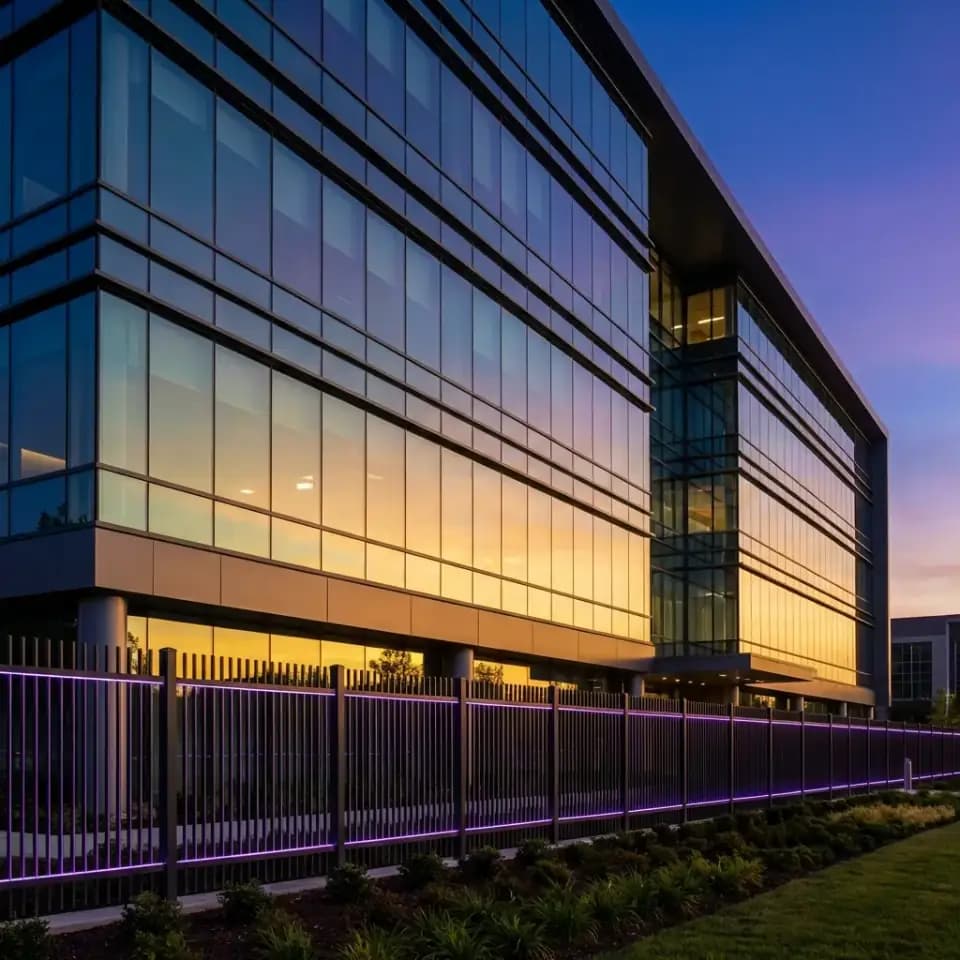
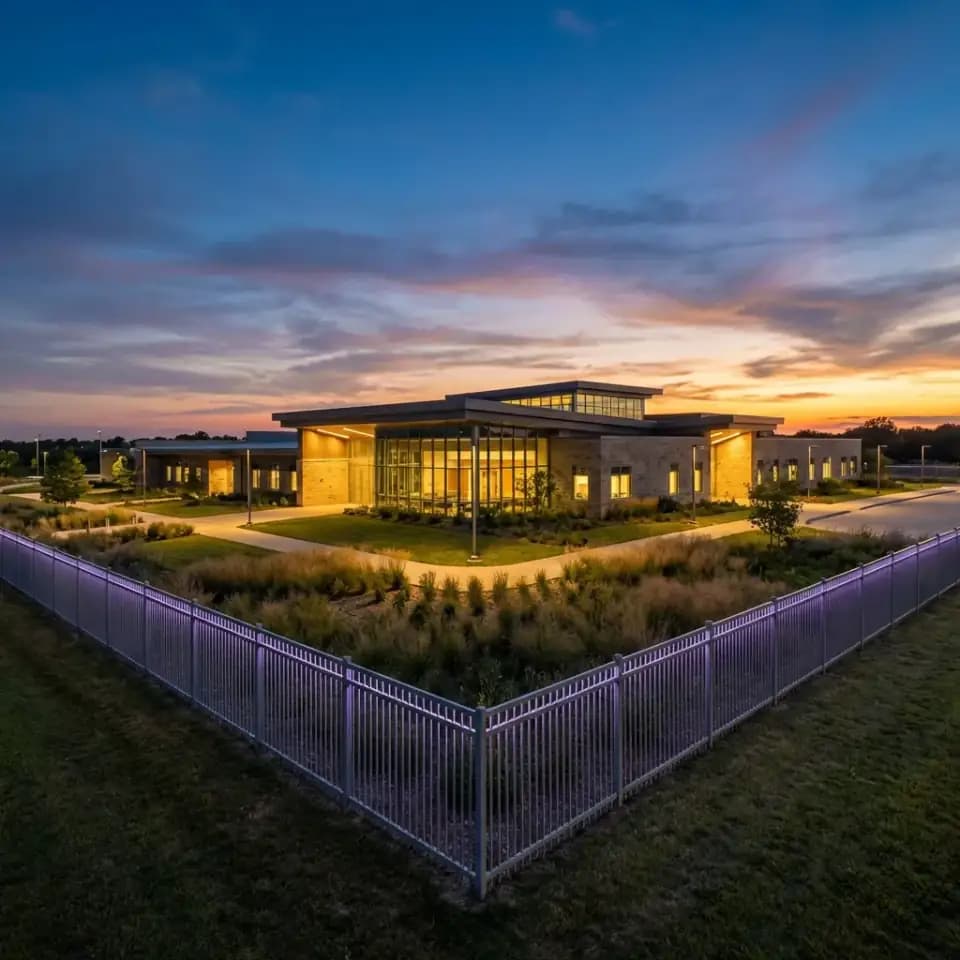
- Factory & Industrial Park Perimeter
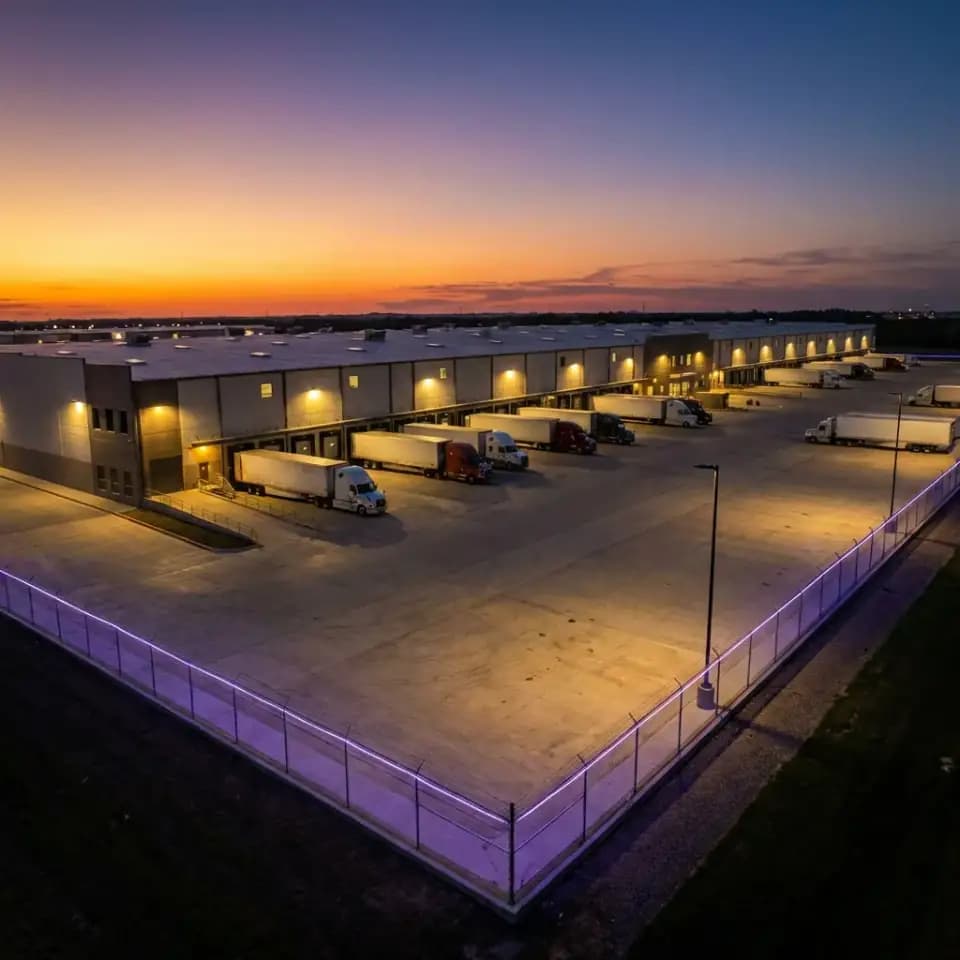
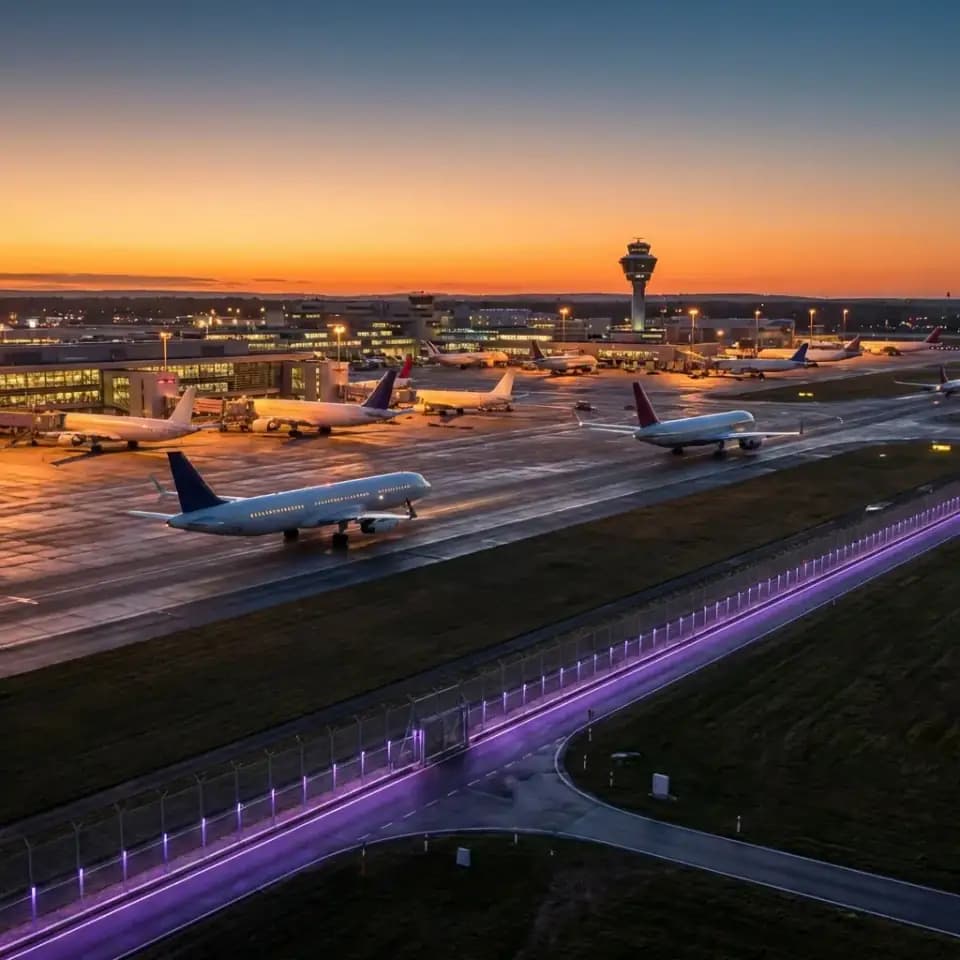
- Warehouse Complex & Distribution Center
- Yard & Loading Dock Security (TAPA FSR)
- German Automotive Assembly Plant in Puebla — The Largest Outside Europe
Plan a FortSense assessment for this market
Share the perimeter length, fence type, and monitoring workflow. FortSense can help scope zones, integration points, and commissioning requirements for this location.
Services
Factory & Industrial Park Perimeter
Shift-aware perimeter detection for factories and industrial parks with automatic sensitivity adjustment between production hours and quiet periods.
Warehouse Complex & Distribution Center
Multi-zone fiber optic fencing for warehouse complexes and distribution centers with integration to inventory management and access control systems.
Yard & Loading Dock Security (TAPA FSR)
TAPA FSR-compliant perimeter detection for logistics yards, loading docks, and cross-dock facilities with vehicle and pedestrian discrimination.
Deployment patterns for local sites
How FortSense Works in Puebla
Fiber optic perimeter security adapted to local conditions and requirements.
- Fiber installed. Passive fiber optic cable mounts on the existing fence or wall with minimal civil work.
- Vibration detected. Any contact creates vibration patterns in the fiber so climbing, cutting, or lifting attempts become visible immediately.
- AI/DSP verification. Algorithms filter out wind, animals, and environmental noise before an operator ever sees an alarm.
- Alarm if intrusion. Only real threats trigger zone-based alarms that can route into the monitoring workflow already used by the site team.
Adapted for Puebla. Our local partners understand Puebla's climate, terrain, and security challenges. The fiber optic system is configured to filter local environmental conditions while maintaining maximum sensitivity to real intrusion attempts.
Integration and security software fit
FortSense can feed alarms into the monitoring stack a site already uses, including VMS, PSIM, alarm panels, relay inputs, TCP/IP workflows, and camera verification.
- Zone-based alarms for operators and guard teams
- Camera and VMS workflows for visual verification
- Relay or network outputs for existing security systems
- Software-assisted filtering before dispatch decisions
Industries in this market
Relevant FortSense industry and use-case paths connected to this location.
- German Automotive Assembly Plant in Puebla — The Largest Outside Europe
- Premium Automotive Manufacturing Plant in San José Chiapa
- Puebla-Tlaxcala Fuel Pipeline Corridors — Anti-Huachicoleo Protection
- Distribution Center Perimeter Security
- Solar Farm Perimeter Security
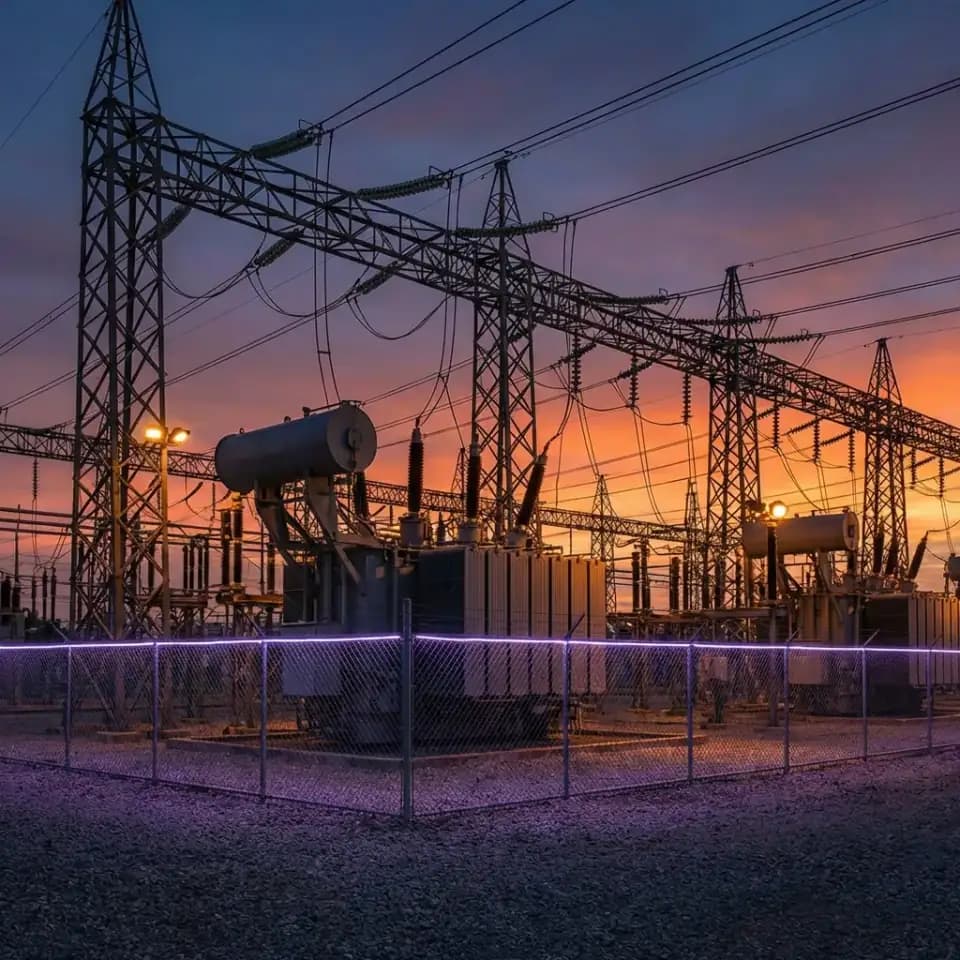
- Perimeter Security for Critical Infrastructure
Why FortSense fits in Perimeter Security in Puebla
FortSense is designed for perimeter security work where false-alarm reduction, passive fiber sensing, and practical integration matter more than adding another camera-only layer.
- Passive fiber on existing fences, walls, or perimeter structures
- AI/DSP filtering for wind, vibration, and environmental noise
- Zone-level alerts that can match the site's response model
- Support for design, integration, commissioning, and handover
Market notes
Practical details that help this page stay specific to the market instead of drifting into generic copy.
- German Automotive Assembly Plant in Puebla — The Largest Outside Europe
- Premium Automotive Manufacturing Plant in San José Chiapa
- Puebla-Tlaxcala Fuel Pipeline Corridors — Anti-Huachicoleo Protection
- Factory & Industrial Park Perimeter
Related FortSense paths
Related technical content and commercial guidance linked from this location page.


