
Local service overview
Critical Infrastructure Perimeter Security in Mexico City
FortSense protects critical government infrastructure, data centers, petroleum terminals and industrial corridors in Mexico City with fiber optic PIDS systems.
Mexico City is the national capital and Mexico's political, financial and cultural center, generating approximately 17% of national GDP. With a metropolitan population exceeding 21 million, it is one of the world's largest megacities and concentrates the country's highest density of critical infrastructure.
The economy is dominated by financial services (home of the Mexican Stock Exchange, BIVA, Banxico and over 50 banking institutions), the federal government (employing hundreds of thousands of civil servants), wholesale and retail trade, telecommunications (headquarters of América Móvil/Telmex, Televisa-Univision and TV Azteca), light manufacturing, and Mexico's largest creative and technology industry including fintech startups such as Bitso, Clip and Konfío.
CDMX's critical infrastructure includes the headquarters of Mexico's main financial institutions — Banxico (Bank of Mexico), the Mexican Stock Exchange, BIVA and the corporate offices of banks such as BBVA México, Citibanamex, Santander and Banorte. Data centers processing national financial transactions represent extremely high-value assets requiring military-grade perimeter security. KIO Networks, Equinix and Telmex operate colocation facilities hosting government and private sector servers.
The PEMEX Storage and Distribution Terminal in Azcapotzalco is a critical petroleum facility within the metropolitan area, connected to the national pipeline network. CFE electrical substations powering the capital, Cutzamala water treatment plants and the Metro network (12 lines, 195 stations) constitute vital infrastructure requiring continuous protection.
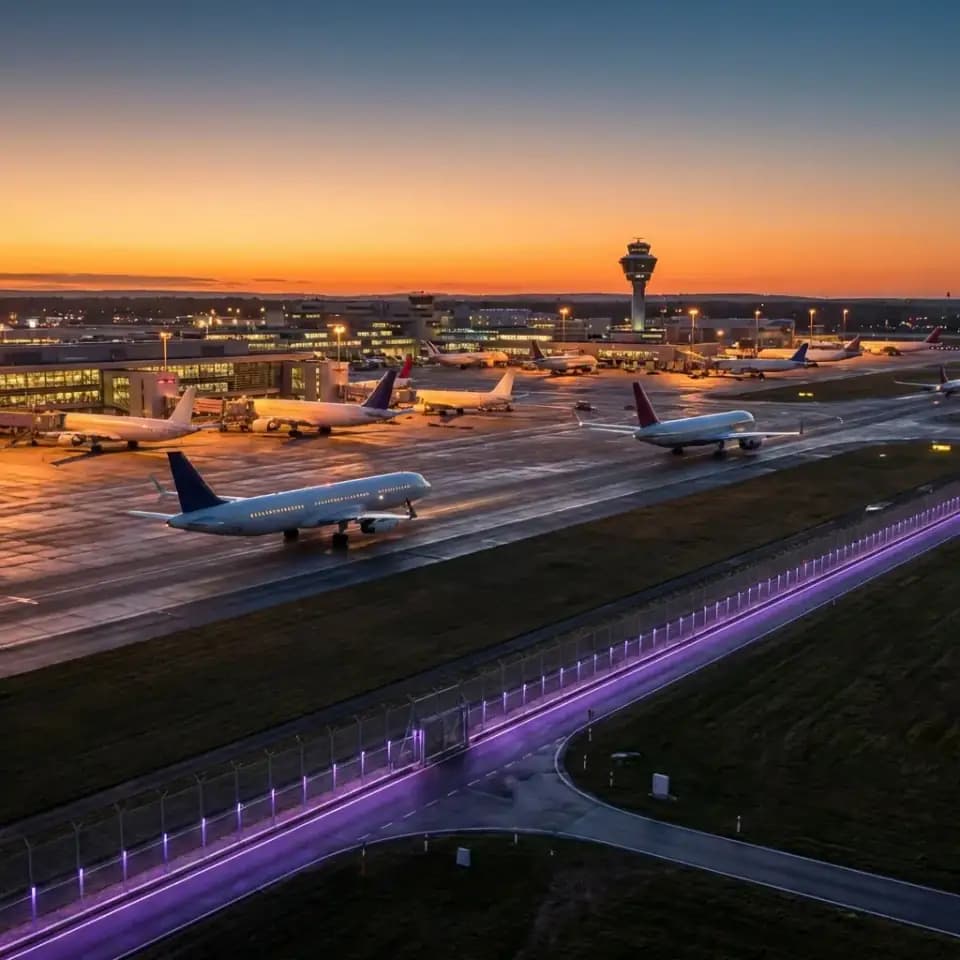
The Vallejo-Azcapotzalco industrial zone, Iztapalapa and Tláhuac industrial parks, and the Central de Abastos logistics centers — the world's largest wholesale market at over 327 hectares — represent economic nodes managing the food supply for millions. Benito Juárez International Airport (AICM), still Mexico's busiest with over 50 million passengers annually, requires comprehensive perimeter security.
Security challenges in CDMX include widespread urban crime, cargo theft on roads and highways, copper and cable theft from electrical and telecommunications infrastructure, vandalism and sabotage of the Metro system (including the Line 12 fire incident in 2021), land invasion of peripheral industrial zones, extortion of businesses in markets and commercial areas, and cyber threats to data centers. Petty theft at cargo terminals and the Central de Abastos generates millions in annual losses.
Mexico City's climate is high-altitude temperate (2,240 meters above sea level), with torrential rains during the June–October season causing flooding in low-lying areas such as Iztapalapa and Ecatepec. Seismic activity is a permanent threat — the 1985 and 2017 earthquakes caused catastrophic infrastructure damage. Differential ground subsidence from aquifer over-exploitation affects underground pipelines and foundations. Air pollution and thermal inversions add stress to outdoor electronic equipment.
FortSense fiber optic PIDS systems are the optimal solution for CDMX's dense urban infrastructure. In data centers, fiber optics generate no electromagnetic interference that could affect sensitive servers — a critical requirement that disqualifies many conventional detection technologies. For protecting PEMEX pipelines traversing densely populated urban zones, the system detects clandestine perforations by distinguishing them from the constant vibratory noise of vehicle traffic and the Metro.
The seismic immunity of fiber optics guarantees continuous operation during and after earthquakes that would disable pole-mounted sensors and cameras.
Deployment scenarios span the full spectrum of megacity critical infrastructure. KIO Networks, Equinix and Telmex data centers require compact perimeters with maximum security where fiber optics generate no server interference. PEMEX petroleum storage terminals in Azcapotzalco need anti-sabotage protection and clandestine perforation detection in densely populated neighborhoods. Federal government installations — including SEDENA, SEMAR, the Palacio Nacional and foreign embassies in Polanco, Lomas de Chapultepec and Cuauhtémoc — demand discreet diplomatic-grade perimeter protection.
The Central de Abastos, with 327 hectares of wholesale markets where over 30,000 tons of food are traded daily, requires large-scale perimeter surveillance. CFE electrical substations throughout the 16 boroughs, Benito Juárez International Airport, and PEMEX and natural gas underground pipeline corridors crossing dense urban zones — where any clandestine tap represents catastrophic explosion risk — complete a portfolio of critical applications where FortSense fiber optics provide reliable, silent detection immune to the seismic activity, differential subsidence and contamination that define the Mexican capital.
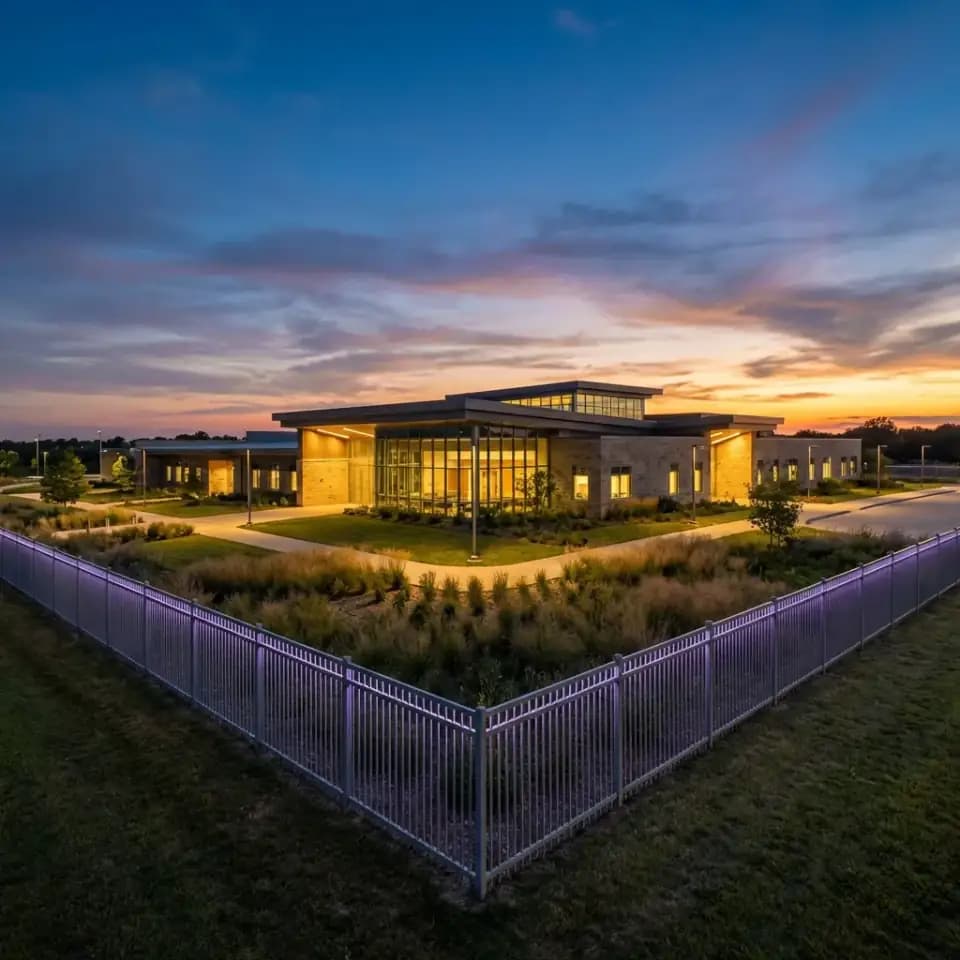
Professional perimeter protection for distribution centers, manufacturing, and critical infrastructure in Mexico City.
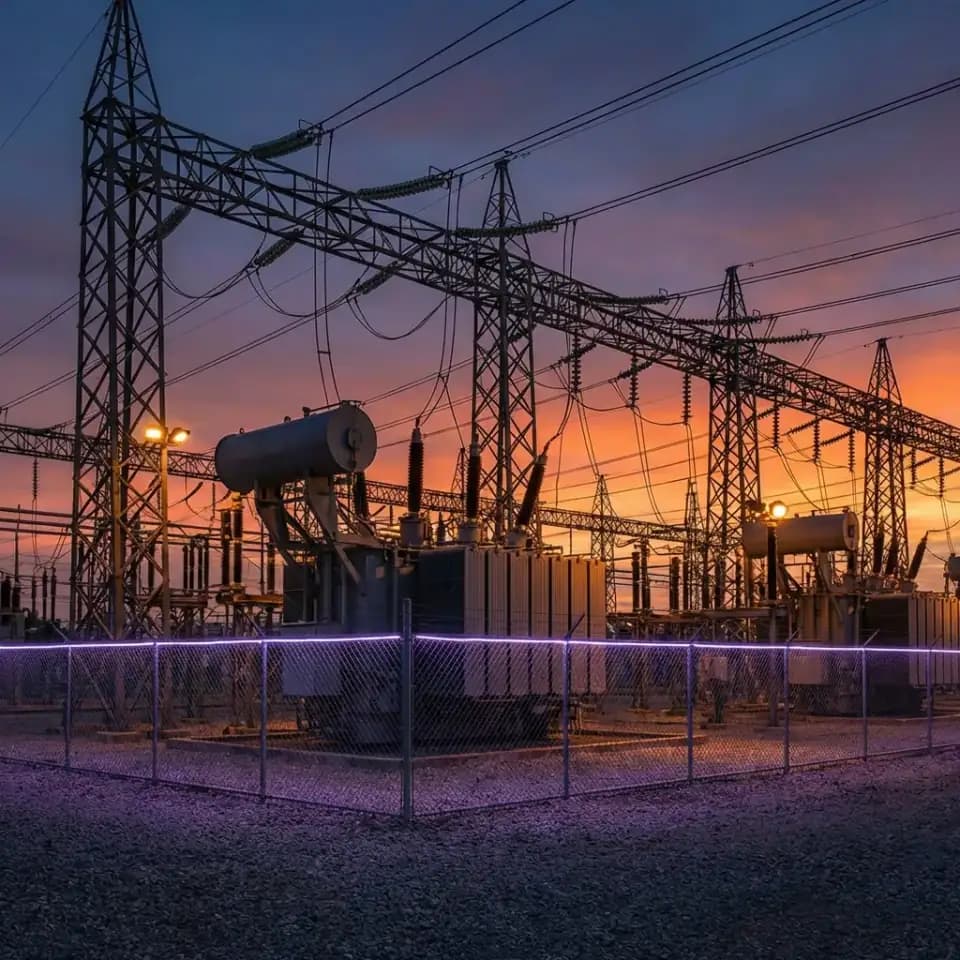
- Water Treatment & Utility Plant Perimeter
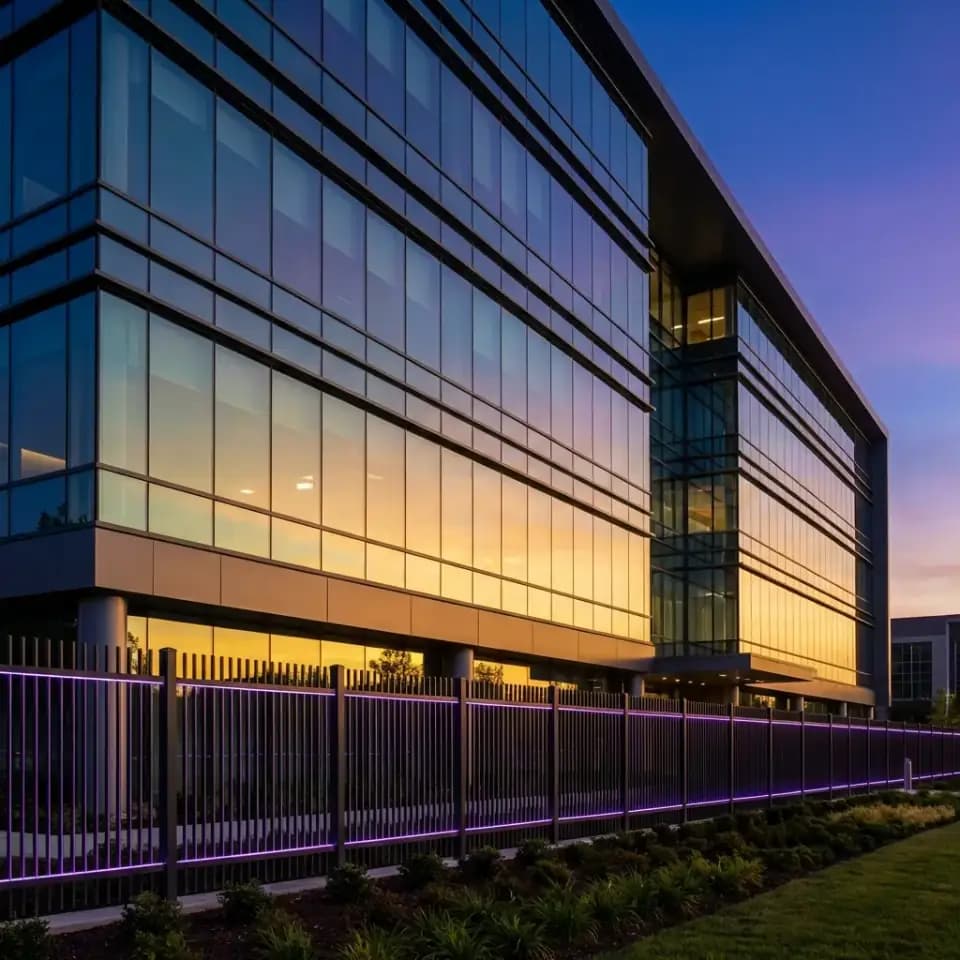
- Data Center & Telecom Tower Fencing
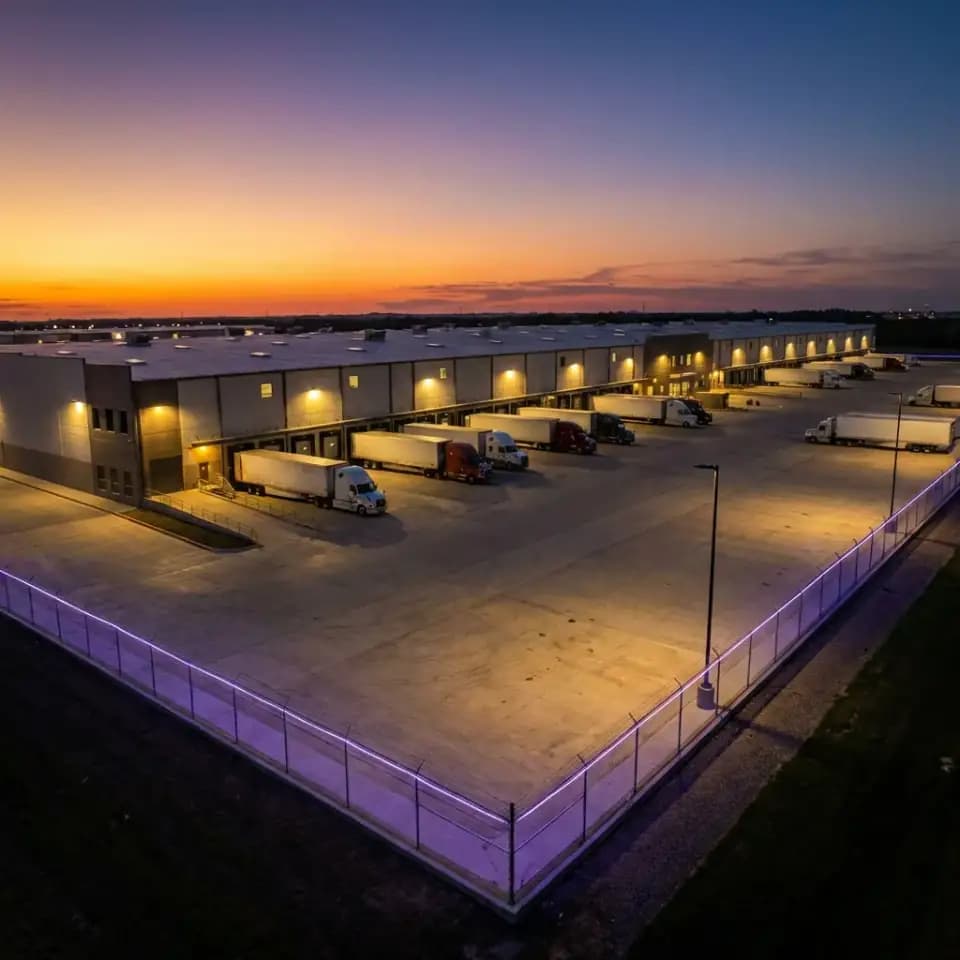
- Cold Storage & Warehouse Perimeter
- Data Centers and Server Colocation in Querétaro-CDMX
Plan a FortSense assessment for this market
Share the perimeter length, fence type, and monitoring workflow. FortSense can help scope zones, integration points, and commissioning requirements for this location.
Services
Water Treatment & Utility Plant Perimeter
Securing water treatment facilities, pumping stations, and utility plants against contamination threats and unauthorized access with SCADA-integrated alarms.
Data Center & Telecom Tower Fencing
High-security perimeter detection for data centers, telecom towers, and communication hubs with redundant fiber paths and no single point of failure.
Cold Storage & Warehouse Perimeter
All-weather fiber optic fencing for cold storage facilities (-40°C rated), distribution warehouses, and fulfillment centers with zone-based alarm priority.
Deployment patterns for local sites
How FortSense Works in Mexico City
Fiber optic perimeter security adapted to local conditions and requirements.
- Fiber installed. Passive fiber optic cable mounts on the existing fence or wall with minimal civil work.
- Vibration detected. Any contact creates vibration patterns in the fiber so climbing, cutting, or lifting attempts become visible immediately.
- AI/DSP verification. Algorithms filter out wind, animals, and environmental noise before an operator ever sees an alarm.
- Alarm if intrusion. Only real threats trigger zone-based alarms that can route into the monitoring workflow already used by the site team.
Adapted for Mexico City. Our local partners understand Mexico City's climate, terrain, and security challenges. The fiber optic system is configured to filter local environmental conditions while maintaining maximum sensitivity to real intrusion attempts.
Integration and security software fit
FortSense can feed alarms into the monitoring stack a site already uses, including VMS, PSIM, alarm panels, relay inputs, TCP/IP workflows, and camera verification.
- Zone-based alarms for operators and guard teams
- Camera and VMS workflows for visual verification
- Relay or network outputs for existing security systems
- Software-assisted filtering before dispatch decisions
Industries in this market
Relevant FortSense industry and use-case paths connected to this location.
- Data Centers and Server Colocation in Querétaro-CDMX
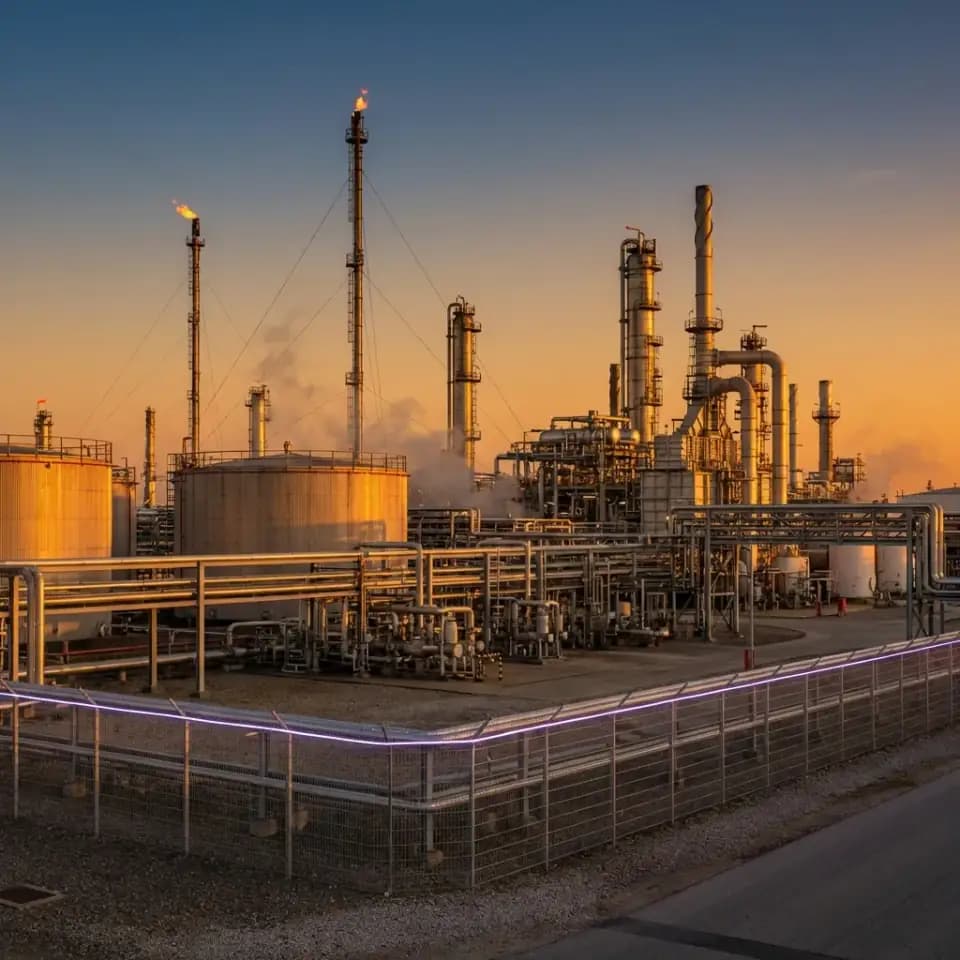
- Fuel Storage and Distribution Terminal in Azcapotzalco
- Federal Government Facilities and Embassies in the Historic Center
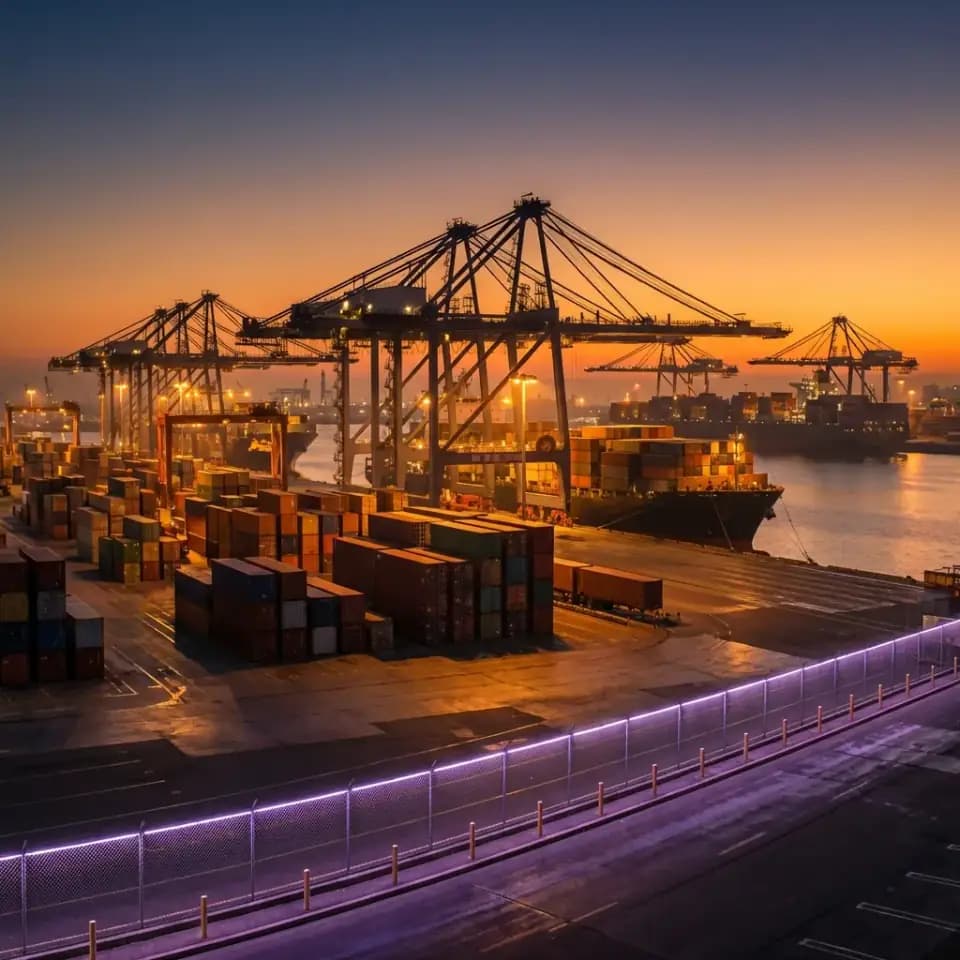
- Distribution Center Perimeter Security
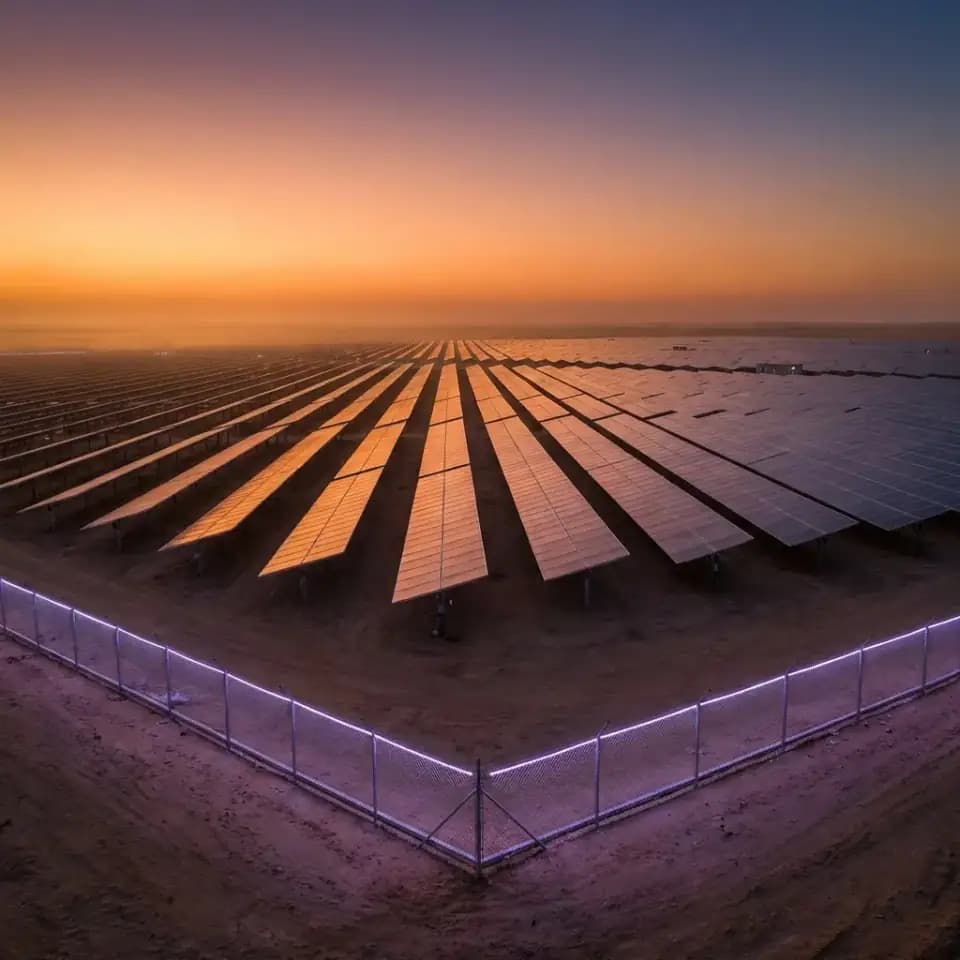
- Solar Farm Perimeter Security
- Perimeter Security for Critical Infrastructure
Why FortSense fits in Perimeter Security in Mexico City
FortSense is designed for perimeter security work where false-alarm reduction, passive fiber sensing, and practical integration matter more than adding another camera-only layer.
- Passive fiber on existing fences, walls, or perimeter structures
- AI/DSP filtering for wind, vibration, and environmental noise
- Zone-level alerts that can match the site's response model
- Support for design, integration, commissioning, and handover
Market notes
Practical details that help this page stay specific to the market instead of drifting into generic copy.
- Data Centers and Server Colocation in Querétaro-CDMX
- Fuel Storage and Distribution Terminal in Azcapotzalco
- Federal Government Facilities and Embassies in the Historic Center
- Water Treatment & Utility Plant Perimeter
Related FortSense paths
Related technical content and commercial guidance linked from this location page.