


Fiber Optic Perimeter Security in Colorado: Energy & Defense Space Command Perimeter Security in Colorado

Securing Weld County's 20,000+ Oil Wells, NORAD's Cheyenne Mountain Complex, and the Front Range Aerospace Corridor

Applications

Perimeter Security Fiber Optics Ideal for Applications in Colorado

FortSense Solar & Renewables

Solar & Renewables

Perimeter Security Fiber Optics

Solar & Renewables

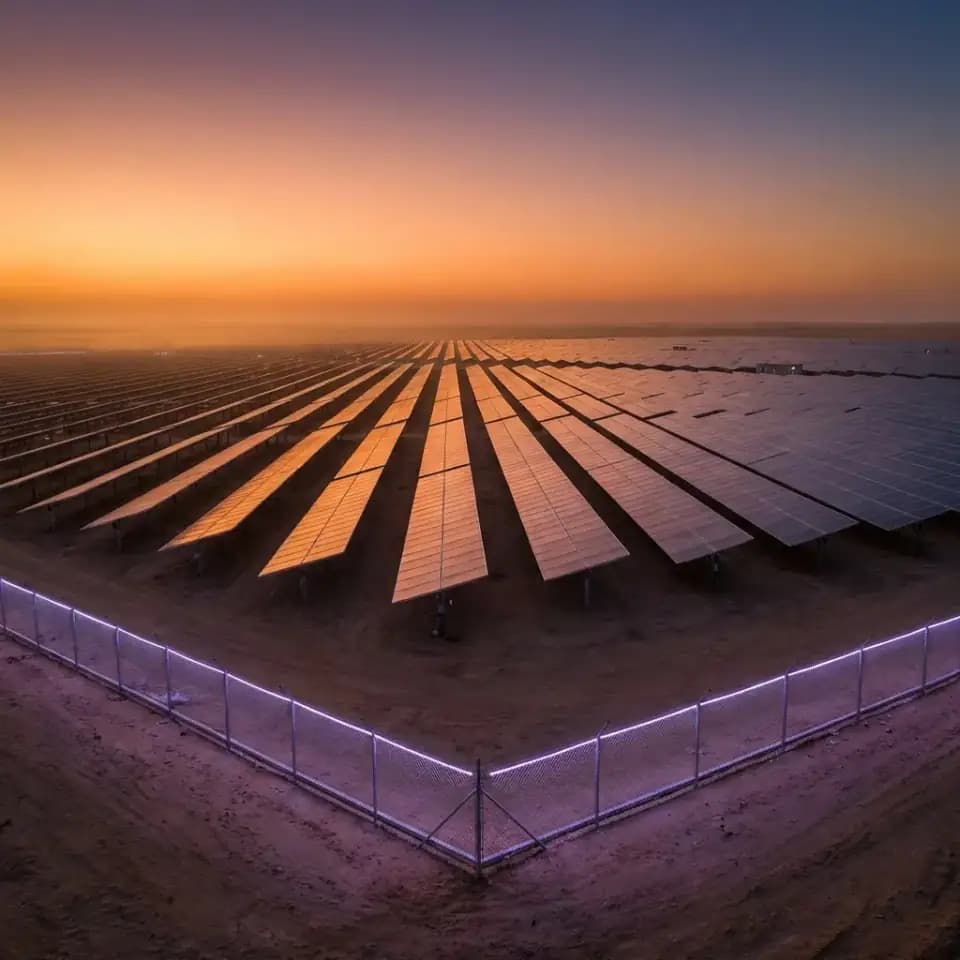
Autonomous perimeter monitoring for solar plants, protecting against theft of panels, copper cables, and inverters.

Ideal for applications in Colorado

FortSense Oil & Gas

Oil & Gas

Perimeter Security Fiber Optics

Oil & Gas

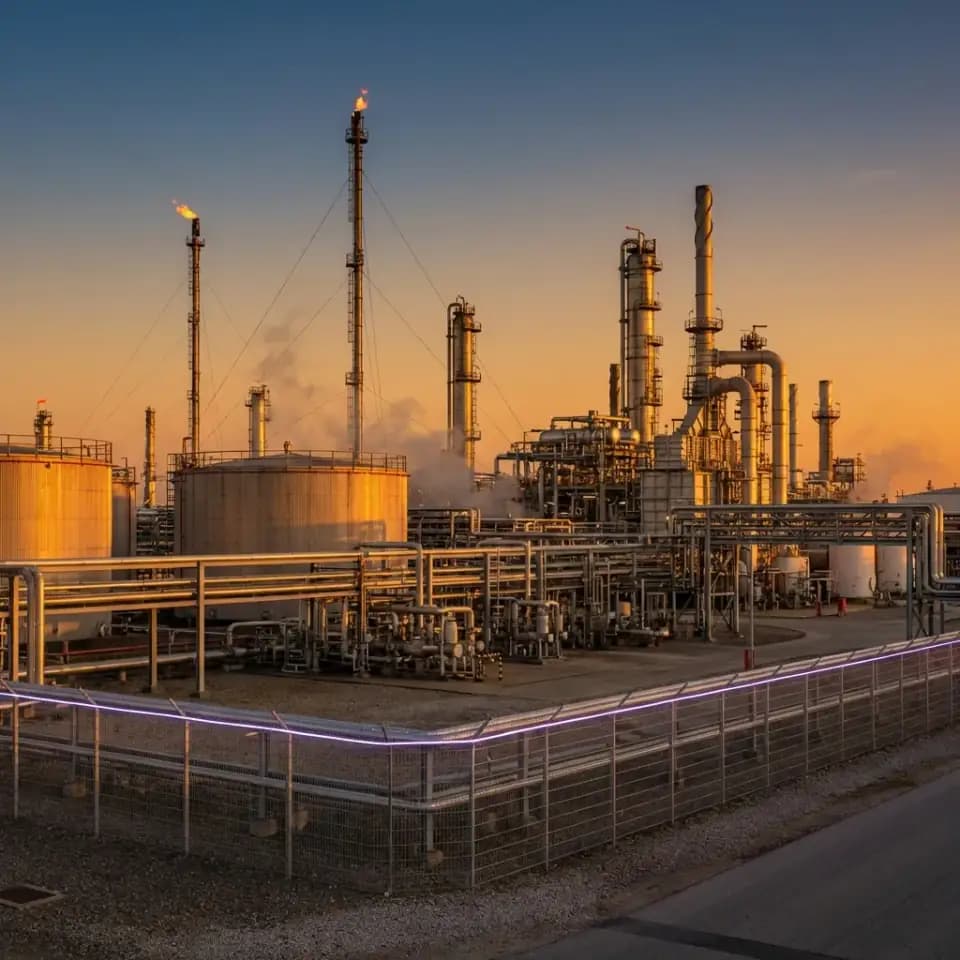
Intrinsically safe perimeter detection for refineries, chemical plants, and fuel storage depots.

Ideal for applications in Colorado

FortSense Ports & Maritime

Ports & Maritime

Perimeter Security Fiber Optics

Ports & Maritime

ISPS-compliant security for cargo containers, fuel depots, and docked vessels in harsh marine environments.

Ideal for applications in Colorado

FortSense Agriculture

Agriculture

Perimeter Security Fiber Optics

Agriculture

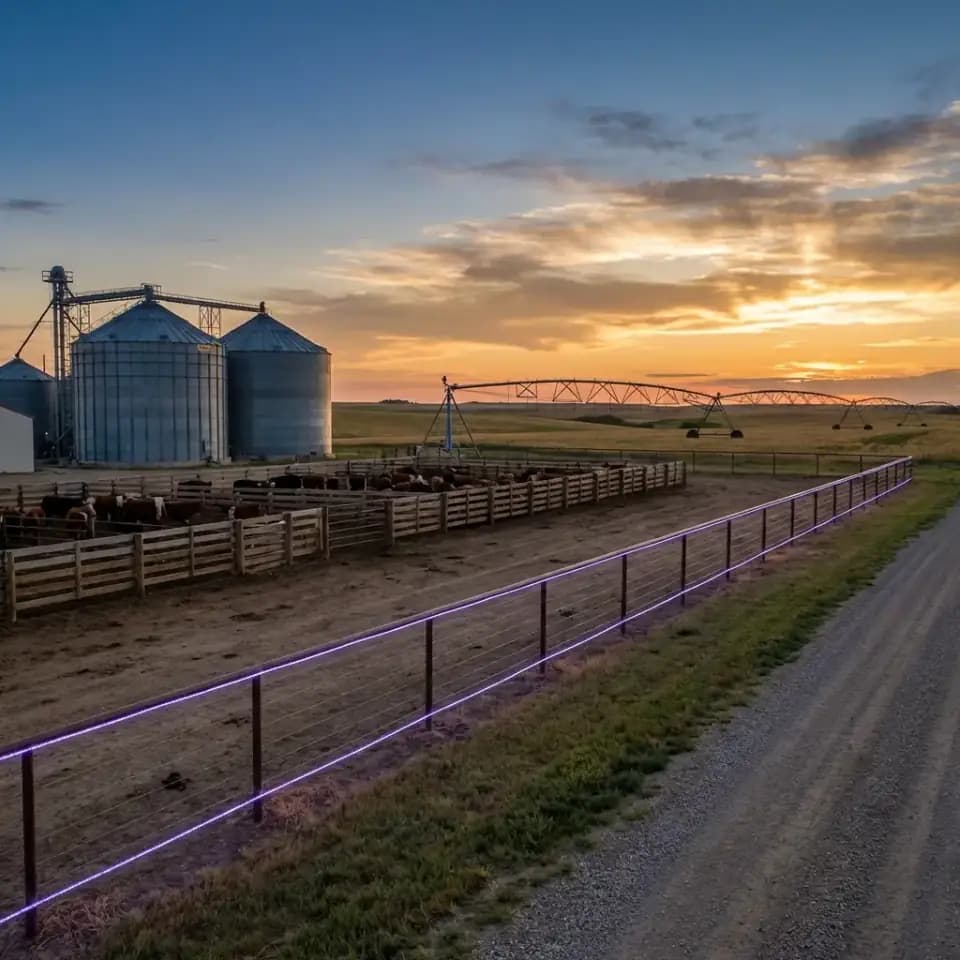
Fire detection and security for farms, livestock pens, pivot irrigation systems, and rural assets.

Ideal for applications in Colorado

FortSense Financial Sector

Financial Sector

Perimeter Security Fiber Optics

Financial Sector

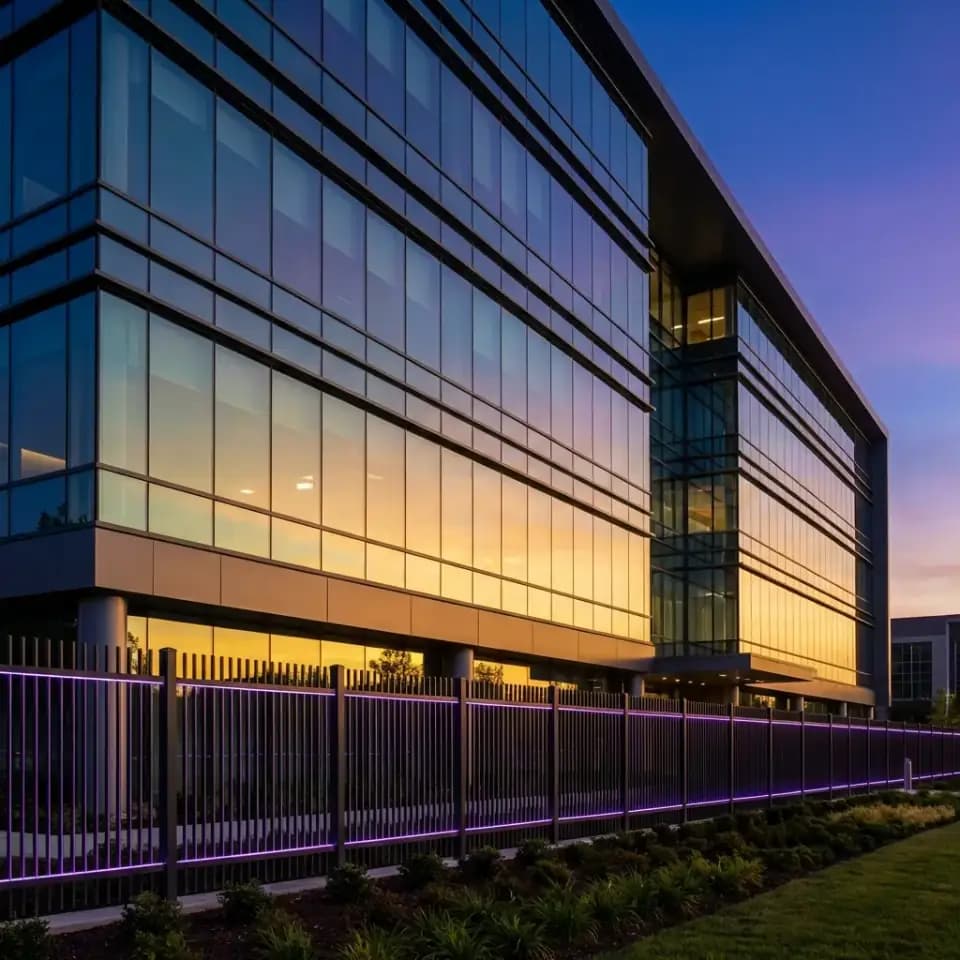
High-security perimeter protection for banks, vaults, administrative centers, and ATM areas.

Ideal for applications in Colorado

FortSense Residential Condominiums

Residential Condominiums

Perimeter Security Fiber Optics

Residential Condominiums

Invisible security for gated communities and apartment complexes, preserving aesthetics while detecting intrusions.

Ideal for applications in Colorado

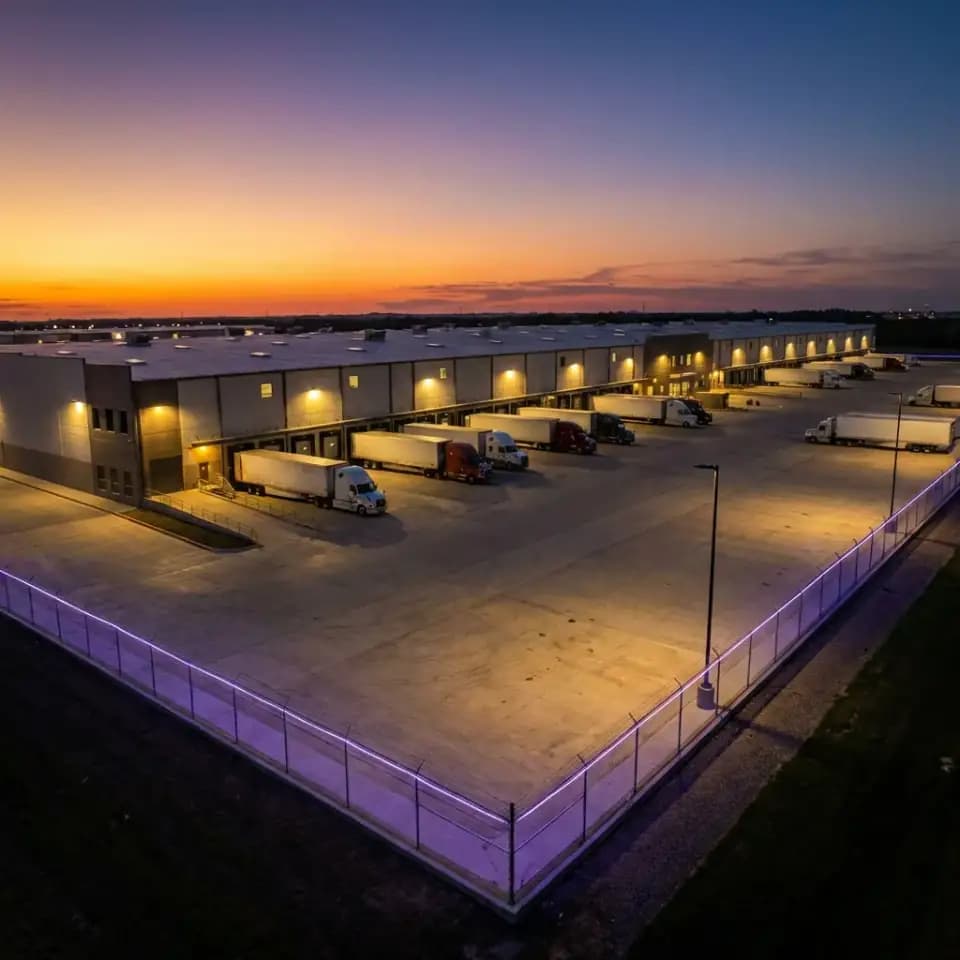
FortSense Distribution Centers

Distribution Centers

Perimeter Security Fiber Optics

Distribution Centers

Security for logistics parks, warehouses, and high-value storage areas, meeting TAPA security standards.

Ideal for applications in Colorado

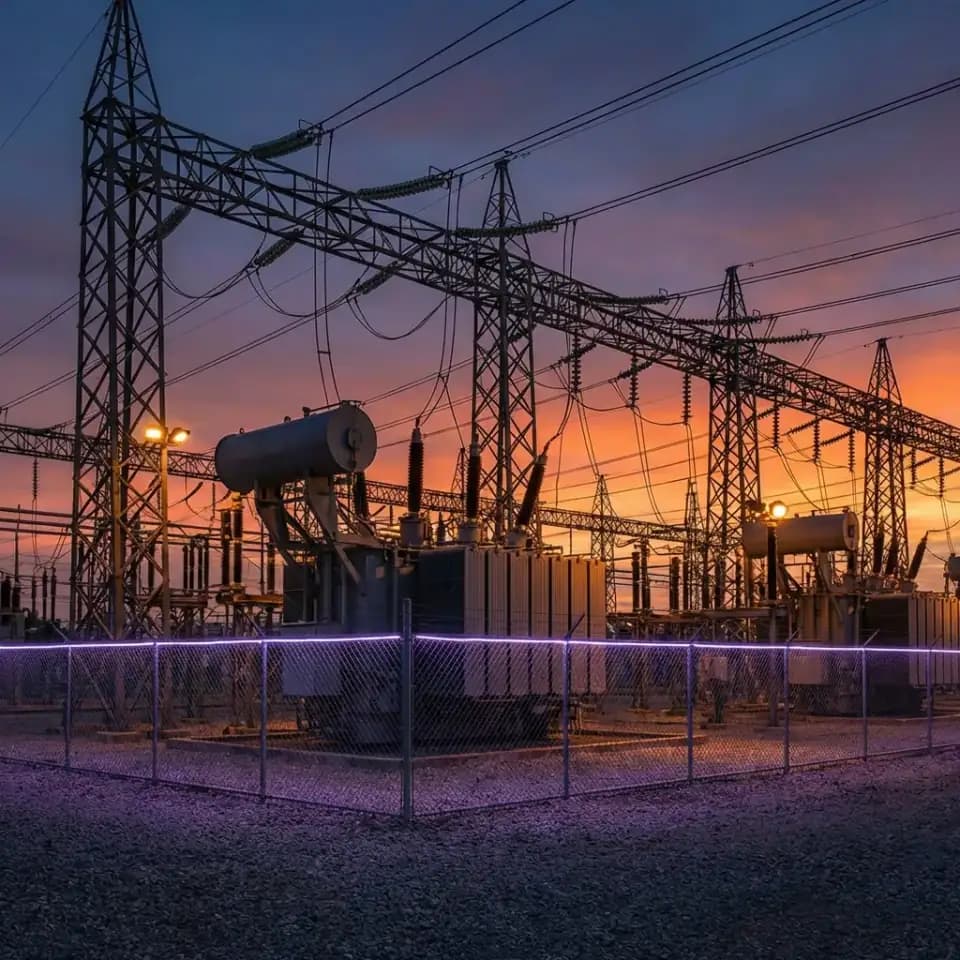
FortSense Critical Infrastructure

Critical Infrastructure

Perimeter Security Fiber Optics

Critical Infrastructure

EMI-immune monitoring for electrical substations, telecom towers, and unmanned critical assets.

Ideal for applications in Colorado

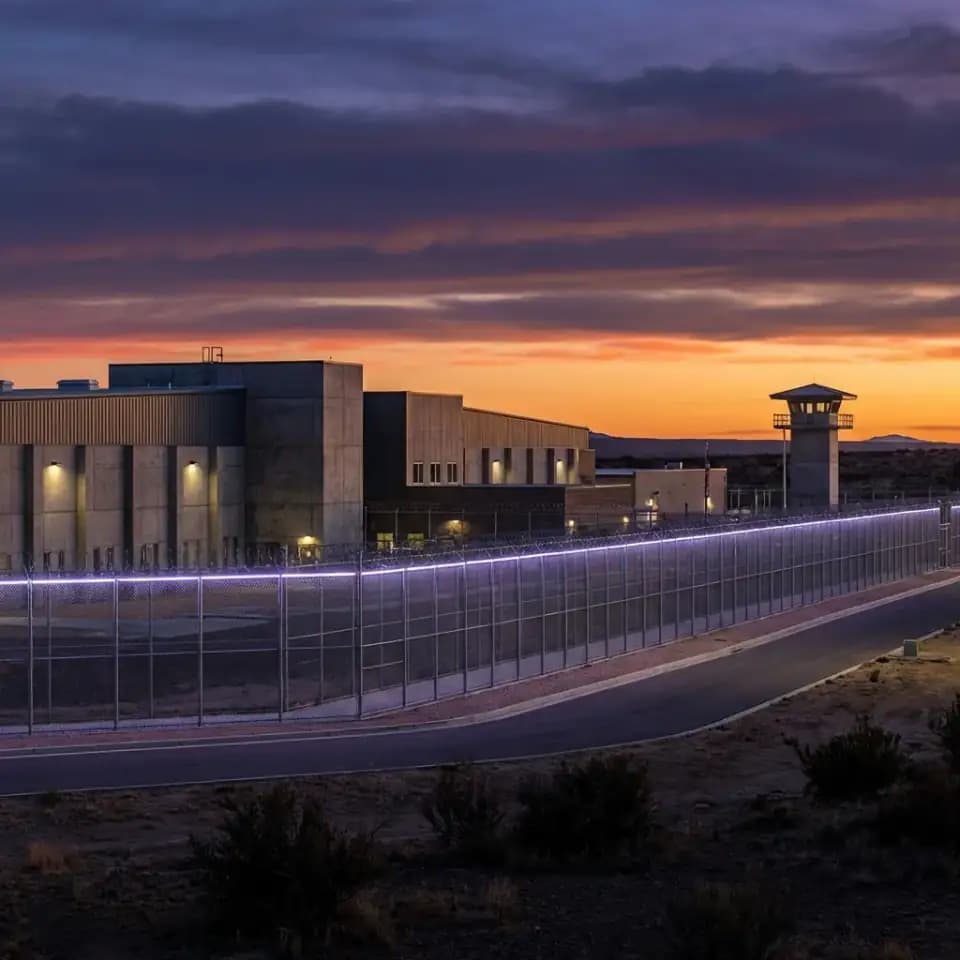
FortSense Corrections & Prisons

Corrections & Prisons

Perimeter Security Fiber Optics

Corrections & Prisons

Zero-tolerance perimeter security for correctional facilities, detecting escape attempts and breaches.

Ideal for applications in Colorado

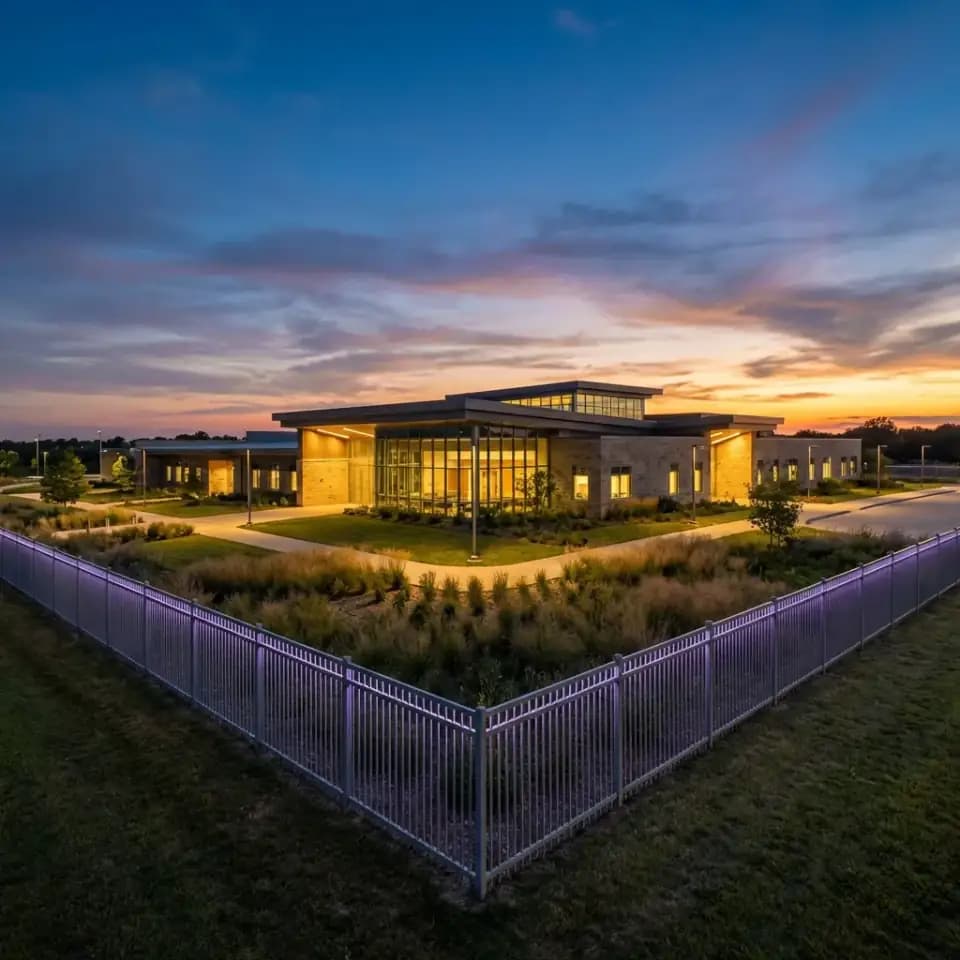
FortSense Public Sector & Schools

Public Sector & Schools

Perimeter Security Fiber Optics

Public Sector & Schools

Non-invasive security for schools, government buildings, and public facilities with rapid lockdown protocols.

Ideal for applications in Colorado

FortSense Perimeter Security for Airports

Perimeter Security for Airports

Perimeter Security Fiber Optics

Perimeter Security for Airports

ICAO-compliant sterile zone enforcement with zero interference to airport radar and navigation systems.

Ideal for applications in Colorado

FortSense Mining Operations

Mining Operations

Perimeter Security Fiber Optics

Mining Operations

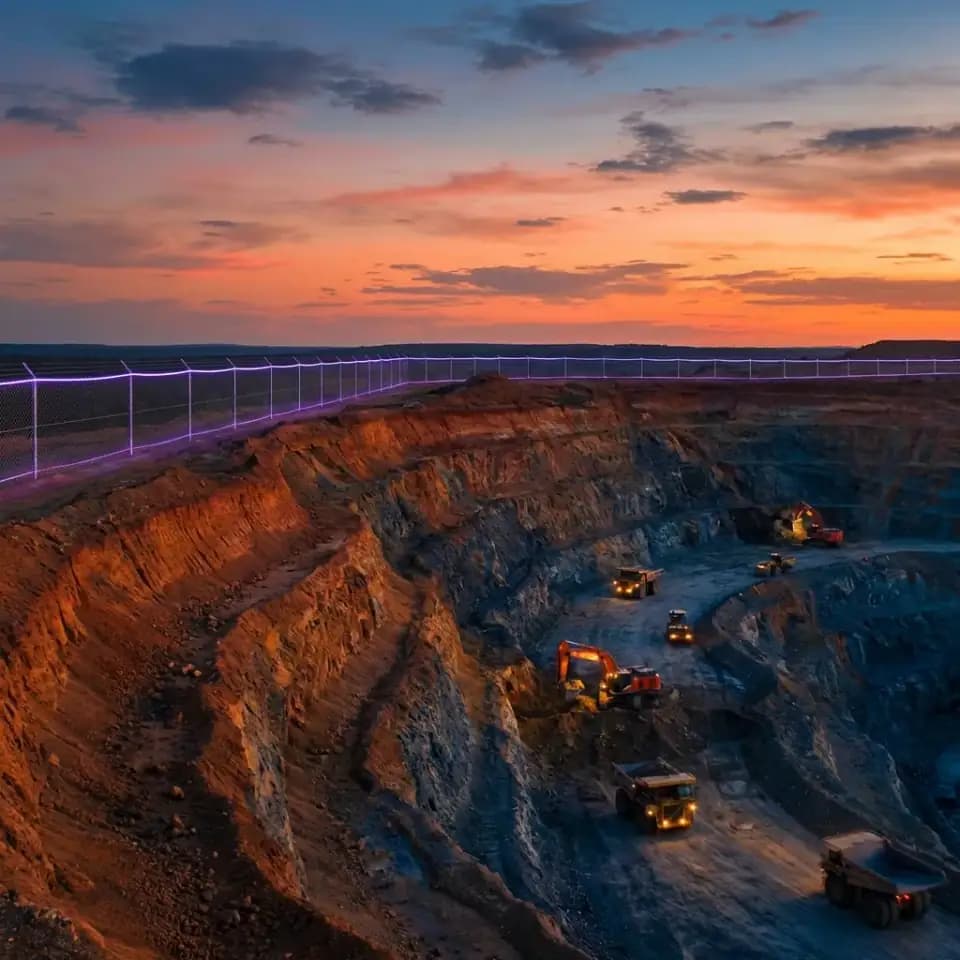
Ruggedized perimeter security for open-pit mines, ore stockpiles, and remote mining infrastructure.

Ideal for applications in Colorado

Local service overview

Energy & Defense Space Command Perimeter Security in Colorado

FortSense® fiber optic PIDS protecting Colorado's Denver-Julesburg Basin oil fields, Space Force installations, aerospace manufacturing campuses, and critical federal infrastructure.

Colorado presents one of the most diverse and demanding perimeter security environments in the western United States, combining an unparalleled concentration of military space and defense installations, a prolific oil and gas production basin with over 20,000 active wells, a booming technology and aerospace corridor, and critical federal infrastructure—all set against a dramatic geography that ranges from the high plains of eastern Colorado to 14,000-foot mountain peaks and the deep canyon country of the Western Slope.

The state's rapid population growth along the Front Range, its position as the operational headquarters of U. S. Space Command, and its status as one of the top energy-producing states in the Rocky Mountain region create perimeter security needs that span the spectrum from individual remote well pads to some of the most classified military facilities on earth.

The military and defense establishment in Colorado Springs is without parallel outside the Washington, D. C. metropolitan area. NORAD's Cheyenne Mountain Complex, buried beneath 2,000 feet of granite, serves as the Alternate Command Center for North American aerospace defense. Peterson Space Force Base is the headquarters of U. S. Space Command and the North American Aerospace Defense Command. Schriever Space Force Base operates satellite constellations critical to GPS navigation, missile warning, and military communications.

Buckley Space Force Base in Aurora provides missile warning and hosts intelligence operations. Fort Carson, home to the 4th Infantry Division, is one of the Army's largest installations. The U. S. Air Force Academy occupies over 18,000 acres north of Colorado Springs. This cluster of five major military installations within a 50-mile radius creates an extraordinary concentration of facilities handling classified information, sensitive space operations, and national command authority functions that require the most robust perimeter detection available.

Colorado's energy sector centers on the Denver-Julesburg (DJ) Basin, where Weld County alone contains over 20,000 active oil and gas wells, making it one of the most densely drilled counties in the United States. Operators including Occidental Petroleum, Civitas Resources, PDC Energy, and numerous smaller producers manage well pads, gathering lines, compressor stations, and processing facilities scattered across thousands of square miles of agricultural and exurban land.

Each well pad represents a collection of high-value equipment—pump jacks, separator tanks, pipeline connections—that is inherently difficult to secure due to remote locations, often miles from the nearest paved road. Well pad theft and vandalism, including theft of copper wire, catalytic converters from generators, and even crude oil siphoned from tank batteries, is a persistent and costly problem. The Suncor Energy Commerce City refinery, the only petroleum refinery serving the broader Rocky Mountain region, is a critical infrastructure asset whose disruption would affect fuel supply across multiple states.

The Front Range corridor from Fort Collins through Boulder to Denver hosts a technology and aerospace ecosystem of national significance. Lockheed Martin Space operates its primary satellite manufacturing campus at Waterton Canyon in Littleton, where it builds GPS satellites, missile defense interceptors, and classified space systems. Ball Aerospace in Boulder develops instruments and spacecraft for NASA and the Department of Defense. Raytheon Intelligence & Space in Aurora performs intelligence, surveillance, and reconnaissance work.

United Launch Alliance, headquartered in Centennial, manages launch vehicle operations for the Atlas V and Vulcan Centaur rockets. The National Renewable Energy Laboratory (NREL) in Golden conducts the nation's leading renewable energy research. The Denver Federal Center in Lakewood is the largest federal government complex outside Washington, D. C. , housing offices for dozens of agencies. These facilities contain classified programs, proprietary aerospace technology, and sensitive government operations that mandate layered physical security with advanced perimeter detection.

Colorado's security challenges are shaped by its unique geography, rapid growth, and the sheer volume of dispersed infrastructure requiring protection. The Denver metropolitan area has consistently ranked among the highest cities in the nation for vehicle theft, and catalytic converter theft has reached crisis levels. Construction site theft along the rapidly developing I-25 corridor is endemic, as the Front Range adds tens of thousands of new housing units and commercial developments annually.

Cannabis cultivation facilities and dispensaries, legal in Colorado since 2012, represent high-value targets that have driven security investment across the industry. Wildfire risk to remote infrastructure—including power lines, substations, communications towers, and well pads—has intensified dramatically, with the 2021 Marshall Fire becoming the most destructive wildfire in state history, destroying over 1,000 structures in the suburban interface between Boulder and Louisville.

The climate and weather conditions across Colorado are exceptionally varied and challenging for outdoor security equipment. The eastern plains experience blizzards with winds exceeding 60 mph and temperatures dropping to -30°F during polar vortex events. The Front Range is one of the most active hail corridors in the world, with hailstones regularly exceeding golf ball size and causing billions of dollars in damage annually. Mountain areas receive over 200 inches of snowfall at higher elevations. Flash flooding in mountain canyons can occur with little warning during summer monsoon season.

High-altitude UV exposure and persistent wind degrade exposed electronic equipment at accelerated rates. Wildfire smoke can reduce visibility and deposit corrosive particulates on sensor housings. This combination of extreme cold, intense UV, destructive hail, and rapid temperature swings creates a hostile operating environment that destroys conventional security sensors at far faster rates than manufacturers anticipate.

Fiber optic sensing technology addresses Colorado's environmental challenges from first principles. The sensing fiber itself contains no electronic components, no batteries, no cameras, and no moving parts along its entire detection length. A single fiber run from a climate-controlled processing unit can monitor 40+ kilometers of perimeter or pipeline, with all intelligence processing occurring at the protected endpoint.

This architecture means that the only equipment exposed to Colorado's harsh conditions is a passive glass fiber in a ruggedized cable jacket—immune to hail impact damage (unlike camera domes), unaffected by UV degradation (unlike plastic sensor housings), functional from -40°F to over 180°F (unlike battery-powered sensors that fail in extreme cold), and completely invisible to electromagnetic interference from lightning storms.

The system's vibration classification algorithms distinguish between wind-driven fence vibration, hail impacts, wildlife contact, and genuine intrusion attempts, solving the false alarm problem that makes conventional motion detection impractical in Colorado's storm-active environment.

FortSense deployments in Colorado map to the state's three primary infrastructure categories. Oil and gas operators in the DJ Basin require cost-effective perimeter monitoring across thousands of remote well pads, where fiber can be routed along existing gathering pipeline rights-of-way to create a networked detection grid covering entire production areas from a handful of processing units.

Military and space installations in the Colorado Springs complex demand MIL-SPEC perimeter detection that integrates with existing command-and-control systems and provides the classification intelligence needed to prioritize response to genuine intrusion events along perimeters that may stretch for miles across varied terrain. Aerospace and technology campuses along the Front Range need detection systems that protect classified program areas while integrating seamlessly with video management, access control, and security information management platforms.

The Suncor refinery, NREL campus, and Denver Federal Center add critical infrastructure facilities where fiber optic sensing's intrinsic safety (no electrical current in the sensing path) and environmental resilience provide clear advantages over electronic alternatives.

Professional perimeter protection for distribution centers, manufacturing, and critical infrastructure in Colorado.

  • Wellhead & Pump Station Security
  • Pipeline & Refinery Monitoring
  • R&D Campus & IP Protection
  • Oil & Gas Well Pad Networks

Plan a FortSense assessment for this market

Share the perimeter length, fence type, and monitoring workflow. FortSense can help scope zones, integration points, and commissioning requirements for this location.

Services

Wellhead & Pump Station Security

Remote wellhead perimeter monitoring across dispersed field operations with solar-powered relay nodes and SCADA integration.

Pipeline & Refinery Monitoring

Real-time fiber optic detection along pipelines, tank farms, and refinery perimeters. ATEX/IECEx-compatible for hazardous zones with leak and intrusion discrimination.

R&D Campus & IP Protection

High-security perimeter for R&D campuses, pharmaceutical plants, and IP-sensitive manufacturing facilities with tamper-proof fiber and encrypted alarm channels.

Deployment patterns for local sites

How FortSense Works in Colorado

Fiber optic perimeter security adapted to local conditions and requirements.

  1. Fiber installed. Passive fiber optic cable mounts on the existing fence or wall with minimal civil work.
  2. Vibration detected. Any contact creates vibration patterns in the fiber so climbing, cutting, or lifting attempts become visible immediately.
  3. AI/DSP verification. Algorithms filter out wind, animals, and environmental noise before an operator ever sees an alarm.
  4. Alarm if intrusion. Only real threats trigger zone-based alarms that can route into the monitoring workflow already used by the site team.

Adapted for Colorado. Our local partners understand Colorado's climate, terrain, and security challenges. The fiber optic system is configured to filter local environmental conditions while maintaining maximum sensitivity to real intrusion attempts.

Integration and security software fit

FortSense can feed alarms into the monitoring stack a site already uses, including VMS, PSIM, alarm panels, relay inputs, TCP/IP workflows, and camera verification.

  • Zone-based alarms for operators and guard teams
  • Camera and VMS workflows for visual verification
  • Relay or network outputs for existing security systems
  • Software-assisted filtering before dispatch decisions

Industries in this market

Relevant FortSense industry and use-case paths connected to this location.

  • Oil & Gas Well Pad Networks
  • Strategic Defense Command & Space Force Installations
  • Aerospace & Defense Manufacturing Campuses
  • Distribution Center Perimeter Security
  • Solar Farm Perimeter Security
  • Perimeter Security for Critical Infrastructure

Why FortSense fits in Perimeter Security in Colorado

FortSense is designed for perimeter security work where false-alarm reduction, passive fiber sensing, and practical integration matter more than adding another camera-only layer.

  • Passive fiber on existing fences, walls, or perimeter structures
  • AI/DSP filtering for wind, vibration, and environmental noise
  • Zone-level alerts that can match the site's response model
  • Support for design, integration, commissioning, and handover

Market notes

Practical details that help this page stay specific to the market instead of drifting into generic copy.

  • Oil & Gas Well Pad Networks
  • Strategic Defense Command & Space Force Installations
  • Aerospace & Defense Manufacturing Campuses
  • Wellhead & Pump Station Security

Related FortSense paths

Related technical content and commercial guidance linked from this location page.

Frequently Asked Questions (FAQ)

Frequently Asked Questions (FAQ) — Colorado

How does the system perform in remote wellhead locations without grid power?

Our remote deployments use solar-powered relay nodes with battery backup. The fiber sensor itself requires zero power in the field — only the interrogator needs electricity, which can be located at a powered facility up to 80 km away from the sensing zone.

What integration options exist with SCADA and process control systems?

FortSense integrates with SCADA via Modbus TCP/IP, OPC UA, and dry contact relays. Alarms can trigger automated responses in your process control system, including valve shutoffs, camera slew-to-cue, and lockdown protocols.

Can the system cover long pipeline corridors cost-effectively?

Yes. A single FortSense interrogator can monitor up to 80 km of fiber, covering extensive pipeline corridors, gathering lines, and associated infrastructure from one central location — far more economical than multiple camera or radar installations.

What is the false alarm rate in an industrial environment?

Properly calibrated FortSense systems achieve Nuisance Alarm Rates (NAR) below 1 per zone per day in industrial environments. Our AI-based filtering adapts to site-specific conditions over the first 2-4 weeks, continuously improving accuracy.

How does the system perform with rapid altitude weather changes?

Highland environments experience rapid weather shifts — sunshine to hailstorm in minutes. FortSense adapts in real-time to changing conditions. The algorithm maintains detection during sudden weather transitions that often disable camera and radar systems.

Local perimeter assessment

Request Perimeter Assessment in Colorado

Receive a technical proposal, deployment design, and integration plan.

Energy & Defense Space Command Perimeter Security in…