


Fiber Optic Perimeter Security in Arkansas: Agribusiness & Logistics Hub Perimeter Security in Arkansas

Protecting Walmart's Global Distribution Network, Tyson Foods Processing Plants, and Arkansas River Inland Port Infrastructure

Applications

Perimeter Security Fiber Optics Ideal for Applications in Arkansas

FortSense Solar & Renewables

Solar & Renewables

Perimeter Security Fiber Optics

Solar & Renewables

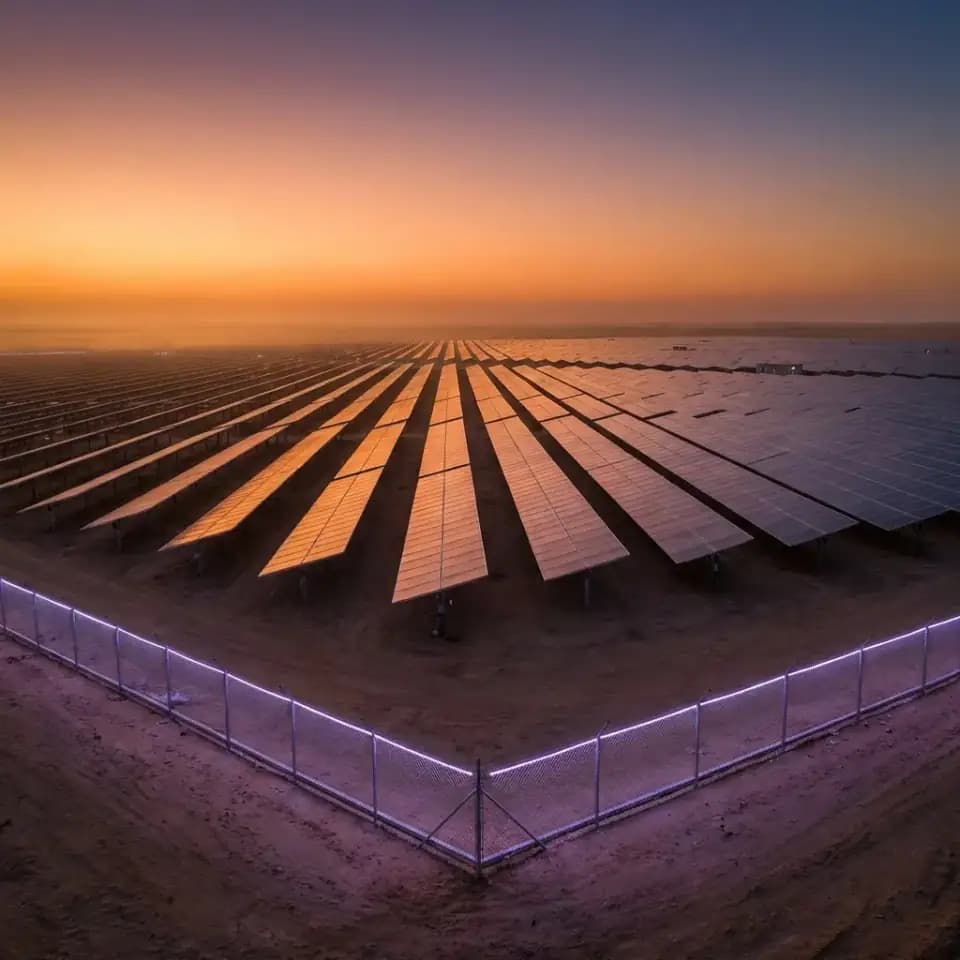
Autonomous perimeter monitoring for solar plants, protecting against theft of panels, copper cables, and inverters.

Ideal for applications in Arkansas

FortSense Oil & Gas

Oil & Gas

Perimeter Security Fiber Optics

Oil & Gas

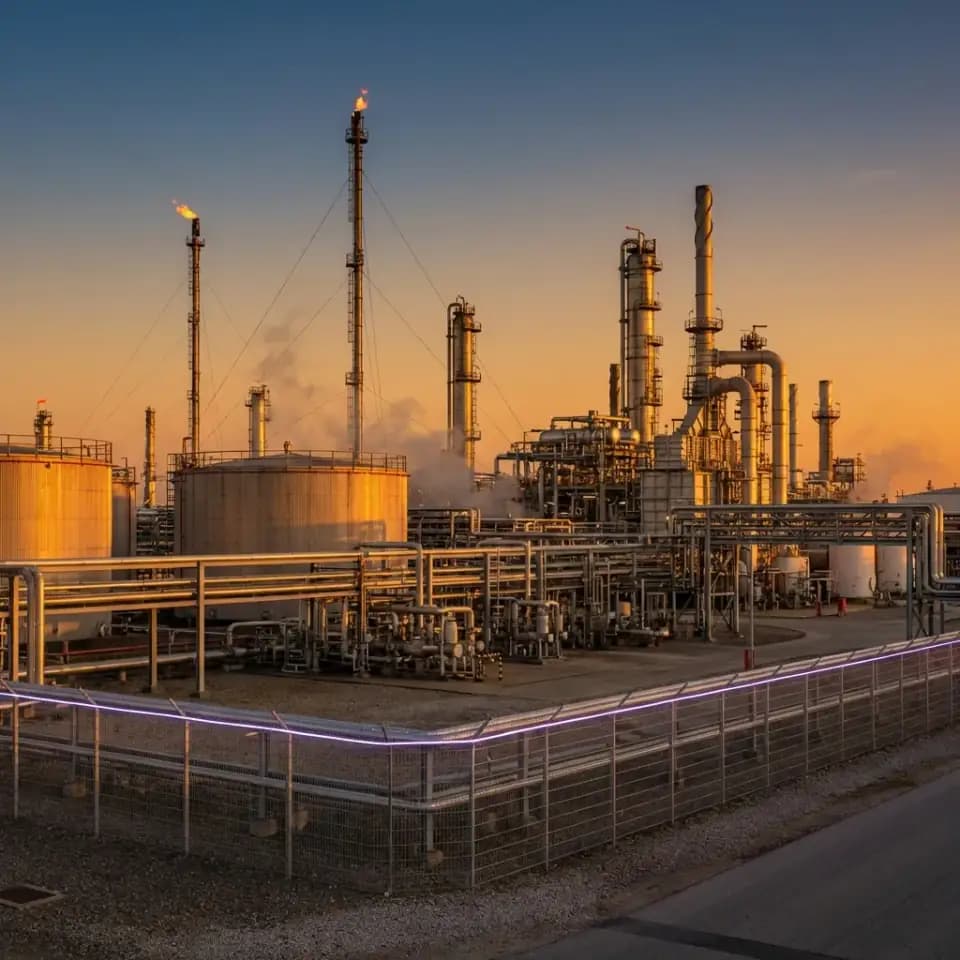
Intrinsically safe perimeter detection for refineries, chemical plants, and fuel storage depots.

Ideal for applications in Arkansas

FortSense Ports & Maritime

Ports & Maritime

Perimeter Security Fiber Optics

Ports & Maritime

ISPS-compliant security for cargo containers, fuel depots, and docked vessels in harsh marine environments.

Ideal for applications in Arkansas

FortSense Agriculture

Agriculture

Perimeter Security Fiber Optics

Agriculture

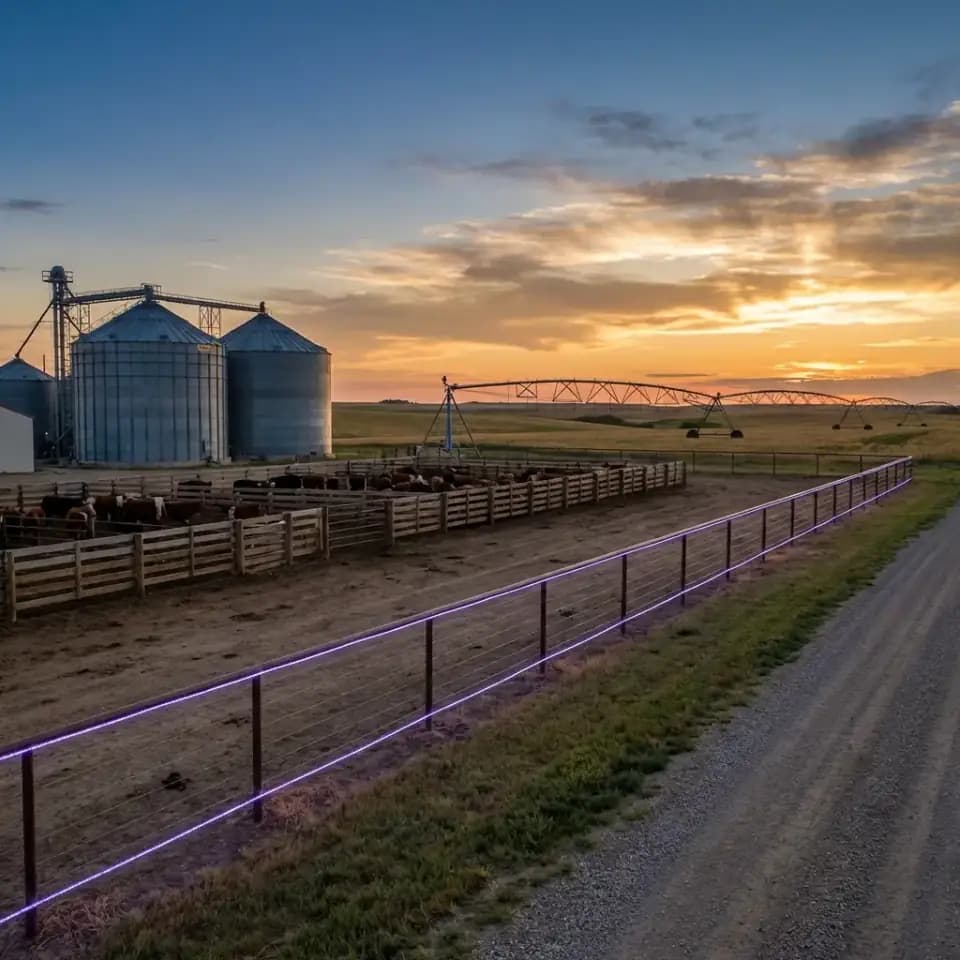
Fire detection and security for farms, livestock pens, pivot irrigation systems, and rural assets.

Ideal for applications in Arkansas

FortSense Financial Sector

Financial Sector

Perimeter Security Fiber Optics

Financial Sector

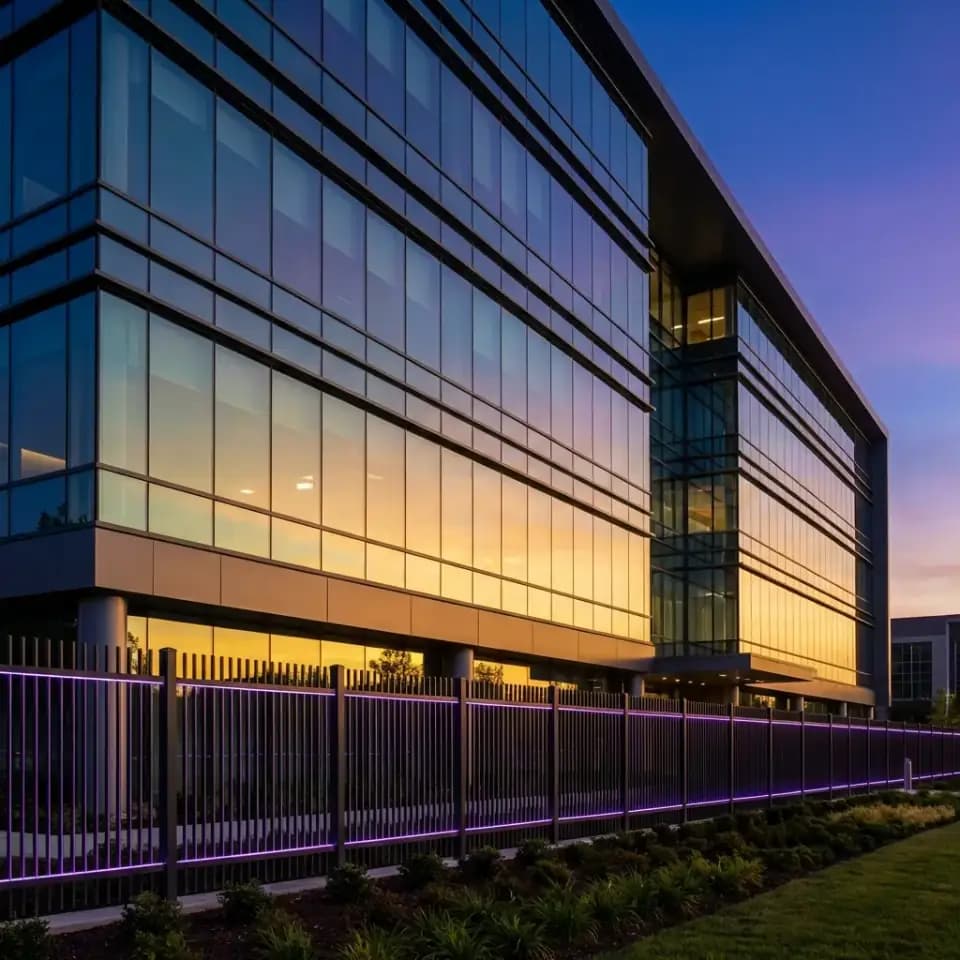
High-security perimeter protection for banks, vaults, administrative centers, and ATM areas.

Ideal for applications in Arkansas

FortSense Residential Condominiums

Residential Condominiums

Perimeter Security Fiber Optics

Residential Condominiums

Invisible security for gated communities and apartment complexes, preserving aesthetics while detecting intrusions.

Ideal for applications in Arkansas

FortSense Distribution Centers

Distribution Centers

Perimeter Security Fiber Optics

Distribution Centers

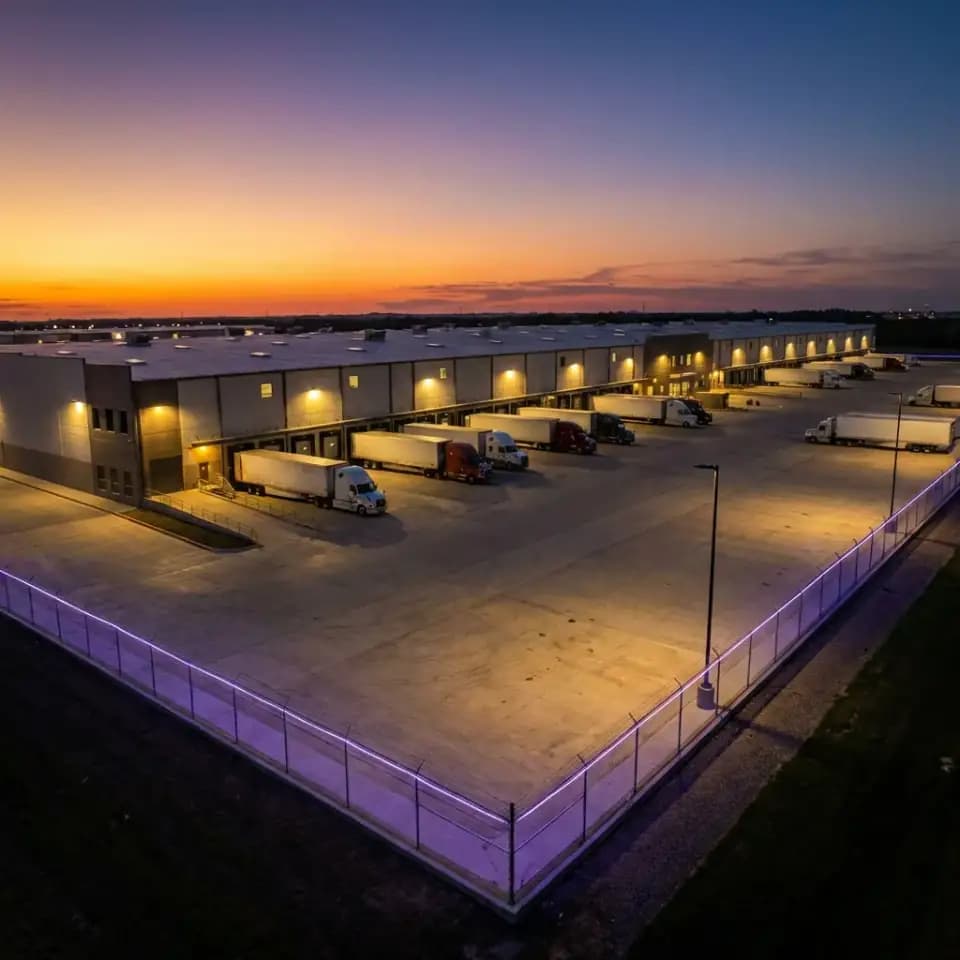
Security for logistics parks, warehouses, and high-value storage areas, meeting TAPA security standards.

Ideal for applications in Arkansas

FortSense Critical Infrastructure

Critical Infrastructure

Perimeter Security Fiber Optics

Critical Infrastructure

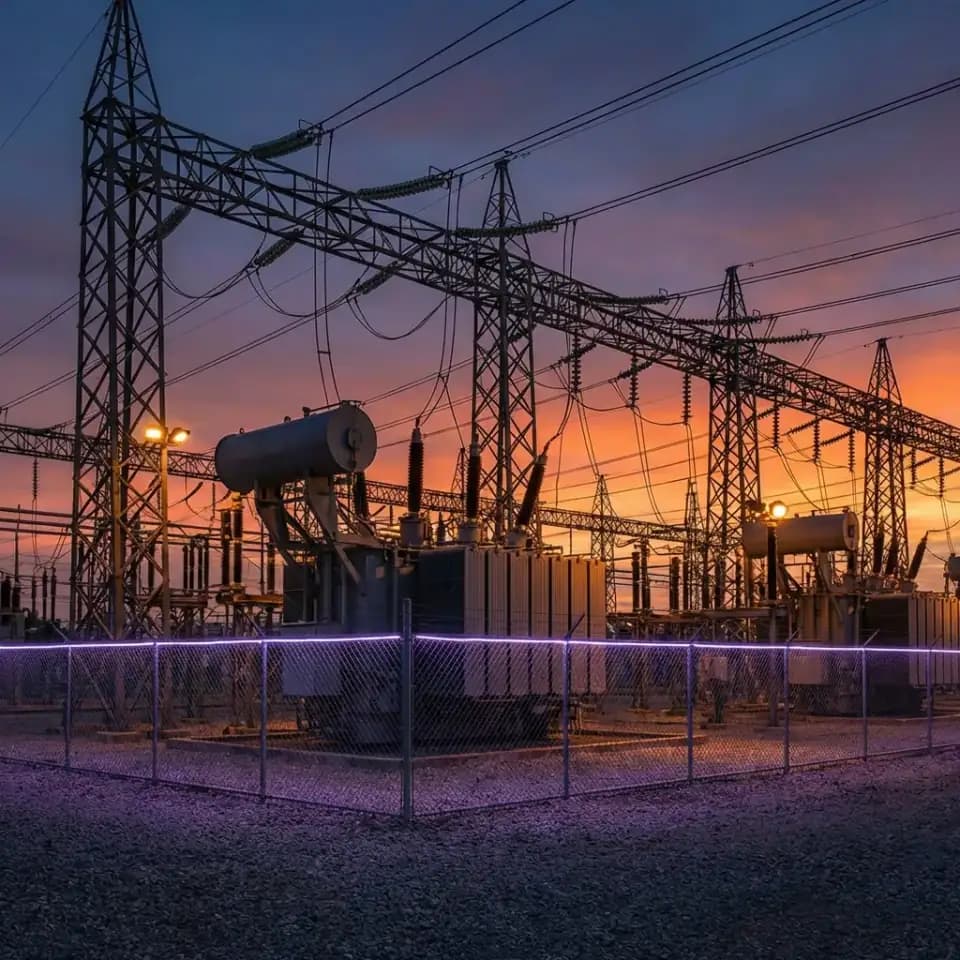
EMI-immune monitoring for electrical substations, telecom towers, and unmanned critical assets.

Ideal for applications in Arkansas

FortSense Corrections & Prisons

Corrections & Prisons

Perimeter Security Fiber Optics

Corrections & Prisons

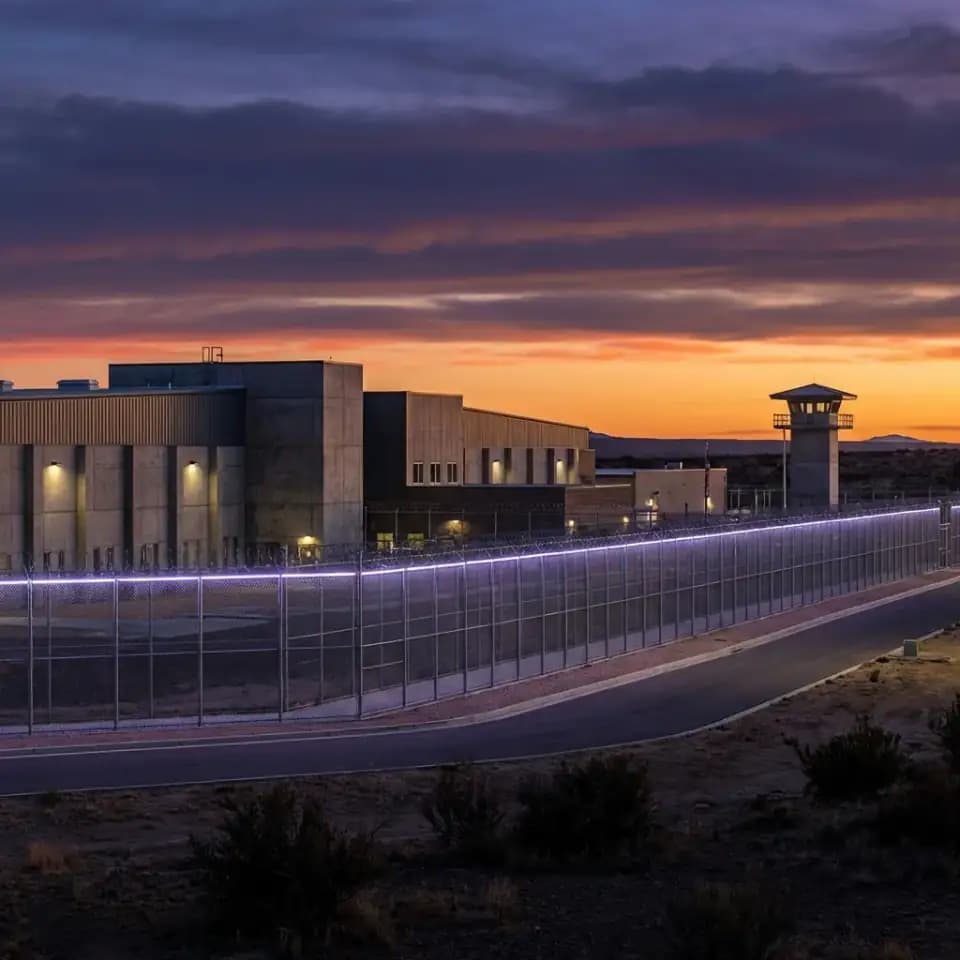
Zero-tolerance perimeter security for correctional facilities, detecting escape attempts and breaches.

Ideal for applications in Arkansas

FortSense Public Sector & Schools

Public Sector & Schools

Perimeter Security Fiber Optics

Public Sector & Schools

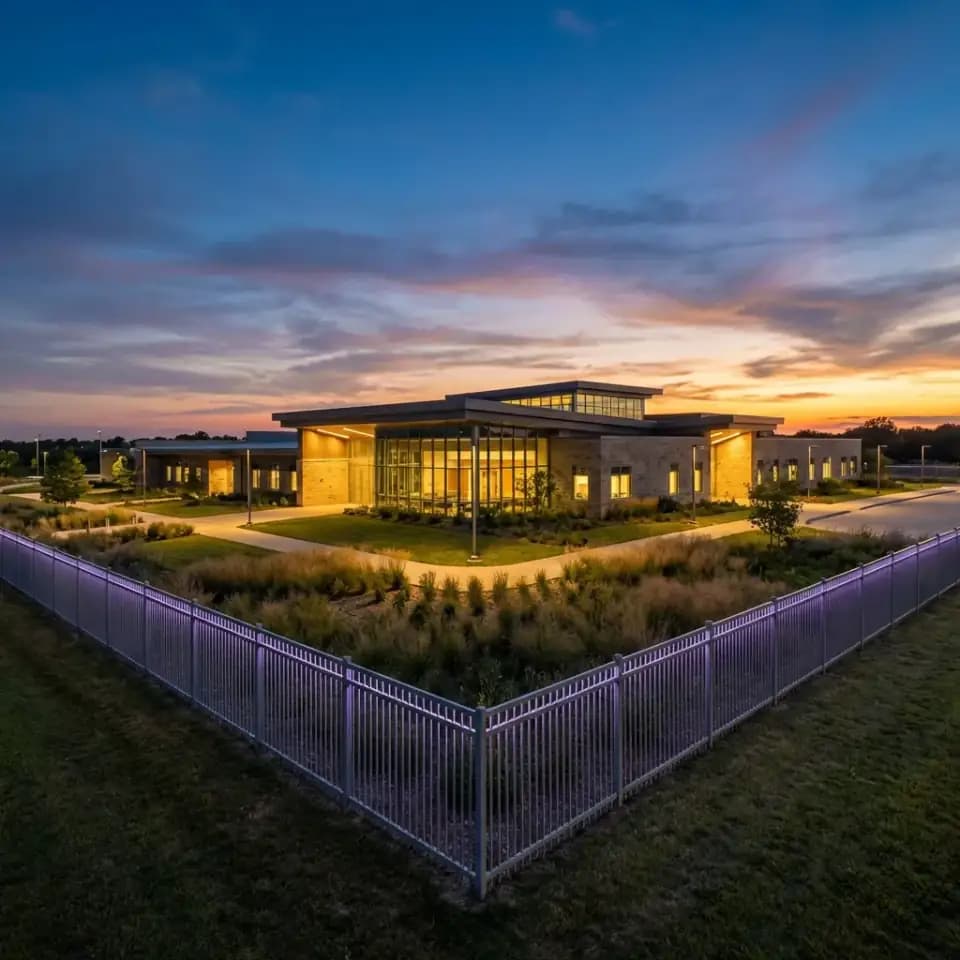
Non-invasive security for schools, government buildings, and public facilities with rapid lockdown protocols.

Ideal for applications in Arkansas

FortSense Perimeter Security for Airports

Perimeter Security for Airports

Perimeter Security Fiber Optics

Perimeter Security for Airports

ICAO-compliant sterile zone enforcement with zero interference to airport radar and navigation systems.

Ideal for applications in Arkansas

FortSense Mining Operations

Mining Operations

Perimeter Security Fiber Optics

Mining Operations

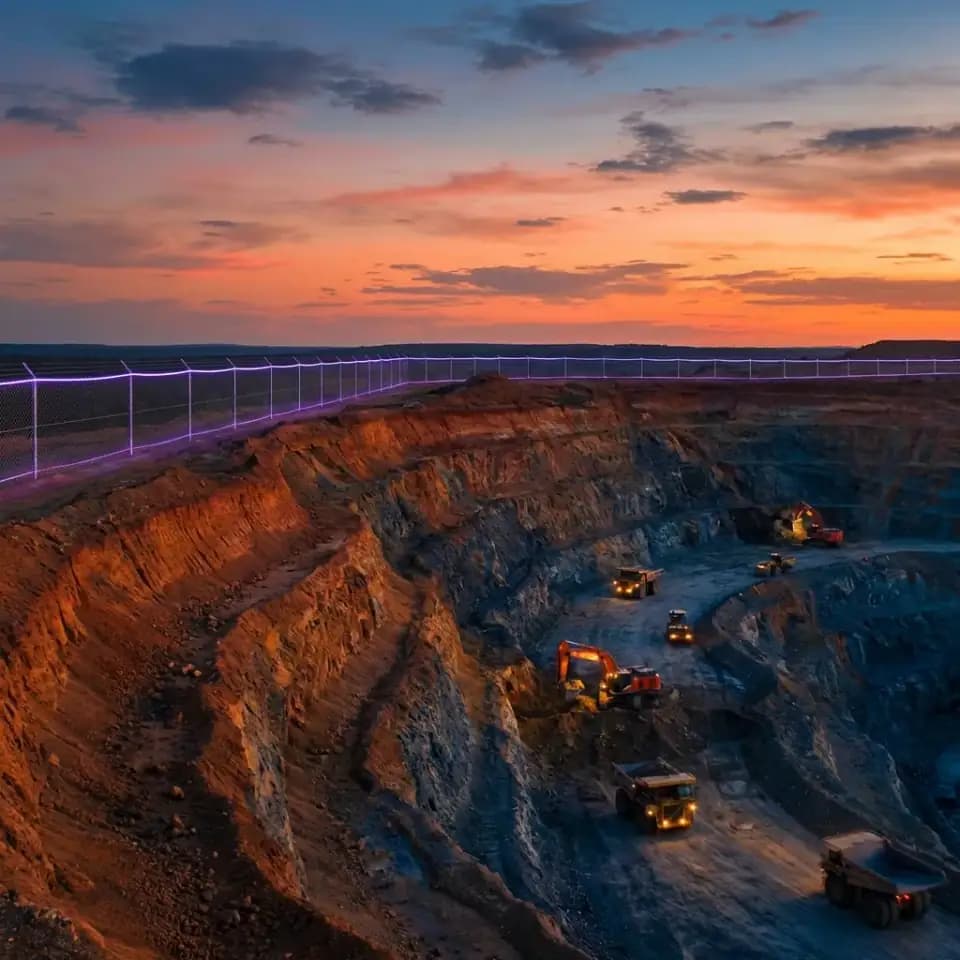
Ruggedized perimeter security for open-pit mines, ore stockpiles, and remote mining infrastructure.

Ideal for applications in Arkansas

Local service overview

Agribusiness & Logistics Hub Perimeter Security in Arkansas

FortSense® fiber optic PIDS protecting Arkansas's Fortune 500 distribution centers, poultry processing facilities, steel mills, and inland waterway port infrastructure.

Arkansas occupies a unique position in the American economy: a state of just three million people that serves as the global headquarters for three Fortune 500 companies—Walmart, Tyson Foods, and J. B. Hunt Transport—whose combined supply chain and logistics footprints touch virtually every corner of the nation.

This extraordinary corporate concentration, combined with the state's position as the leading rice producer in the United States, a modernizing steel manufacturing sector, and an inland waterway system connecting to Gulf Coast markets, creates a perimeter security landscape defined by massive distribution centers, sprawling food processing complexes, and critical agricultural infrastructure spread across a state that spans the Ozark highlands to the Mississippi Delta.

Walmart's global headquarters in Bentonville anchors the Northwest Arkansas economic corridor, but the company's security footprint extends across the entire state through a network of distribution centers, fulfillment centers, and data processing facilities. Walmart operates approximately 30 distribution centers nationwide, with several major facilities in Arkansas including regional distribution centers that feed hundreds of retail stores.

These facilities operate around the clock, processing millions of cases of merchandise daily, and their perimeters must be secured against cargo theft—one of the fastest-growing categories of property crime in the United States. The J. B. Hunt Transport Services headquarters in Lowell manages one of the nation's largest trucking and intermodal fleets, with staging yards and terminal facilities that house thousands of trailers loaded with high-value freight. Dillard's, another Fortune 500 retailer headquartered in Little Rock, operates its own distribution network from the state.

Tyson Foods, headquartered in Springdale, is the world's largest protein company, operating dozens of poultry, beef, and pork processing plants across the United States with a major concentration in Arkansas. The company processes approximately 35 million chickens per week nationally, and Arkansas facilities handle a substantial share of this volume. Simmons Foods and George's Inc. , also based in Northwest Arkansas, add significant poultry processing capacity.

These facilities face a dual security mandate: conventional perimeter protection against theft and trespass, and increasingly critical biosecurity requirements driven by the threat of highly pathogenic avian influenza (HPAI). A single HPAI outbreak can result in the destruction of millions of birds and hundreds of millions of dollars in losses. Unauthorized access to poultry growing houses and processing plants—whether by individuals, vehicles, or even contaminated equipment—must be detected immediately to maintain the biosecurity perimeter.

Grain elevators and feed storage facilities associated with the poultry industry add further infrastructure requiring monitoring across rural landscapes.

The McClellan-Kerr Arkansas River Navigation System provides a 225-mile inland waterway connecting the Port of Little Rock, Port of Fort Smith, and Port of Pine Bluff to the Mississippi River and ultimately to Gulf Coast export terminals. Helena Harbor on the Mississippi River handles agricultural commodities, steel, and bulk materials. These river ports are critical nodes in the movement of Arkansas's agricultural and industrial output, handling barges loaded with rice, soybeans, steel coils, and petroleum products.

Port security along inland waterways presents particular challenges because facilities are often linear, stretching along riverbanks with limited natural barriers and multiple access points from both land and water sides.

Arkansas's steel manufacturing sector has undergone a dramatic modernization. Big River Steel's facility in Osceola, now owned by U. S. Steel following a $774 million acquisition, operates one of the most technologically advanced electric arc furnace steel mills in the world, producing flat-rolled steel products for automotive and construction markets. Nucor Steel's operations in Blytheville add further steelmaking capacity. These mills process thousands of tons of scrap metal daily and produce finished coils worth millions of dollars in inventory at any given time.

The LION Oil Company refinery in El Dorado processes crude oil, while the Fayetteville Shale in north-central Arkansas has driven natural gas production with well pads and gathering infrastructure scattered across rural counties. Military installations including Little Rock Air Force Base (home to C-130 Hercules airlift operations) and Pine Bluff Arsenal (a chemical weapons storage and destruction facility with some of the most stringent security requirements of any installation in the Department of Defense) complete the state's critical infrastructure profile.

The security threat landscape in Arkansas reflects its economic composition. Warehouse and distribution center theft ranks as the primary concern, given the extraordinary volume of merchandise flowing through logistics facilities connected to Walmart, J. B. Hunt, and other supply chain operators. Rural equipment theft affects Arkansas's vast agricultural operations—farm machinery, tractors, and implements worth hundreds of thousands of dollars are left in open fields during planting and harvest seasons.

Pipeline and well site security in the Fayetteville Shale gas region requires monitoring of dispersed infrastructure across wooded, hilly terrain. Timber theft from the state's 19 million acres of commercial forest land is a persistent but underreported problem. Metal and copper wire theft from industrial sites and grain elevator security in the Delta region add to the threat matrix.

Arkansas's climate demands security equipment that can withstand severe weather extremes. The state sits in the heart of Tornado Alley, experiencing frequent severe thunderstorms and tornadoes, particularly in spring. The Mississippi and Arkansas Rivers are subject to major flooding events that can inundate low-lying industrial and port facilities. Ice storms, occurring every few years with destructive severity, coat everything in inches of ice, snapping power lines and disabling electronic security systems that depend on grid power.

Summer heat and humidity, with temperatures regularly above 95°F and dew points in the 70s, accelerate corrosion of electronic components and degrade camera lens housings. Annual precipitation of 40 to 55 inches ensures that moisture ingress is a constant maintenance concern for any outdoor electronic equipment.

Fiber optic sensing cable, being entirely passive glass and polymer construction along its sensing length, is immune to ice loading damage on electronics (there are none to damage), unaffected by humidity-driven corrosion, and continues to function during and after severe weather events that would disable conventional sensor networks.

FortSense fiber optic PIDS deployments in Arkansas address the state's distinctive mix of distribution, food processing, and industrial security requirements. Walmart and J. B. Hunt distribution centers need perimeter detection that covers extensive fence lines around facilities often exceeding 100 acres, with the ability to integrate into centralized security operations centers monitoring multiple sites.

Tyson Foods and poultry processing complexes require biosecurity-grade perimeter detection that can identify unauthorized vehicles and personnel approaching growing houses and processing plants in rural settings where ambient noise levels are low and detection sensitivity can be maximized. Steel mills at Osceola and Blytheville need industrial-grade perimeter monitoring that operates reliably in the electromagnetic interference generated by electric arc furnaces.

Inland river ports require waterfront detection capable of distinguishing between legitimate barge and vessel traffic and unauthorized approaches to cargo staging areas. Pine Bluff Arsenal's stringent Department of Defense security requirements demand detection systems that meet military specifications for perimeter intrusion detection. In each case, fiber optic sensing's combination of long detection range, environmental resilience, and low ongoing maintenance cost makes it the optimal technology choice for Arkansas's diverse and demanding infrastructure protection needs.

Professional perimeter protection for distribution centers, manufacturing, and critical infrastructure in Arkansas.

  • Irrigation & Cable Theft Detection
  • Grain Silo & Agricultural Input Storage
  • Cold Storage & Warehouse Perimeter
  • Retail Distribution & Fulfillment Centers

Plan a FortSense assessment for this market

Share the perimeter length, fence type, and monitoring workflow. FortSense can help scope zones, integration points, and commissioning requirements for this location.

Services

Irrigation & Cable Theft Detection

Protecting irrigation infrastructure, pivot systems, and agricultural power lines from cable theft and equipment vandalism across remote farmland.

Grain Silo & Agricultural Input Storage

Securing grain silos, fertilizer warehouses, and agricultural chemical storage from theft and contamination with humidity-tolerant fiber sensing.

Cold Storage & Warehouse Perimeter

All-weather fiber optic fencing for cold storage facilities (-40°C rated), distribution warehouses, and fulfillment centers with zone-based alarm priority.

Deployment patterns for local sites

How FortSense Works in Arkansas

Fiber optic perimeter security adapted to local conditions and requirements.

  1. Fiber installed. Passive fiber optic cable mounts on the existing fence or wall with minimal civil work.
  2. Vibration detected. Any contact creates vibration patterns in the fiber so climbing, cutting, or lifting attempts become visible immediately.
  3. AI/DSP verification. Algorithms filter out wind, animals, and environmental noise before an operator ever sees an alarm.
  4. Alarm if intrusion. Only real threats trigger zone-based alarms that can route into the monitoring workflow already used by the site team.

Adapted for Arkansas. Our local partners understand Arkansas's climate, terrain, and security challenges. The fiber optic system is configured to filter local environmental conditions while maintaining maximum sensitivity to real intrusion attempts.

Integration and security software fit

FortSense can feed alarms into the monitoring stack a site already uses, including VMS, PSIM, alarm panels, relay inputs, TCP/IP workflows, and camera verification.

  • Zone-based alarms for operators and guard teams
  • Camera and VMS workflows for visual verification
  • Relay or network outputs for existing security systems
  • Software-assisted filtering before dispatch decisions

Industries in this market

Relevant FortSense industry and use-case paths connected to this location.

  • Retail Distribution & Fulfillment Centers
  • Poultry Processing Complexes
  • Electric Arc Furnace Steel Mills
  • Distribution Center Perimeter Security
  • Solar Farm Perimeter Security
  • Perimeter Security for Critical Infrastructure

Why FortSense fits in Perimeter Security in Arkansas

FortSense is designed for perimeter security work where false-alarm reduction, passive fiber sensing, and practical integration matter more than adding another camera-only layer.

  • Passive fiber on existing fences, walls, or perimeter structures
  • AI/DSP filtering for wind, vibration, and environmental noise
  • Zone-level alerts that can match the site's response model
  • Support for design, integration, commissioning, and handover

Market notes

Practical details that help this page stay specific to the market instead of drifting into generic copy.

  • Retail Distribution & Fulfillment Centers
  • Poultry Processing Complexes
  • Electric Arc Furnace Steel Mills
  • Irrigation & Cable Theft Detection

Related FortSense paths

Related technical content and commercial guidance linked from this location page.

Frequently Asked Questions (FAQ)

Frequently Asked Questions (FAQ) — Arkansas

What connectivity options exist for remote farm locations?

FortSense supports alarm transmission via cellular (4G/5G), satellite (Iridium, Starlink), and radio relay. Even locations without reliable internet can maintain real-time perimeter monitoring with store-and-forward alarm reporting.

Can the system detect wild animal intrusion for crop protection?

While primarily designed for human intrusion detection, FortSense can be configured with wildlife-detection sensitivity for high-value crop areas. The system differentiates between small animals (filtered) and large wildlife or humans (alarmed).

How does installation work on agricultural fencing (barbed wire, post-and-rail)?

Our fiber cable attaches to virtually any fence type — barbed wire, woven wire, post-and-rail, electric fence, and chain link. Specialized mounting clips allow rapid installation on existing agricultural fencing without replacing or upgrading the fence structure.

Is FortSense compliant with TAPA FSR security requirements?

Yes. Our fiber optic perimeter detection meets TAPA Facility Security Requirements (FSR) for Level A, B, and C certified facilities. The system provides the continuous perimeter monitoring, alarm zoning, and VMS integration required by TAPA standards.

Is the system affected by severe thunderstorms and tornadoes?

The fiber sensor is lightning-immune (non-conductive) and survives winds up to 200+ km/h when properly mounted. During severe storms, weather-filtering algorithms maintain intrusion detection while suppressing storm-related false alarms. Tornado-damaged sections are instantly identified for rapid repair.

Local perimeter assessment

Request Perimeter Assessment in Arkansas

Receive a technical proposal, deployment design, and integration plan.

Agribusiness & Logistics Hub Perimeter Security in Arkansas