


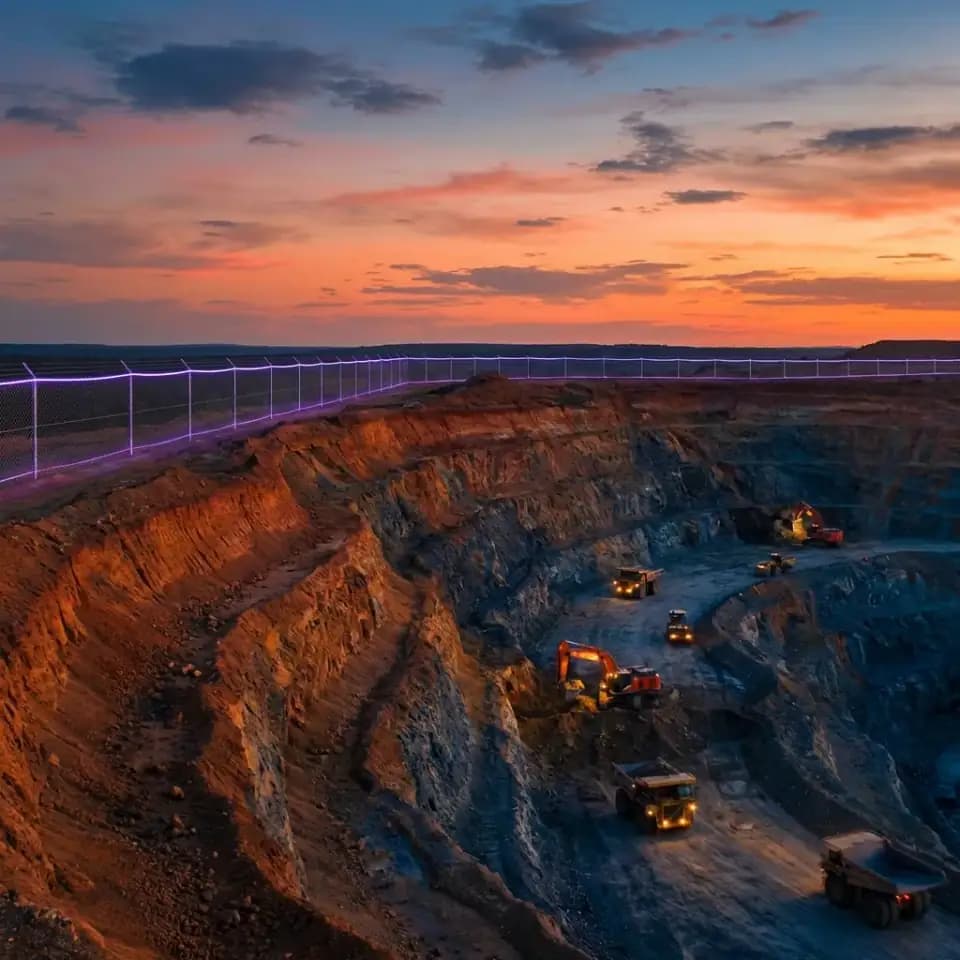
Fiber Optic Perimeter Security in Arizona: Semiconductor & Copper Mining Perimeter Security in Arizona

Securing TSMC's $40B Phoenix Fab, Freeport-McMoRan's Open-Pit Copper Mines, and the Nation's Largest Nuclear Plant in Extreme Desert Heat

Applications

Perimeter Security Fiber Optics Ideal for Applications in Arizona

FortSense Solar & Renewables

Solar & Renewables

Perimeter Security Fiber Optics

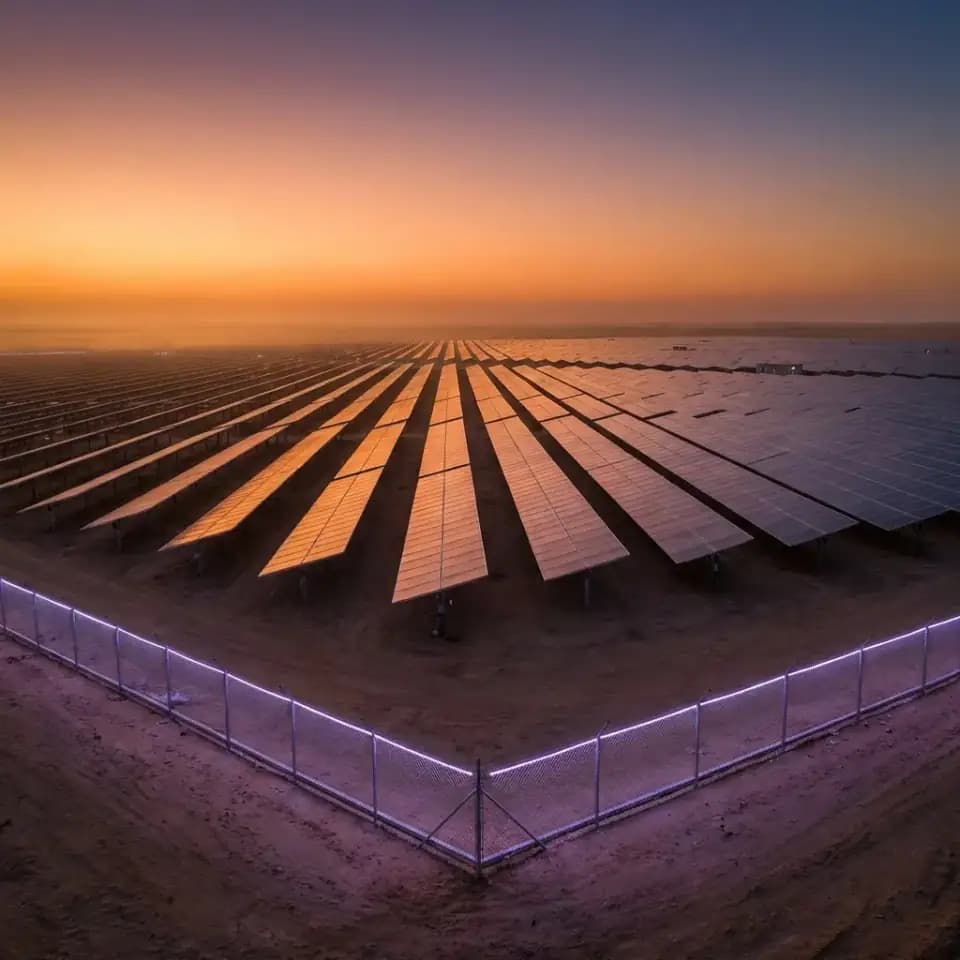
Solar & Renewables

Autonomous perimeter monitoring for solar plants, protecting against theft of panels, copper cables, and inverters.

Ideal for applications in Arizona

FortSense Oil & Gas

Oil & Gas

Perimeter Security Fiber Optics

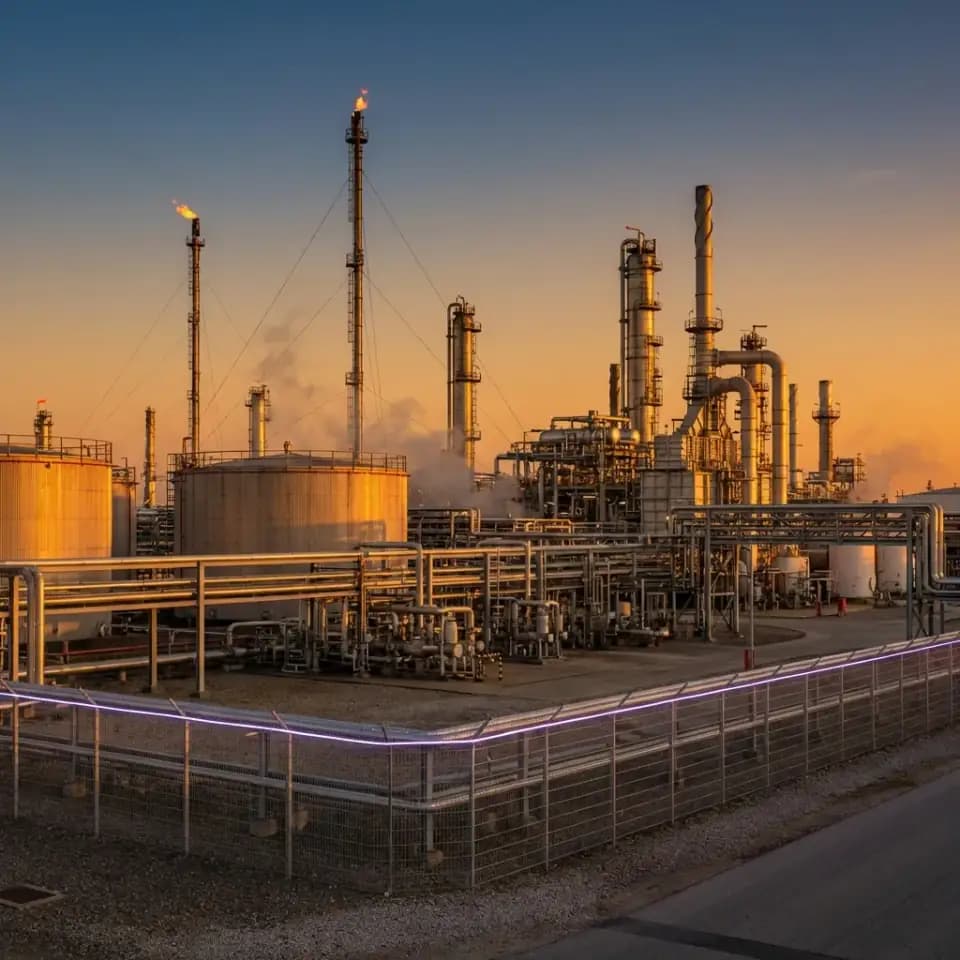
Oil & Gas

Intrinsically safe perimeter detection for refineries, chemical plants, and fuel storage depots.

Ideal for applications in Arizona

FortSense Ports & Maritime

Ports & Maritime

Perimeter Security Fiber Optics

Ports & Maritime

ISPS-compliant security for cargo containers, fuel depots, and docked vessels in harsh marine environments.

Ideal for applications in Arizona

FortSense Agriculture

Agriculture

Perimeter Security Fiber Optics

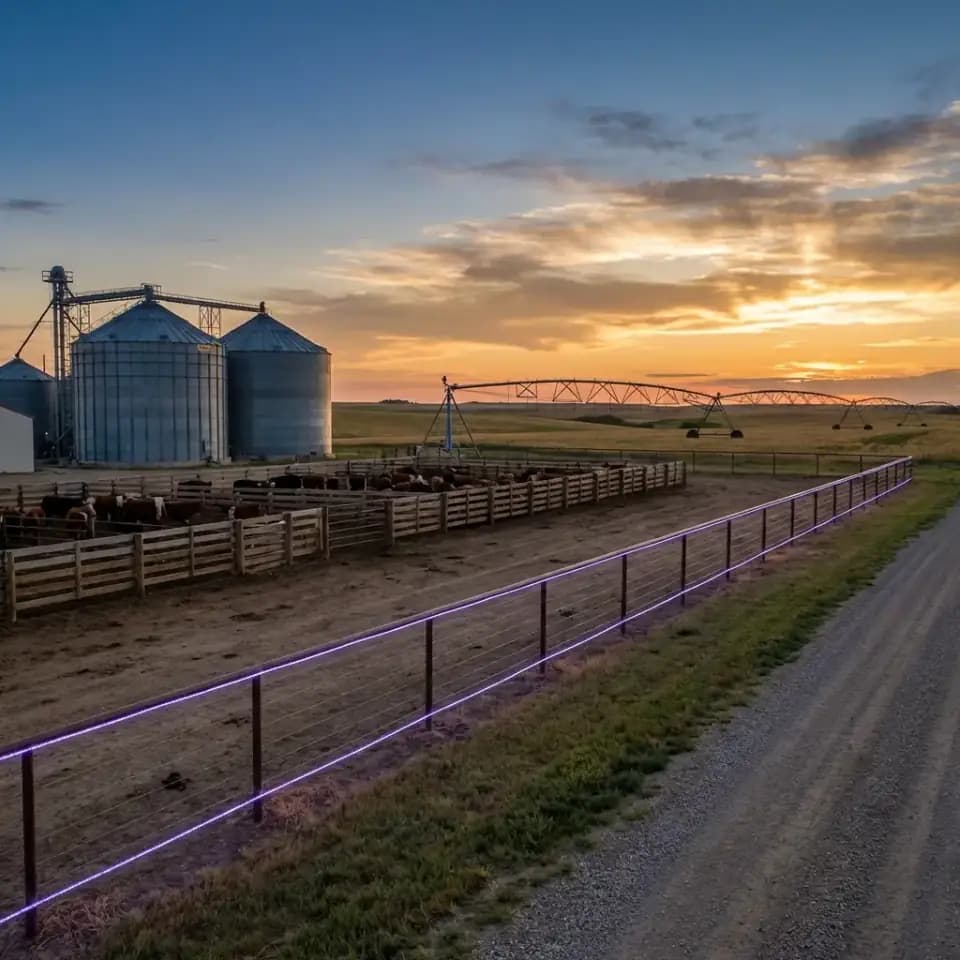
Agriculture

Fire detection and security for farms, livestock pens, pivot irrigation systems, and rural assets.

Ideal for applications in Arizona

FortSense Financial Sector

Financial Sector

Perimeter Security Fiber Optics

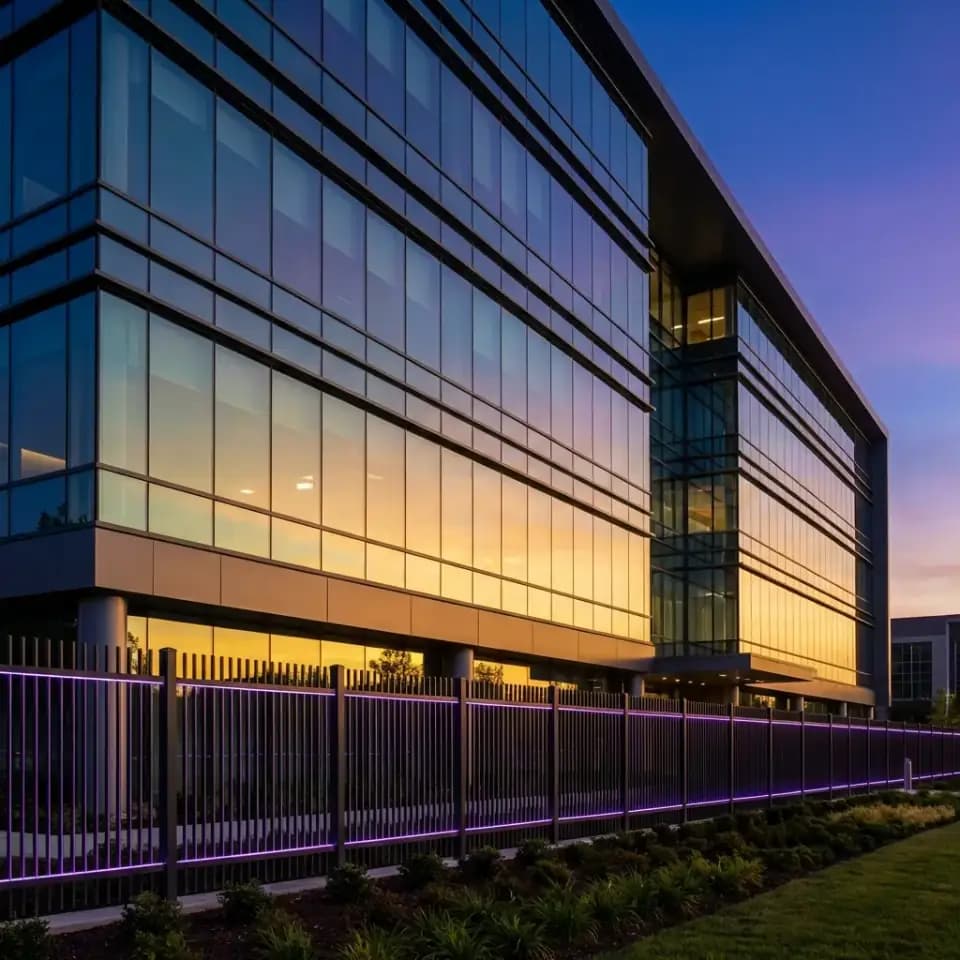
Financial Sector

High-security perimeter protection for banks, vaults, administrative centers, and ATM areas.

Ideal for applications in Arizona

FortSense Residential Condominiums

Residential Condominiums

Perimeter Security Fiber Optics

Residential Condominiums

Invisible security for gated communities and apartment complexes, preserving aesthetics while detecting intrusions.

Ideal for applications in Arizona

FortSense Distribution Centers

Distribution Centers

Perimeter Security Fiber Optics

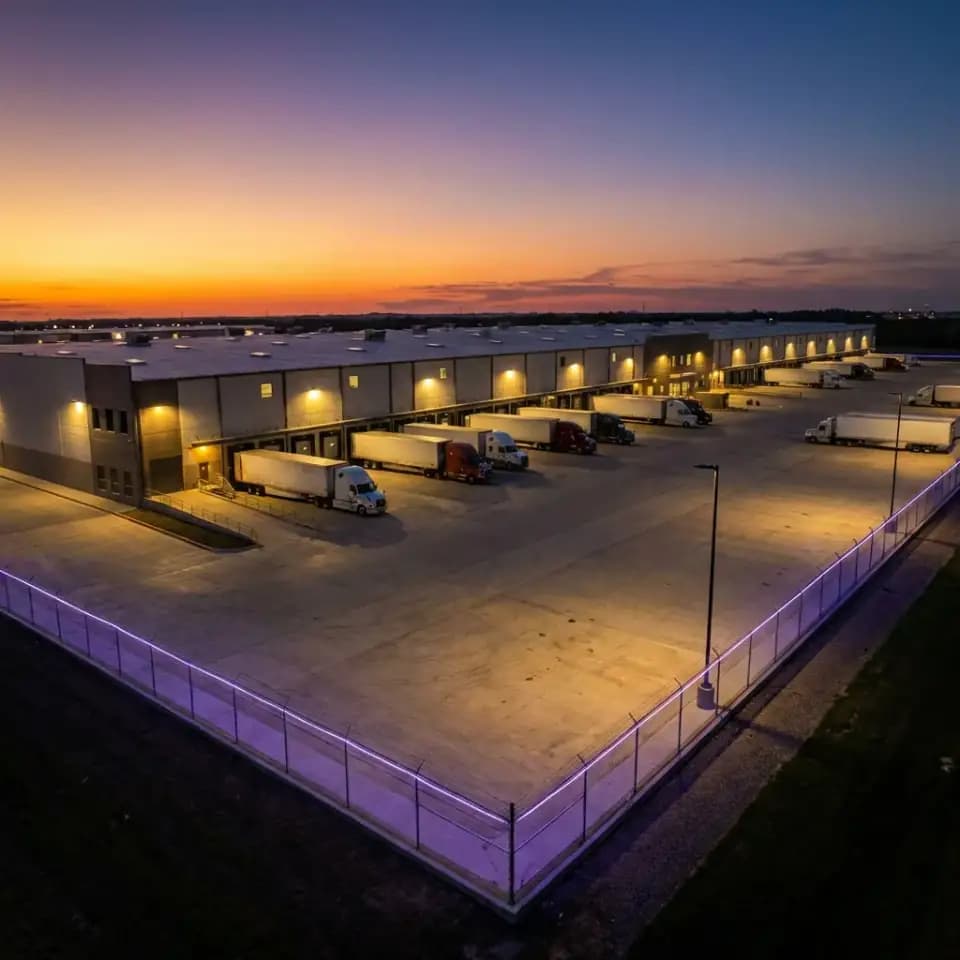
Distribution Centers

Security for logistics parks, warehouses, and high-value storage areas, meeting TAPA security standards.

Ideal for applications in Arizona

FortSense Critical Infrastructure

Critical Infrastructure

Perimeter Security Fiber Optics

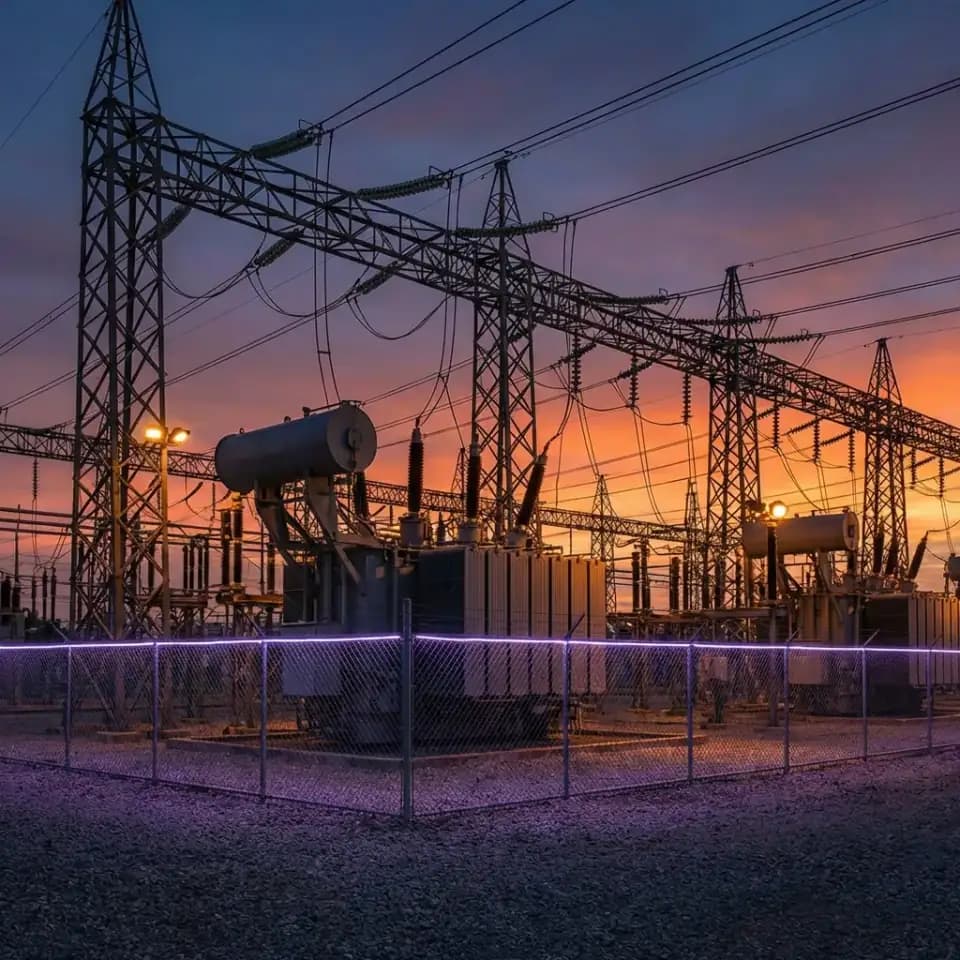
Critical Infrastructure

EMI-immune monitoring for electrical substations, telecom towers, and unmanned critical assets.

Ideal for applications in Arizona

FortSense Corrections & Prisons

Corrections & Prisons

Perimeter Security Fiber Optics

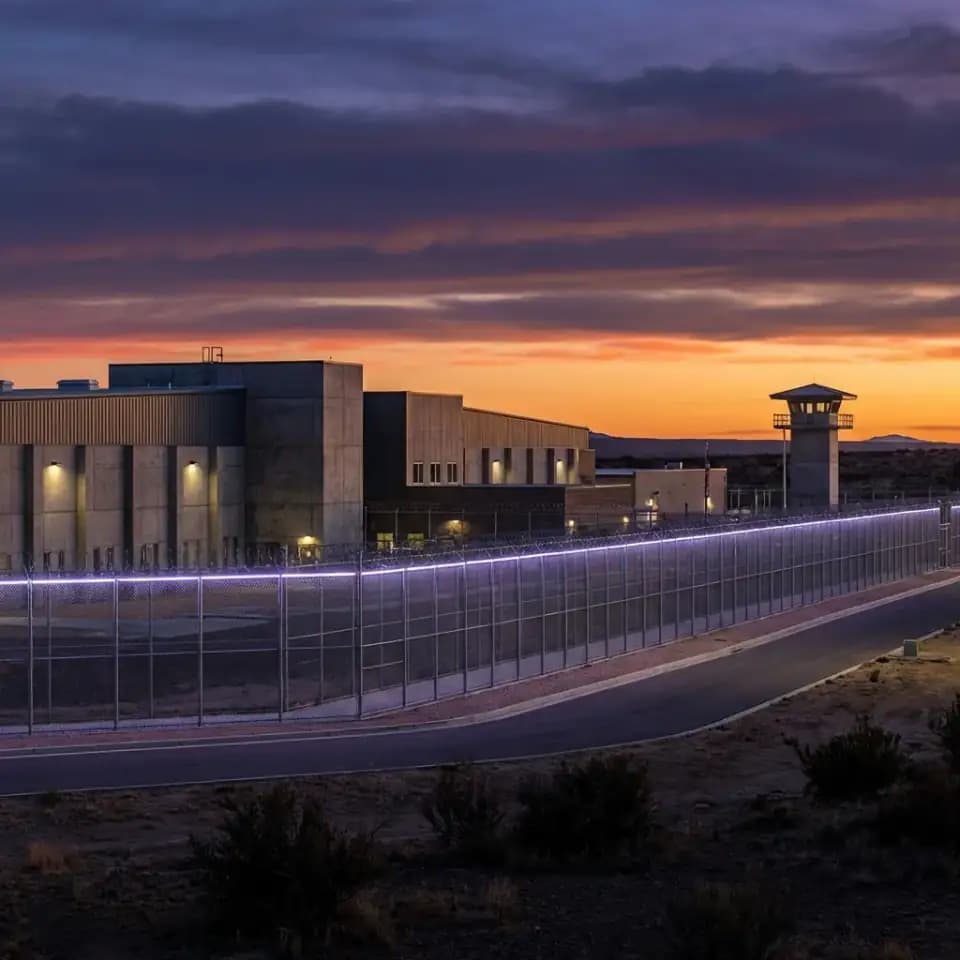
Corrections & Prisons

Zero-tolerance perimeter security for correctional facilities, detecting escape attempts and breaches.

Ideal for applications in Arizona

FortSense Public Sector & Schools

Public Sector & Schools

Perimeter Security Fiber Optics

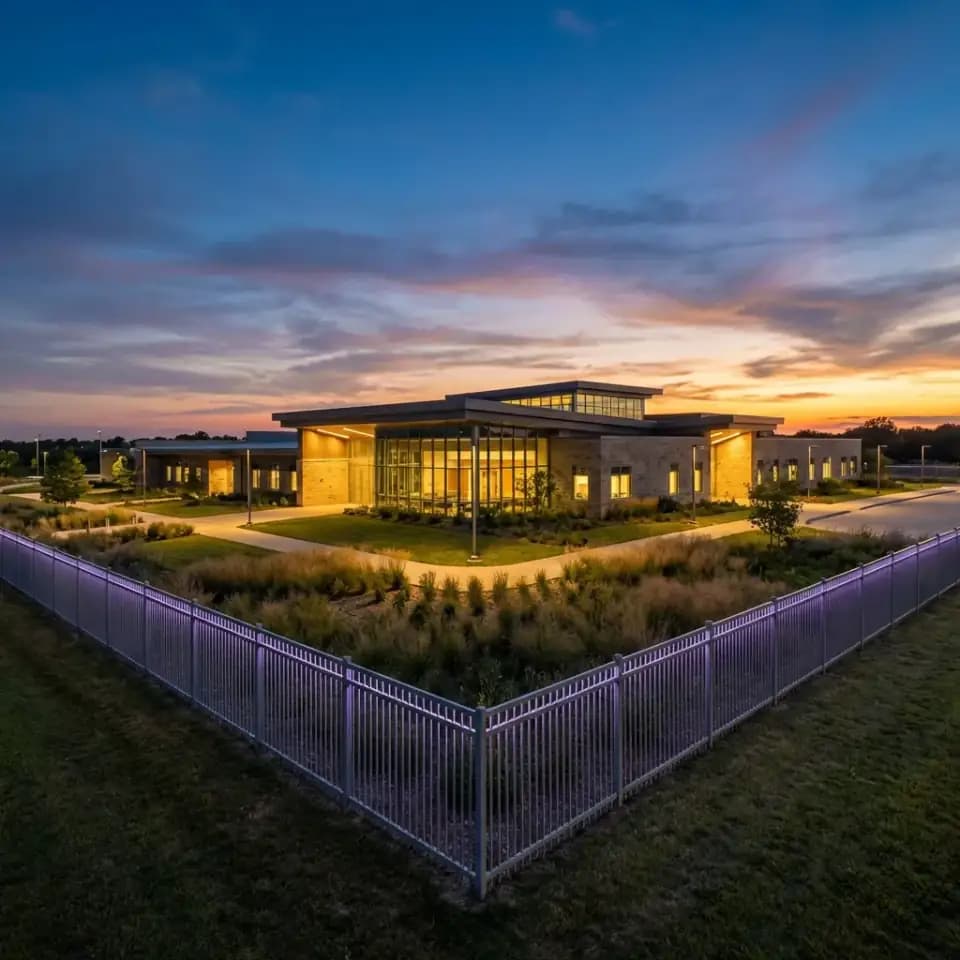
Public Sector & Schools

Non-invasive security for schools, government buildings, and public facilities with rapid lockdown protocols.

Ideal for applications in Arizona

FortSense Perimeter Security for Airports

Perimeter Security for Airports

Perimeter Security Fiber Optics

Perimeter Security for Airports

ICAO-compliant sterile zone enforcement with zero interference to airport radar and navigation systems.

Ideal for applications in Arizona

FortSense Mining Operations

Mining Operations

Perimeter Security Fiber Optics

Mining Operations

Ruggedized perimeter security for open-pit mines, ore stockpiles, and remote mining infrastructure.

Ideal for applications in Arizona

Local service overview

Semiconductor & Copper Mining Perimeter Security in Arizona

FortSense® fiber optic PIDS protecting Arizona's semiconductor fabrication facilities, copper mining operations, hyperscale data centers, and Palo Verde Nuclear Generating Station.

Arizona has emerged as one of the most strategically important states in the American economy, driven by a convergence of semiconductor manufacturing, critical mineral extraction, defense operations, and data center infrastructure that has few parallels anywhere in the nation. The state's transformation from a retirement and tourism destination into a high-technology and heavy industry powerhouse has been accelerating since the early 2020s, fueled by the CHIPS and Science Act, reshoring of advanced manufacturing, and insatiable demand for data center capacity.

This concentration of extraordinarily high-value facilities—where a single semiconductor fab represents a $20 billion investment and a single data center campus may house billions of dollars in computing infrastructure—creates perimeter security requirements that demand the most advanced detection technology available.

The semiconductor industry has become Arizona's signature economic story. TSMC, the world's largest contract chip manufacturer, is building a massive fabrication complex near Phoenix with total investment exceeding $40 billion across multiple phases, bringing the most advanced chip manufacturing processes (sub-3nm) to American soil for the first time. Intel's Ocotillo Technology campus in Chandler, which includes the Fab 12 and Fab 52 facilities, has been producing processors in Arizona for decades and continues to expand.

These semiconductor fabrication plants are among the most expensive single structures ever built, containing cleanrooms where a single particle of dust can destroy millions of dollars in product. The intellectual property contained within their walls—process recipes, chip designs, yield data—represents the crown jewels of the global technology supply chain. Perimeter security at these facilities must prevent not only physical intrusion but also any approach that could support electronic surveillance, drone reconnaissance, or social engineering.

Arizona's mining heritage runs equally deep, and the state remains the nation's leading copper producer by a wide margin. Freeport-McMoRan's Morenci mine in southeastern Arizona is one of the largest open-pit copper mines in the world, covering an area of roughly 30 square miles with pit depths exceeding 1,500 feet. The company also operates the Bagdad mine in Yavapai County, the Safford mine in Graham County, and the Sierrita mine south of Tucson. ASARCO's Ray mine (owned by Grupo Mexico) adds another major open-pit operation.

These mines represent billions of dollars in processing equipment, haul trucks, excavators, and concentrator facilities spread across vast desert landscapes. Copper theft—both from mines and from the extensive copper wire and piping infrastructure across the state—is an epidemic in Arizona, driven by high commodity prices and the ease of selling stolen copper to scrap dealers.

The data center buildout in the Phoenix metropolitan area has been staggering in scale. Microsoft has invested billions in data center campuses in Goodyear and El Mirage. Apple, Meta (Facebook), and Google have all established or are building massive data center facilities in Mesa. CyrusOne operates facilities in Chandler. The total planned and operational data center capacity in the Phoenix metro area exceeds several gigawatts of power consumption, making it one of the largest data center markets in North America.

These facilities store and process data for governments, financial institutions, healthcare systems, and billions of consumer accounts, making them high-value targets for both physical intrusion and cyber-physical attack vectors. Perimeter breaches at data centers can facilitate equipment theft, insider threat staging, or infrastructure disruption.

Arizona's military and defense infrastructure adds another critical security layer. Raytheon Missiles & Defense (now RTX) is headquartered in Tucson and manufactures missile systems including the Tomahawk, Stinger, and SM-3 at facilities spanning multiple campuses. Luke Air Force Base in Glendale is the world's largest F-35 Lightning II training base. Davis-Monthan Air Force Base in Tucson houses the 309th Aerospace Maintenance and Regeneration Group (AMARG), colloquially known as "the Boneyard," where more than 4,400 retired military aircraft are stored across 2,600 acres of desert.

Fort Huachuca near Sierra Vista is the Army's intelligence center and primary installation for electronic proving ground operations. Yuma Proving Ground conducts live-fire testing of virtually every weapons system in the Army's inventory. The Palo Verde Nuclear Generating Station, located west of Phoenix near Tonopah, is the largest nuclear power plant in the United States by net generation, producing over 32 million megawatt-hours annually and supplying baseload power to Arizona, California, and New Mexico.

The security challenges specific to Arizona are driven by its desert environment and border proximity. The flat, sparsely vegetated Sonoran Desert terrain provides minimal natural concealment barriers, allowing individuals to approach facilities across open ground from any direction. Border-proximity crime, including smuggling corridors and unauthorized crossings, affects industrial sites in southern Arizona. Catalytic converter theft is rampant due to the precious metals content, and Phoenix metro construction site theft is endemic in one of the fastest-growing metropolitan areas in the country.

Solar farm installations covering hundreds of acres of remote desert land require perimeter protection against panel theft and vandalism. The desert also presents covert approach opportunities that wooded or mountainous terrain would naturally impede.

Arizona's climate represents one of the most extreme thermal environments for security equipment in the world. Phoenix regularly exceeds 110°F in summer and has recorded temperatures of 122°F. Ground surface temperatures in direct sun can exceed 160°F, destroying electronic components and degrading conventional camera and sensor housings within months. The monsoon season from July through September brings haboob dust storms that reduce visibility to near zero and blast abrasive sand against any exposed equipment.

Wide diurnal temperature swings of 30-40°F between day and night stress mounting hardware and electronic solder joints through thermal cycling. UV radiation at Arizona's latitude and altitude degrades plastics, rubber gaskets, and cable insulation at accelerated rates. Fiber optic sensing cable is immune to all of these stressors—glass fiber does not degrade under UV exposure, is unaffected by sand abrasion when properly sheathed, carries no electrical components subject to thermal cycling failure, and operates reliably from sub-freezing desert nights to the most extreme afternoon heat.

FortSense fiber optic PIDS deployment in Arizona addresses the full spectrum of the state's security requirements. Semiconductor fabrication campuses at TSMC and Intel demand continuous perimeter monitoring with zero tolerance for undetected approaches, integrated with video analytics and access control systems to create a unified security operating picture. Open-pit mining operations at Morenci and Bagdad require perimeter detection spanning dozens of kilometers of remote desert fence line where maintenance visits may be infrequent.

Data center campuses in Mesa and Goodyear need detection systems that distinguish between legitimate perimeter approaches (delivery vehicles, maintenance crews) and genuine intrusion attempts. Nuclear plant security at Palo Verde must meet NRC physical security requirements while operating in punishing desert conditions. Military installation perimeters at Davis-Monthan, Luke AFB, and Fort Huachuca demand detection systems that function through dust storms, extreme heat, and nighttime temperature drops without generating false alarms.

In each scenario, fiber optic sensing delivers the environmental resilience, detection range, and classification intelligence that Arizona's extreme conditions require.

Professional perimeter protection for distribution centers, manufacturing, and critical infrastructure in Arizona.

  • Remote Mining Camp Protection
  • Open-Pit & Quarry Perimeter Security
  • Battery Energy Storage (BESS) Security
  • Semiconductor Fabrication Campuses

Plan a FortSense assessment for this market

Share the perimeter length, fence type, and monitoring workflow. FortSense can help scope zones, integration points, and commissioning requirements for this location.

Services

Remote Mining Camp Protection

Securing remote worker camps, equipment yards, and explosive storage facilities in isolated locations with satellite-backhaul alarm reporting.

Open-Pit & Quarry Perimeter Security

Blast-resistant fiber optic detection for open-pit mine boundaries, haul roads, and restricted blasting zones with vibration filtering for heavy equipment.

Battery Energy Storage (BESS) Security

Securing battery energy storage systems against intrusion, theft, and tampering with thermal-event-aware alarm correlation for lithium-ion facilities.

Deployment patterns for local sites

How FortSense Works in Arizona

Fiber optic perimeter security adapted to local conditions and requirements.

  1. Fiber installed. Passive fiber optic cable mounts on the existing fence or wall with minimal civil work.
  2. Vibration detected. Any contact creates vibration patterns in the fiber so climbing, cutting, or lifting attempts become visible immediately.
  3. AI/DSP verification. Algorithms filter out wind, animals, and environmental noise before an operator ever sees an alarm.
  4. Alarm if intrusion. Only real threats trigger zone-based alarms that can route into the monitoring workflow already used by the site team.

Adapted for Arizona. Our local partners understand Arizona's climate, terrain, and security challenges. The fiber optic system is configured to filter local environmental conditions while maintaining maximum sensitivity to real intrusion attempts.

Integration and security software fit

FortSense can feed alarms into the monitoring stack a site already uses, including VMS, PSIM, alarm panels, relay inputs, TCP/IP workflows, and camera verification.

  • Zone-based alarms for operators and guard teams
  • Camera and VMS workflows for visual verification
  • Relay or network outputs for existing security systems
  • Software-assisted filtering before dispatch decisions

Industries in this market

Relevant FortSense industry and use-case paths connected to this location.

  • Semiconductor Fabrication Campuses
  • Copper Mining Operations
  • Hyperscale Data Centers
  • Distribution Center Perimeter Security
  • Solar Farm Perimeter Security
  • Perimeter Security for Critical Infrastructure

Why FortSense fits in Perimeter Security in Arizona

FortSense is designed for perimeter security work where false-alarm reduction, passive fiber sensing, and practical integration matter more than adding another camera-only layer.

  • Passive fiber on existing fences, walls, or perimeter structures
  • AI/DSP filtering for wind, vibration, and environmental noise
  • Zone-level alerts that can match the site's response model
  • Support for design, integration, commissioning, and handover

Market notes

Practical details that help this page stay specific to the market instead of drifting into generic copy.

  • Semiconductor Fabrication Campuses
  • Copper Mining Operations
  • Hyperscale Data Centers
  • Remote Mining Camp Protection

Related FortSense paths

Related technical content and commercial guidance linked from this location page.

Frequently Asked Questions (FAQ)

Frequently Asked Questions (FAQ) — Arizona

Can the system detect tunnel attempts beneath the perimeter fence?

Yes. FortSense Distributed Acoustic Sensing detects subsurface excavation signatures, including hand digging and mechanical boring. This is critical for mine sites where unauthorized tunneling for ore theft is a known risk.

What about explosive magazine security in remote locations?

Our system provides 24/7 monitoring of explosive storage magazines with instant alarm notification via satellite backhaul. The passive fiber sensor introduces zero ignition risk near explosive materials, making it the safest detection technology available.

How is the system maintained in harsh mining environments?

Minimal maintenance is required — the fiber sensor has no moving parts and no electronics in the field. The interrogator unit, located in a protected enclosure, requires only periodic software updates and calibration checks, typically during scheduled shutdowns.

How does FortSense protect against solar panel theft across large areas?

Our fiber optic cable is installed along the perimeter fence of the solar array. When intruders attempt to climb, cut, or breach the fence, the system detects the acoustic signature and pinpoints the location within ±5 meters, enabling targeted security response.

How does the system handle sandstorms and dust accumulation?

Fiber optic sensors are completely immune to sand, dust, and abrasive particles. Unlike cameras, radar, and infrared beams that are blinded or degraded by sandstorms, FortSense detects intrusion through fence vibration regardless of visibility conditions.

Local perimeter assessment

Request Perimeter Assessment in Arizona

Receive a technical proposal, deployment design, and integration plan.

Semiconductor & Copper Mining Perimeter Security in Arizona