


Fiber Optic Perimeter Security in Connecticut: Defense Manufacturing & Submarine Base Perimeter Security in Connecticut

Protecting Electric Boat's Nuclear Submarine Yards, Pratt & Whitney Jet Engine Plants, and the Nation's Largest Submarine Base

Applications

Perimeter Security Fiber Optics Ideal for Applications in Connecticut

FortSense Solar & Renewables

Solar & Renewables

Perimeter Security Fiber Optics

Solar & Renewables

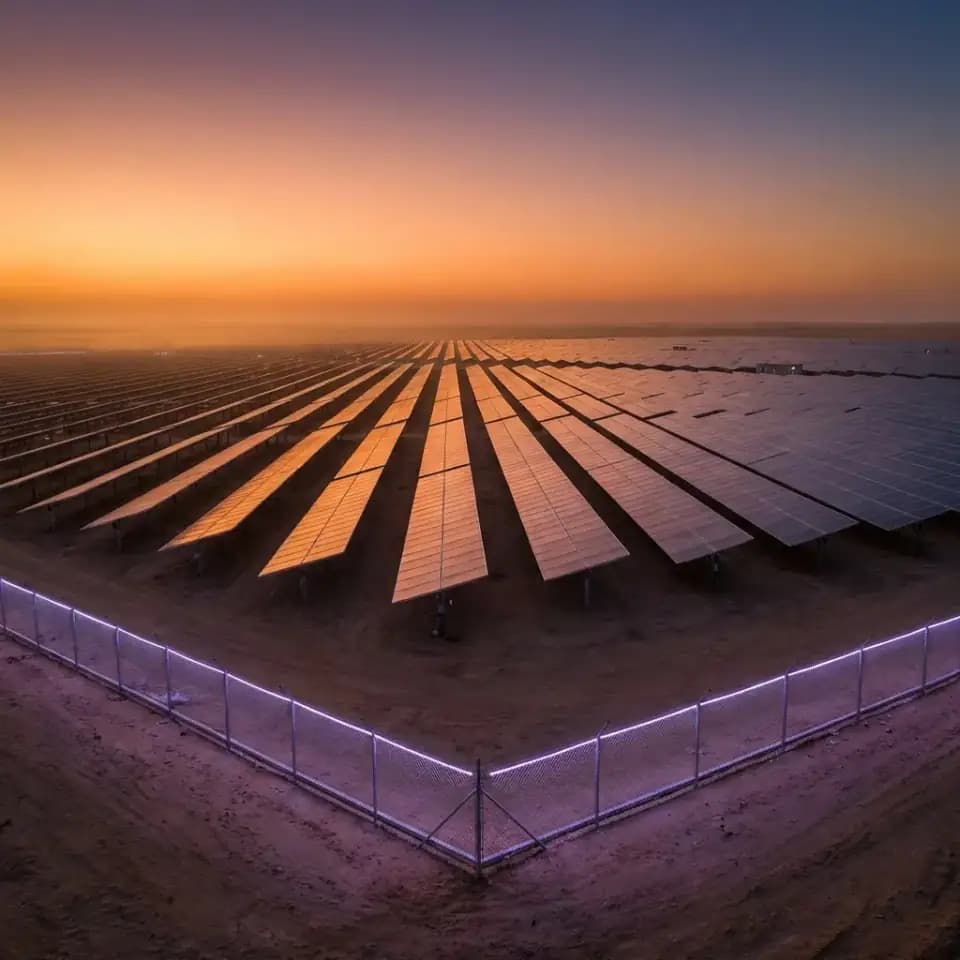
Autonomous perimeter monitoring for solar plants, protecting against theft of panels, copper cables, and inverters.

Ideal for applications in Connecticut

FortSense Oil & Gas

Oil & Gas

Perimeter Security Fiber Optics

Oil & Gas

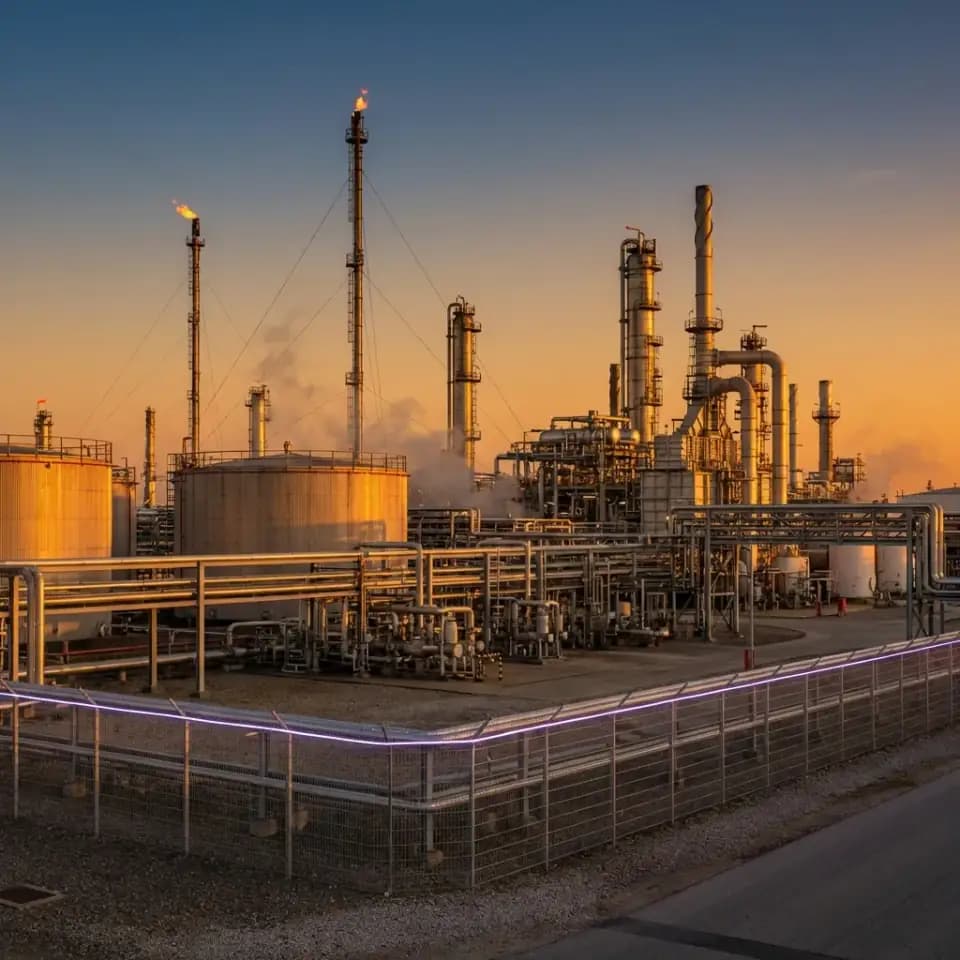
Intrinsically safe perimeter detection for refineries, chemical plants, and fuel storage depots.

Ideal for applications in Connecticut

FortSense Ports & Maritime

Ports & Maritime

Perimeter Security Fiber Optics

Ports & Maritime

ISPS-compliant security for cargo containers, fuel depots, and docked vessels in harsh marine environments.

Ideal for applications in Connecticut

FortSense Agriculture

Agriculture

Perimeter Security Fiber Optics

Agriculture

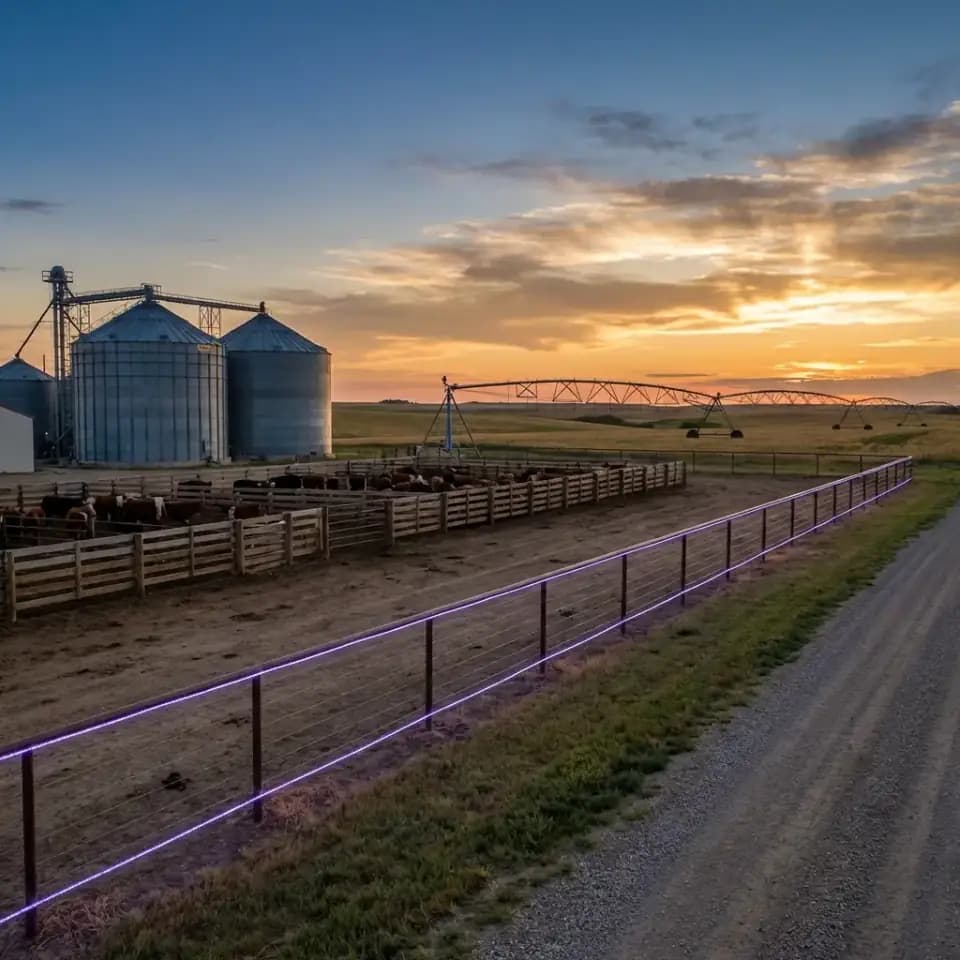
Fire detection and security for farms, livestock pens, pivot irrigation systems, and rural assets.

Ideal for applications in Connecticut

FortSense Financial Sector

Financial Sector

Perimeter Security Fiber Optics

Financial Sector

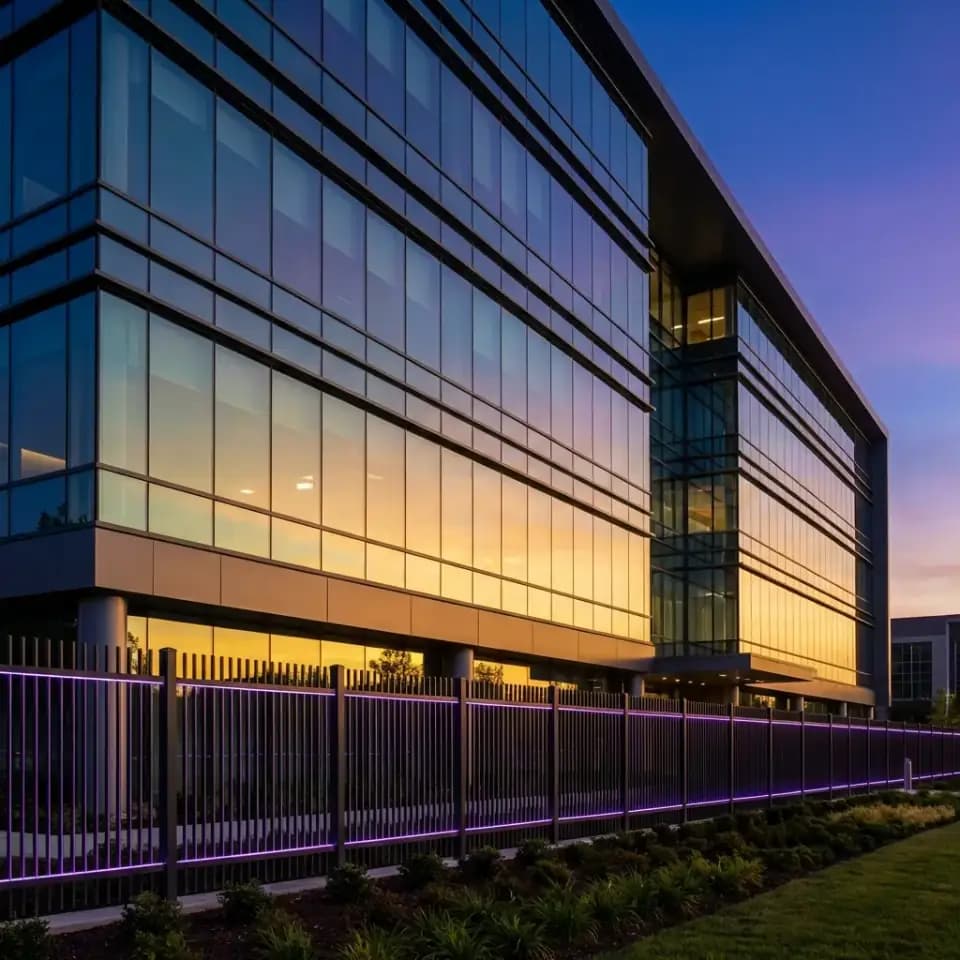
High-security perimeter protection for banks, vaults, administrative centers, and ATM areas.

Ideal for applications in Connecticut

FortSense Residential Condominiums

Residential Condominiums

Perimeter Security Fiber Optics

Residential Condominiums

Invisible security for gated communities and apartment complexes, preserving aesthetics while detecting intrusions.

Ideal for applications in Connecticut

FortSense Distribution Centers

Distribution Centers

Perimeter Security Fiber Optics

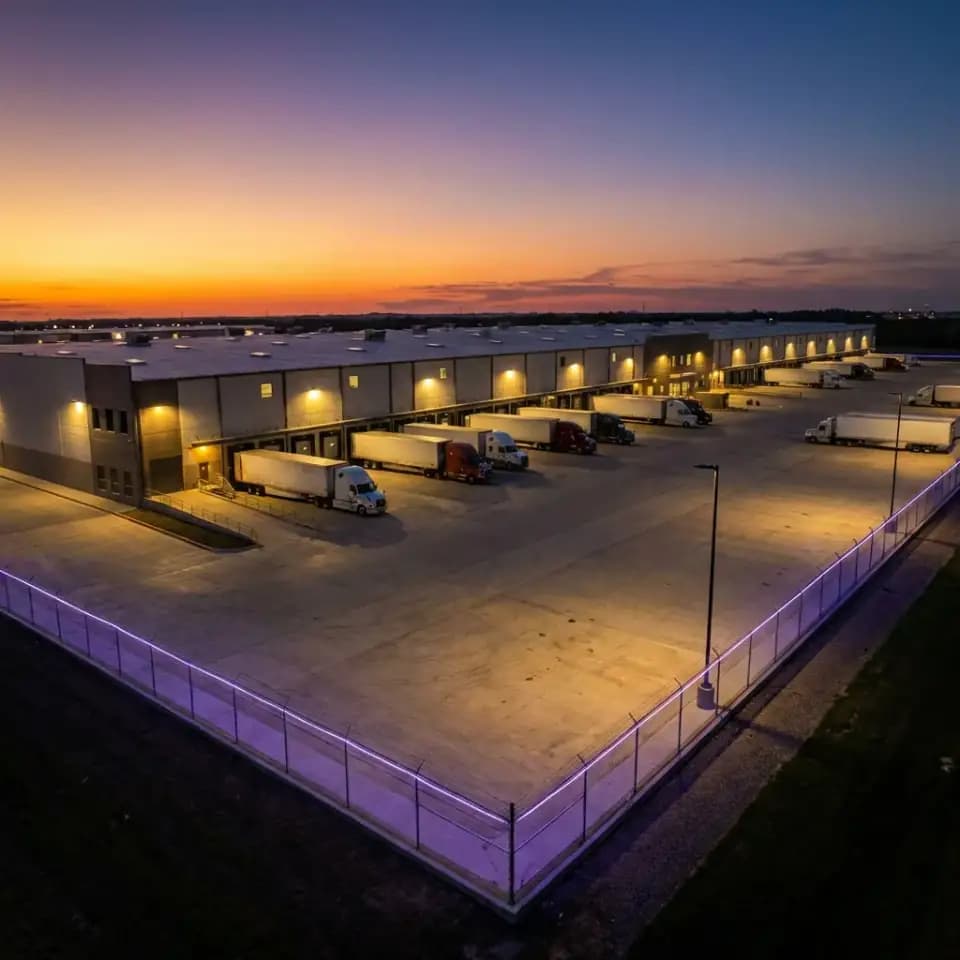
Distribution Centers

Security for logistics parks, warehouses, and high-value storage areas, meeting TAPA security standards.

Ideal for applications in Connecticut

FortSense Critical Infrastructure

Critical Infrastructure

Perimeter Security Fiber Optics

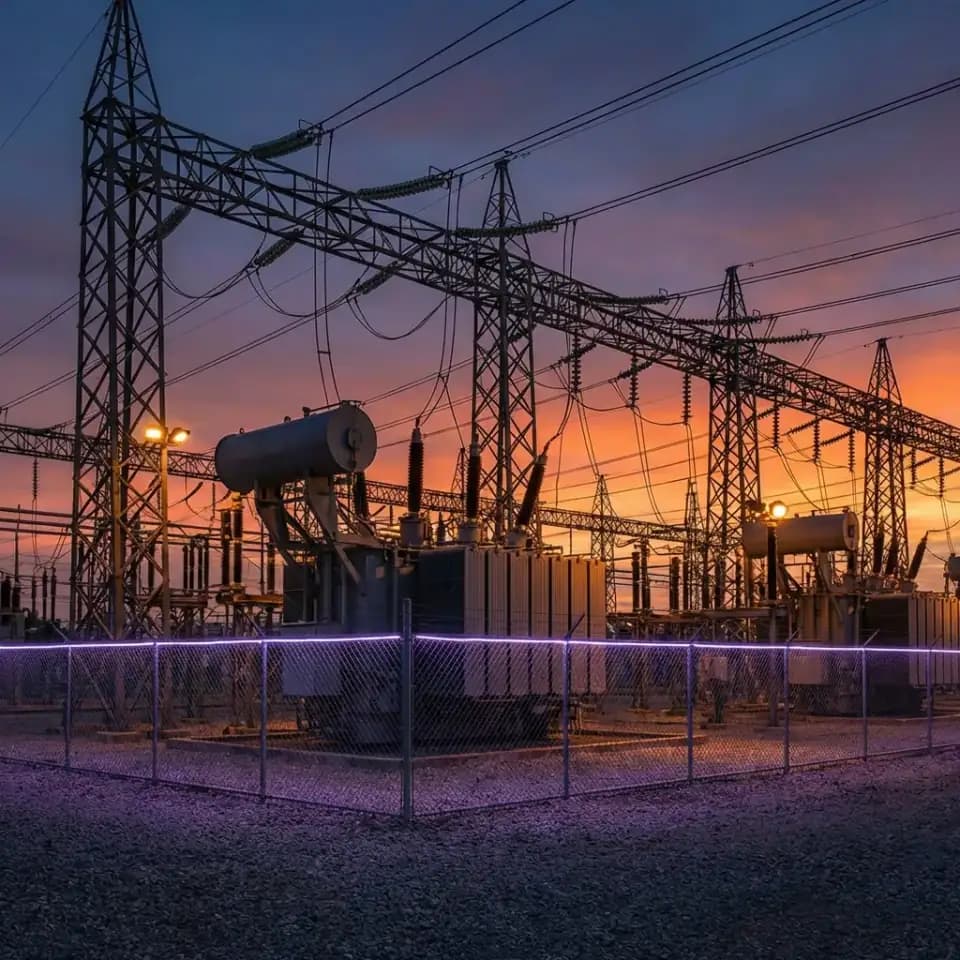
Critical Infrastructure

EMI-immune monitoring for electrical substations, telecom towers, and unmanned critical assets.

Ideal for applications in Connecticut

FortSense Corrections & Prisons

Corrections & Prisons

Perimeter Security Fiber Optics

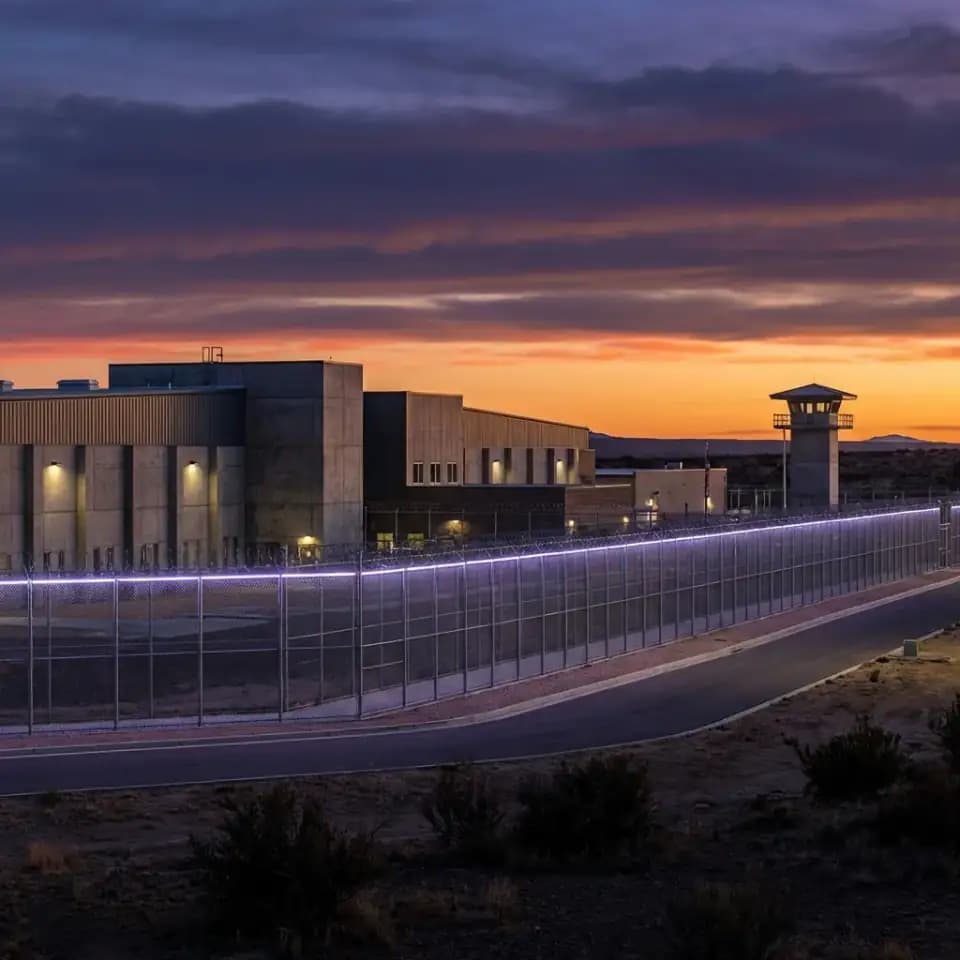
Corrections & Prisons

Zero-tolerance perimeter security for correctional facilities, detecting escape attempts and breaches.

Ideal for applications in Connecticut

FortSense Public Sector & Schools

Public Sector & Schools

Perimeter Security Fiber Optics

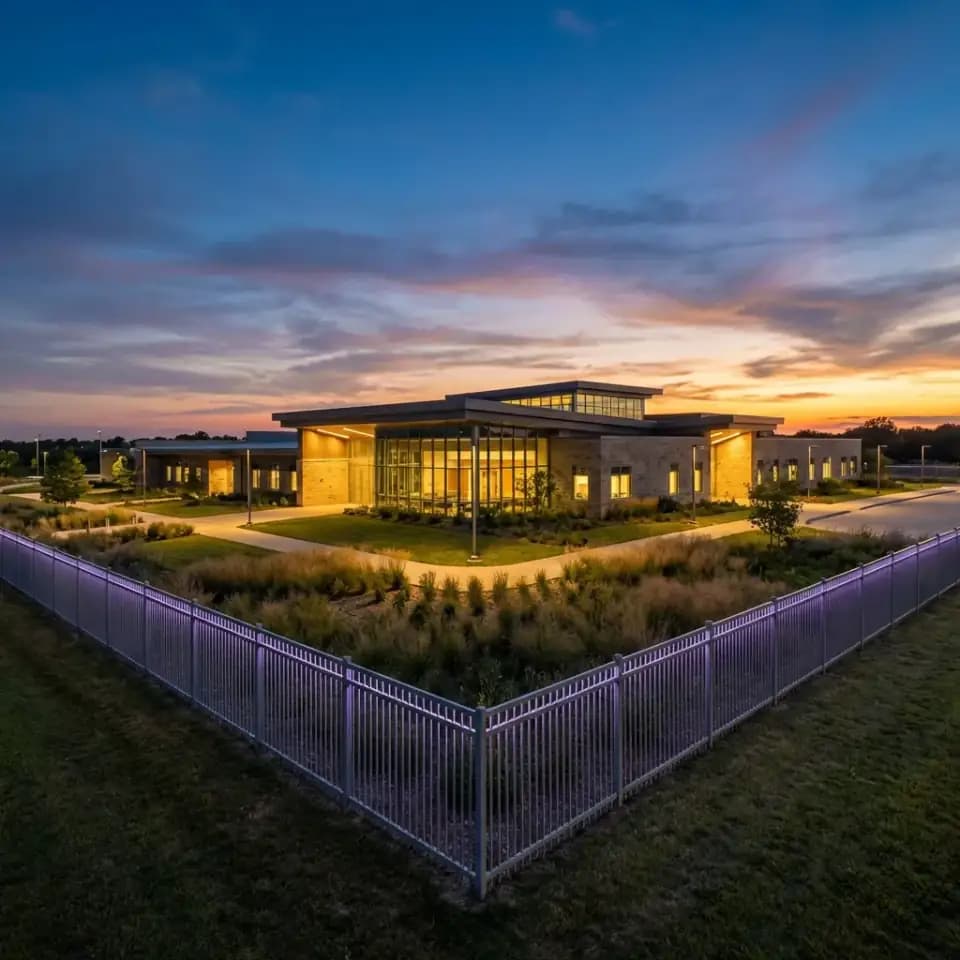
Public Sector & Schools

Non-invasive security for schools, government buildings, and public facilities with rapid lockdown protocols.

Ideal for applications in Connecticut

FortSense Perimeter Security for Airports

Perimeter Security for Airports

Perimeter Security Fiber Optics

Perimeter Security for Airports

ICAO-compliant sterile zone enforcement with zero interference to airport radar and navigation systems.

Ideal for applications in Connecticut

FortSense Mining Operations

Mining Operations

Perimeter Security Fiber Optics

Mining Operations

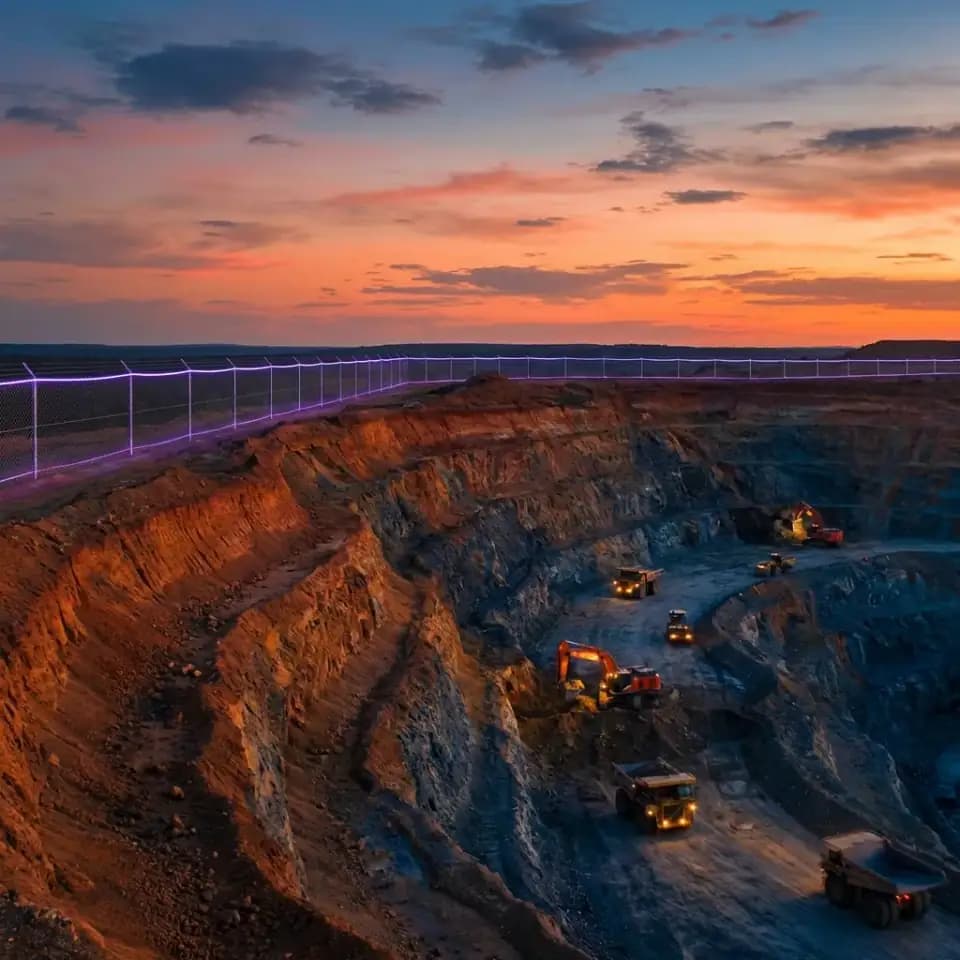
Ruggedized perimeter security for open-pit mines, ore stockpiles, and remote mining infrastructure.

Ideal for applications in Connecticut

Local service overview

Defense Manufacturing & Submarine Base Perimeter Security in Connecticut

FortSense® fiber optic PIDS protecting Connecticut's classified submarine manufacturing, jet engine production facilities, pharmaceutical R&D campuses, and Naval Submarine Base New London.

Connecticut is the most defense-manufacturing-intensive state in America relative to its size, packing an extraordinary concentration of classified military production, nuclear submarine construction, jet engine manufacturing, and pharmaceutical research into a geographic footprint smaller than many western counties. The state's defense industrial base produces the nuclear submarines, jet engines, and helicopters that form the backbone of American military power projection, while its pharmaceutical sector develops the drugs that anchor billions in global healthcare spending.

This combination of facilities handling classified weapons programs, nuclear propulsion technology, controlled pharmaceutical substances, and sensitive financial data creates perimeter security requirements of exceptional severity—where a single intrusion event could compromise national security, intellectual property worth billions, or public safety.

General Dynamics Electric Boat in Groton is the epicenter of American submarine construction. The facility designs and builds the U. S. Navy's nuclear-powered submarines, including the Virginia-class fast attack submarines and the Columbia-class ballistic missile submarines—the latter representing the sea-based leg of America's nuclear triad and one of the largest defense acquisition programs in history, valued at over $130 billion.

The shipyard occupies a sprawling waterfront campus on the Thames River, with construction halls, drydocks, outfitting piers, and secure areas where nuclear reactor components are installed. The facility employs over 18,000 workers and operates around the clock on production schedules that are critical to national submarine force levels. Security at Electric Boat must address threats from land, water, and air, across a complex perimeter that includes riverfront exposure, urban adjacency, and interfaces with public roadways and the adjacent Naval Submarine Base.

U. S. Naval Submarine Base New London in Groton is the largest submarine base in the United States and the first home port for many newly constructed submarines coming out of Electric Boat's yard next door. The base harbors multiple nuclear attack submarines and serves as the primary east coast submarine training facility. Its perimeter encompasses waterfront, forested, and developed terrain along the Thames River, requiring detection systems that function reliably across diverse ground conditions and environmental exposures.

The base's proximity to the Electric Boat shipyard creates a defense-industrial complex where classified submarine technology moves between construction and operational facilities, demanding seamless security coverage across the combined perimeter.

Pratt & Whitney's operations in East Hartford represent the other pillar of Connecticut's defense manufacturing dominance. The company designs and produces jet engines for both military and commercial aircraft, including the F135 engine that powers every F-35 Lightning II fighter in the world and the PW1000G geared turbofan series for commercial aviation. The East Hartford campus includes design centers, testing facilities, and manufacturing operations where engine components are machined to tolerances measured in thousandths of an inch from exotic alloys worth millions of dollars per batch.

Sikorsky Aircraft, a Lockheed Martin subsidiary in Stratford, manufactures the UH-60 Black Hawk helicopter—the backbone of U. S. Army aviation—along with the CH-53K King Stallion and commercial helicopter variants. These defense manufacturing facilities handle International Traffic in Arms Regulations (ITAR) controlled technology, requiring physical security measures that prevent unauthorized access to production areas, testing facilities, and data systems.

Connecticut's pharmaceutical sector adds another layer of high-security infrastructure. Pfizer's Global Research & Development center in Groton is one of the largest pharmaceutical research campuses in the world, where scientists develop and test new drug compounds that may represent billions in future revenue. Boehringer Ingelheim's U. S. headquarters in Ridgefield conducts pharmaceutical manufacturing and research. These facilities store controlled substances, proprietary drug formulations, and clinical trial data that require strict access control and perimeter protection.

The Dominion Energy Millstone Nuclear Power Station in Waterford, Connecticut's only operating nuclear plant, produces approximately half the state's electricity and must meet Nuclear Regulatory Commission physical security requirements. The Port of New Haven handles petroleum products and bulk cargo critical to the region's fuel supply.

The security threat environment in Connecticut is shaped by the extraordinary value and sensitivity of its industrial output. Defense contractor facilities face threats ranging from foreign intelligence collection efforts to insider threat scenarios, where unauthorized perimeter access could facilitate equipment theft, document photography, or physical sabotage. The U. S. Government Accountability Office has repeatedly highlighted the need for enhanced physical security at defense manufacturing facilities, particularly those involved in nuclear propulsion and classified weapons programs.

Urban crime patterns in Hartford, Bridgeport, and New Haven include elevated rates of catalytic converter theft, vehicle theft, and metal theft that also affect industrial perimeters. Cargo and package theft along the I-95 corridor, New England's primary logistics artery, is a growing concern for distribution and staging facilities.

Connecticut's coastal New England climate presents a specific set of challenges for outdoor security equipment. Nor'easters bring heavy snow, freezing rain, and coastal flooding, with storm surge along Long Island Sound threatening low-lying waterfront installations like the submarine base and Electric Boat shipyard. Hurricane and tropical storm exposure—though less frequent than in the Southeast—can produce destructive winds and flooding when major storms track through the region.

Ice storms coat equipment in layers of ice that can disable camera pan-tilt mechanisms, block sensor fields of view, and add structural loading to fence-mounted systems. Salt air exposure along the coast accelerates corrosion of any metallic components in security equipment. Winter temperatures regularly fall below 10°F, while summer heat and humidity promote condensation inside electronic enclosures.

Fiber optic perimeter intrusion detection is ideally suited to Connecticut's defense-manufacturing security environment. The passive fiber sensing element introduces no electronic emissions that could be detected or exploited by adversaries conducting technical surveillance. The cable's all-glass-and-polymer construction is impervious to salt air corrosion, ice accumulation has no effect on detection performance, and the system operates continuously through nor'easters, ice storms, and tropical weather events.

For waterfront security at the submarine base and Electric Boat shipyard, fiber optic sensing cables can be deployed along seawalls, fence lines, and buried in approach paths to detect surface and subsurface vibrations from intrusion attempts coming from both land and water sides.

FortSense deployment scenarios in Connecticut center on the state's most critical assets. Electric Boat's multi-mile waterfront and landside perimeter requires continuous detection with the classification intelligence to distinguish between maritime traffic, wind-driven debris, and genuine intrusion events along the Thames River. Naval Submarine Base New London demands detection systems meeting Department of Defense physical security standards across complex terrain.

Pratt & Whitney and Sikorsky campuses need perimeter monitoring that integrates with existing ITAR-compliant security architectures while covering large manufacturing and testing areas. Pharmaceutical campuses at Pfizer Groton and Boehringer Ingelheim Ridgefield require detection that protects controlled substance storage areas and R&D buildings. Millstone Nuclear Station must meet NRC physical security requirements in a coastal environment.

In every case, FortSense fiber optic PIDS delivers the environmental resilience, detection sensitivity, and low electromagnetic signature that Connecticut's classified, high-consequence facilities demand.

Professional perimeter protection for distribution centers, manufacturing, and critical infrastructure in Connecticut.

  • Factory & Industrial Park Perimeter
  • Warehouse Complex & Distribution Center
  • Substation & Grid Protection (Copper Theft)
  • Nuclear Submarine Manufacturing Facilities

Plan a FortSense assessment for this market

Share the perimeter length, fence type, and monitoring workflow. FortSense can help scope zones, integration points, and commissioning requirements for this location.

Services

Factory & Industrial Park Perimeter

Shift-aware perimeter detection for factories and industrial parks with automatic sensitivity adjustment between production hours and quiet periods.

Warehouse Complex & Distribution Center

Multi-zone fiber optic fencing for warehouse complexes and distribution centers with integration to inventory management and access control systems.

Substation & Grid Protection (Copper Theft)

Fiber optic perimeter security for electrical substations, switching stations, and transmission corridors to prevent copper theft and infrastructure sabotage.

Deployment patterns for local sites

How FortSense Works in Connecticut

Fiber optic perimeter security adapted to local conditions and requirements.

  1. Fiber installed. Passive fiber optic cable mounts on the existing fence or wall with minimal civil work.
  2. Vibration detected. Any contact creates vibration patterns in the fiber so climbing, cutting, or lifting attempts become visible immediately.
  3. AI/DSP verification. Algorithms filter out wind, animals, and environmental noise before an operator ever sees an alarm.
  4. Alarm if intrusion. Only real threats trigger zone-based alarms that can route into the monitoring workflow already used by the site team.

Adapted for Connecticut. Our local partners understand Connecticut's climate, terrain, and security challenges. The fiber optic system is configured to filter local environmental conditions while maintaining maximum sensitivity to real intrusion attempts.

Integration and security software fit

FortSense can feed alarms into the monitoring stack a site already uses, including VMS, PSIM, alarm panels, relay inputs, TCP/IP workflows, and camera verification.

  • Zone-based alarms for operators and guard teams
  • Camera and VMS workflows for visual verification
  • Relay or network outputs for existing security systems
  • Software-assisted filtering before dispatch decisions

Industries in this market

Relevant FortSense industry and use-case paths connected to this location.

  • Nuclear Submarine Manufacturing Facilities
  • Jet Engine Manufacturing Plants
  • Pharmaceutical R&D & Manufacturing Campuses
  • Distribution Center Perimeter Security
  • Solar Farm Perimeter Security
  • Perimeter Security for Critical Infrastructure

Why FortSense fits in Perimeter Security in Connecticut

FortSense is designed for perimeter security work where false-alarm reduction, passive fiber sensing, and practical integration matter more than adding another camera-only layer.

  • Passive fiber on existing fences, walls, or perimeter structures
  • AI/DSP filtering for wind, vibration, and environmental noise
  • Zone-level alerts that can match the site's response model
  • Support for design, integration, commissioning, and handover

Market notes

Practical details that help this page stay specific to the market instead of drifting into generic copy.

  • Nuclear Submarine Manufacturing Facilities
  • Jet Engine Manufacturing Plants
  • Pharmaceutical R&D & Manufacturing Campuses
  • Factory & Industrial Park Perimeter

Related FortSense paths

Related technical content and commercial guidance linked from this location page.

Frequently Asked Questions (FAQ)

Frequently Asked Questions (FAQ) — Connecticut

What is the false alarm rate in an industrial environment?

Properly calibrated FortSense systems achieve Nuisance Alarm Rates (NAR) below 1 per zone per day in industrial environments. Our AI-based filtering adapts to site-specific conditions over the first 2-4 weeks, continuously improving accuracy.

Can the system secure multiple buildings in an industrial park?

Yes. The fiber cable can be routed through multiple perimeters within a single industrial park — factory buildings, warehouses, parking areas, and utility compounds — all monitored from one interrogator with independent alarm zones per building.

How quickly can the system be relocated if manufacturing operations move?

FortSense cable can be removed and reinstalled at a new location. The fiber sensor is reusable, and recalibration at the new site takes 1-2 weeks. This flexibility is valuable for manufacturers with changing facility footprints or lease agreements.

How does FortSense help prevent copper theft from electrical substations?

The fiber cable on the substation fence detects cutting, climbing, and forced entry attempts before intruders reach copper busbars and cabling. Instant zone-specific alarms enable response within minutes, which is critical since copper theft can cause widespread power outages.

How does the system handle constant coastal wind?

Coastal installations experience persistent wind that causes fence vibration. FortSense learns the wind profile of each zone and filters it automatically. The system distinguishes between wind-induced oscillation (rhythmic, distributed) and intrusion events (localized, aperiodic).

Local perimeter assessment

Request Perimeter Assessment in Connecticut

Receive a technical proposal, deployment design, and integration plan.

Factory Perimeter Security in Connecticut | FortSense®