

Fiber Optic Perimeter Security in Delaware: Refinery & Logistics Corridor Perimeter Security in Delaware

Securing the Delaware City Refinery, Port of Wilmington's Cargo Terminals, and the I-95 Northeast Corridor's Densest Logistics Cluster

Applications

Perimeter Security Fiber Optics Ideal for Applications in Delaware

FortSense Solar & Renewables

Solar & Renewables

Perimeter Security Fiber Optics

Solar & Renewables

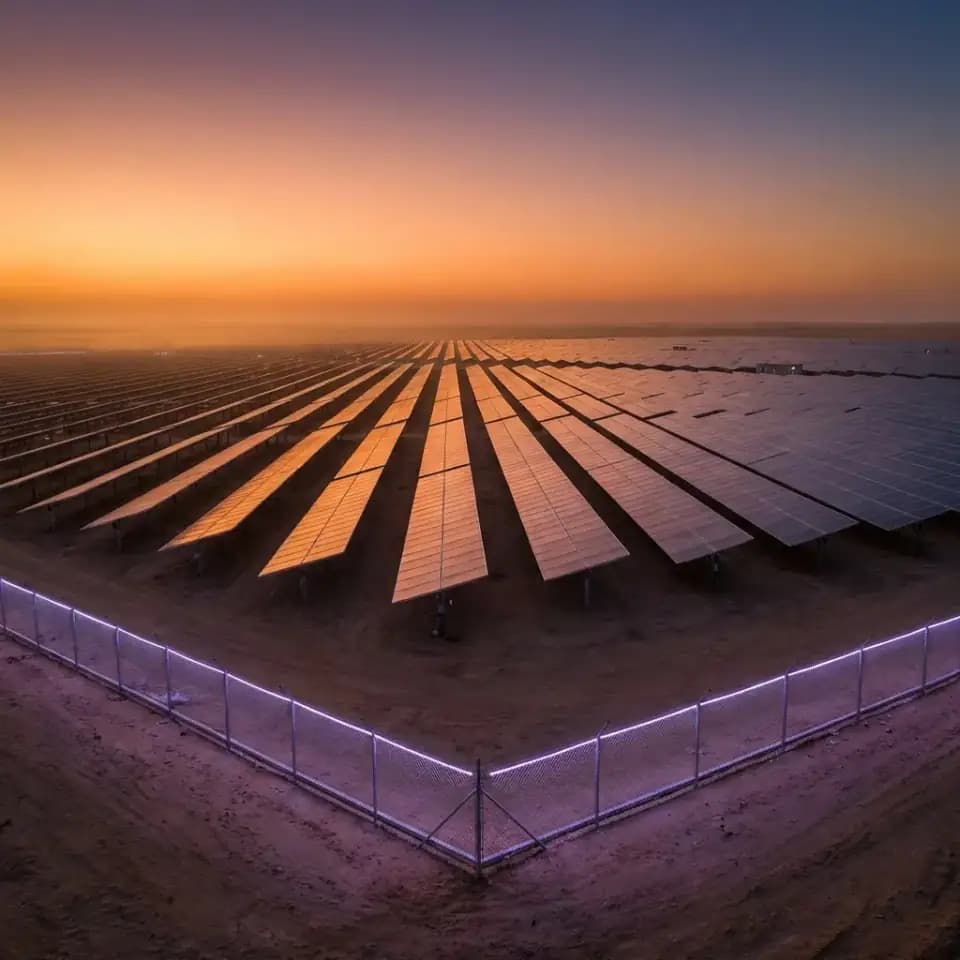
Autonomous perimeter monitoring for solar plants, protecting against theft of panels, copper cables, and inverters.

Ideal for applications in Delaware

FortSense Oil & Gas

Oil & Gas

Perimeter Security Fiber Optics

Oil & Gas

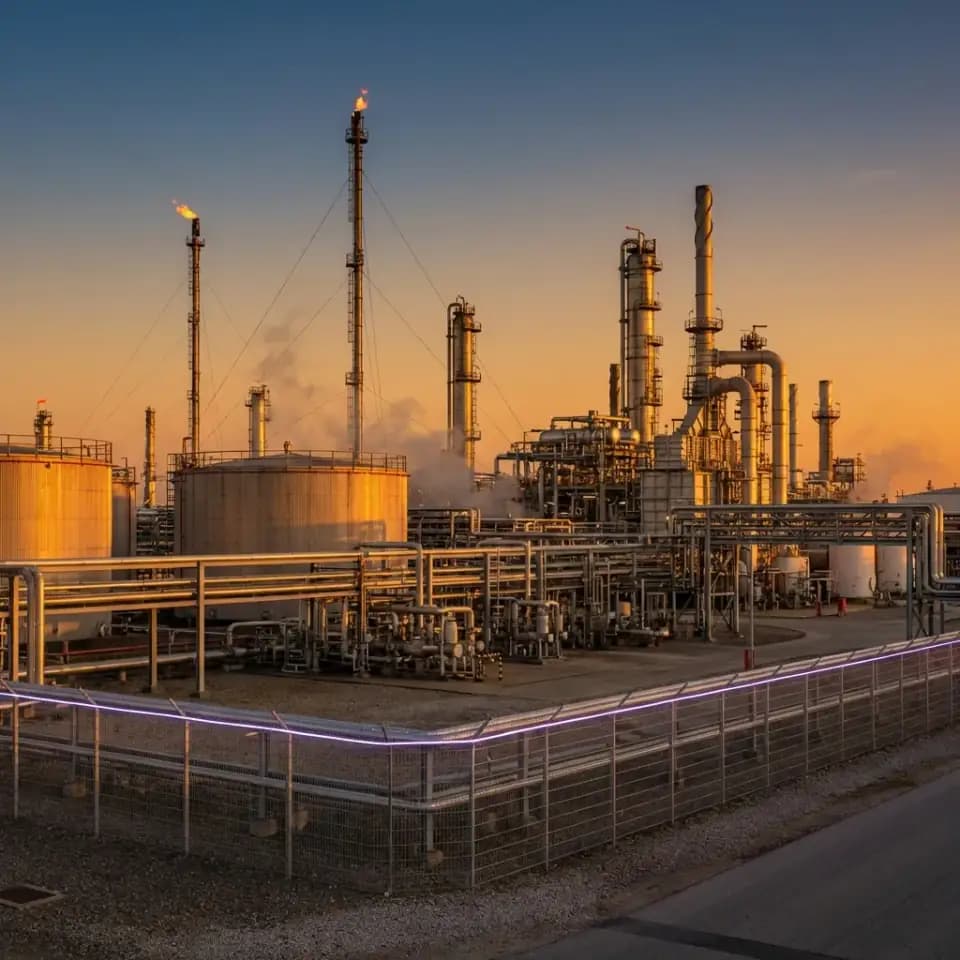
Intrinsically safe perimeter detection for refineries, chemical plants, and fuel storage depots.

Ideal for applications in Delaware

FortSense Ports & Maritime

Ports & Maritime

Perimeter Security Fiber Optics

Ports & Maritime

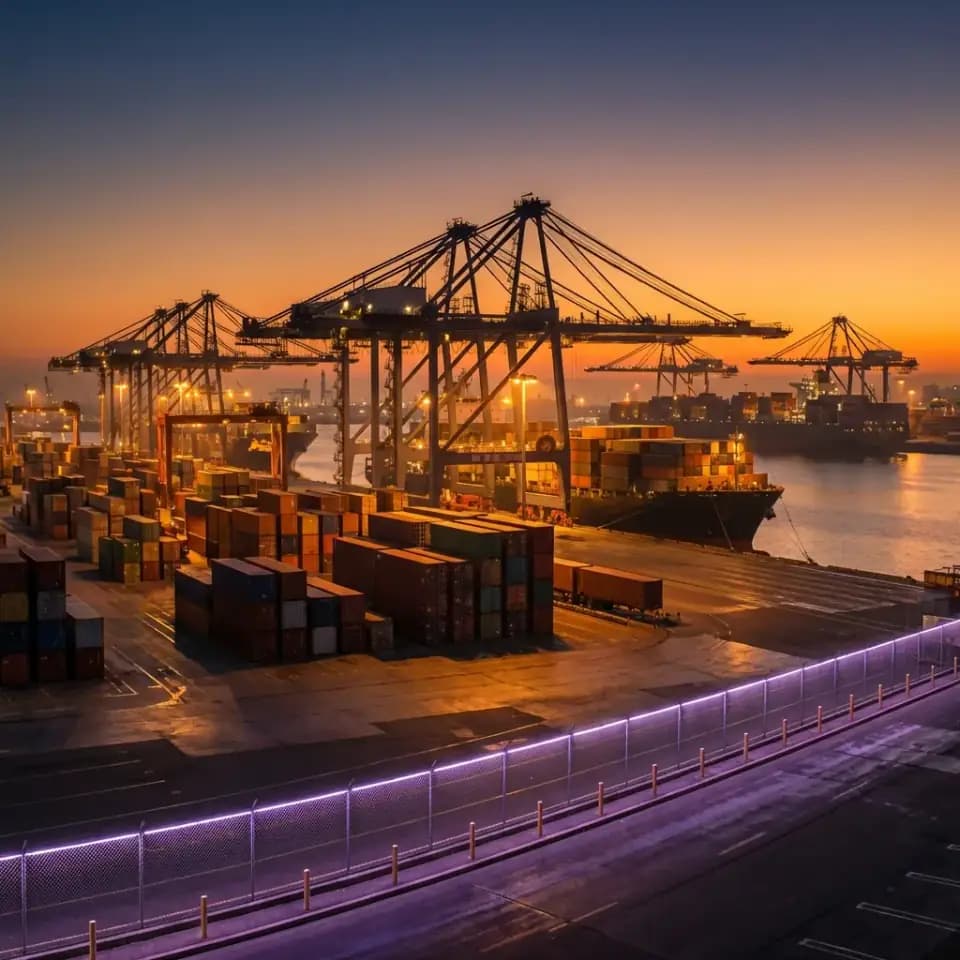
ISPS-compliant security for cargo containers, fuel depots, and docked vessels in harsh marine environments.

Ideal for applications in Delaware

FortSense Agriculture

Agriculture

Perimeter Security Fiber Optics

Agriculture

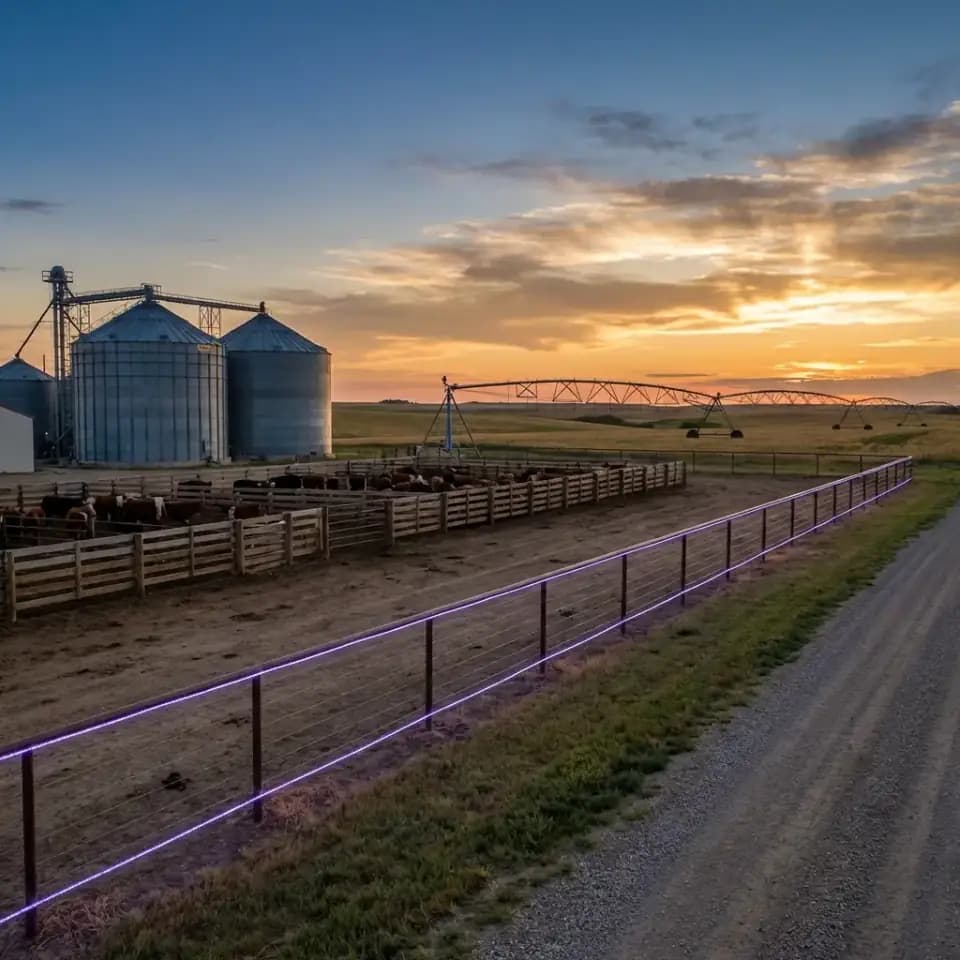
Fire detection and security for farms, livestock pens, pivot irrigation systems, and rural assets.

Ideal for applications in Delaware

FortSense Financial Sector

Financial Sector

Perimeter Security Fiber Optics

Financial Sector

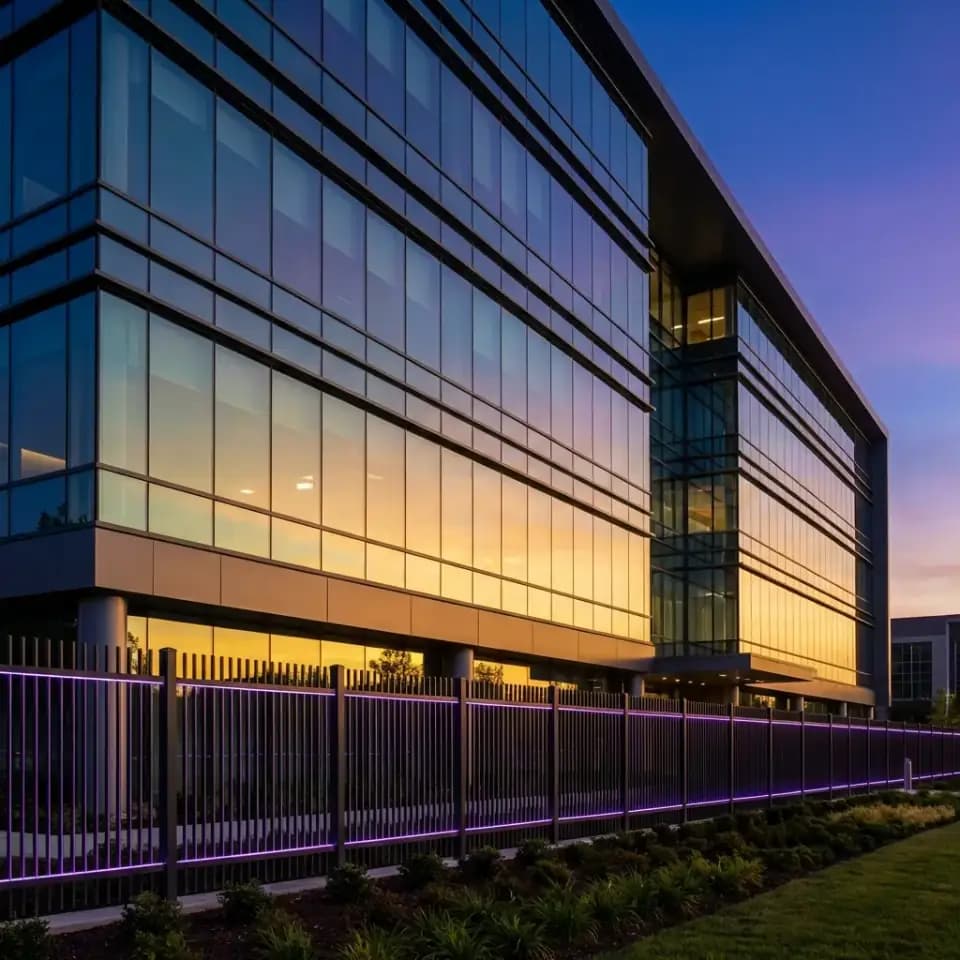
High-security perimeter protection for banks, vaults, administrative centers, and ATM areas.

Ideal for applications in Delaware

FortSense Residential Condominiums

Residential Condominiums

Perimeter Security Fiber Optics

Residential Condominiums

Invisible security for gated communities and apartment complexes, preserving aesthetics while detecting intrusions.

Ideal for applications in Delaware

FortSense Distribution Centers

Distribution Centers

Perimeter Security Fiber Optics

Distribution Centers

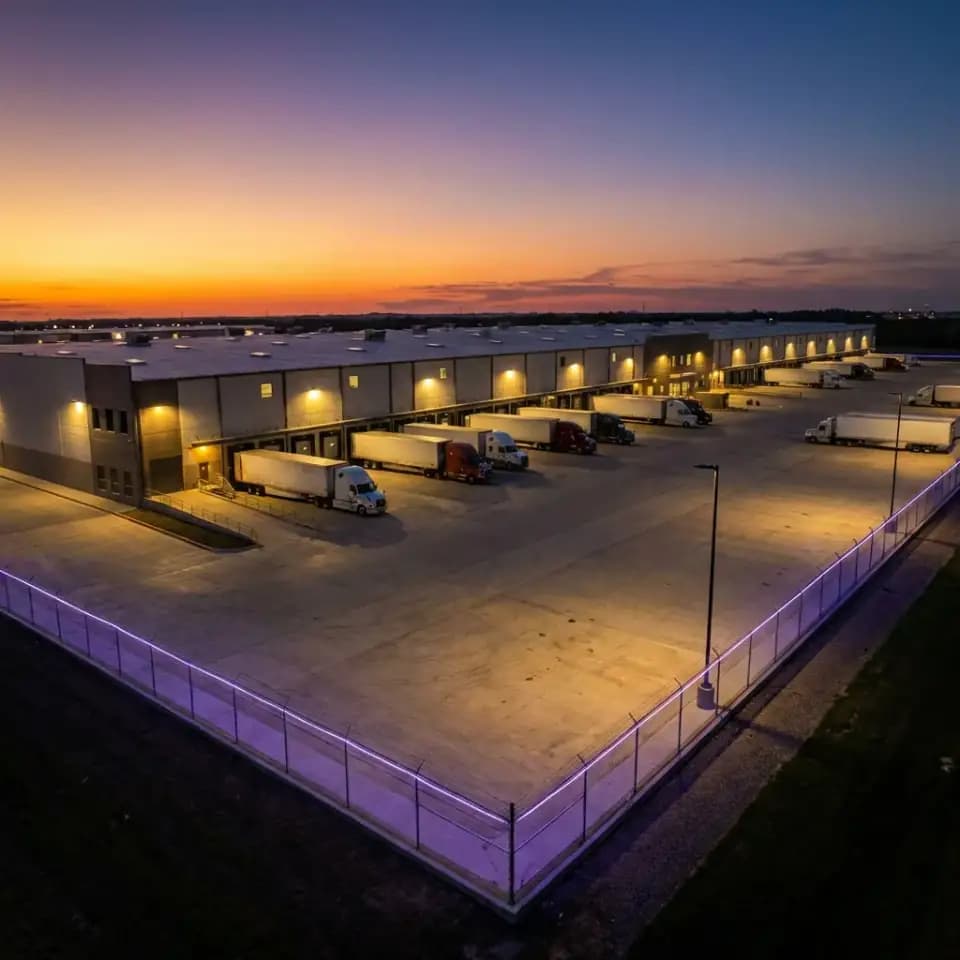
Security for logistics parks, warehouses, and high-value storage areas, meeting TAPA security standards.

Ideal for applications in Delaware

FortSense Critical Infrastructure

Critical Infrastructure

Perimeter Security Fiber Optics

Critical Infrastructure

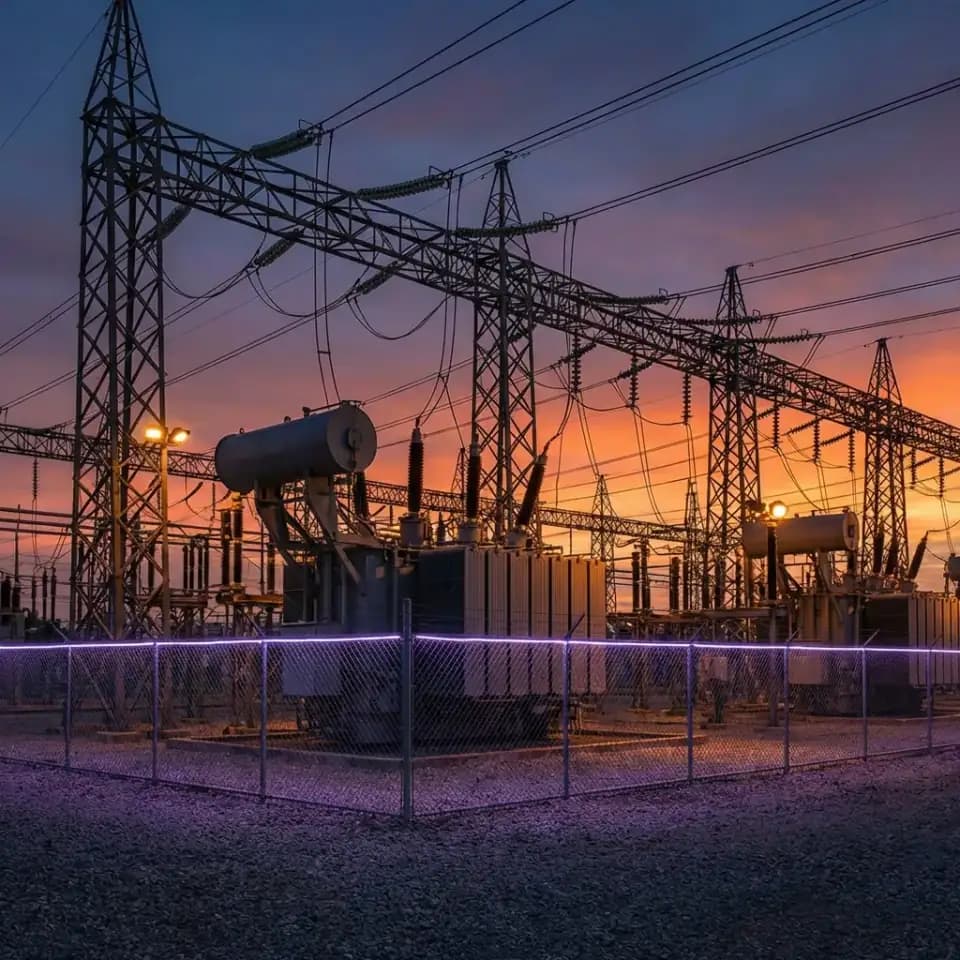
EMI-immune monitoring for electrical substations, telecom towers, and unmanned critical assets.

Ideal for applications in Delaware

FortSense Corrections & Prisons

Corrections & Prisons

Perimeter Security Fiber Optics

Corrections & Prisons

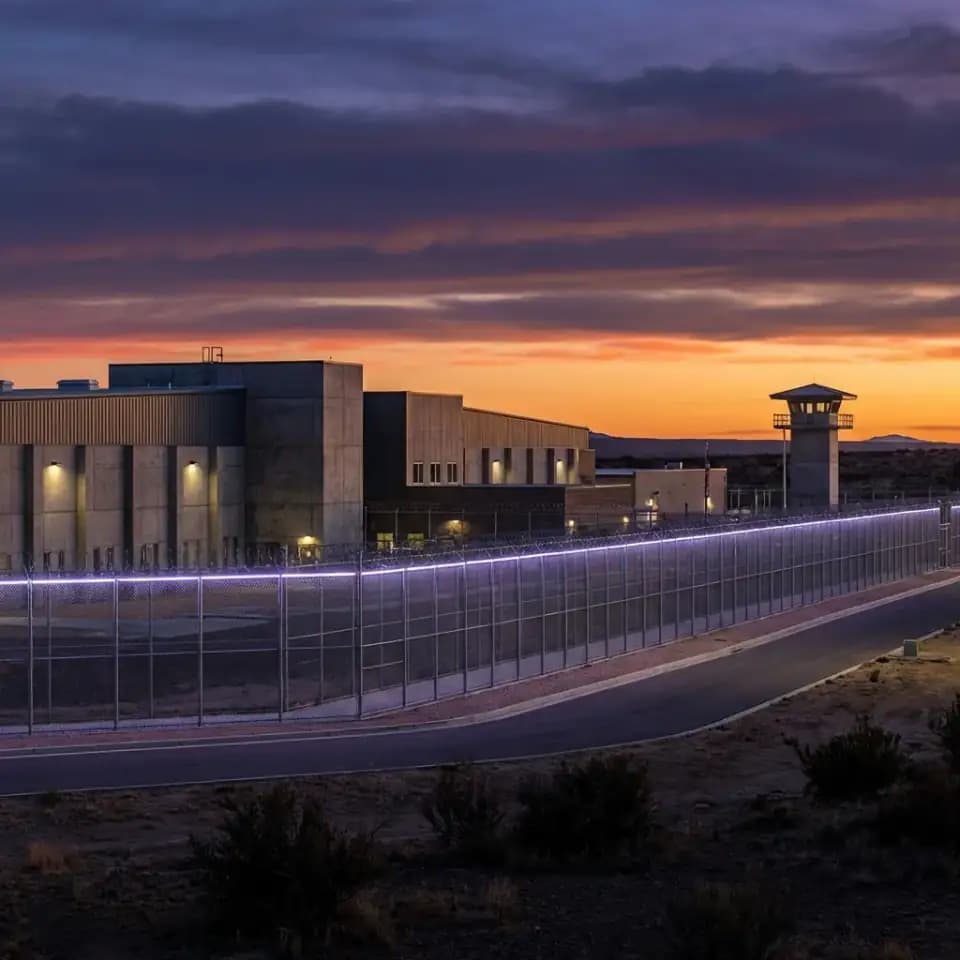
Zero-tolerance perimeter security for correctional facilities, detecting escape attempts and breaches.

Ideal for applications in Delaware

FortSense Public Sector & Schools

Public Sector & Schools

Perimeter Security Fiber Optics

Public Sector & Schools

Non-invasive security for schools, government buildings, and public facilities with rapid lockdown protocols.

Ideal for applications in Delaware

FortSense Perimeter Security for Airports

Perimeter Security for Airports

Perimeter Security Fiber Optics

Perimeter Security for Airports

ICAO-compliant sterile zone enforcement with zero interference to airport radar and navigation systems.

Ideal for applications in Delaware

FortSense Mining Operations

Mining Operations

Perimeter Security Fiber Optics

Mining Operations

Ruggedized perimeter security for open-pit mines, ore stockpiles, and remote mining infrastructure.

Ideal for applications in Delaware

Local service overview

Refinery & Logistics Corridor Perimeter Security in Delaware

FortSense® fiber optic PIDS protecting Delaware's petroleum refinery infrastructure, Port of Wilmington cargo operations, banking data centers, and Dover Air Force Base.

Delaware is the second-smallest state in the union by area, yet it concentrates an outsized share of America's critical infrastructure within its compact borders. Positioned at the heart of the I-95 Northeast Corridor between Philadelphia and Baltimore, the state is a strategic chokepoint for East Coast logistics, home to a major petroleum refinery processing nearly 200,000 barrels of crude oil per day, the nation's leading banana import port, the headquarters of America's corporate legal structure (more than 60% of Fortune 500 companies are incorporated in Delaware), and a massive cluster of financial services operations centers processing credit card transactions for hundreds of millions of Americans.

This dense concentration of petrochemical, port, financial, military, and agricultural infrastructure across a state just 96 miles long creates perimeter security requirements that are remarkably varied and intense for such a small geographic footprint.

The Delaware City Refining Company, operated by PBF Energy, is the anchor of Delaware's industrial infrastructure. Processing approximately 190,000 barrels of crude oil per day, the refinery produces gasoline, diesel fuel, jet fuel, heating oil, and petrochemical feedstocks that supply markets across the mid-Atlantic region. The facility occupies a vast industrial campus along the Delaware River with tank farms, distillation towers, cracking units, and pipeline interconnections spanning hundreds of acres.

Refinery security is governed by the Chemical Facility Anti-Terrorism Standards (CFATS) and requires detection of perimeter intrusion, vehicle-borne threats, and unauthorized approach to sensitive process areas. The Chemours Company, spun off from DuPont in 2015, continues chemical manufacturing operations that add to the industrial corridor along the Delaware River. This chemical and petrochemical concentration creates what emergency management authorities refer to as the Delaware chemical corridor, where a security breach at one facility could cascade into consequences for adjacent operations.

The Port of Wilmington, operated by GT USA Wilmington on the Delaware River, holds the distinction of being the largest port for fresh fruit imports in the United States, processing more bananas, pineapples, and other tropical produce than any other American port. Beyond perishable cargo, the port handles containers, breakbulk, roll-on/roll-off vehicles, and petroleum products.

The port's position 65 miles inland from the Atlantic Ocean on the Delaware River provides natural protection from some maritime threats but creates a linear waterfront exposure that must be monitored along berths, cargo staging areas, cold storage facilities, and gate complexes. The combination of high-value containerized cargo, petroleum terminal operations, and time-sensitive perishable goods makes Port of Wilmington security operationally complex, requiring detection systems that can distinguish between the constant flow of legitimate truck, rail, and vessel traffic and unauthorized perimeter approaches.

Delaware's financial services sector represents perhaps the most unexpected concentration of critical infrastructure in the state. JPMorgan Chase operates one of its largest operations centers in the Wilmington area, making it the state's largest private employer. Bank of America, Capital One, and Citibank all maintain major credit card processing and banking operations in or near Wilmington, attracted by Delaware's favorable corporate and banking laws.

These facilities process billions of credit card transactions, store sensitive financial data, and operate data centers that support the daily financial lives of hundreds of millions of consumers. Physical security at financial operations centers must prevent intrusion that could enable equipment theft, data exfiltration, or infrastructure sabotage. The corporate legal services industry, centered in Wilmington's law firms and the Court of Chancery, adds a concentration of high-value office campuses and data archives.

Dover Air Force Base, located in central Delaware, is one of the most critical military logistics installations in the Department of Defense. Home to the 436th Airlift Wing, it operates C-5M Super Galaxy and C-17 Globemaster III aircraft that provide strategic airlift capability for the entire U. S. military. Dover AFB also houses the Charles C. Carson Center for Mortuary Affairs, the nation's only military mortuary, through which all American service members killed overseas are returned to their families.

The base's perimeter security must meet Department of Defense standards for an installation handling classified aircraft systems, strategic cargo, and an operation of profound national significance. The Delaware Army National Guard and Air National Guard maintain additional facilities throughout the state.

The Delmarva Peninsula's poultry industry adds an agricultural dimension to Delaware's security landscape. Perdue Farms operates major processing plants in Georgetown, while Mountaire Farms has facilities in Millsboro and Selbyville. Sussex County, Delaware's southernmost county, is one of the most poultry-dense areas in the eastern United States, with growing houses, processing plants, and feed mills spread across a rural landscape.

Biosecurity at poultry operations has become critically important following highly pathogenic avian influenza outbreaks, and unauthorized access to growing houses and processing facilities must be detected immediately to prevent contamination and potential outbreak events.

Delaware's security threat profile reflects its position as a logistics and industrial corridor. Port cargo theft and container pilferage at the Port of Wilmington, warehouse and distribution center theft along the I-95 corridor, and vehicle theft in the Wilmington metro area represent the primary crime-driven threats. Refinery and chemical plant security concerns include both external intrusion and the potential for insider-facilitated access.

Banking and financial data center security is driven by both physical theft risk and the need to prevent physical approaches that could support cyber-physical attack vectors. Rail cargo theft along CSX and Norfolk Southern lines transiting the state adds a linear infrastructure protection requirement.

The coastal mid-Atlantic climate brings hurricanes and tropical storms, nor'easters with heavy precipitation and coastal flooding, and sea-level rise vulnerability—Delaware's low-lying terrain makes it one of the states most exposed to rising seas and storm surge. Hot, humid summers promote corrosion and condensation in electronic security equipment, while winter storms and ice events can disable camera systems and interrupt power supply to sensor networks. Fiber optic sensing technology eliminates the maintenance burden of hundreds of discrete electronic sensors deployed across these facilities.

A single FortSense fiber optic cable can monitor the entire perimeter of a refinery complex, port terminal, or military base from a single climate-controlled processing unit, with the passive fiber element immune to humidity, salt air, flooding, and temperature extremes.

FortSense fiber optic PIDS deployment in Delaware addresses the state's concentrated infrastructure in three primary zones. The Delaware City refinery and chemical corridor require CFATS-compliant perimeter detection that is intrinsically safe for deployment in potentially explosive atmospheres—a requirement fiber optic sensing meets inherently, since the sensing element carries light, not electrical current, and cannot generate sparks.

The Port of Wilmington needs waterfront and landside detection that operates in a marine environment while handling the signal complexity of a busy commercial port with continuous vehicle and vessel traffic. Dover Air Force Base demands DoD-standard perimeter detection across a military installation with varied terrain. Banking operations centers and data center campuses in the Wilmington area require quiet, reliable perimeter monitoring that integrates with existing electronic security management systems.

Poultry processing and growing operations in Sussex County need cost-effective perimeter detection deployed across multiple dispersed rural facilities. Delaware's compact geography means that a relatively small number of FortSense installations can secure an outsized share of the state's critical infrastructure.

Professional perimeter protection for distribution centers, manufacturing, and critical infrastructure in Delaware.

  • Fleet Parking & Trailer Yard Protection
  • Yard & Loading Dock Security (TAPA FSR)
  • Quayside & Vessel Berth Security
  • Petroleum Refinery Complexes

Plan a FortSense assessment for this market

Share the perimeter length, fence type, and monitoring workflow. FortSense can help scope zones, integration points, and commissioning requirements for this location.

Services

Fleet Parking & Trailer Yard Protection

Overnight fleet parking and trailer yard security with cargo theft deterrence, real-time alarm zones, and integration with yard management systems.

Yard & Loading Dock Security (TAPA FSR)

TAPA FSR-compliant perimeter detection for logistics yards, loading docks, and cross-dock facilities with vehicle and pedestrian discrimination.

Quayside & Vessel Berth Security

Waterside perimeter security for quay walls, vessel berths, and dry dock areas with wave-motion filtering and diver detection capability.

Deployment patterns for local sites

How FortSense Works in Delaware

Fiber optic perimeter security adapted to local conditions and requirements.

  1. Fiber installed. Passive fiber optic cable mounts on the existing fence or wall with minimal civil work.
  2. Vibration detected. Any contact creates vibration patterns in the fiber so climbing, cutting, or lifting attempts become visible immediately.
  3. AI/DSP verification. Algorithms filter out wind, animals, and environmental noise before an operator ever sees an alarm.
  4. Alarm if intrusion. Only real threats trigger zone-based alarms that can route into the monitoring workflow already used by the site team.

Adapted for Delaware. Our local partners understand Delaware's climate, terrain, and security challenges. The fiber optic system is configured to filter local environmental conditions while maintaining maximum sensitivity to real intrusion attempts.

Integration and security software fit

FortSense can feed alarms into the monitoring stack a site already uses, including VMS, PSIM, alarm panels, relay inputs, TCP/IP workflows, and camera verification.

  • Zone-based alarms for operators and guard teams
  • Camera and VMS workflows for visual verification
  • Relay or network outputs for existing security systems
  • Software-assisted filtering before dispatch decisions

Industries in this market

Relevant FortSense industry and use-case paths connected to this location.

  • Petroleum Refinery Complexes
  • Container Port & Import Terminal Operations
  • Financial Services Operations Centers
  • Distribution Center Perimeter Security
  • Solar Farm Perimeter Security
  • Perimeter Security for Critical Infrastructure

Why FortSense fits in Perimeter Security in Delaware

FortSense is designed for perimeter security work where false-alarm reduction, passive fiber sensing, and practical integration matter more than adding another camera-only layer.

  • Passive fiber on existing fences, walls, or perimeter structures
  • AI/DSP filtering for wind, vibration, and environmental noise
  • Zone-level alerts that can match the site's response model
  • Support for design, integration, commissioning, and handover

Market notes

Practical details that help this page stay specific to the market instead of drifting into generic copy.

  • Petroleum Refinery Complexes
  • Container Port & Import Terminal Operations
  • Financial Services Operations Centers
  • Fleet Parking & Trailer Yard Protection

Related FortSense paths

Related technical content and commercial guidance linked from this location page.

Frequently Asked Questions (FAQ)

Frequently Asked Questions (FAQ) — Delaware

What about shift changes and high-traffic periods at loading docks?

Dock zones can be configured with time-based sensitivity profiles — lower sensitivity during active loading/unloading shifts and full sensitivity during off-hours. This dramatically reduces nuisance alarms while maintaining security when the facility is less active.

How fast can the system be deployed on a new logistics facility?

Typical installation takes 1-3 weeks for a standard warehouse or distribution center. The fiber cable attaches directly to existing perimeter fencing — no trenching or foundation work required. Most facilities are operational within days of cable installation.

Does the system cover both pedestrian and vehicle-borne intrusion attempts?

Yes. FortSense detects the full spectrum of breach methods: fence climbing, cutting with hand or power tools, vehicle ram attacks, and even low-crawl attempts under fencing. Each threat type generates a classified alarm for appropriate response escalation.

Does FortSense meet ISPS Code requirements for port security?

Yes. Our system supports International Ship and Port Facility Security (ISPS) Code compliance by providing continuous perimeter monitoring, zone-based alarm management, and integration with port facility security plans (PFSP) at all MARSEC levels.

How does the system handle constant coastal wind?

Coastal installations experience persistent wind that causes fence vibration. FortSense learns the wind profile of each zone and filters it automatically. The system distinguishes between wind-induced oscillation (rhythmic, distributed) and intrusion events (localized, aperiodic).

Local perimeter assessment

Request Perimeter Assessment in Delaware

Receive a technical proposal, deployment design, and integration plan.

Refinery & Logistics Corridor Perimeter Security in Delaware