


Local service overview
Perimeter Security for New Jersey's Port Complex & Pharma Corridor
FortSense provides fiber optic perimeter intrusion detection for the Port of New York-New Jersey, pharmaceutical manufacturing campuses, and military ordnance facilities across New Jersey.
## Economic & Industrial Landscape
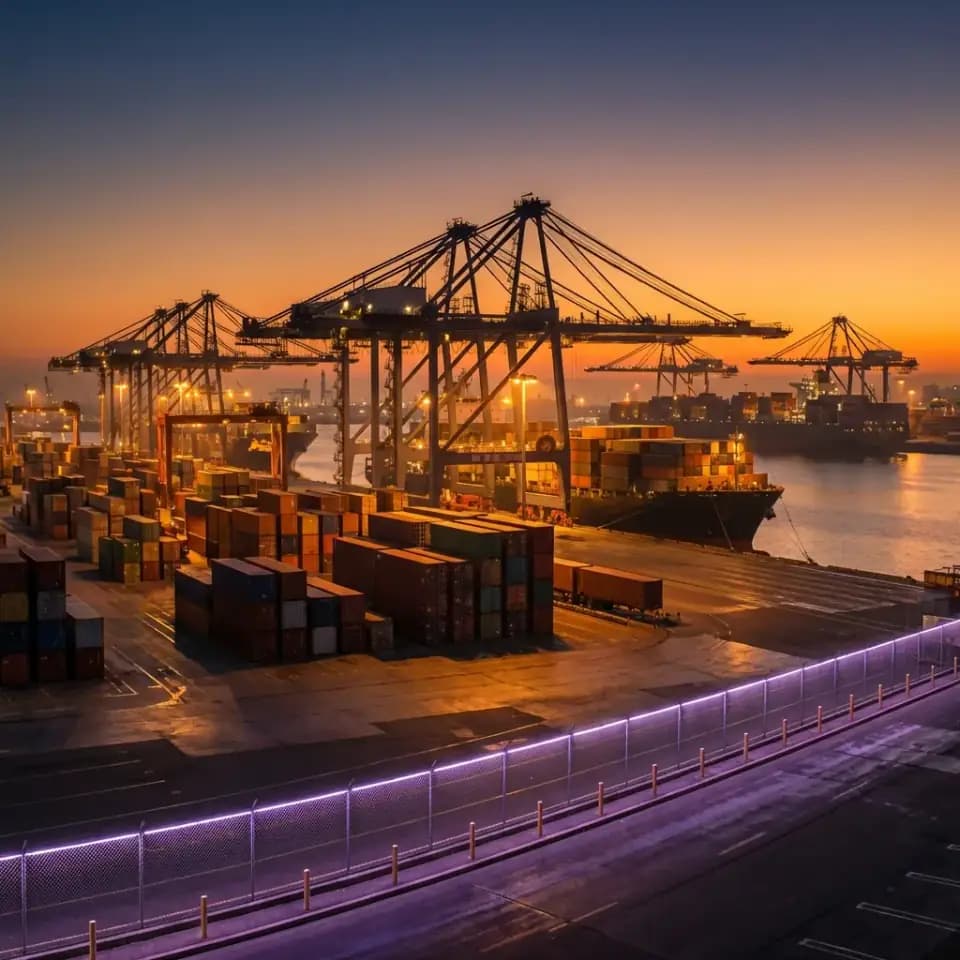
New Jersey is one of the most economically productive and infrastructure-dense states in the nation, with a GDP exceeding $700 billion and a per-capita income among the highest nationally. The Port of New York and New Jersey — centered on the Port Newark-Elizabeth Marine Terminal complex — is the largest port on the East Coast and the third-largest in the United States, handling over 9. 1 million twenty-foot equivalent units (TEUs) annually.
This single port complex is the primary goods-entry point for the northeastern United States, with approximately 39% of the nation's population living within overnight trucking distance. APM Terminals, Maher Terminals, and Port Newark Container Terminal operate massive berth facilities where container cranes work around the clock unloading vessels from Asia, Europe, and Latin America.
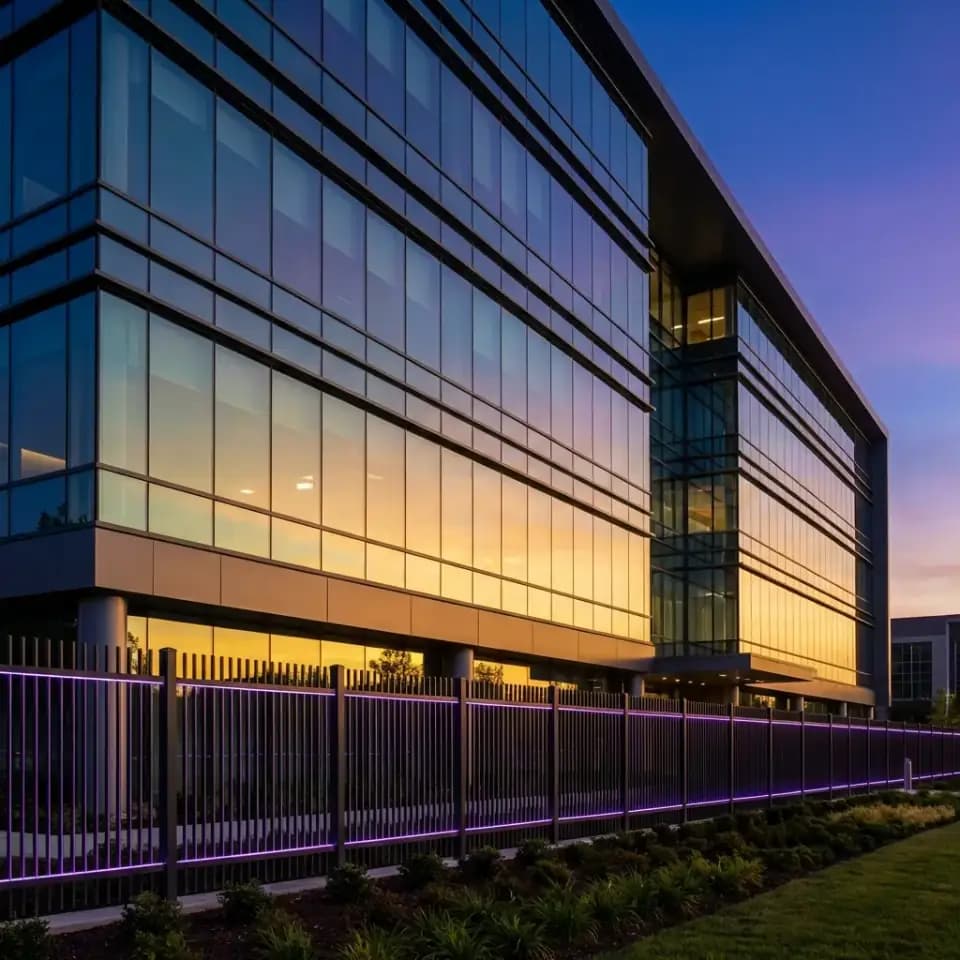
New Jersey earned its designation as America's pharmaceutical capital through an extraordinary concentration of drug makers. Johnson & Johnson's global headquarters in New Brunswick, Merck & Co.' s headquarters in Rahway, Bristol-Myers Squibb's facilities in New Brunswick and Lawrenceville, Novo Nordisk's US headquarters in Plainsboro, and Sanofi's US headquarters in Bridgewater represent just the largest among dozens of pharmaceutical and biotech companies operating in the state.
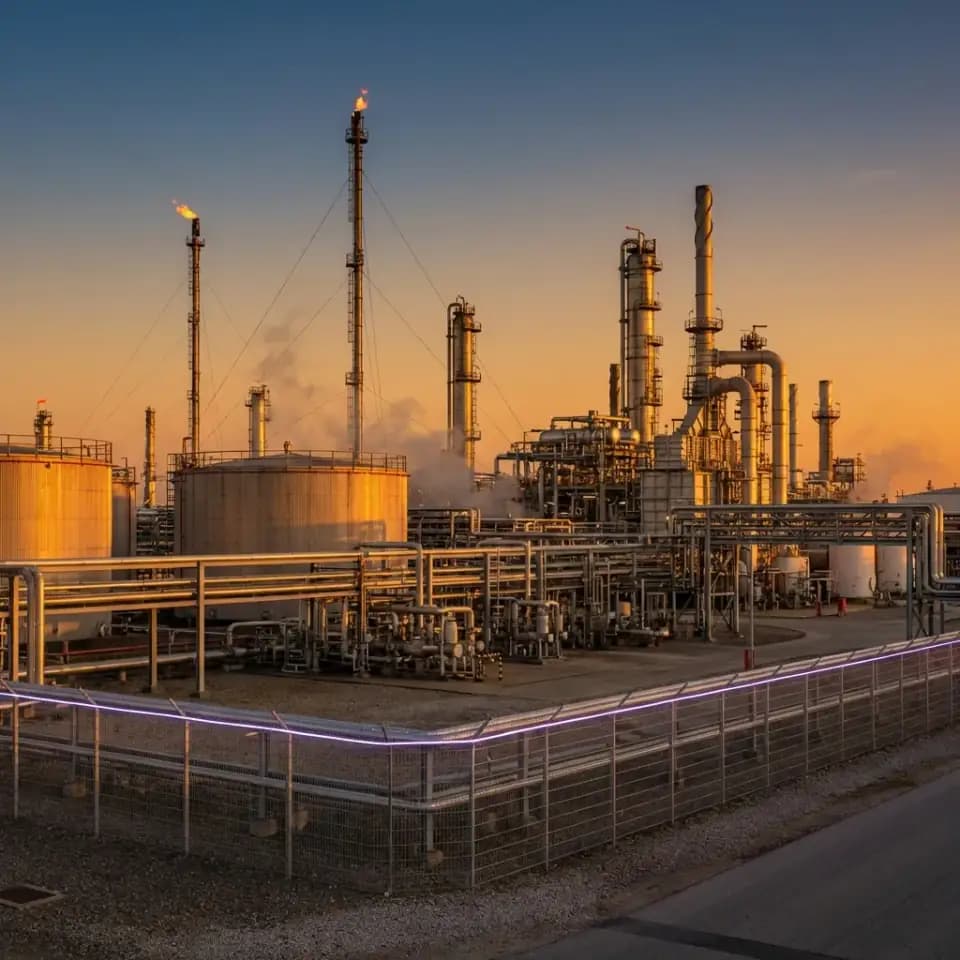
New Jersey has the highest concentration of scientists and engineers per square mile of any state, supporting an R&D ecosystem that produces a disproportionate share of FDA-approved drugs. BASF North America's headquarters in Florham Park anchors a significant chemical manufacturing sector, while refineries — Phillips 66 Bayway in Linden (260,000 bbl/day) and PBF Energy Paulsboro (180,000 bbl/day) — process crude oil for the regional fuel supply.
## Critical Infrastructure — Named Facilities
Joint Base McGuire-Dix-Lakehurst in Burlington and Ocean counties is the only tri-service joint base in the Department of Defense, combining an Air Force base (McGuire — C-17 Globemaster III transport operations), an Army installation (Fort Dix — training and mobilization), and a Navy installation (Lakehurst — historically where the Hindenburg disaster occurred, now supporting naval aerospace systems).
Picatinny Arsenal in Morris County is the US Army's premier armaments research, development, and engineering center, where advanced weapons systems, ammunition, and explosive ordnance are developed and tested across a 6,400-acre reservation. Naval Weapons Station Earle in Colts Neck stores and handles fleet ordnance, with a 2. 9-mile pier extending into Raritan Bay for ammunition loading onto Navy vessels.
The New Jersey Wind Port in Lower Alloways Creek, Salem County, is being constructed as the nation's first purpose-built offshore wind marshaling port, supporting the Atlantic Shores and Ocean Wind projects that will install hundreds of turbines in the Atlantic Ocean. Salem and Hope Creek nuclear generating stations, operated by PSEG Nuclear in Lower Alloways Creek, generate over 3,500 megawatts combined — making the site one of the largest nuclear generation complexes in the country.
New Jersey's warehouse market has exploded to over 1 billion square feet of industrial space, with Amazon operating fulfillment centers in Robbinsville, Carteret, Edison, Florence, and Cranbury, and FedEx and UPS maintaining major distribution hubs. Data centers operated by Equinix, Digital Realty, and CyrusOne cluster in northern New Jersey, leveraging proximity to the financial markets of New York City.
## Security Challenges — Local Patterns
The Port of New York-New Jersey is a uniquely high-value security target, experiencing organized cargo theft, container fraud, and historically documented organized crime activity. Cargo theft losses in the New York-New Jersey metropolitan area consistently rank among the highest in the nation, with stolen pharmaceuticals, electronics, and consumer goods valued at hundreds of millions annually. Container manipulation fraud — where thieves alter shipping documentation to divert containers — exploits the massive volume of TEUs moving through the port complex daily.
The port is also a primary interdiction point for narcotics trafficking, with federal agents regularly seizing multi-ton cocaine and fentanyl shipments concealed in container cargo.
New Jersey consistently ranks among the top states for motor vehicle theft, with organized rings operating across the densely populated northern corridor. The state's over 1 billion square feet of warehouse and fulfillment center space creates an enormous target surface for burglary and theft — particularly during peak e-commerce seasons when facilities hold high-value inventory. Pharmaceutical facility security is critical given that facilities store and process drugs worth millions per batch, including controlled substances subject to DEA regulation.
Refinery security at Bayway and Paulsboro must address both theft and potential environmental terrorism. The New Jersey Turnpike and Garden State Parkway — among the most heavily traveled toll roads in America — serve as corridors for cargo theft and drug distribution. Hurricane Sandy in 2012 caused $37 billion in damage to New Jersey, and Tropical Storm Ida in 2021 caused catastrophic inland flooding, demonstrating ongoing vulnerability to extreme weather that can compromise security infrastructure.
## Why Fiber Optic PIDS Here
New Jersey's extreme infrastructure density — the most port activity, pharmaceutical manufacturing, and warehousing per square mile of any state — demands perimeter detection technology that can operate across diverse facility types with minimal maintenance overhead. The coastal-marine climate brings hurricanes, nor'easters, storm surge flooding, and salt spray corrosion that rapidly degrade electronic sensor equipment. Hurricane Sandy's $37 billion devastation proved that security systems must survive extreme weather events and resume function rapidly during the post-storm period when looting risk is highest.
Fiber optic sensing cable survives flooding, salt water immersion, and wind-driven debris impacts while maintaining detection capability — critical for port facilities, refineries, and coastal military installations.
The security sensitivity of New Jersey's assets demands the highest-confidence detection available. Naval Weapons Station Earle stores fleet ordnance along a 2. 9-mile pier that must be monitored against both land and waterborne threats. Picatinny Arsenal's explosives testing and storage areas require detection perimeters that cannot be compromised by electromagnetic interference from nearby weapons testing. Pharmaceutical manufacturing facilities must maintain continuous perimeter integrity to comply with DEA security requirements for controlled substance manufacturing.
The Port Newark-Elizabeth complex requires detection along miles of container yard perimeter where the electrical noise from container cranes, refrigerated containers, and heavy equipment overwhelms radar and microwave sensor systems. Fiber optic PIDS, immune to all electromagnetic interference, provides reliable detection in all these high-noise environments.
## Deployment Context
New Jersey PIDS installations must account for the state's high water table in coastal areas (affecting buried cable depth and routing), hurricane-rated mounting hardware for above-ground installations, and coordination with extensive underground utility networks in one of the most infrastructure-dense states in the nation. For port installations, compliance with MTSA (Maritime Transportation Security Act) and TWIC (Transportation Worker Identification Credential) security requirements is essential. Military installations must meet UFC standards and installation-specific AT/FP requirements.
Pharmaceutical facilities require coordination with DEA 21 CFR 1301 physical security requirements. New Jersey has one of the densest fiber optic networks in the country — the state's northern corridor is among the most connected on earth — ensuring excellent backhaul connectivity for centralized monitoring of distributed perimeter sensors.
Professional perimeter protection for distribution centers, manufacturing, and critical infrastructure in New Jersey.
- Quayside & Vessel Berth Security
- ISPS-Compliant Port Perimeter
- Fleet Parking & Trailer Yard Protection
- Port Operations & Maritime Logistics
Plan a FortSense assessment for this market
Share the perimeter length, fence type, and monitoring workflow. FortSense can help scope zones, integration points, and commissioning requirements for this location.
Services
Quayside & Vessel Berth Security
Waterside perimeter security for quay walls, vessel berths, and dry dock areas with wave-motion filtering and diver detection capability.
ISPS-Compliant Port Perimeter
International Ship and Port Facility Security (ISPS) compliant fiber optic perimeter detection for port boundaries, restricted zones, and maritime access points.
Fleet Parking & Trailer Yard Protection
Overnight fleet parking and trailer yard security with cargo theft deterrence, real-time alarm zones, and integration with yard management systems.
Deployment patterns for local sites
How FortSense Works in New Jersey
Fiber optic perimeter security adapted to local conditions and requirements.
- Fiber installed. Passive fiber optic cable mounts on the existing fence or wall with minimal civil work.
- Vibration detected. Any contact creates vibration patterns in the fiber so climbing, cutting, or lifting attempts become visible immediately.
- AI/DSP verification. Algorithms filter out wind, animals, and environmental noise before an operator ever sees an alarm.
- Alarm if intrusion. Only real threats trigger zone-based alarms that can route into the monitoring workflow already used by the site team.
Adapted for New Jersey. Our local partners understand New Jersey's climate, terrain, and security challenges. The fiber optic system is configured to filter local environmental conditions while maintaining maximum sensitivity to real intrusion attempts.
Integration and security software fit
FortSense can feed alarms into the monitoring stack a site already uses, including VMS, PSIM, alarm panels, relay inputs, TCP/IP workflows, and camera verification.
- Zone-based alarms for operators and guard teams
- Camera and VMS workflows for visual verification
- Relay or network outputs for existing security systems
- Software-assisted filtering before dispatch decisions
Industries in this market
Relevant FortSense industry and use-case paths connected to this location.
- Port Operations & Maritime Logistics
- Pharmaceutical & Life Sciences Manufacturing
- Military Joint Base & Ordnance Storage
- Distribution Center Perimeter Security
- Solar Farm Perimeter Security
- Perimeter Security for Critical Infrastructure
Why FortSense fits in Perimeter Security in New Jersey
FortSense is designed for perimeter security work where false-alarm reduction, passive fiber sensing, and practical integration matter more than adding another camera-only layer.
- Passive fiber on existing fences, walls, or perimeter structures
- AI/DSP filtering for wind, vibration, and environmental noise
- Zone-level alerts that can match the site's response model
- Support for design, integration, commissioning, and handover
Market notes
Practical details that help this page stay specific to the market instead of drifting into generic copy.
- Port Operations & Maritime Logistics
- Pharmaceutical & Life Sciences Manufacturing
- Military Joint Base & Ordnance Storage
- Quayside & Vessel Berth Security
Related FortSense paths
Related technical content and commercial guidance linked from this location page.


