


Fiber Optic Perimeter Security in Nebraska: Perimeter Security for Nebraska's Strategic Command & Agricultural Heartland

Protecting the headquarters of US Strategic Command at Offutt AFB, the nation's #1 rail hub in Omaha, and America's largest beef processing corridor with fiber optic PIDS.

Applications

Perimeter Security Fiber Optics Ideal for Applications in Nebraska

FortSense Solar & Renewables

Solar & Renewables

Perimeter Security Fiber Optics

Solar & Renewables

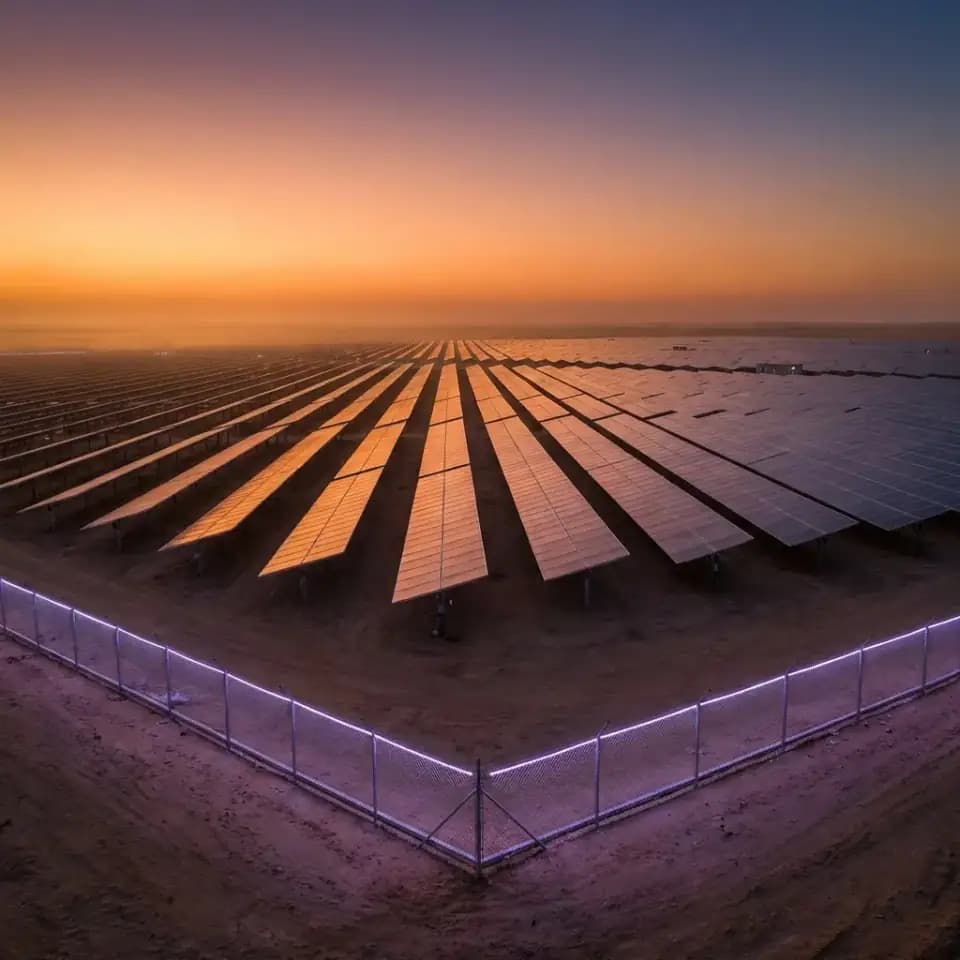
Autonomous perimeter monitoring for solar plants, protecting against theft of panels, copper cables, and inverters.

Ideal for applications in Nebraska

FortSense Oil & Gas

Oil & Gas

Perimeter Security Fiber Optics

Oil & Gas

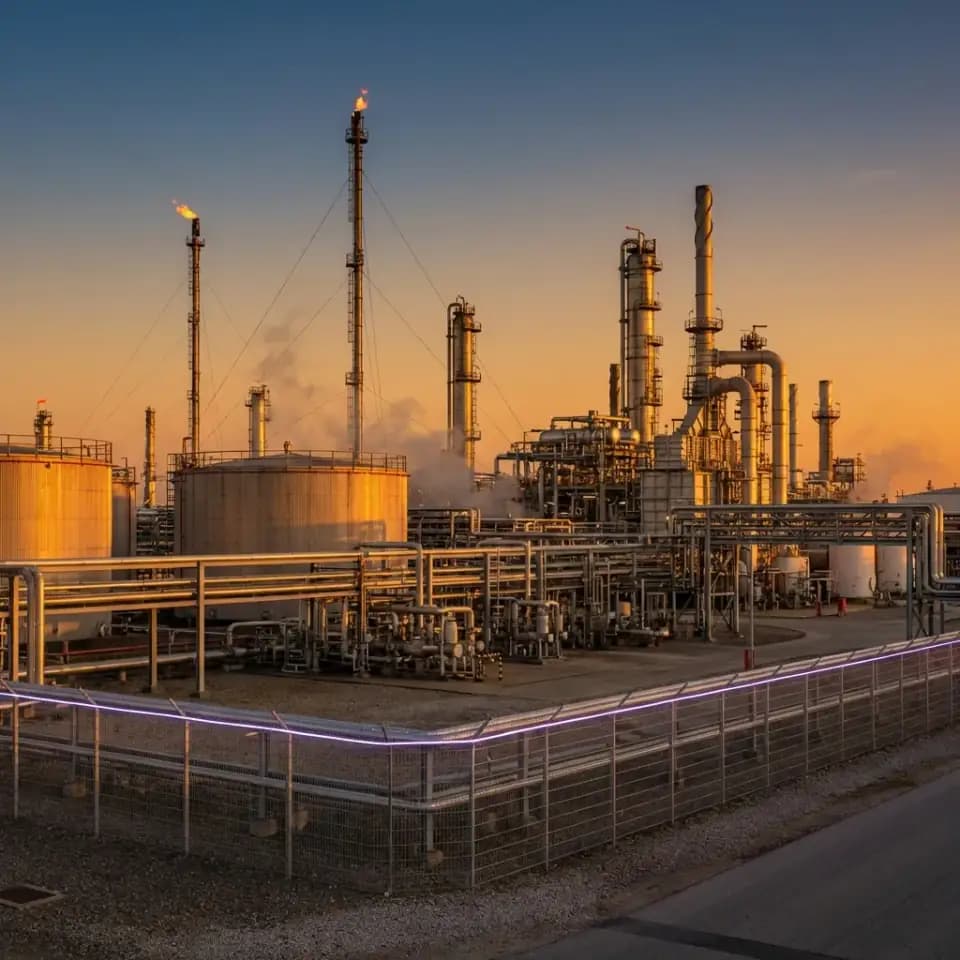
Intrinsically safe perimeter detection for refineries, chemical plants, and fuel storage depots.

Ideal for applications in Nebraska

FortSense Ports & Maritime

Ports & Maritime

Perimeter Security Fiber Optics

Ports & Maritime

ISPS-compliant security for cargo containers, fuel depots, and docked vessels in harsh marine environments.

Ideal for applications in Nebraska

FortSense Agriculture

Agriculture

Perimeter Security Fiber Optics

Agriculture

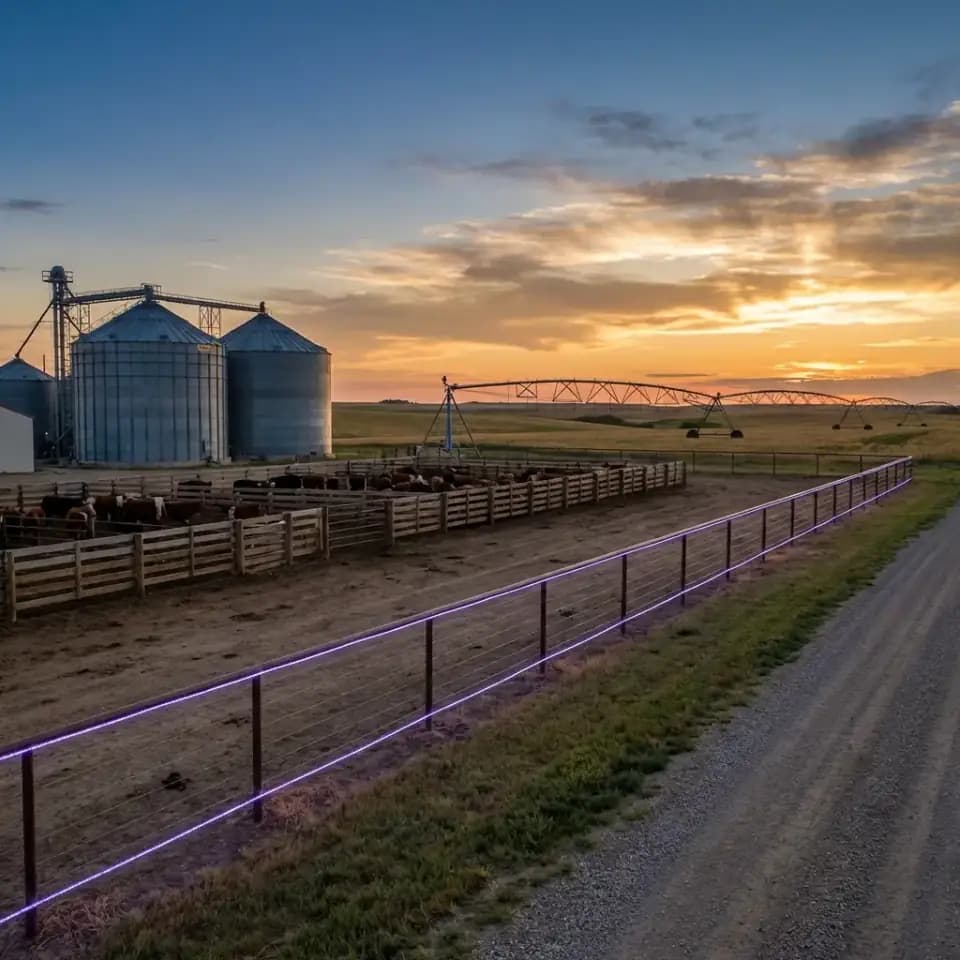
Fire detection and security for farms, livestock pens, pivot irrigation systems, and rural assets.

Ideal for applications in Nebraska

FortSense Financial Sector

Financial Sector

Perimeter Security Fiber Optics

Financial Sector

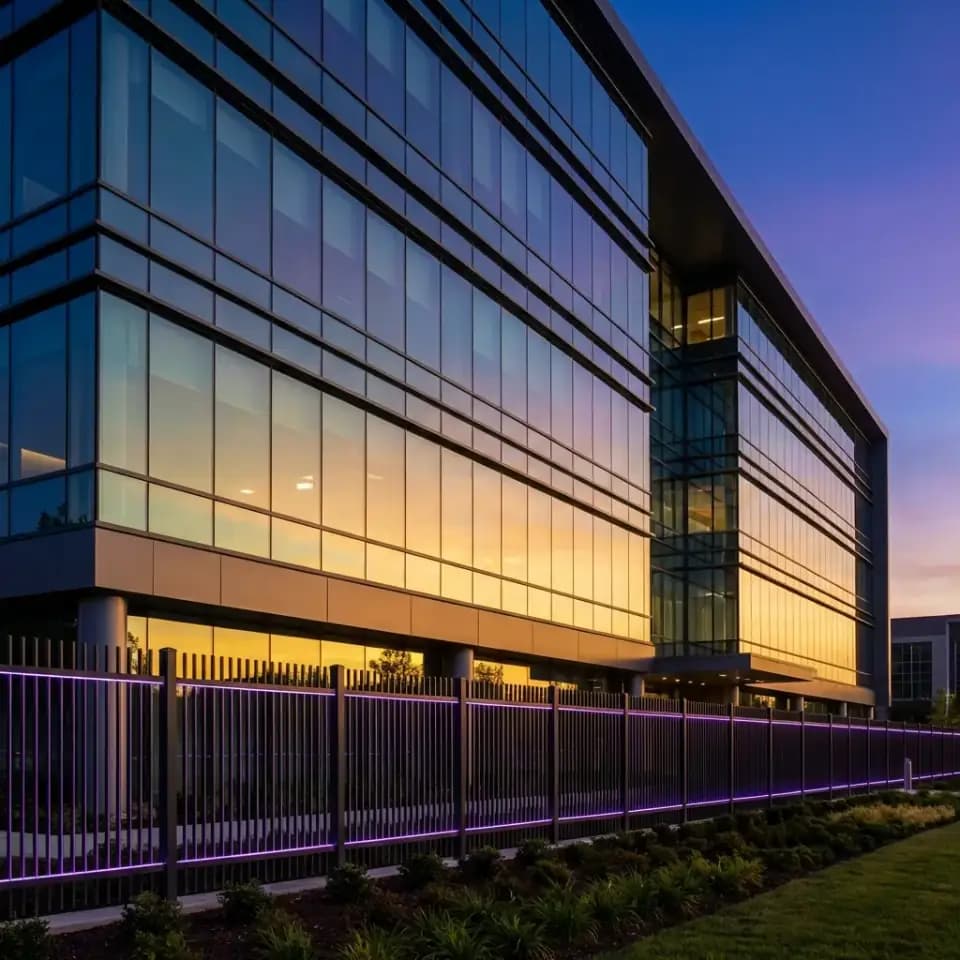
High-security perimeter protection for banks, vaults, administrative centers, and ATM areas.

Ideal for applications in Nebraska

FortSense Residential Condominiums

Residential Condominiums

Perimeter Security Fiber Optics

Residential Condominiums

Invisible security for gated communities and apartment complexes, preserving aesthetics while detecting intrusions.

Ideal for applications in Nebraska

FortSense Distribution Centers

Distribution Centers

Perimeter Security Fiber Optics

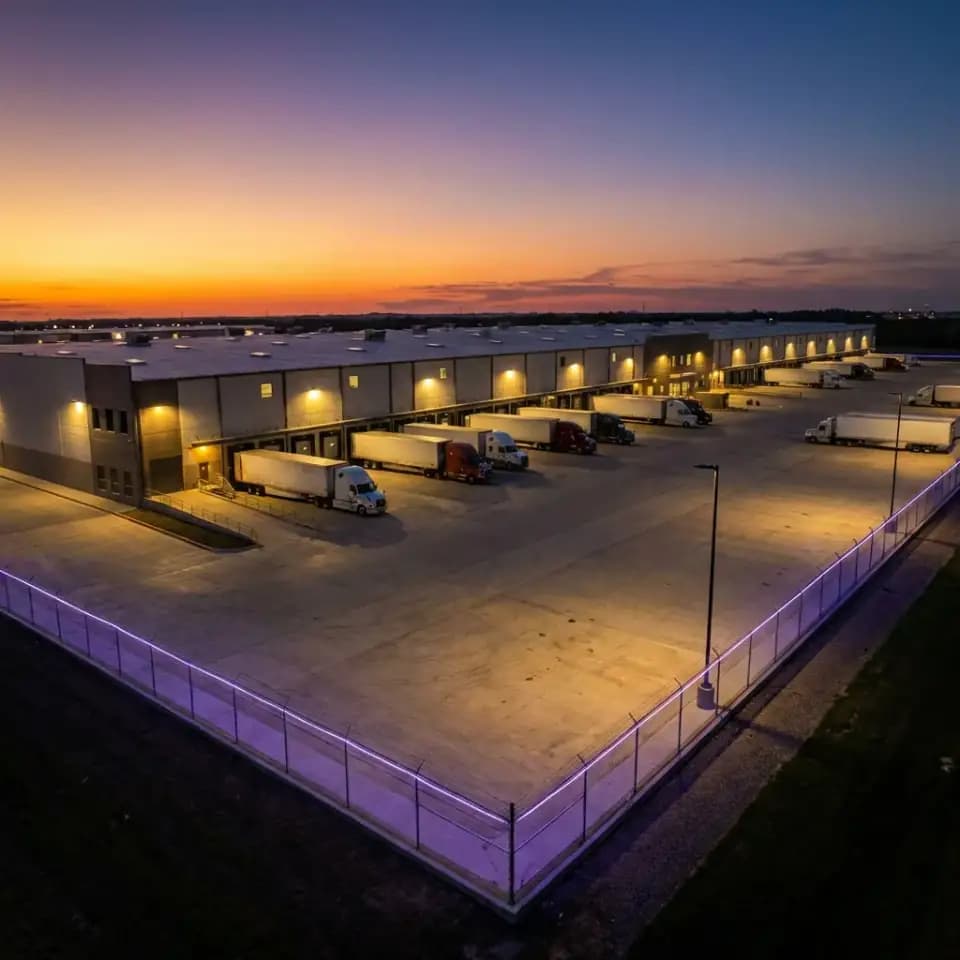
Distribution Centers

Security for logistics parks, warehouses, and high-value storage areas, meeting TAPA security standards.

Ideal for applications in Nebraska

FortSense Critical Infrastructure

Critical Infrastructure

Perimeter Security Fiber Optics

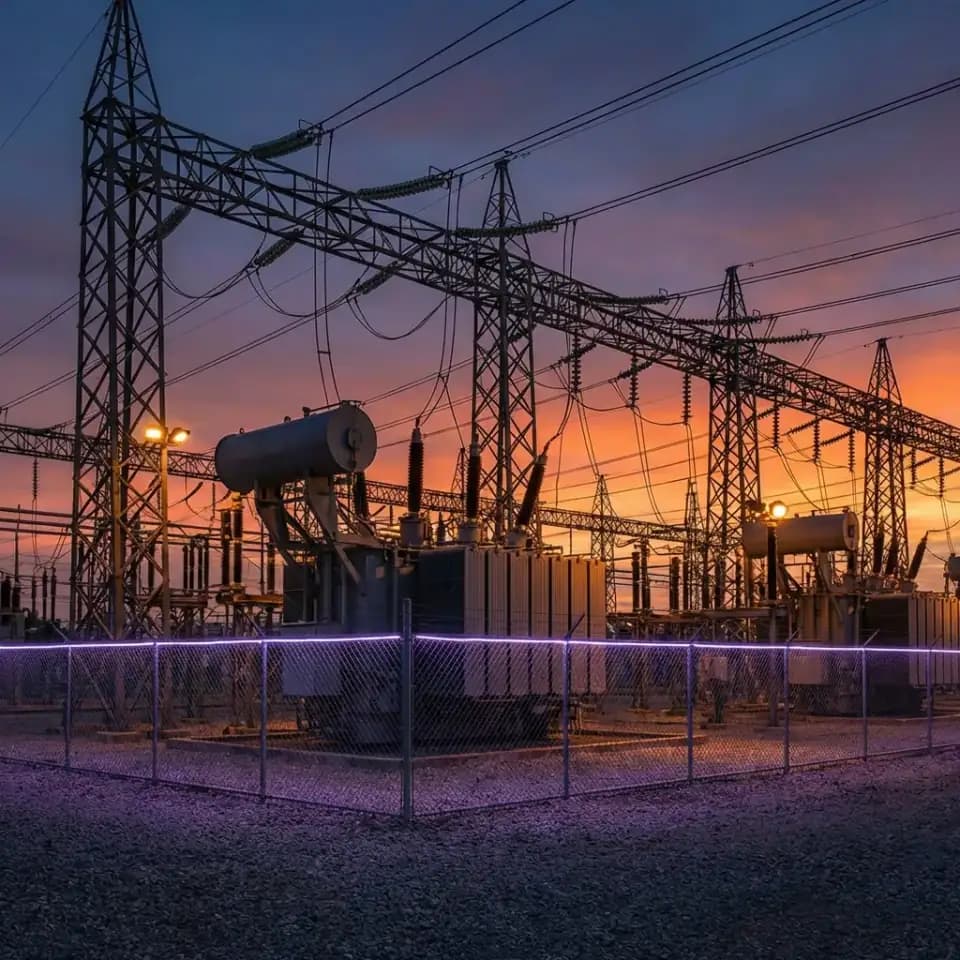
Critical Infrastructure

EMI-immune monitoring for electrical substations, telecom towers, and unmanned critical assets.

Ideal for applications in Nebraska

FortSense Corrections & Prisons

Corrections & Prisons

Perimeter Security Fiber Optics

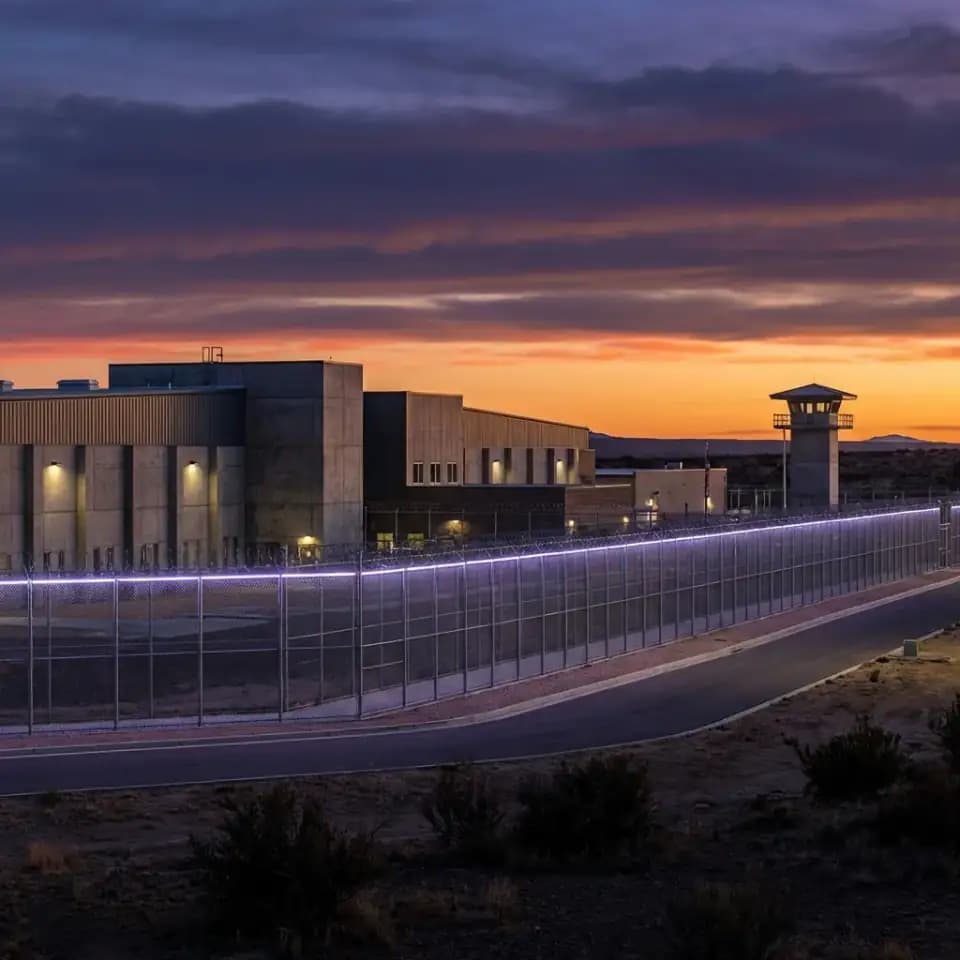
Corrections & Prisons

Zero-tolerance perimeter security for correctional facilities, detecting escape attempts and breaches.

Ideal for applications in Nebraska

FortSense Public Sector & Schools

Public Sector & Schools

Perimeter Security Fiber Optics

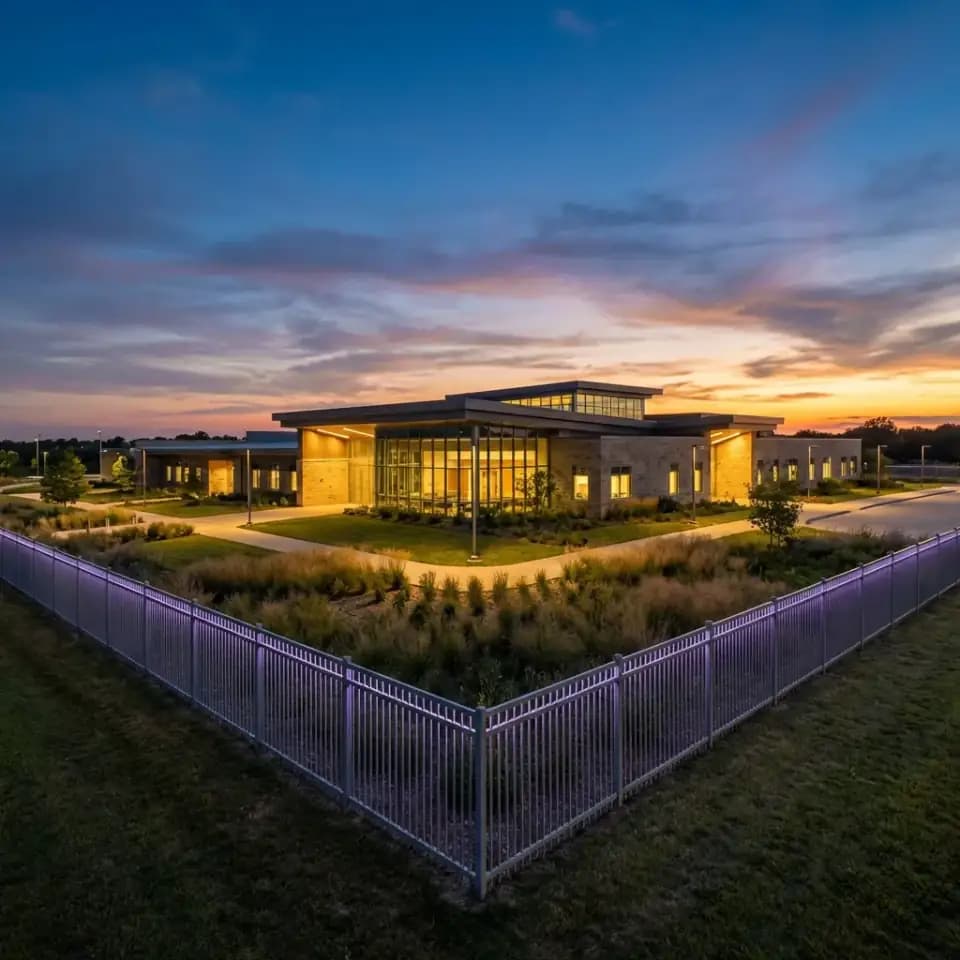
Public Sector & Schools

Non-invasive security for schools, government buildings, and public facilities with rapid lockdown protocols.

Ideal for applications in Nebraska

FortSense Perimeter Security for Airports

Perimeter Security for Airports

Perimeter Security Fiber Optics

Perimeter Security for Airports

ICAO-compliant sterile zone enforcement with zero interference to airport radar and navigation systems.

Ideal for applications in Nebraska

FortSense Mining Operations

Mining Operations

Perimeter Security Fiber Optics

Mining Operations

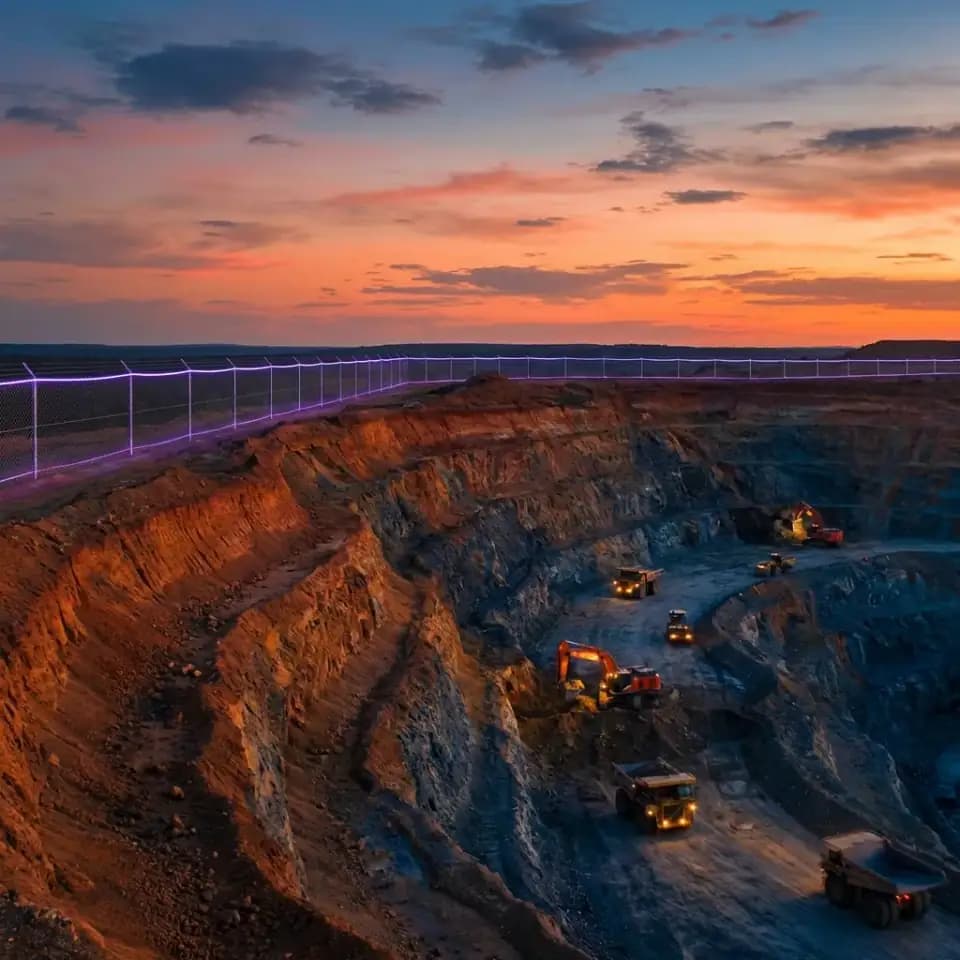
Ruggedized perimeter security for open-pit mines, ore stockpiles, and remote mining infrastructure.

Ideal for applications in Nebraska

Local service overview

Perimeter Security for Nebraska's Strategic Command & Agricultural Heartland

FortSense delivers fiber optic intrusion detection for Nebraska's nuclear command-and-control installations, Union Pacific rail infrastructure, and critical food processing plants.

## Economic & Industrial Landscape

Nebraska's economy is anchored by a distinctive combination of agriculture, transportation, financial services, and a disproportionately significant military presence for a state of 1. 96 million people. The state is the nation's top beef-producing state, with massive processing plants operated by Tyson Foods in Lexington, JBS USA in Grand Island, Cargill in Schuyler, and Greater Omaha Packing Company processing millions of cattle annually.

Nebraska ranks among the top three states for corn production, and its 25+ ethanol plants make it the second-largest ethanol producer after Iowa, converting roughly 40% of the state's corn crop into biofuel. Lincoln Premium Poultry in Fremont — a vertically integrated Costco partnership — represents a newer wave of agricultural processing investment.

Omaha's financial services sector is nationally significant, anchored by Berkshire Hathaway (Warren Buffett's conglomerate, with a market capitalization exceeding $800 billion), Mutual of Omaha, and TD Ameritrade's (now Charles Schwab) major operations center. Union Pacific Railroad, the largest railroad in North America by revenue, is headquartered in Omaha, making the city the preeminent US rail hub. Werner Enterprises, also Omaha-based, is one of the nation's largest trucking and logistics companies.

Valmont Industries, headquartered in Omaha, manufactures infrastructure products including the center-pivot irrigation systems that transformed Nebraska's agricultural productivity. Kawasaki Motors Manufacturing in Lincoln produces railroad rolling stock, all-terrain vehicles, and personal watercraft, adding a manufacturing dimension to the state's economy.

## Critical Infrastructure — Named Facilities

Offutt Air Force Base in Bellevue — adjacent to Omaha — houses United States Strategic Command (USSTRATCOM), the unified combatant command responsible for the nation's nuclear deterrent, space operations, and global strike capabilities. USSTRATCOM is arguably the most sensitive military command in the world, managing the nuclear triad (ICBMs, submarine-launched ballistic missiles, and strategic bombers) and maintaining the command-and-control infrastructure that would direct a nuclear response.

Offutt employs approximately 10,000 military and civilian personnel and was severely damaged by Missouri River flooding in March 2019, when floodwaters inundated one-third of the base — a catastrophic event that demonstrated the vulnerability of even the nation's most critical installations.

Union Pacific's Omaha headquarters and Bailey Yard in North Platte — the world's largest railroad classification yard at 2,850 acres — form the backbone of American freight rail. Bailey Yard sorts approximately 10,000 railcars daily across 315 miles of track. BNSF Railway also maintains major intermodal facilities in the Omaha metro. The Cooper Nuclear Station near Brownville, operated by Nebraska Public Power District, generates 801 megawatts. Meta's data center campus in Papillion represents a $1. 5+ billion investment, with Google planning additional data center facilities in the state.

The I-80 corridor across Nebraska is one of America's primary transcontinental freight routes, carrying roughly 30,000 vehicles daily including a substantial proportion of long-haul trucking traffic between coasts.

## Security Challenges — Local Patterns

The presence of USSTRATCOM at Offutt AFB creates security requirements of the highest national importance. The command-and-control systems for America's nuclear arsenal must be protected against not only physical intrusion but also the intelligence-gathering activities of adversary nations. The 2019 flooding that inundated one-third of Offutt's infrastructure, including the 55th Wing's headquarters building, revealed that natural disasters can compromise physical security at critical installations and highlighted the need for resilient perimeter detection that functions during and after extreme weather events.

The base perimeter borders suburban Bellevue and the Missouri River floodplain, creating a complex security environment.

Rail security across Nebraska involves protecting thousands of miles of mainline track and massive yard operations against both theft and sabotage. Bailey Yard's 2,850-acre footprint in North Platte and Omaha's intermodal terminals handle freight valued at billions of dollars daily. Cargo theft along the I-80 corridor targets truck stops and staging areas, with organized theft rings operating along the entire route from Omaha to the Wyoming border.

Agricultural concerns include fuel theft from farm operations, grain elevator security incidents, and chemical fertilizer theft (ammonium nitrate is both an agricultural commodity and a potential explosive precursor). Meatpacking plant security has gained attention following pandemic-era disruptions, labor protests, and animal rights activism targeting facilities in Lexington, Grand Island, and Schuyler.

## Why Fiber Optic PIDS Here

Nebraska's central Great Plains location subjects security infrastructure to severe weather extremes that destroy conventional electronic systems. The March 2019 "bomb cyclone" caused $1. 3 billion in damage statewide, with blizzard conditions, flooding, and infrastructure destruction occurring simultaneously. Summer thunderstorms deliver tornado-strength winds (Nebraska averages 57 tornadoes annually), large hail, and intense lightning. Winter blizzards bring sustained winds exceeding 50 mph with -30°F temperatures and wind chills below -50°F.

The Missouri River's 2011 and 2019 floods demonstrated that even installations as critical as Offutt AFB cannot be assumed safe from inundation. Fiber optic sensing cable's complete immunity to electrical interference, water intrusion (when properly rated), and temperature extremes makes it the most reliable detection technology for Nebraska's volatile environment.

The strategic significance of Offutt AFB and USSTRATCOM demands perimeter detection technology that meets the most stringent security standards in the Department of Defense inventory. USSTRATCOM's unique role — maintaining global nuclear command, control, and communications — means that any perimeter breach could have national security implications of the highest order. Fiber optic PIDS provides the continuous, all-weather detection required by DoD UFC standards and DTRA (Defense Threat Reduction Agency) assessments.

For Union Pacific's infrastructure, fiber optic cable can be installed along existing rail rights-of-way to detect intrusion into classification yards and intermodal terminals without the maintenance burden of thousands of individual electronic sensors exposed to Nebraska's punishing climate.

## Deployment Context

Nebraska installations must account for the state's tornado risk (facility hardening and cable routing should avoid above-ground exposure in high-wind corridors), Missouri River floodplain mapping for sites near Offutt and the Omaha metro, and deep frost lines requiring cable burial below 54 inches in most of the state. For USSTRATCOM-related installations, compliance with DODI 5200. 08 (Physical Security Program) and applicable nuclear security directives is mandatory. Agricultural facility deployments should coordinate with USDA biosecurity requirements and environmental regulations for food processing plants.

Nebraska's growing data center market — particularly Meta's Papillion campus and anticipated Google facilities — creates additional demand for NRC/NERC-equivalent physical security standards adapted to tech industry requirements.

Professional perimeter protection for distribution centers, manufacturing, and critical infrastructure in Nebraska.

  • Irrigation & Cable Theft Detection
  • Grain Silo & Agricultural Input Storage
  • Cold Storage & Warehouse Perimeter
  • Strategic Military & Nuclear Command Facilities

Plan a FortSense assessment for this market

Share the perimeter length, fence type, and monitoring workflow. FortSense can help scope zones, integration points, and commissioning requirements for this location.

Services

Irrigation & Cable Theft Detection

Protecting irrigation infrastructure, pivot systems, and agricultural power lines from cable theft and equipment vandalism across remote farmland.

Grain Silo & Agricultural Input Storage

Securing grain silos, fertilizer warehouses, and agricultural chemical storage from theft and contamination with humidity-tolerant fiber sensing.

Cold Storage & Warehouse Perimeter

All-weather fiber optic fencing for cold storage facilities (-40°C rated), distribution warehouses, and fulfillment centers with zone-based alarm priority.

Deployment patterns for local sites

How FortSense Works in Nebraska

Fiber optic perimeter security adapted to local conditions and requirements.

  1. Fiber installed. Passive fiber optic cable mounts on the existing fence or wall with minimal civil work.
  2. Vibration detected. Any contact creates vibration patterns in the fiber so climbing, cutting, or lifting attempts become visible immediately.
  3. AI/DSP verification. Algorithms filter out wind, animals, and environmental noise before an operator ever sees an alarm.
  4. Alarm if intrusion. Only real threats trigger zone-based alarms that can route into the monitoring workflow already used by the site team.

Adapted for Nebraska. Our local partners understand Nebraska's climate, terrain, and security challenges. The fiber optic system is configured to filter local environmental conditions while maintaining maximum sensitivity to real intrusion attempts.

Integration and security software fit

FortSense can feed alarms into the monitoring stack a site already uses, including VMS, PSIM, alarm panels, relay inputs, TCP/IP workflows, and camera verification.

  • Zone-based alarms for operators and guard teams
  • Camera and VMS workflows for visual verification
  • Relay or network outputs for existing security systems
  • Software-assisted filtering before dispatch decisions

Industries in this market

Relevant FortSense industry and use-case paths connected to this location.

  • Strategic Military & Nuclear Command Facilities
  • Railroad & Intermodal Logistics
  • Beef Processing & Agribusiness Operations
  • Distribution Center Perimeter Security
  • Solar Farm Perimeter Security
  • Perimeter Security for Critical Infrastructure

Why FortSense fits in Perimeter Security in Nebraska

FortSense is designed for perimeter security work where false-alarm reduction, passive fiber sensing, and practical integration matter more than adding another camera-only layer.

  • Passive fiber on existing fences, walls, or perimeter structures
  • AI/DSP filtering for wind, vibration, and environmental noise
  • Zone-level alerts that can match the site's response model
  • Support for design, integration, commissioning, and handover

Market notes

Practical details that help this page stay specific to the market instead of drifting into generic copy.

  • Strategic Military & Nuclear Command Facilities
  • Railroad & Intermodal Logistics
  • Beef Processing & Agribusiness Operations
  • Irrigation & Cable Theft Detection

Related FortSense paths

Related technical content and commercial guidance linked from this location page.

Frequently Asked Questions (FAQ)

Frequently Asked Questions (FAQ) — Nebraska

How does installation work on agricultural fencing (barbed wire, post-and-rail)?

Our fiber cable attaches to virtually any fence type — barbed wire, woven wire, post-and-rail, electric fence, and chain link. Specialized mounting clips allow rapid installation on existing agricultural fencing without replacing or upgrading the fence structure.

Can the system differentiate between livestock and human intrusion?

Yes. Our agricultural algorithm profiles the acoustic signature differences between livestock (cattle, horses, pigs) and human activity. The system is calibrated for the specific livestock types present, minimizing false alarms while detecting unauthorized human entry.

How does FortSense protect against irrigation equipment and cable theft?

The fiber cable installed along irrigation infrastructure fencing detects theft attempts on center pivots, solar panels powering pumps, and copper wiring. Remote agricultural sites are covered from a central interrogator up to 80 km away.

Can the system operate in cold storage environments down to -40°C?

Yes. Our fiber sensor cable is rated from -40°C to +70°C and performs consistently across the full range. This makes it ideal for cold chain logistics facilities where electronic sensors often fail due to condensation and thermal stress.

Can the system handle the freeze-thaw cycles common in temperate regions?

Yes. Our fiber cable and mounting hardware are rated for 1000+ freeze-thaw cycles without degradation. The system adapts its acoustic baseline as fence tension changes with temperature, maintaining detection accuracy through seasonal transitions.

Local perimeter assessment

Request Perimeter Assessment in Nebraska

Receive a technical proposal, deployment design, and integration plan.

Perimeter Security for Nebraska's Strategic Command &…