


Fiber Optic Perimeter Security in Nevada: Perimeter Security for Nevada's Solar Farms, Data Centers & Defense Ranges

Protecting Tesla Gigafactory, the Nevada National Security Site, and the nation's largest solar installations across extreme desert conditions with fiber optic PIDS.

Applications

Perimeter Security Fiber Optics Ideal for Applications in Nevada

FortSense Solar & Renewables

Solar & Renewables

Perimeter Security Fiber Optics

Solar & Renewables

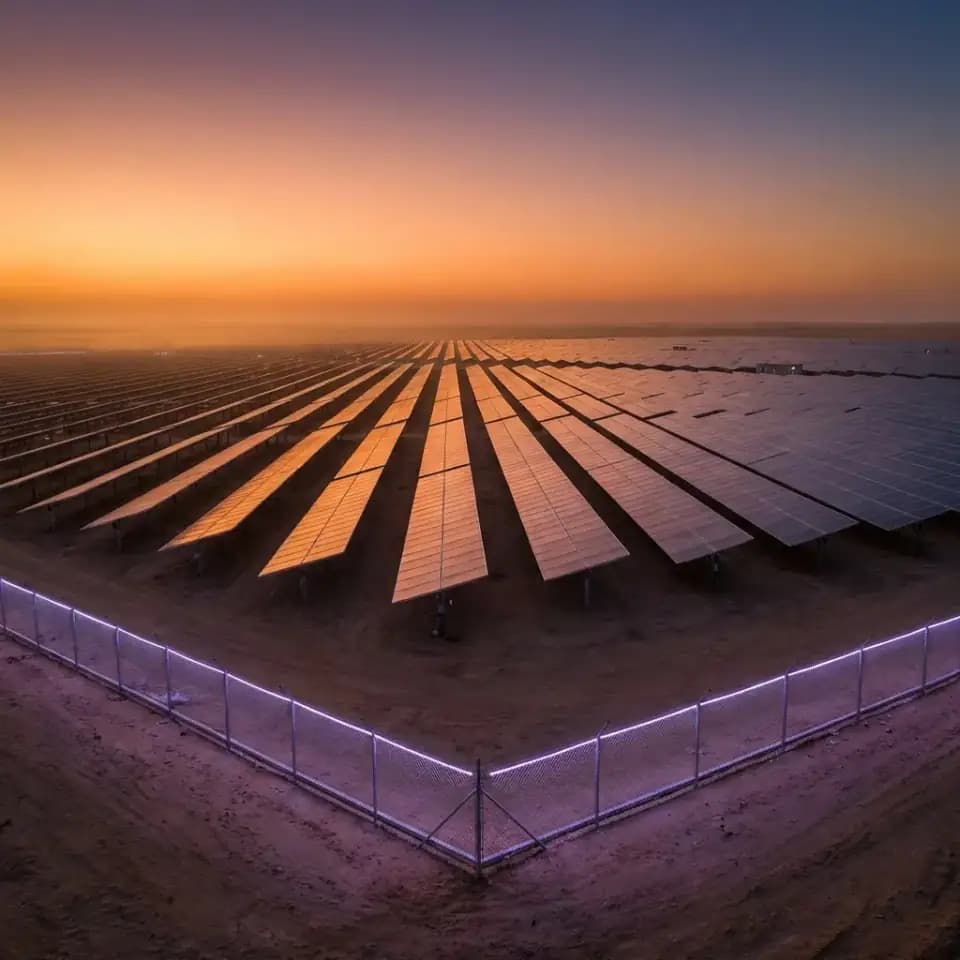
Autonomous perimeter monitoring for solar plants, protecting against theft of panels, copper cables, and inverters.

Ideal for applications in Nevada

FortSense Oil & Gas

Oil & Gas

Perimeter Security Fiber Optics

Oil & Gas

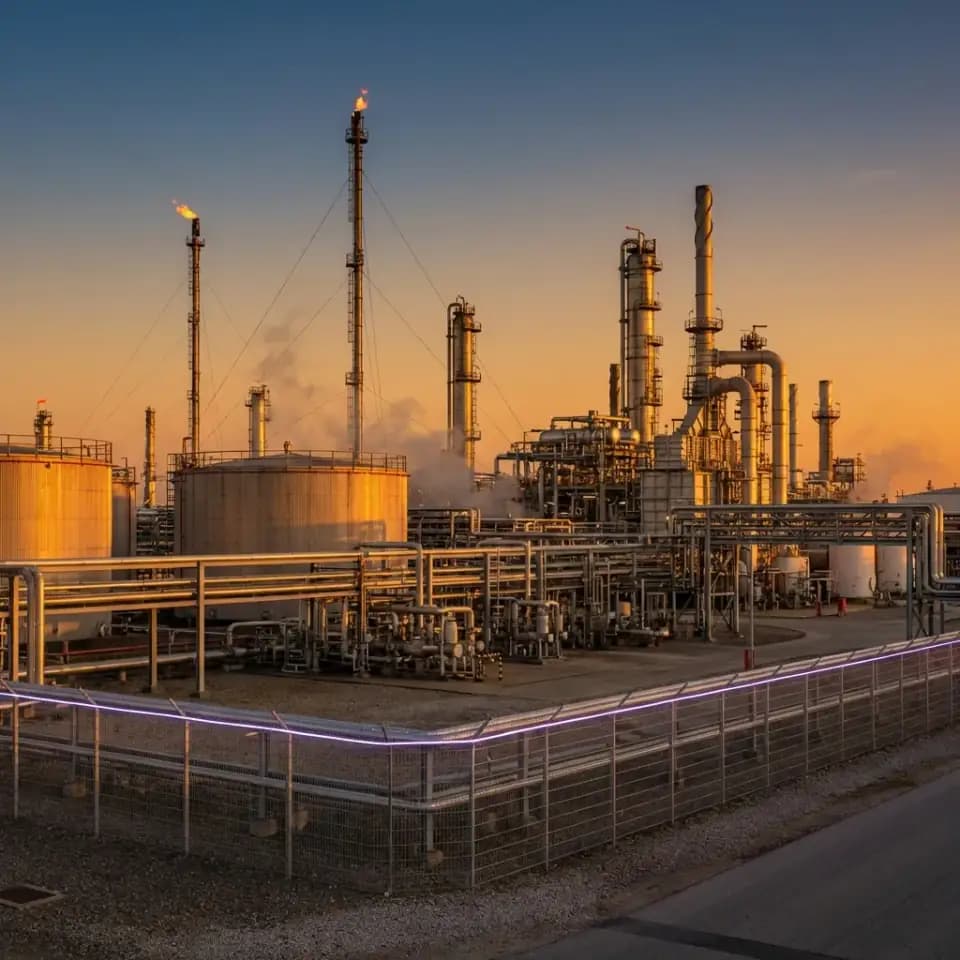
Intrinsically safe perimeter detection for refineries, chemical plants, and fuel storage depots.

Ideal for applications in Nevada

FortSense Ports & Maritime

Ports & Maritime

Perimeter Security Fiber Optics

Ports & Maritime

ISPS-compliant security for cargo containers, fuel depots, and docked vessels in harsh marine environments.

Ideal for applications in Nevada

FortSense Agriculture

Agriculture

Perimeter Security Fiber Optics

Agriculture

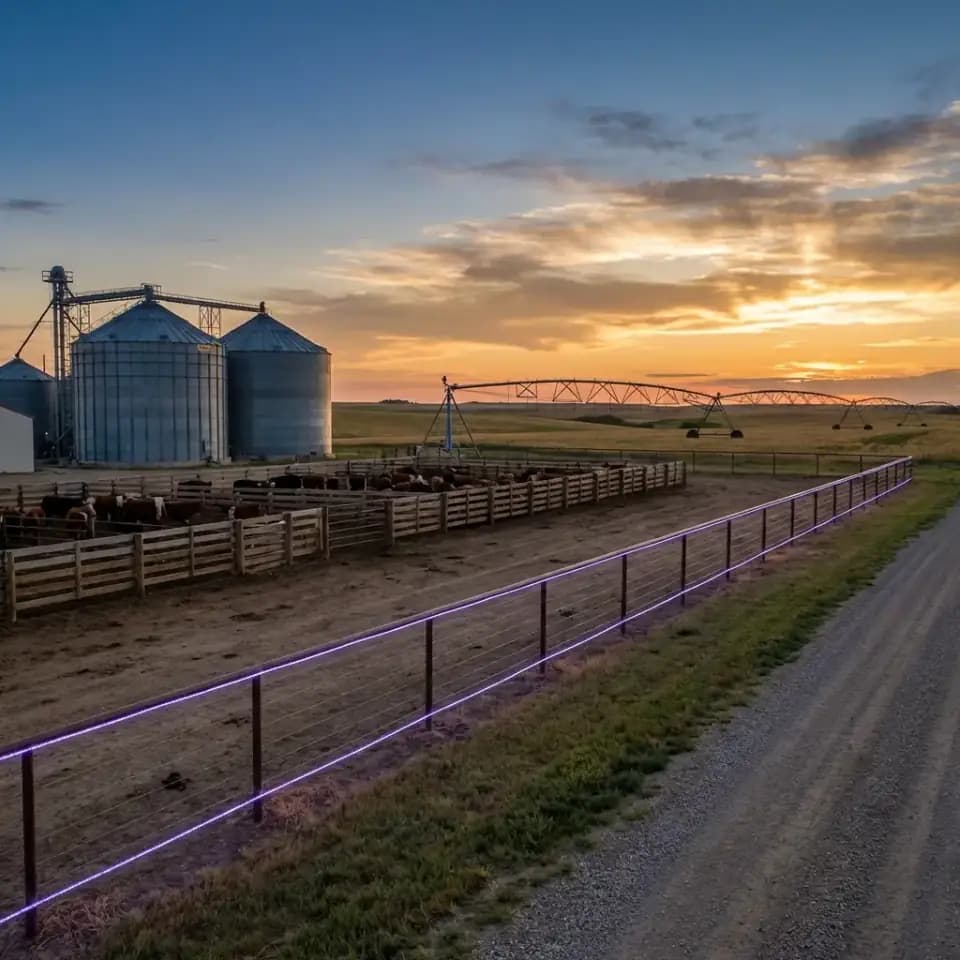
Fire detection and security for farms, livestock pens, pivot irrigation systems, and rural assets.

Ideal for applications in Nevada

FortSense Financial Sector

Financial Sector

Perimeter Security Fiber Optics

Financial Sector

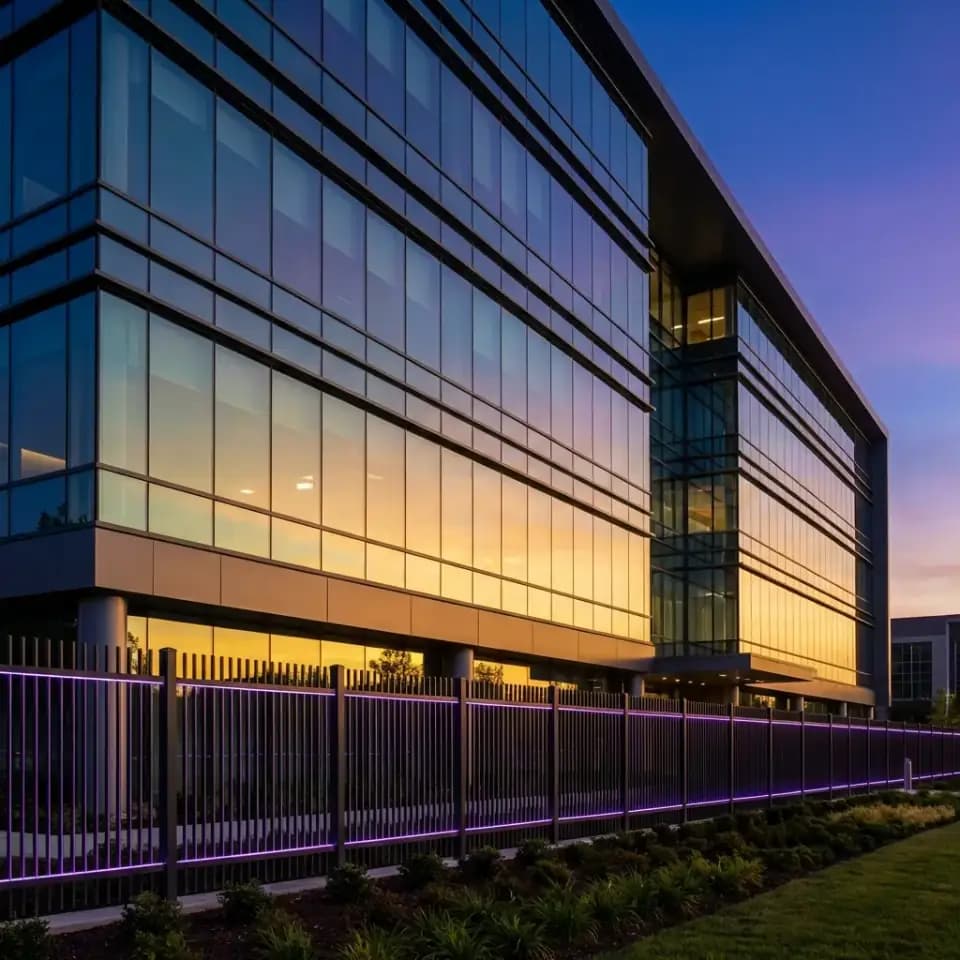
High-security perimeter protection for banks, vaults, administrative centers, and ATM areas.

Ideal for applications in Nevada

FortSense Residential Condominiums

Residential Condominiums

Perimeter Security Fiber Optics

Residential Condominiums

Invisible security for gated communities and apartment complexes, preserving aesthetics while detecting intrusions.

Ideal for applications in Nevada

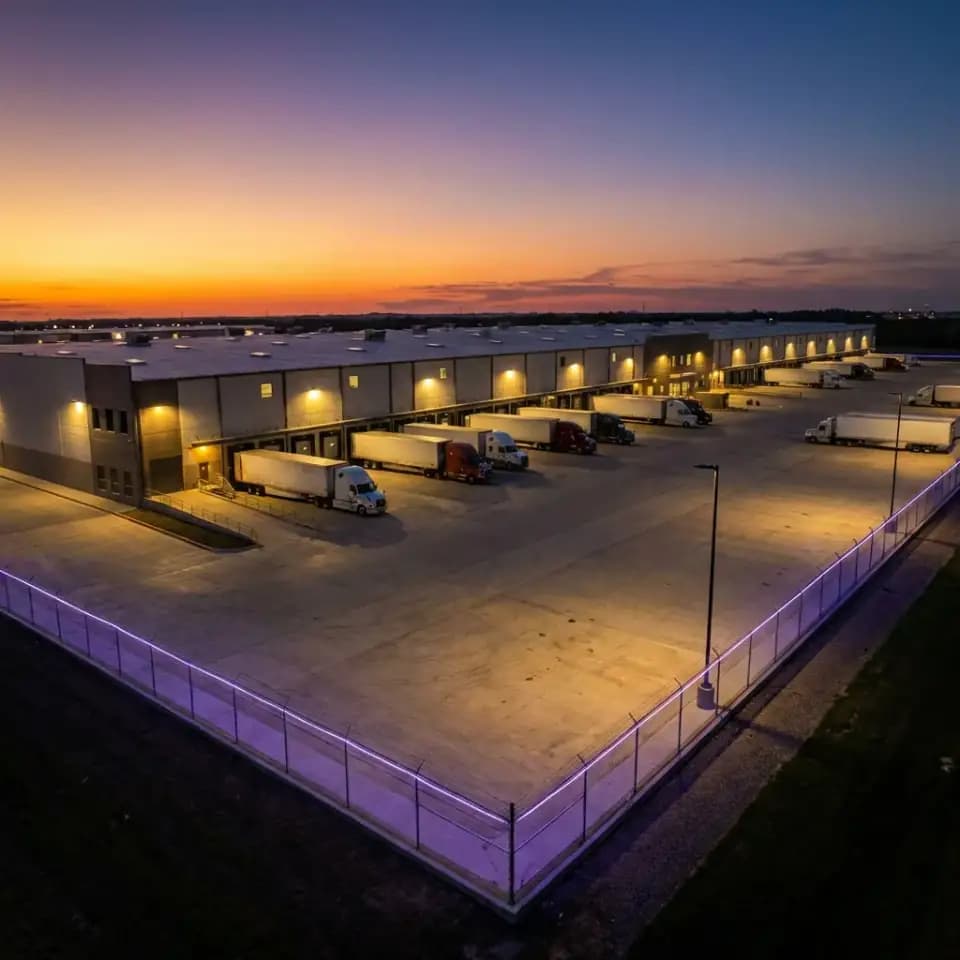
FortSense Distribution Centers

Distribution Centers

Perimeter Security Fiber Optics

Distribution Centers

Security for logistics parks, warehouses, and high-value storage areas, meeting TAPA security standards.

Ideal for applications in Nevada

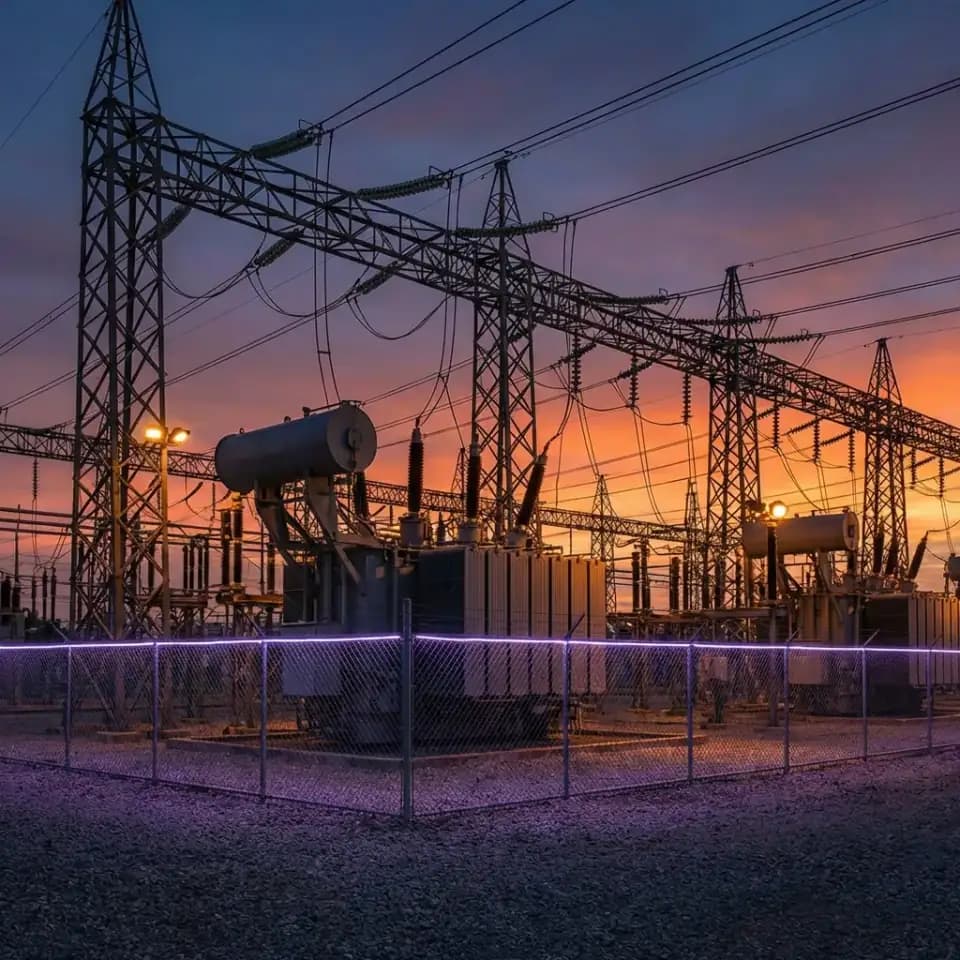
FortSense Critical Infrastructure

Critical Infrastructure

Perimeter Security Fiber Optics

Critical Infrastructure

EMI-immune monitoring for electrical substations, telecom towers, and unmanned critical assets.

Ideal for applications in Nevada

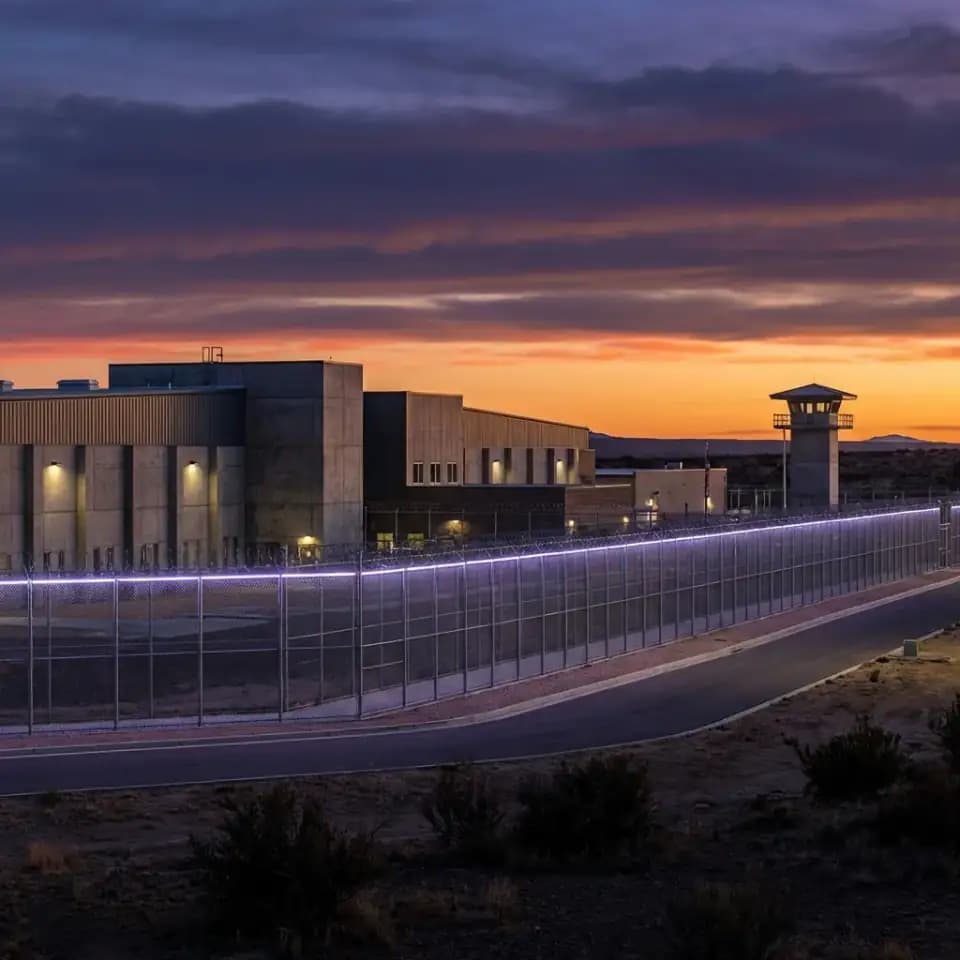
FortSense Corrections & Prisons

Corrections & Prisons

Perimeter Security Fiber Optics

Corrections & Prisons

Zero-tolerance perimeter security for correctional facilities, detecting escape attempts and breaches.

Ideal for applications in Nevada

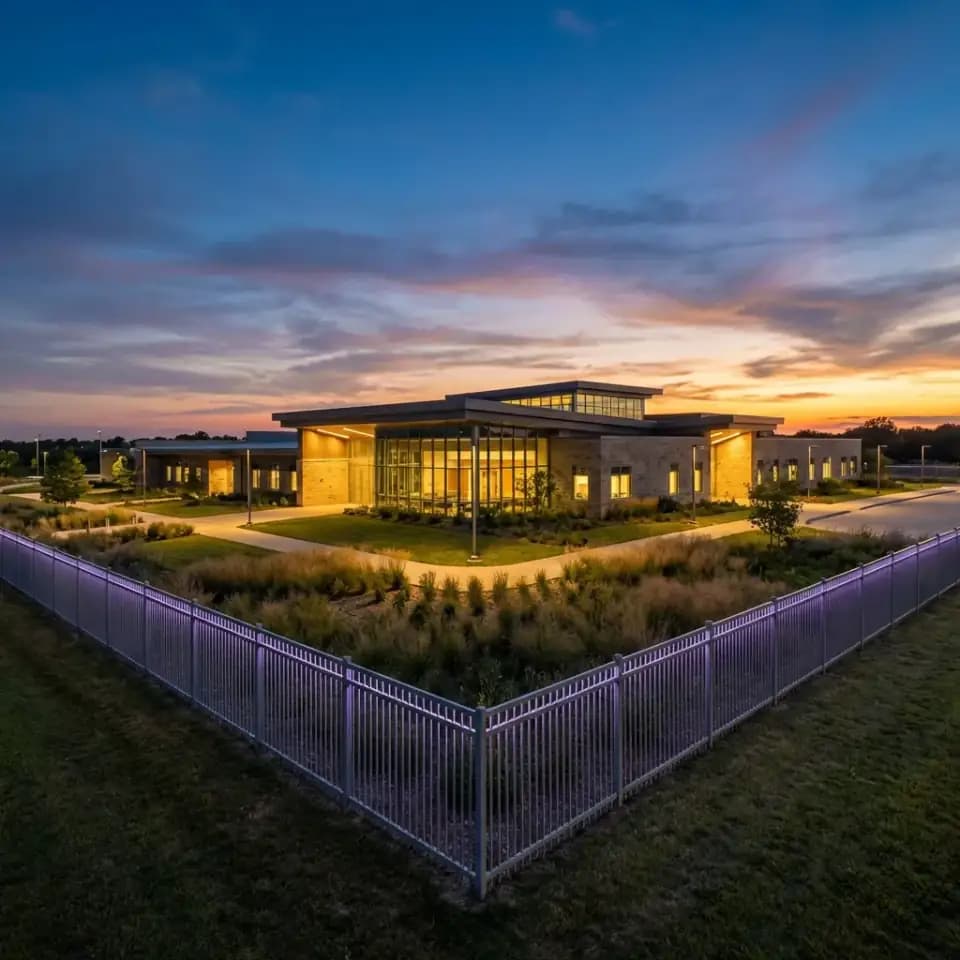
FortSense Public Sector & Schools

Public Sector & Schools

Perimeter Security Fiber Optics

Public Sector & Schools

Non-invasive security for schools, government buildings, and public facilities with rapid lockdown protocols.

Ideal for applications in Nevada

FortSense Perimeter Security for Airports

Perimeter Security for Airports

Perimeter Security Fiber Optics

Perimeter Security for Airports

ICAO-compliant sterile zone enforcement with zero interference to airport radar and navigation systems.

Ideal for applications in Nevada

FortSense Mining Operations

Mining Operations

Perimeter Security Fiber Optics

Mining Operations

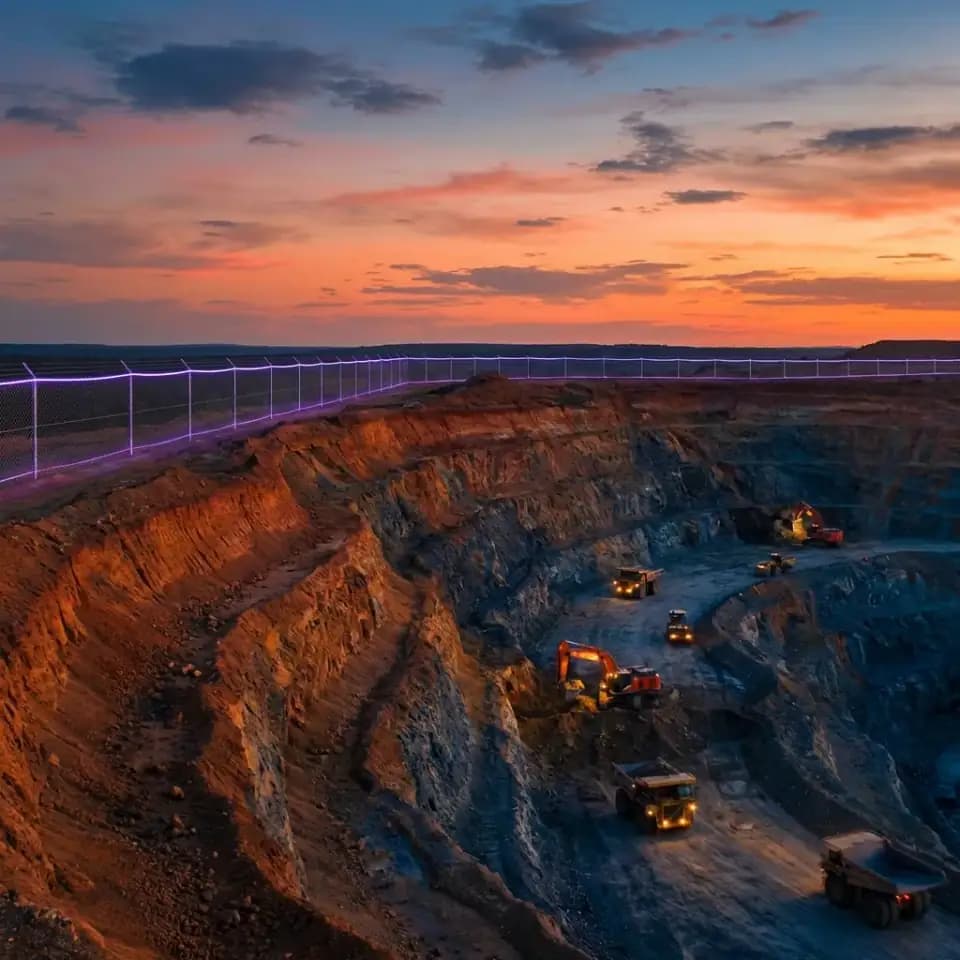
Ruggedized perimeter security for open-pit mines, ore stockpiles, and remote mining infrastructure.

Ideal for applications in Nevada

Local service overview

Perimeter Security for Nevada's Solar Farms, Data Centers & Defense Ranges

FortSense provides fiber optic perimeter intrusion detection for Nevada's utility-scale solar farms, lithium mining operations, and classified military test ranges in the Mojave and Great Basin deserts.

## Economic & Industrial Landscape

Nevada has undergone a dramatic economic transformation from a gaming monoculture into a diversified technology, energy, and advanced manufacturing hub. Tesla's Gigafactory 1 in Sparks, near Reno, is one of the largest buildings in the world by footprint — over 5. 3 million square feet — producing lithium-ion battery cells and energy storage products in partnership with Panasonic Energy. The Tahoe Reno Industrial Center (TRIC), the world's largest industrial park at 107,000 acres, hosts logistics, manufacturing, and technology companies including Switch, Walmart, PetSmart, and Zulily distribution centers.

Redwood Materials, founded by former Tesla CTO JB Straubel, is building North America's largest battery recycling operation in Carson City, positioning Nevada at the center of the circular battery economy.

Nevada's mining industry remains the largest gold producer in the United States. Barrick Gold's Nevada operations — including the Cortez complex and Goldstrike/Carlin trend mines — rank among the most productive gold mining operations globally, extracting millions of ounces annually from the Carlin Trend, a 40-mile-long geological formation in Eureka and Elko counties. Nevada Copper's Pumpkin Hollow mine in Yerington is the only copper mine in the state.

Most strategically, Lithium Americas' Thacker Pass project in Humboldt County is developing the largest known lithium deposit in the United States — estimated at 13. 7 million tonnes of lithium carbonate equivalent — which will be critical to domestic EV battery supply chain independence. Nevada's solar energy capacity is substantial, with the 690 MW Gemini Solar Project in Clark County ranking among the largest solar installations in the nation.

## Critical Infrastructure — Named Facilities

The Nevada National Security Site (NNSS), formerly the Nevada Test Site, encompasses 1,360 square miles of restricted desert approximately 65 miles northwest of Las Vegas. NNSS conducts subcritical nuclear weapons experiments, nuclear stockpile stewardship activities, and classified defense research that is essential to maintaining the reliability of America's nuclear arsenal without full-scale testing. The site has conducted 928 nuclear tests historically and remains the most heavily restricted federal land outside military combat zones.

Nellis Air Force Base and the Nevada Test and Training Range (NTTR) — the largest air combat training range in the world at nearly 4,700 square miles — host the annual Red Flag exercises where US and allied air forces train for near-peer combat scenarios.

Creech Air Force Base, located approximately 45 miles northwest of Las Vegas, is the primary operations center for MQ-9 Reaper unmanned aerial vehicle missions, with pilots remotely operating armed drones across multiple combat theaters from Nevada's desert. Naval Air Station Fallon, where the Navy Fighter Weapons School (TOPGUN) relocated, provides advanced combat flight training. Hoover Dam on the Colorado River and Lake Mead together constitute critical water and hydroelectric infrastructure for the entire American Southwest — providing water to 25 million people and generating 2,074 megawatts of electricity.

Switch's SUPERNAP data centers in Las Vegas are among the largest colocation facilities in the world, housing data for enterprise customers, while Apple, Google, and Microsoft operate major data center campuses in the Reno-Carson City corridor.

## Security Challenges — Local Patterns

Nevada's security challenges are defined by the contrast between the Las Vegas metropolitan area's urban crime dynamics and the state's vast desert interior where remote assets face isolation-based threats. Las Vegas metro property crime rates exceed national averages, with vehicle theft and property crime concentrated in areas adjacent to the Strip corridor and industrial zones. The October 2017 Route 91 Harvest festival mass shooting — which killed 60 people and injured over 400 — reshaped security thinking for the entire state, particularly around open-air venues and elevated threat positions.

Solar farm vandalism and copper theft from remote desert installations have emerged as growing concerns, with thieves targeting copper wiring, transformers, and inverter components at facilities sometimes located hours from the nearest law enforcement.

Mining operations in remote desert and mountain locations face security challenges amplified by extreme isolation. Thacker Pass has already experienced significant protest encampments and legal challenges from environmental and Indigenous groups — a pattern that has escalated to infrastructure interference at other mining sites nationally. The NNSS and military test ranges face persistent security concerns around their vast perimeters, including unauthorized entry attempts by conspiracy theorists, journalists, and potential foreign intelligence operatives.

Area 51 (Groom Lake), located within the NTTR, generates particular public fascination that drives repeated perimeter incursions. Drug trafficking along the I-15 corridor between Los Angeles and Las Vegas represents a major law enforcement concern, with associated property crime affecting both the Las Vegas Valley and rural communities along the route.

## Why Fiber Optic PIDS Here

Nevada's extreme desert environment creates unique challenges that fiber optic PIDS technology is specifically designed to address. Las Vegas regularly exceeds 115°F in summer, with ground surface temperatures reaching 160°F+ on desert pavement — conditions that cause thermal bloom in infrared cameras, overwhelm motion sensors with heat shimmer, and physically degrade plastic housings on electronic equipment through UV exposure. The Mojave and Great Basin deserts deliver flash floods, dust storms with zero visibility, and winter freezing at elevation (Reno averages 22°F in January).

Annual solar radiation in Nevada is among the highest in North America, causing accelerated polymer degradation in conventional sensor systems. Fiber optic cable, shielded in UV-resistant jackets, is immune to all these environmental factors and requires no electrical power along its sensing length — critical for installations miles from the nearest power grid connection.

The vast scale of Nevada's protected facilities makes fiber optic sensing the only cost-effective detection solution. The NNSS perimeter encompasses 1,360 square miles, Nellis NTTR covers 4,700 square miles, and utility-scale solar farms like Gemini span thousands of acres of flat desert. Thacker Pass's mining lease covers 17,933 acres of remote high desert. Traditional sensor approaches requiring power, communications, and maintenance access at each detection point would be economically and logistically impractical across these distances.

A single fiber optic cable can provide continuous detection along 40+ kilometers without any intermediate electronics, powered only at the processing unit located in a climate-controlled facility. This architecture dramatically reduces the maintenance burden in remote desert locations where service visits may require hours of travel on unpaved roads.

## Deployment Context

Nevada PIDS installations must address extreme UV exposure (requiring UV-stabilized cable jacketing), thermal expansion in buried cable installations where ground temperatures can exceed 120°F at shallow depth, and flash flood routing that can undermine cable burial in desert washes. For NNSS and military installations, compliance with DOE Order 473. 3A (Physical Protection Program) and DoD security specifications is mandatory. Solar farm installations should be coordinated with NERC CIP (Critical Infrastructure Protection) standards for utility-scale generation assets.

Mining operation deployments at sites like Thacker Pass must comply with MSHA safety requirements and integrate with existing environmental monitoring systems. Nevada's major population centers have robust fiber optic connectivity, but remote installations in Humboldt, Elko, Nye, and Lander counties may require satellite or microwave backhaul for monitoring data.

Professional perimeter protection for distribution centers, manufacturing, and critical infrastructure in Nevada.

  • Battery Energy Storage (BESS) Security
  • Solar Array & Panel Theft Prevention
  • Remote Mining Camp Protection
  • Solar Energy & Battery Manufacturing

Plan a FortSense assessment for this market

Share the perimeter length, fence type, and monitoring workflow. FortSense can help scope zones, integration points, and commissioning requirements for this location.

Services

Battery Energy Storage (BESS) Security

Securing battery energy storage systems against intrusion, theft, and tampering with thermal-event-aware alarm correlation for lithium-ion facilities.

Solar Array & Panel Theft Prevention

Fiber optic fence detection surrounding solar farms to prevent panel theft, copper wire stripping, and vandalism across large-area installations.

Remote Mining Camp Protection

Securing remote worker camps, equipment yards, and explosive storage facilities in isolated locations with satellite-backhaul alarm reporting.

Deployment patterns for local sites

How FortSense Works in Nevada

Fiber optic perimeter security adapted to local conditions and requirements.

  1. Fiber installed. Passive fiber optic cable mounts on the existing fence or wall with minimal civil work.
  2. Vibration detected. Any contact creates vibration patterns in the fiber so climbing, cutting, or lifting attempts become visible immediately.
  3. AI/DSP verification. Algorithms filter out wind, animals, and environmental noise before an operator ever sees an alarm.
  4. Alarm if intrusion. Only real threats trigger zone-based alarms that can route into the monitoring workflow already used by the site team.

Adapted for Nevada. Our local partners understand Nevada's climate, terrain, and security challenges. The fiber optic system is configured to filter local environmental conditions while maintaining maximum sensitivity to real intrusion attempts.

Integration and security software fit

FortSense can feed alarms into the monitoring stack a site already uses, including VMS, PSIM, alarm panels, relay inputs, TCP/IP workflows, and camera verification.

  • Zone-based alarms for operators and guard teams
  • Camera and VMS workflows for visual verification
  • Relay or network outputs for existing security systems
  • Software-assisted filtering before dispatch decisions

Industries in this market

Relevant FortSense industry and use-case paths connected to this location.

  • Solar Energy & Battery Manufacturing
  • Mining Operations & Critical Minerals
  • National Security & Defense Test Ranges
  • Distribution Center Perimeter Security
  • Solar Farm Perimeter Security
  • Perimeter Security for Critical Infrastructure

Why FortSense fits in Perimeter Security in Nevada

FortSense is designed for perimeter security work where false-alarm reduction, passive fiber sensing, and practical integration matter more than adding another camera-only layer.

  • Passive fiber on existing fences, walls, or perimeter structures
  • AI/DSP filtering for wind, vibration, and environmental noise
  • Zone-level alerts that can match the site's response model
  • Support for design, integration, commissioning, and handover

Market notes

Practical details that help this page stay specific to the market instead of drifting into generic copy.

  • Solar Energy & Battery Manufacturing
  • Mining Operations & Critical Minerals
  • National Security & Defense Test Ranges
  • Battery Energy Storage (BESS) Security

Related FortSense paths

Related technical content and commercial guidance linked from this location page.

Frequently Asked Questions (FAQ)

Frequently Asked Questions (FAQ) — Nevada

Does the system work at night when most solar theft occurs?

FortSense operates 24/7 regardless of lighting conditions. Unlike cameras that require IR illumination at night, fiber optic sensing detects intrusions by acoustic vibration — working equally well in complete darkness, fog, rain, or dust storms.

How is copper cable theft from solar substations addressed?

The fiber cable installed on substation fencing detects cutting and climbing attempts specifically targeting copper infrastructure. Zone-based alarms prioritize substation zones for fastest response times, as copper theft can cause extended generation outages.

How does FortSense protect against solar panel theft across large areas?

Our fiber optic cable is installed along the perimeter fence of the solar array. When intruders attempt to climb, cut, or breach the fence, the system detects the acoustic signature and pinpoints the location within ±5 meters, enabling targeted security response.

How does the system perform in extreme dust and temperature conditions?

The fiber optic sensor cable is immune to dust, EMI, and temperature extremes from -40°C to +70°C. Unlike electronic sensors, fiber has no active components in the field that can degrade from dust infiltration or thermal cycling.

Is the system affected by extreme UV radiation in desert environments?

Our fiber cable uses UV-stabilized outer jacketing rated for permanent outdoor exposure. The fiber itself — glass — is unaffected by UV radiation. Systems installed in desert environments show no performance degradation even after 15+ years of continuous operation.

Local perimeter assessment

Request Perimeter Assessment in Nevada

Receive a technical proposal, deployment design, and integration plan.