


Fiber Optic Perimeter Security in New Mexico: Perimeter Security for New Mexico's Nuclear Labs & Permian Basin Operations

Securing Los Alamos and Sandia national laboratories, the WIPP nuclear waste repository, and Permian Basin oil fields across 3,200 square miles of desert with fiber optic PIDS.

Applications

Perimeter Security Fiber Optics Ideal for Applications in New Mexico

FortSense Solar & Renewables

Solar & Renewables

Perimeter Security Fiber Optics

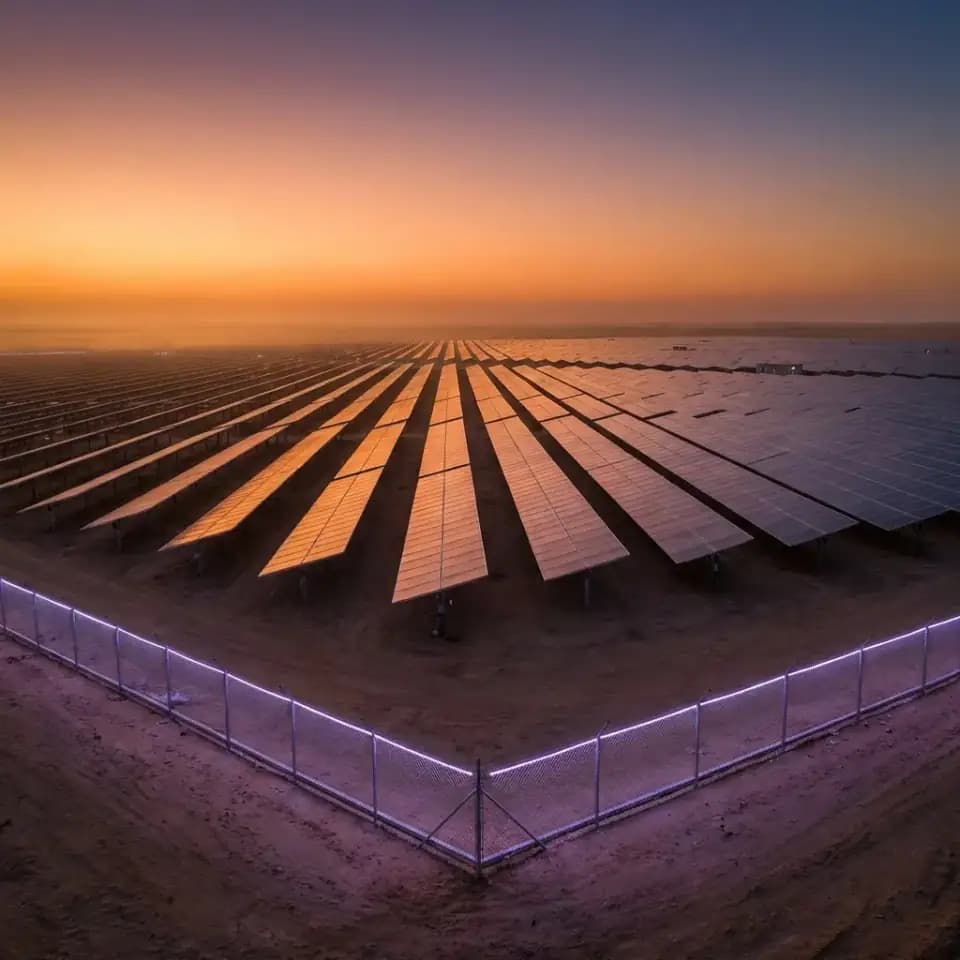
Solar & Renewables

Autonomous perimeter monitoring for solar plants, protecting against theft of panels, copper cables, and inverters.

Ideal for applications in New Mexico

FortSense Oil & Gas

Oil & Gas

Perimeter Security Fiber Optics

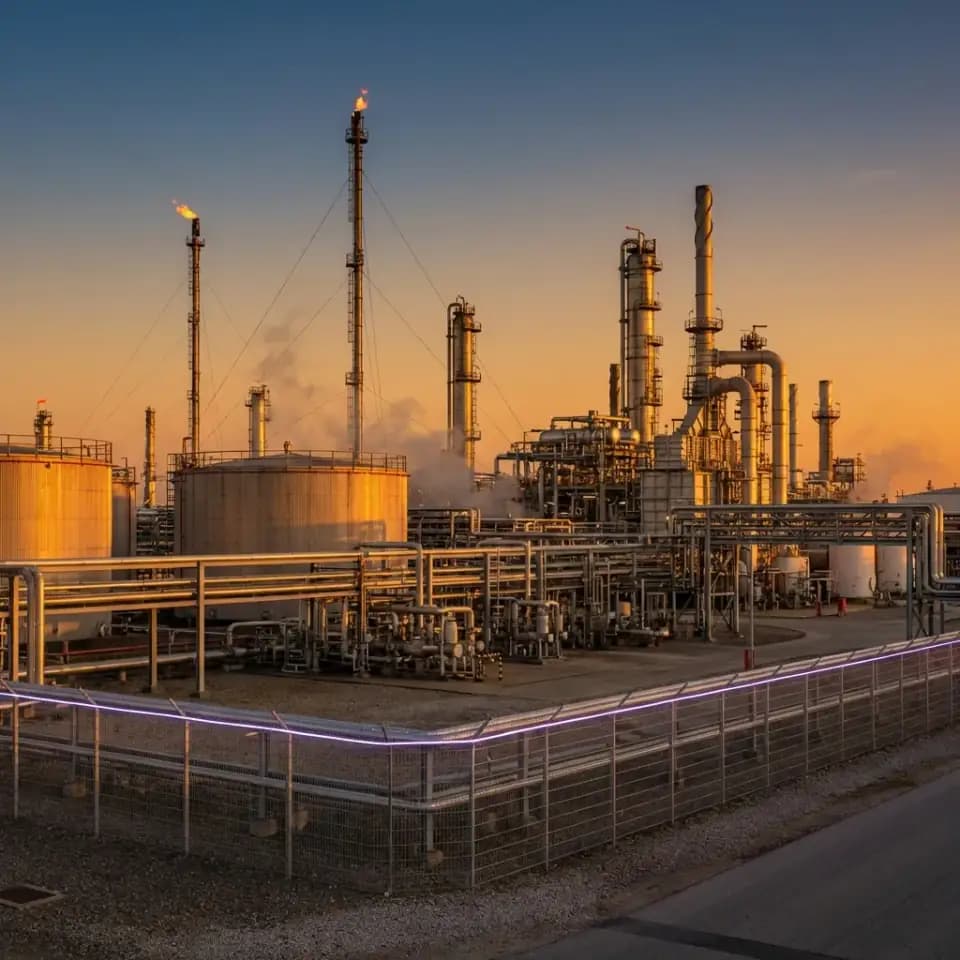
Oil & Gas

Intrinsically safe perimeter detection for refineries, chemical plants, and fuel storage depots.

Ideal for applications in New Mexico

FortSense Ports & Maritime

Ports & Maritime

Perimeter Security Fiber Optics

Ports & Maritime

ISPS-compliant security for cargo containers, fuel depots, and docked vessels in harsh marine environments.

Ideal for applications in New Mexico

FortSense Agriculture

Agriculture

Perimeter Security Fiber Optics

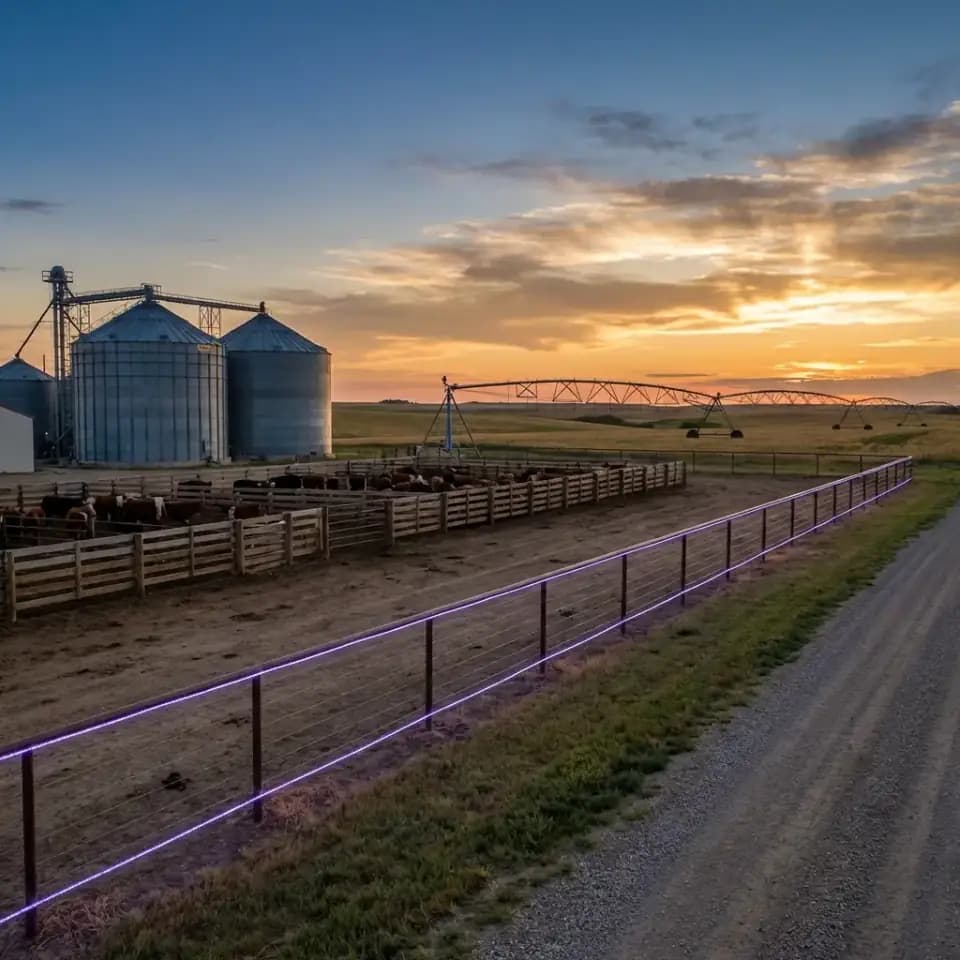
Agriculture

Fire detection and security for farms, livestock pens, pivot irrigation systems, and rural assets.

Ideal for applications in New Mexico

FortSense Financial Sector

Financial Sector

Perimeter Security Fiber Optics

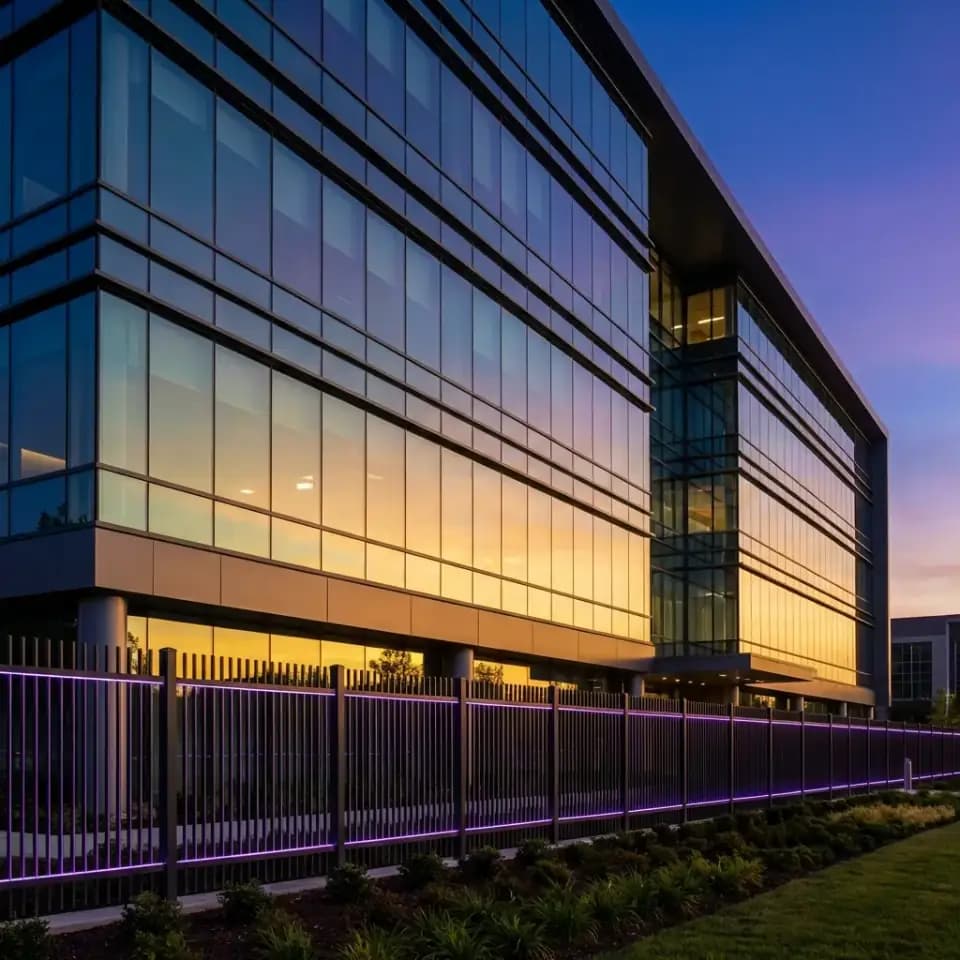
Financial Sector

High-security perimeter protection for banks, vaults, administrative centers, and ATM areas.

Ideal for applications in New Mexico

FortSense Residential Condominiums

Residential Condominiums

Perimeter Security Fiber Optics

Residential Condominiums

Invisible security for gated communities and apartment complexes, preserving aesthetics while detecting intrusions.

Ideal for applications in New Mexico

FortSense Distribution Centers

Distribution Centers

Perimeter Security Fiber Optics

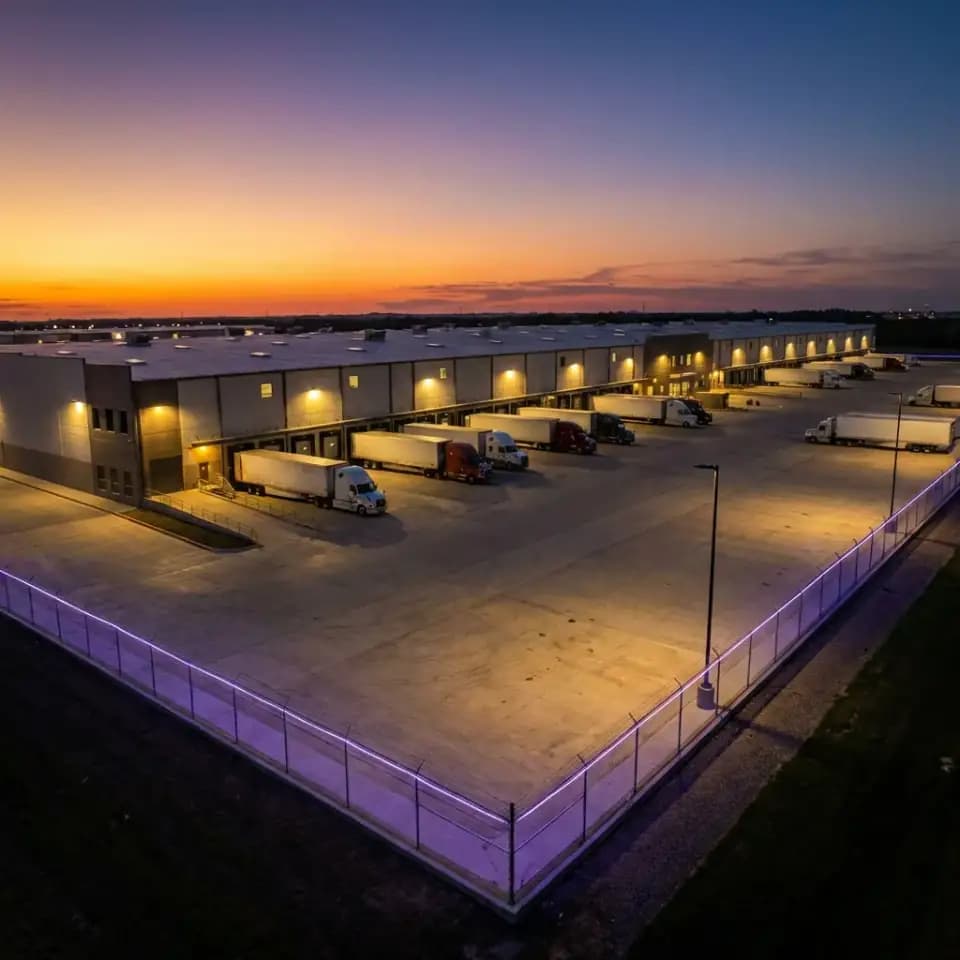
Distribution Centers

Security for logistics parks, warehouses, and high-value storage areas, meeting TAPA security standards.

Ideal for applications in New Mexico

FortSense Critical Infrastructure

Critical Infrastructure

Perimeter Security Fiber Optics

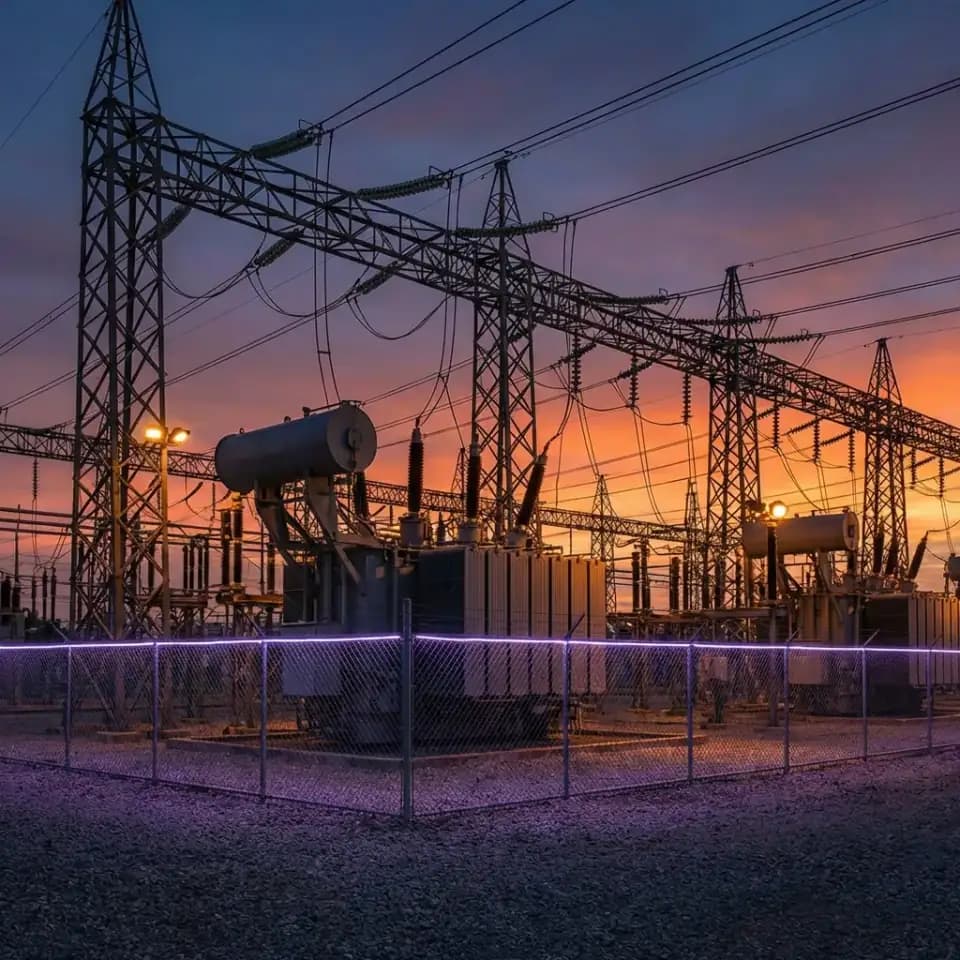
Critical Infrastructure

EMI-immune monitoring for electrical substations, telecom towers, and unmanned critical assets.

Ideal for applications in New Mexico

FortSense Corrections & Prisons

Corrections & Prisons

Perimeter Security Fiber Optics

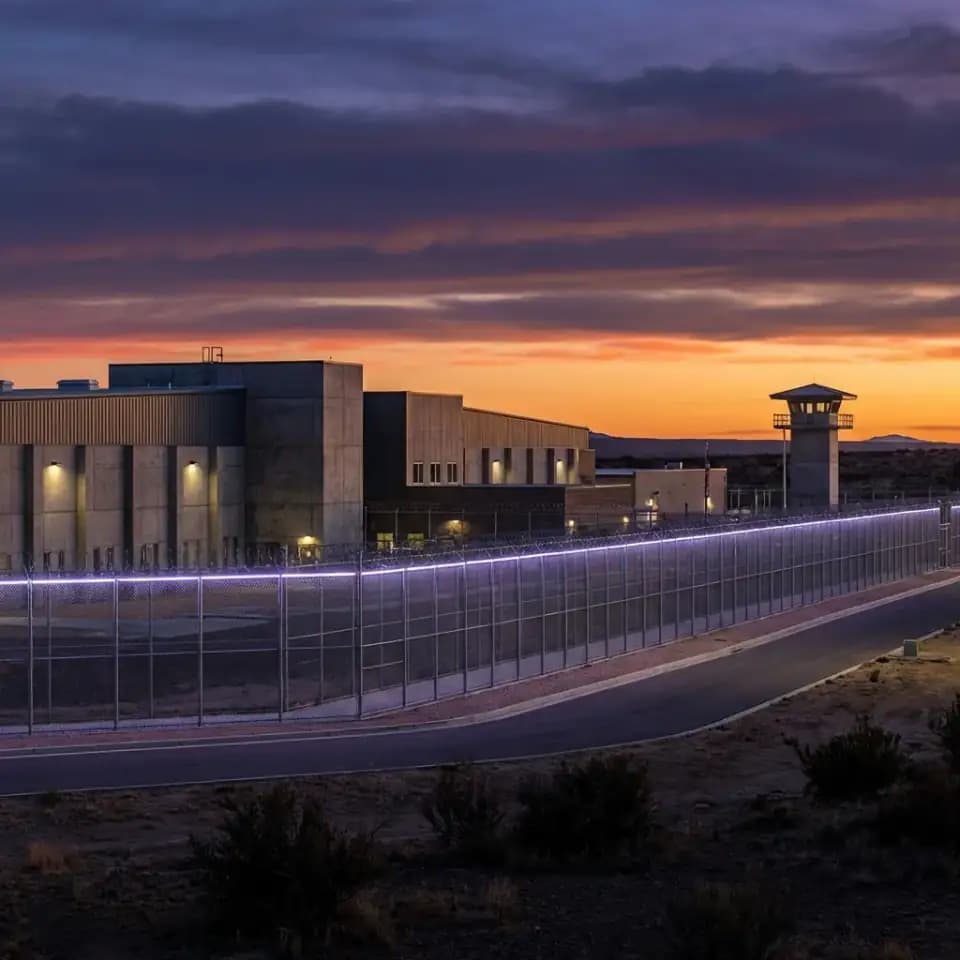
Corrections & Prisons

Zero-tolerance perimeter security for correctional facilities, detecting escape attempts and breaches.

Ideal for applications in New Mexico

FortSense Public Sector & Schools

Public Sector & Schools

Perimeter Security Fiber Optics

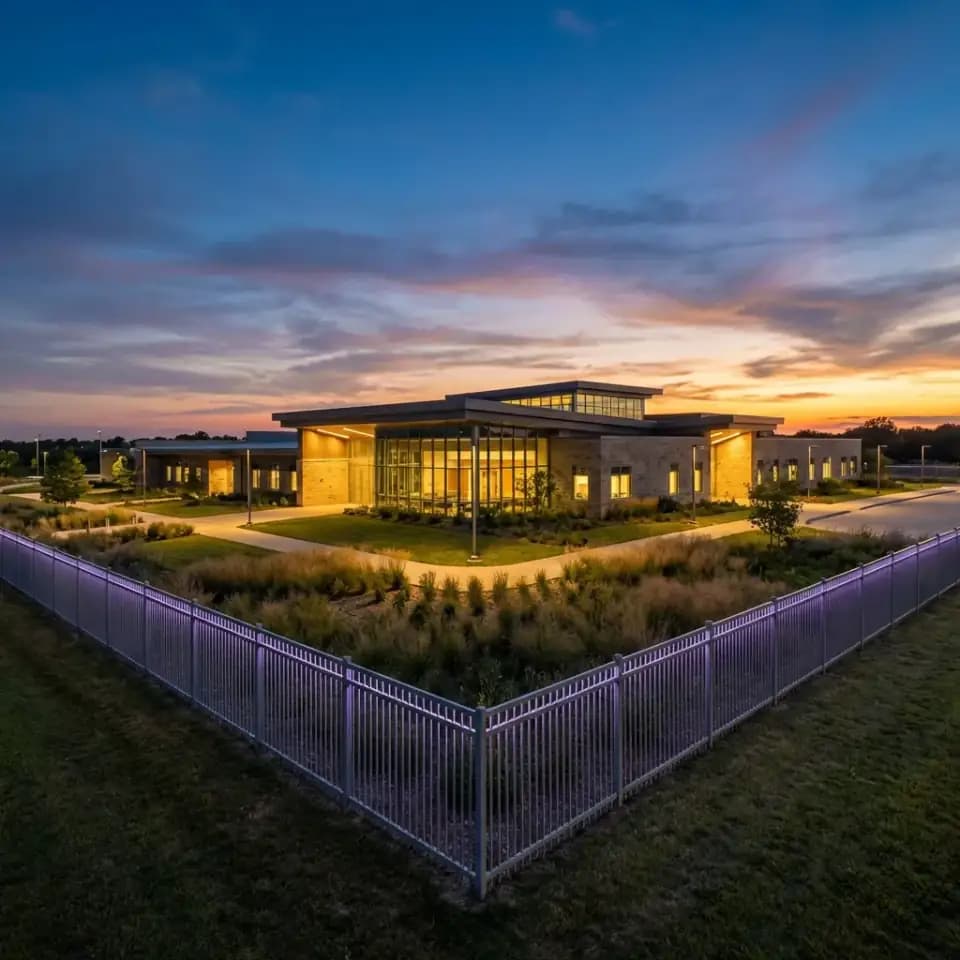
Public Sector & Schools

Non-invasive security for schools, government buildings, and public facilities with rapid lockdown protocols.

Ideal for applications in New Mexico

FortSense Perimeter Security for Airports

Perimeter Security for Airports

Perimeter Security Fiber Optics

Perimeter Security for Airports

ICAO-compliant sterile zone enforcement with zero interference to airport radar and navigation systems.

Ideal for applications in New Mexico

FortSense Mining Operations

Mining Operations

Perimeter Security Fiber Optics

Mining Operations

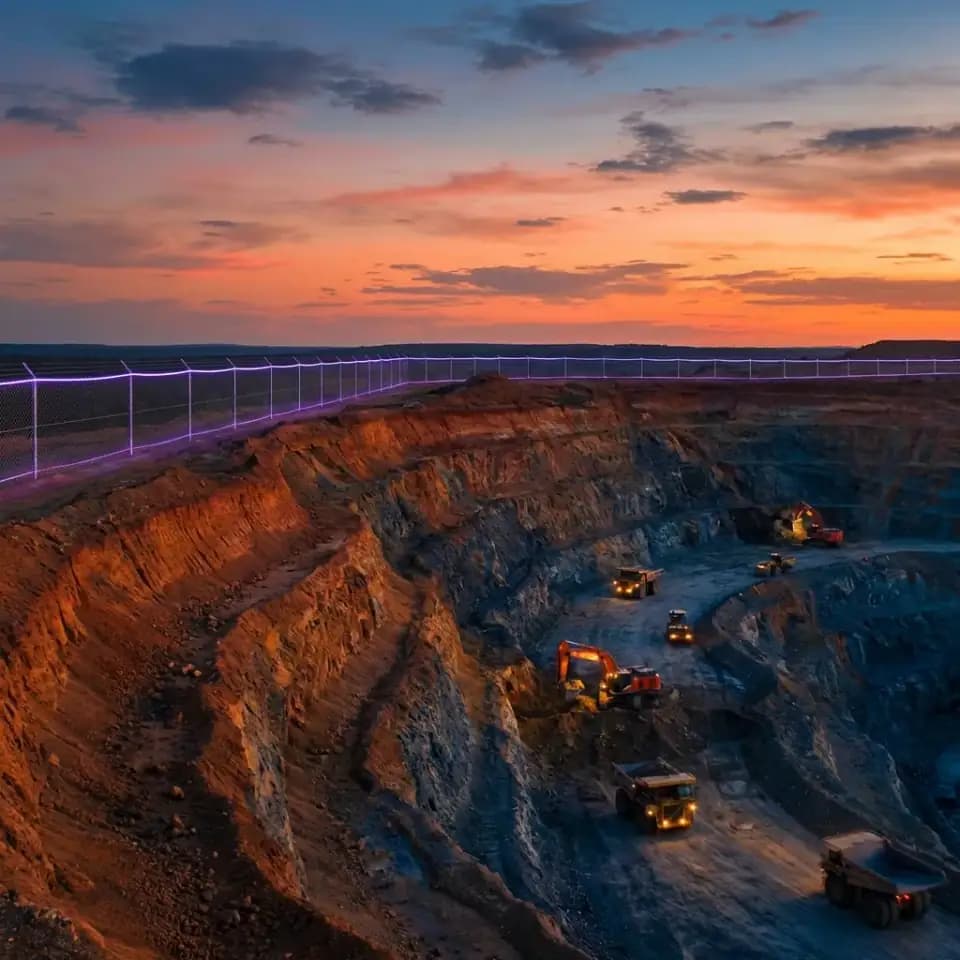
Ruggedized perimeter security for open-pit mines, ore stockpiles, and remote mining infrastructure.

Ideal for applications in New Mexico

Local service overview

Perimeter Security for New Mexico's Nuclear Labs & Permian Basin Operations

FortSense delivers fiber optic perimeter intrusion detection for New Mexico's nuclear weapons laboratories, deep geological waste storage facilities, and desert oil and gas operations.

## Economic & Industrial Landscape

New Mexico occupies a singular position in the American economy as the epicenter of nuclear weapons science and space technology. The state's two national laboratories — Los Alamos National Laboratory (LANL) and Sandia National Laboratories — together employ approximately 28,800 people and receive over $8 billion annually in federal funding, making them the dominant economic force in the state. LANL, birthplace of the atomic bomb during the Manhattan Project, continues to design and certify nuclear warheads, conduct supercomputing research, and advance physics across multiple disciplines.

Sandia, managed by the National Technology and Engineering Solutions of Sandia (a Honeywell subsidiary), handles nuclear weapons engineering, cybersecurity, energy research, and systems integration. Together, these two institutions represent the intellectual and industrial core of America's nuclear weapons complex.

Beyond defense, New Mexico's Permian Basin operations in Lea and Eddy Counties (southeastern corner of the state) generate billions of dollars in oil and gas revenue. The state's portion of the Permian Basin produces approximately 1. 5 million barrels of crude oil daily, making New Mexico the third-largest oil-producing state. This production has driven a rapid economic boom in Carlsbad, Hobbs, and Artesia, transforming previously sleepy agricultural communities into boomtowns with acute labor shortages and infrastructure strain. HF Sinclair's Navajo Refinery in Artesia processes 100,000 barrels per day.

Mining adds further resource extraction value, with Freeport-McMoRan's Chino Mine near Silver City and Tyrone Mine ranking among the nation's largest copper operations, and Intrepid Potash near Carlsbad being a major US potash producer. Intel's semiconductor fabrication plant (Fab 11X) in Rio Rancho is one of the largest chip manufacturing facilities in the western United States.

## Critical Infrastructure — Named Facilities

Los Alamos National Laboratory occupies 36 square miles of mesa-top terrain in northern New Mexico, with over 2,000 buildings including some of the most sensitive facilities in the nuclear weapons complex — plutonium processing at TA-55 (PF-4), the Chemistry and Metallurgy Research Replacement (CMRR) facility, and supercomputing centers housing machines ranked among the world's fastest. Security at LANL is managed by a dedicated protective force and governed by DOE Order 473. 3A, with multiple layers of detection, delay, and response protecting Special Nuclear Material (SNM).

The laboratory's mesa geography — deep canyons separating flat-topped mesas — creates unique perimeter challenges where terrain features can provide concealment for intruders.

The Waste Isolation Pilot Plant (WIPP) near Carlsbad is the nation's only deep geological repository for transuranic nuclear waste, storing defense-generated radioactive material in salt formations 2,150 feet below the surface. WIPP has been operational since 1999 and receives waste shipments from nuclear weapons facilities across the country via dedicated highway routes.

White Sands Missile Range (WSMR) is the largest military installation in the United States at 3,200 square miles — larger than Delaware and Rhode Island combined — where missile systems, directed energy weapons, and space launch vehicles are tested. Kirtland Air Force Base in Albuquerque houses the Air Force Research Laboratory, the Nuclear Weapons Center, and the Defense Threat Reduction Agency, while also serving as a storage site for nuclear weapons components. Spaceport America in Sierra County is the world's first purpose-built commercial spaceport, hosting Virgin Galactic's space tourism flights.

## Security Challenges — Local Patterns

New Mexico faces one of the most complex security environments in the nation, combining world-class nuclear security requirements with elevated urban crime and remote desert vulnerability. Albuquerque consistently ranks among the top US cities for vehicle theft per capita — frequently claiming the #1 or #2 position nationally — with over 10,000 vehicles stolen annually. Catalytic converter theft is epidemic. Property crime rates in Albuquerque and surrounding Bernalillo County significantly exceed national averages, driven in part by substance abuse and proximity to drug trafficking routes.

The I-25 and I-40 corridors serve as primary drug distribution routes, with New Mexico's 180-mile border with Mexico creating persistent smuggling concerns that extend to oil field areas in the southeast.

Nuclear facility security is the paramount concern. LANL has experienced documented security breaches, including the Wen Ho Lee espionage investigation that exposed vulnerabilities in protecting nuclear weapons design data, and subsequent incidents involving lost classified drives and unauthorized property access. The February 2014 radiation release at WIPP — caused by improper packaging of waste material — shut the facility for nearly three years and demonstrated that security must encompass both intrusion prevention and operational safety monitoring.

Permian Basin oil field operations in Lea and Eddy Counties face equipment theft, pipeline vandalism, and wellhead tampering in remote desert locations where facilities may be 30+ minutes from any law enforcement response. The 2022 Calf Canyon/Hermits Peak Fire — the largest wildfire in New Mexico history at 341,000 acres — highlighted the vulnerability of remote infrastructure to wildfire and the importance of detection systems that function in fire-affected environments.

## Why Fiber Optic PIDS Here

New Mexico's extreme desert environment and the extraordinary sensitivity of its nuclear facilities make fiber optic PIDS technology an ideal security solution. Daytime temperatures exceed 100°F across southern lowlands, with desert surface temperatures reaching 140°F+, while northern mountain areas experience sub-zero winters and heavy snow. Flash flooding through arroyos can destroy ground-mounted equipment with zero warning. Dust storms reduce visibility and coat optical sensors.

The 2022 record wildfire season proved that fire-resistant detection technology is not optional in New Mexico — fiber optic glass cable withstands temperatures far exceeding any wildfire while conventional electronic systems are destroyed. The state's intense UV radiation accelerates degradation of plastic housings and polymer components in traditional sensors, while having no effect on properly jacketed fiber optic cable.

Los Alamos National Laboratory's 36-square-mile campus, carved into mesa and canyon terrain, presents one of the most challenging perimeter security environments in the nuclear weapons complex. Traditional sensor systems require extensive maintenance access in terrain that is difficult to reach during winter snow, spring mud, and summer fire season. Fiber optic cable can be routed along existing fence lines and roads, monitoring the full perimeter from a small number of processing units located in climate-controlled buildings.

WIPP's desert perimeter, WSMR's 3,200-square-mile test range boundaries, and the sprawling Permian Basin oil field operations share a common challenge: vast distances in extreme desert conditions with minimal infrastructure. Fiber optic sensing cable provides continuous detection across these distances — 40+ kilometers per processing unit — without intermediate electronics, power supplies, or communications equipment that would require maintenance in the inhospitable desert environment.

## Deployment Context

New Mexico installations must address extreme UV exposure (requiring UV-stabilized cable jacketing rated for high-altitude desert solar radiation), flash flood routing (avoiding arroyo crossings or using armored conduit), and wildfire resilience (mineral-insulated or fire-rated cable jackets for installations in wildland-urban interface zones near LANL and Santa Fe). DOE nuclear facility installations must comply with DOE Order 473. 3A (Physical Protection Program), 10 CFR 1046 (Physical Protection of Security Interests), and NNSA-specific security directives.

Oil and gas installations in the Permian Basin must coordinate with BLM (Bureau of Land Management) surface use requirements for operations on federal land. The state's fiber optic backbone is well-developed along the I-25 and I-40 corridors, but remote installations at WSMR, Permian Basin well sites, and mining operations may require satellite or dedicated microwave backhaul.

Professional perimeter protection for distribution centers, manufacturing, and critical infrastructure in New Mexico.

  • Wellhead & Pump Station Security
  • Pipeline & Refinery Monitoring
  • Battery Energy Storage (BESS) Security
  • National Nuclear Security Laboratories

Plan a FortSense assessment for this market

Share the perimeter length, fence type, and monitoring workflow. FortSense can help scope zones, integration points, and commissioning requirements for this location.

Services

Wellhead & Pump Station Security

Remote wellhead perimeter monitoring across dispersed field operations with solar-powered relay nodes and SCADA integration.

Pipeline & Refinery Monitoring

Real-time fiber optic detection along pipelines, tank farms, and refinery perimeters. ATEX/IECEx-compatible for hazardous zones with leak and intrusion discrimination.

Battery Energy Storage (BESS) Security

Securing battery energy storage systems against intrusion, theft, and tampering with thermal-event-aware alarm correlation for lithium-ion facilities.

Deployment patterns for local sites

How FortSense Works in New Mexico

Fiber optic perimeter security adapted to local conditions and requirements.

  1. Fiber installed. Passive fiber optic cable mounts on the existing fence or wall with minimal civil work.
  2. Vibration detected. Any contact creates vibration patterns in the fiber so climbing, cutting, or lifting attempts become visible immediately.
  3. AI/DSP verification. Algorithms filter out wind, animals, and environmental noise before an operator ever sees an alarm.
  4. Alarm if intrusion. Only real threats trigger zone-based alarms that can route into the monitoring workflow already used by the site team.

Adapted for New Mexico. Our local partners understand New Mexico's climate, terrain, and security challenges. The fiber optic system is configured to filter local environmental conditions while maintaining maximum sensitivity to real intrusion attempts.

Integration and security software fit

FortSense can feed alarms into the monitoring stack a site already uses, including VMS, PSIM, alarm panels, relay inputs, TCP/IP workflows, and camera verification.

  • Zone-based alarms for operators and guard teams
  • Camera and VMS workflows for visual verification
  • Relay or network outputs for existing security systems
  • Software-assisted filtering before dispatch decisions

Industries in this market

Relevant FortSense industry and use-case paths connected to this location.

  • National Nuclear Security Laboratories
  • Oil & Gas Extraction Operations
  • Spaceport & Aerospace Test Facilities
  • Distribution Center Perimeter Security
  • Solar Farm Perimeter Security
  • Perimeter Security for Critical Infrastructure

Why FortSense fits in Perimeter Security in New Mexico

FortSense is designed for perimeter security work where false-alarm reduction, passive fiber sensing, and practical integration matter more than adding another camera-only layer.

  • Passive fiber on existing fences, walls, or perimeter structures
  • AI/DSP filtering for wind, vibration, and environmental noise
  • Zone-level alerts that can match the site's response model
  • Support for design, integration, commissioning, and handover

Market notes

Practical details that help this page stay specific to the market instead of drifting into generic copy.

  • National Nuclear Security Laboratories
  • Oil & Gas Extraction Operations
  • Spaceport & Aerospace Test Facilities
  • Wellhead & Pump Station Security

Related FortSense paths

Related technical content and commercial guidance linked from this location page.

Frequently Asked Questions (FAQ)

Frequently Asked Questions (FAQ) — New Mexico

What happens if the fiber cable is damaged during construction or maintenance?

The system immediately detects cable damage and reports the exact location. For planned maintenance, zones can be temporarily masked. Our cable design includes armored jackets rated for direct burial and harsh environments typical of oil and gas operations.

Is FortSense certified for hazardous zone deployment near oil and gas facilities?

Yes. Our fiber optic sensors are passive (no electrical signal in the field), making them intrinsically safe for ATEX Zone 1/2 and IECEx hazardous areas. The interrogator unit is installed in a safe zone, while the sensing cable runs through classified areas without risk of ignition.

Can the system detect both pipeline tampering and perimeter intrusion?

Absolutely. FortSense uses Distributed Acoustic Sensing (DAS) algorithms that differentiate between pipeline-specific events (tapping, drilling, excavation near pipelines) and perimeter breaches (climbing, cutting, impact). Each event type triggers distinct alarm protocols.

Can FortSense protect Battery Energy Storage Systems (BESS)?

Absolutely. BESS facilities contain high-value lithium-ion batteries and pose fire risks if tampered with. Our perimeter detection provides an early warning layer before intruders reach the battery containers, integrating with fire suppression and access control systems.

How does the system perform with desert wildlife (snakes, lizards, small mammals)?

Desert wildlife typically does not generate sufficient fence vibration to trigger alarms. Our algorithms are calibrated to ignore small animal interactions while detecting human-sized events. Larger desert animals (coyotes, camels) are filtered by our wildlife discrimination profiles.

Local perimeter assessment

Request Perimeter Assessment in New Mexico

Receive a technical proposal, deployment design, and integration plan.

Perimeter Security for New Mexico's Nuclear Labs & Permian…