


Fiber Optic Perimeter Security in North Carolina: Perimeter Security for North Carolina's Military Bases & Data Center Corridor

Protecting Fort Liberty, Camp Lejeune, Research Triangle Park, and the nation's largest concentration of hyperscale data centers with fiber optic intrusion detection.

Applications

Perimeter Security Fiber Optics Ideal for Applications in North Carolina

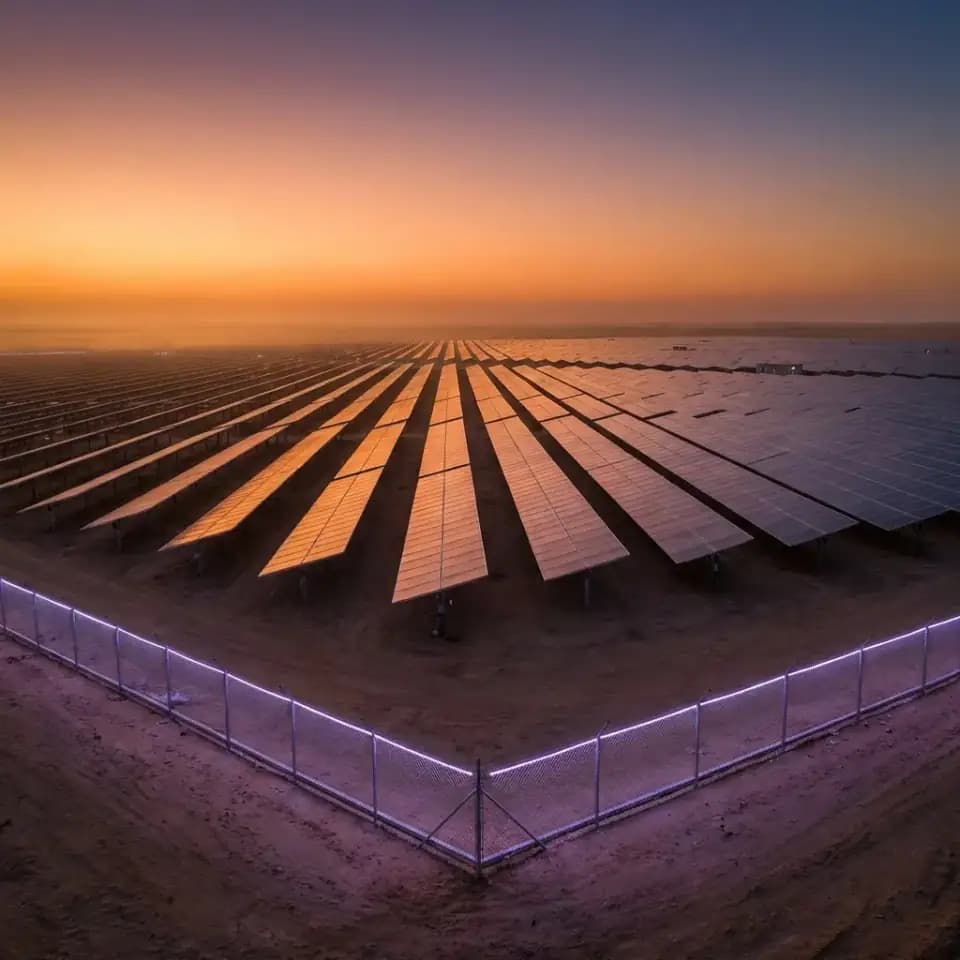
FortSense Solar & Renewables

Solar & Renewables

Perimeter Security Fiber Optics

Solar & Renewables

Autonomous perimeter monitoring for solar plants, protecting against theft of panels, copper cables, and inverters.

Ideal for applications in North Carolina

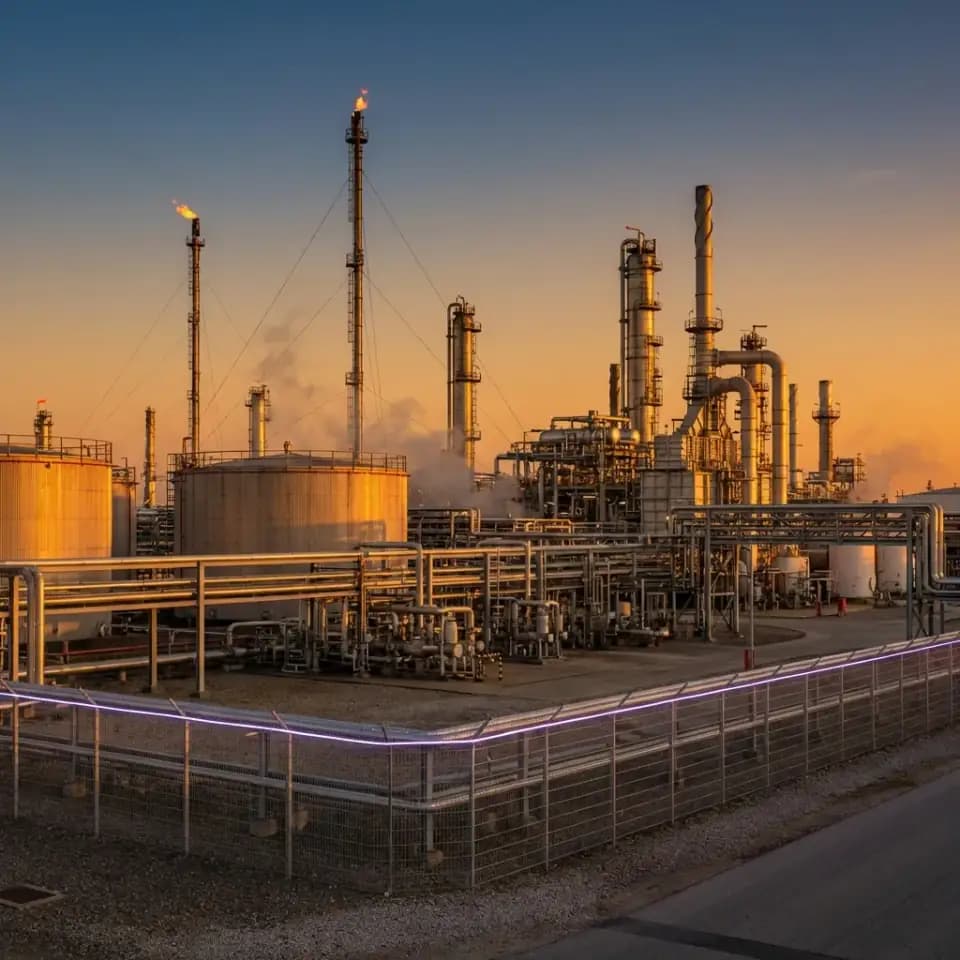
FortSense Oil & Gas

Oil & Gas

Perimeter Security Fiber Optics

Oil & Gas

Intrinsically safe perimeter detection for refineries, chemical plants, and fuel storage depots.

Ideal for applications in North Carolina

FortSense Ports & Maritime

Ports & Maritime

Perimeter Security Fiber Optics

Ports & Maritime

ISPS-compliant security for cargo containers, fuel depots, and docked vessels in harsh marine environments.

Ideal for applications in North Carolina

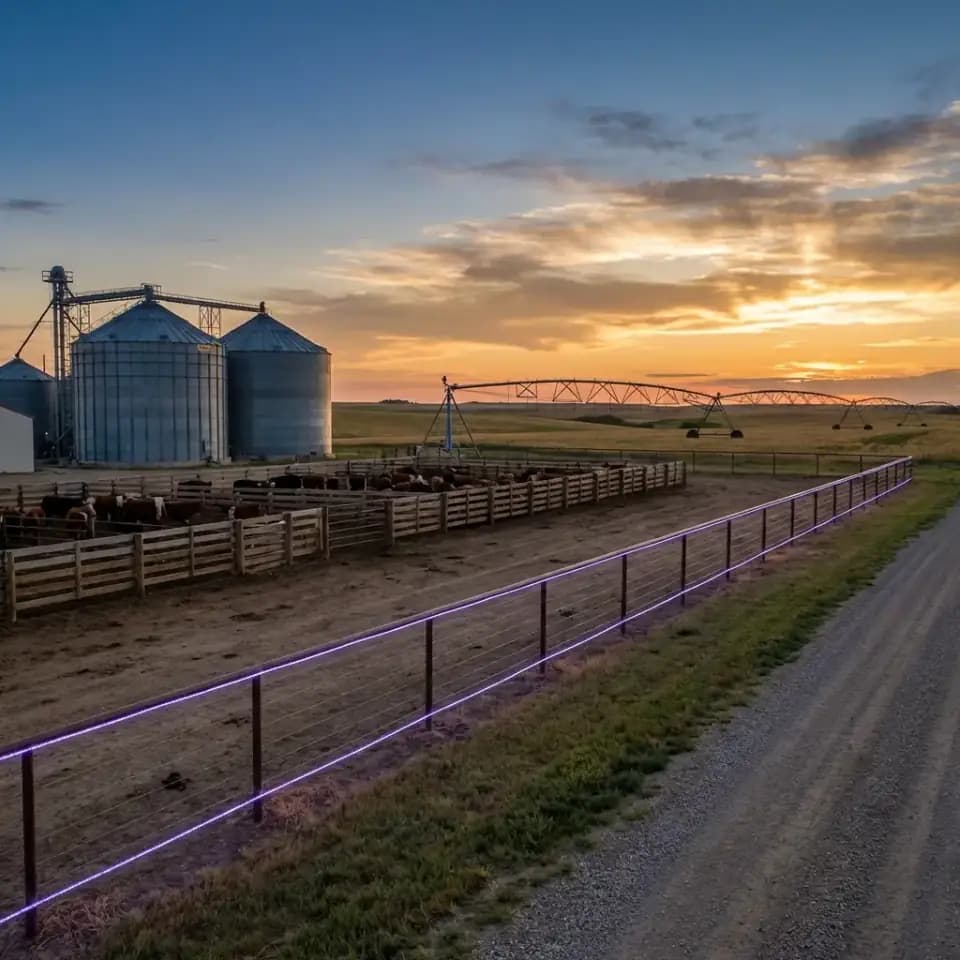
FortSense Agriculture

Agriculture

Perimeter Security Fiber Optics

Agriculture

Fire detection and security for farms, livestock pens, pivot irrigation systems, and rural assets.

Ideal for applications in North Carolina

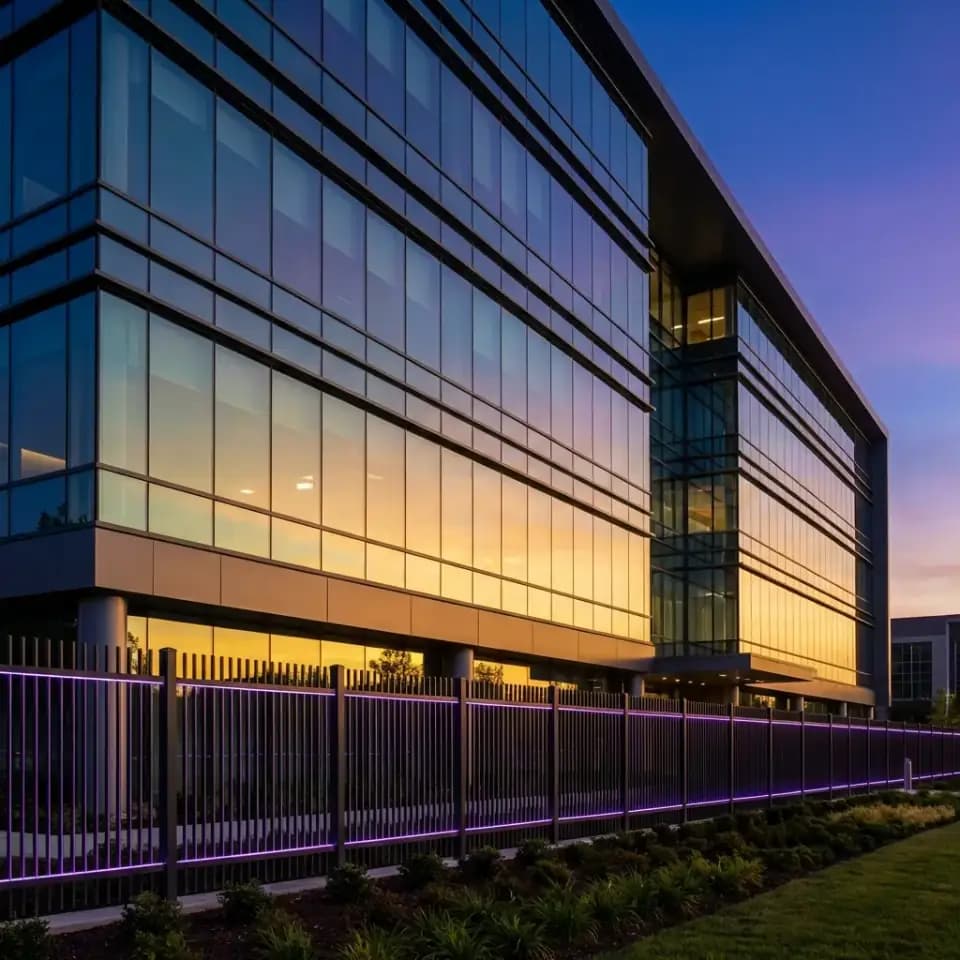
FortSense Financial Sector

Financial Sector

Perimeter Security Fiber Optics

Financial Sector

High-security perimeter protection for banks, vaults, administrative centers, and ATM areas.

Ideal for applications in North Carolina

FortSense Residential Condominiums

Residential Condominiums

Perimeter Security Fiber Optics

Residential Condominiums

Invisible security for gated communities and apartment complexes, preserving aesthetics while detecting intrusions.

Ideal for applications in North Carolina

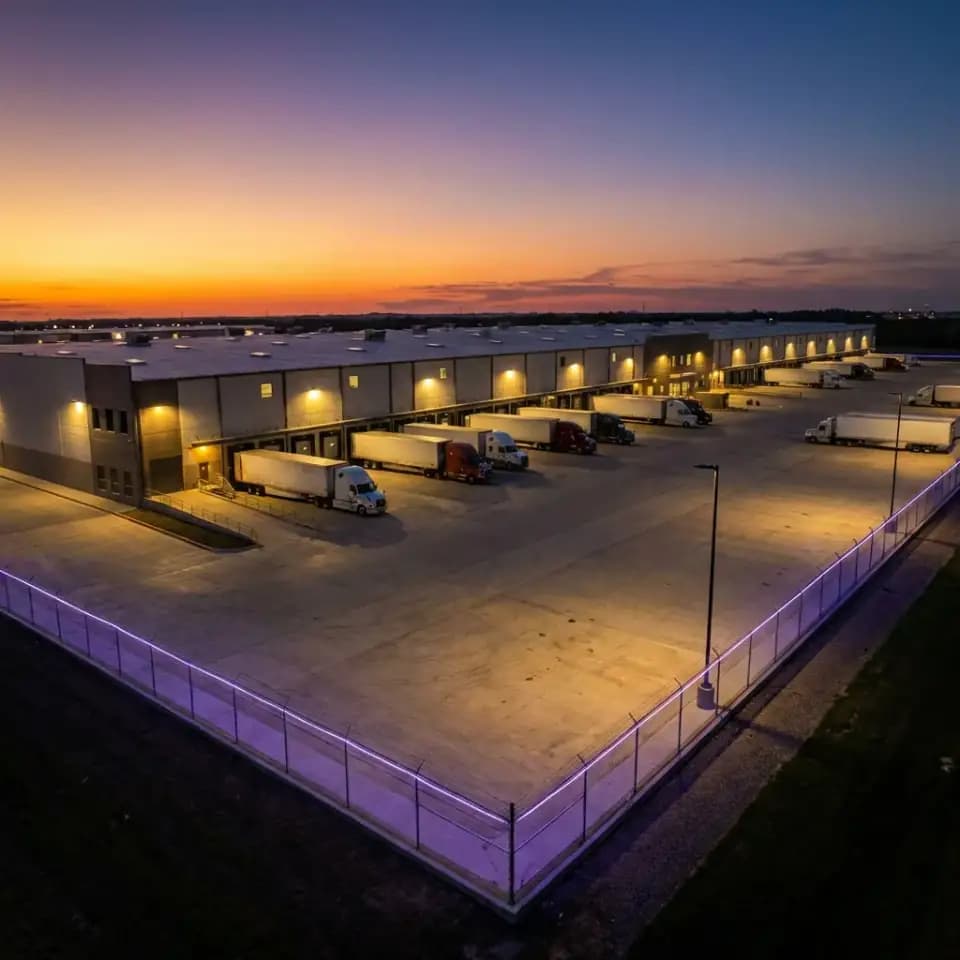
FortSense Distribution Centers

Distribution Centers

Perimeter Security Fiber Optics

Distribution Centers

Security for logistics parks, warehouses, and high-value storage areas, meeting TAPA security standards.

Ideal for applications in North Carolina

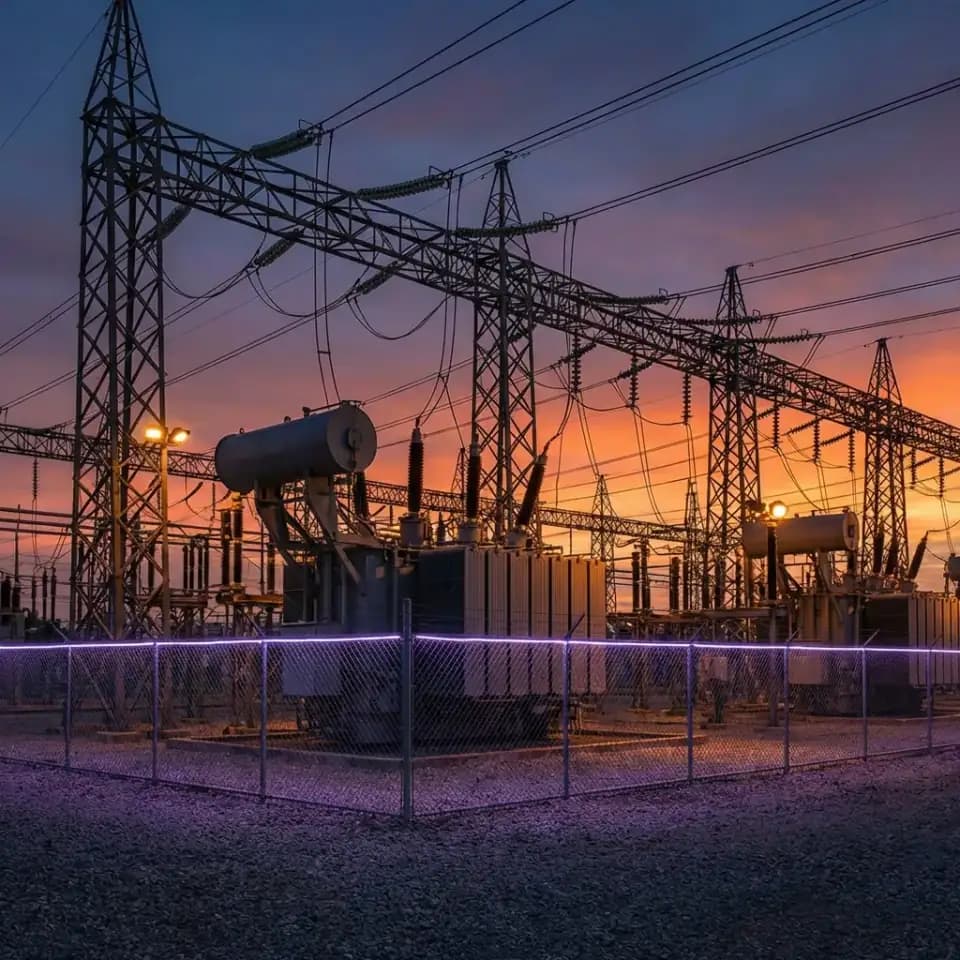
FortSense Critical Infrastructure

Critical Infrastructure

Perimeter Security Fiber Optics

Critical Infrastructure

EMI-immune monitoring for electrical substations, telecom towers, and unmanned critical assets.

Ideal for applications in North Carolina

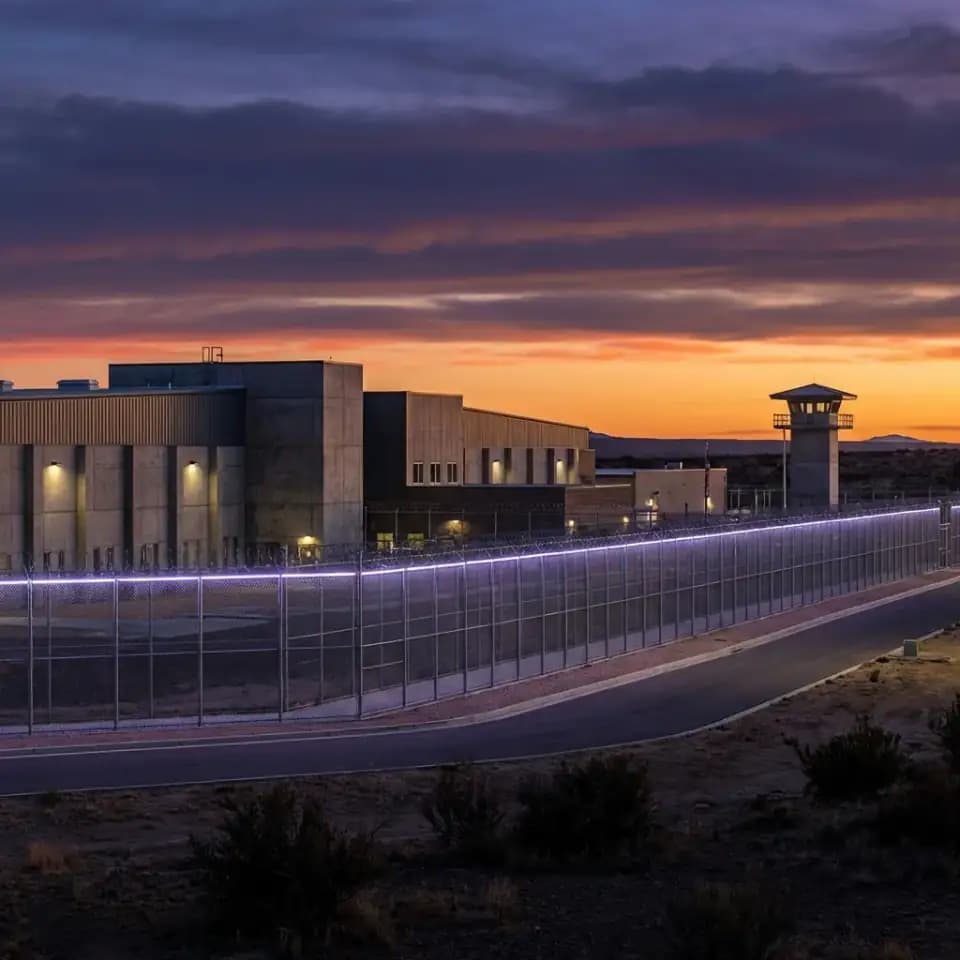
FortSense Corrections & Prisons

Corrections & Prisons

Perimeter Security Fiber Optics

Corrections & Prisons

Zero-tolerance perimeter security for correctional facilities, detecting escape attempts and breaches.

Ideal for applications in North Carolina

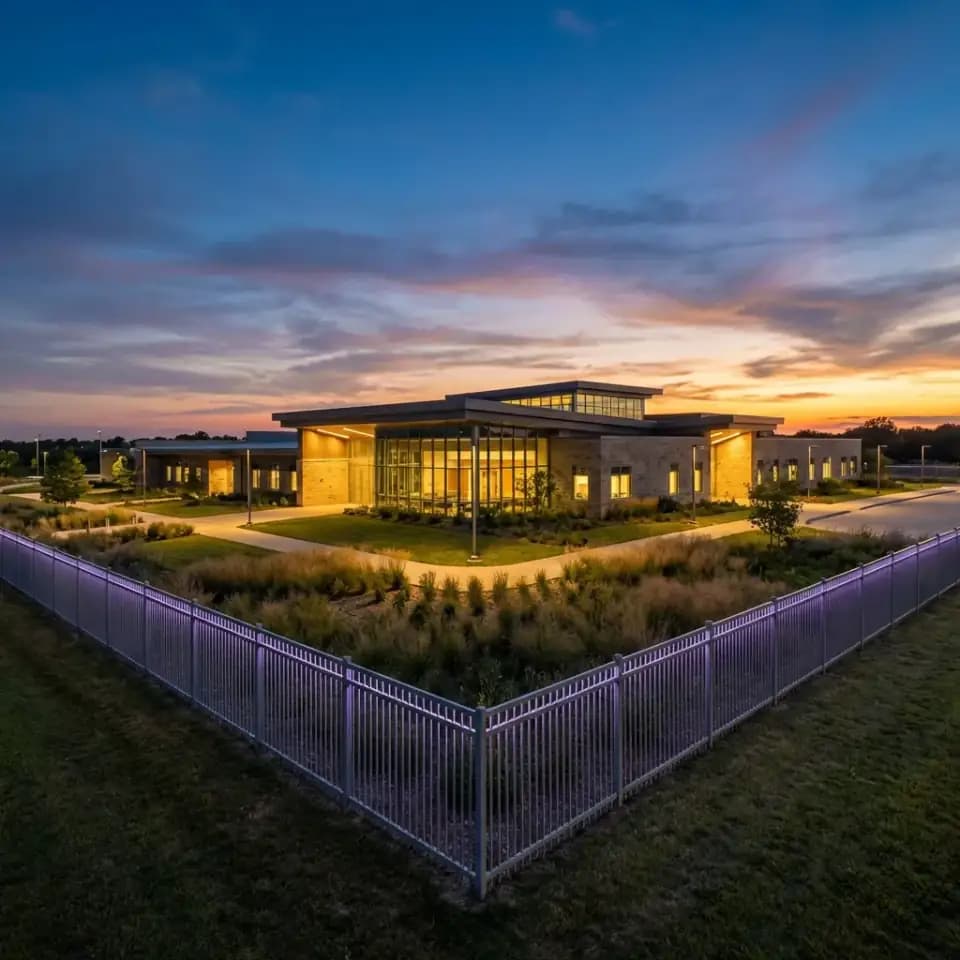
FortSense Public Sector & Schools

Public Sector & Schools

Perimeter Security Fiber Optics

Public Sector & Schools

Non-invasive security for schools, government buildings, and public facilities with rapid lockdown protocols.

Ideal for applications in North Carolina

FortSense Perimeter Security for Airports

Perimeter Security for Airports

Perimeter Security Fiber Optics

Perimeter Security for Airports

ICAO-compliant sterile zone enforcement with zero interference to airport radar and navigation systems.

Ideal for applications in North Carolina

FortSense Mining Operations

Mining Operations

Perimeter Security Fiber Optics

Mining Operations

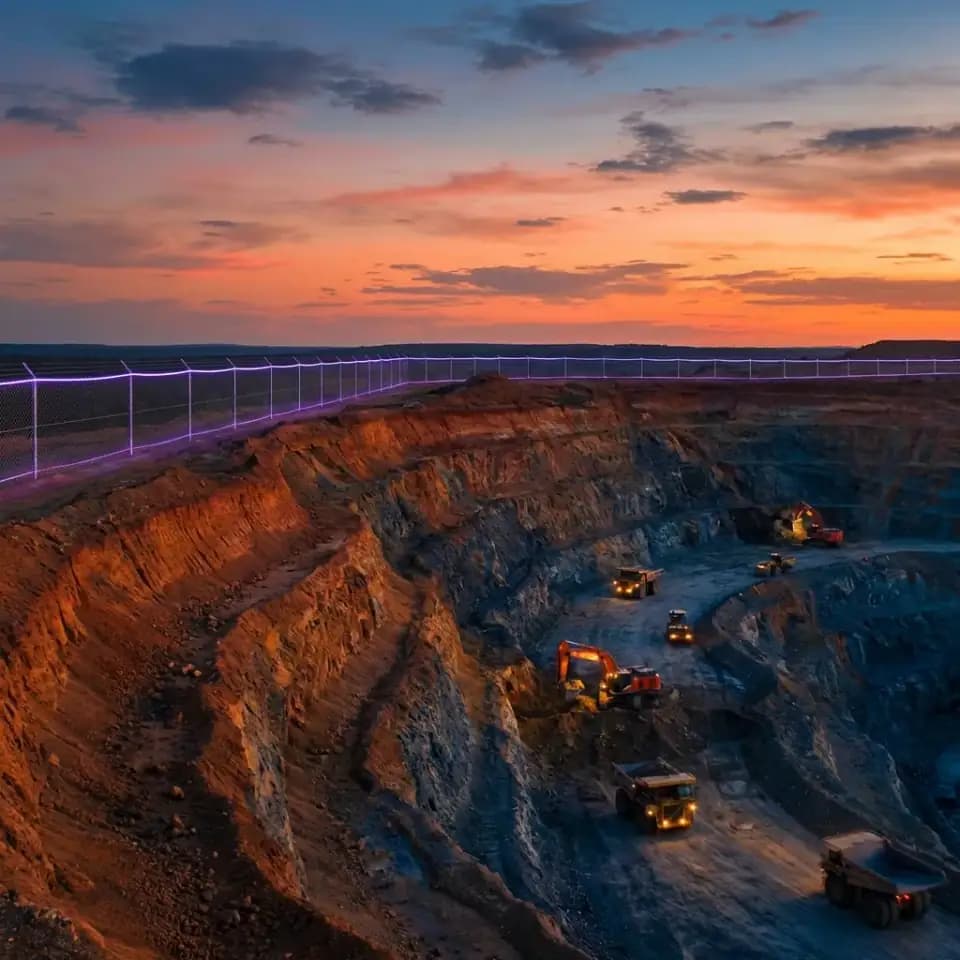
Ruggedized perimeter security for open-pit mines, ore stockpiles, and remote mining infrastructure.

Ideal for applications in North Carolina

Local service overview

Perimeter Security for North Carolina's Military Bases & Data Center Corridor

FortSense provides fiber optic PIDS for North Carolina's major military installations, Apple and Google data centers, and advanced manufacturing along the I-85 corridor.

## Economic & Industrial Landscape

North Carolina has emerged as one of America's fastest-growing economies, with a GDP approaching $560 billion that places it ninth nationally. Charlotte serves as the second-largest banking center in the United States after New York, home to Bank of America's corporate headquarters and Truist Financial Corporation (formed from the BB&T-SunTrust merger). The financial sector alone employs over 170,000 workers in the Charlotte metro, with Wells Fargo, Ally Financial, and dozens of fintech companies maintaining major operations.

Research Triangle Park (RTP) between Raleigh, Durham, and Chapel Hill is one of the largest and most successful research parks in the world, spanning 7,000 acres and hosting over 300 companies including IBM, Cisco Systems, Biogen, and BASF's agricultural solutions division.

The state has attracted massive technology investment, with Apple operating its largest data center in Maiden, Google running a major facility in Lenoir, and Meta maintaining a data center in Forest City — collectively representing billions of dollars in computing infrastructure. North Carolina ranks second nationally in solar energy capacity, with utility-scale installations concentrated in the eastern part of the state. Manufacturing remains robust along the I-85 corridor from Charlotte through Greensboro to the Research Triangle, producing automotive components, aerospace parts, pharmaceuticals, and textiles.

Agriculture generates over $90 billion in economic impact, with North Carolina leading the nation in sweet potato and tobacco production and ranking second in hog farming. Food processing — including Smithfield Foods, Butterball, and Mountaire Farms poultry operations — is a major employer in rural communities.

## Critical Infrastructure — Named Facilities

Fort Liberty (formerly Fort Bragg) near Fayetteville is the largest US Army installation by population, home to approximately 57,000 military personnel including the XVIII Airborne Corps, 82nd Airborne Division, and US Army Special Operations Command (USASOC) — the headquarters for all Army special operations forces including Delta Force (1st Special Forces Operational Detachment-Delta) and the 75th Ranger Regiment.

Camp Lejeune Marine Corps Base in Jacksonville, North Carolina is one of the largest Marine Corps installations in the world, supporting the II Marine Expeditionary Force with over 47,000 Marines and sailors. Marine Corps Air Station Cherry Point near Havelock hosts the 2nd Marine Aircraft Wing. Seymour Johnson Air Force Base in Goldsboro operates F-15E Strike Eagle fighter-bombers.

Duke Energy operates the state's nuclear generation fleet: McGuire Nuclear Station in Huntersville (2,200 MW), Shearon Harris Nuclear Power Plant in New Hill (900 MW), and Brunswick Nuclear Plant near Southport (1,870 MW). These three stations generate approximately 30% of North Carolina's electricity. The Port of Wilmington, operated by NC Ports Authority, handles growing container volumes and serves military logistics requirements for regional installations. Charlotte Douglas International Airport is a major American Airlines hub and one of the busiest cargo airports in the Southeast.

The Colonial Pipeline's terminal facilities in North Carolina distribute refined fuel products — the May 2021 Colonial Pipeline ransomware attack caused fuel shortages across the state, demonstrating the criticality of energy distribution infrastructure.

## Security Challenges — Local Patterns

North Carolina's extensive military presence creates one of the highest concentrations of security-sensitive installations east of the Mississippi. Fort Liberty's role as the home of USASOC means that the installation contains classified special operations training areas, intelligence processing facilities, and restricted-access zones that require the most stringent perimeter security. Camp Lejeune's sprawling coastal campus includes amphibious training areas, weapons ranges, and expeditionary force staging areas along the Atlantic coast.

The military installations collectively draw foreign intelligence interest and require continuous perimeter monitoring against both physical intrusion and surveillance attempts.

Cargo theft along the I-85 and I-95 corridors represents significant commercial losses. The I-85 corridor from Charlotte to the Research Triangle is one of the most heavily trafficked manufacturing supply chains in the Southeast, with automotive parts, pharmaceutical products, and electronics moving between factories, warehouses, and distribution centers.

Data center security has become critical as hyperscale facilities operated by Apple, Google, and Meta contain billions of dollars in computing equipment and process vast quantities of sensitive data — these facilities are subject to both physical intrusion attempts and potential insider threats.

Hurricane exposure along the Atlantic coast affects infrastructure from Wilmington to the Outer Banks: Hurricane Florence in 2018 caused $24 billion in damage, and Hurricane Matthew in 2016 caused extensive flooding in eastern North Carolina, demonstrating that coastal facilities require weather-resilient security systems.

## Why Fiber Optic PIDS Here

North Carolina's diverse security landscape — from special operations military bases to hyperscale data centers to hurricane-exposed coastal facilities — demands detection technology that performs across widely varying conditions. The state experiences the full range of eastern US weather: hurricanes and tropical storms on the coast, ice storms in the Piedmont, mountain snow in the west, severe thunderstorms with tornadoes statewide, and summer heat exceeding 95°F.

Hurricane Florence's 30+ inches of rainfall in 48 hours proved that security systems in eastern North Carolina must survive prolonged flooding while continuing to function. Fiber optic sensing cable, when installed with proper waterproofing, operates through complete submersion and resumes normal detection immediately when waters recede — unlike electronic sensors that typically require replacement after flooding.

The scale and sensitivity of North Carolina's military installations particularly favor fiber optic PIDS. Fort Liberty encompasses over 160,000 acres with a complex perimeter that crosses varied terrain including forests, wetlands, and developed areas. Camp Lejeune's 246-square-mile reservation includes both land and shoreline perimeters. Traditional sensor systems across these vast military perimeters require enormous maintenance logistics.

Fiber optic cable installed along existing fence lines and road networks can monitor the full perimeter from centralized processing units, dramatically reducing the field maintenance burden. For data centers, fiber optic detection provides the ultra-high-reliability intrusion detection that hyperscale operators require — Apple, Google, and Meta all demand perimeter security that meets their internal physical security standards, which typically exceed commercial norms.

## Deployment Context

North Carolina PIDS deployments must account for hurricane-rated installation standards in coastal Zone A and B areas (Wilmington, Jacksonville/Camp Lejeune, Morehead City), clay and saprolite soils that complicate trenching in the Piedmont region, and mountain terrain in western installations. Military installations must comply with UFC 4-022-01, USASOC-specific security requirements for special operations facilities at Fort Liberty, and Marine Corps physical security directives at Camp Lejeune.

Data center installations should align with Uptime Institute Tier III/IV security recommendations and the specific physical security standards of Apple, Google, and Meta. Duke Energy nuclear stations require NRC 10 CFR 73 compliance. North Carolina's fiber optic backbone is well-developed, with the MCNC (formerly Microelectronics Center of North Carolina) network providing robust research and education connectivity and commercial carriers offering extensive coverage along all major corridors.

Professional perimeter protection for distribution centers, manufacturing, and critical infrastructure in North Carolina.

  • Factory & Industrial Park Perimeter
  • Warehouse Complex & Distribution Center
  • Substation & Grid Protection (Copper Theft)
  • Military Installations & Training Bases

Plan a FortSense assessment for this market

Share the perimeter length, fence type, and monitoring workflow. FortSense can help scope zones, integration points, and commissioning requirements for this location.

Services

Factory & Industrial Park Perimeter

Shift-aware perimeter detection for factories and industrial parks with automatic sensitivity adjustment between production hours and quiet periods.

Warehouse Complex & Distribution Center

Multi-zone fiber optic fencing for warehouse complexes and distribution centers with integration to inventory management and access control systems.

Substation & Grid Protection (Copper Theft)

Fiber optic perimeter security for electrical substations, switching stations, and transmission corridors to prevent copper theft and infrastructure sabotage.

Deployment patterns for local sites

How FortSense Works in North Carolina

Fiber optic perimeter security adapted to local conditions and requirements.

  1. Fiber installed. Passive fiber optic cable mounts on the existing fence or wall with minimal civil work.
  2. Vibration detected. Any contact creates vibration patterns in the fiber so climbing, cutting, or lifting attempts become visible immediately.
  3. AI/DSP verification. Algorithms filter out wind, animals, and environmental noise before an operator ever sees an alarm.
  4. Alarm if intrusion. Only real threats trigger zone-based alarms that can route into the monitoring workflow already used by the site team.

Adapted for North Carolina. Our local partners understand North Carolina's climate, terrain, and security challenges. The fiber optic system is configured to filter local environmental conditions while maintaining maximum sensitivity to real intrusion attempts.

Integration and security software fit

FortSense can feed alarms into the monitoring stack a site already uses, including VMS, PSIM, alarm panels, relay inputs, TCP/IP workflows, and camera verification.

  • Zone-based alarms for operators and guard teams
  • Camera and VMS workflows for visual verification
  • Relay or network outputs for existing security systems
  • Software-assisted filtering before dispatch decisions

Industries in this market

Relevant FortSense industry and use-case paths connected to this location.

  • Military Installations & Training Bases
  • Hyperscale Data Centers & Tech Campuses
  • Advanced Manufacturing & Biotech Facilities
  • Distribution Center Perimeter Security
  • Solar Farm Perimeter Security
  • Perimeter Security for Critical Infrastructure

Why FortSense fits in Perimeter Security in North Carolina

FortSense is designed for perimeter security work where false-alarm reduction, passive fiber sensing, and practical integration matter more than adding another camera-only layer.

  • Passive fiber on existing fences, walls, or perimeter structures
  • AI/DSP filtering for wind, vibration, and environmental noise
  • Zone-level alerts that can match the site's response model
  • Support for design, integration, commissioning, and handover

Market notes

Practical details that help this page stay specific to the market instead of drifting into generic copy.

  • Military Installations & Training Bases
  • Hyperscale Data Centers & Tech Campuses
  • Advanced Manufacturing & Biotech Facilities
  • Factory & Industrial Park Perimeter

Related FortSense paths

Related technical content and commercial guidance linked from this location page.

Frequently Asked Questions (FAQ)

Frequently Asked Questions (FAQ) — North Carolina

How does FortSense integrate with factory access control and VMS?

The system integrates via TCP/IP, ONVIF, and relay outputs with major access control platforms (ASSA, HID, Genetec) and VMS systems (Milestone, Avigilon, Bosch). Camera slew-to-cue provides instant visual verification of any perimeter alarm.

Is the system effective against coordinated theft from warehouse complexes?

Yes. Multi-zone detection covers all warehouse perimeters simultaneously with independent alarm zones. The system detects fence breaches, loading dock intrusion, and roof access attempts — addressing the multiple entry vectors used in organized theft operations.

Can FortSense protect pharmaceutical and IP-sensitive manufacturing areas?

Absolutely. For facilities requiring enhanced security (pharma, defense, aerospace), FortSense provides tamper-proof fiber routing, encrypted alarm channels, and anti-defeat mechanisms. The system detects sophisticated breach attempts including slow-cut and bridging.

What about data center security with redundancy requirements?

FortSense supports dual-fiber redundant configurations where the sensing cable forms a complete loop. If the cable is cut at any point, both segments continue operating independently — no single point of failure, matching Tier III/IV data center uptime requirements.

Is the system affected by severe thunderstorms and tornadoes?

The fiber sensor is lightning-immune (non-conductive) and survives winds up to 200+ km/h when properly mounted. During severe storms, weather-filtering algorithms maintain intrusion detection while suppressing storm-related false alarms. Tornado-damaged sections are instantly identified for rapid repair.

Local perimeter assessment

Request Perimeter Assessment in North Carolina

Receive a technical proposal, deployment design, and integration plan.

Perimeter Security for North Carolina's Military Bases &…