


Fiber Optic Perimeter Security in North Dakota: Perimeter Security in North Dakota

Fiber optic intrusion detection for critical infrastructure in North Dakota. Real-time alerts, low false alarms, seamless integration with VMS, CCTV and PSIM workflows.

Applications

Perimeter Security Fiber Optics Ideal for Applications in North Dakota

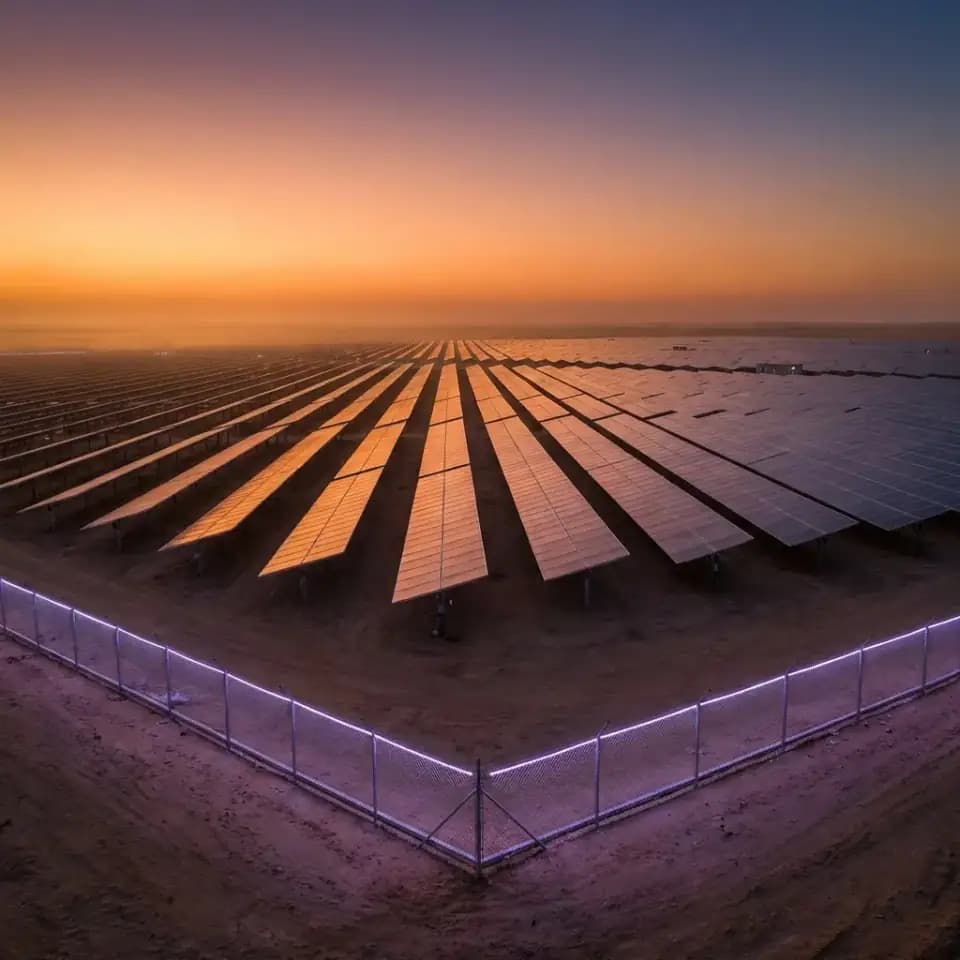
FortSense Solar & Renewables

Solar & Renewables

Perimeter Security Fiber Optics

Solar & Renewables

Autonomous perimeter monitoring for solar plants, protecting against theft of panels, copper cables, and inverters.

Ideal for applications in North Dakota

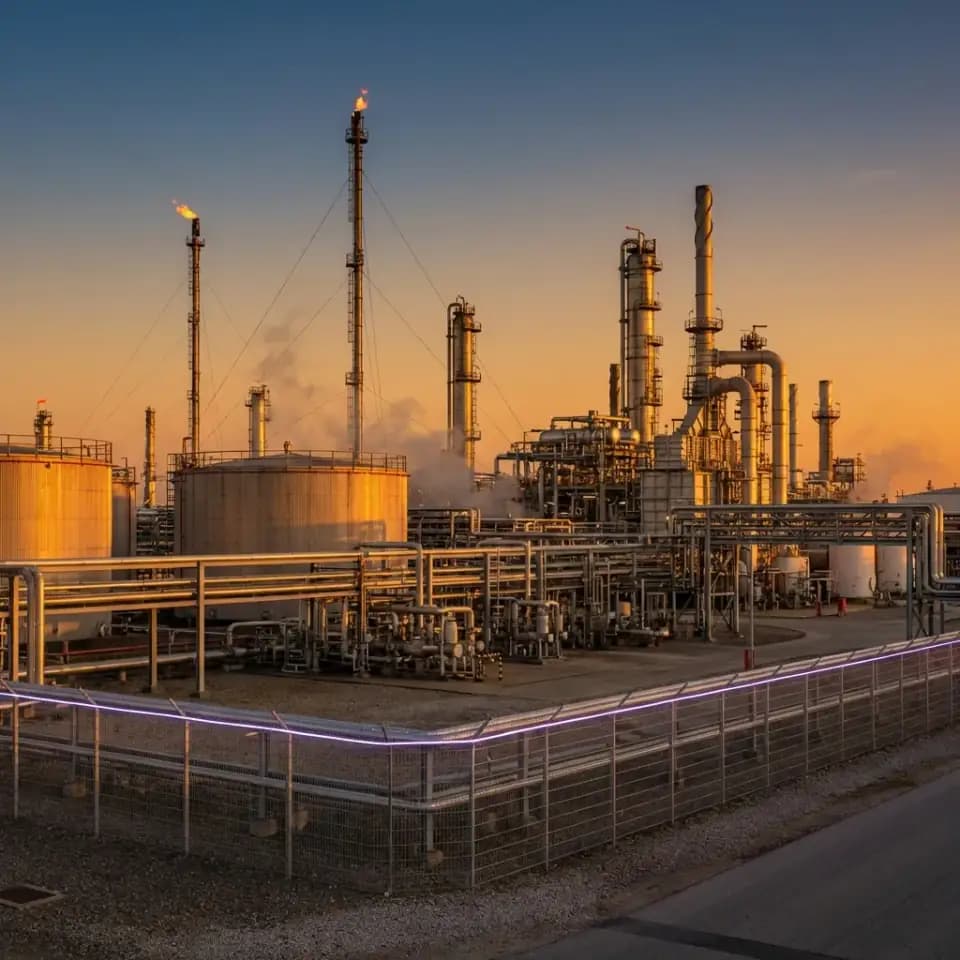
FortSense Oil & Gas

Oil & Gas

Perimeter Security Fiber Optics

Oil & Gas

Intrinsically safe perimeter detection for refineries, chemical plants, and fuel storage depots.

Ideal for applications in North Dakota

FortSense Ports & Maritime

Ports & Maritime

Perimeter Security Fiber Optics

Ports & Maritime

ISPS-compliant security for cargo containers, fuel depots, and docked vessels in harsh marine environments.

Ideal for applications in North Dakota

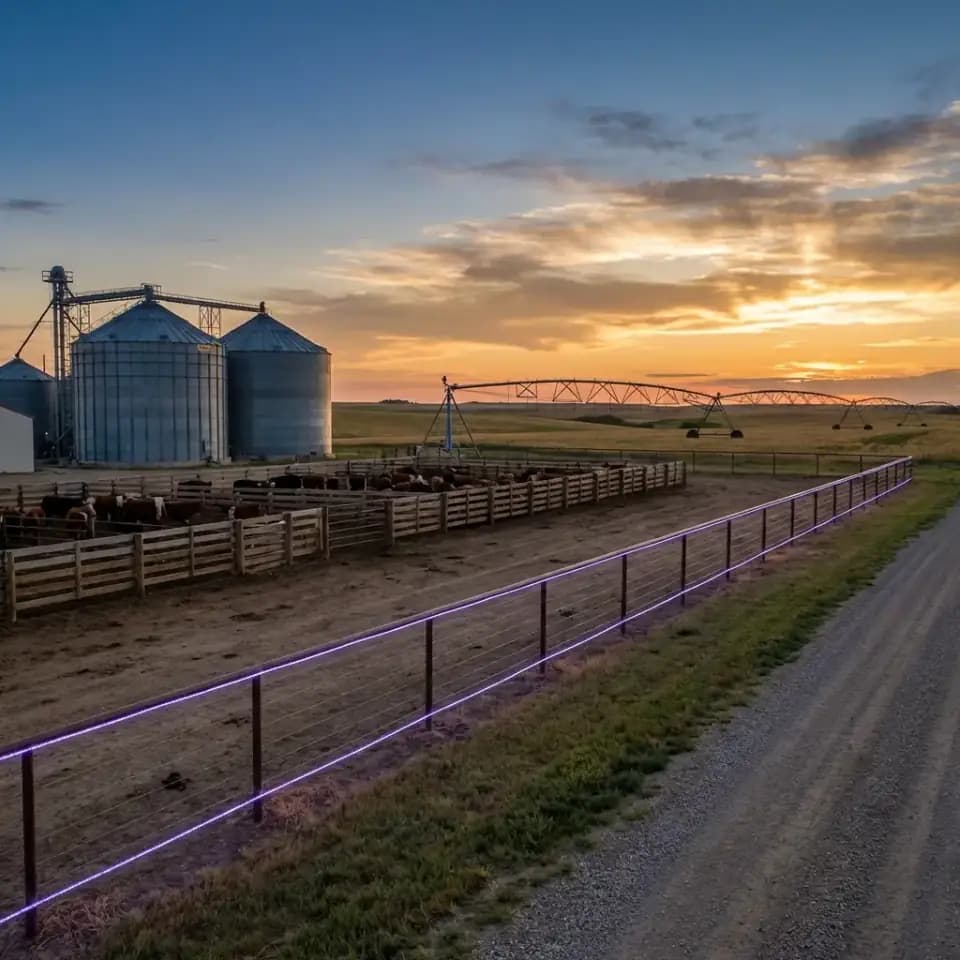
FortSense Agriculture

Agriculture

Perimeter Security Fiber Optics

Agriculture

Fire detection and security for farms, livestock pens, pivot irrigation systems, and rural assets.

Ideal for applications in North Dakota

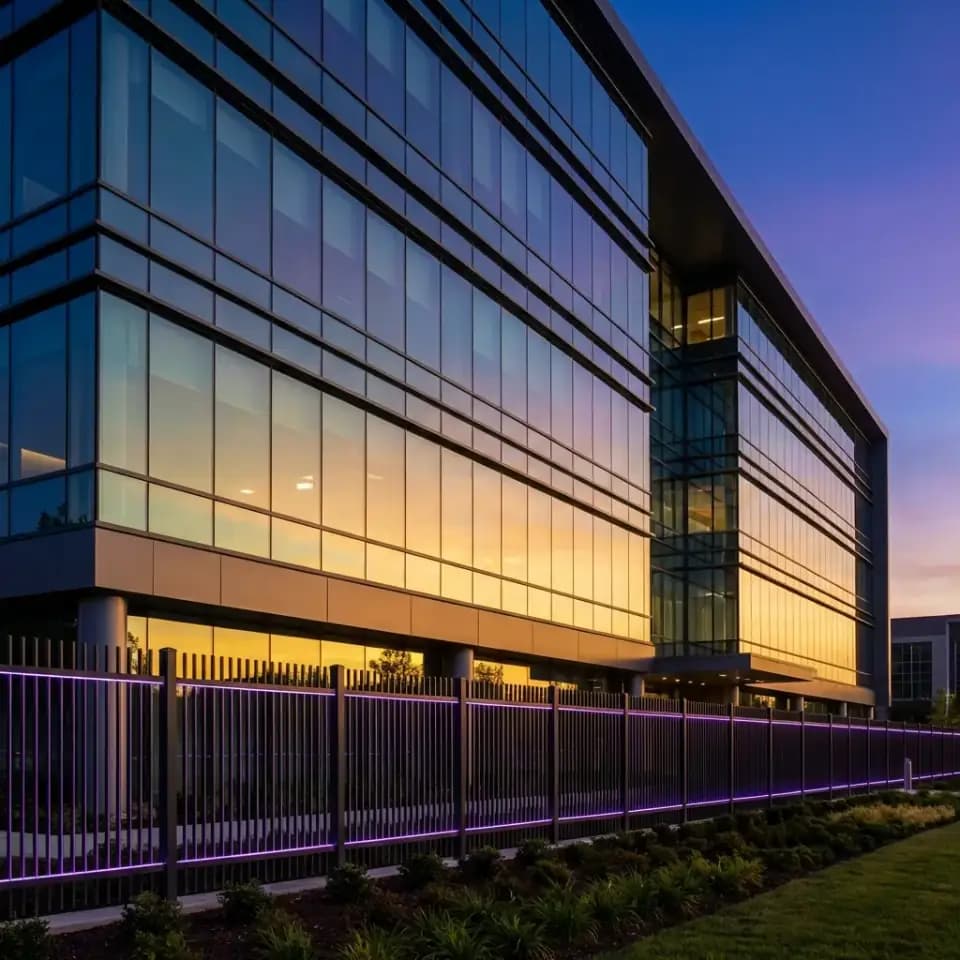
FortSense Financial Sector

Financial Sector

Perimeter Security Fiber Optics

Financial Sector

High-security perimeter protection for banks, vaults, administrative centers, and ATM areas.

Ideal for applications in North Dakota

FortSense Residential Condominiums

Residential Condominiums

Perimeter Security Fiber Optics

Residential Condominiums

Invisible security for gated communities and apartment complexes, preserving aesthetics while detecting intrusions.

Ideal for applications in North Dakota

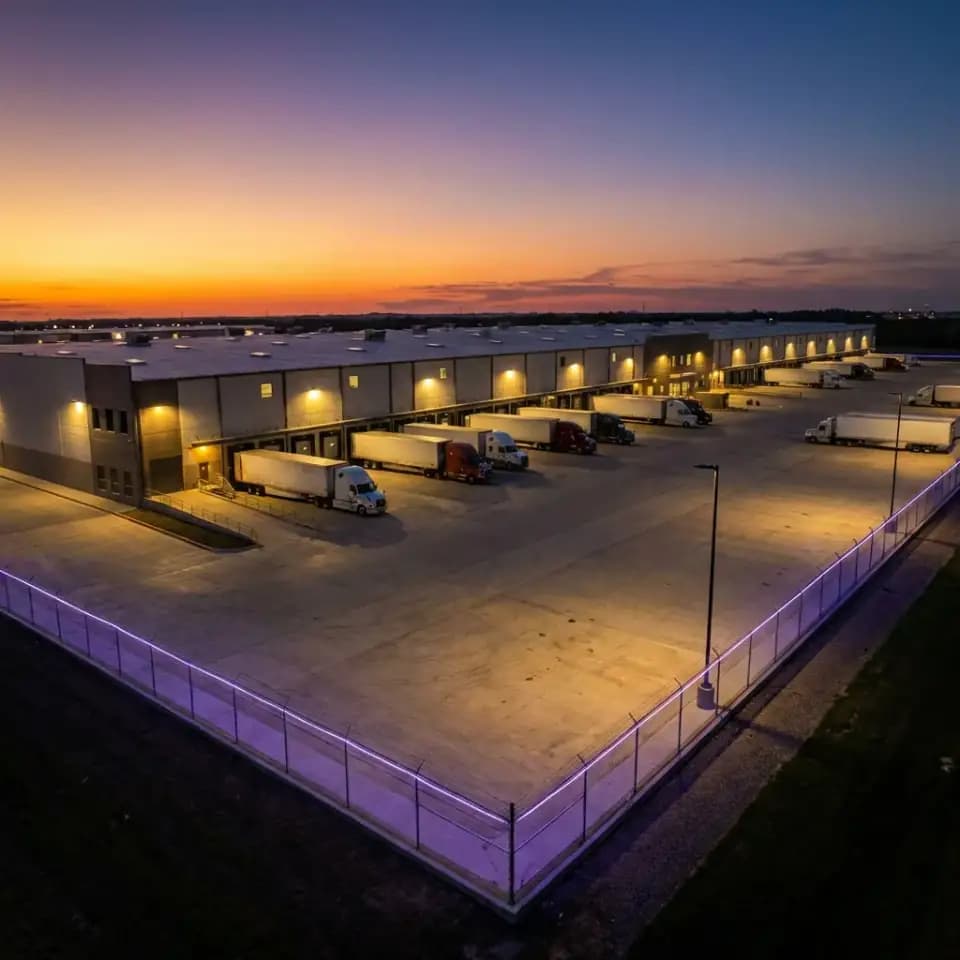
FortSense Distribution Centers

Distribution Centers

Perimeter Security Fiber Optics

Distribution Centers

Security for logistics parks, warehouses, and high-value storage areas, meeting TAPA security standards.

Ideal for applications in North Dakota

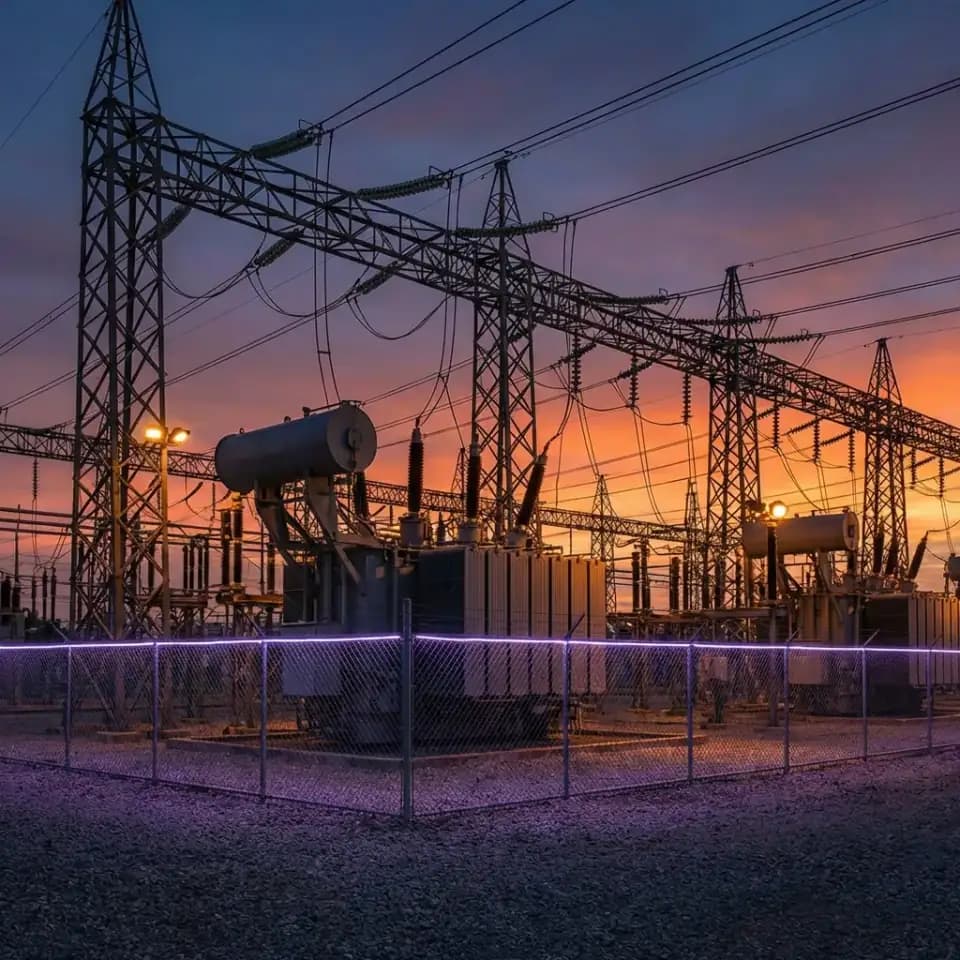
FortSense Critical Infrastructure

Critical Infrastructure

Perimeter Security Fiber Optics

Critical Infrastructure

EMI-immune monitoring for electrical substations, telecom towers, and unmanned critical assets.

Ideal for applications in North Dakota

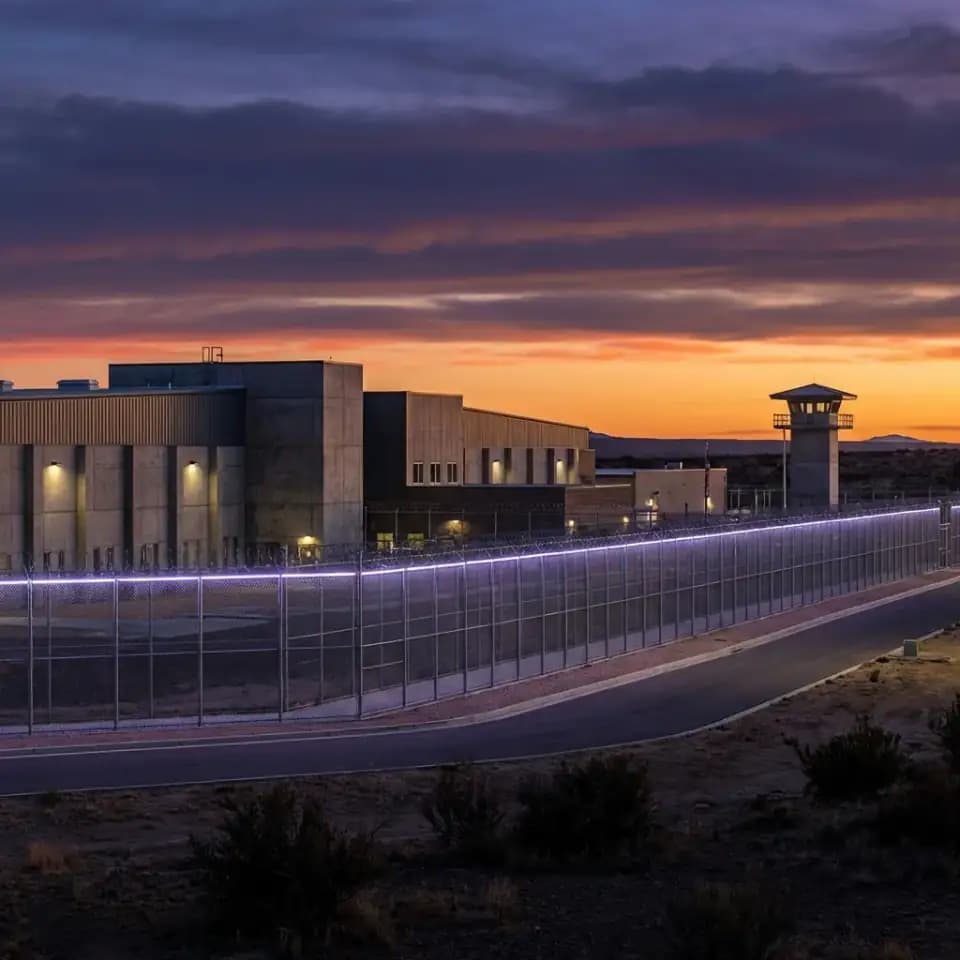
FortSense Corrections & Prisons

Corrections & Prisons

Perimeter Security Fiber Optics

Corrections & Prisons

Zero-tolerance perimeter security for correctional facilities, detecting escape attempts and breaches.

Ideal for applications in North Dakota

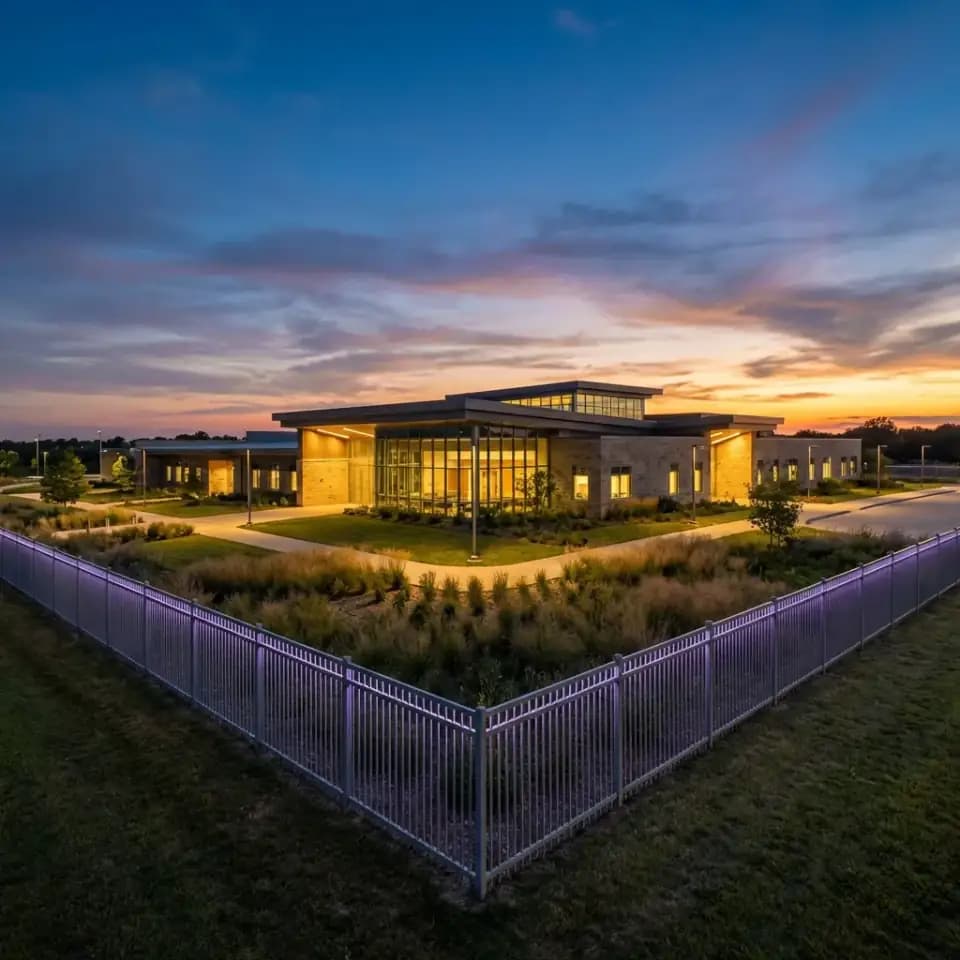
FortSense Public Sector & Schools

Public Sector & Schools

Perimeter Security Fiber Optics

Public Sector & Schools

Non-invasive security for schools, government buildings, and public facilities with rapid lockdown protocols.

Ideal for applications in North Dakota

FortSense Perimeter Security for Airports

Perimeter Security for Airports

Perimeter Security Fiber Optics

Perimeter Security for Airports

ICAO-compliant sterile zone enforcement with zero interference to airport radar and navigation systems.

Ideal for applications in North Dakota

FortSense Mining Operations

Mining Operations

Perimeter Security Fiber Optics

Mining Operations

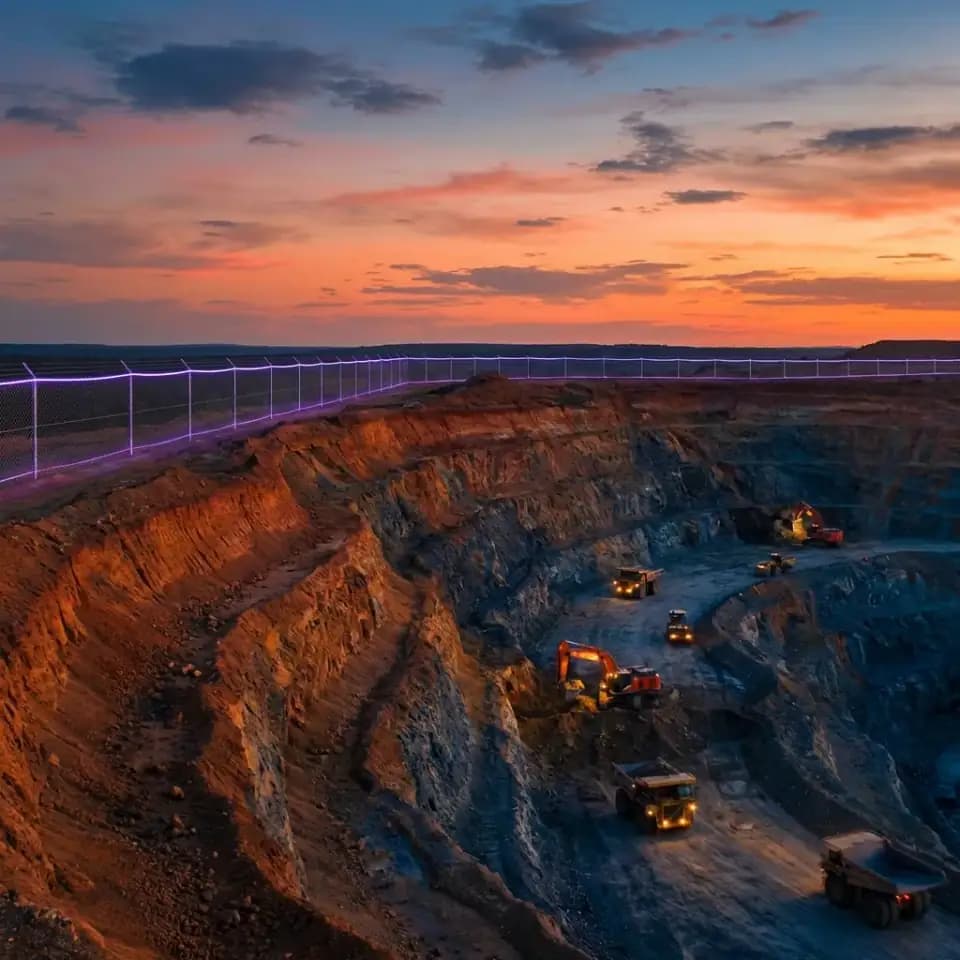
Ruggedized perimeter security for open-pit mines, ore stockpiles, and remote mining infrastructure.

Ideal for applications in North Dakota

Local service overview

Why Oil and Gas Perimeter Security matters in North Dakota

Fiber optic perimeter security for critical infrastructure in North Dakota: real-time detection, low false alarms, native CCTV/VMS/PSIM integration.

## Economic & Industrial Landscape North Dakota experienced one of the most dramatic economic transformations in recent American history when horizontal drilling and hydraulic fracturing unlocked the Bakken Formation's vast oil reserves in the late 2000s. The state surged to become the second-largest oil-producing state in the nation behind Texas, producing approximately 1. 1 million barrels per day from thousands of wells concentrated in Williams, McKenzie, Mountrail, and Dunn counties in western North Dakota.

## Deployment Context North Dakota PIDS deployments must be engineered for some of the most extreme cold-weather conditions in North America, with frost depth exceeding 72 inches in the northern tier — among the deepest in the contiguous United States.

Professional perimeter protection for distribution centers, manufacturing, and critical infrastructure in North Dakota.

  • Wellhead & Pump Station Security
  • Pipeline & Refinery Monitoring
  • Grain Silo & Agricultural Input Storage
  • Oil & Gas Extraction & Pipeline Infrastructure

Common Security Challenges in North Dakota

Common deployment challenges for Oil and Gas Perimeter Security in North Dakota include long fence lines, slow verification, and operating conditions shaped by freeze-thaw cycles and winter weather.

  • Long perimeter spans with multiple access points and low-visibility sectors
  • Environmental vibration and weather noise that require adaptive filtering
  • Remote sectors requiring autonomous operation with low maintenance
  • Integration with CCTV, VMS, alarm systems, and SOC workflows
  • Protection of critical assets and high-value operational areas

Plan a FortSense assessment for this market

Share the perimeter length, fence type, and monitoring workflow. FortSense can help scope zones, integration points, and commissioning requirements for this location.

Services

Wellhead & Pump Station Security

Remote wellhead perimeter monitoring across dispersed field operations with solar-powered relay nodes and SCADA integration.

Pipeline & Refinery Monitoring

Real-time fiber optic detection along pipelines, tank farms, and refinery perimeters. ATEX/IECEx-compatible for hazardous zones with leak and intrusion discrimination.

Grain Silo & Agricultural Input Storage

Securing grain silos, fertilizer warehouses, and agricultural chemical storage from theft and contamination with humidity-tolerant fiber sensing.

Deployment patterns for local sites

How FortSense Works in North Dakota

Fiber optic perimeter security adapted to local conditions and requirements.

  1. Fiber installed. Passive fiber optic cable mounts on the existing fence or wall with minimal civil work.
  2. Vibration detected. Any contact creates vibration patterns in the fiber so climbing, cutting, or lifting attempts become visible immediately.
  3. AI/DSP verification. Algorithms filter out wind, animals, and environmental noise before an operator ever sees an alarm.
  4. Alarm if intrusion. Only real threats trigger zone-based alarms that can route into the monitoring workflow already used by the site team.

Adapted for North Dakota. Our local partners understand North Dakota's climate, terrain, and security challenges. The fiber optic system is configured to filter local environmental conditions while maintaining maximum sensitivity to real intrusion attempts.

Integration and security software fit

FortSense can feed alarms into the monitoring stack a site already uses, including VMS, PSIM, alarm panels, relay inputs, TCP/IP workflows, and camera verification.

  • Zone-based alarms for operators and guard teams
  • Camera and VMS workflows for visual verification
  • Relay or network outputs for existing security systems
  • Software-assisted filtering before dispatch decisions

Industries in this market

Relevant FortSense industry and use-case paths connected to this location.

  • Oil & Gas Extraction & Pipeline Infrastructure
  • Strategic Nuclear Military Installations
  • Wind Energy & Agricultural Processing
  • Distribution Center Perimeter Security
  • Solar Farm Perimeter Security
  • Perimeter Security for Critical Infrastructure

Why FortSense fits in Perimeter Security in North Dakota

FortSense is designed for perimeter security work where false-alarm reduction, passive fiber sensing, and practical integration matter more than adding another camera-only layer.

  • Passive fiber on existing fences, walls, or perimeter structures
  • AI/DSP filtering for wind, vibration, and environmental noise
  • Zone-level alerts that can match the site's response model
  • Support for design, integration, commissioning, and handover

Market notes

Practical details that help this page stay specific to the market instead of drifting into generic copy.

  • Oil & Gas Extraction & Pipeline Infrastructure
  • Strategic Nuclear Military Installations
  • Wind Energy & Agricultural Processing
  • Wellhead & Pump Station Security

Related FortSense paths

Related technical content and commercial guidance linked from this location page.

Frequently Asked Questions (FAQ)

Frequently Asked Questions (FAQ) — North Dakota

Is FortSense certified for hazardous zone deployment near oil and gas facilities?

Yes. Our fiber optic sensors are passive (no electrical signal in the field), making them intrinsically safe for ATEX Zone 1/2 and IECEx hazardous areas. The interrogator unit is installed in a safe zone, while the sensing cable runs through classified areas without risk of ignition.

Can the system detect both pipeline tampering and perimeter intrusion?

Absolutely. FortSense uses Distributed Acoustic Sensing (DAS) algorithms that differentiate between pipeline-specific events (tapping, drilling, excavation near pipelines) and perimeter breaches (climbing, cutting, impact). Each event type triggers distinct alarm protocols.

How does the system perform in remote wellhead locations without grid power?

Our remote deployments use solar-powered relay nodes with battery backup. The fiber sensor itself requires zero power in the field — only the interrogator needs electricity, which can be located at a powered facility up to 80 km away from the sensing zone.

Can the system operate reliably in high-humidity agricultural environments?

Yes. The fiber optic sensor is immune to moisture, condensation, and high humidity that degrades electronic sensors. It operates reliably in tropical, irrigated, and high-humidity environments without any performance degradation or corrosion risk.

Does FortSense work in extreme cold below -30°C?

Yes. Our fiber sensor cable is rated to -40°C and has been deployed in Arctic and subarctic environments. The passive fiber requires no heating, anti-freeze, or winterization — it simply works. The interrogator is housed in a heated enclosure at temperatures above -20°C.

Local perimeter assessment

Request Perimeter Assessment in North Dakota

Receive a technical proposal, deployment design, and integration plan.