




Fiber Optic Perimeter Security in Ohio: Perimeter Intrusion Detection for Ohio Manufacturing & Logistics Corridors

Protecting automotive plants, semiconductor fabs, and Great Lakes port facilities across the Buckeye State's $720 billion industrial economy

Applications

Perimeter Security Fiber Optics Ideal for Applications in Ohio

FortSense Solar & Renewables

Solar & Renewables

Perimeter Security Fiber Optics

Solar & Renewables

Autonomous perimeter monitoring for solar plants, protecting against theft of panels, copper cables, and inverters.

Ideal for applications in Ohio

FortSense Oil & Gas

Oil & Gas

Perimeter Security Fiber Optics

Oil & Gas

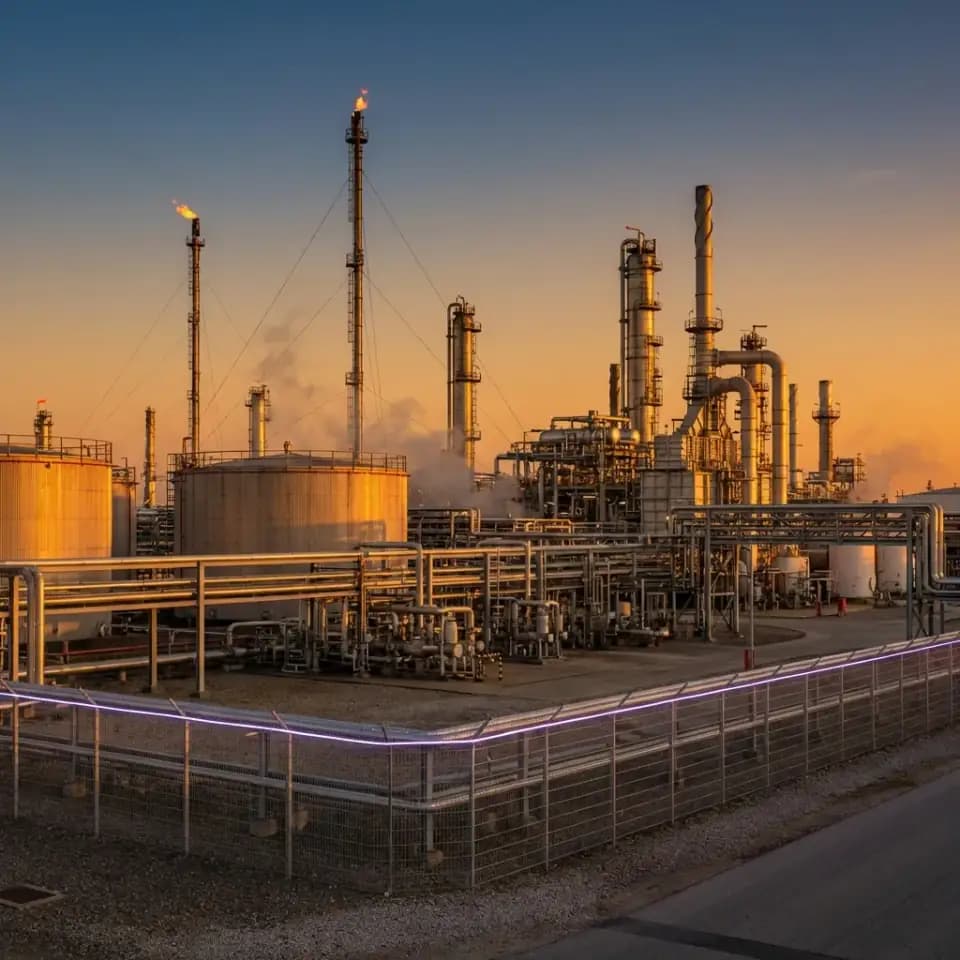
Intrinsically safe perimeter detection for refineries, chemical plants, and fuel storage depots.

Ideal for applications in Ohio

FortSense Ports & Maritime

Ports & Maritime

Perimeter Security Fiber Optics

Ports & Maritime

ISPS-compliant security for cargo containers, fuel depots, and docked vessels in harsh marine environments.

Ideal for applications in Ohio

FortSense Agriculture

Agriculture

Perimeter Security Fiber Optics

Agriculture

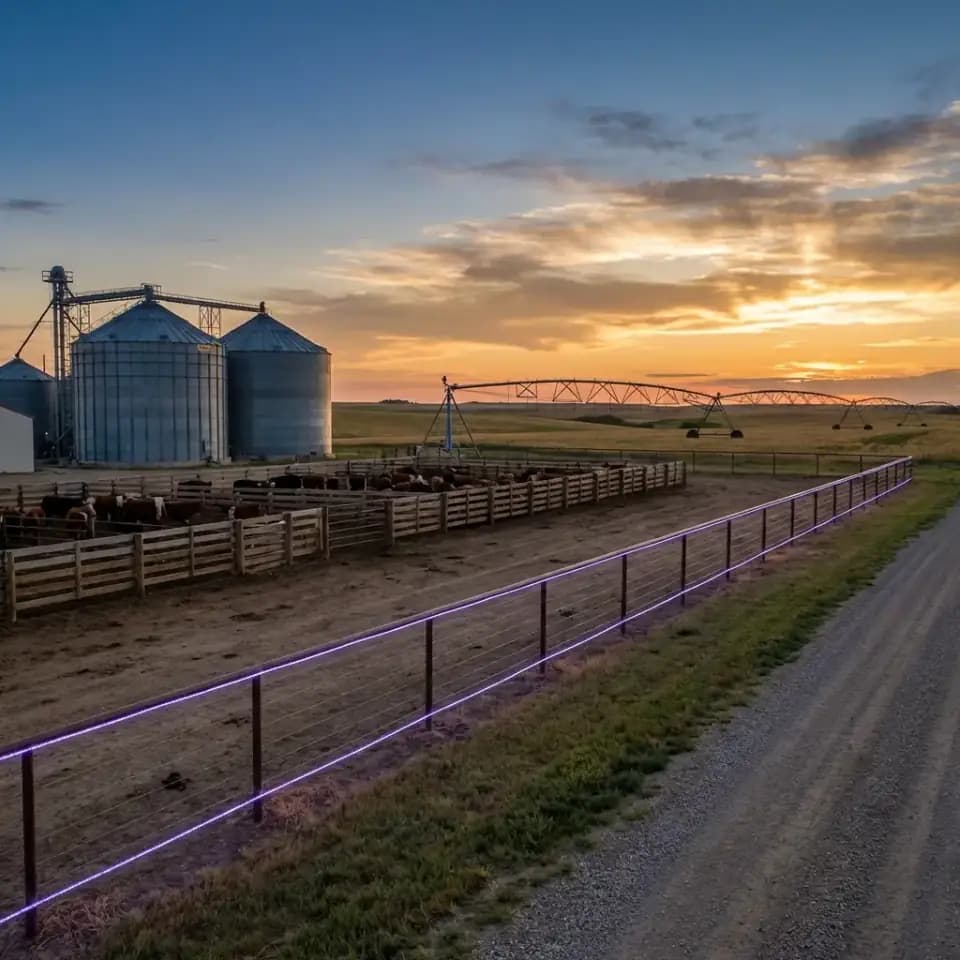
Fire detection and security for farms, livestock pens, pivot irrigation systems, and rural assets.

Ideal for applications in Ohio

FortSense Financial Sector

Financial Sector

Perimeter Security Fiber Optics

Financial Sector

High-security perimeter protection for banks, vaults, administrative centers, and ATM areas.

Ideal for applications in Ohio

FortSense Residential Condominiums

Residential Condominiums

Perimeter Security Fiber Optics

Residential Condominiums

Invisible security for gated communities and apartment complexes, preserving aesthetics while detecting intrusions.

Ideal for applications in Ohio

FortSense Distribution Centers

Distribution Centers

Perimeter Security Fiber Optics

Distribution Centers

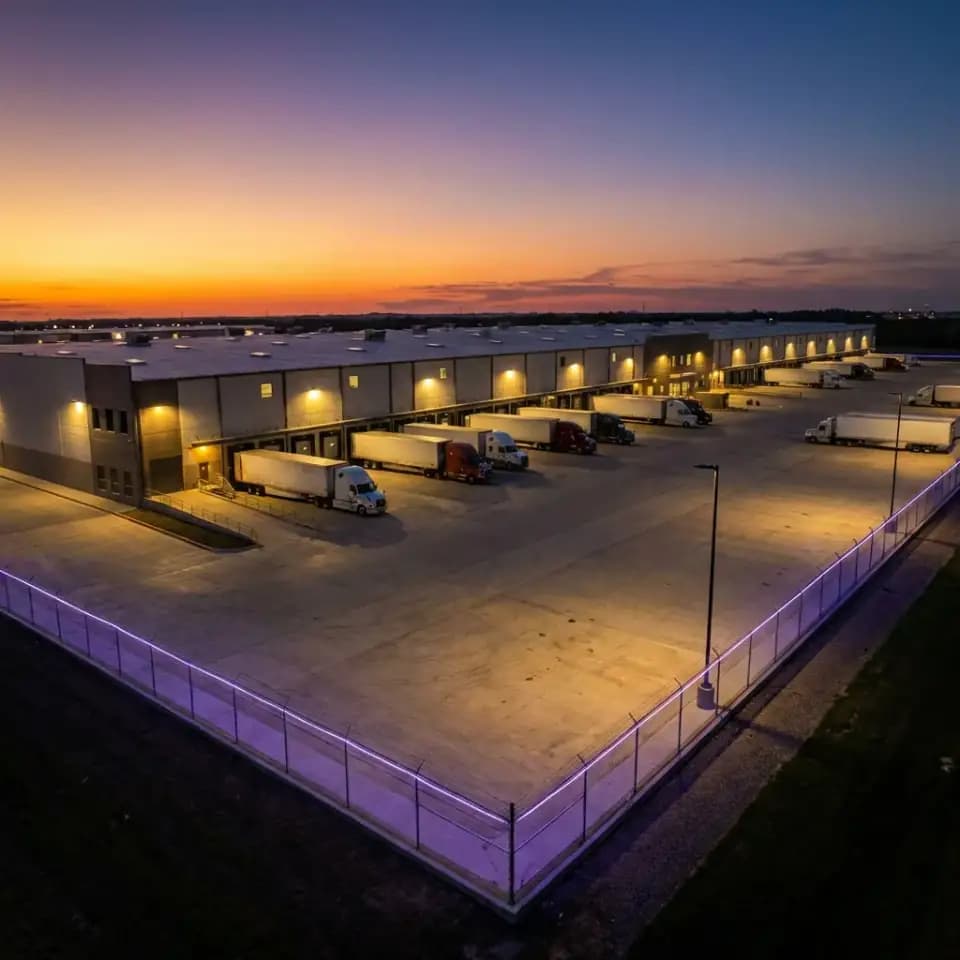
Security for logistics parks, warehouses, and high-value storage areas, meeting TAPA security standards.

Ideal for applications in Ohio

FortSense Critical Infrastructure

Critical Infrastructure

Perimeter Security Fiber Optics

Critical Infrastructure

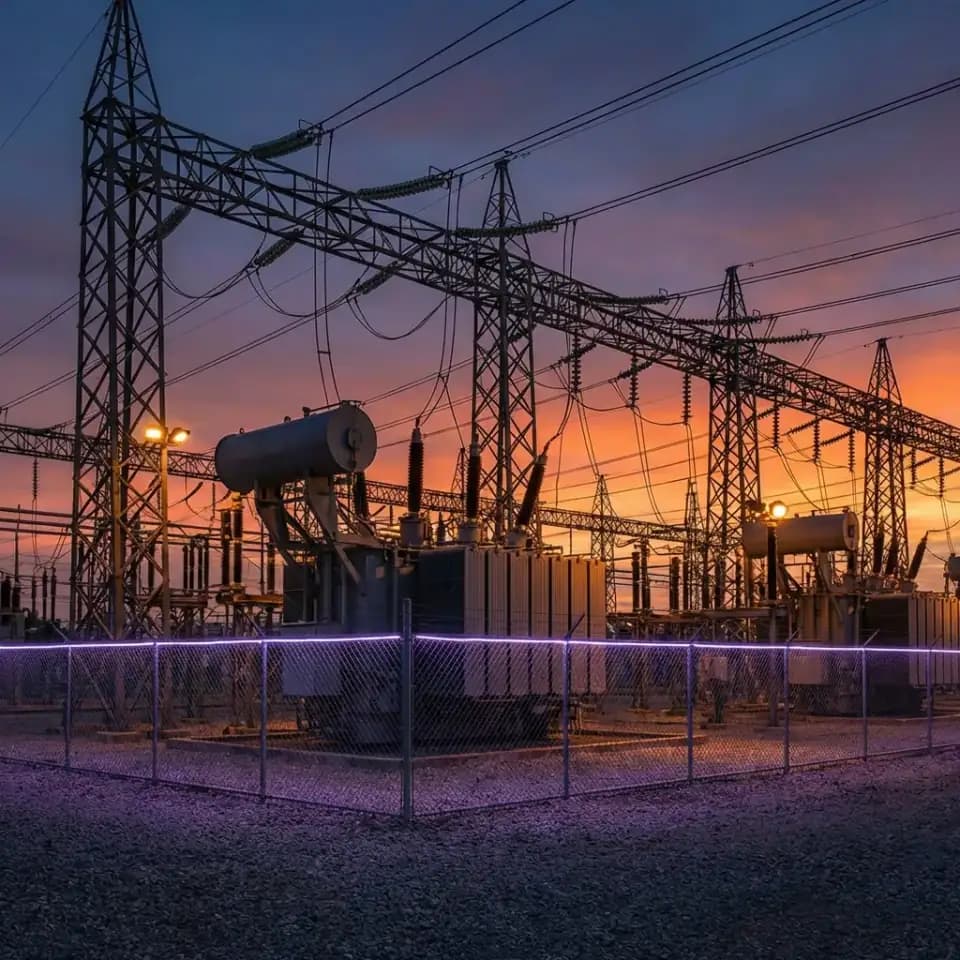
EMI-immune monitoring for electrical substations, telecom towers, and unmanned critical assets.

Ideal for applications in Ohio

FortSense Corrections & Prisons

Corrections & Prisons

Perimeter Security Fiber Optics

Corrections & Prisons

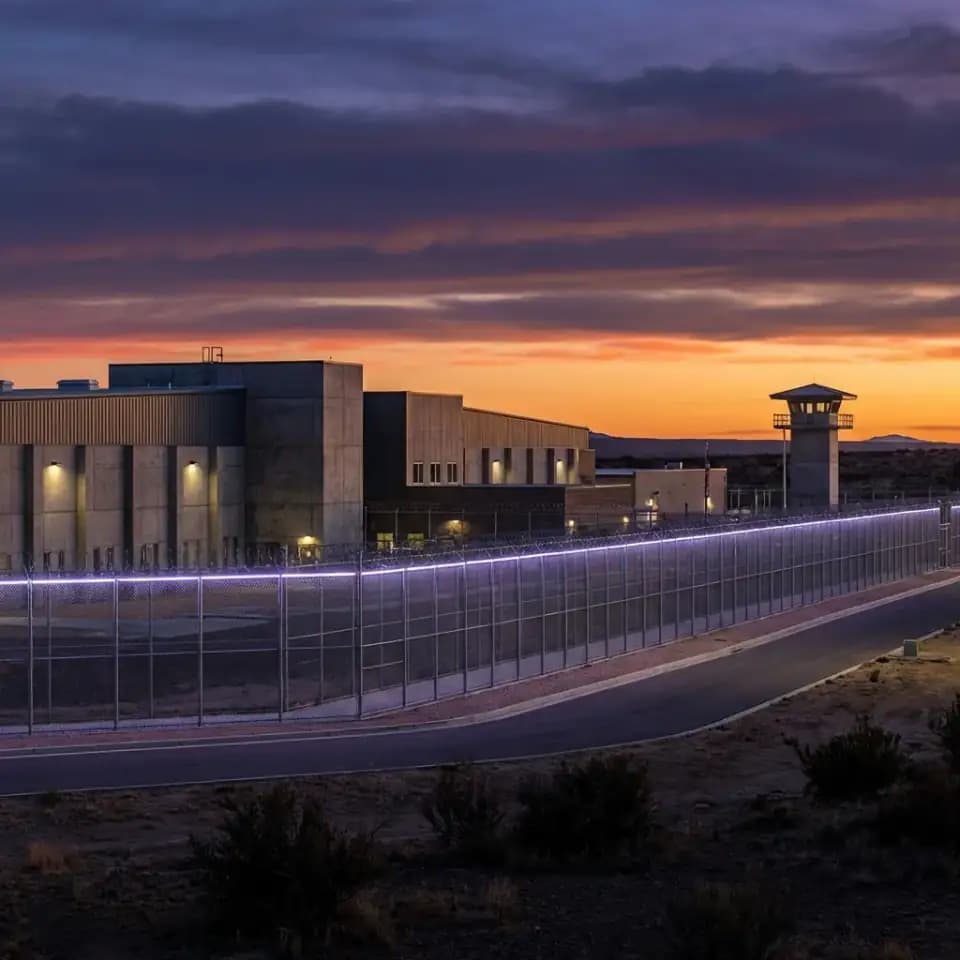
Zero-tolerance perimeter security for correctional facilities, detecting escape attempts and breaches.

Ideal for applications in Ohio

FortSense Public Sector & Schools

Public Sector & Schools

Perimeter Security Fiber Optics

Public Sector & Schools

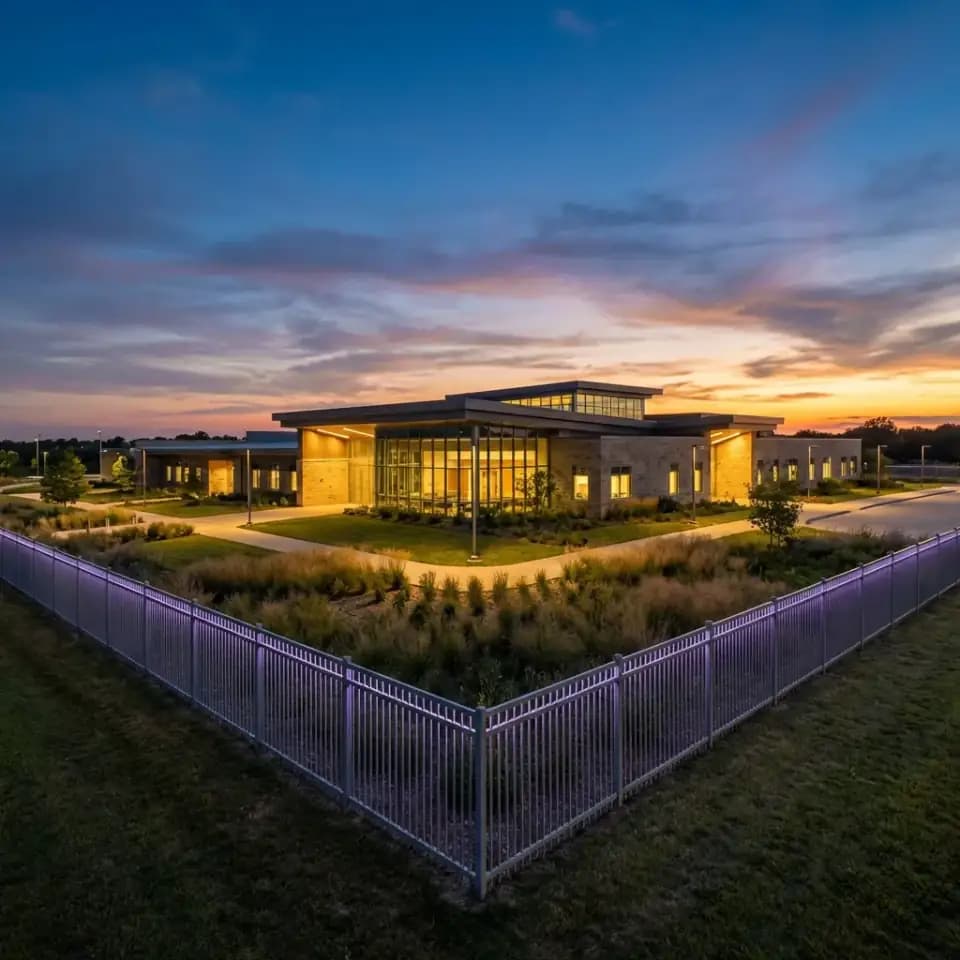
Non-invasive security for schools, government buildings, and public facilities with rapid lockdown protocols.

Ideal for applications in Ohio

FortSense Perimeter Security for Airports

Perimeter Security for Airports

Perimeter Security Fiber Optics

Perimeter Security for Airports

ICAO-compliant sterile zone enforcement with zero interference to airport radar and navigation systems.

Ideal for applications in Ohio

FortSense Mining Operations

Mining Operations

Perimeter Security Fiber Optics

Mining Operations

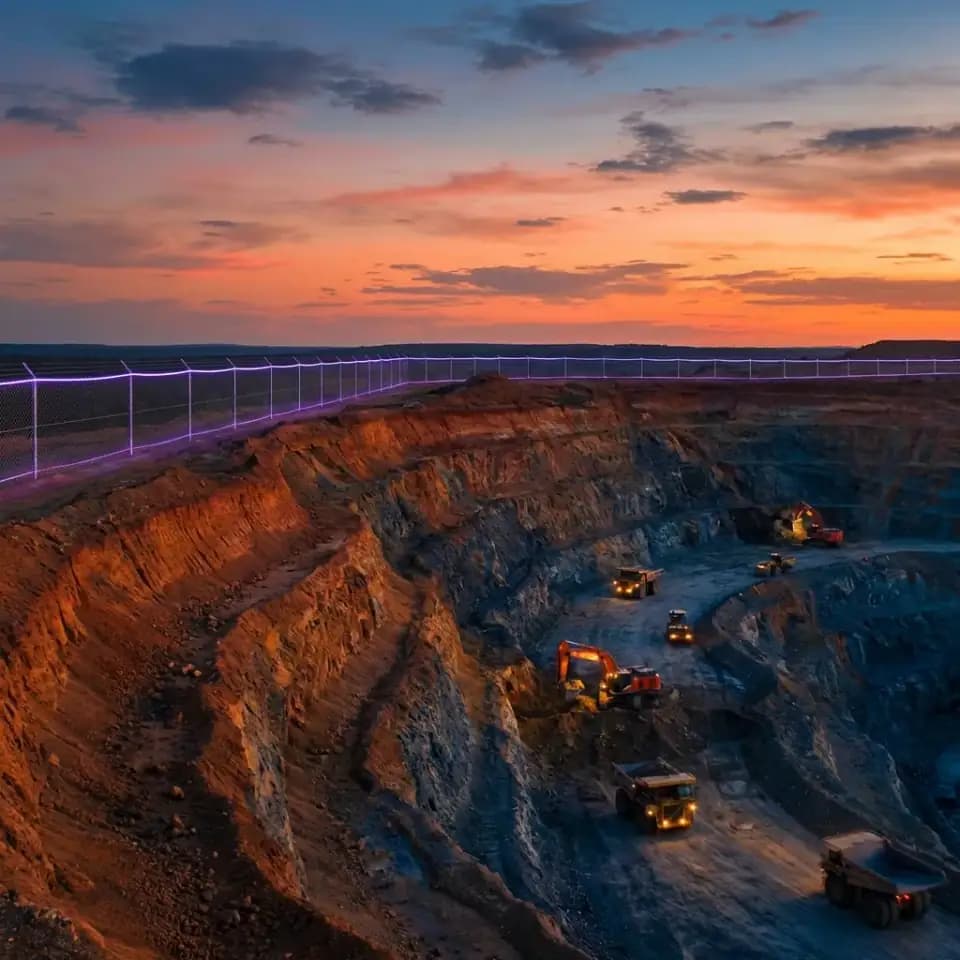
Ruggedized perimeter security for open-pit mines, ore stockpiles, and remote mining infrastructure.

Ideal for applications in Ohio

Local service overview

Perimeter Intrusion Detection for Ohio Manufacturing & Logistics Corridors

FortSense secures Ohio's automotive manufacturing plants, Intel semiconductor facilities, and Great Lakes port infrastructure with advanced fiber optic perimeter intrusion detection.

## Economic & Industrial Landscape

Ohio commands a gross domestic product of approximately $720 billion, ranking as the seventh-largest state economy in the United States. The state's manufacturing heritage runs deep: Honda operates three major plants in Marysville, East Liberty, and Anna producing vehicles and engines, while Stellantis assembles Jeep models at the Toledo Assembly Complex and General Motors has transformed its Lordstown facility into the Ultium Cells battery plant for next-generation electric vehicles.

Cleveland-Cliffs (formerly AK Steel) maintains integrated steelmaking operations in Middletown and other locations, and Timken Steel in Canton produces specialty alloys for aerospace and energy applications. The polymer and rubber industry, historically centered in Akron, still contributes significantly to the state's advanced materials sector.

Beyond traditional manufacturing, Ohio is undergoing a transformation driven by massive technology investments. Intel's $20 billion semiconductor fabrication facility in New Albany represents one of the largest private investments in state history, while Google and Meta both operate major data centers in the same area. Columbus has emerged as a logistics powerhouse, with Rickenbacker International Airport serving as a major cargo hub and the city positioned within a day's drive of 60 percent of the US population.

The Procter & Gamble headquarters in Cincinnati and Sherwin-Williams in Cleveland anchor a diverse corporate presence that spans consumer goods, coatings, and specialty chemicals.

## Critical Infrastructure

Ohio's energy infrastructure includes two active nuclear power stations: the Perry Nuclear Power Plant in North Perry on the Lake Erie shore and the Davis-Besse Nuclear Power Station near Oak Harbor. The Toledo Refining Company, operated by PBF Energy, processes approximately 170,000 barrels per day of crude oil, making it a critical fuel supply node for the Great Lakes region.

Natural gas extraction from the Utica Shale formation in eastern Ohio has created a network of wellheads, gathering lines, and processing plants that stretch across dozens of counties, with major operators including EQT and Gulfport Energy running continuous operations in remote Appalachian terrain.

The Great Lakes port system gives Ohio strategic importance in bulk commodity transport. The Port of Toledo ranks among the busiest Great Lakes ports, handling coal, grain, and iron ore shipments that feed the region's steel mills and power plants. The Port of Cleveland processes bulk cargo along the Lake Erie waterfront, while the ports of Ashtabula and Conneaut specialize in iron ore and coal movements.

Wright-Patterson Air Force Base in Dayton serves as the headquarters of Air Force Materiel Command and hosts the Air Force Research Laboratory, making it the premier military research installation in the Department of Defense. NASA Glenn Research Center in Cleveland conducts propulsion and power systems research, and the Defense Supply Center Columbus manages logistics for the military's supply chain.

## Security Challenges

Ohio's position at the intersection of multiple major freight corridors creates persistent cargo theft concerns. The I-70 corridor running east-west through Columbus, the I-71 corridor connecting Cleveland to Cincinnati, and the I-75 corridor from Toledo to Dayton all rank among the most heavily trafficked freight routes in the nation. Organized cargo theft rings target warehouses and distribution centers in the Columbus logistics cluster, where Amazon, FedEx, and dozens of third-party logistics providers maintain massive fulfillment operations.

Catalytic converter theft and scrap metal theft remain chronic problems in the state's older industrial cities, particularly in the Youngstown-Warren and Akron-Canton metropolitan areas.

The opioid crisis has driven elevated property crime rates in smaller Ohio cities, creating secondary security pressures for manufacturing facilities and warehouses in communities like Chillicothe, Portsmouth, and Zanesville. Petrochemical facility security in eastern Ohio's Utica Shale region presents unique challenges, with remote compressor stations and well pads spread across rugged terrain that is difficult to monitor through conventional means.

The massive Intel investment in New Albany has elevated data center security requirements across central Ohio, with classified chip designs and intellectual property demanding physical protection that exceeds standard commercial standards.

## Why Fiber Optic PIDS in Ohio

Ohio's continental-temperate climate subjects perimeter security systems to significant environmental stress. Lake-effect snow in northeastern Ohio can dump 60 or more inches of accumulation on Cleveland and Ashtabula County in a single winter season, while severe thunderstorms and tornadoes during spring and summer generate high winds and debris that trigger false alarms in conventional sensor systems.

Ice storms periodically cripple power infrastructure, making passive fiber optic sensors that require no electrical power at the fence line particularly valuable for maintaining uninterrupted perimeter coverage during grid outages.

Fiber optic perimeter intrusion detection systems are especially well-suited to Ohio's industrial landscape because they can be deployed across the extensive fence lines required by automotive plants, semiconductor fabs, nuclear power stations, and logistics campuses without the electromagnetic interference issues that plague electronic sensors in manufacturing environments.

The Intel facility alone encompasses hundreds of acres requiring continuous monitoring, and the state's five active nuclear-related facilities all mandate NRC-compliant physical protection systems that fiber optic PIDS can deliver with high probability of detection and low nuisance alarm rates.

## Deployment Context

Ohio's combination of legacy heavy manufacturing, next-generation technology facilities, nuclear power stations, military research installations, and Great Lakes port infrastructure creates a dense concentration of high-value perimeter security requirements.

From the Honda assembly lines in Marysville to the Davis-Besse nuclear plant on the Lake Erie shore, from the Intel fabs in New Albany to the chemical processing plants along the Ohio River, fiber optic PIDS technology addresses the state's need for reliable, weather-resistant intrusion detection that performs consistently across the temperature extremes and precipitation patterns characteristic of the Great Lakes industrial belt.

Professional perimeter protection for distribution centers, manufacturing, and critical infrastructure in Ohio.

  • Factory & Industrial Park Perimeter
  • Warehouse Complex & Distribution Center
  • Yard & Loading Dock Security (TAPA FSR)
  • Automotive & Advanced Manufacturing

Plan a FortSense assessment for this market

Share the perimeter length, fence type, and monitoring workflow. FortSense can help scope zones, integration points, and commissioning requirements for this location.

Services

Factory & Industrial Park Perimeter

Shift-aware perimeter detection for factories and industrial parks with automatic sensitivity adjustment between production hours and quiet periods.

Warehouse Complex & Distribution Center

Multi-zone fiber optic fencing for warehouse complexes and distribution centers with integration to inventory management and access control systems.

Yard & Loading Dock Security (TAPA FSR)

TAPA FSR-compliant perimeter detection for logistics yards, loading docks, and cross-dock facilities with vehicle and pedestrian discrimination.

Deployment patterns for local sites

How FortSense Works in Ohio

Fiber optic perimeter security adapted to local conditions and requirements.

  1. Fiber installed. Passive fiber optic cable mounts on the existing fence or wall with minimal civil work.
  2. Vibration detected. Any contact creates vibration patterns in the fiber so climbing, cutting, or lifting attempts become visible immediately.
  3. AI/DSP verification. Algorithms filter out wind, animals, and environmental noise before an operator ever sees an alarm.
  4. Alarm if intrusion. Only real threats trigger zone-based alarms that can route into the monitoring workflow already used by the site team.

Adapted for Ohio. Our local partners understand Ohio's climate, terrain, and security challenges. The fiber optic system is configured to filter local environmental conditions while maintaining maximum sensitivity to real intrusion attempts.

Integration and security software fit

FortSense can feed alarms into the monitoring stack a site already uses, including VMS, PSIM, alarm panels, relay inputs, TCP/IP workflows, and camera verification.

  • Zone-based alarms for operators and guard teams
  • Camera and VMS workflows for visual verification
  • Relay or network outputs for existing security systems
  • Software-assisted filtering before dispatch decisions

Industries in this market

Relevant FortSense industry and use-case paths connected to this location.

  • Automotive & Advanced Manufacturing
  • Data Center & Semiconductor Facilities
  • Great Lakes Port & Logistics Operations
  • Distribution Center Perimeter Security
  • Solar Farm Perimeter Security
  • Perimeter Security for Critical Infrastructure

Why FortSense fits in Perimeter Security in Ohio

FortSense is designed for perimeter security work where false-alarm reduction, passive fiber sensing, and practical integration matter more than adding another camera-only layer.

  • Passive fiber on existing fences, walls, or perimeter structures
  • AI/DSP filtering for wind, vibration, and environmental noise
  • Zone-level alerts that can match the site's response model
  • Support for design, integration, commissioning, and handover

Market notes

Practical details that help this page stay specific to the market instead of drifting into generic copy.

  • Automotive & Advanced Manufacturing
  • Data Center & Semiconductor Facilities
  • Great Lakes Port & Logistics Operations
  • Factory & Industrial Park Perimeter

Related FortSense paths

Related technical content and commercial guidance linked from this location page.

Frequently Asked Questions (FAQ)

Frequently Asked Questions (FAQ) — Ohio

What is the false alarm rate in an industrial environment?

Properly calibrated FortSense systems achieve Nuisance Alarm Rates (NAR) below 1 per zone per day in industrial environments. Our AI-based filtering adapts to site-specific conditions over the first 2-4 weeks, continuously improving accuracy.

Can the system secure multiple buildings in an industrial park?

Yes. The fiber cable can be routed through multiple perimeters within a single industrial park — factory buildings, warehouses, parking areas, and utility compounds — all monitored from one interrogator with independent alarm zones per building.

How quickly can the system be relocated if manufacturing operations move?

FortSense cable can be removed and reinstalled at a new location. The fiber sensor is reusable, and recalibration at the new site takes 1-2 weeks. This flexibility is valuable for manufacturers with changing facility footprints or lease agreements.

Is FortSense compliant with TAPA FSR security requirements?

Yes. Our fiber optic perimeter detection meets TAPA Facility Security Requirements (FSR) for Level A, B, and C certified facilities. The system provides the continuous perimeter monitoring, alarm zoning, and VMS integration required by TAPA standards.

Is the system affected by severe thunderstorms and tornadoes?

The fiber sensor is lightning-immune (non-conductive) and survives winds up to 200+ km/h when properly mounted. During severe storms, weather-filtering algorithms maintain intrusion detection while suppressing storm-related false alarms. Tornado-damaged sections are instantly identified for rapid repair.

Local perimeter assessment

Request Perimeter Assessment in Ohio

Receive a technical proposal, deployment design, and integration plan.

Perimeter Intrusion Detection for Ohio Manufacturing &…