


Fiber Optic Perimeter Security in Pennsylvania: Fiber Optic Perimeter Security for Pennsylvania's Industrial & Energy Corridor

Securing Marcellus Shale gas infrastructure, nuclear power stations, and the Lehigh Valley logistics hub across America's 6th-largest economy

Applications

Perimeter Security Fiber Optics Ideal for Applications in Pennsylvania

FortSense Solar & Renewables

Solar & Renewables

Perimeter Security Fiber Optics

Solar & Renewables

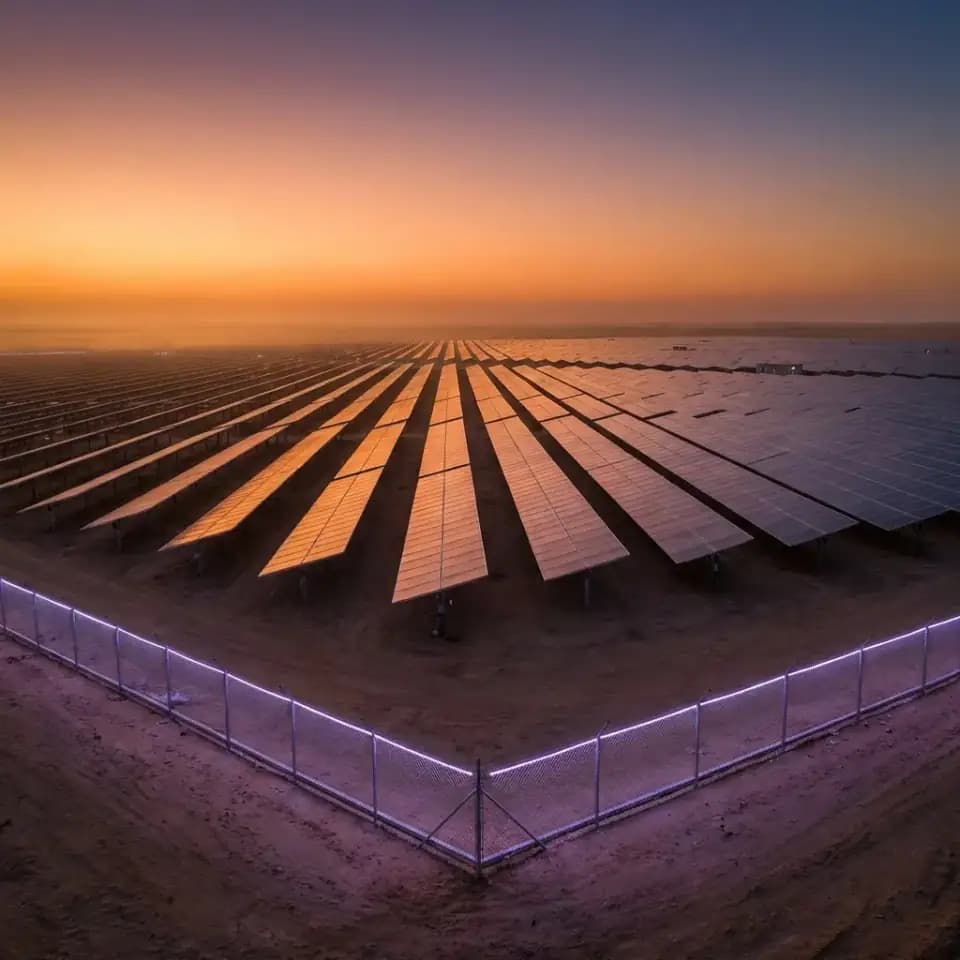
Autonomous perimeter monitoring for solar plants, protecting against theft of panels, copper cables, and inverters.

Ideal for applications in Pennsylvania

FortSense Oil & Gas

Oil & Gas

Perimeter Security Fiber Optics

Oil & Gas

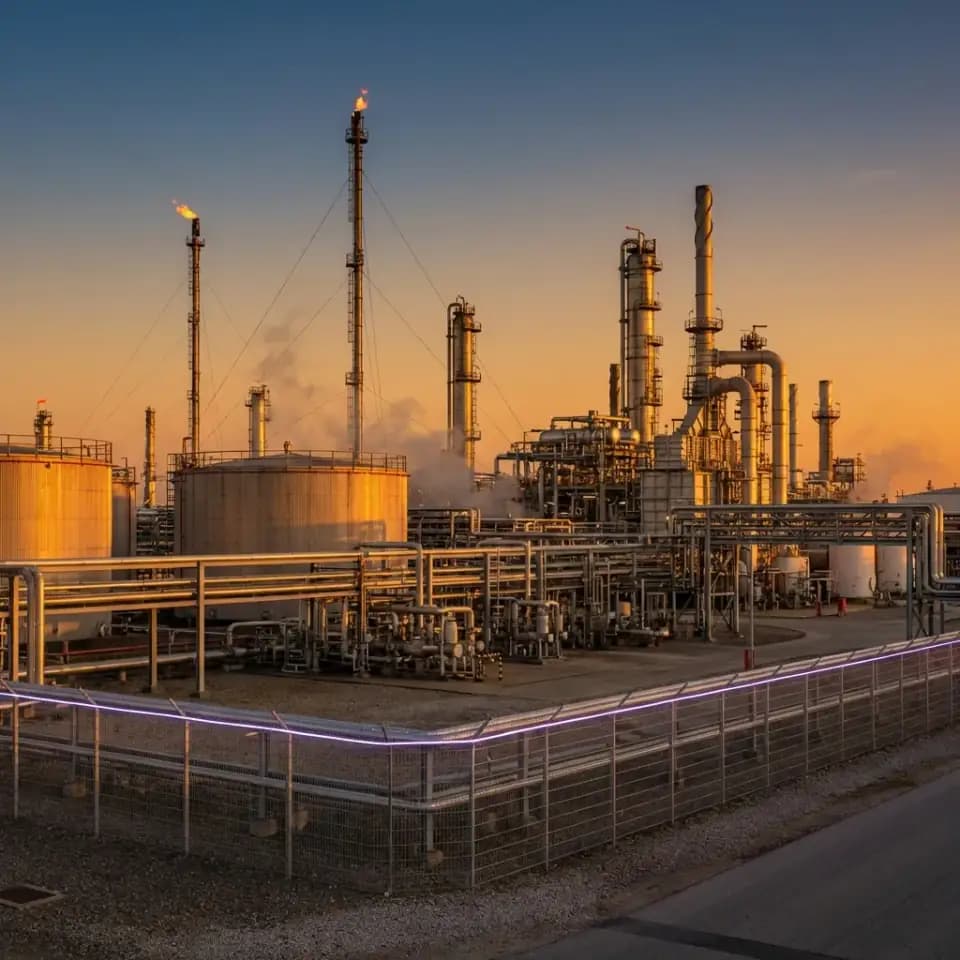
Intrinsically safe perimeter detection for refineries, chemical plants, and fuel storage depots.

Ideal for applications in Pennsylvania

FortSense Ports & Maritime

Ports & Maritime

Perimeter Security Fiber Optics

Ports & Maritime

ISPS-compliant security for cargo containers, fuel depots, and docked vessels in harsh marine environments.

Ideal for applications in Pennsylvania

FortSense Agriculture

Agriculture

Perimeter Security Fiber Optics

Agriculture

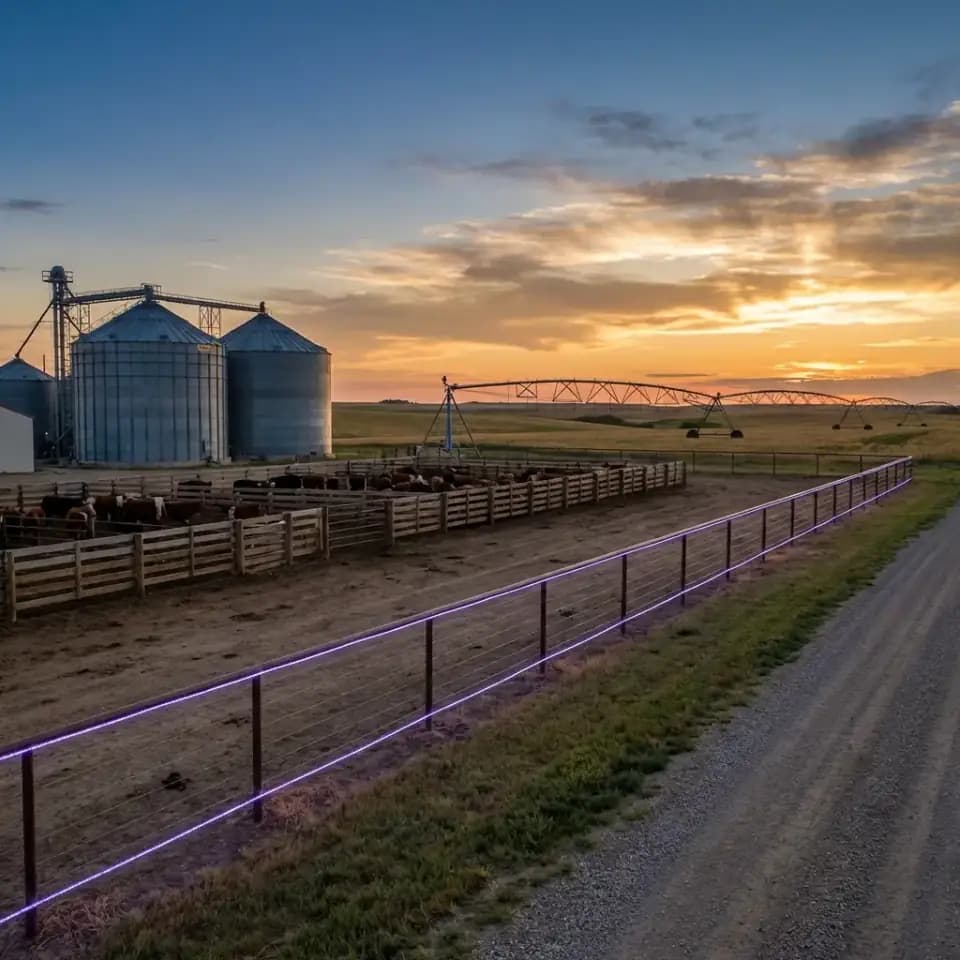
Fire detection and security for farms, livestock pens, pivot irrigation systems, and rural assets.

Ideal for applications in Pennsylvania

FortSense Financial Sector

Financial Sector

Perimeter Security Fiber Optics

Financial Sector

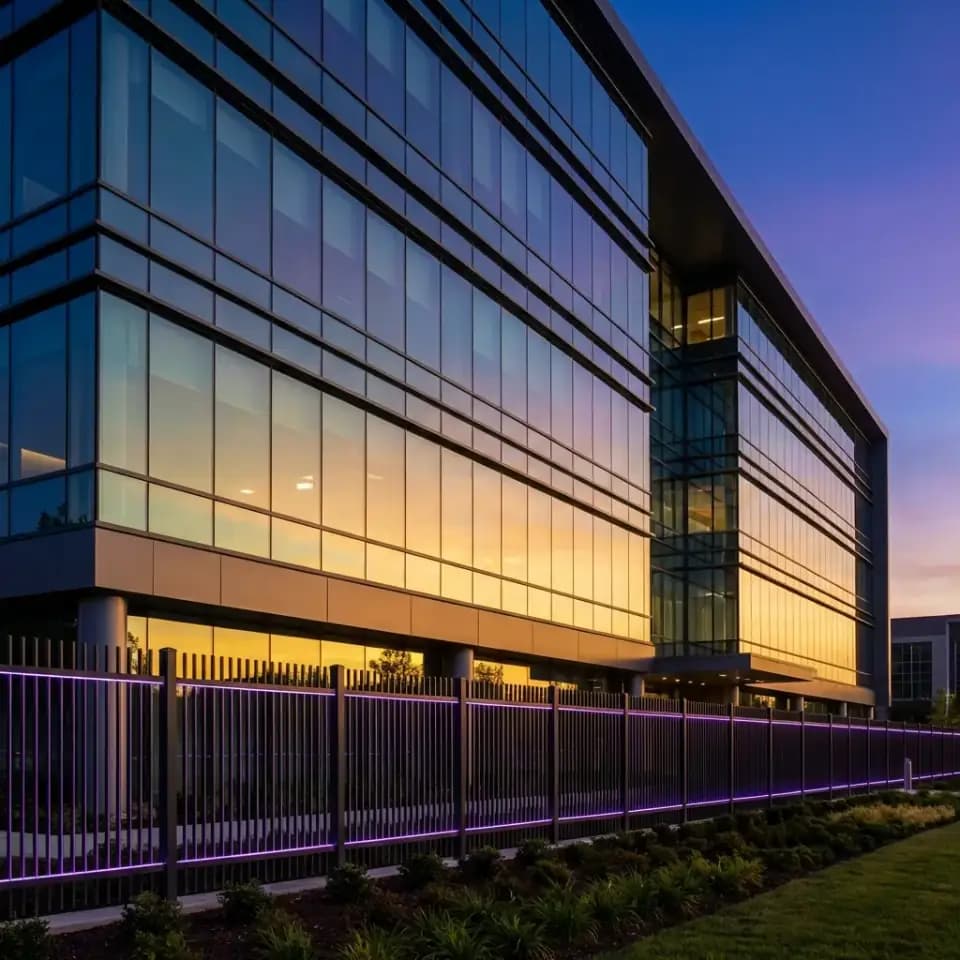
High-security perimeter protection for banks, vaults, administrative centers, and ATM areas.

Ideal for applications in Pennsylvania

FortSense Residential Condominiums

Residential Condominiums

Perimeter Security Fiber Optics

Residential Condominiums

Invisible security for gated communities and apartment complexes, preserving aesthetics while detecting intrusions.

Ideal for applications in Pennsylvania

FortSense Distribution Centers

Distribution Centers

Perimeter Security Fiber Optics

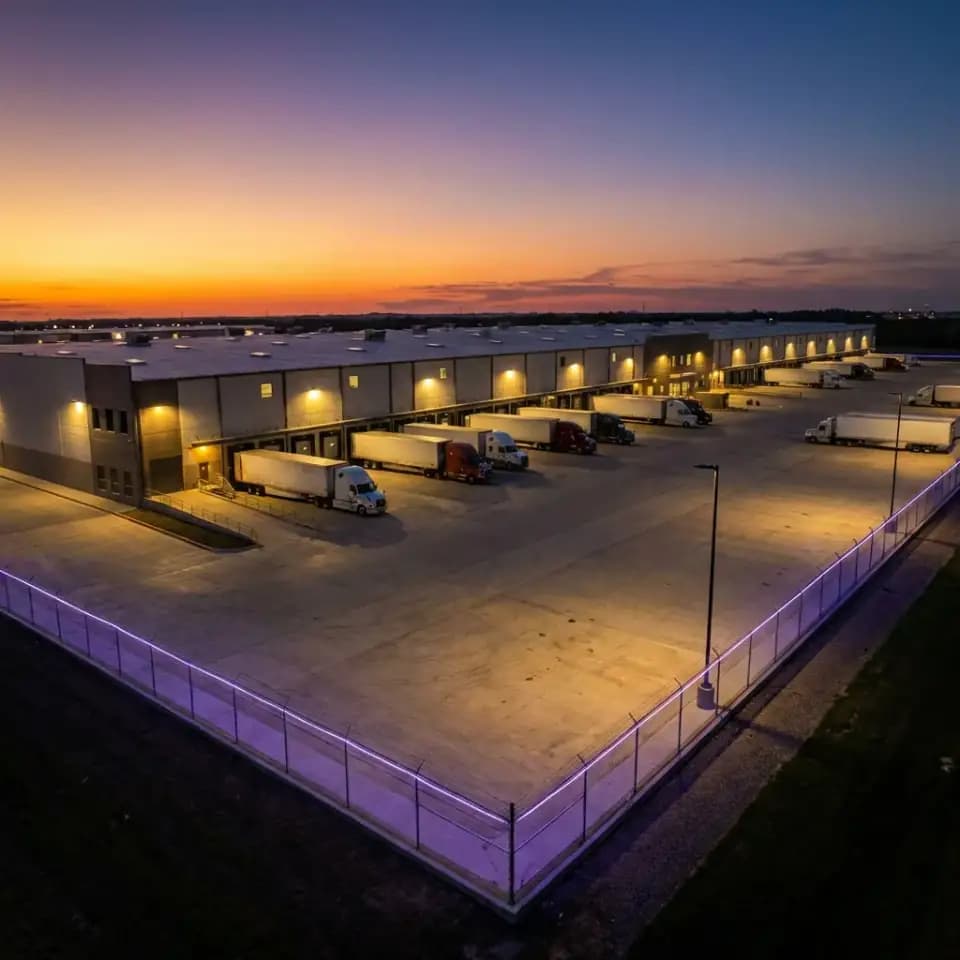
Distribution Centers

Security for logistics parks, warehouses, and high-value storage areas, meeting TAPA security standards.

Ideal for applications in Pennsylvania

FortSense Critical Infrastructure

Critical Infrastructure

Perimeter Security Fiber Optics

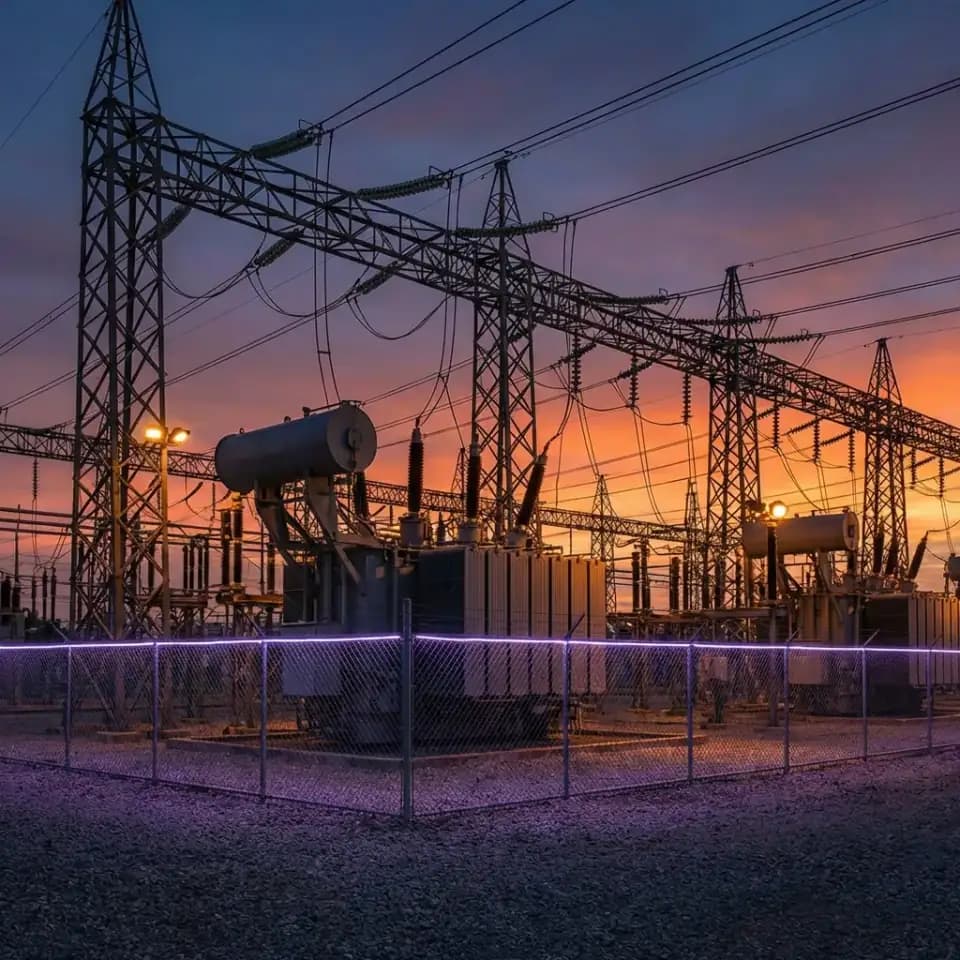
Critical Infrastructure

EMI-immune monitoring for electrical substations, telecom towers, and unmanned critical assets.

Ideal for applications in Pennsylvania

FortSense Corrections & Prisons

Corrections & Prisons

Perimeter Security Fiber Optics

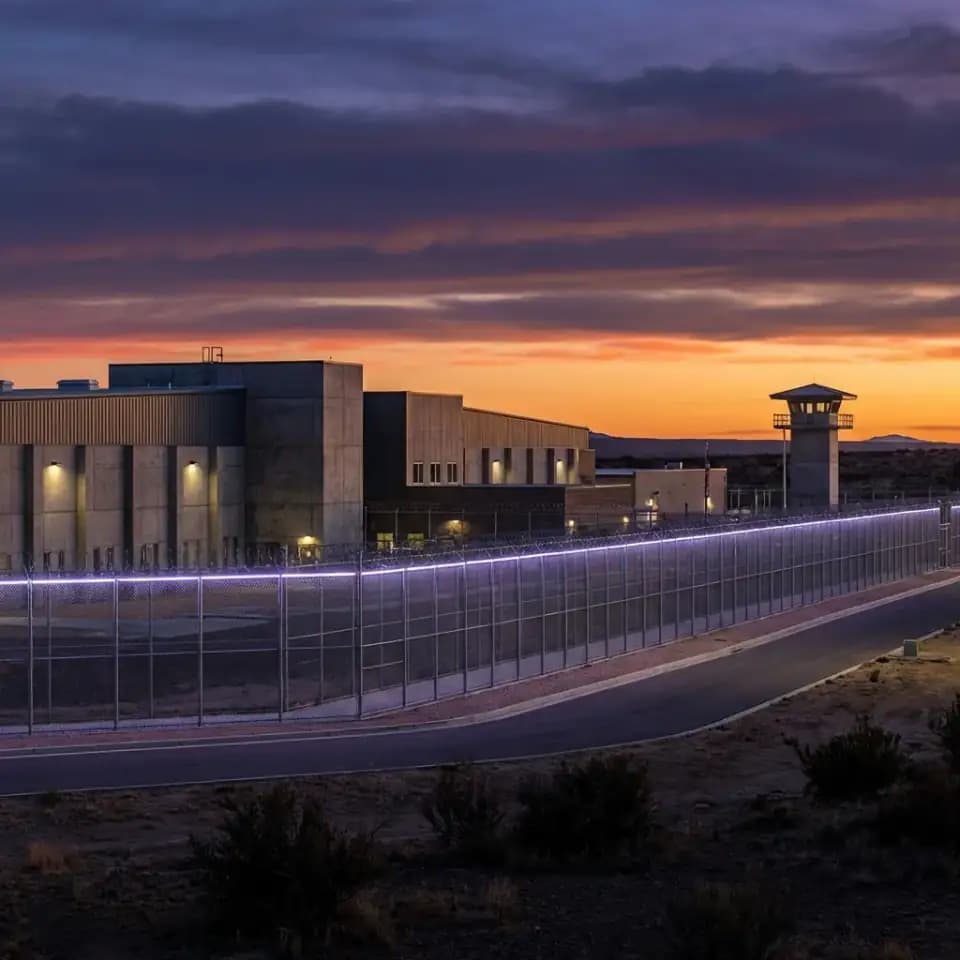
Corrections & Prisons

Zero-tolerance perimeter security for correctional facilities, detecting escape attempts and breaches.

Ideal for applications in Pennsylvania

FortSense Public Sector & Schools

Public Sector & Schools

Perimeter Security Fiber Optics

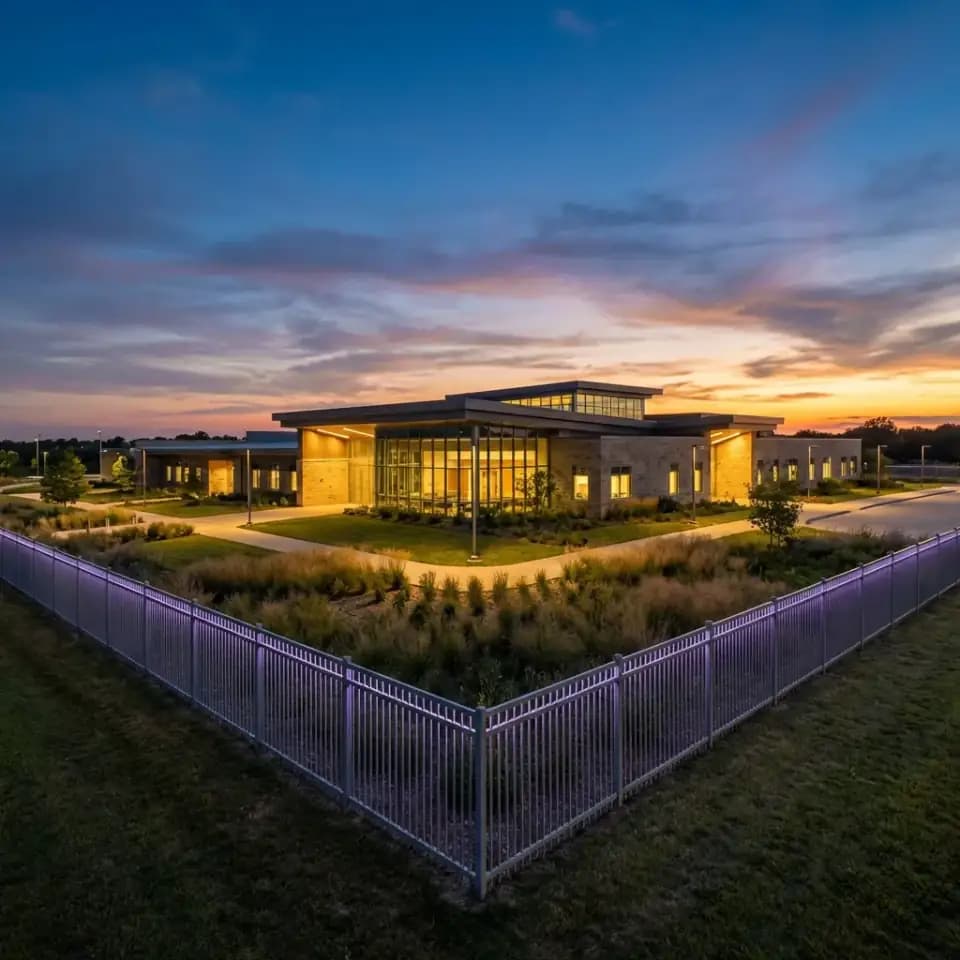
Public Sector & Schools

Non-invasive security for schools, government buildings, and public facilities with rapid lockdown protocols.

Ideal for applications in Pennsylvania

FortSense Perimeter Security for Airports

Perimeter Security for Airports

Perimeter Security Fiber Optics

Perimeter Security for Airports

ICAO-compliant sterile zone enforcement with zero interference to airport radar and navigation systems.

Ideal for applications in Pennsylvania

FortSense Mining Operations

Mining Operations

Perimeter Security Fiber Optics

Mining Operations

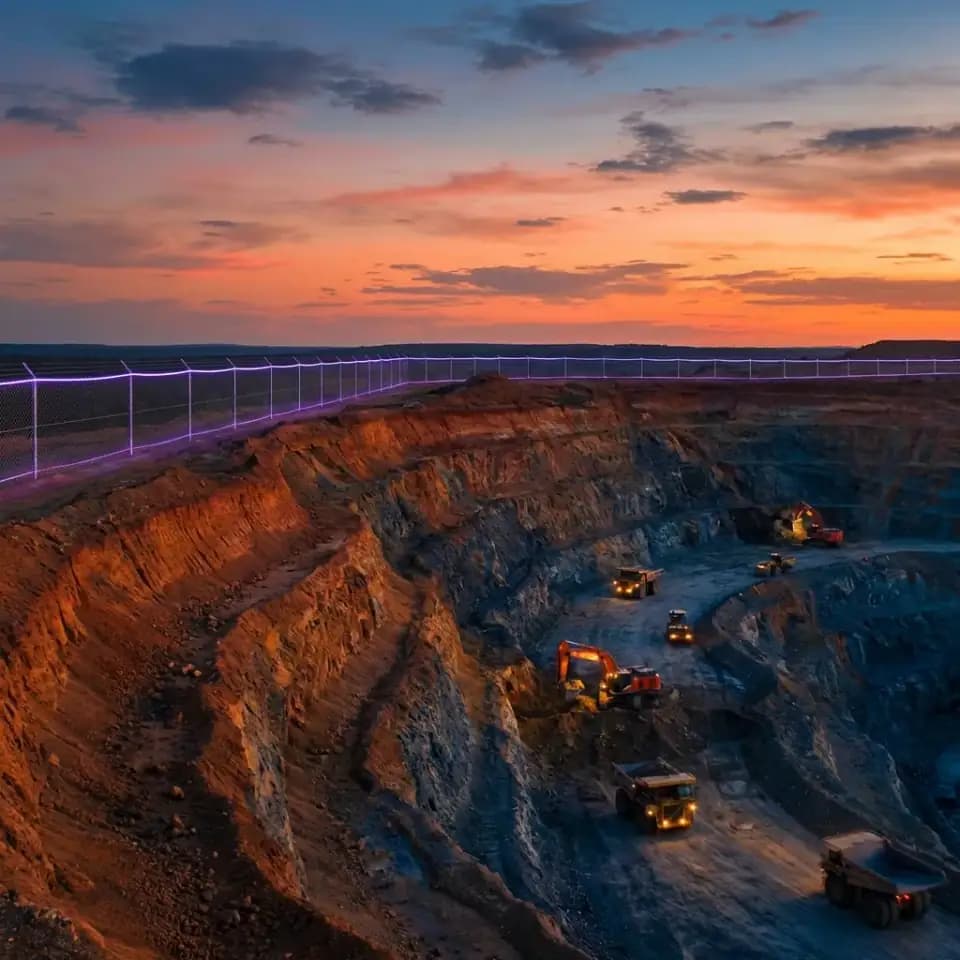
Ruggedized perimeter security for open-pit mines, ore stockpiles, and remote mining infrastructure.

Ideal for applications in Pennsylvania

Local service overview

Fiber Optic Perimeter Security for Pennsylvania's Industrial & Energy Corridor

FortSense protects Pennsylvania's five nuclear power stations, Marcellus Shale natural gas operations, and PhilaPort container terminals with fiber optic perimeter intrusion detection.

## Economic & Industrial Landscape

Pennsylvania commands a gross domestic product of approximately $890 billion, ranking as the sixth-largest state economy in the United States. The state has undergone a profound economic transformation from its historical steel and coal foundations into a diversified powerhouse spanning healthcare, energy, technology, logistics, and advanced manufacturing.

The Marcellus Shale formation has made Pennsylvania the second-largest natural gas producing state behind Texas, with drilling operations concentrated in the northeastern and southwestern corners of the state generating billions of cubic feet of natural gas daily. The Mariner East pipeline system transports natural gas liquids from western Pennsylvania processing plants to the Marcus Hook Industrial Complex near Philadelphia, creating a 300-mile corridor of critical energy infrastructure.

Pittsburgh has reinvented itself as a technology hub driven by Carnegie Mellon University's world-leading robotics and artificial intelligence research programs. Autonomous vehicle companies, AI startups, and advanced manufacturing firms have clustered around the university, transforming the former Steel City into a knowledge economy center. Philadelphia anchors the eastern half of the state's economy with major pharmaceutical operations, financial services, healthcare systems including Penn Medicine and Jefferson Health, and the Comcast Technology Center.

The University of Pittsburgh Medical Center (UPMC) has grown into one of the nation's largest healthcare enterprises. United States Steel still operates the Edgar Thomson Works in Braddock and the Mon Valley Works, maintaining Pennsylvania's connection to its steelmaking heritage while producing specialty products for modern applications.

## Critical Infrastructure

Pennsylvania operates more nuclear power stations than nearly any other state, with five active nuclear facilities generating a significant share of the state's electricity. The Limerick Generating Station in Montgomery County, Peach Bottom Atomic Power Station in York County, and Susquehanna Steam Electric Station in Luzerne County are all major baseload generators. The Beaver Valley Power Station near Shippingport produces power for western Pennsylvania.

Most notably, Three Mile Island's Unit 1, owned by Constellation Energy, is being restarted to provide dedicated power for Microsoft's data center operations, signaling Pennsylvania's emerging role in AI infrastructure energy supply.

The Port of Philadelphia, operated by PhilaPort, is the largest freshwater port in the United States, handling petroleum products, cocoa, fruit, and growing containerized cargo volumes. The Port of Pittsburgh functions as an inland river port system at the confluence of the Allegheny, Monongahela, and Ohio Rivers.

The Lehigh Valley corridor, stretching from Allentown through Bethlehem to Easton, has become one of the nation's premier warehousing and distribution hubs due to its proximity to both New York City and Philadelphia, with Amazon, FedEx, and dozens of major third-party logistics providers operating massive fulfillment centers. Military installations include Tobyhanna Army Depot for electronics maintenance, Letterkenny Army Depot for missile systems, the Defense Distribution Center Susquehanna at New Cumberland, and Carlisle Barracks housing the US Army War College.

## Security Challenges

The I-95 corridor through eastern Pennsylvania ranks among the top five cargo theft hotspots in the United States. Organized theft operations target truck stops, rest areas, and warehouse loading docks, particularly in the dense logistics zone between Philadelphia and the Lehigh Valley. The Mariner East natural gas liquids pipeline has been a focal point of security concerns because it traverses densely populated suburban areas in Chester and Delaware Counties, where any breach could have catastrophic consequences.

Pipeline right-of-way monitoring requires continuous surveillance across challenging terrain that includes residential neighborhoods, commercial districts, and forested areas.

Nuclear power plant perimeter security is governed by stringent Nuclear Regulatory Commission requirements that mandate high-confidence intrusion detection capabilities. With five active nuclear stations, Pennsylvania has more nuclear perimeter security obligations than most states. The Marcellus Shale natural gas extraction zone in northeastern and southwestern Pennsylvania involves hundreds of well pads, compressor stations, and gathering lines spread across rural and semi-rural terrain, each requiring protection against equipment theft, vandalism, and potential sabotage.

Philadelphia's urban violent crime challenges create spillover security pressures for industrial facilities and port operations in adjacent zones.

## Why Fiber Optic PIDS in Pennsylvania

Pennsylvania's continental climate subjects perimeter security systems to the full range of northeastern weather extremes. Nor'easter storms deliver heavy snow and ice, with Tropical Storm Ida in 2021 demonstrating the state's vulnerability to catastrophic flooding from hurricane remnants. Winter ice storms can disable electronic security systems by coating sensors and cutting power lines, while summer heat waves, amplified by Philadelphia's urban heat island effect, push temperatures above 100 degrees Fahrenheit.

Fiber optic perimeter intrusion detection systems provide weather-immune detection that maintains consistent performance across these seasonal extremes without the power dependencies that make active electronic systems vulnerable during storms.

The sheer scale of Pennsylvania's security requirements makes fiber optic PIDS particularly valuable. Nuclear power station perimeters may extend for miles around reactor buildings and spent fuel storage areas, demanding detection systems that can cover long distances without the sensor spacing limitations of point detection technologies. The Lehigh Valley logistics corridor requires scalable perimeter solutions that can protect warehouses ranging from 500,000 to over one million square feet.

Natural gas infrastructure in the Marcellus Shale region needs detection technology that functions reliably in remote locations with minimal maintenance, where fiber optic cables can be deployed along pipeline corridors and well pad fence lines without requiring electrical power connections at each sensor point.

## Deployment Context

Pennsylvania's perimeter security landscape encompasses nuclear power stations under NRC compliance mandates, the nation's busiest cargo theft corridor along I-95, hundreds of Marcellus Shale natural gas facilities across Appalachian terrain, the PhilaPort container terminals on the Delaware River, military depots storing sensitive defense equipment, and the rapidly growing data center sector anchored by the Three Mile Island restart for Microsoft.

Fiber optic PIDS technology addresses this breadth of requirements by delivering reliable, long-range intrusion detection that withstands Pennsylvania's demanding weather while meeting the stringent detection standards required by nuclear, military, and critical energy infrastructure operators.

Professional perimeter protection for distribution centers, manufacturing, and critical infrastructure in Pennsylvania.

  • Factory & Industrial Park Perimeter
  • Warehouse Complex & Distribution Center
  • Pipeline & Refinery Monitoring
  • Nuclear Power & Energy Infrastructure

Plan a FortSense assessment for this market

Share the perimeter length, fence type, and monitoring workflow. FortSense can help scope zones, integration points, and commissioning requirements for this location.

Services

Factory & Industrial Park Perimeter

Shift-aware perimeter detection for factories and industrial parks with automatic sensitivity adjustment between production hours and quiet periods.

Warehouse Complex & Distribution Center

Multi-zone fiber optic fencing for warehouse complexes and distribution centers with integration to inventory management and access control systems.

Pipeline & Refinery Monitoring

Real-time fiber optic detection along pipelines, tank farms, and refinery perimeters. ATEX/IECEx-compatible for hazardous zones with leak and intrusion discrimination.

Deployment patterns for local sites

How FortSense Works in Pennsylvania

Fiber optic perimeter security adapted to local conditions and requirements.

  1. Fiber installed. Passive fiber optic cable mounts on the existing fence or wall with minimal civil work.
  2. Vibration detected. Any contact creates vibration patterns in the fiber so climbing, cutting, or lifting attempts become visible immediately.
  3. AI/DSP verification. Algorithms filter out wind, animals, and environmental noise before an operator ever sees an alarm.
  4. Alarm if intrusion. Only real threats trigger zone-based alarms that can route into the monitoring workflow already used by the site team.

Adapted for Pennsylvania. Our local partners understand Pennsylvania's climate, terrain, and security challenges. The fiber optic system is configured to filter local environmental conditions while maintaining maximum sensitivity to real intrusion attempts.

Integration and security software fit

FortSense can feed alarms into the monitoring stack a site already uses, including VMS, PSIM, alarm panels, relay inputs, TCP/IP workflows, and camera verification.

  • Zone-based alarms for operators and guard teams
  • Camera and VMS workflows for visual verification
  • Relay or network outputs for existing security systems
  • Software-assisted filtering before dispatch decisions

Industries in this market

Relevant FortSense industry and use-case paths connected to this location.

  • Nuclear Power & Energy Infrastructure
  • Natural Gas Extraction & Pipeline Systems
  • Port & Logistics Distribution Centers
  • Distribution Center Perimeter Security
  • Solar Farm Perimeter Security
  • Perimeter Security for Critical Infrastructure

Why FortSense fits in Perimeter Security in Pennsylvania

FortSense is designed for perimeter security work where false-alarm reduction, passive fiber sensing, and practical integration matter more than adding another camera-only layer.

  • Passive fiber on existing fences, walls, or perimeter structures
  • AI/DSP filtering for wind, vibration, and environmental noise
  • Zone-level alerts that can match the site's response model
  • Support for design, integration, commissioning, and handover

Market notes

Practical details that help this page stay specific to the market instead of drifting into generic copy.

  • Nuclear Power & Energy Infrastructure
  • Natural Gas Extraction & Pipeline Systems
  • Port & Logistics Distribution Centers
  • Factory & Industrial Park Perimeter

Related FortSense paths

Related technical content and commercial guidance linked from this location page.

Frequently Asked Questions (FAQ)

Frequently Asked Questions (FAQ) — Pennsylvania

What is the false alarm rate in an industrial environment?

Properly calibrated FortSense systems achieve Nuisance Alarm Rates (NAR) below 1 per zone per day in industrial environments. Our AI-based filtering adapts to site-specific conditions over the first 2-4 weeks, continuously improving accuracy.

Can the system secure multiple buildings in an industrial park?

Yes. The fiber cable can be routed through multiple perimeters within a single industrial park — factory buildings, warehouses, parking areas, and utility compounds — all monitored from one interrogator with independent alarm zones per building.

How quickly can the system be relocated if manufacturing operations move?

FortSense cable can be removed and reinstalled at a new location. The fiber sensor is reusable, and recalibration at the new site takes 1-2 weeks. This flexibility is valuable for manufacturers with changing facility footprints or lease agreements.

Is FortSense certified for hazardous zone deployment near oil and gas facilities?

Yes. Our fiber optic sensors are passive (no electrical signal in the field), making them intrinsically safe for ATEX Zone 1/2 and IECEx hazardous areas. The interrogator unit is installed in a safe zone, while the sensing cable runs through classified areas without risk of ignition.

Is the system affected by severe thunderstorms and tornadoes?

The fiber sensor is lightning-immune (non-conductive) and survives winds up to 200+ km/h when properly mounted. During severe storms, weather-filtering algorithms maintain intrusion detection while suppressing storm-related false alarms. Tornado-damaged sections are instantly identified for rapid repair.

Local perimeter assessment

Request Perimeter Assessment in Pennsylvania

Receive a technical proposal, deployment design, and integration plan.

Factory Perimeter Security in Pennsylvania | FortSense®