


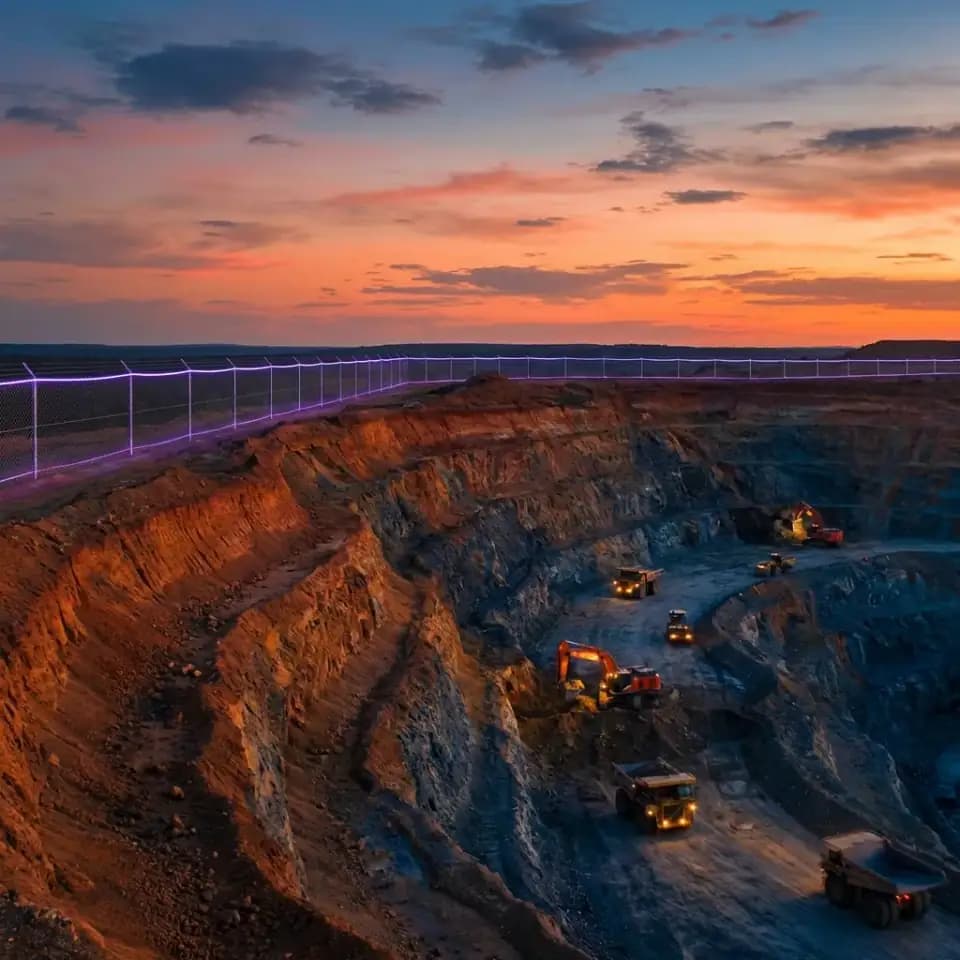
Local service overview
Why Oil and Gas Perimeter Security matters in Oklahoma
Fiber optic perimeter security for critical infrastructure in Oklahoma: real-time detection, low false alarms, native CCTV/VMS/PSIM integration.
## Economic & Industrial Landscape Oklahoma's economy generates approximately $200 billion in gross domestic product, with the energy sector serving as its dominant economic engine. Mining, primarily oil and gas extraction, contributes an extraordinary 22. 5 percent of state GDP, far exceeding the national average of roughly 3 percent. The Cushing oil hub in Payne County is the most strategically important crude oil storage and pipeline junction in North America, serving as the physical delivery point for NYMEX West Texas Intermediate futures contracts that set benchmark crude oil prices worldwide.
Fiber optic PIDS technology is uniquely suited to this environment, delivering continuous perimeter monitoring that withstands the extreme weather, lightning activity, and temperature swings that define Oklahoma's operational conditions while providing the detection reliability that energy infrastructure, military installations, and critical pipeline systems demand.
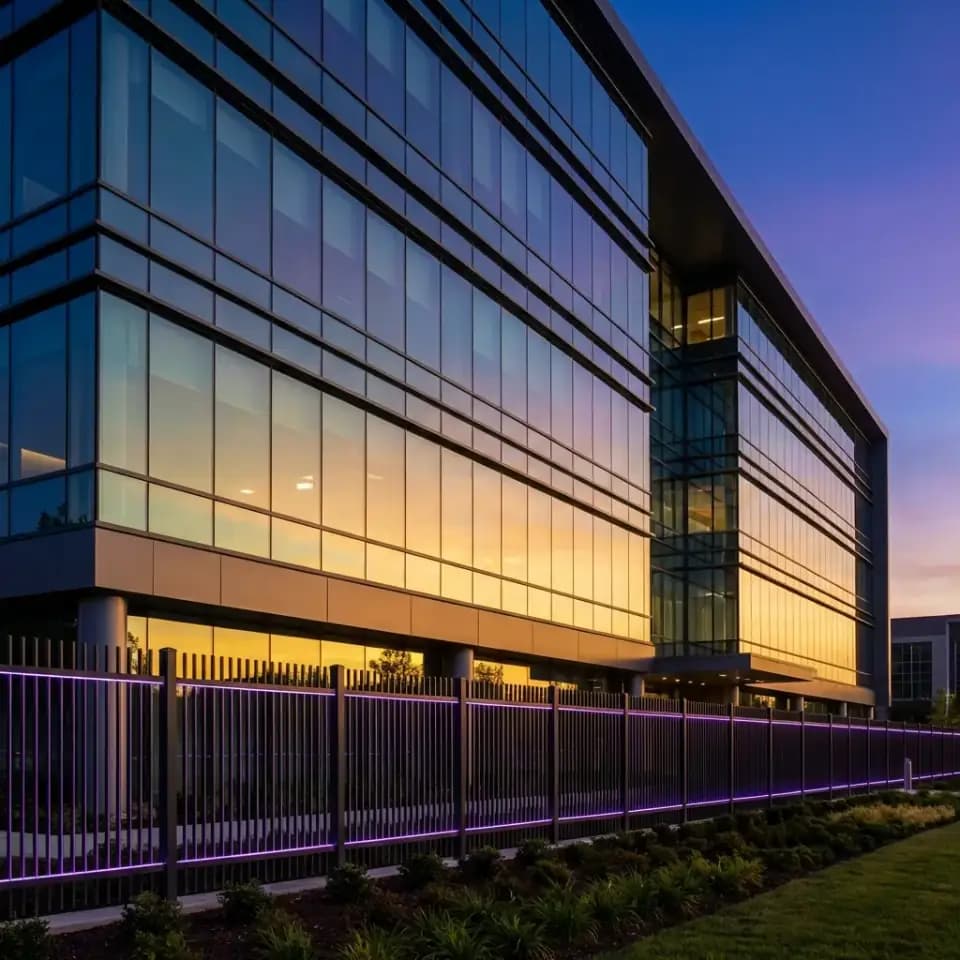
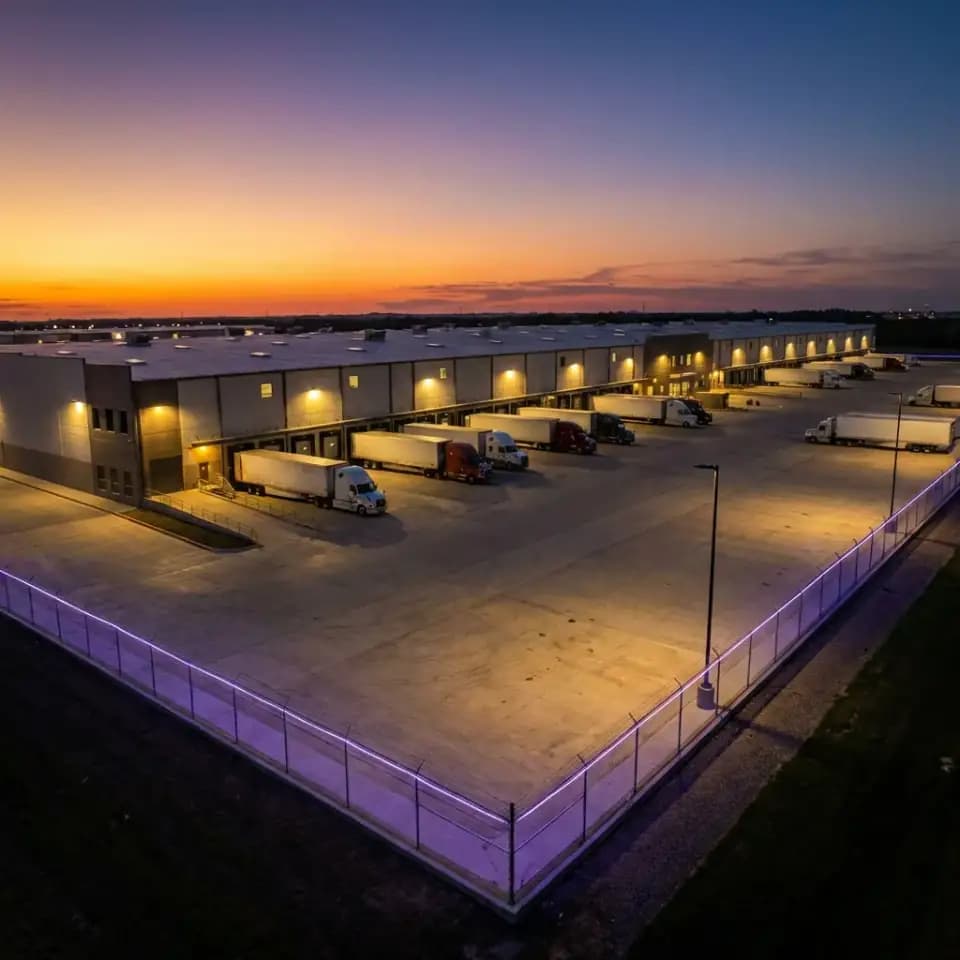
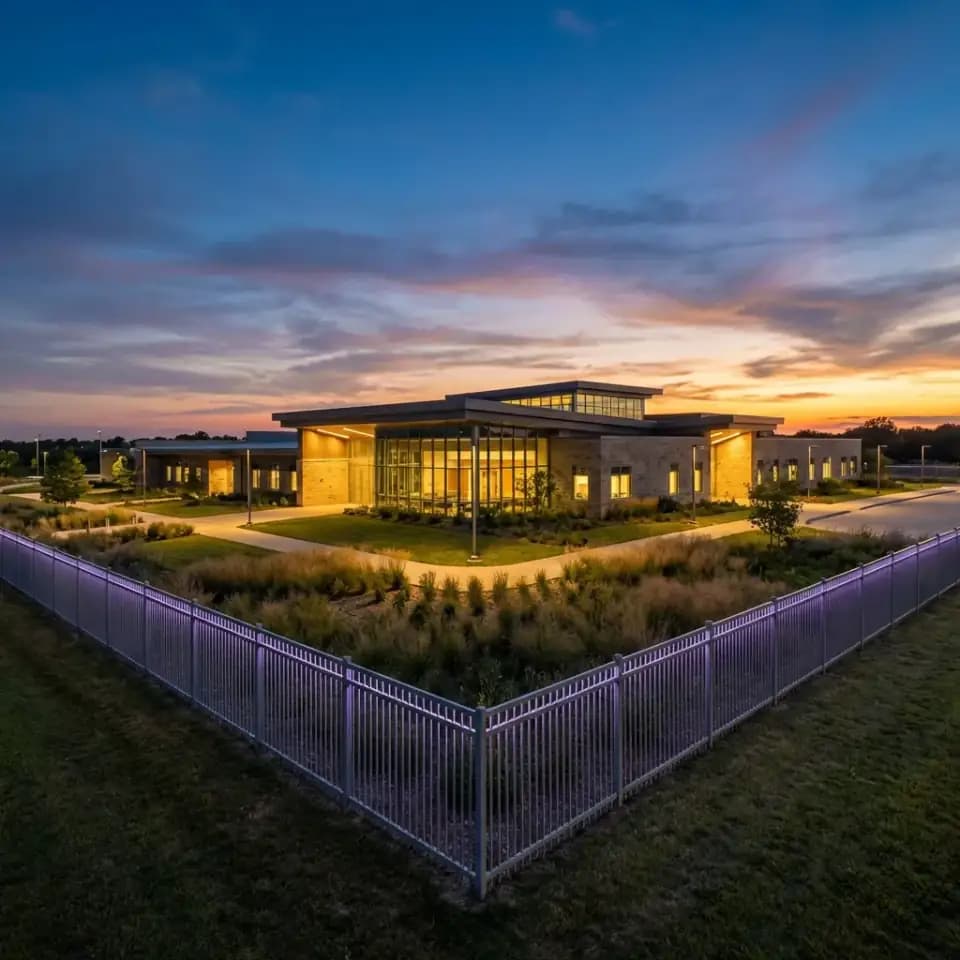
Professional perimeter protection for distribution centers, manufacturing, and critical infrastructure in Oklahoma.
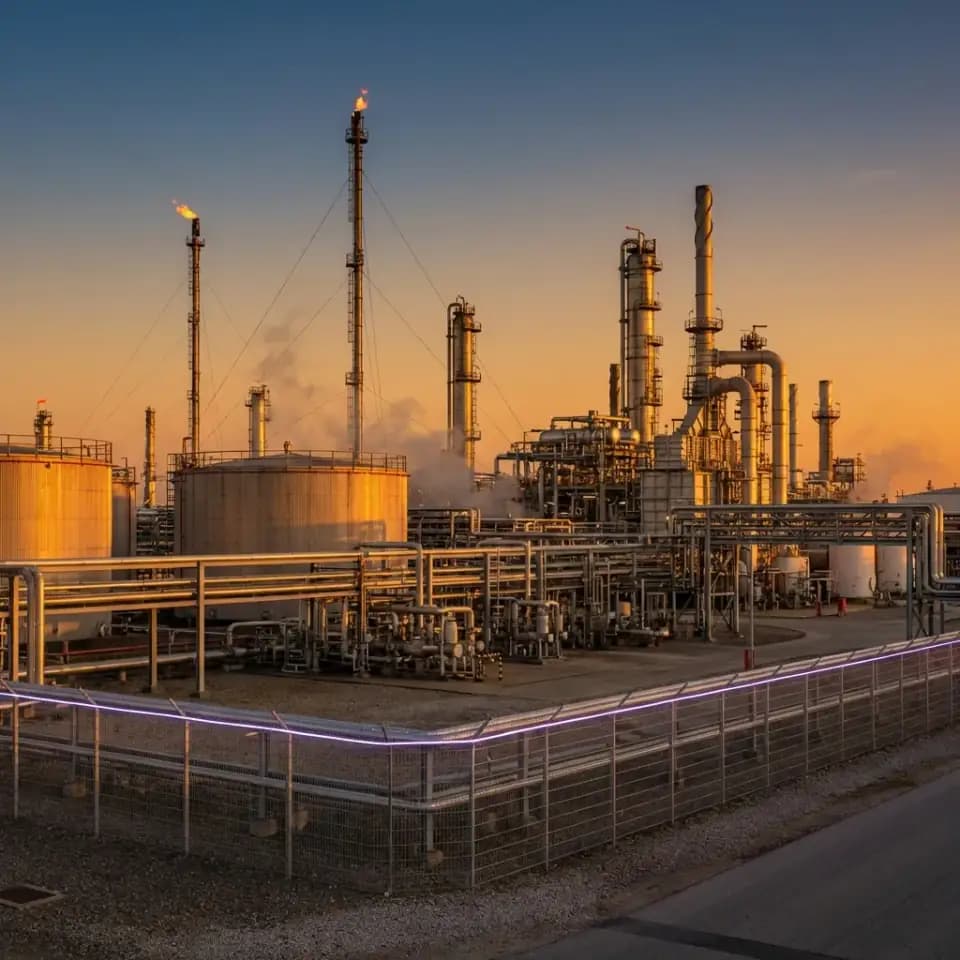
- Pipeline & Refinery Monitoring
- Fuel Depot & Terminal Protection
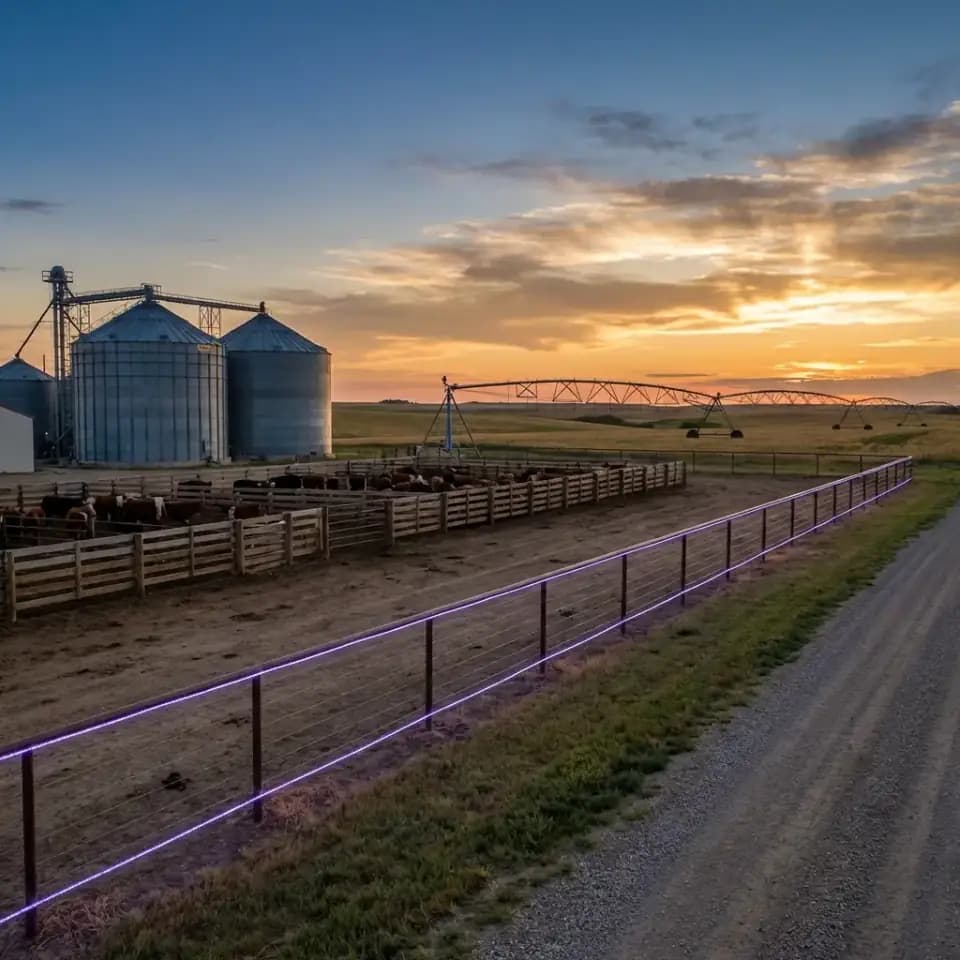
- Livestock & Feed Lot Perimeter
- Oil & Gas Storage and Pipeline Facilities
Common Security Challenges in Oklahoma
Common deployment challenges for Oil and Gas Perimeter Security in Oklahoma include long fence lines, slow verification, and operating conditions shaped by seasonal weather shifts and mixed site conditions.
- Long perimeter spans with multiple access points and low-visibility sectors
- Environmental vibration and weather noise that require adaptive filtering
- Remote sectors requiring autonomous operation with low maintenance
- Integration with CCTV, VMS, alarm systems, and SOC workflows
- Protection of critical assets and high-value operational areas
Plan a FortSense assessment for this market
Share the perimeter length, fence type, and monitoring workflow. FortSense can help scope zones, integration points, and commissioning requirements for this location.
Services
Pipeline & Refinery Monitoring
Real-time fiber optic detection along pipelines, tank farms, and refinery perimeters. ATEX/IECEx-compatible for hazardous zones with leak and intrusion discrimination.
Fuel Depot & Terminal Protection
Securing fuel storage depots, LNG terminals, and transfer stations against unauthorized access, sabotage, and theft with zone-specific alarm mapping.
Livestock & Feed Lot Perimeter
Fiber optic perimeter detection for livestock pens, feedlots, and breeding facilities with animal-immune algorithms calibrated for large herds.
Deployment patterns for local sites
How FortSense Works in Oklahoma
Fiber optic perimeter security adapted to local conditions and requirements.
- Fiber installed. Passive fiber optic cable mounts on the existing fence or wall with minimal civil work.
- Vibration detected. Any contact creates vibration patterns in the fiber so climbing, cutting, or lifting attempts become visible immediately.
- AI/DSP verification. Algorithms filter out wind, animals, and environmental noise before an operator ever sees an alarm.
- Alarm if intrusion. Only real threats trigger zone-based alarms that can route into the monitoring workflow already used by the site team.
Adapted for Oklahoma. Our local partners understand Oklahoma's climate, terrain, and security challenges. The fiber optic system is configured to filter local environmental conditions while maintaining maximum sensitivity to real intrusion attempts.
Integration and security software fit
FortSense can feed alarms into the monitoring stack a site already uses, including VMS, PSIM, alarm panels, relay inputs, TCP/IP workflows, and camera verification.
- Zone-based alarms for operators and guard teams
- Camera and VMS workflows for visual verification
- Relay or network outputs for existing security systems
- Software-assisted filtering before dispatch decisions
Industries in this market
Relevant FortSense industry and use-case paths connected to this location.
- Oil & Gas Storage and Pipeline Facilities
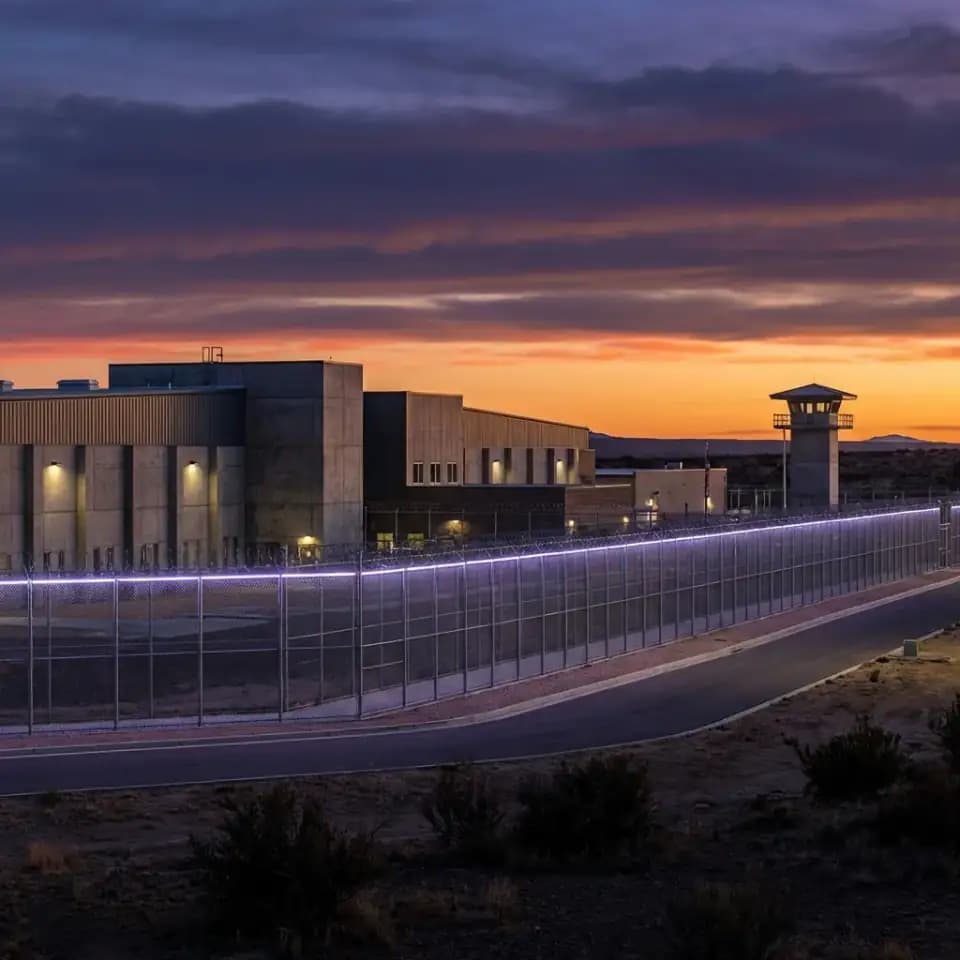
- Military Bases & Ammunition Depots
- Wind Energy & Renewable Power Installations
- Distribution Center Perimeter Security
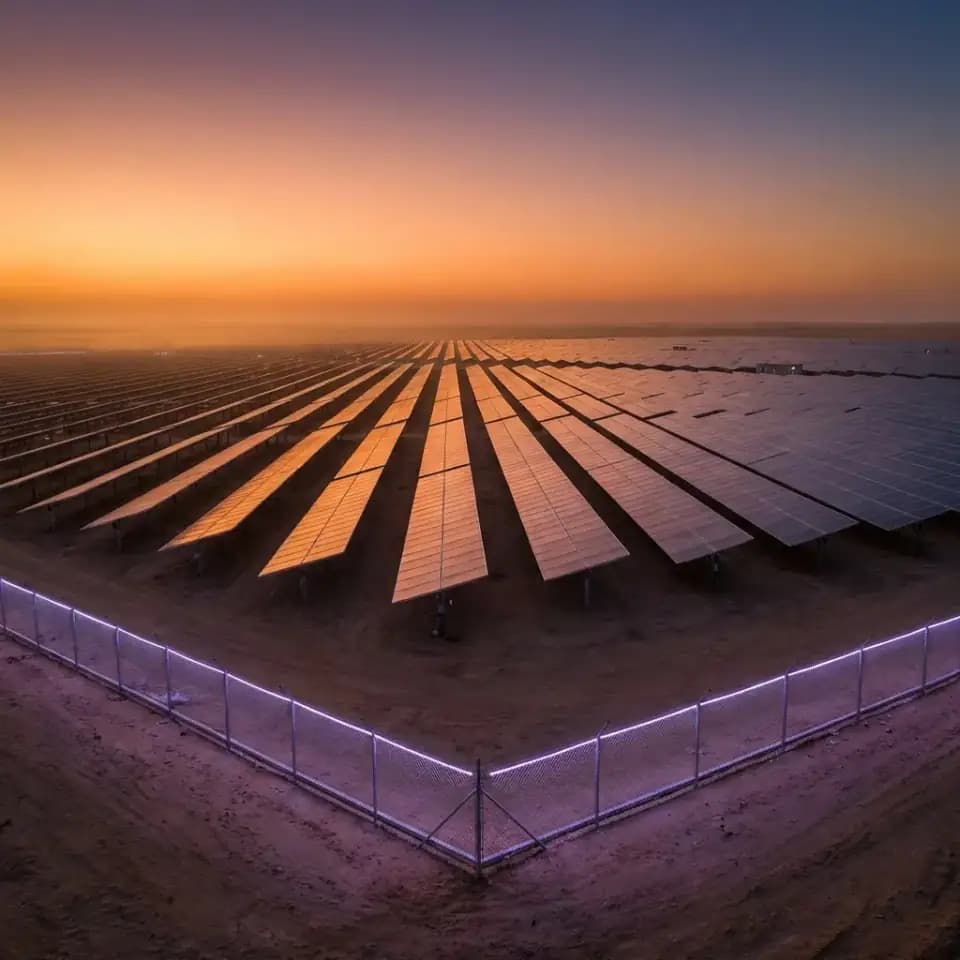
- Solar Farm Perimeter Security
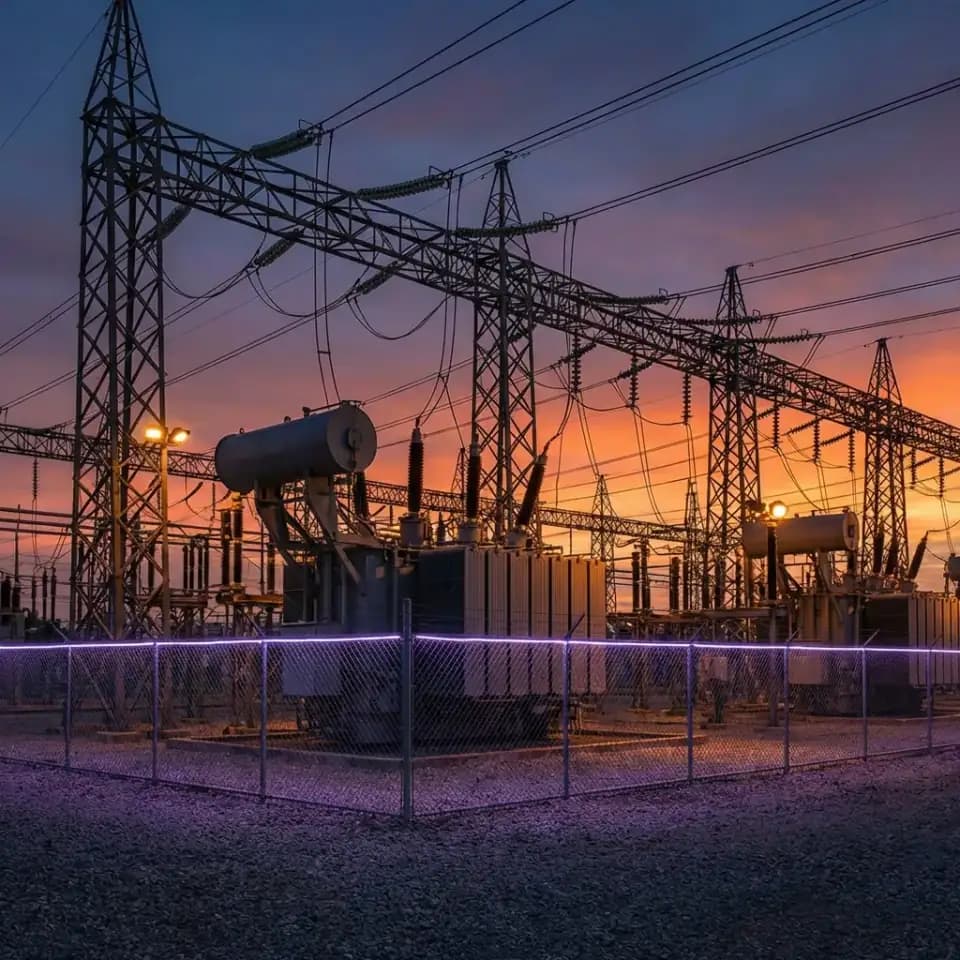
- Perimeter Security for Critical Infrastructure
Why FortSense fits in Perimeter Security in Oklahoma
FortSense is designed for perimeter security work where false-alarm reduction, passive fiber sensing, and practical integration matter more than adding another camera-only layer.
- Passive fiber on existing fences, walls, or perimeter structures
- AI/DSP filtering for wind, vibration, and environmental noise
- Zone-level alerts that can match the site's response model
- Support for design, integration, commissioning, and handover
Market notes
Practical details that help this page stay specific to the market instead of drifting into generic copy.
- Oil & Gas Storage and Pipeline Facilities
- Military Bases & Ammunition Depots
- Wind Energy & Renewable Power Installations
- Pipeline & Refinery Monitoring
Related FortSense paths
Related technical content and commercial guidance linked from this location page.