

Fiber Optic Perimeter Security in Rhode Island: Perimeter Intrusion Detection for Rhode Island Naval & Port Facilities

Protecting Naval Station Newport, the Quonset Point auto import terminal, and offshore wind infrastructure in America's Ocean State

Applications

Perimeter Security Fiber Optics Ideal for Applications in Rhode Island

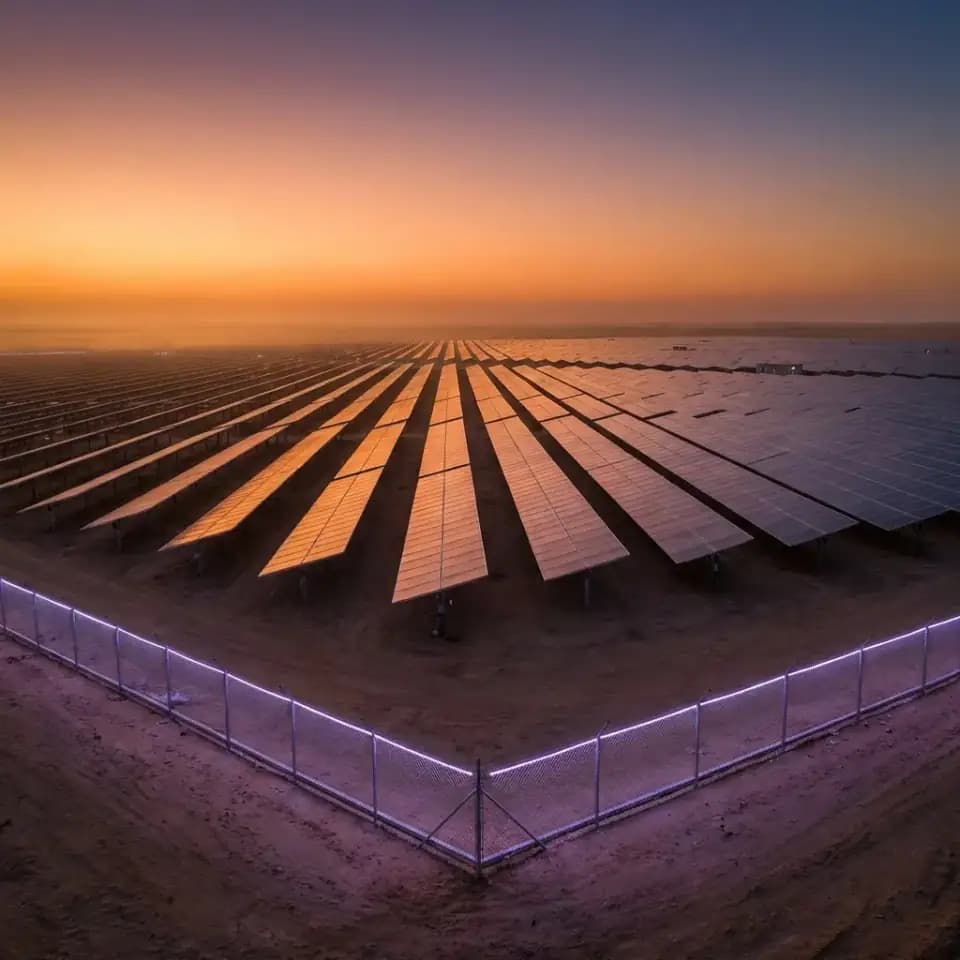
FortSense Solar & Renewables

Solar & Renewables

Perimeter Security Fiber Optics

Solar & Renewables

Autonomous perimeter monitoring for solar plants, protecting against theft of panels, copper cables, and inverters.

Ideal for applications in Rhode Island

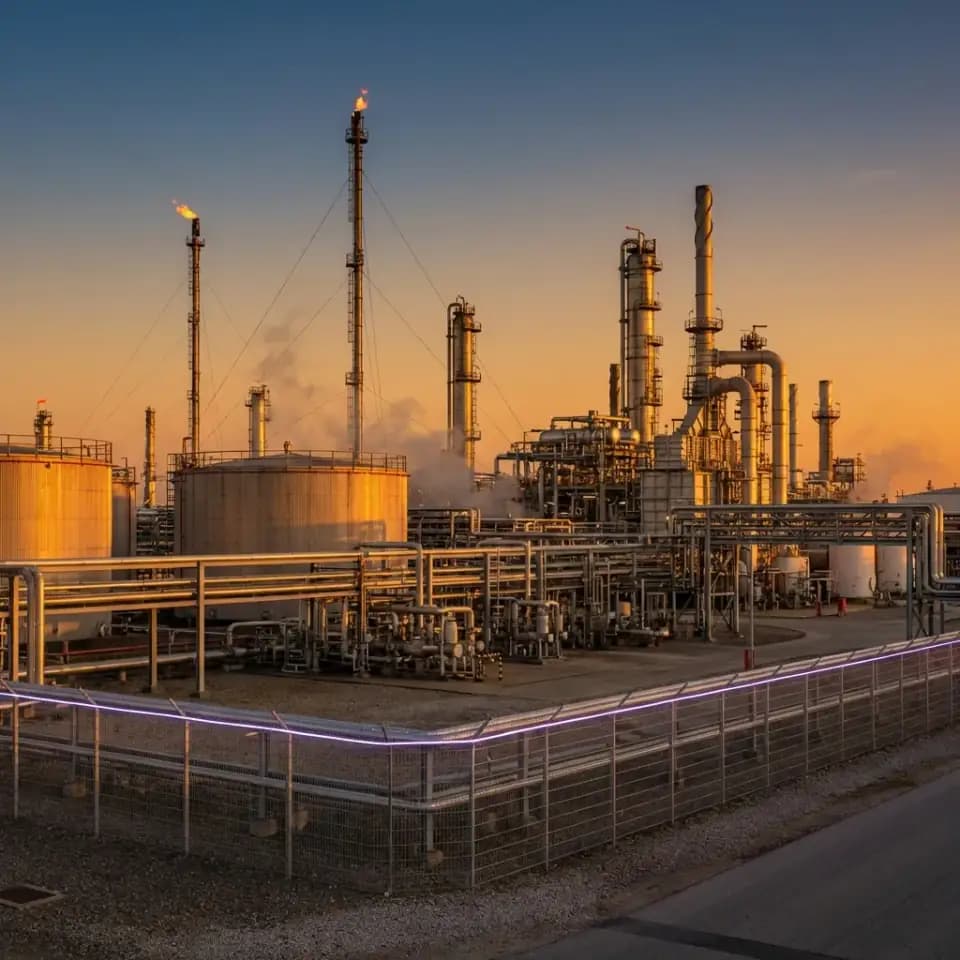
FortSense Oil & Gas

Oil & Gas

Perimeter Security Fiber Optics

Oil & Gas

Intrinsically safe perimeter detection for refineries, chemical plants, and fuel storage depots.

Ideal for applications in Rhode Island

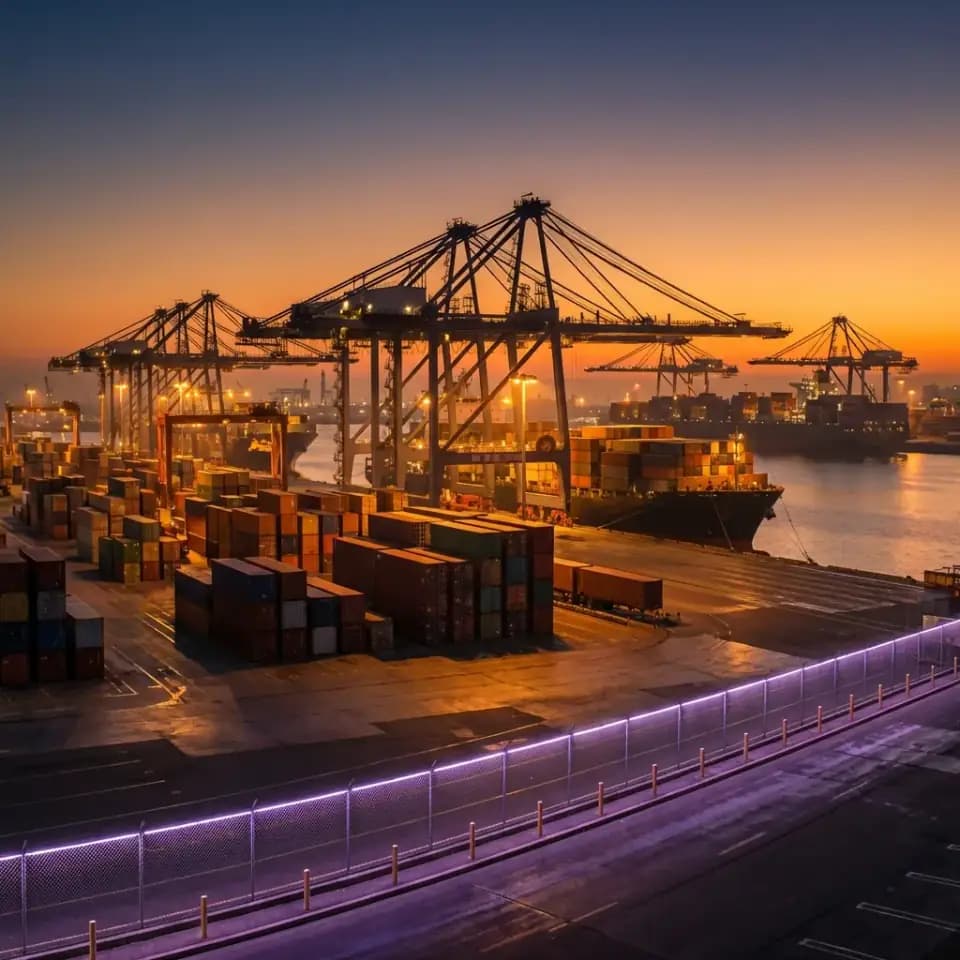
FortSense Ports & Maritime

Ports & Maritime

Perimeter Security Fiber Optics

Ports & Maritime

ISPS-compliant security for cargo containers, fuel depots, and docked vessels in harsh marine environments.

Ideal for applications in Rhode Island

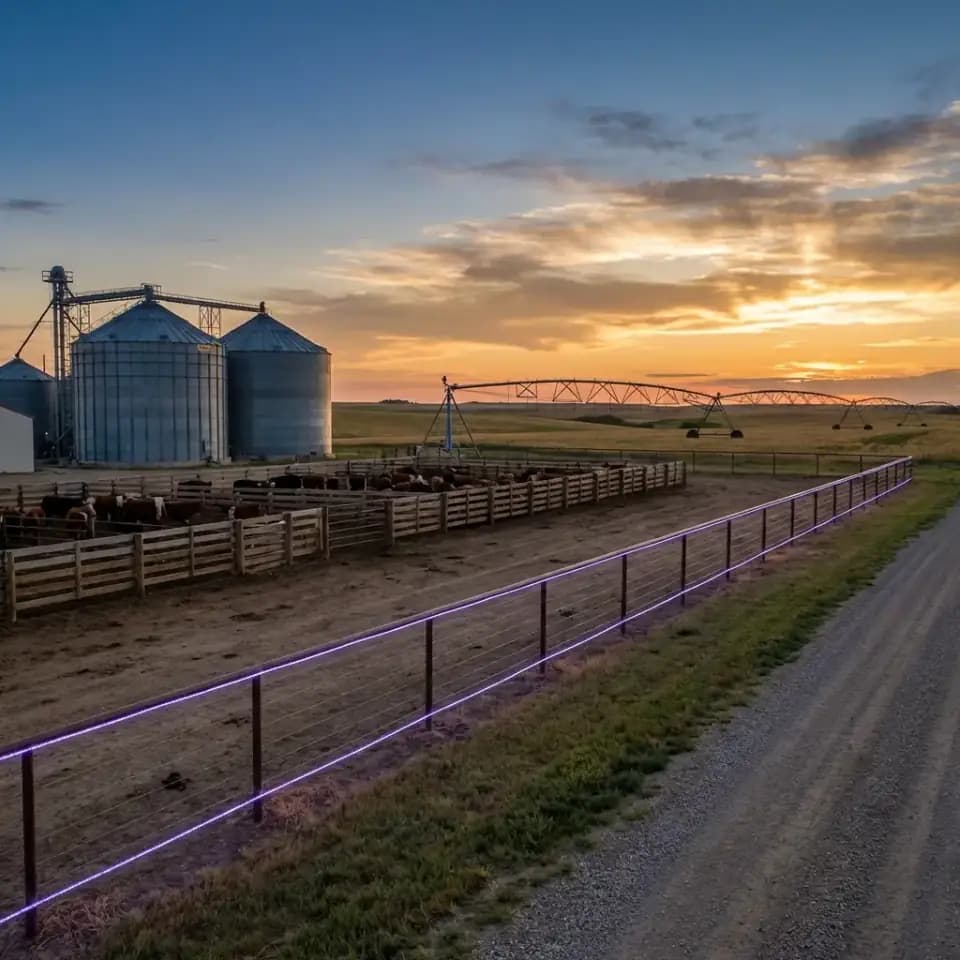
FortSense Agriculture

Agriculture

Perimeter Security Fiber Optics

Agriculture

Fire detection and security for farms, livestock pens, pivot irrigation systems, and rural assets.

Ideal for applications in Rhode Island

FortSense Financial Sector

Financial Sector

Perimeter Security Fiber Optics

Financial Sector

High-security perimeter protection for banks, vaults, administrative centers, and ATM areas.

Ideal for applications in Rhode Island

FortSense Residential Condominiums

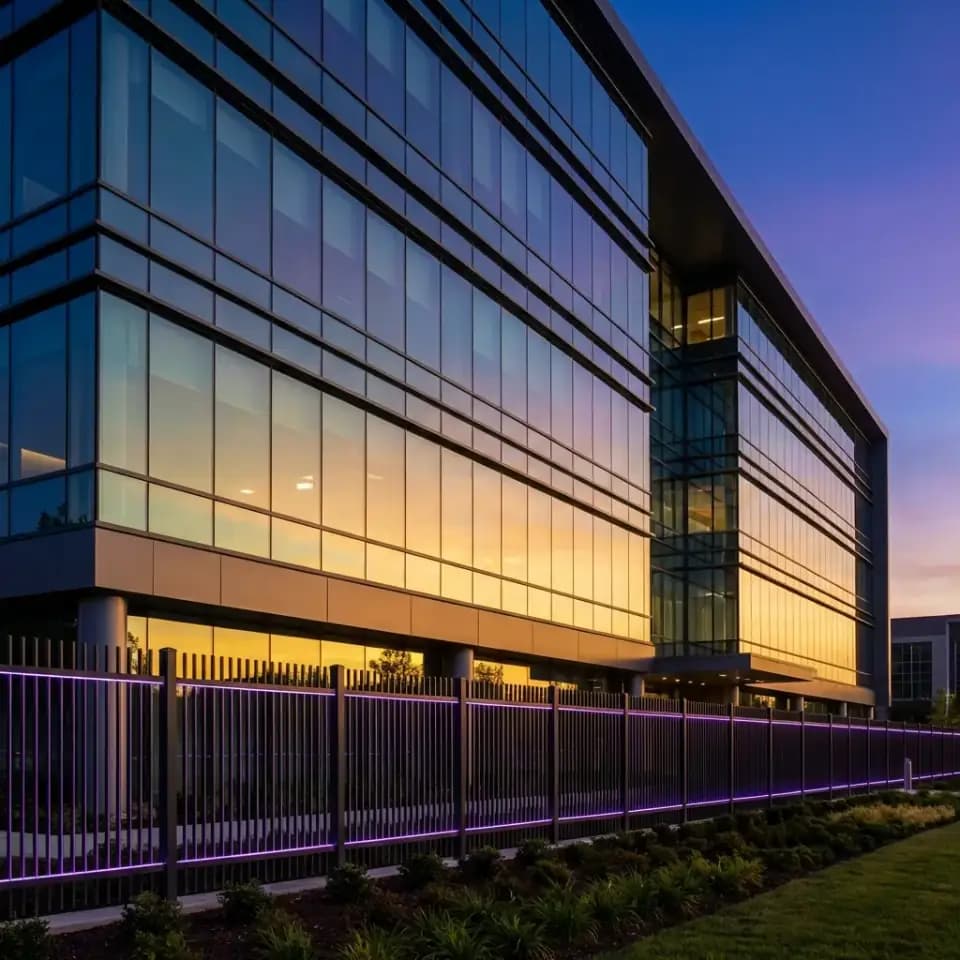
Residential Condominiums

Perimeter Security Fiber Optics

Residential Condominiums

Invisible security for gated communities and apartment complexes, preserving aesthetics while detecting intrusions.

Ideal for applications in Rhode Island

FortSense Distribution Centers

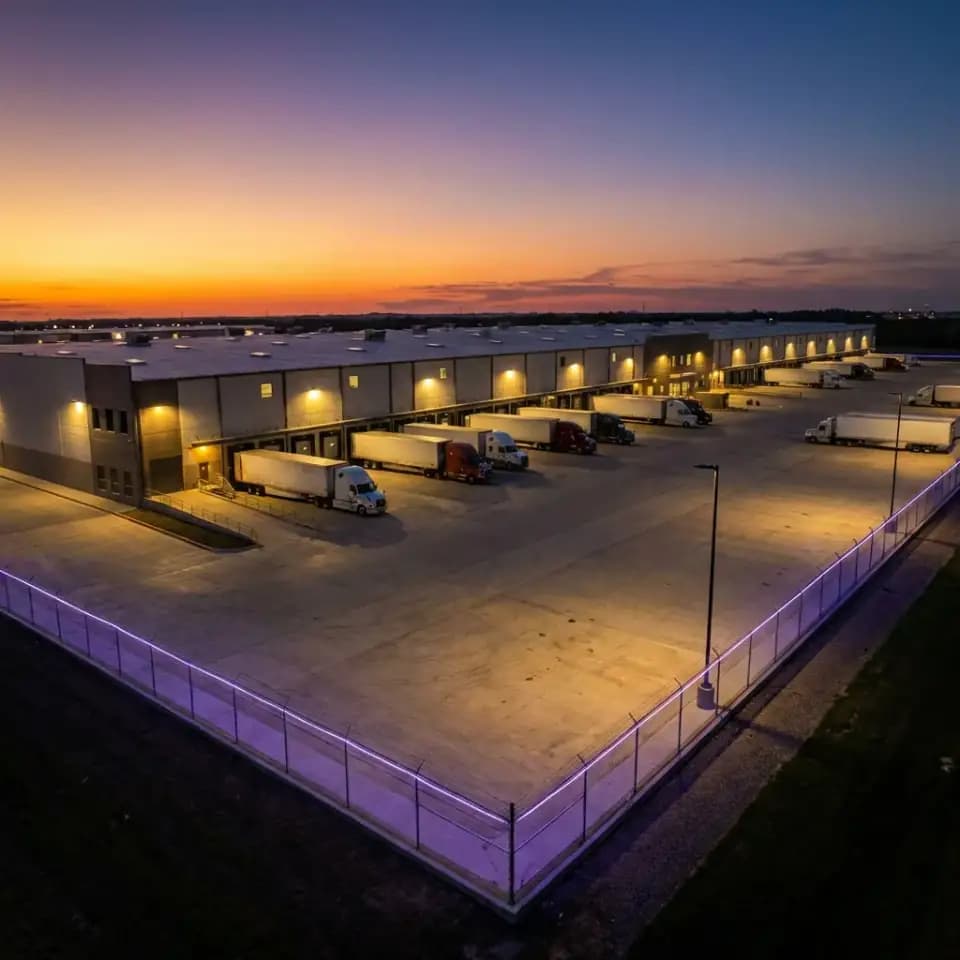
Distribution Centers

Perimeter Security Fiber Optics

Distribution Centers

Security for logistics parks, warehouses, and high-value storage areas, meeting TAPA security standards.

Ideal for applications in Rhode Island

FortSense Critical Infrastructure

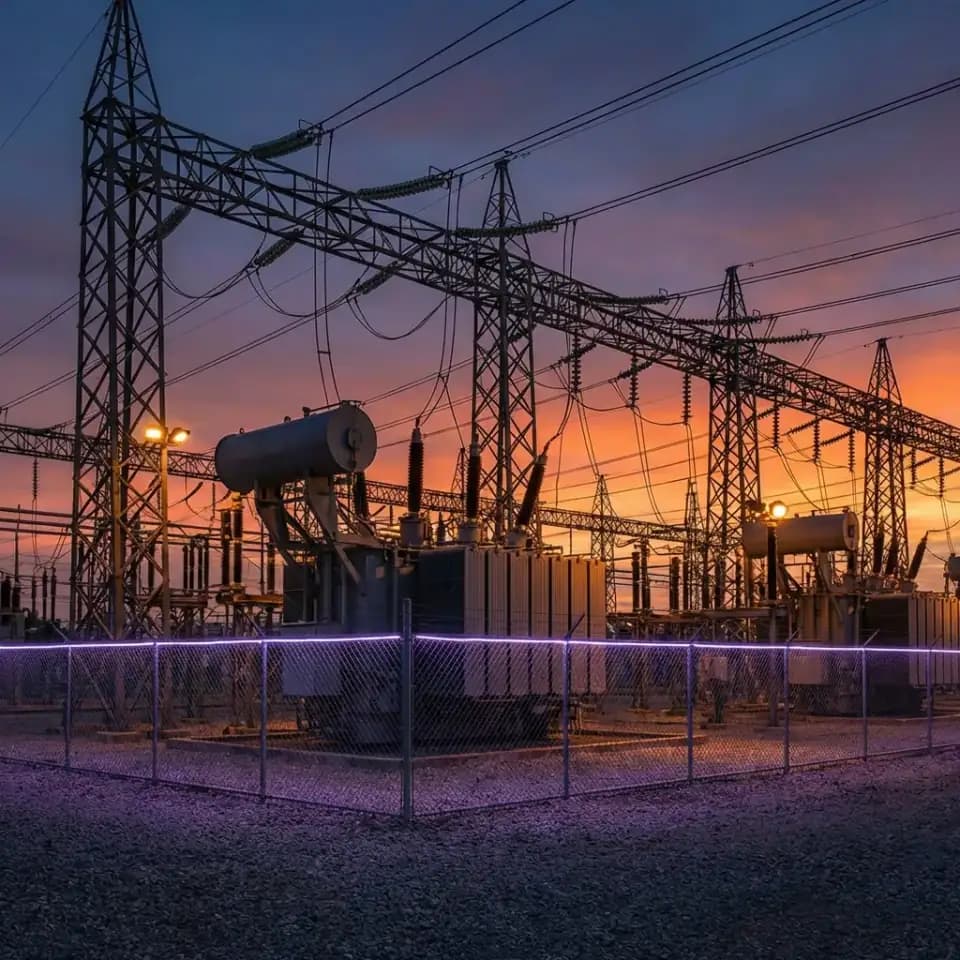
Critical Infrastructure

Perimeter Security Fiber Optics

Critical Infrastructure

EMI-immune monitoring for electrical substations, telecom towers, and unmanned critical assets.

Ideal for applications in Rhode Island

FortSense Corrections & Prisons

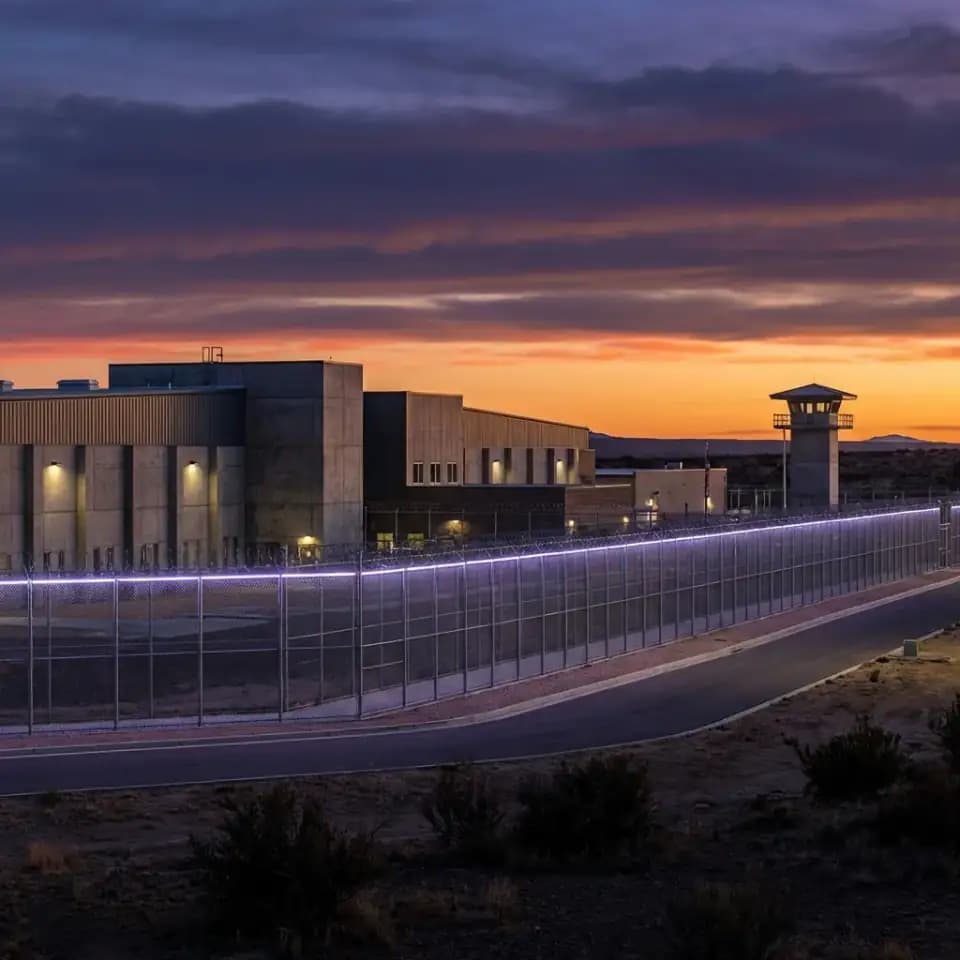
Corrections & Prisons

Perimeter Security Fiber Optics

Corrections & Prisons

Zero-tolerance perimeter security for correctional facilities, detecting escape attempts and breaches.

Ideal for applications in Rhode Island

FortSense Public Sector & Schools

Public Sector & Schools

Perimeter Security Fiber Optics

Public Sector & Schools

Non-invasive security for schools, government buildings, and public facilities with rapid lockdown protocols.

Ideal for applications in Rhode Island

FortSense Perimeter Security for Airports

Perimeter Security for Airports

Perimeter Security Fiber Optics

Perimeter Security for Airports

ICAO-compliant sterile zone enforcement with zero interference to airport radar and navigation systems.

Ideal for applications in Rhode Island

FortSense Mining Operations

Mining Operations

Perimeter Security Fiber Optics

Mining Operations

Ruggedized perimeter security for open-pit mines, ore stockpiles, and remote mining infrastructure.

Ideal for applications in Rhode Island

Local service overview

Perimeter Intrusion Detection for Rhode Island Naval & Port Facilities

FortSense secures Rhode Island's Naval Undersea Warfare Center, Quonset Business Park industrial campus, and Block Island Wind Farm shore connections with fiber optic perimeter detection.

## Economic & Industrial Landscape

Rhode Island generates approximately $65 billion in gross domestic product, and despite being the smallest state by area, it concentrates significant defense, maritime, and corporate assets within its compact borders. The defense sector anchors the economy, with Naval Station Newport serving as the Navy's premier training and education hub, hosting the Naval War College, Officer Training Command, and numerous schools that train thousands of Navy personnel annually.

The Naval Undersea Warfare Center (NUWC) Division Newport is the Navy's full-spectrum research, development, testing, and evaluation center for submarine warfare systems, handling classified programs critical to maintaining US undersea superiority.

Quonset Point and the Davisville port complex in North Kingstown have evolved from their World War II origins into one of the most productive economic zones in New England. The Port of Davisville functions as one of the top automobile import terminals on the East Coast, handling hundreds of thousands of vehicles annually for distribution throughout the northeastern United States. The Quonset Business Park surrounding the port houses over 250 companies employing more than 12,000 workers across manufacturing, technology, and maritime services.

Major corporate headquarters in Rhode Island include Textron (diversified defense and industrial conglomerate) in Providence, CVS Health in Woonsocket, and Citizens Financial Group in Providence. Toray Plastics America operates a major plastics film manufacturing facility in North Kingstown.

## Critical Infrastructure

Naval Station Newport and the NUWC complex occupy extensive waterfront acreage on Aquidneck Island, with facilities that include torpedo testing ranges, submarine combat systems laboratories, and acoustic research centers. The classified nature of submarine warfare research conducted at NUWC places it among the highest-security naval facilities on the East Coast. The Port of Providence handles bulk cargo including petroleum products, scrap metal, and construction materials, with ProvPort managing terminal facilities along the Providence waterfront. Rhode Island T. F.

Green International Airport in Warwick provides commercial aviation access and supports cargo operations for the region.

Rhode Island pioneered America's offshore wind energy industry with the Block Island Wind Farm, the first commercial offshore wind installation in the United States, featuring five 6-megawatt Haliade turbines manufactured by GE. The larger Revolution Wind project, being developed by Orsted and Eversource, will significantly expand offshore wind capacity, with submarine cable landings and onshore interconnection facilities requiring physical protection.

Electric Boat, the General Dynamics subsidiary that builds nuclear submarines, maintains operations that span the Rhode Island-Connecticut border, with supply chain facilities and engineering offices in Rhode Island supporting the submarine construction program at Groton. Raytheon Technologies facilities in the state contribute to the defense electronics sector.

## Security Challenges

Rhode Island's concentrated defense and port infrastructure creates a security environment where high-value assets exist in close proximity. The NUWC Newport complex conducts classified research on submarine sonar systems, torpedo guidance, and undersea warfare technologies that are prime targets for espionage, requiring perimeter security systems that deliver extremely high probability of detection with minimal nuisance alarms. Vehicle import operations at the Port of Davisville involve thousands of automobiles staged across open lots awaiting distribution, creating a persistent theft and vandalism exposure.

The Narragansett Bay shipping channel connects all of Rhode Island's port and naval facilities to the open Atlantic, and maritime security along this waterway involves monitoring approaches to both commercial and military installations.

Offshore wind farm cable landings present a relatively new category of security requirement in the United States. The submarine power cables connecting offshore turbines to the onshore grid come ashore at specific points that, if compromised, could disconnect significant generating capacity. The Quonset Business Park's 250-plus tenants create a complex security environment with mixed industrial, commercial, and maritime activities requiring coordinated perimeter protection.

Drug trafficking through the Port of Providence and cargo theft along the I-95 corridor through Providence add to the state's security pressures.

## Why Fiber Optic PIDS in Rhode Island

Rhode Island's coastal-marine climate exposes security infrastructure to persistent salt air corrosion, hurricane-force winds, and nor'easter storms that deliver heavy snow, ice, and coastal flooding. Narragansett Bay is particularly vulnerable to storm surge, as demonstrated by the catastrophic 1938 Great New England Hurricane and more recent storms that have inundated low-lying port and naval facilities.

Fiber optic sensing cables are inherently resistant to salt corrosion and moisture intrusion that degrades electronic sensor systems in maritime environments, and their passive operation means they continue functioning during the power outages that frequently accompany major coastal storms.

The compact geography of Rhode Island means that fiber optic PIDS can efficiently protect facilities where perimeter security zones overlap with urban and residential areas. Naval Station Newport's perimeter borders civilian neighborhoods, requiring detection technology that precisely distinguishes between genuine intrusion attempts and ambient activity from adjacent areas. The rising sea levels threatening Rhode Island's coastal installations add urgency to deploying security systems that maintain operational capability in increasingly frequent flooding events.

For the Block Island Wind Farm and Revolution Wind cable landing sites, fiber optic sensors can be deployed along buried cable routes to detect both surface intrusions and subsurface excavation attempts.

## Deployment Context

Rhode Island's security requirements concentrate naval defense research at NUWC Newport, automobile import operations at Davisville, offshore wind energy infrastructure including cable landings and substations, and corporate headquarters for Fortune 500 companies within a state measuring just 48 miles long by 37 miles wide.

This density makes fiber optic PIDS particularly effective because a single monitoring center can oversee multiple facilities, and the technology's resistance to the salt air, coastal storms, and flooding that characterize Rhode Island's maritime environment ensures reliable detection year-round across the Ocean State's concentrated critical infrastructure.

Professional perimeter protection for distribution centers, manufacturing, and critical infrastructure in Rhode Island.

  • Quayside & Vessel Berth Security
  • ISPS-Compliant Port Perimeter
  • R&D Campus & IP Protection
  • Naval & Defense Research Facilities

Plan a FortSense assessment for this market

Share the perimeter length, fence type, and monitoring workflow. FortSense can help scope zones, integration points, and commissioning requirements for this location.

Services

Quayside & Vessel Berth Security

Waterside perimeter security for quay walls, vessel berths, and dry dock areas with wave-motion filtering and diver detection capability.

ISPS-Compliant Port Perimeter

International Ship and Port Facility Security (ISPS) compliant fiber optic perimeter detection for port boundaries, restricted zones, and maritime access points.

R&D Campus & IP Protection

High-security perimeter for R&D campuses, pharmaceutical plants, and IP-sensitive manufacturing facilities with tamper-proof fiber and encrypted alarm channels.

Deployment patterns for local sites

How FortSense Works in Rhode Island

Fiber optic perimeter security adapted to local conditions and requirements.

  1. Fiber installed. Passive fiber optic cable mounts on the existing fence or wall with minimal civil work.
  2. Vibration detected. Any contact creates vibration patterns in the fiber so climbing, cutting, or lifting attempts become visible immediately.
  3. AI/DSP verification. Algorithms filter out wind, animals, and environmental noise before an operator ever sees an alarm.
  4. Alarm if intrusion. Only real threats trigger zone-based alarms that can route into the monitoring workflow already used by the site team.

Adapted for Rhode Island. Our local partners understand Rhode Island's climate, terrain, and security challenges. The fiber optic system is configured to filter local environmental conditions while maintaining maximum sensitivity to real intrusion attempts.

Integration and security software fit

FortSense can feed alarms into the monitoring stack a site already uses, including VMS, PSIM, alarm panels, relay inputs, TCP/IP workflows, and camera verification.

  • Zone-based alarms for operators and guard teams
  • Camera and VMS workflows for visual verification
  • Relay or network outputs for existing security systems
  • Software-assisted filtering before dispatch decisions

Industries in this market

Relevant FortSense industry and use-case paths connected to this location.

  • Naval & Defense Research Facilities
  • Auto Import Port & Industrial Parks
  • Offshore Wind Energy Infrastructure
  • Distribution Center Perimeter Security
  • Solar Farm Perimeter Security
  • Perimeter Security for Critical Infrastructure

Why FortSense fits in Perimeter Security in Rhode Island

FortSense is designed for perimeter security work where false-alarm reduction, passive fiber sensing, and practical integration matter more than adding another camera-only layer.

  • Passive fiber on existing fences, walls, or perimeter structures
  • AI/DSP filtering for wind, vibration, and environmental noise
  • Zone-level alerts that can match the site's response model
  • Support for design, integration, commissioning, and handover

Market notes

Practical details that help this page stay specific to the market instead of drifting into generic copy.

  • Naval & Defense Research Facilities
  • Auto Import Port & Industrial Parks
  • Offshore Wind Energy Infrastructure
  • Quayside & Vessel Berth Security

Related FortSense paths

Related technical content and commercial guidance linked from this location page.

Frequently Asked Questions (FAQ)

Frequently Asked Questions (FAQ) — Rhode Island

Can FortSense detect unauthorized vessel approaches to berth areas?

When installed on quay walls and fender systems, FortSense detects unusual impact patterns from unauthorized vessels attempting to berth. This complements marine radar by providing a final confirmation layer at the physical port boundary.

Does FortSense meet ISPS Code requirements for port security?

Yes. Our system supports International Ship and Port Facility Security (ISPS) Code compliance by providing continuous perimeter monitoring, zone-based alarm management, and integration with port facility security plans (PFSP) at all MARSEC levels.

Can the system detect waterside intrusion attempts?

Yes. FortSense fiber installed on quay walls and waterside barriers detects climbing from the water, impact from small vessels, and diver activity. Our wave-motion filtering algorithms eliminate false alarms from tidal movements and boat wash.

Is the system effective against coordinated theft from warehouse complexes?

Yes. Multi-zone detection covers all warehouse perimeters simultaneously with independent alarm zones. The system detects fence breaches, loading dock intrusion, and roof access attempts — addressing the multiple entry vectors used in organized theft operations.

Is the system affected by coastal fog and reduced visibility?

Not at all. FortSense operates entirely by vibration sensing — visibility is irrelevant. While cameras lose effectiveness in fog, our fiber optic system maintains full detection capability 24/7, making it ideal for fog-prone coastal installations.

Local perimeter assessment

Request Perimeter Assessment in Rhode Island

Receive a technical proposal, deployment design, and integration plan.

Perimeter Intrusion Detection for Rhode Island Naval & Port…