


Fiber Optic Perimeter Security in Tennessee: Perimeter Intrusion Detection for Tennessee Manufacturing & Nuclear Facilities

Protecting the Y-12 nuclear weapons complex, FedEx World Hub, and automotive assembly plants across the Volunteer State's booming economy

Applications

Perimeter Security Fiber Optics Ideal for Applications in Tennessee

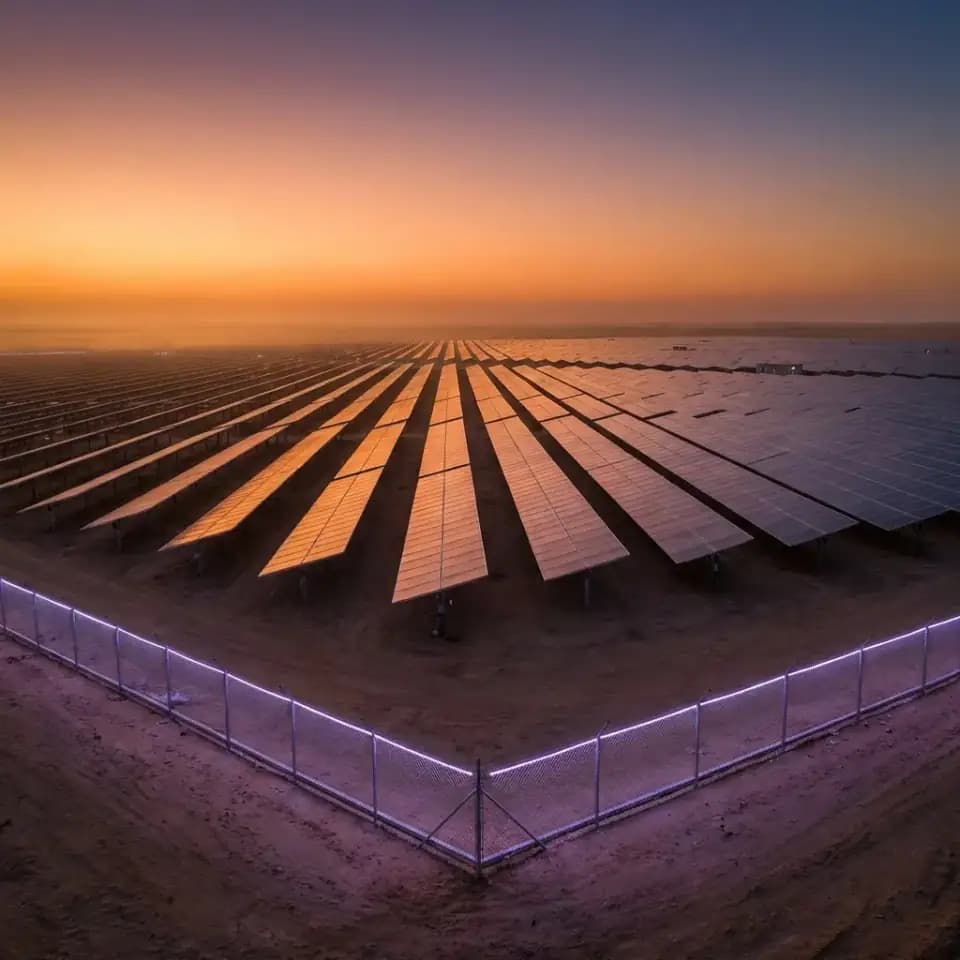
FortSense Solar & Renewables

Solar & Renewables

Perimeter Security Fiber Optics

Solar & Renewables

Autonomous perimeter monitoring for solar plants, protecting against theft of panels, copper cables, and inverters.

Ideal for applications in Tennessee

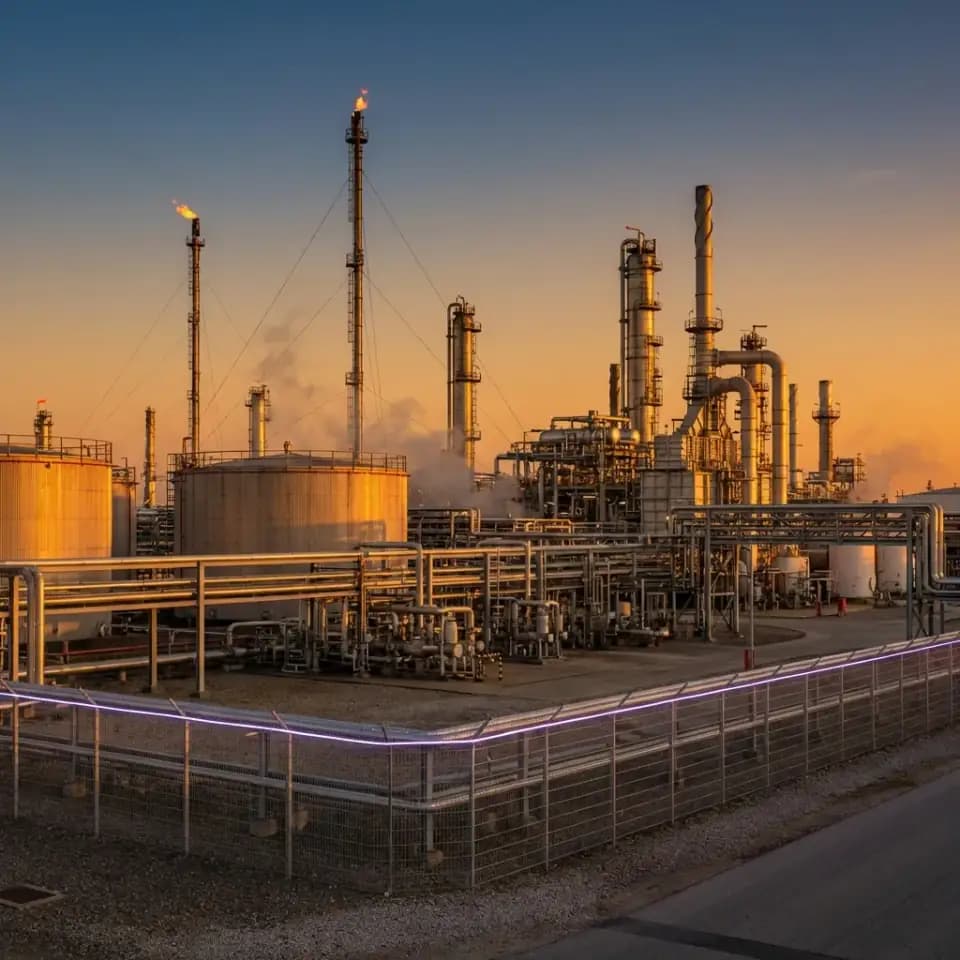
FortSense Oil & Gas

Oil & Gas

Perimeter Security Fiber Optics

Oil & Gas

Intrinsically safe perimeter detection for refineries, chemical plants, and fuel storage depots.

Ideal for applications in Tennessee

FortSense Ports & Maritime

Ports & Maritime

Perimeter Security Fiber Optics

Ports & Maritime

ISPS-compliant security for cargo containers, fuel depots, and docked vessels in harsh marine environments.

Ideal for applications in Tennessee

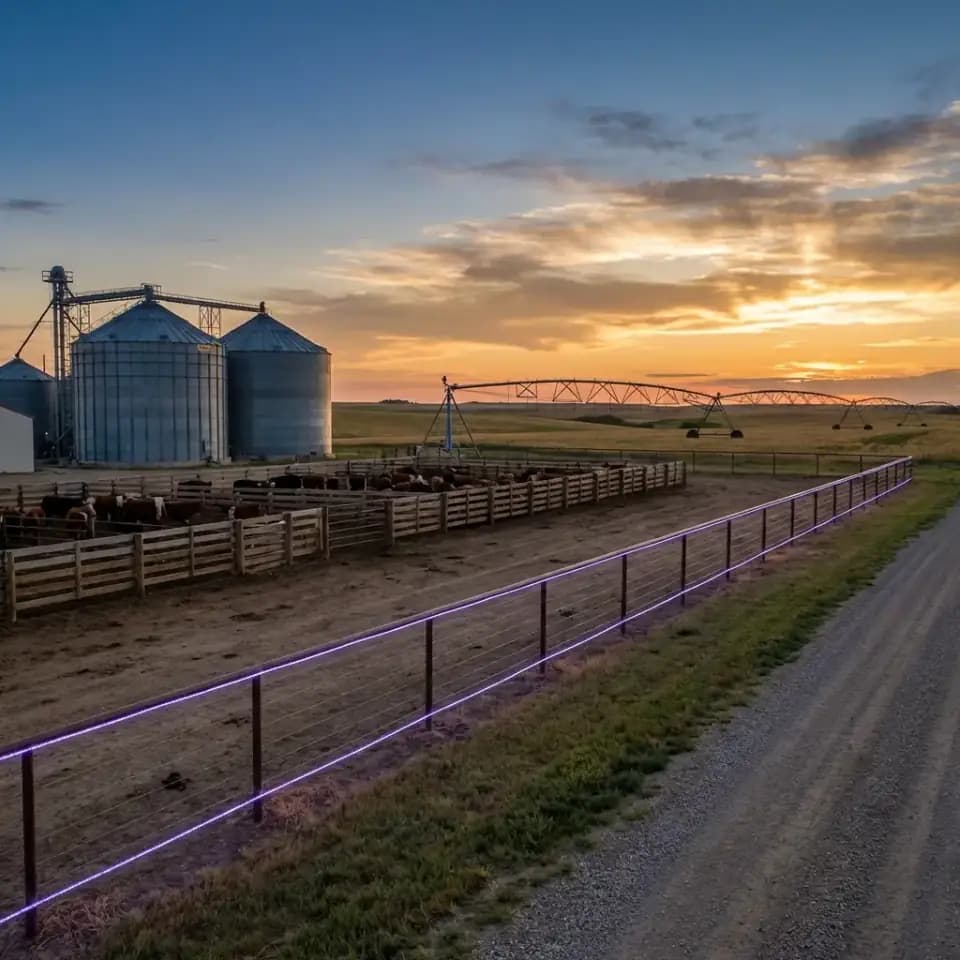
FortSense Agriculture

Agriculture

Perimeter Security Fiber Optics

Agriculture

Fire detection and security for farms, livestock pens, pivot irrigation systems, and rural assets.

Ideal for applications in Tennessee

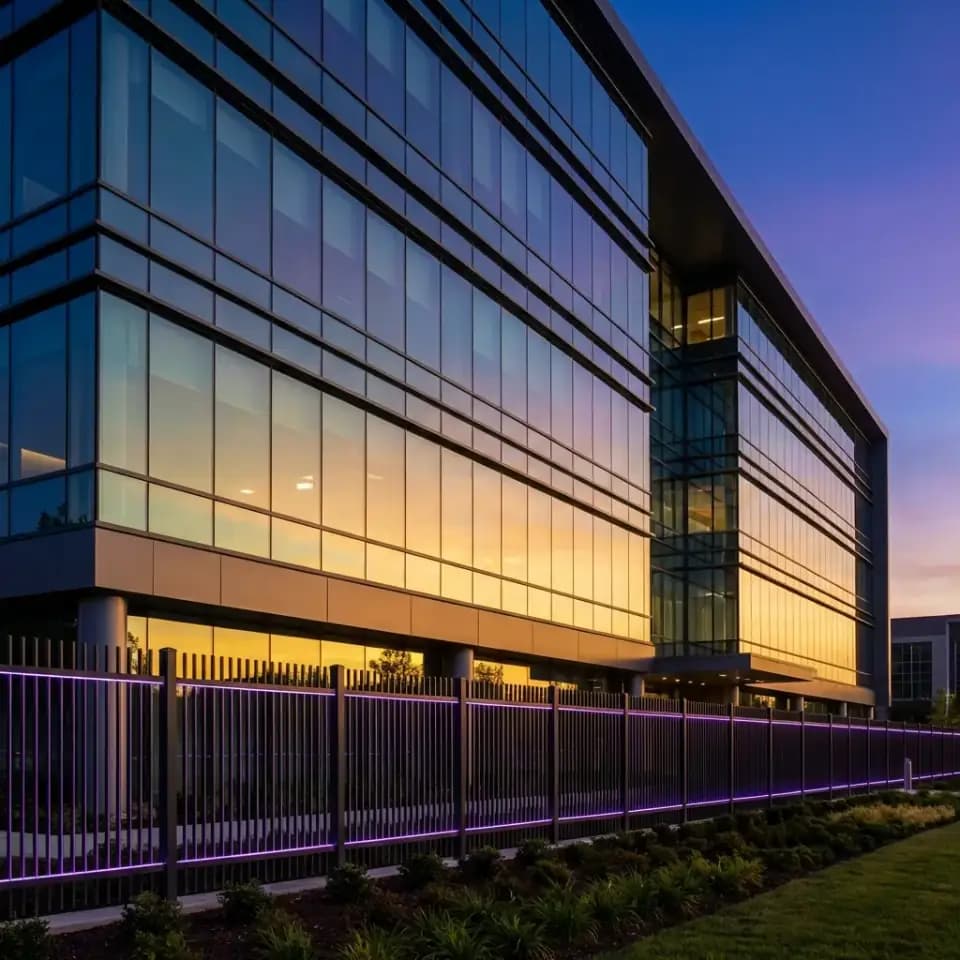
FortSense Financial Sector

Financial Sector

Perimeter Security Fiber Optics

Financial Sector

High-security perimeter protection for banks, vaults, administrative centers, and ATM areas.

Ideal for applications in Tennessee

FortSense Residential Condominiums

Residential Condominiums

Perimeter Security Fiber Optics

Residential Condominiums

Invisible security for gated communities and apartment complexes, preserving aesthetics while detecting intrusions.

Ideal for applications in Tennessee

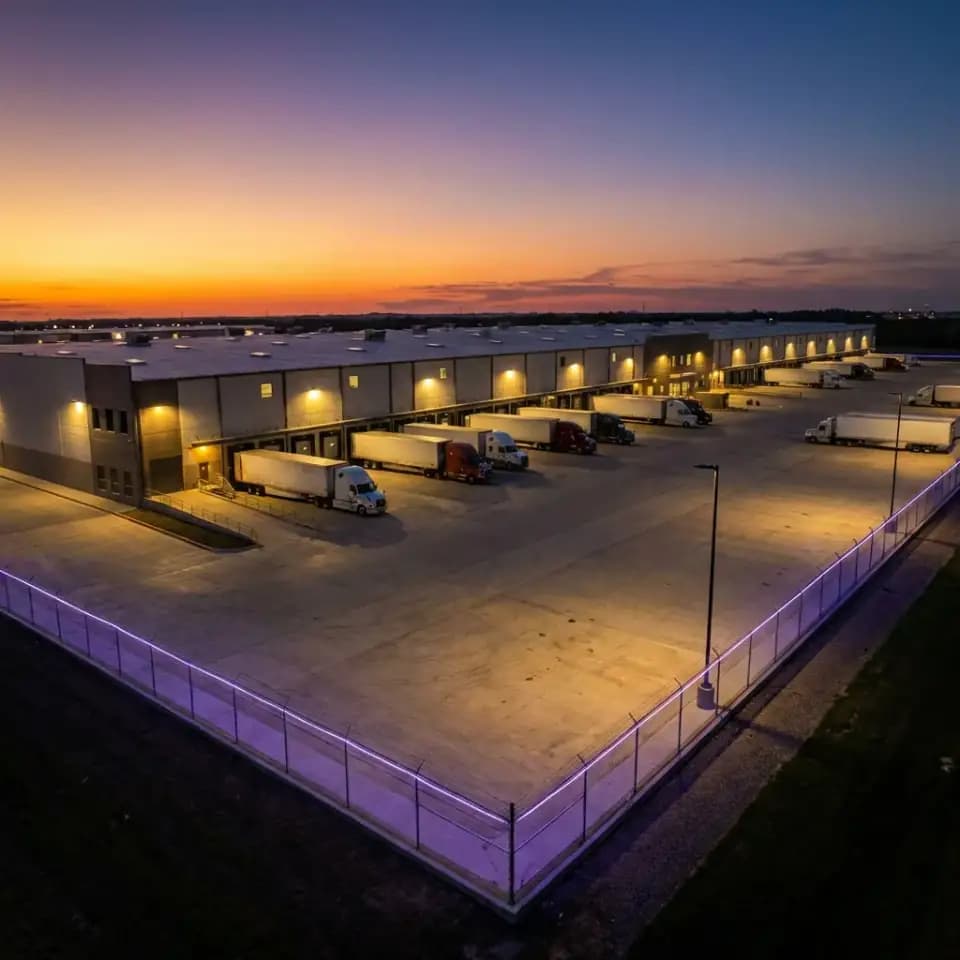
FortSense Distribution Centers

Distribution Centers

Perimeter Security Fiber Optics

Distribution Centers

Security for logistics parks, warehouses, and high-value storage areas, meeting TAPA security standards.

Ideal for applications in Tennessee

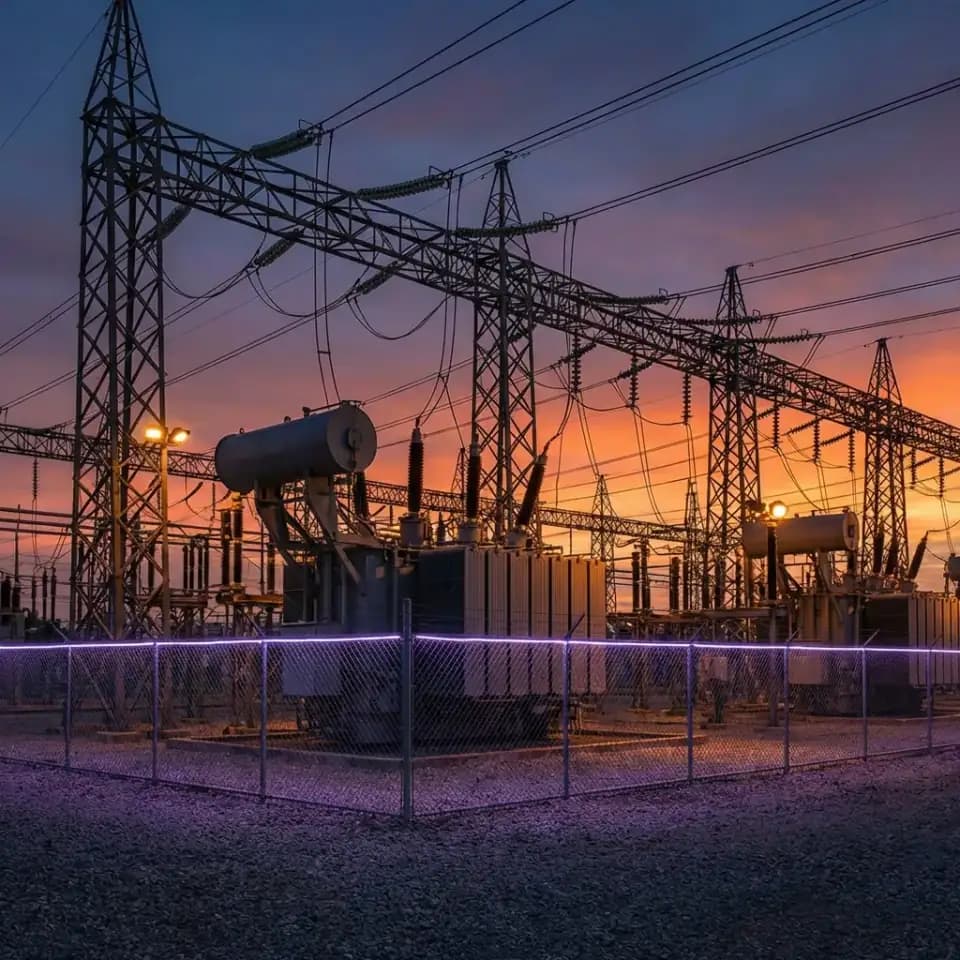
FortSense Critical Infrastructure

Critical Infrastructure

Perimeter Security Fiber Optics

Critical Infrastructure

EMI-immune monitoring for electrical substations, telecom towers, and unmanned critical assets.

Ideal for applications in Tennessee

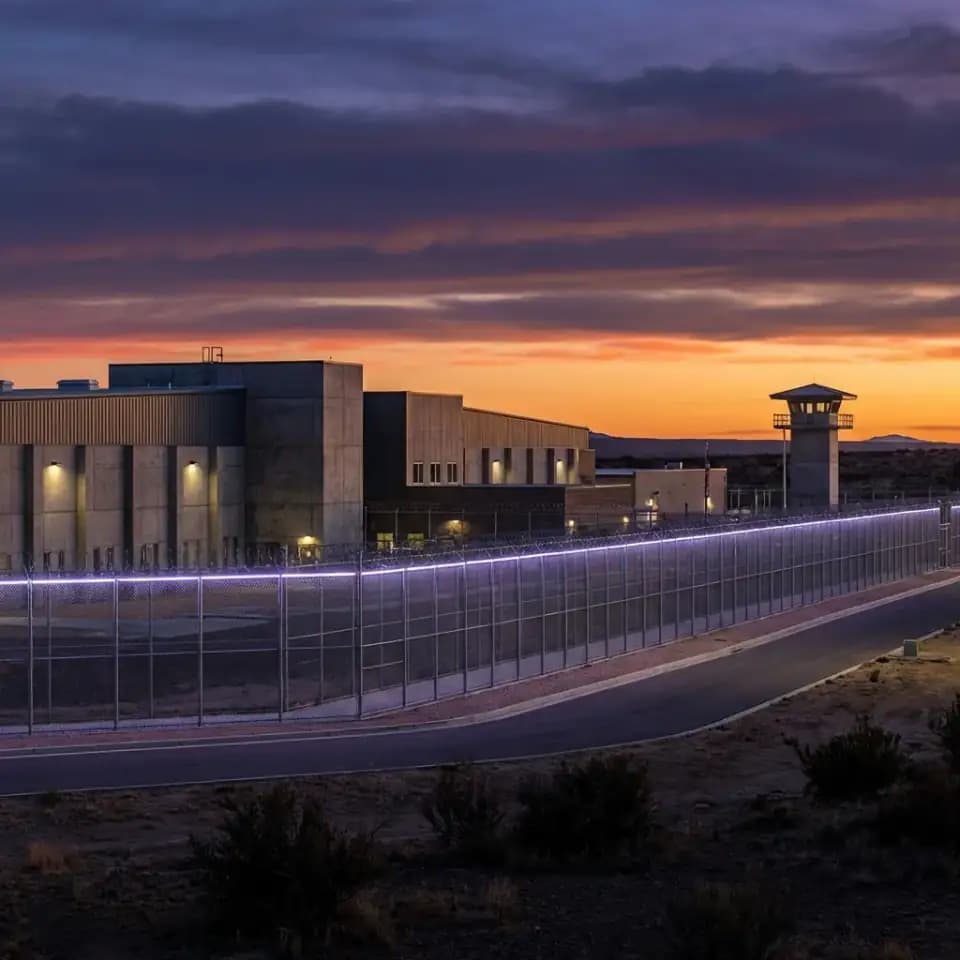
FortSense Corrections & Prisons

Corrections & Prisons

Perimeter Security Fiber Optics

Corrections & Prisons

Zero-tolerance perimeter security for correctional facilities, detecting escape attempts and breaches.

Ideal for applications in Tennessee

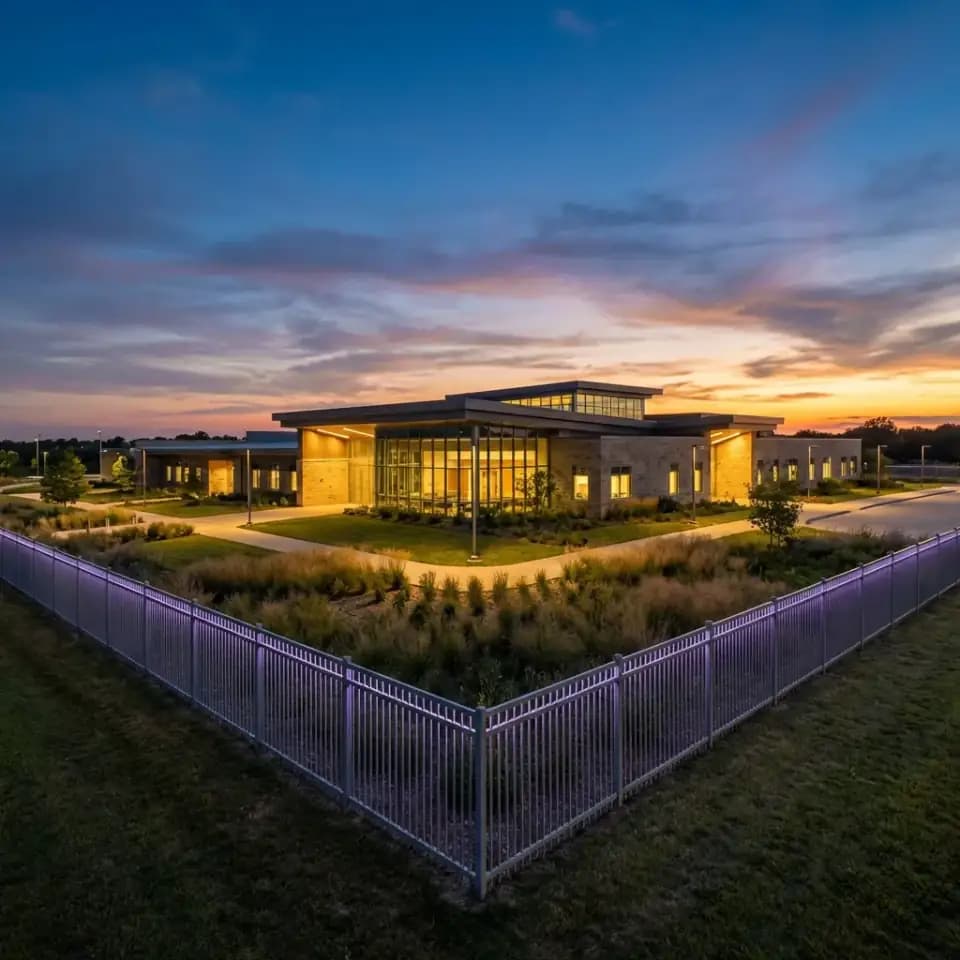
FortSense Public Sector & Schools

Public Sector & Schools

Perimeter Security Fiber Optics

Public Sector & Schools

Non-invasive security for schools, government buildings, and public facilities with rapid lockdown protocols.

Ideal for applications in Tennessee

FortSense Perimeter Security for Airports

Perimeter Security for Airports

Perimeter Security Fiber Optics

Perimeter Security for Airports

ICAO-compliant sterile zone enforcement with zero interference to airport radar and navigation systems.

Ideal for applications in Tennessee

FortSense Mining Operations

Mining Operations

Perimeter Security Fiber Optics

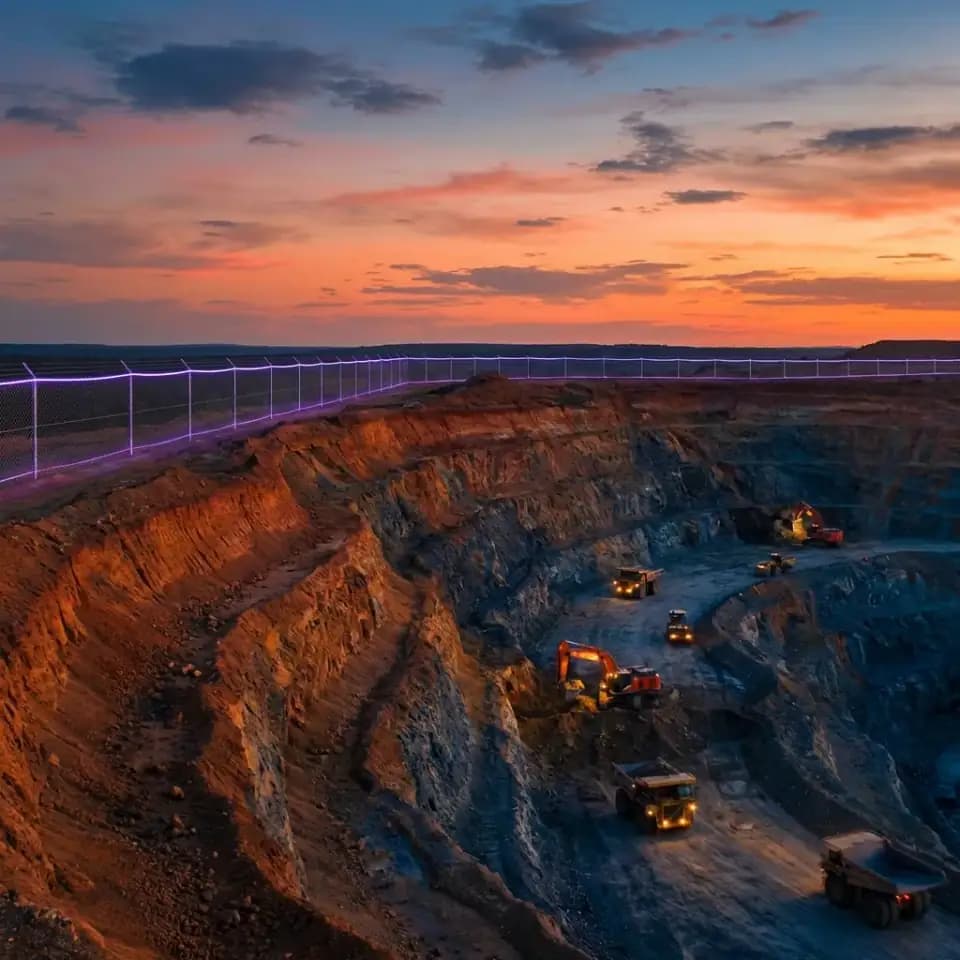
Mining Operations

Ruggedized perimeter security for open-pit mines, ore stockpiles, and remote mining infrastructure.

Ideal for applications in Tennessee

Local service overview

Perimeter Intrusion Detection for Tennessee Manufacturing & Nuclear Facilities

FortSense secures Tennessee's Oak Ridge nuclear complex, Memphis FedEx logistics hub, and Nissan-VW-GM automotive plants with advanced fiber optic perimeter intrusion detection.

## Economic & Industrial Landscape

Tennessee generates approximately $420 billion in gross domestic product, driven by a diverse economy that spans automotive manufacturing, healthcare management, logistics, nuclear technology, and a booming technology sector. The state has emerged as a major automotive manufacturing hub: Nissan's Smyrna plant is one of the most productive automobile assembly facilities in the United States, while Nissan North America maintains its headquarters in Franklin.

General Motors' Spring Hill Manufacturing plant produces the Cadillac Lyriq electric vehicle and GMC Acadia, and Volkswagen's Chattanooga Assembly Plant represents the German automaker's only US manufacturing facility. The I-65 corridor from Nashville to the Alabama border has developed into a dense automotive supply chain corridor, with hundreds of parts suppliers feeding the major assembly operations.

Nashville has evolved into a corporate headquarters magnet, anchoring what has become America's healthcare industry capital. HCA Healthcare, the world's largest for-profit hospital operator, is headquartered in Nashville along with dozens of other healthcare companies. AllianceBernstein relocated its headquarters from New York City to Nashville, and Oracle has established a major cloud campus in the city.

Memphis is a global logistics capital: the FedEx World Hub at Memphis International Airport was the largest cargo airport in the United States for over two decades, and the Port of Memphis on the Mississippi River is the fourth-largest inland port in the nation. Tennessee has no state income tax on wages, a policy that has accelerated corporate relocations and population growth.

## Critical Infrastructure

The Oak Ridge complex in eastern Tennessee houses two of the most sensitive facilities in the US nuclear enterprise. The Y-12 National Security Complex manufactures and maintains components for the nation's nuclear weapons stockpile, processing highly enriched uranium in operations that are classified at the highest security levels. Adjacent to Y-12, Oak Ridge National Laboratory (ORNL) is the Department of Energy's largest science and energy laboratory, operating the Frontier supercomputer, which upon its deployment was the world's most powerful computer.

The Arnold Engineering Development Complex in Tullahoma is the Air Force's premier aerospace ground testing facility, operating wind tunnels and propulsion test cells that evaluate military aircraft and rocket systems.

The Tennessee Valley Authority (TVA) operates one of the nation's largest power generation systems, including the Watts Bar Nuclear Plant near Spring City and the Sequoyah Nuclear Plant near Soddy-Daisy, along with dozens of hydroelectric dams, natural gas plants, and coal-fired generating stations across the Tennessee River valley. Data center expansion is accelerating: Meta operates a major facility in Gallatin, and Google is building a data center in Clarksville. The Wacker Polysilicon plant in Bradley County produces polycrystalline silicon for the global solar panel industry.

Eastman Chemical Company's massive operations in Kingsport anchor the chemical manufacturing sector in northeast Tennessee.

## Security Challenges

Memphis holds the distinction of being one of the highest cargo theft cities in the United States, a direct consequence of its role as the national center for air and river freight logistics. The FedEx World Hub processes millions of packages nightly, including high-value electronics, pharmaceuticals, and luxury goods that attract organized theft operations. The I-40 corridor from Memphis through Nashville to Knoxville serves as a primary east-west freight route where cargo theft, truck hijacking, and drug trafficking converge.

Construction site theft in the booming Nashville metropolitan area, one of the fastest-growing cities in the United States, has escalated as residential and commercial development outpaces security infrastructure deployment.

The Y-12 National Security Complex presents perhaps the most demanding perimeter security requirement of any facility in the United States outside of active military nuclear weapons storage sites. A 2012 security breach at Y-12, when an 82-year-old nun and two companions cut through perimeter fences and reached a highly enriched uranium storage building, exposed critical gaps in the facility's physical protection system and triggered a complete overhaul of security protocols. Nuclear plant perimeter security at Watts Bar and Sequoyah is governed by NRC requirements.

Catalytic converter theft has become a major problem across the state, and chemical plant security at Eastman Chemical and Wacker Polysilicon involves protecting facilities that store hazardous materials in significant quantities.

## Why Fiber Optic PIDS in Tennessee

Tennessee's position in the secondary tornado zone, combined with severe thunderstorm activity and flash flooding risks, creates environmental conditions that challenge conventional electronic security systems. The catastrophic 2010 Nashville flood, which caused over $2 billion in damage, demonstrated the vulnerability of ground-level electronic security infrastructure to sudden, extreme water events. Ice storms periodically affect central and eastern Tennessee, coating security sensors and power lines with ice that disables active electronic detection systems.

Fiber optic perimeter intrusion detection cables maintain operational capability through flooding, ice, and storm conditions because the glass fiber sensing element is immune to water infiltration and requires no electrical power at the detection point.

The security demands of the Y-12 complex and Oak Ridge National Laboratory require detection technology that delivers the highest possible probability of detection with the lowest possible nuisance alarm rate. Fiber optic PIDS technology provides continuous, gap-free perimeter monitoring that can distinguish between genuine intrusion attempts and environmental disturbances caused by weather, wildlife, or vegetation movement.

For the automotive assembly plants, where electromagnetic noise from welding robots and stamping presses can interfere with electronic sensors, fiber optic cables are completely immune to electromagnetic interference, maintaining reliable detection in heavy industrial environments.

## Deployment Context

Tennessee's perimeter security requirements range from the absolute highest tier at the Y-12 nuclear weapons complex and ORNL to the sprawling logistics operations at the FedEx World Hub in Memphis, from the automotive assembly plants along the I-65 corridor to the TVA nuclear power stations and chemical manufacturing facilities in the eastern part of the state.

Fiber optic PIDS technology provides the detection reliability, environmental resilience, and electromagnetic immunity that this diverse infrastructure portfolio demands, performing consistently across Tennessee's variable climate from the Mississippi River floodplain to the Appalachian ridges.

Professional perimeter protection for distribution centers, manufacturing, and critical infrastructure in Tennessee.

  • Warehouse Complex & Distribution Center
  • R&D Campus & IP Protection
  • Cold Storage & Warehouse Perimeter
  • Nuclear Weapons & National Laboratory Complexes

Plan a FortSense assessment for this market

Share the perimeter length, fence type, and monitoring workflow. FortSense can help scope zones, integration points, and commissioning requirements for this location.

Services

Warehouse Complex & Distribution Center

Multi-zone fiber optic fencing for warehouse complexes and distribution centers with integration to inventory management and access control systems.

R&D Campus & IP Protection

High-security perimeter for R&D campuses, pharmaceutical plants, and IP-sensitive manufacturing facilities with tamper-proof fiber and encrypted alarm channels.

Cold Storage & Warehouse Perimeter

All-weather fiber optic fencing for cold storage facilities (-40°C rated), distribution warehouses, and fulfillment centers with zone-based alarm priority.

Deployment patterns for local sites

How FortSense Works in Tennessee

Fiber optic perimeter security adapted to local conditions and requirements.

  1. Fiber installed. Passive fiber optic cable mounts on the existing fence or wall with minimal civil work.
  2. Vibration detected. Any contact creates vibration patterns in the fiber so climbing, cutting, or lifting attempts become visible immediately.
  3. AI/DSP verification. Algorithms filter out wind, animals, and environmental noise before an operator ever sees an alarm.
  4. Alarm if intrusion. Only real threats trigger zone-based alarms that can route into the monitoring workflow already used by the site team.

Adapted for Tennessee. Our local partners understand Tennessee's climate, terrain, and security challenges. The fiber optic system is configured to filter local environmental conditions while maintaining maximum sensitivity to real intrusion attempts.

Integration and security software fit

FortSense can feed alarms into the monitoring stack a site already uses, including VMS, PSIM, alarm panels, relay inputs, TCP/IP workflows, and camera verification.

  • Zone-based alarms for operators and guard teams
  • Camera and VMS workflows for visual verification
  • Relay or network outputs for existing security systems
  • Software-assisted filtering before dispatch decisions

Industries in this market

Relevant FortSense industry and use-case paths connected to this location.

  • Nuclear Weapons & National Laboratory Complexes
  • Automotive Manufacturing Plants
  • Air Cargo & Logistics Hub Facilities
  • Distribution Center Perimeter Security
  • Solar Farm Perimeter Security
  • Perimeter Security for Critical Infrastructure

Why FortSense fits in Perimeter Security in Tennessee

FortSense is designed for perimeter security work where false-alarm reduction, passive fiber sensing, and practical integration matter more than adding another camera-only layer.

  • Passive fiber on existing fences, walls, or perimeter structures
  • AI/DSP filtering for wind, vibration, and environmental noise
  • Zone-level alerts that can match the site's response model
  • Support for design, integration, commissioning, and handover

Market notes

Practical details that help this page stay specific to the market instead of drifting into generic copy.

  • Nuclear Weapons & National Laboratory Complexes
  • Automotive Manufacturing Plants
  • Air Cargo & Logistics Hub Facilities
  • Warehouse Complex & Distribution Center

Related FortSense paths

Related technical content and commercial guidance linked from this location page.

Frequently Asked Questions (FAQ)

Frequently Asked Questions (FAQ) — Tennessee

How does the system handle vibration from heavy manufacturing equipment?

Our industrial algorithm continuously learns the vibration profile of your factory — presses, CNC machines, forklifts, HVAC systems. These known patterns are filtered from the detection baseline, maintaining a low false alarm rate even in vibration-intensive environments.

What is the false alarm rate in an industrial environment?

Properly calibrated FortSense systems achieve Nuisance Alarm Rates (NAR) below 1 per zone per day in industrial environments. Our AI-based filtering adapts to site-specific conditions over the first 2-4 weeks, continuously improving accuracy.

Can the system secure multiple buildings in an industrial park?

Yes. The fiber cable can be routed through multiple perimeters within a single industrial park — factory buildings, warehouses, parking areas, and utility compounds — all monitored from one interrogator with independent alarm zones per building.

Does the system cover both pedestrian and vehicle-borne intrusion attempts?

Yes. FortSense detects the full spectrum of breach methods: fence climbing, cutting with hand or power tools, vehicle ram attacks, and even low-crawl attempts under fencing. Each threat type generates a classified alarm for appropriate response escalation.

How does the system adapt to seasonal weather changes?

FortSense continuously learns and adapts to seasonal conditions — from summer heat to winter cold, rain to snow. The algorithm automatically adjusts detection baselines as weather patterns change, maintaining consistent performance year-round without manual intervention.

Local perimeter assessment

Request Perimeter Assessment in Tennessee

Receive a technical proposal, deployment design, and integration plan.

Perimeter Intrusion Detection for Tennessee Manufacturing &…