


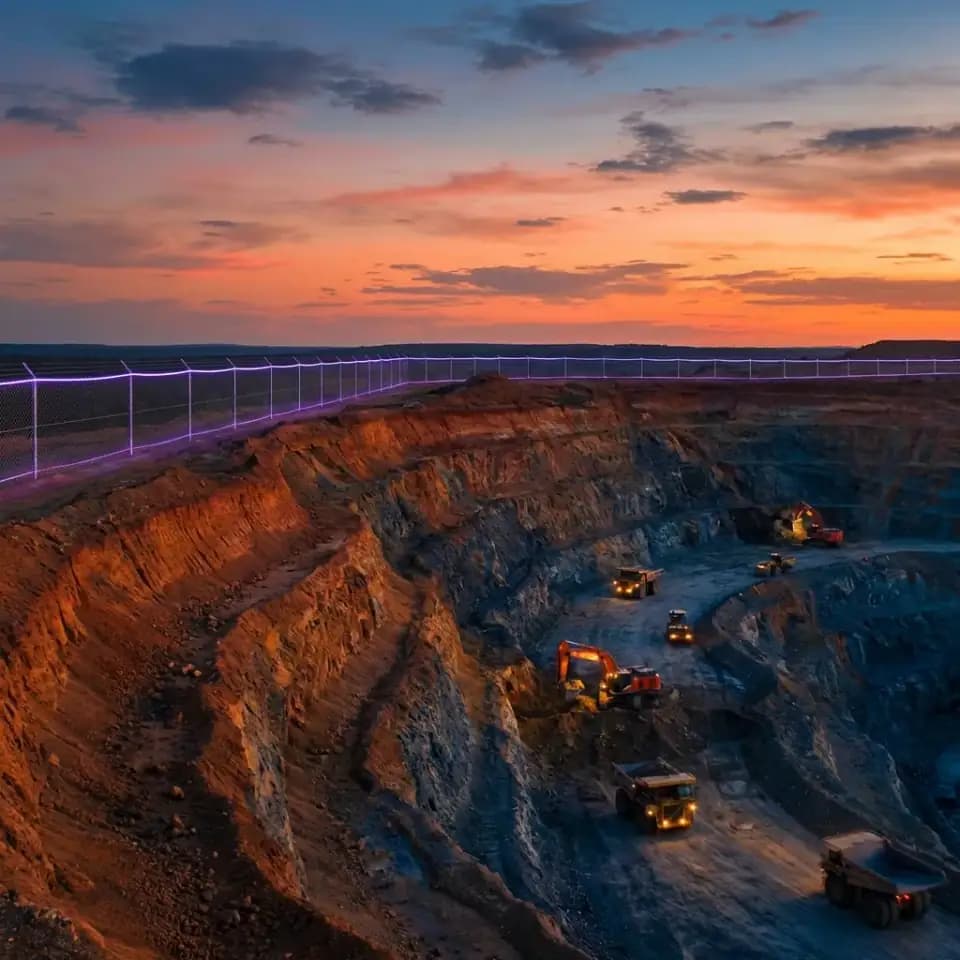
Fiber Optic Perimeter Security in Utah: Fiber Optic Perimeter Security for Utah Mining & Defense Operations

Securing the Bingham Canyon copper mine, NSA Utah Data Center, and aerospace manufacturing along the Wasatch Front

Applications

Perimeter Security Fiber Optics Ideal for Applications in Utah

FortSense Solar & Renewables

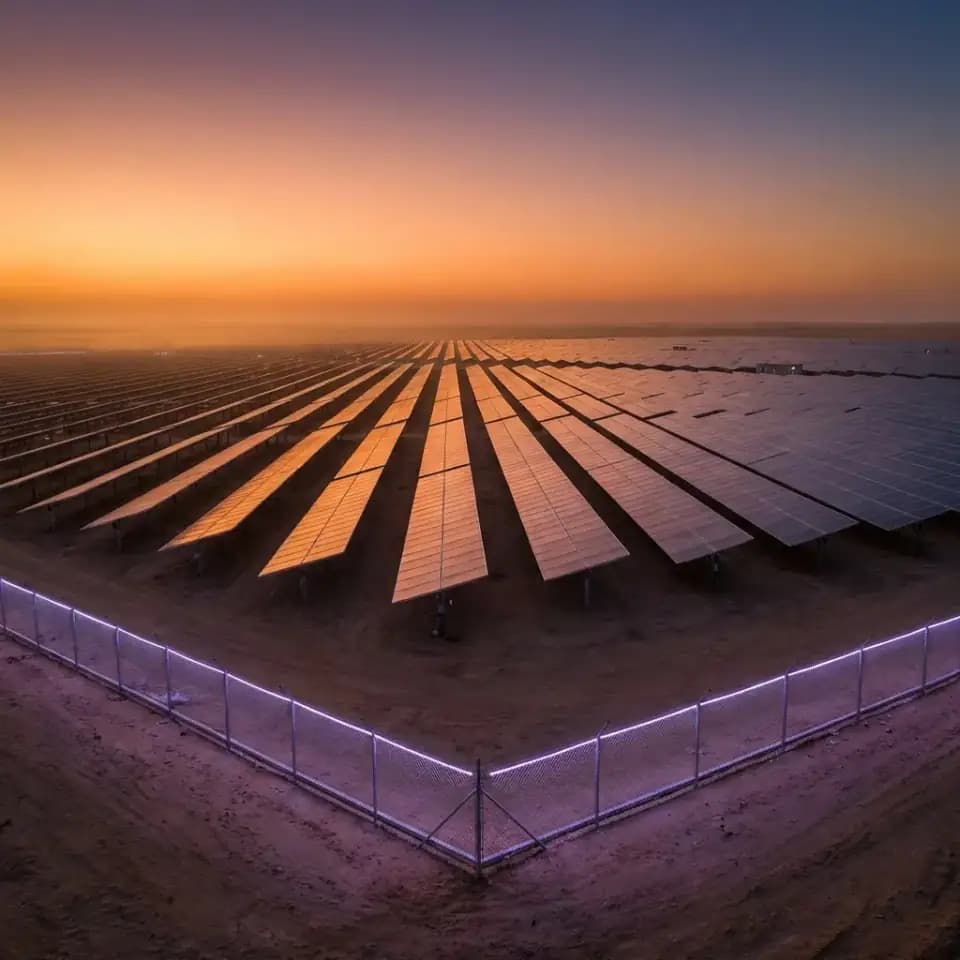
Solar & Renewables

Perimeter Security Fiber Optics

Solar & Renewables

Autonomous perimeter monitoring for solar plants, protecting against theft of panels, copper cables, and inverters.

Ideal for applications in Utah

FortSense Oil & Gas

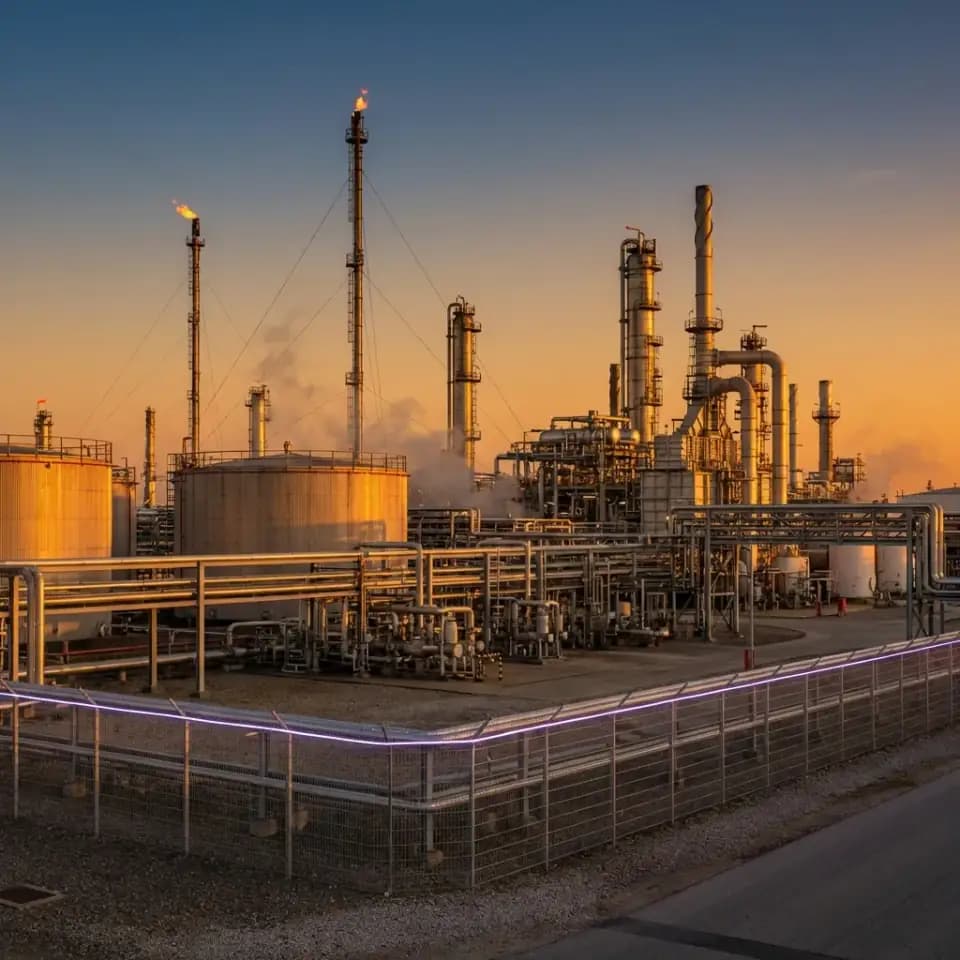
Oil & Gas

Perimeter Security Fiber Optics

Oil & Gas

Intrinsically safe perimeter detection for refineries, chemical plants, and fuel storage depots.

Ideal for applications in Utah

FortSense Ports & Maritime

Ports & Maritime

Perimeter Security Fiber Optics

Ports & Maritime

ISPS-compliant security for cargo containers, fuel depots, and docked vessels in harsh marine environments.

Ideal for applications in Utah

FortSense Agriculture

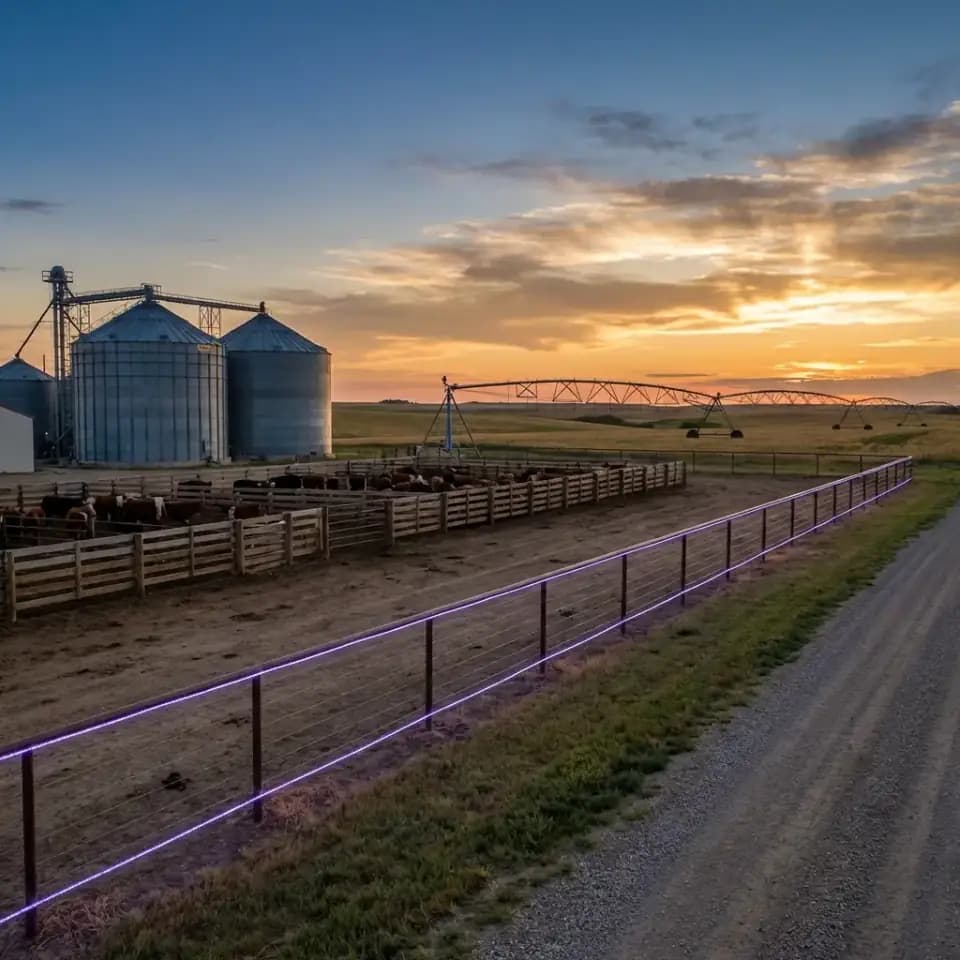
Agriculture

Perimeter Security Fiber Optics

Agriculture

Fire detection and security for farms, livestock pens, pivot irrigation systems, and rural assets.

Ideal for applications in Utah

FortSense Financial Sector

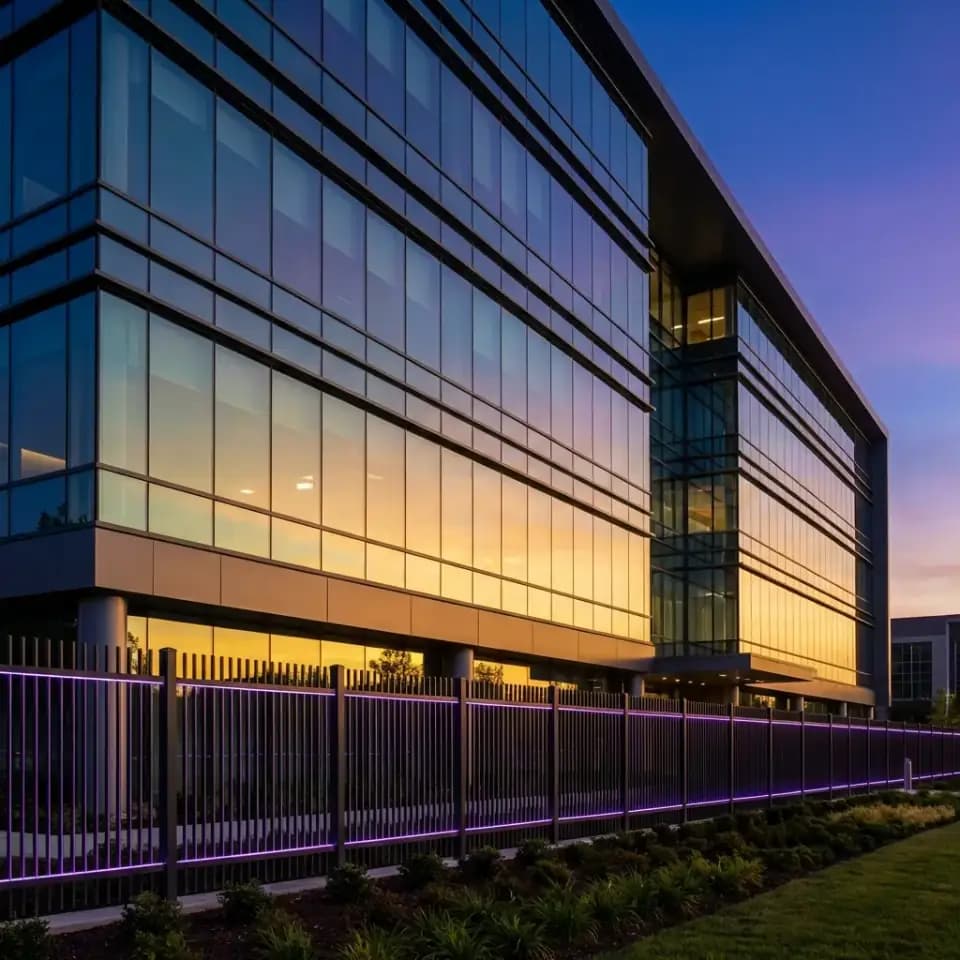
Financial Sector

Perimeter Security Fiber Optics

Financial Sector

High-security perimeter protection for banks, vaults, administrative centers, and ATM areas.

Ideal for applications in Utah

FortSense Residential Condominiums

Residential Condominiums

Perimeter Security Fiber Optics

Residential Condominiums

Invisible security for gated communities and apartment complexes, preserving aesthetics while detecting intrusions.

Ideal for applications in Utah

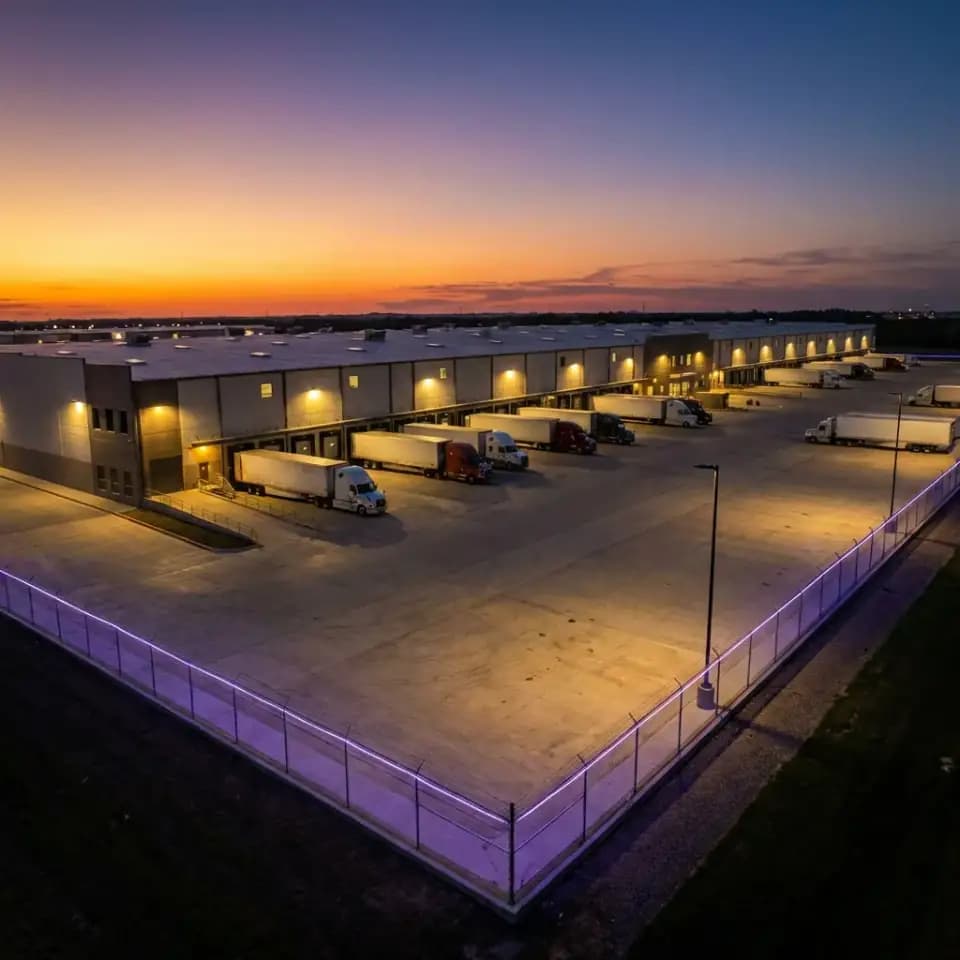
FortSense Distribution Centers

Distribution Centers

Perimeter Security Fiber Optics

Distribution Centers

Security for logistics parks, warehouses, and high-value storage areas, meeting TAPA security standards.

Ideal for applications in Utah

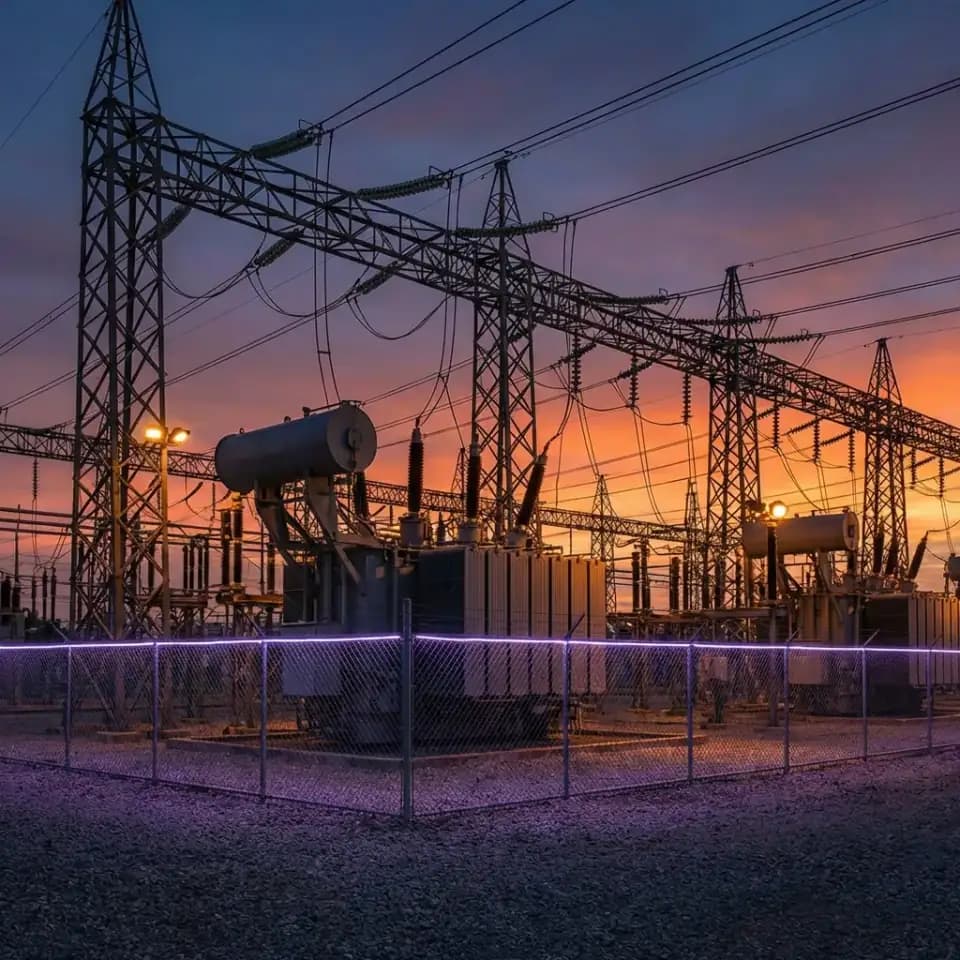
FortSense Critical Infrastructure

Critical Infrastructure

Perimeter Security Fiber Optics

Critical Infrastructure

EMI-immune monitoring for electrical substations, telecom towers, and unmanned critical assets.

Ideal for applications in Utah

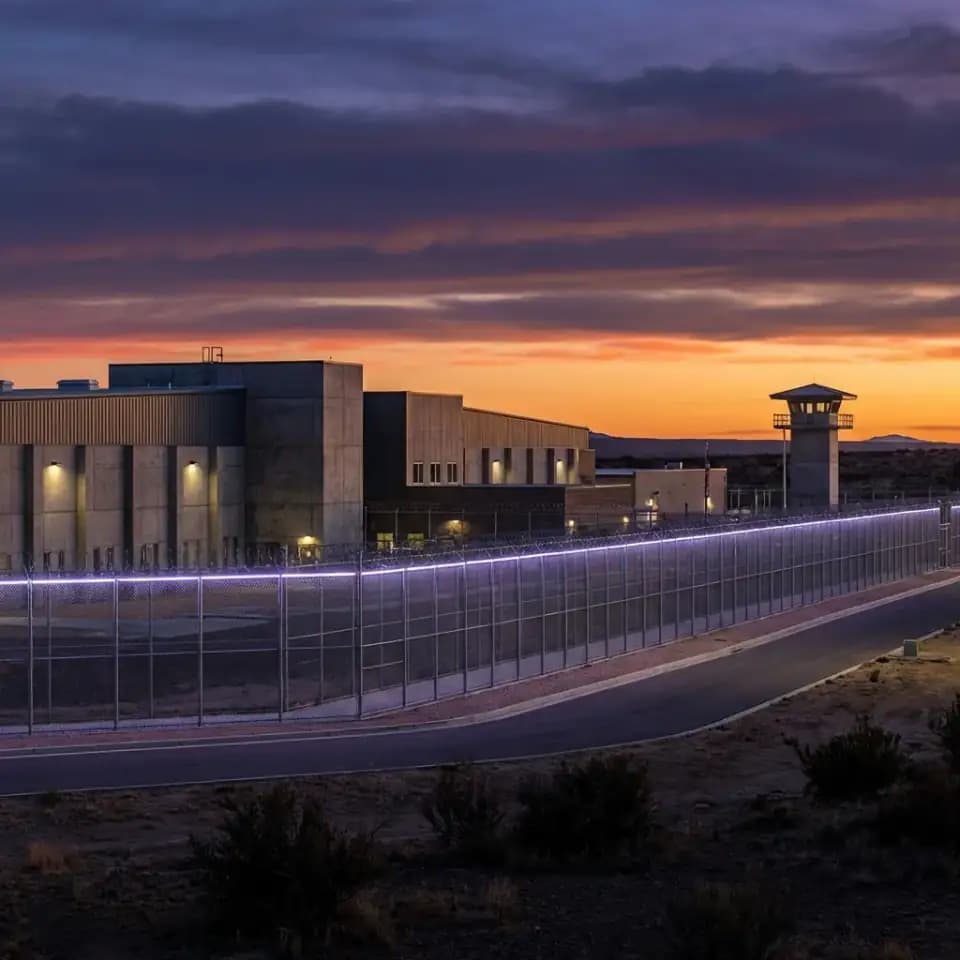
FortSense Corrections & Prisons

Corrections & Prisons

Perimeter Security Fiber Optics

Corrections & Prisons

Zero-tolerance perimeter security for correctional facilities, detecting escape attempts and breaches.

Ideal for applications in Utah

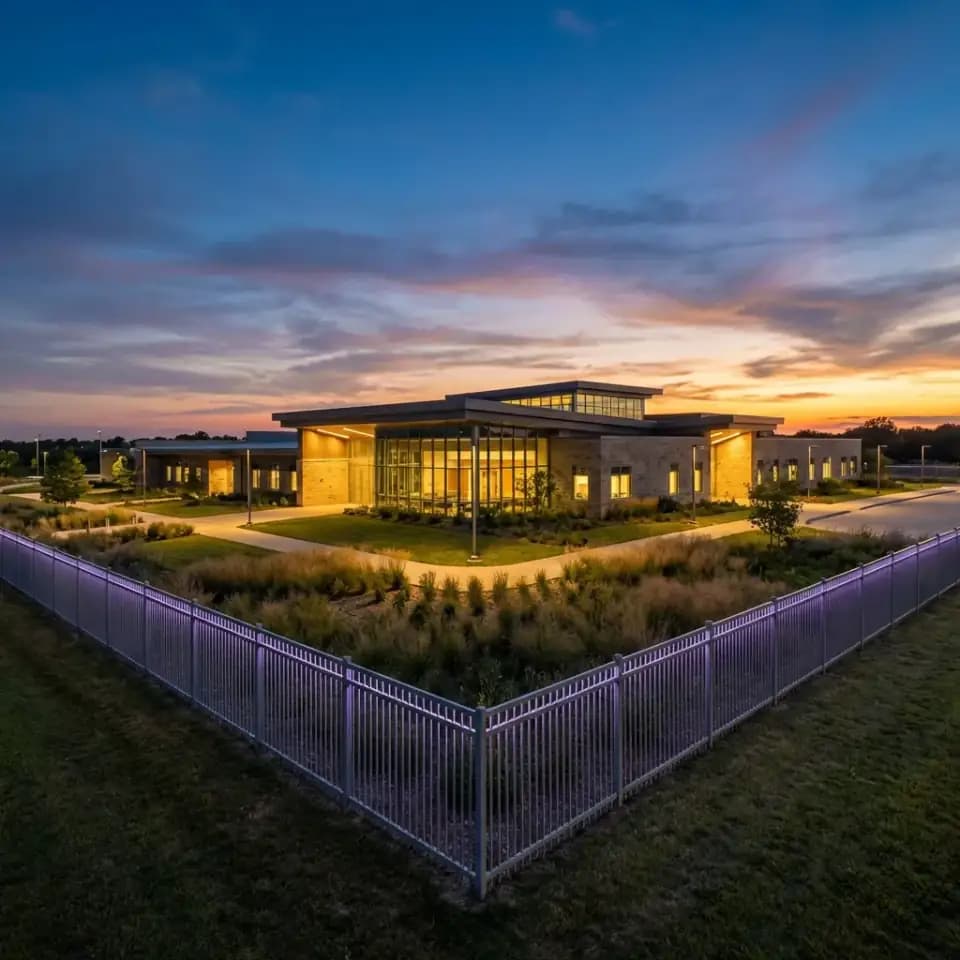
FortSense Public Sector & Schools

Public Sector & Schools

Perimeter Security Fiber Optics

Public Sector & Schools

Non-invasive security for schools, government buildings, and public facilities with rapid lockdown protocols.

Ideal for applications in Utah

FortSense Perimeter Security for Airports

Perimeter Security for Airports

Perimeter Security Fiber Optics

Perimeter Security for Airports

ICAO-compliant sterile zone enforcement with zero interference to airport radar and navigation systems.

Ideal for applications in Utah

FortSense Mining Operations

Mining Operations

Perimeter Security Fiber Optics

Mining Operations

Ruggedized perimeter security for open-pit mines, ore stockpiles, and remote mining infrastructure.

Ideal for applications in Utah

Local service overview

Fiber Optic Perimeter Security for Utah Mining & Defense Operations

FortSense protects Utah's Bingham Canyon mine, Hill Air Force Base, and the NSA Data Center in Bluffdale with fiber optic perimeter intrusion detection engineered for desert extremes.

## Economic & Industrial Landscape

Utah generates approximately $220 billion in gross domestic product and sustains one of the fastest-growing state economies in the nation. The Bingham Canyon Mine, operated by Rio Tinto's Kennecott division, is the largest open-pit copper mine in the world. Over a century of continuous mining has produced more copper than any other mine in history, along with significant quantities of gold, silver, and molybdenum from a pit that measures approximately 2. 75 miles wide and over half a mile deep.

The mine's economic output and the processing facilities in the Salt Lake Valley represent billions of dollars in exposed mining infrastructure requiring constant perimeter security across an enormous geographic footprint.

The Wasatch Front corridor from Ogden through Salt Lake City to Provo has emerged as "Silicon Slopes," housing a thriving technology sector that includes Adobe's Utah campus in Lehi, Qualtrics in Provo, Pluralsight in Draper, Vivint Smart Home, and major operations centers for Goldman Sachs, eBay, and PayPal. Utah's defense and aerospace sector is enormous: Northrop Grumman manufactures solid rocket boosters for NASA's Space Launch System at its Promontory facility north of the Great Salt Lake, and the Bacchus facility in Magna produces rocket motors for military applications.

L3Harris Technologies and other defense contractors maintain significant operations in the Salt Lake City area. Meta is building a major data center in Eagle Mountain, and the Utah Inland Port Authority is developing a logistics hub northwest of Salt Lake City that will connect to the transcontinental rail network.

## Critical Infrastructure

The NSA Utah Data Center in Bluffdale, officially known as the Intelligence Community Comprehensive National Cybersecurity Initiative Data Center, is one of the most sensitive intelligence facilities in the nation. Situated adjacent to Camp Williams, the Utah National Guard installation, the data center stores and processes classified intelligence data requiring the highest tier of physical security protection.

Hill Air Force Base in Ogden is Utah's largest single-site employer, hosting the 388th Fighter Wing (the first operational F-35A Lightning II wing) and the Ogden Air Logistics Complex, which performs depot-level maintenance on fighter aircraft, intercontinental ballistic missiles, and other weapons systems.

Tooele Army Depot, located west of Salt Lake City, serves as a major ammunition storage and demilitarization facility, with thousands of bunkers spread across the desert floor containing conventional munitions. Dugway Proving Ground, the Army's chemical and biological defense testing facility, occupies nearly 800,000 acres of restricted desert terrain southwest of Salt Lake City. The Intermountain Power Plant near Delta is transitioning from coal to hydrogen-fueled generation, and the Hunter Power Plant near Castle Dale provides coal-fired baseload power.

US Magnesium LLC extracts magnesium from the Great Salt Lake at Rowley, and Clean Harbors operates the Aragonite hazardous waste treatment facility in the West Desert. Nucor Steel operates a steel mill in Plymouth, contributing to Utah's metals manufacturing base.

## Security Challenges

The Bingham Canyon Mine's sheer physical scale presents extraordinary perimeter security challenges. The mine's rim extends for miles across the Oquirrh Mountains, with access roads, conveyor systems, and processing facilities spread across terrain that ranges from the deep pit floor to mountain ridgelines. Equipment theft, unauthorized entry, and environmental activism all pose threats that require detection capability across this vast, three-dimensional perimeter.

The mine processes copper concentrate worth hundreds of millions of dollars annually, making the processing facilities and concentrate storage areas high-value targets.

The concentration of classified defense facilities in Utah creates some of the most stringent perimeter security requirements in the United States. The NSA Data Center, Hill AFB, Tooele Army Depot, and Dugway Proving Ground all require security systems that meet federal standards for protecting classified materials and weapons systems. The construction boom along the Wasatch Front has driven catalytic converter theft and construction equipment theft in the Salt Lake metro area.

Solar farm security in Utah's remote desert areas involves protecting installations that may be 50 or more miles from the nearest law enforcement station. The hazardous waste facilities at Aragonite and Clive in the West Desert require perimeter monitoring to prevent unauthorized entry into areas containing toxic materials.

## Why Fiber Optic PIDS in Utah

Utah's arid desert climate produces extreme temperature swings that test the limits of any outdoor electronic equipment. Summer temperatures regularly exceed 100 degrees Fahrenheit in the low desert, while winter conditions in the Wasatch Mountains bring sub-zero temperatures and heavy snowfall. The Great Salt Lake's shrinkage has exposed lake bed sediments that generate toxic dust storms, adding an abrasive particulate hazard that can degrade conventional sensor housings. Wildfire risk in mountain and sagebrush areas threatens security infrastructure during the dry summer months.

Fiber optic sensing cables are immune to temperature extremes, dust abrasion, and the UV radiation that characterizes Utah's high-altitude desert environment, maintaining detection sensitivity without the component degradation that affects electronic sensors.

The vast perimeters required by Utah's mining, military, and energy facilities make fiber optic PIDS especially cost-effective compared to alternatives that require powered sensor nodes at regular intervals. The Bingham Canyon Mine rim alone stretches for miles, and the Dugway Proving Ground boundary encompasses nearly 800,000 acres of desert. Fiber optic cables can be deployed across these enormous distances with minimal infrastructure requirements, and their passive operation means no electrical power is needed at the sensing points along the perimeter.

For the NSA Data Center, where security standards are among the most demanding of any facility in the world, fiber optic PIDS delivers the detection performance required to protect a facility of national intelligence significance.

## Deployment Context

Utah's perimeter security requirements span the world's largest open-pit copper mine at Bingham Canyon, the nation's most sensitive intelligence data center in Bluffdale, the F-35 fighter wing at Hill AFB, rocket motor manufacturing at Northrop Grumman's Promontory and Bacchus facilities, chemical weapons defense testing at Dugway Proving Ground, and the growing cluster of technology campuses and data centers along the Wasatch Front.

Fiber optic PIDS technology provides the long-range, weather-immune, and EMI-resistant detection capability that Utah's extreme desert environment and high-security defense installations demand.

Professional perimeter protection for distribution centers, manufacturing, and critical infrastructure in Utah.

  • Open-Pit & Quarry Perimeter Security
  • Stockpile & Conveyor Belt Monitoring
  • Substation & Grid Protection (Copper Theft)
  • Open-Pit Mining & Mineral Extraction

Plan a FortSense assessment for this market

Share the perimeter length, fence type, and monitoring workflow. FortSense can help scope zones, integration points, and commissioning requirements for this location.

Services

Open-Pit & Quarry Perimeter Security

Blast-resistant fiber optic detection for open-pit mine boundaries, haul roads, and restricted blasting zones with vibration filtering for heavy equipment.

Stockpile & Conveyor Belt Monitoring

Protecting ore stockpiles, conveyor systems, and processing plants from theft and unauthorized access with continuous 24/7 fiber sensing.

Substation & Grid Protection (Copper Theft)

Fiber optic perimeter security for electrical substations, switching stations, and transmission corridors to prevent copper theft and infrastructure sabotage.

Deployment patterns for local sites

How FortSense Works in Utah

Fiber optic perimeter security adapted to local conditions and requirements.

  1. Fiber installed. Passive fiber optic cable mounts on the existing fence or wall with minimal civil work.
  2. Vibration detected. Any contact creates vibration patterns in the fiber so climbing, cutting, or lifting attempts become visible immediately.
  3. AI/DSP verification. Algorithms filter out wind, animals, and environmental noise before an operator ever sees an alarm.
  4. Alarm if intrusion. Only real threats trigger zone-based alarms that can route into the monitoring workflow already used by the site team.

Adapted for Utah. Our local partners understand Utah's climate, terrain, and security challenges. The fiber optic system is configured to filter local environmental conditions while maintaining maximum sensitivity to real intrusion attempts.

Integration and security software fit

FortSense can feed alarms into the monitoring stack a site already uses, including VMS, PSIM, alarm panels, relay inputs, TCP/IP workflows, and camera verification.

  • Zone-based alarms for operators and guard teams
  • Camera and VMS workflows for visual verification
  • Relay or network outputs for existing security systems
  • Software-assisted filtering before dispatch decisions

Industries in this market

Relevant FortSense industry and use-case paths connected to this location.

  • Open-Pit Mining & Mineral Extraction
  • Intelligence & Military Defense Installations
  • Aerospace Manufacturing & Rocket Motor Facilities
  • Distribution Center Perimeter Security
  • Solar Farm Perimeter Security
  • Perimeter Security for Critical Infrastructure

Why FortSense fits in Perimeter Security in Utah

FortSense is designed for perimeter security work where false-alarm reduction, passive fiber sensing, and practical integration matter more than adding another camera-only layer.

  • Passive fiber on existing fences, walls, or perimeter structures
  • AI/DSP filtering for wind, vibration, and environmental noise
  • Zone-level alerts that can match the site's response model
  • Support for design, integration, commissioning, and handover

Market notes

Practical details that help this page stay specific to the market instead of drifting into generic copy.

  • Open-Pit Mining & Mineral Extraction
  • Intelligence & Military Defense Installations
  • Aerospace Manufacturing & Rocket Motor Facilities
  • Open-Pit & Quarry Perimeter Security

Related FortSense paths

Related technical content and commercial guidance linked from this location page.

Frequently Asked Questions (FAQ)

Frequently Asked Questions (FAQ) — Utah

How is the system maintained in harsh mining environments?

Minimal maintenance is required — the fiber sensor has no moving parts and no electronics in the field. The interrogator unit, located in a protected enclosure, requires only periodic software updates and calibration checks, typically during scheduled shutdowns.

Can FortSense withstand blasting vibrations common in mining operations?

Yes. Our mining-specific algorithm profiles include blast event filtering. When a scheduled blast occurs, the system automatically adjusts sensitivity for the blast zone while maintaining full detection capability on the rest of the perimeter.

How does the system perform in extreme dust and temperature conditions?

The fiber optic sensor cable is immune to dust, EMI, and temperature extremes from -40°C to +70°C. Unlike electronic sensors, fiber has no active components in the field that can degrade from dust infiltration or thermal cycling.

Can FortSense protect water treatment facilities against contamination threats?

Yes. Perimeter detection around water treatment plants, pumping stations, and reservoirs provides an early warning layer against unauthorized access. Integration with SCADA triggers facility lockdown procedures before intruders can reach treatment processes.

How does the system perform with desert wildlife (snakes, lizards, small mammals)?

Desert wildlife typically does not generate sufficient fence vibration to trigger alarms. Our algorithms are calibrated to ignore small animal interactions while detecting human-sized events. Larger desert animals (coyotes, camels) are filtered by our wildlife discrimination profiles.

Local perimeter assessment

Request Perimeter Assessment in Utah

Receive a technical proposal, deployment design, and integration plan.

Fiber Optic Perimeter Security for Utah Mining & Defense…