


Fiber Optic Perimeter Security in Vermont: Perimeter Intrusion Detection for Vermont's Semiconductor & Agricultural Assets

Protecting GlobalFoundries chip fabrication, high-value maple syrup operations, and critical energy infrastructure in the Green Mountain State

Applications

Perimeter Security Fiber Optics Ideal for Applications in Vermont

FortSense Solar & Renewables

Solar & Renewables

Perimeter Security Fiber Optics

Solar & Renewables

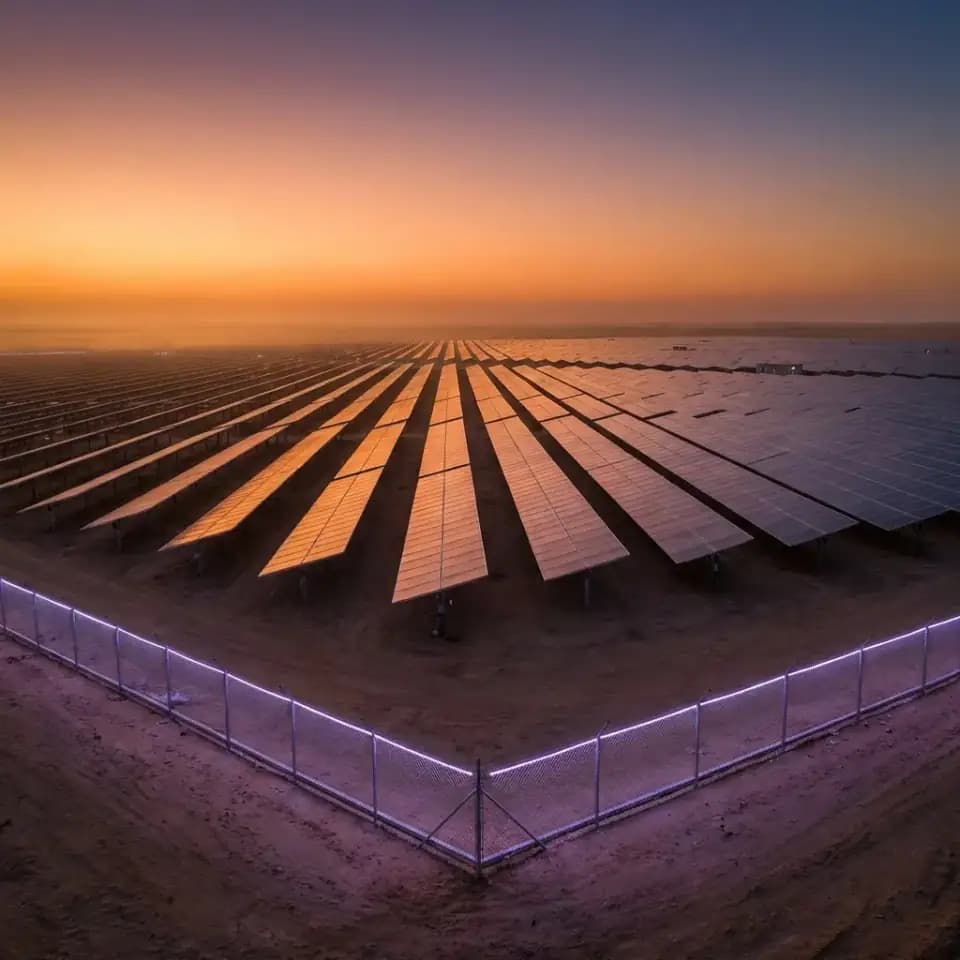
Autonomous perimeter monitoring for solar plants, protecting against theft of panels, copper cables, and inverters.

Ideal for applications in Vermont

FortSense Oil & Gas

Oil & Gas

Perimeter Security Fiber Optics

Oil & Gas

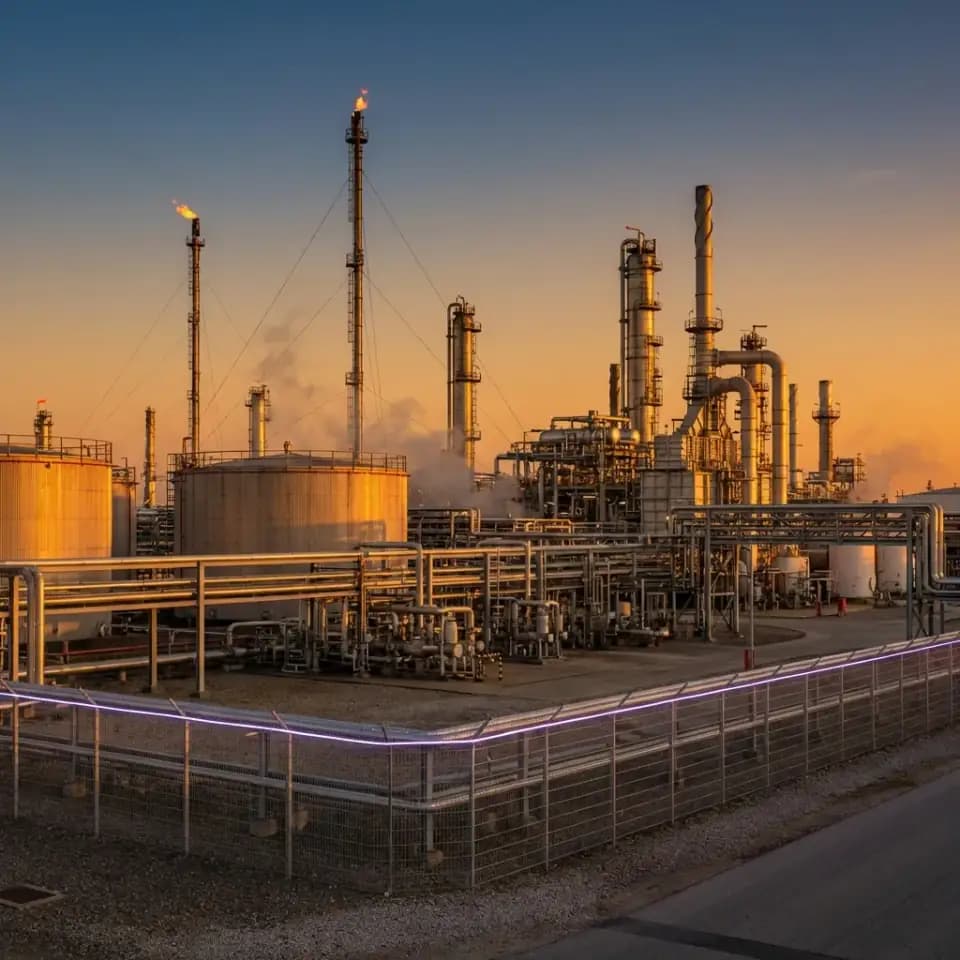
Intrinsically safe perimeter detection for refineries, chemical plants, and fuel storage depots.

Ideal for applications in Vermont

FortSense Ports & Maritime

Ports & Maritime

Perimeter Security Fiber Optics

Ports & Maritime

ISPS-compliant security for cargo containers, fuel depots, and docked vessels in harsh marine environments.

Ideal for applications in Vermont

FortSense Agriculture

Agriculture

Perimeter Security Fiber Optics

Agriculture

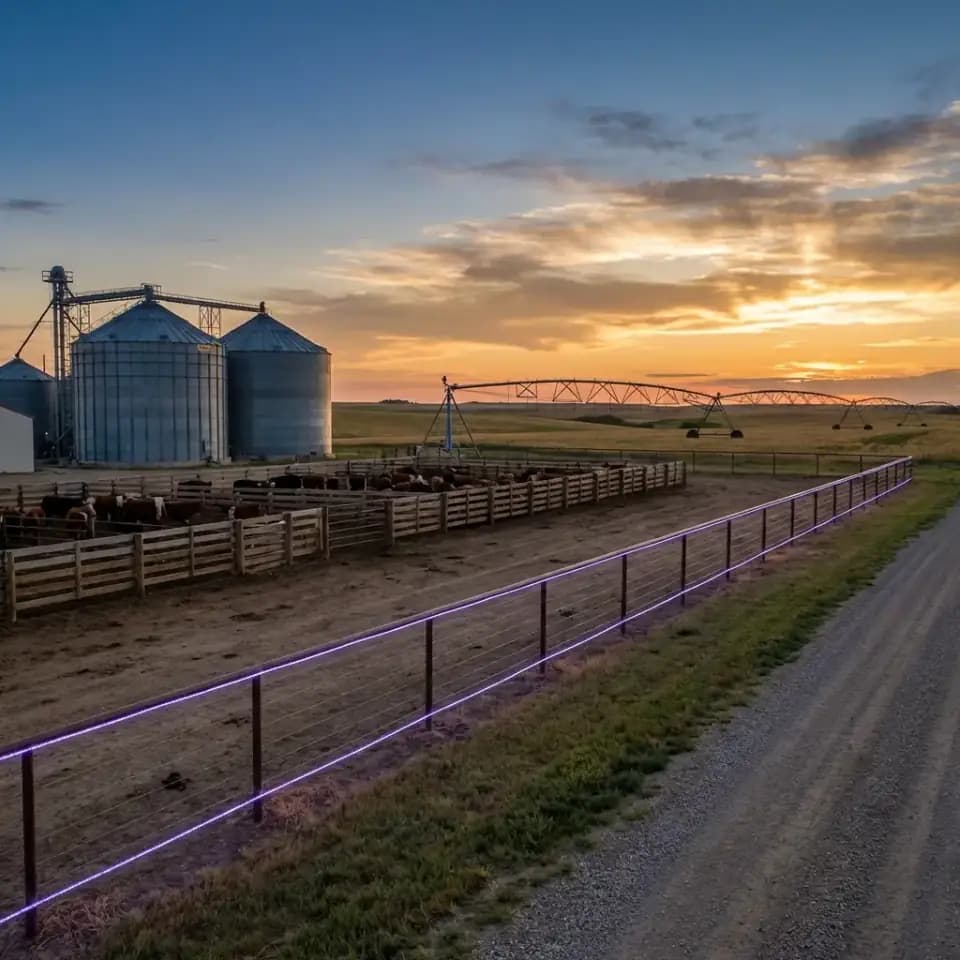
Fire detection and security for farms, livestock pens, pivot irrigation systems, and rural assets.

Ideal for applications in Vermont

FortSense Financial Sector

Financial Sector

Perimeter Security Fiber Optics

Financial Sector

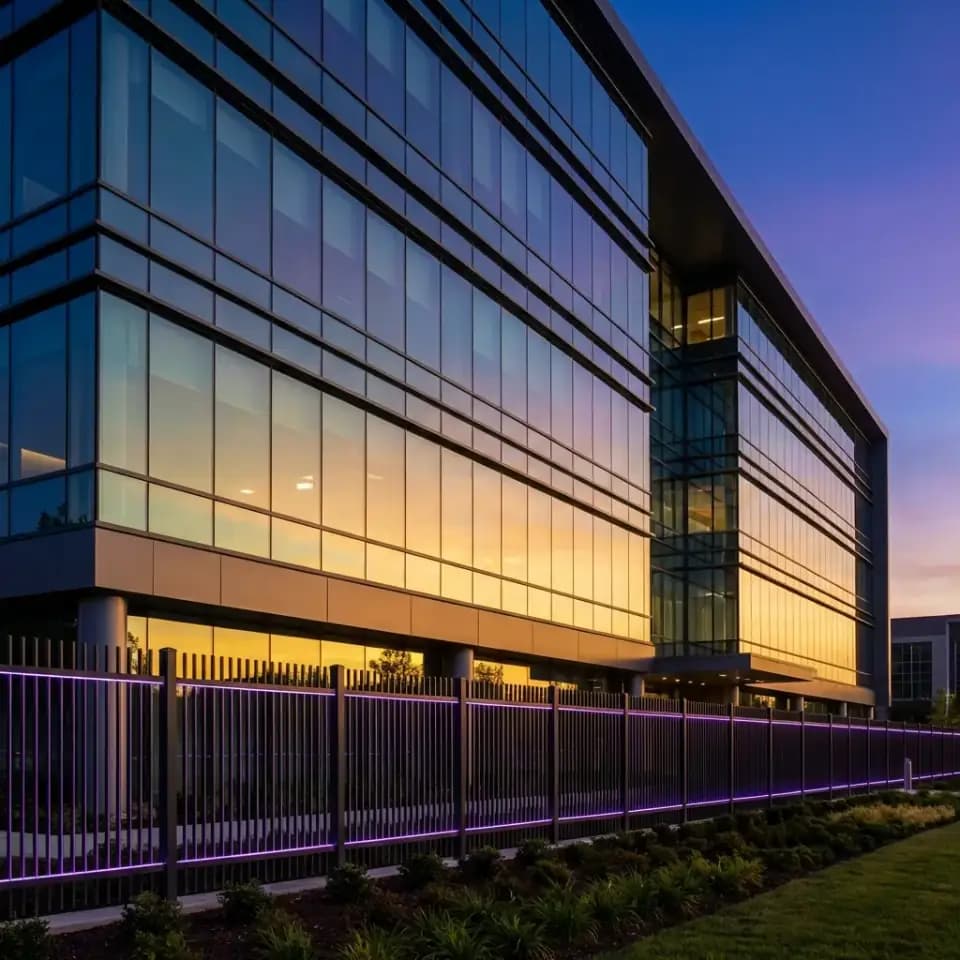
High-security perimeter protection for banks, vaults, administrative centers, and ATM areas.

Ideal for applications in Vermont

FortSense Residential Condominiums

Residential Condominiums

Perimeter Security Fiber Optics

Residential Condominiums

Invisible security for gated communities and apartment complexes, preserving aesthetics while detecting intrusions.

Ideal for applications in Vermont

FortSense Distribution Centers

Distribution Centers

Perimeter Security Fiber Optics

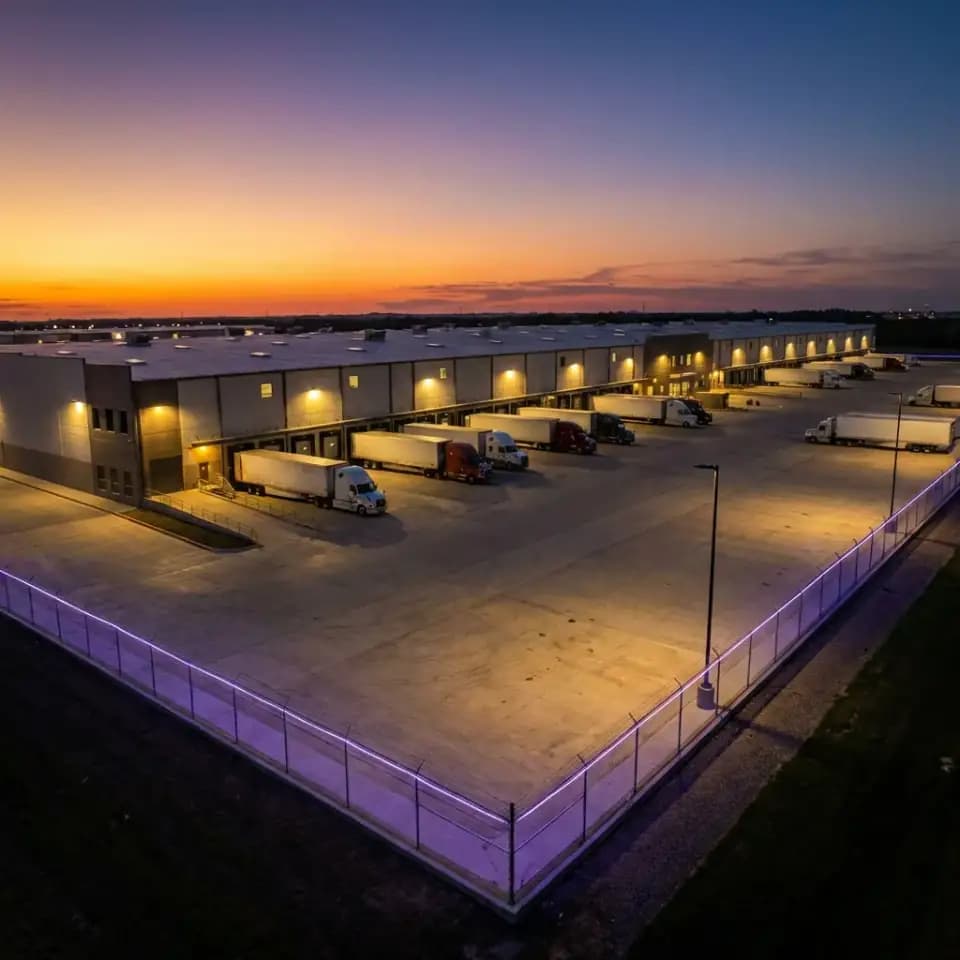
Distribution Centers

Security for logistics parks, warehouses, and high-value storage areas, meeting TAPA security standards.

Ideal for applications in Vermont

FortSense Critical Infrastructure

Critical Infrastructure

Perimeter Security Fiber Optics

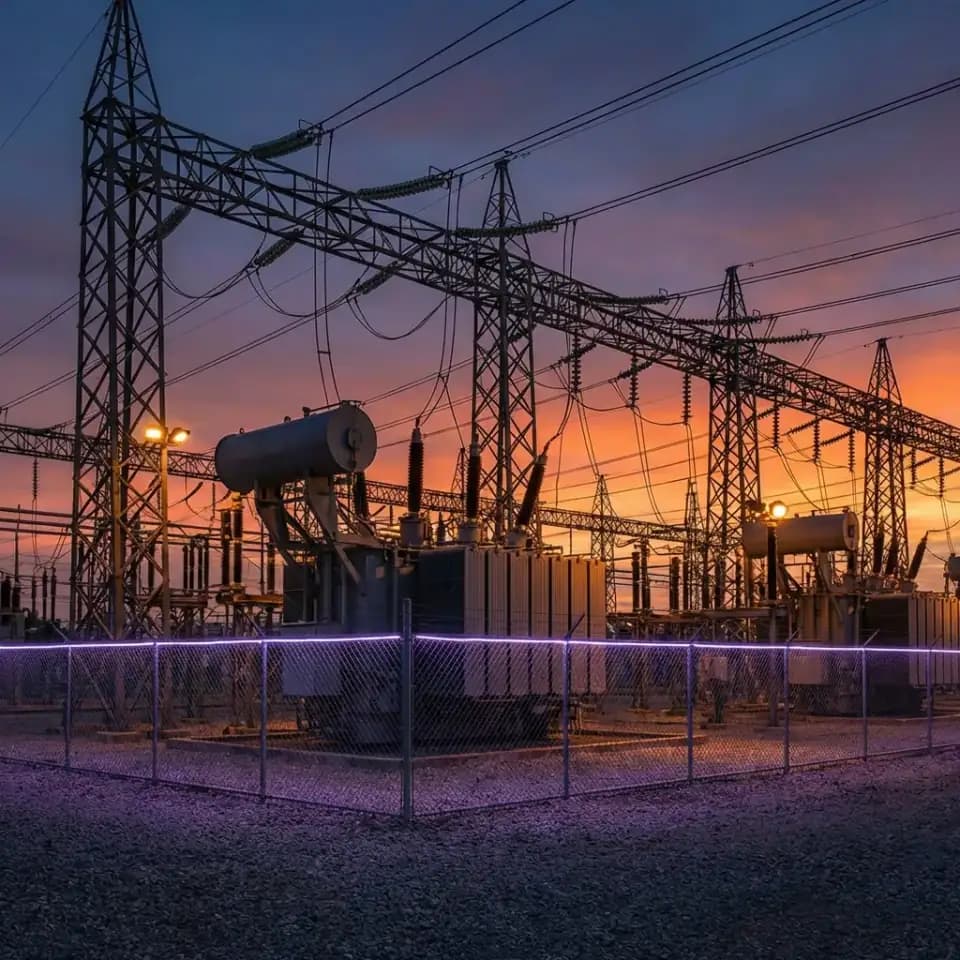
Critical Infrastructure

EMI-immune monitoring for electrical substations, telecom towers, and unmanned critical assets.

Ideal for applications in Vermont

FortSense Corrections & Prisons

Corrections & Prisons

Perimeter Security Fiber Optics

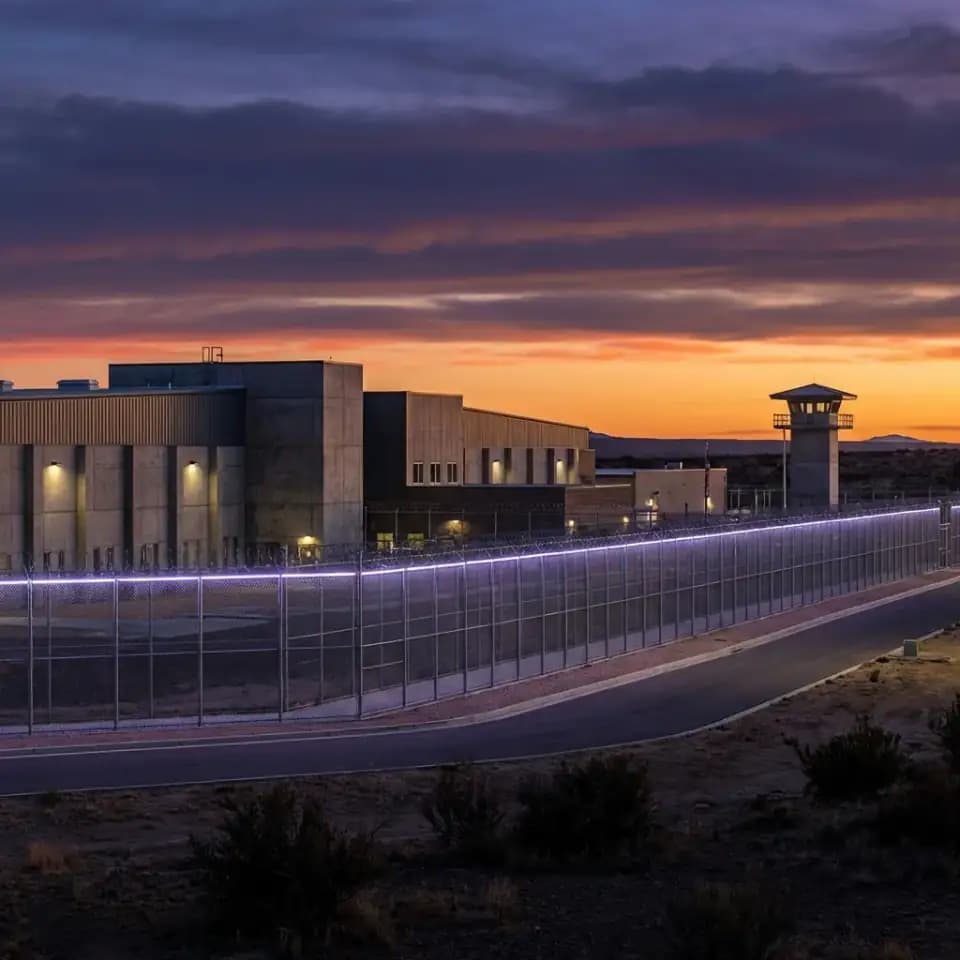
Corrections & Prisons

Zero-tolerance perimeter security for correctional facilities, detecting escape attempts and breaches.

Ideal for applications in Vermont

FortSense Public Sector & Schools

Public Sector & Schools

Perimeter Security Fiber Optics

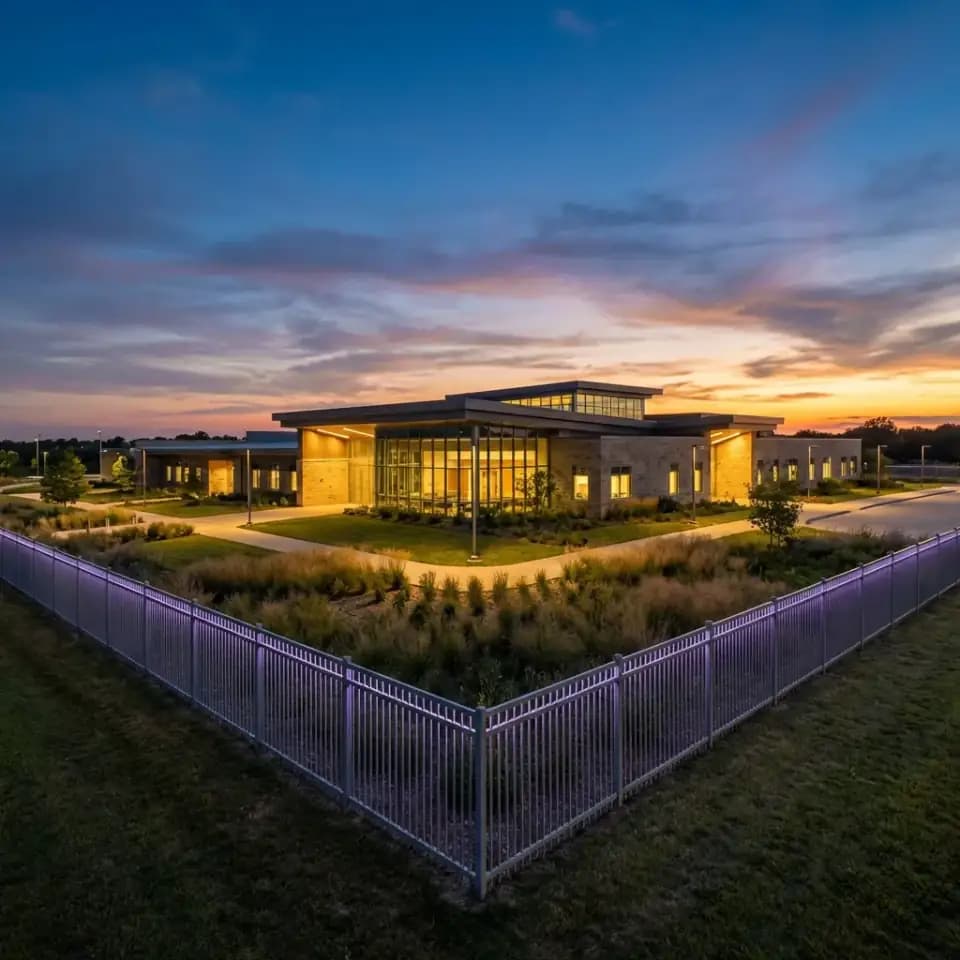
Public Sector & Schools

Non-invasive security for schools, government buildings, and public facilities with rapid lockdown protocols.

Ideal for applications in Vermont

FortSense Perimeter Security for Airports

Perimeter Security for Airports

Perimeter Security Fiber Optics

Perimeter Security for Airports

ICAO-compliant sterile zone enforcement with zero interference to airport radar and navigation systems.

Ideal for applications in Vermont

FortSense Mining Operations

Mining Operations

Perimeter Security Fiber Optics

Mining Operations

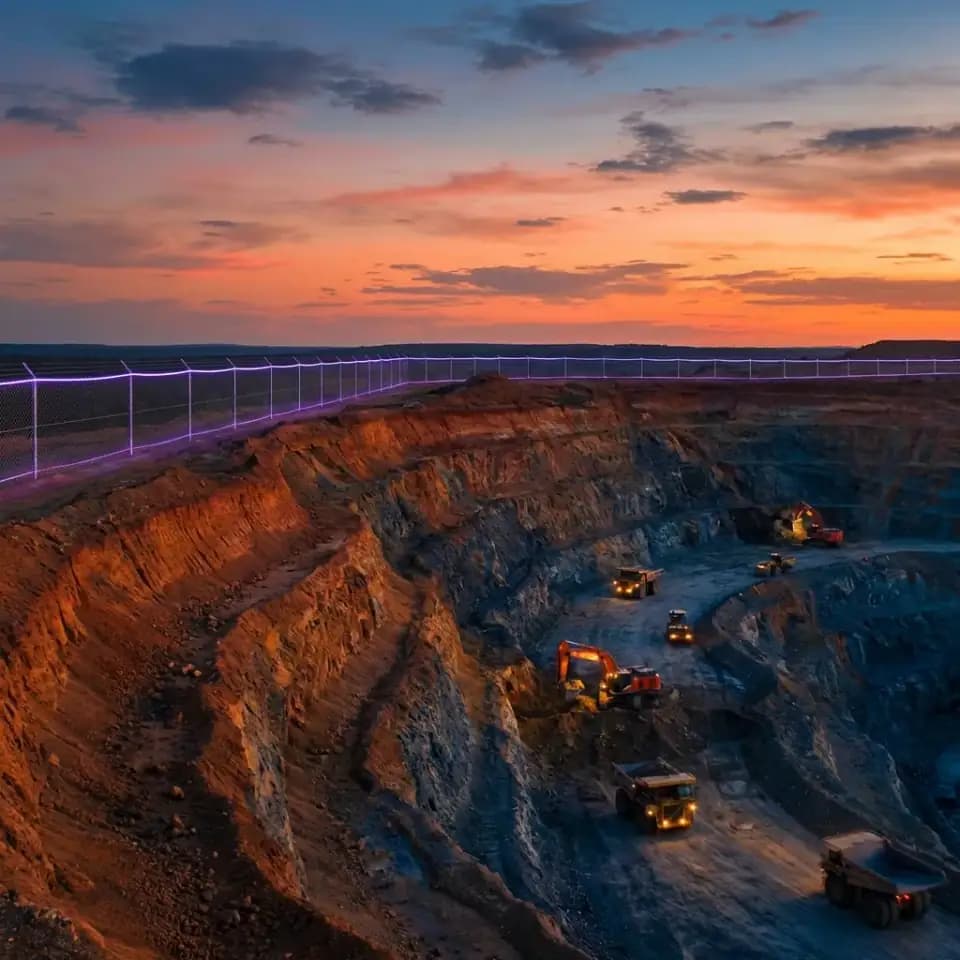
Ruggedized perimeter security for open-pit mines, ore stockpiles, and remote mining infrastructure.

Ideal for applications in Vermont

Local service overview

Perimeter Intrusion Detection for Vermont's Semiconductor & Agricultural Assets

FortSense secures Vermont's GlobalFoundries semiconductor fab in Essex Junction, maple syrup production facilities, and renewable energy installations with fiber optic perimeter detection.

## Economic & Industrial Landscape

Vermont generates approximately $38 billion in gross domestic product, making it one of the smallest state economies in the nation, but the state concentrates distinctive high-value assets within its compact Green Mountain geography. GlobalFoundries operates a major semiconductor fabrication facility in Essex Junction, formerly an IBM plant, that serves as the state's largest private employer with approximately 2,000 workers.

The facility manufactures specialty chips for automotive, defense, and industrial applications using advanced fabrication processes, making it a nationally significant node in the US semiconductor supply chain at a time when chip manufacturing capacity has become a strategic priority.

Agriculture is culturally and economically central to Vermont's identity. The state produces approximately 50 percent of the US maple syrup supply, a high-value commodity that commands premium prices and has historically been targeted by sophisticated theft operations, most notably the $18 million Great Canadian Maple Syrup Heist that highlighted the commodity's value. Ben & Jerry's, now owned by Unilever, manufactures ice cream at facilities in Waterbury and St. Albans. Cabot Creamery Cooperative in Cabot and Vermont Creamery in Websterville anchor the state's dairy processing sector.

Keurig Dr Pepper, which absorbed Green Mountain Coffee Roasters, maintains significant manufacturing operations in Waterbury. GE Aviation produces jet engine components at its Rutland facility. Tourism contributes approximately $3 billion annually, driven by ski resorts including Stowe, Killington, Sugarbush, and Mad River Glen during winter and the spectacular fall foliage season.

## Critical Infrastructure

The GlobalFoundries Essex Junction facility occupies a campus of several hundred acres in the Burlington metropolitan area, with cleanroom fabrication spaces housing equipment worth hundreds of millions of dollars. The semiconductor manufacturing process involves proprietary trade secrets and classified defense contracts that elevate the facility's security requirements well beyond standard industrial standards.

The Vermont Yankee Nuclear Power Station in Vernon, though decommissioned in 2014, remains a security concern during the multi-decade decommissioning process that involves managing spent nuclear fuel in on-site dry cask storage.

Vermont's energy infrastructure is distinctive: the state has committed to 90 percent renewable energy by 2050 and relies heavily on hydroelectric imports from Quebec, small-scale solar installations, wind farms including the Sheffield Wind Farm, and biomass generation including the Ryegate power plant. The Vermont Electric Power Company (VELCO) transmission network and Green Mountain Power grid infrastructure are critical for maintaining reliable electricity delivery across mountainous terrain where weather frequently disrupts power distribution.

The I-89 corridor from Burlington through Montpelier to White River Junction and the I-91 corridor along the Connecticut River serve as the state's primary transportation arteries. Camp Johnson in Colchester and the Ethan Allen Firing Range host Vermont National Guard operations.

## Security Challenges

Vermont's semiconductor fabrication facility faces security threats that include industrial espionage, insider threats involving proprietary chip designs, and physical intrusion attempts targeting a facility that contributes to defense electronics supply chains. The increasingly valuable maple syrup market has made large-scale sugar operations and bulk syrup storage facilities targets for organized theft.

Vermont produces its syrup in thousands of small and medium-sized sugar houses spread across the forested landscape, with bulk storage barrels representing concentrated commodity value that is difficult to trace once stolen.

The opioid crisis has hit rural Vermont particularly hard, driving property crime rates that affect agricultural operations, small manufacturers, and seasonal properties. Drug trafficking along the I-89 and I-91 corridors has increased in parallel with the crisis. Vermont's proximity to the Canadian border, which runs along the northern edge of the state, creates cross-border security considerations, particularly in remote areas where the border passes through forests and farmland with limited surveillance coverage.

Ski resort security involves protecting hundreds of millions of dollars in infrastructure during off-season months when facilities sit largely unoccupied. Renewable energy installations, including solar arrays and wind turbines in remote locations, face vandalism and copper theft risks.

## Why Fiber Optic PIDS in Vermont

Vermont's continental-cold climate presents severe challenges for outdoor security equipment. Winter temperatures regularly drop to minus 20 or minus 30 degrees Fahrenheit, with mountain areas receiving 60 to 100 or more inches of snowfall annually. The catastrophic flooding caused by Tropical Storm Irene in 2011 destroyed roads, bridges, and infrastructure across the state, and the devastating floods of 2023 further demonstrated Vermont's vulnerability to extreme precipitation events. Ice storms periodically coat the state in heavy ice, bringing down power lines and disabling electronic systems.

Fiber optic perimeter intrusion detection cables are uniquely suited to Vermont's climate because the glass fiber sensing element maintains its optical properties across extreme cold, heavy snow loading, and ice accumulation without the component failures that plague electronic sensors.

Vermont's forested, mountainous terrain creates perimeter security challenges that require technology capable of distinguishing between genuine intrusions and the abundant wildlife activity that includes deer, moose, bears, and other large animals. Fiber optic PIDS systems can be tuned to differentiate between animal movement patterns and human intrusion signatures, reducing false alarms that would otherwise overwhelm security personnel at rural facilities.

For the GlobalFoundries fab, where electromagnetic interference from semiconductor manufacturing equipment could compromise electronic sensors, fiber optic detection provides EMI-immune perimeter monitoring that maintains reliability in the facility's complex electromagnetic environment.

## Deployment Context

Vermont's perimeter security needs range from the nationally significant GlobalFoundries semiconductor fab in Essex Junction to the dispersed maple syrup storage facilities and dairy operations across the Green Mountain landscape, from the decommissioning Vermont Yankee nuclear site to the ski resorts and renewable energy installations spread across the state's mountainous terrain.

Fiber optic PIDS technology addresses Vermont's unique combination of extreme cold, heavy snowfall, flooding risk, and wildlife activity while providing the detection performance that semiconductor manufacturing, nuclear decommissioning, and high-value agricultural commodity storage operations require.

Professional perimeter protection for distribution centers, manufacturing, and critical infrastructure in Vermont.

  • Grain Silo & Agricultural Input Storage
  • Livestock & Feed Lot Perimeter
  • R&D Campus & IP Protection
  • Semiconductor Manufacturing Facilities

Plan a FortSense assessment for this market

Share the perimeter length, fence type, and monitoring workflow. FortSense can help scope zones, integration points, and commissioning requirements for this location.

Services

Grain Silo & Agricultural Input Storage

Securing grain silos, fertilizer warehouses, and agricultural chemical storage from theft and contamination with humidity-tolerant fiber sensing.

Livestock & Feed Lot Perimeter

Fiber optic perimeter detection for livestock pens, feedlots, and breeding facilities with animal-immune algorithms calibrated for large herds.

R&D Campus & IP Protection

High-security perimeter for R&D campuses, pharmaceutical plants, and IP-sensitive manufacturing facilities with tamper-proof fiber and encrypted alarm channels.

Deployment patterns for local sites

How FortSense Works in Vermont

Fiber optic perimeter security adapted to local conditions and requirements.

  1. Fiber installed. Passive fiber optic cable mounts on the existing fence or wall with minimal civil work.
  2. Vibration detected. Any contact creates vibration patterns in the fiber so climbing, cutting, or lifting attempts become visible immediately.
  3. AI/DSP verification. Algorithms filter out wind, animals, and environmental noise before an operator ever sees an alarm.
  4. Alarm if intrusion. Only real threats trigger zone-based alarms that can route into the monitoring workflow already used by the site team.

Adapted for Vermont. Our local partners understand Vermont's climate, terrain, and security challenges. The fiber optic system is configured to filter local environmental conditions while maintaining maximum sensitivity to real intrusion attempts.

Integration and security software fit

FortSense can feed alarms into the monitoring stack a site already uses, including VMS, PSIM, alarm panels, relay inputs, TCP/IP workflows, and camera verification.

  • Zone-based alarms for operators and guard teams
  • Camera and VMS workflows for visual verification
  • Relay or network outputs for existing security systems
  • Software-assisted filtering before dispatch decisions

Industries in this market

Relevant FortSense industry and use-case paths connected to this location.

  • Semiconductor Manufacturing Facilities
  • Agricultural & Specialty Food Processing
  • Renewable Energy & Grid Infrastructure
  • Distribution Center Perimeter Security
  • Solar Farm Perimeter Security
  • Perimeter Security for Critical Infrastructure

Why FortSense fits in Perimeter Security in Vermont

FortSense is designed for perimeter security work where false-alarm reduction, passive fiber sensing, and practical integration matter more than adding another camera-only layer.

  • Passive fiber on existing fences, walls, or perimeter structures
  • AI/DSP filtering for wind, vibration, and environmental noise
  • Zone-level alerts that can match the site's response model
  • Support for design, integration, commissioning, and handover

Market notes

Practical details that help this page stay specific to the market instead of drifting into generic copy.

  • Semiconductor Manufacturing Facilities
  • Agricultural & Specialty Food Processing
  • Renewable Energy & Grid Infrastructure
  • Grain Silo & Agricultural Input Storage

Related FortSense paths

Related technical content and commercial guidance linked from this location page.

Frequently Asked Questions (FAQ)

Frequently Asked Questions (FAQ) — Vermont

Can the system differentiate between livestock and human intrusion?

Yes. Our agricultural algorithm profiles the acoustic signature differences between livestock (cattle, horses, pigs) and human activity. The system is calibrated for the specific livestock types present, minimizing false alarms while detecting unauthorized human entry.

How does FortSense protect against irrigation equipment and cable theft?

The fiber cable installed along irrigation infrastructure fencing detects theft attempts on center pivots, solar panels powering pumps, and copper wiring. Remote agricultural sites are covered from a central interrogator up to 80 km away.

Is the system practical for very large agricultural perimeters?

Absolutely. Agricultural operations often have extensive perimeters of 20-50+ km. A single FortSense unit covers up to 80 km, making it the most cost-effective perimeter solution for large farms, ranches, and agribusiness complexes.

Can FortSense protect pharmaceutical and IP-sensitive manufacturing areas?

Absolutely. For facilities requiring enhanced security (pharma, defense, aerospace), FortSense provides tamper-proof fiber routing, encrypted alarm channels, and anti-defeat mechanisms. The system detects sophisticated breach attempts including slow-cut and bridging.

Does FortSense work in extreme cold below -30°C?

Yes. Our fiber sensor cable is rated to -40°C and has been deployed in Arctic and subarctic environments. The passive fiber requires no heating, anti-freeze, or winterization — it simply works. The interrogator is housed in a heated enclosure at temperatures above -20°C.

Local perimeter assessment

Request Perimeter Assessment in Vermont

Receive a technical proposal, deployment design, and integration plan.

Perimeter Intrusion Detection for Vermont's Semiconductor &…