


Fiber Optic Perimeter Security in Virginia: Perimeter Intrusion Detection for Virginia's Defense & Data Center Capital

Protecting Data Center Alley in Loudoun County, Naval Station Norfolk, and the Newport News nuclear shipyard across America's defense heartland

Applications

Perimeter Security Fiber Optics Ideal for Applications in Virginia

FortSense Solar & Renewables

Solar & Renewables

Perimeter Security Fiber Optics

Solar & Renewables

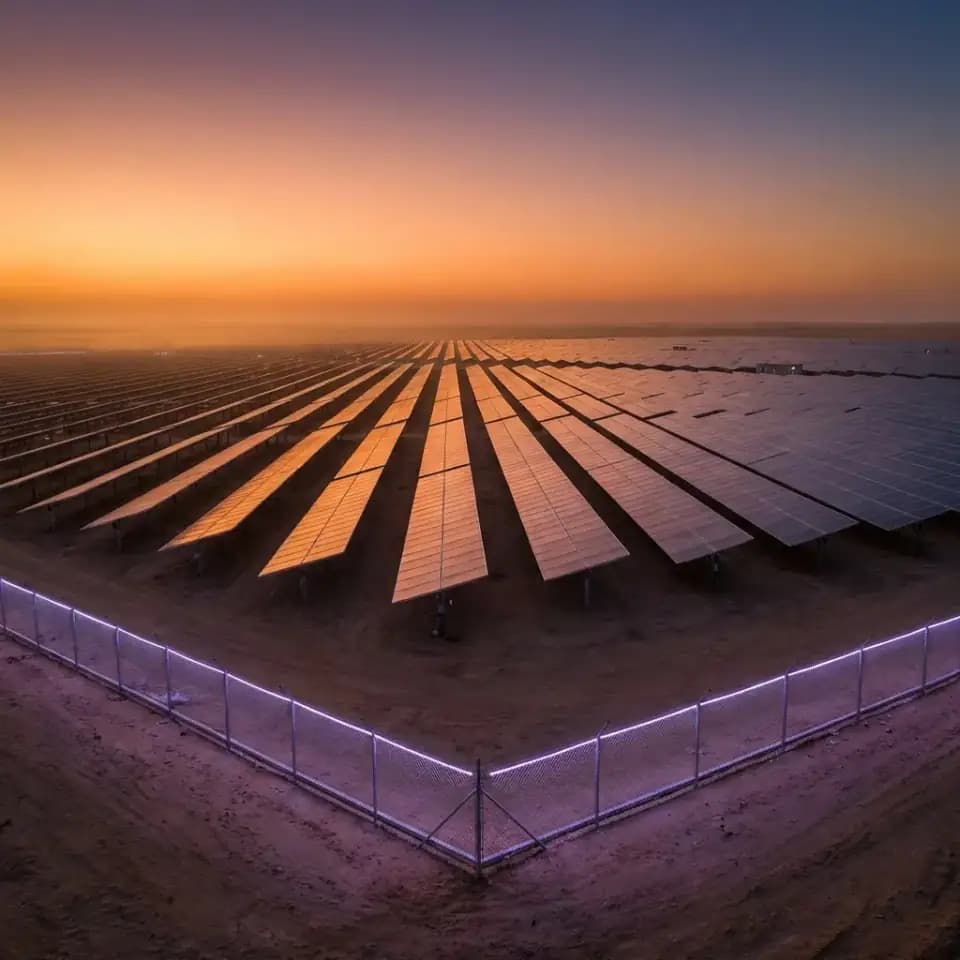
Autonomous perimeter monitoring for solar plants, protecting against theft of panels, copper cables, and inverters.

Ideal for applications in Virginia

FortSense Oil & Gas

Oil & Gas

Perimeter Security Fiber Optics

Oil & Gas

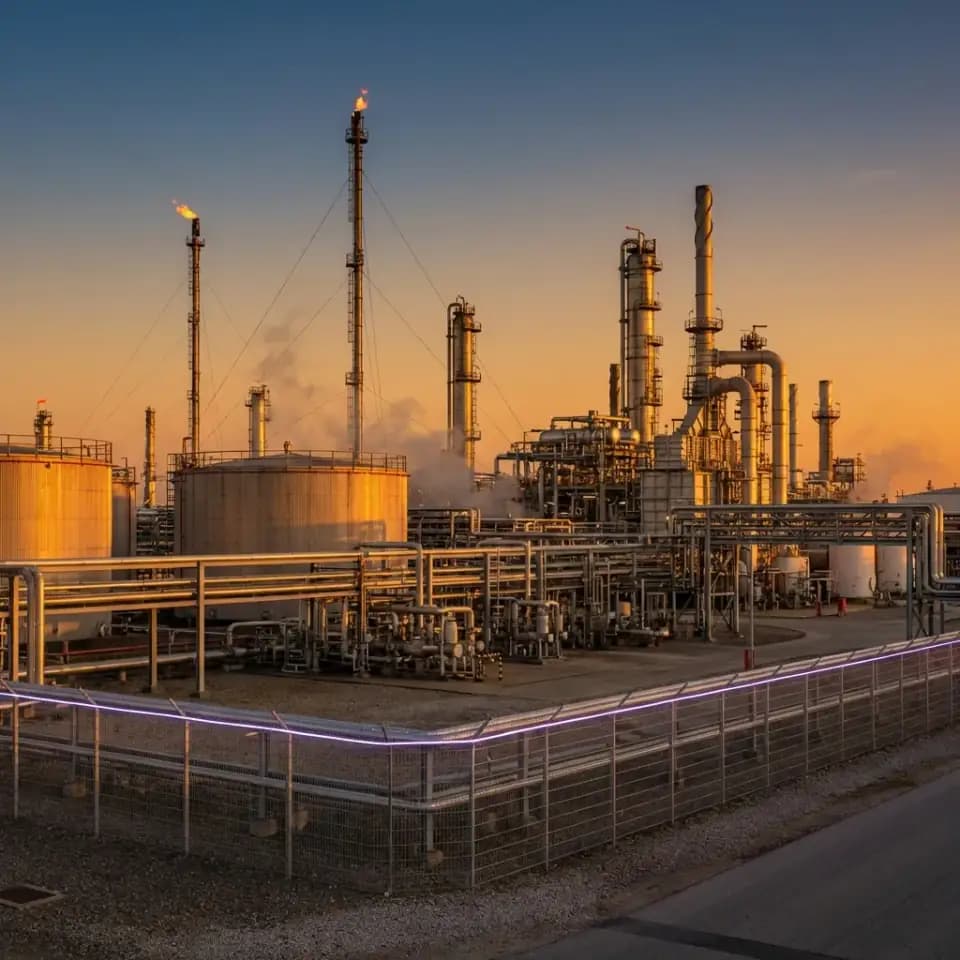
Intrinsically safe perimeter detection for refineries, chemical plants, and fuel storage depots.

Ideal for applications in Virginia

FortSense Ports & Maritime

Ports & Maritime

Perimeter Security Fiber Optics

Ports & Maritime

ISPS-compliant security for cargo containers, fuel depots, and docked vessels in harsh marine environments.

Ideal for applications in Virginia

FortSense Agriculture

Agriculture

Perimeter Security Fiber Optics

Agriculture

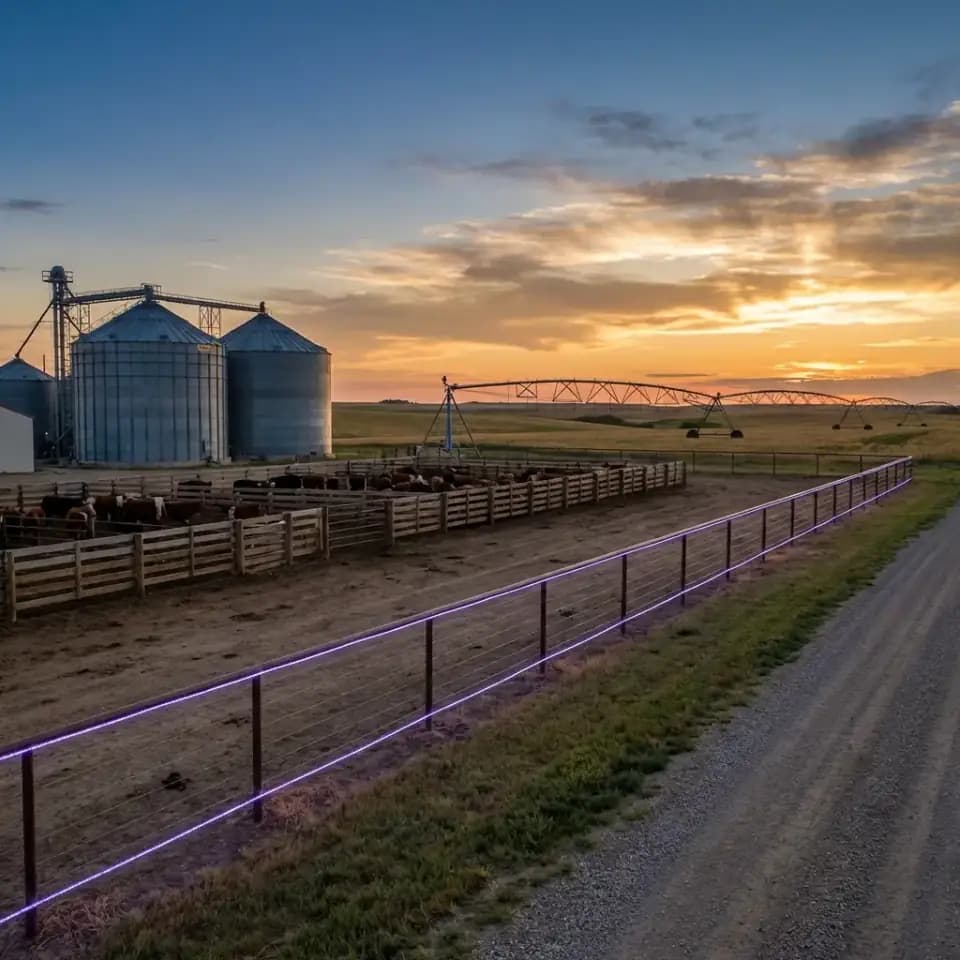
Fire detection and security for farms, livestock pens, pivot irrigation systems, and rural assets.

Ideal for applications in Virginia

FortSense Financial Sector

Financial Sector

Perimeter Security Fiber Optics

Financial Sector

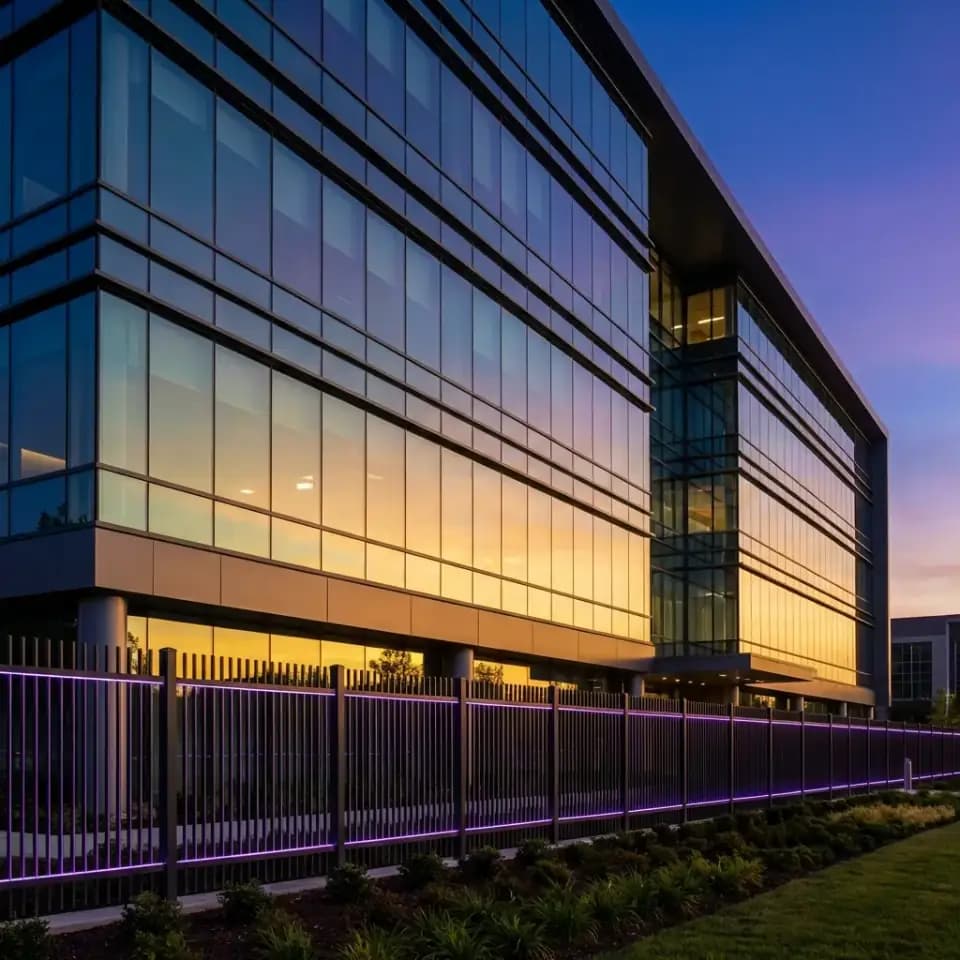
High-security perimeter protection for banks, vaults, administrative centers, and ATM areas.

Ideal for applications in Virginia

FortSense Residential Condominiums

Residential Condominiums

Perimeter Security Fiber Optics

Residential Condominiums

Invisible security for gated communities and apartment complexes, preserving aesthetics while detecting intrusions.

Ideal for applications in Virginia

FortSense Distribution Centers

Distribution Centers

Perimeter Security Fiber Optics

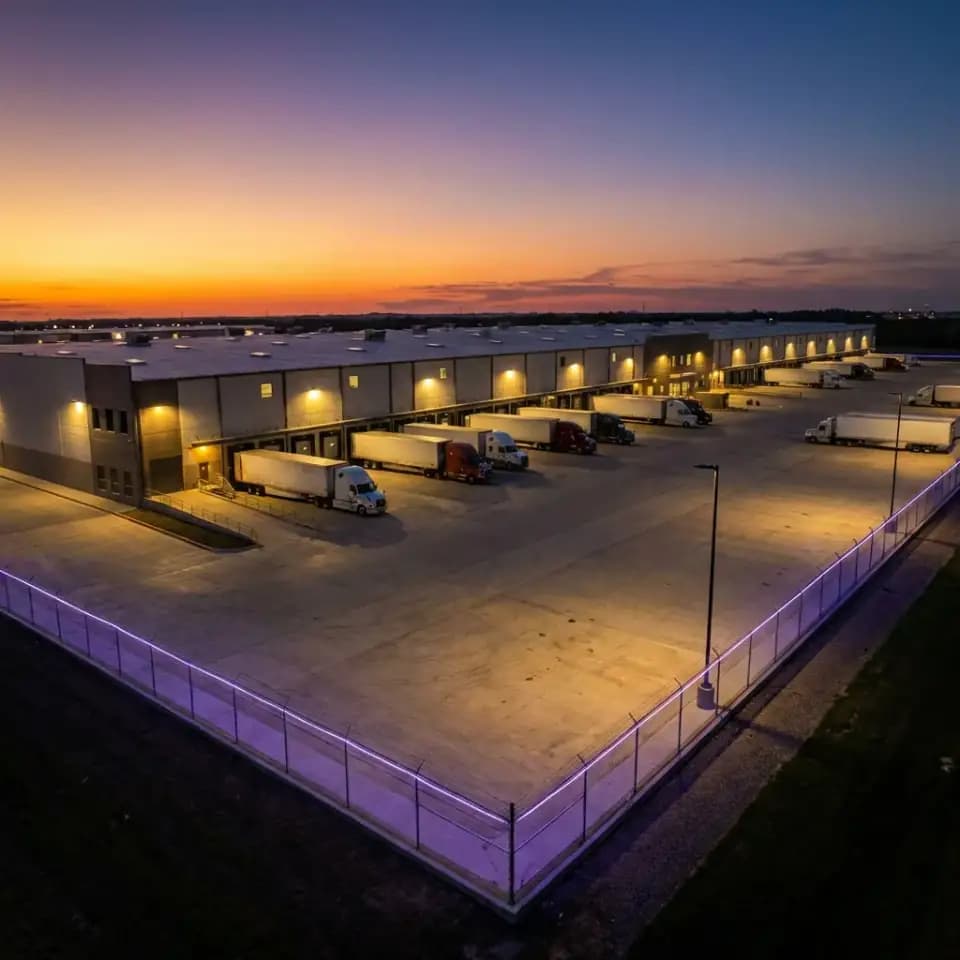
Distribution Centers

Security for logistics parks, warehouses, and high-value storage areas, meeting TAPA security standards.

Ideal for applications in Virginia

FortSense Critical Infrastructure

Critical Infrastructure

Perimeter Security Fiber Optics

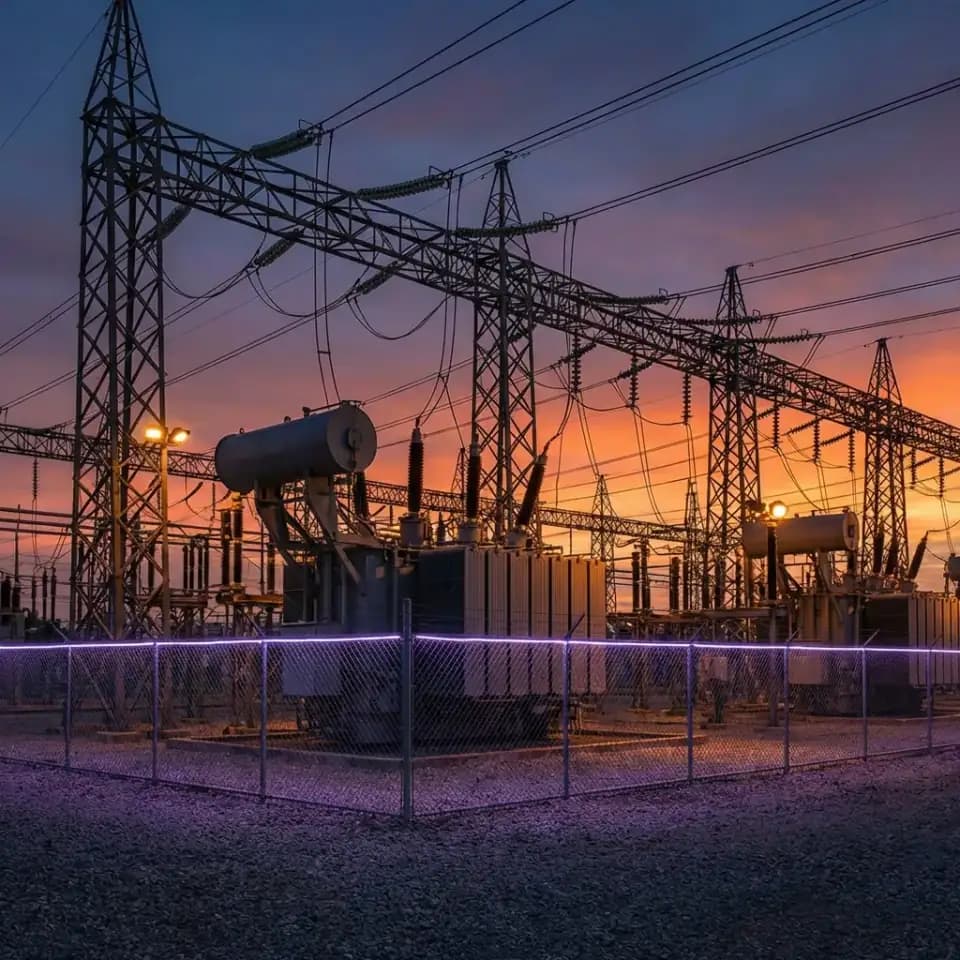
Critical Infrastructure

EMI-immune monitoring for electrical substations, telecom towers, and unmanned critical assets.

Ideal for applications in Virginia

FortSense Corrections & Prisons

Corrections & Prisons

Perimeter Security Fiber Optics

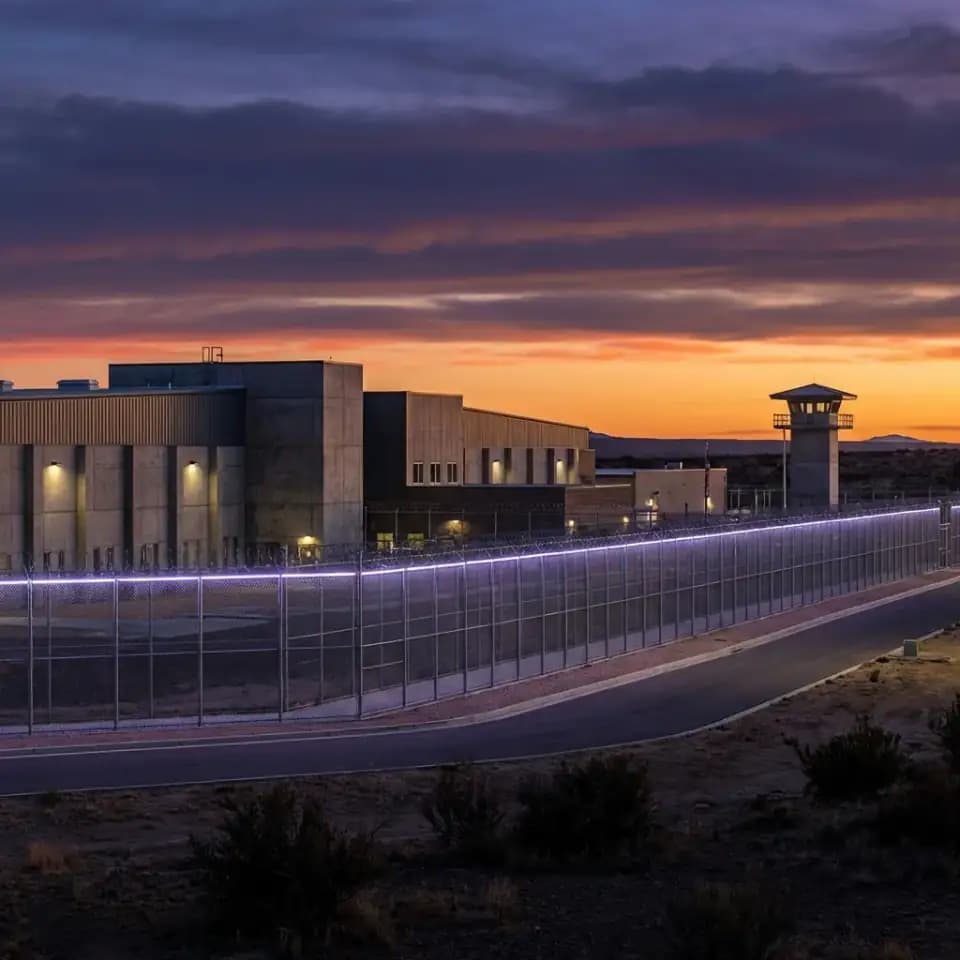
Corrections & Prisons

Zero-tolerance perimeter security for correctional facilities, detecting escape attempts and breaches.

Ideal for applications in Virginia

FortSense Public Sector & Schools

Public Sector & Schools

Perimeter Security Fiber Optics

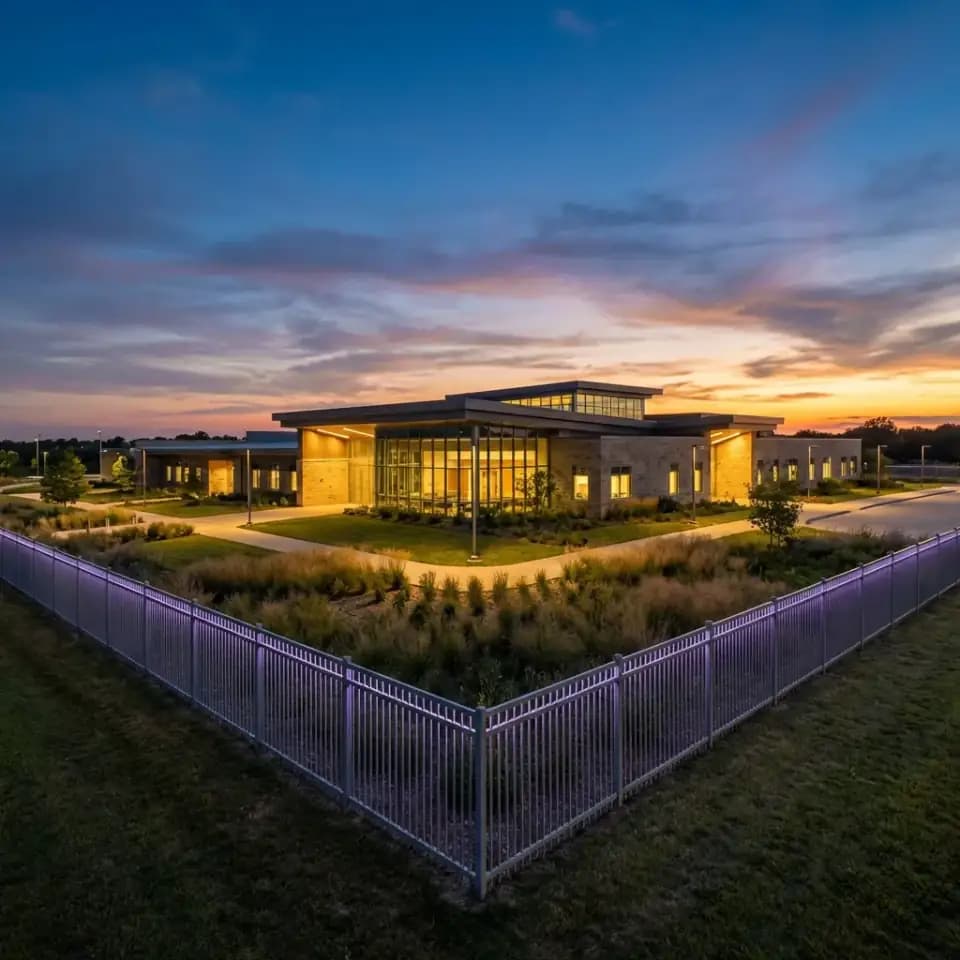
Public Sector & Schools

Non-invasive security for schools, government buildings, and public facilities with rapid lockdown protocols.

Ideal for applications in Virginia

FortSense Perimeter Security for Airports

Perimeter Security for Airports

Perimeter Security Fiber Optics

Perimeter Security for Airports

ICAO-compliant sterile zone enforcement with zero interference to airport radar and navigation systems.

Ideal for applications in Virginia

FortSense Mining Operations

Mining Operations

Perimeter Security Fiber Optics

Mining Operations

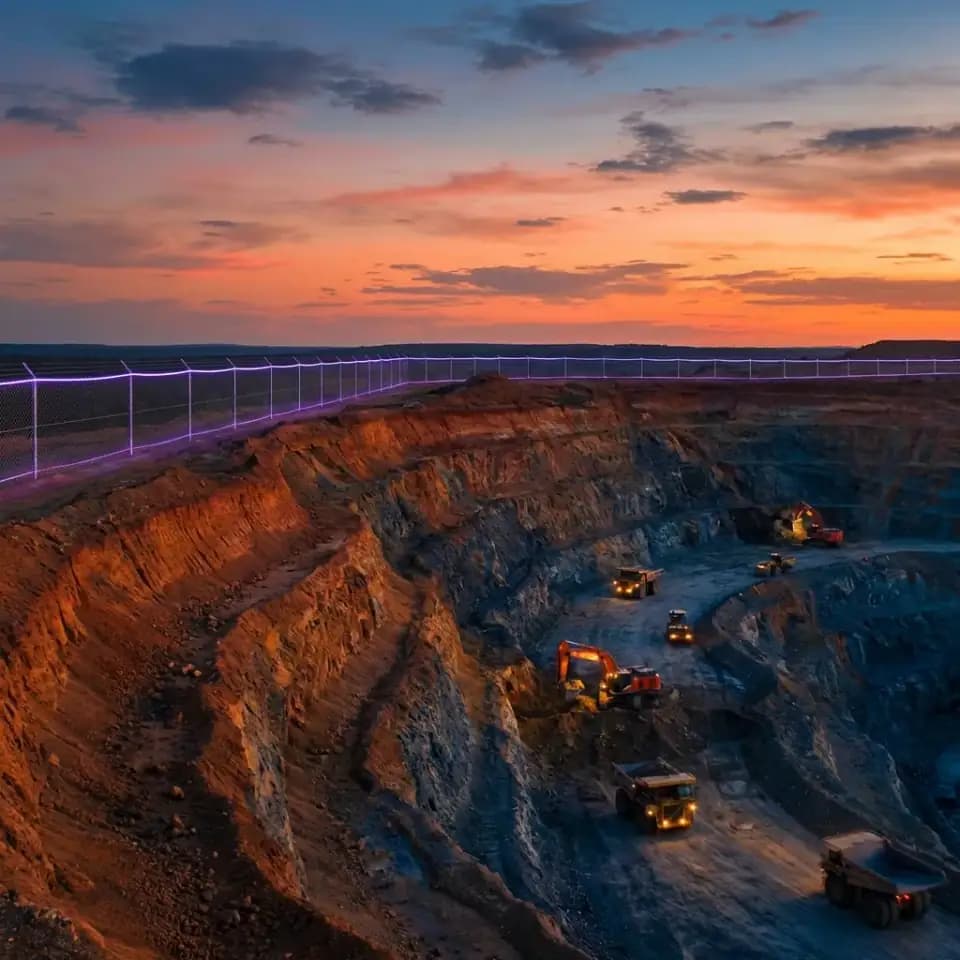
Ruggedized perimeter security for open-pit mines, ore stockpiles, and remote mining infrastructure.

Ideal for applications in Virginia

Local service overview

Perimeter Intrusion Detection for Virginia's Defense & Data Center Capital

FortSense secures Virginia's Loudoun County data center corridor, Naval Station Norfolk, and nuclear-powered aircraft carrier shipyard with fiber optic perimeter intrusion detection.

## Economic & Industrial Landscape

Virginia generates approximately $620 billion in gross domestic product, with an economy uniquely shaped by the federal government, defense industry, and technology sector. Northern Virginia is the economic engine, with Loudoun County established as the undisputed global capital of data center infrastructure. "Data Center Alley" in Ashburn and the surrounding Loudoun and Prince William County communities hosts the largest concentration of data centers in the world, with over 25 million square feet of data center space and continuous expansion.

Amazon Web Services, Microsoft, Google, Meta, Equinix, Digital Realty, QTS, and CyrusOne all operate major facilities in this corridor, which carries an estimated 70 percent of global internet traffic through its interconnection points.

Amazon located its HQ2 second headquarters in Arlington at National Landing, bringing 25,000 additional high-paid technology workers to the Northern Virginia economy. The Hampton Roads region at the southeastern corner of the state represents one of the largest military-industrial complexes in the world. Naval Station Norfolk is the world's largest naval base, homeport to aircraft carriers, submarines, cruisers, and destroyers of the Atlantic Fleet.

Newport News Shipbuilding, a division of Huntington Ingalls Industries, is the sole builder of US Navy aircraft carriers and one of only two facilities in the nation capable of constructing nuclear-powered submarines. Dominion Energy, headquartered in Richmond, is one of the nation's largest electric utilities and is developing the Virginia Offshore Wind project, a massive 176-turbine installation off Virginia Beach. Micron Technology is expanding its memory chip fabrication facility in Manassas.

## Critical Infrastructure

Virginia's defense and intelligence infrastructure is unmatched. The Pentagon in Arlington serves as the headquarters of the US Department of Defense. The CIA headquarters campus is located in Langley, McLean. The National Geospatial-Intelligence Agency (NGA) operates its Springfield campus in Northern Virginia. Marine Corps Base Quantico trains officer candidates and houses numerous Marine Corps schools and the FBI Academy. Joint Base Langley-Eustis in Hampton combines Air Force and Army operations. Fort Gregg-Adams near Petersburg supports Army logistics and sustainment operations.

The concentration of defense contractors in Northern Virginia, including major operations by Northrop Grumman, Raytheon Technologies, General Dynamics, and Leidos, creates a dense cluster of facilities handling classified programs that require physical protection.

The Port of Virginia, operated by the Virginia Port Authority through terminals at Norfolk International Terminals, Virginia International Gateway in Portsmouth, and Newport News Marine Terminal, is the third-largest container port on the East Coast. The port handles military cargo alongside commercial shipping, adding security complexity. Virginia's nuclear power infrastructure includes the Surry Nuclear Power Plant in Surry County and the North Anna Nuclear Generating Station in Louisa County, both operated by Dominion Energy.

The Virginia Offshore Wind project's 176 turbines will connect to the onshore grid through submarine cables landing at Virginia Beach, creating a new category of critical energy infrastructure requiring perimeter protection. The massive fiber optic backbone infrastructure running through Northern Virginia, connecting data centers to the broader internet, represents perhaps the most concentrated telecommunications infrastructure in the world.

## Security Challenges

The sheer density of high-value targets in Virginia creates a security environment of extraordinary complexity. Data Center Alley in Loudoun County contains computing infrastructure worth hundreds of billions of dollars, processing financial transactions, government data, cloud services, and internet traffic at a scale unmatched anywhere on Earth. The physical protection of these facilities must defend against everything from opportunistic theft to sophisticated nation-state espionage attempts targeting the hardware and data within.

Newport News Shipbuilding constructs nuclear-powered aircraft carriers and submarines under the most stringent security protocols in American industry, with classified nuclear propulsion technology and advanced weapons systems integration occurring within the shipyard's perimeters.

Naval Station Norfolk's security requirements encompass the protection of nuclear-powered aircraft carriers, Aegis-equipped cruisers and destroyers, and the ammunition and fuel storage facilities that support fleet operations. The I-95 corridor through Virginia is a major cargo theft route, and the Dulles Toll Road and Route 267 corridor providing access to Data Center Alley faces its own security pressures from the value of the equipment and materials flowing into the data center construction sites.

Coastal flooding and sea level rise present growing physical threats to Norfolk and Virginia Beach facilities, with the naval base already experiencing regular tidal flooding that is projected to worsen significantly in coming decades.

## Why Fiber Optic PIDS in Virginia

Virginia's climate ranges from coastal-marine conditions in Hampton Roads, where hurricane-force winds and storm surge threaten naval and port facilities, to continental conditions in the Shenandoah Valley, where ice storms can disable electronic security systems. The coastal Norfolk and Virginia Beach areas are increasingly vulnerable to sea level rise and tidal flooding, making it essential to deploy security technology that maintains operational capability during water intrusion events that would short-circuit conventional electronic sensors.

Fiber optic cables are inherently waterproof and corrosion-resistant, continuing to function even when partially submerged.

The electromagnetic environment inside and around Virginia's data centers and defense facilities is extraordinarily complex, with high-density computing equipment, radar systems, and communications infrastructure generating interference that can compromise electronic perimeter sensors. Fiber optic PIDS is completely immune to electromagnetic interference, making it the technology of choice for data center perimeters where thousands of servers generate broadband electromagnetic noise, and for military facilities where active radar and electronic warfare systems operate.

The critical fiber optic backbone infrastructure in Northern Virginia itself requires physical protection along its route, and fiber optic PIDS sensors can be co-deployed along these telecommunications corridors to detect excavation or tampering attempts.

## Deployment Context

Virginia's perimeter security portfolio is arguably the most demanding of any state in the nation, encompassing the world's largest data center concentration in Loudoun County, the world's largest naval base at Norfolk, the nation's sole aircraft carrier construction facility at Newport News, intelligence agency headquarters, defense contractor campuses handling classified programs, nuclear power stations, offshore wind energy infrastructure, and the physical internet backbone that underpins global communications.

Fiber optic PIDS technology provides the detection reliability, environmental resilience, and electromagnetic immunity required to protect this unparalleled concentration of national security and technology infrastructure.

Professional perimeter protection for distribution centers, manufacturing, and critical infrastructure in Virginia.

  • Substation & Grid Protection (Copper Theft)
  • Water Treatment & Utility Plant Perimeter
  • Factory & Industrial Park Perimeter
  • Hyperscale Data Centers & Cloud Infrastructure

Plan a FortSense assessment for this market

Share the perimeter length, fence type, and monitoring workflow. FortSense can help scope zones, integration points, and commissioning requirements for this location.

Services

Substation & Grid Protection (Copper Theft)

Fiber optic perimeter security for electrical substations, switching stations, and transmission corridors to prevent copper theft and infrastructure sabotage.

Water Treatment & Utility Plant Perimeter

Securing water treatment facilities, pumping stations, and utility plants against contamination threats and unauthorized access with SCADA-integrated alarms.

Factory & Industrial Park Perimeter

Shift-aware perimeter detection for factories and industrial parks with automatic sensitivity adjustment between production hours and quiet periods.

Deployment patterns for local sites

How FortSense Works in Virginia

Fiber optic perimeter security adapted to local conditions and requirements.

  1. Fiber installed. Passive fiber optic cable mounts on the existing fence or wall with minimal civil work.
  2. Vibration detected. Any contact creates vibration patterns in the fiber so climbing, cutting, or lifting attempts become visible immediately.
  3. AI/DSP verification. Algorithms filter out wind, animals, and environmental noise before an operator ever sees an alarm.
  4. Alarm if intrusion. Only real threats trigger zone-based alarms that can route into the monitoring workflow already used by the site team.

Adapted for Virginia. Our local partners understand Virginia's climate, terrain, and security challenges. The fiber optic system is configured to filter local environmental conditions while maintaining maximum sensitivity to real intrusion attempts.

Integration and security software fit

FortSense can feed alarms into the monitoring stack a site already uses, including VMS, PSIM, alarm panels, relay inputs, TCP/IP workflows, and camera verification.

  • Zone-based alarms for operators and guard teams
  • Camera and VMS workflows for visual verification
  • Relay or network outputs for existing security systems
  • Software-assisted filtering before dispatch decisions

Industries in this market

Relevant FortSense industry and use-case paths connected to this location.

  • Hyperscale Data Centers & Cloud Infrastructure
  • Naval Bases & Shipbuilding Facilities
  • Defense Contractor & Intelligence Campuses
  • Distribution Center Perimeter Security
  • Solar Farm Perimeter Security
  • Perimeter Security for Critical Infrastructure

Why FortSense fits in Perimeter Security in Virginia

FortSense is designed for perimeter security work where false-alarm reduction, passive fiber sensing, and practical integration matter more than adding another camera-only layer.

  • Passive fiber on existing fences, walls, or perimeter structures
  • AI/DSP filtering for wind, vibration, and environmental noise
  • Zone-level alerts that can match the site's response model
  • Support for design, integration, commissioning, and handover

Market notes

Practical details that help this page stay specific to the market instead of drifting into generic copy.

  • Hyperscale Data Centers & Cloud Infrastructure
  • Naval Bases & Shipbuilding Facilities
  • Defense Contractor & Intelligence Campuses
  • Substation & Grid Protection (Copper Theft)

Related FortSense paths

Related technical content and commercial guidance linked from this location page.

Frequently Asked Questions (FAQ)

Frequently Asked Questions (FAQ) — Virginia

How does the system secure geographically dispersed utility assets?

One FortSense interrogator covers up to 80 km of fiber, allowing you to connect multiple substations, pump stations, or telecom sites on a single fiber ring. This dramatically reduces the cost-per-site compared to standalone security systems at each location.

What about data center security with redundancy requirements?

FortSense supports dual-fiber redundant configurations where the sensing cable forms a complete loop. If the cable is cut at any point, both segments continue operating independently — no single point of failure, matching Tier III/IV data center uptime requirements.

Can the system integrate with utility SCADA and BMS platforms?

Yes. FortSense integrates with SCADA via Modbus TCP/IP, OPC UA, and DNP3. Alarms can trigger automated responses in building management systems (BMS), including lighting activation, gate lockdown, and HVAC isolation for contamination scenarios.

Can the system secure multiple buildings in an industrial park?

Yes. The fiber cable can be routed through multiple perimeters within a single industrial park — factory buildings, warehouses, parking areas, and utility compounds — all monitored from one interrogator with independent alarm zones per building.

Can the system handle the freeze-thaw cycles common in temperate regions?

Yes. Our fiber cable and mounting hardware are rated for 1000+ freeze-thaw cycles without degradation. The system adapts its acoustic baseline as fence tension changes with temperature, maintaining detection accuracy through seasonal transitions.

Local perimeter assessment

Request Perimeter Assessment in Virginia

Receive a technical proposal, deployment design, and integration plan.

Perimeter Intrusion Detection for Virginia's Defense & Data…