

Fiber Optic Perimeter Security in Alabama: Automotive & Aerospace Perimeter Security in Alabama

Protecting Birmingham's Manufacturing Corridor, Mobile's Deepwater Port, and Huntsville's Defense Complex with Advanced Fiber Optic Detection

Applications

Perimeter Security Fiber Optics Ideal for Applications in Alabama

FortSense Solar & Renewables

Solar & Renewables

Perimeter Security Fiber Optics

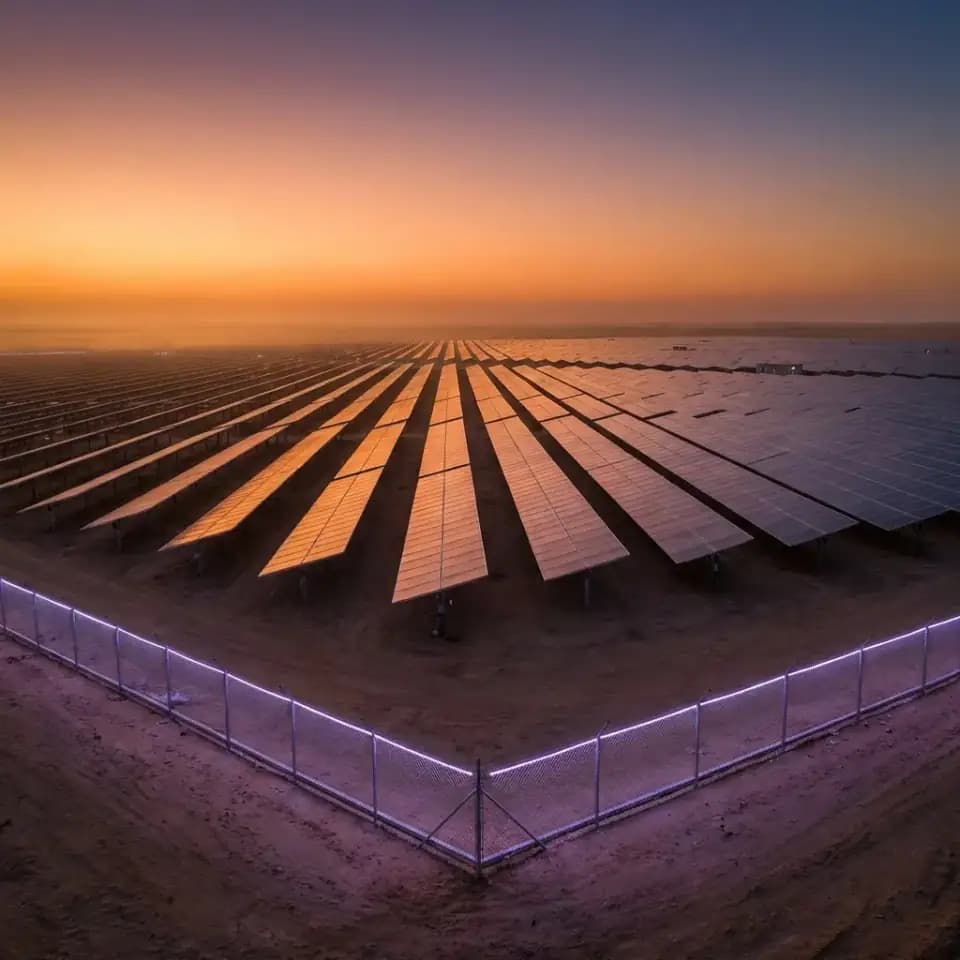
Solar & Renewables

Autonomous perimeter monitoring for solar plants, protecting against theft of panels, copper cables, and inverters.

Ideal for applications in Alabama

FortSense Oil & Gas

Oil & Gas

Perimeter Security Fiber Optics

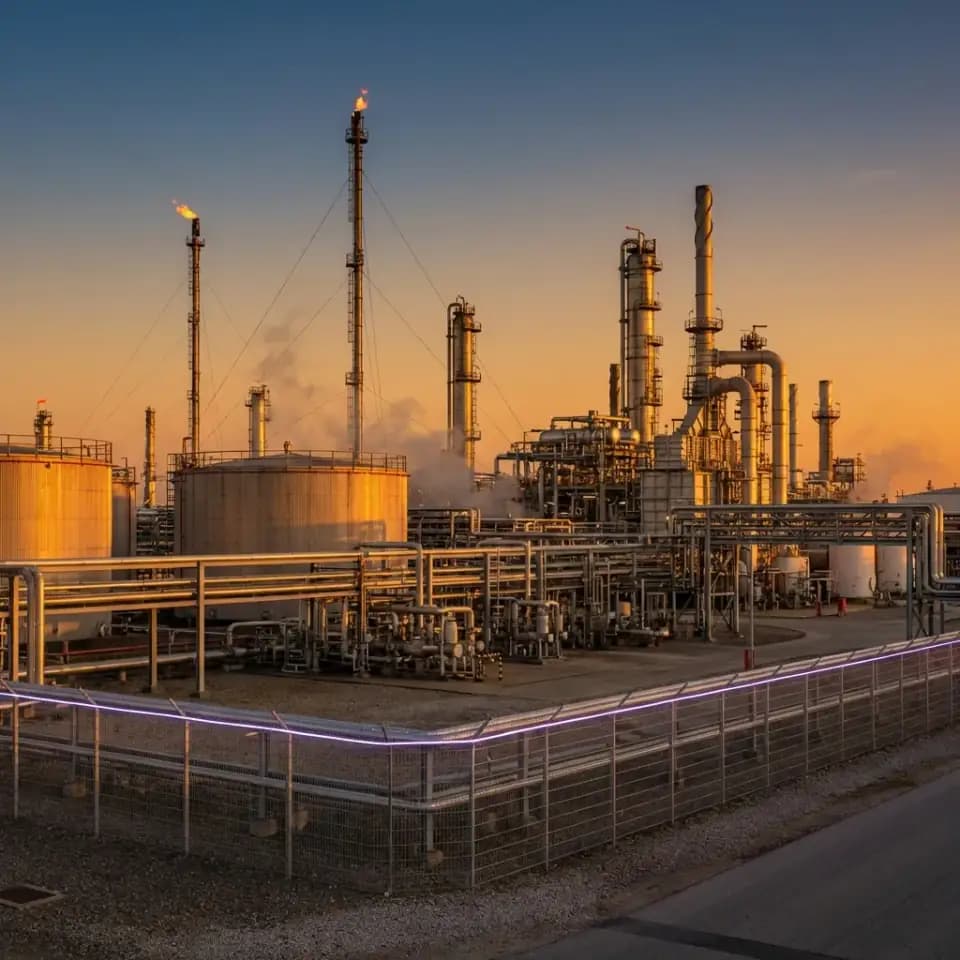
Oil & Gas

Intrinsically safe perimeter detection for refineries, chemical plants, and fuel storage depots.

Ideal for applications in Alabama

FortSense Ports & Maritime

Ports & Maritime

Perimeter Security Fiber Optics

Ports & Maritime

ISPS-compliant security for cargo containers, fuel depots, and docked vessels in harsh marine environments.

Ideal for applications in Alabama

FortSense Agriculture

Agriculture

Perimeter Security Fiber Optics

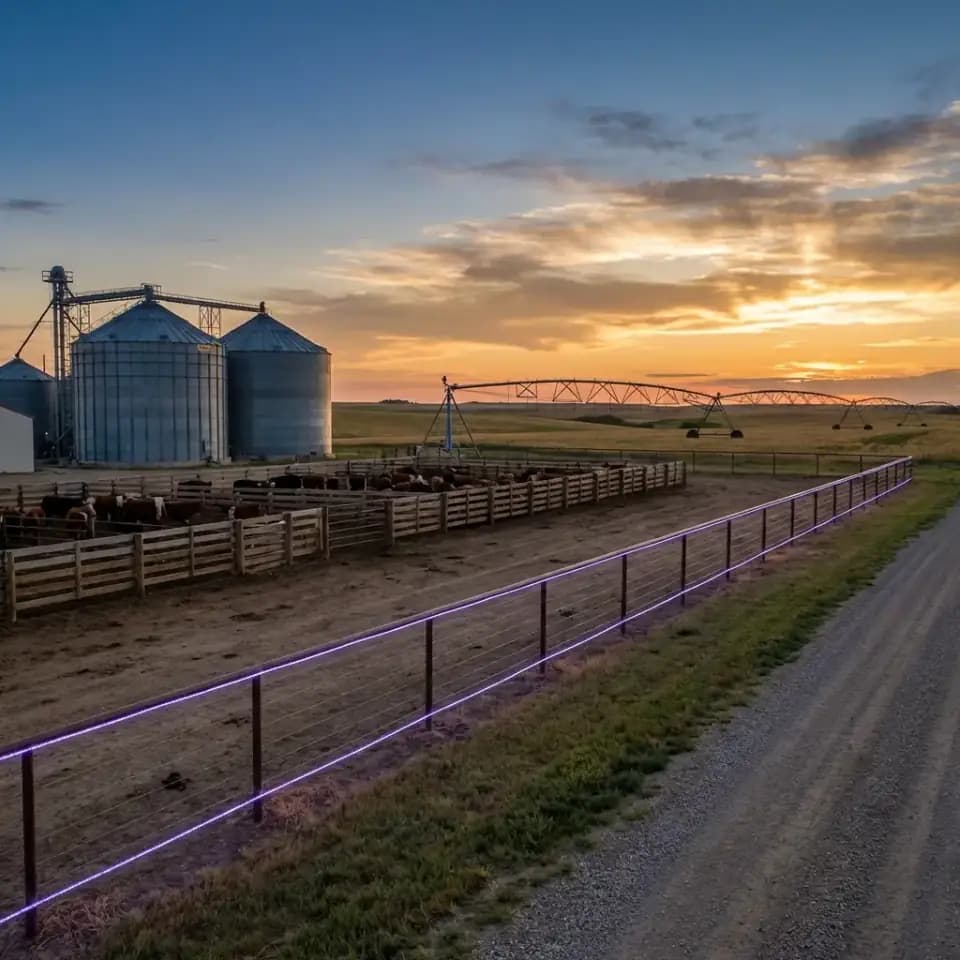
Agriculture

Fire detection and security for farms, livestock pens, pivot irrigation systems, and rural assets.

Ideal for applications in Alabama

FortSense Financial Sector

Financial Sector

Perimeter Security Fiber Optics

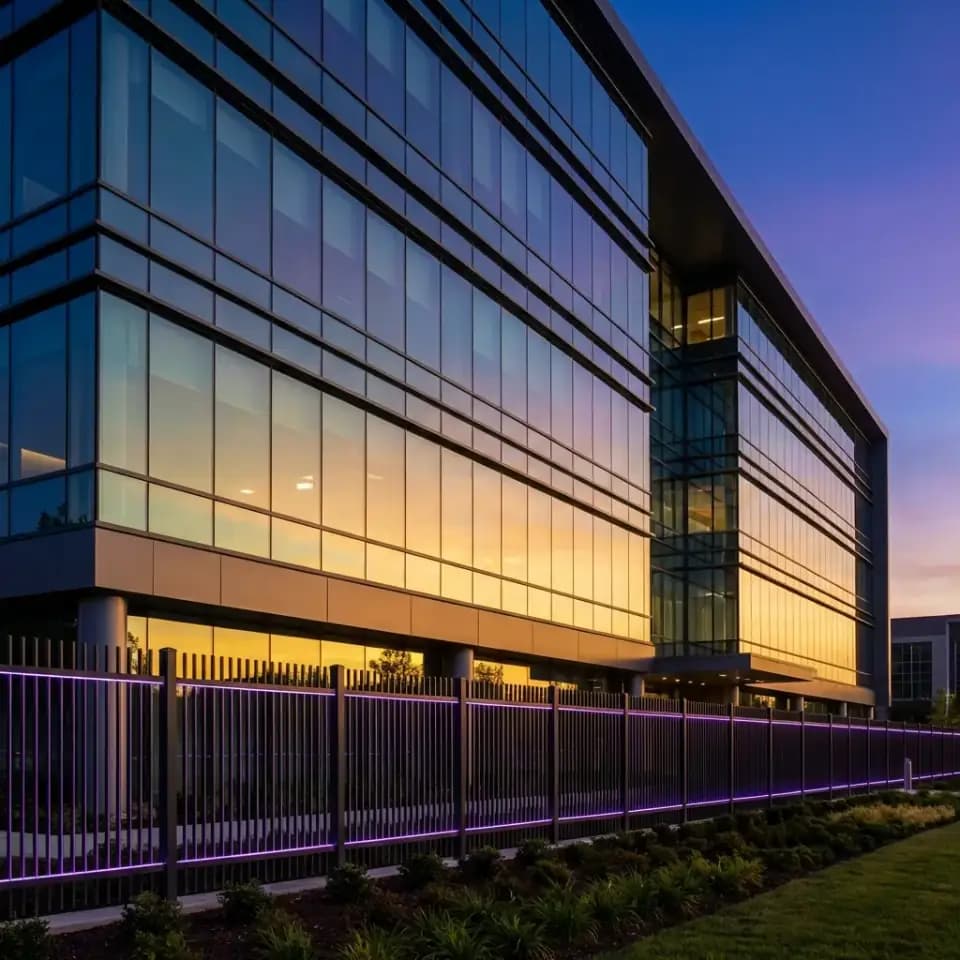
Financial Sector

High-security perimeter protection for banks, vaults, administrative centers, and ATM areas.

Ideal for applications in Alabama

FortSense Residential Condominiums

Residential Condominiums

Perimeter Security Fiber Optics

Residential Condominiums

Invisible security for gated communities and apartment complexes, preserving aesthetics while detecting intrusions.

Ideal for applications in Alabama

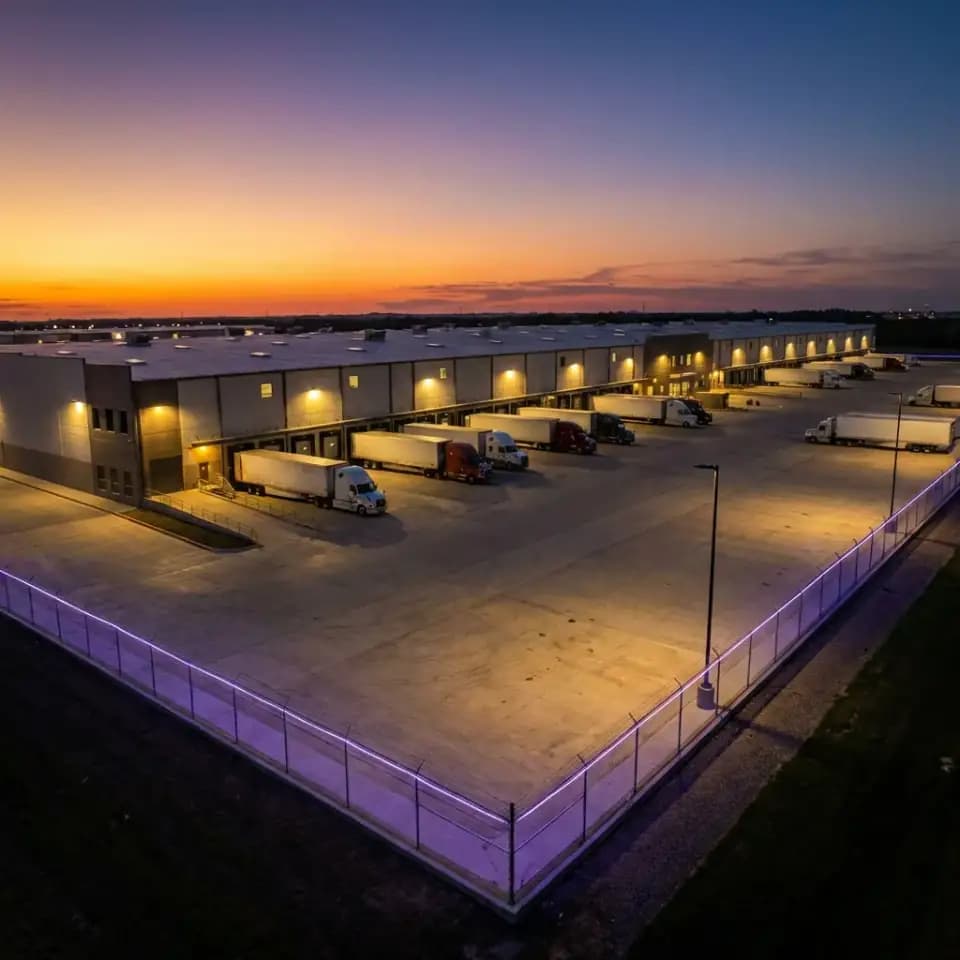
FortSense Distribution Centers

Distribution Centers

Perimeter Security Fiber Optics

Distribution Centers

Security for logistics parks, warehouses, and high-value storage areas, meeting TAPA security standards.

Ideal for applications in Alabama

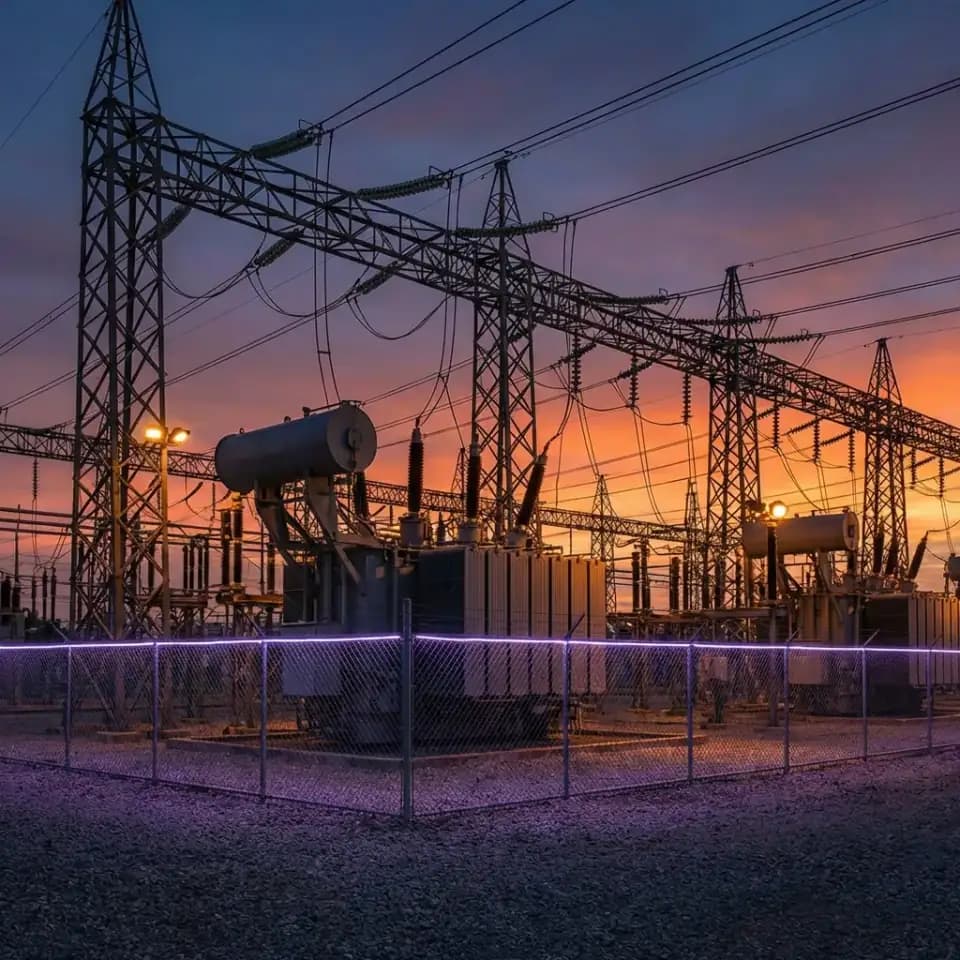
FortSense Critical Infrastructure

Critical Infrastructure

Perimeter Security Fiber Optics

Critical Infrastructure

EMI-immune monitoring for electrical substations, telecom towers, and unmanned critical assets.

Ideal for applications in Alabama

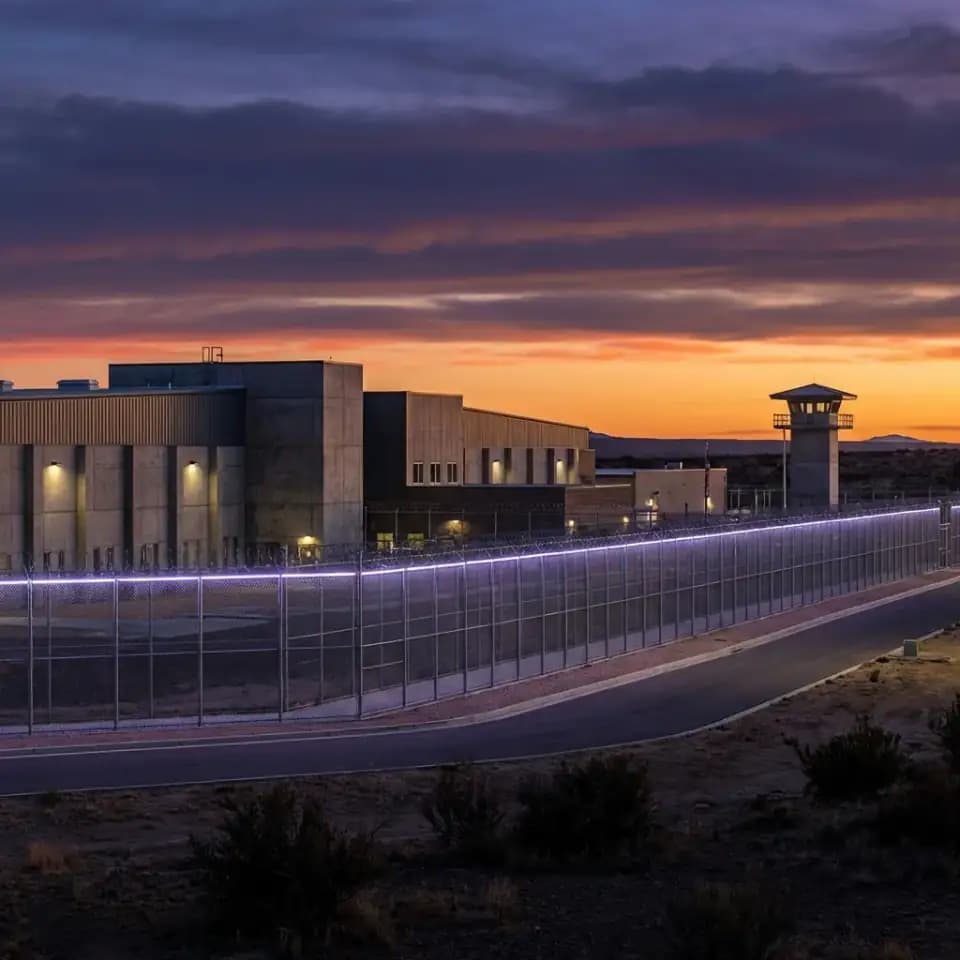
FortSense Corrections & Prisons

Corrections & Prisons

Perimeter Security Fiber Optics

Corrections & Prisons

Zero-tolerance perimeter security for correctional facilities, detecting escape attempts and breaches.

Ideal for applications in Alabama

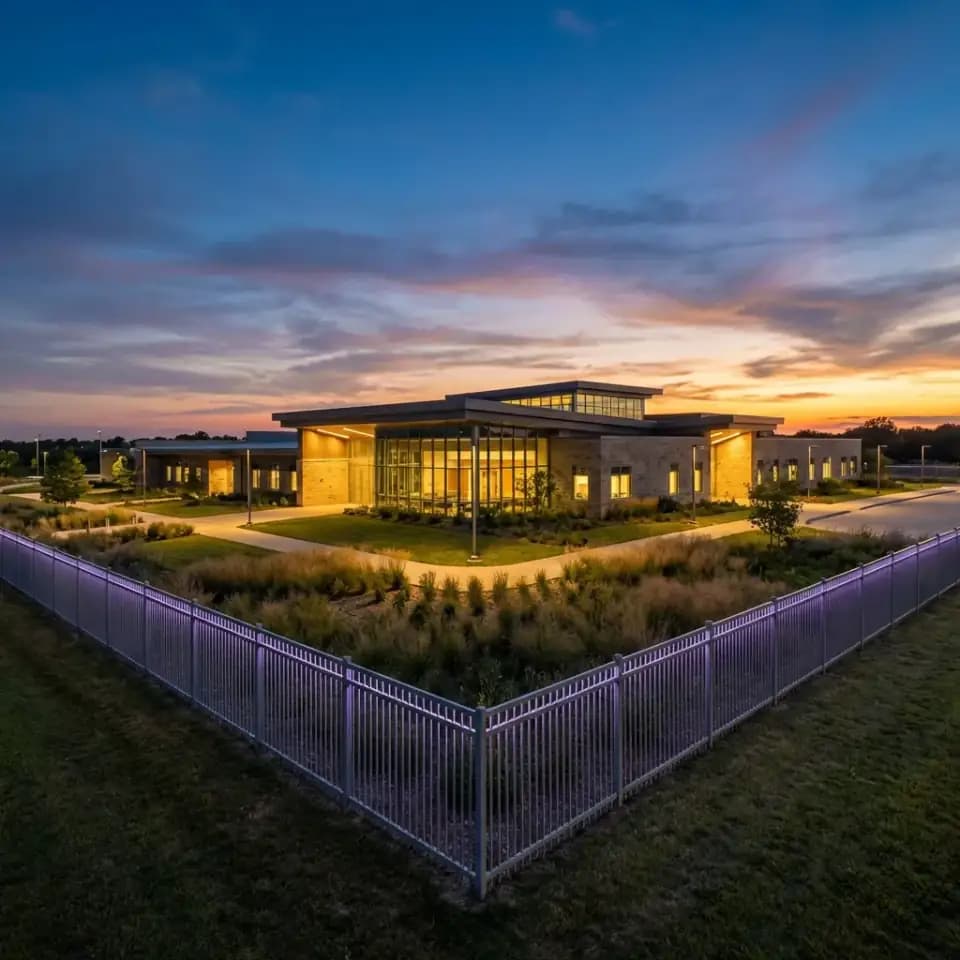
FortSense Public Sector & Schools

Public Sector & Schools

Perimeter Security Fiber Optics

Public Sector & Schools

Non-invasive security for schools, government buildings, and public facilities with rapid lockdown protocols.

Ideal for applications in Alabama

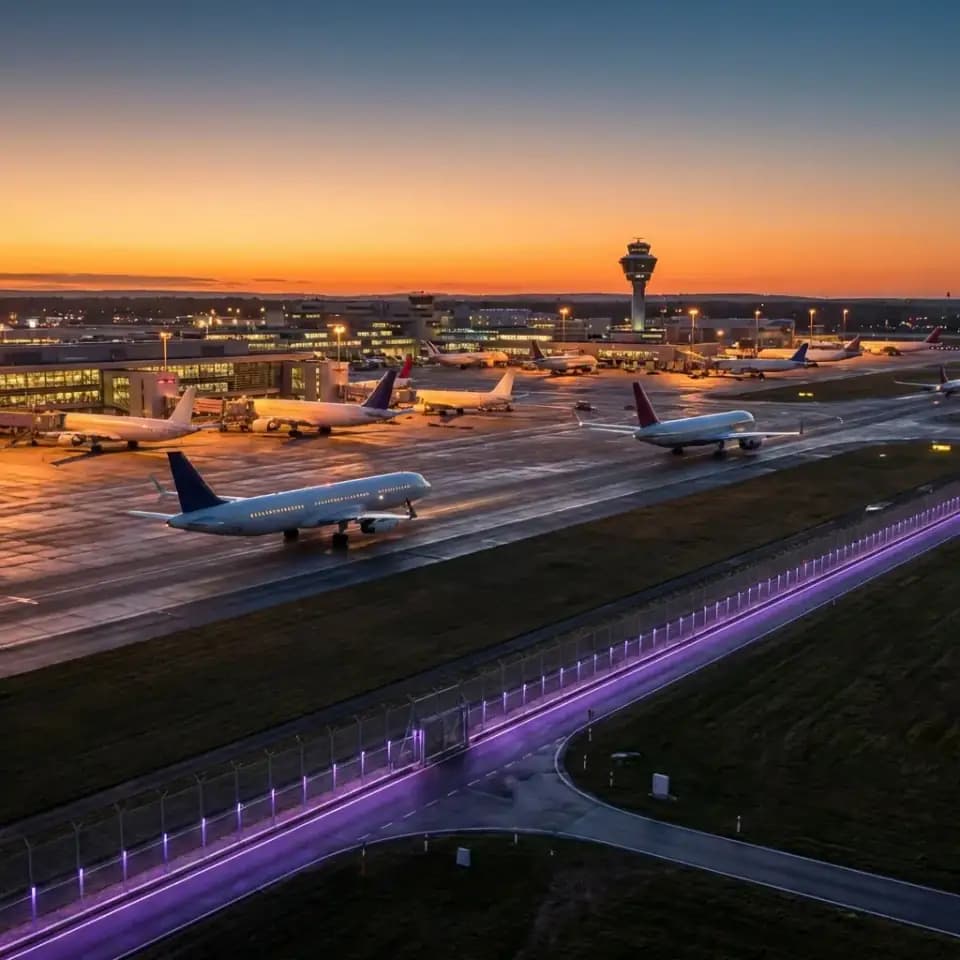
FortSense Perimeter Security for Airports

Perimeter Security for Airports

Perimeter Security Fiber Optics

Perimeter Security for Airports

ICAO-compliant sterile zone enforcement with zero interference to airport radar and navigation systems.

Ideal for applications in Alabama

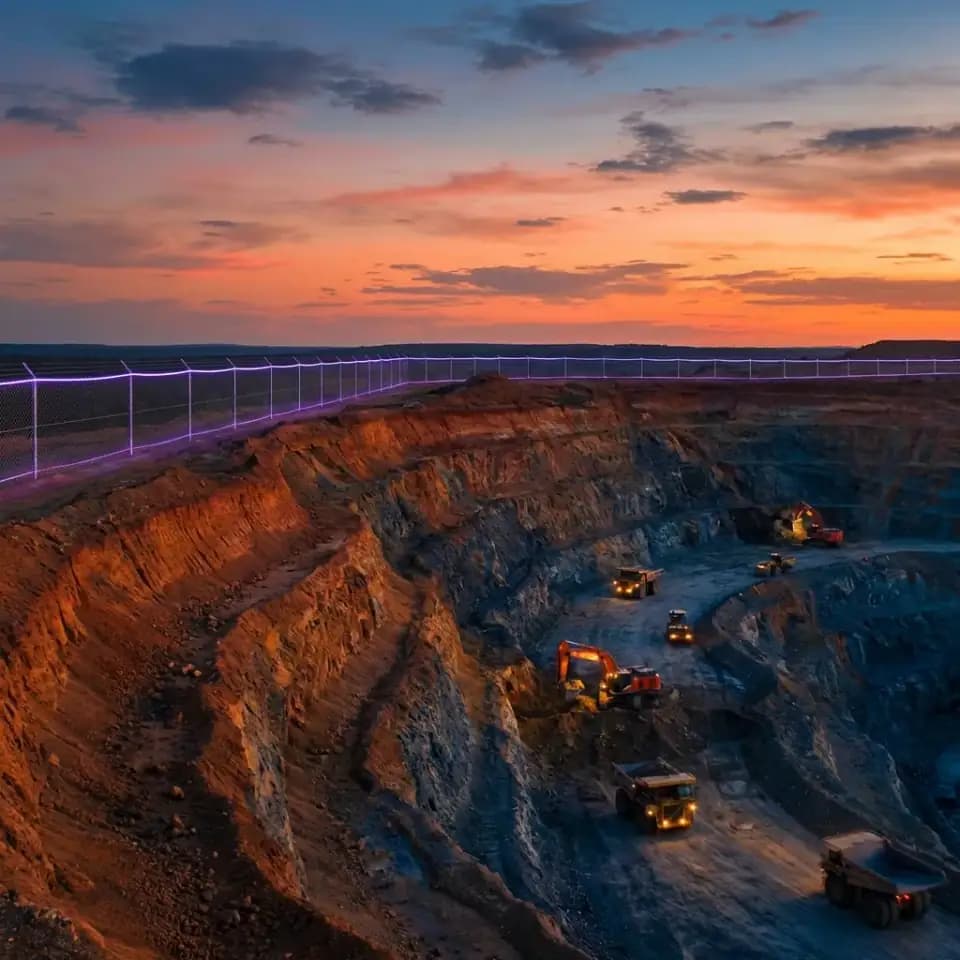
FortSense Mining Operations

Mining Operations

Perimeter Security Fiber Optics

Mining Operations

Ruggedized perimeter security for open-pit mines, ore stockpiles, and remote mining infrastructure.

Ideal for applications in Alabama

Local service overview

Automotive & Aerospace Perimeter Security in Alabama

FortSense® fiber optic PIDS protecting Alabama's automotive assembly plants, aerospace facilities, Gulf Coast port infrastructure, and Redstone Arsenal defense operations.

Alabama has undergone one of the most dramatic industrial transformations of any state in the American South over the past three decades. Once defined by textiles, cotton, and iron production, the state now anchors its economy on a globally significant automotive manufacturing cluster, a rapidly expanding aerospace sector, and a deepwater port system that connects the Gulf Coast to inland waterways stretching hundreds of miles into the continent.

In 2024 alone, Alabama secured over $7 billion in new capital investment across 224 economic development projects, generating more than 8,500 new jobs and underscoring the state's accelerating industrial trajectory. This sustained growth has created an enormous installed base of high-value manufacturing, logistics, and defense infrastructure that demands sophisticated perimeter protection.

The automotive sector is the crown jewel of Alabama's manufacturing economy. Five major assembly plants operate across the state: Mercedes-Benz in Vance (Tuscaloosa County), Honda Manufacturing of Alabama in Lincoln, Hyundai Motor Manufacturing Alabama in Montgomery, Mazda Toyota Manufacturing in Huntsville, and a growing network of Tier 1 and Tier 2 suppliers feeding these lines. The Mercedes-Benz plant alone produces the GLE, GLE Coupe, and GLS SUV models for the global market, while Hyundai's Montgomery facility has an annual capacity exceeding 400,000 vehicles.

These plants contain billions of dollars in robotic assembly equipment, proprietary tooling, and just-in-time component inventories that make them prime targets for industrial theft and corporate espionage. The supplier parks surrounding each OEM plant add dozens of additional facilities storing stamped steel, electronics modules, and powertrain components across sprawling industrial campuses.

Alabama's critical infrastructure extends well beyond automotive. The Port of Mobile, operated by the Alabama State Port Authority, is the state's sole deepwater seaport and handles container, bulk, breakbulk, and roll-on/roll-off cargo connecting to markets across the Gulf of Mexico and beyond. The port's container terminal and associated logistics parks process millions of tons of cargo annually, while the Tennessee-Tombigbee Waterway provides a 234-mile inland waterway corridor linking Mobile to the Tennessee River system.

Inland river docks at Birmingham, Demopolis, and Montgomery extend the state's waterborne logistics network deep into its industrial heartland. Austal USA's shipyard in Mobile builds Independence-class littoral combat ships and Expeditionary Fast Transport vessels for the U. S. Navy, making it a defense-critical maritime manufacturing facility. Adjacent to Austal, the Airbus U. S. Manufacturing Facility assembles A320-family aircraft, the first Airbus final assembly line on American soil.

The ThyssenKrupp/AM/NS Calvert steel complex near Mobile produces carbon and stainless steel for automotive and construction markets, adding another layer of heavy industrial infrastructure to the Gulf Coast corridor.

In northern Alabama, the Huntsville corridor has emerged as one of the nation's premier defense, space, and technology hubs. Redstone Arsenal encompasses over 38,000 acres and hosts the U. S. Army Materiel Command, the Army Aviation and Missile Command, the Missile Defense Agency, and NASA's Marshall Space Flight Center, which manages propulsion development for the Space Launch System. Cummings Research Park, the second-largest research park in the United States, houses hundreds of defense contractors, engineering firms, and technology startups directly adjacent to Redstone's gates.

The Anniston Army Depot, the Army's premier maintenance facility for tracked combat vehicles and small-caliber weapons, adds another major military installation requiring robust perimeter defense. Fort Novosel (formerly Fort Rucker) in the Wiregrass region serves as the Army's primary aviation training center. These military and defense installations handle classified materials, advanced weapons systems, and sensitive research programs that mandate multi-layered physical security.

Alabama's security landscape presents distinct challenges tied to its industrial growth, geography, and climate. Rising construction site theft across the state's booming development zones represents a growing cost burden for general contractors and developers. Port cargo theft at Mobile, copper and metal theft from industrial construction projects, and equipment theft from oil and gas well sites in southwestern Alabama all contribute to a complex threat environment.

The Birmingham metropolitan area consistently records vehicle theft rates above the national average, and rural property crime including farm equipment and agricultural theft affects the state's substantial poultry and farming operations. Alabama ranks as the nation's third-largest broiler-producing state, and its poultry processing plants along the I-65 corridor face biosecurity threats from avian influenza in addition to conventional theft and trespass risks.

The state's climate adds a demanding operational dimension. Alabama sits at the intersection of hurricane exposure along the Gulf Coast (Mobile and Baldwin County face direct tropical storm threats), a tornado alley extension that brings frequent severe thunderstorms and tornadoes particularly to northern Alabama, and persistent high heat and humidity with summer temperatures regularly exceeding 90°F. Flooding risk along the Tennessee, Black Warrior, and Mobile-Tensaw river systems threatens low-lying industrial installations, while occasional ice storms impact northern regions.

Traditional security technologies—cameras, motion sensors, and electric fence systems—degrade rapidly under these conditions. Humidity corrodes electronic contacts, UV exposure damages camera housings, and storm-driven debris triggers constant false alarms on motion-based systems. Fiber optic perimeter intrusion detection systems are inherently immune to these environmental stressors: glass fiber is non-conductive, impervious to humidity-driven corrosion, unaffected by electromagnetic interference from lightning, and operates reliably across the full temperature range Alabama experiences.

FortSense fiber optic PIDS technology is specifically engineered for the conditions that define Alabama's industrial environment. A single fiber optic sensing cable can monitor perimeters spanning tens of kilometers, making it practical to secure the vast footprints of automotive assembly complexes, multi-berth port terminals, and sprawling military installations without the maintenance burden of hundreds of discrete electronic sensor nodes.

The system detects intrusion attempts in real time by analyzing acoustic and vibration signatures propagated through the sensing fiber, distinguishing between genuine threats—fence climbing, cutting, tunneling—and environmental noise such as wind, rain, and wildlife. This signal intelligence capability is critical in Alabama, where heat-expanded metal fencing, storm debris, and abundant wildlife (deer, feral hogs, armadillos) would generate unacceptable false alarm rates on conventional systems.

Realistic deployment scenarios in Alabama span the full spectrum of the state's industrial base. Automotive OEM plants like Honda Lincoln and Hyundai Montgomery require continuous perimeter monitoring across multi-mile fence lines enclosing hundreds of acres, with integration into existing access control and video management systems. The Port of Mobile's container and bulk cargo terminals demand waterfront and landside perimeter detection capable of operating in salt-air marine environments.

Defense installations at Redstone Arsenal, Anniston Army Depot, and Fort Novosel need detection systems that meet Department of Defense physical security standards while covering extremely large and varied terrain. The Decatur industrial chemical corridor, home to major fertilizer and industrial chemical manufacturing, requires perimeter systems that are intrinsically safe for deployment in potentially explosive atmospheres—a requirement that fiber optic sensing meets by design, since glass fiber carries no electrical current.

Steel mills, nuclear power plants at Browns Ferry and Farley, and the Airbus and Austal manufacturing campuses in Mobile all represent high-value, high-consequence facilities where FortSense's combination of detection range, environmental resilience, and low maintenance overhead delivers measurable security advantages over legacy electronic alternatives.

Professional perimeter protection for distribution centers, manufacturing, and critical infrastructure in Alabama.

  • Warehouse Complex & Distribution Center
  • R&D Campus & IP Protection
  • Cold Storage & Warehouse Perimeter
  • Automotive Manufacturing Plants

Plan a FortSense assessment for this market

Share the perimeter length, fence type, and monitoring workflow. FortSense can help scope zones, integration points, and commissioning requirements for this location.

Services

Warehouse Complex & Distribution Center

Multi-zone fiber optic fencing for warehouse complexes and distribution centers with integration to inventory management and access control systems.

R&D Campus & IP Protection

High-security perimeter for R&D campuses, pharmaceutical plants, and IP-sensitive manufacturing facilities with tamper-proof fiber and encrypted alarm channels.

Cold Storage & Warehouse Perimeter

All-weather fiber optic fencing for cold storage facilities (-40°C rated), distribution warehouses, and fulfillment centers with zone-based alarm priority.

Deployment patterns for local sites

How FortSense Works in Alabama

Fiber optic perimeter security adapted to local conditions and requirements.

  1. Fiber installed. Passive fiber optic cable mounts on the existing fence or wall with minimal civil work.
  2. Vibration detected. Any contact creates vibration patterns in the fiber so climbing, cutting, or lifting attempts become visible immediately.
  3. AI/DSP verification. Algorithms filter out wind, animals, and environmental noise before an operator ever sees an alarm.
  4. Alarm if intrusion. Only real threats trigger zone-based alarms that can route into the monitoring workflow already used by the site team.

Adapted for Alabama. Our local partners understand Alabama's climate, terrain, and security challenges. The fiber optic system is configured to filter local environmental conditions while maintaining maximum sensitivity to real intrusion attempts.

Integration and security software fit

FortSense can feed alarms into the monitoring stack a site already uses, including VMS, PSIM, alarm panels, relay inputs, TCP/IP workflows, and camera verification.

  • Zone-based alarms for operators and guard teams
  • Camera and VMS workflows for visual verification
  • Relay or network outputs for existing security systems
  • Software-assisted filtering before dispatch decisions

Industries in this market

Relevant FortSense industry and use-case paths connected to this location.

  • Automotive Manufacturing Plants
  • Deepwater Port Terminal Operators & Naval Shipyards
  • Military Installations & Aerospace Defense Facilities
  • Distribution Center Perimeter Security
  • Solar Farm Perimeter Security
  • Perimeter Security for Critical Infrastructure

Why FortSense fits in Perimeter Security in Alabama

FortSense is designed for perimeter security work where false-alarm reduction, passive fiber sensing, and practical integration matter more than adding another camera-only layer.

  • Passive fiber on existing fences, walls, or perimeter structures
  • AI/DSP filtering for wind, vibration, and environmental noise
  • Zone-level alerts that can match the site's response model
  • Support for design, integration, commissioning, and handover

Market notes

Practical details that help this page stay specific to the market instead of drifting into generic copy.

  • Automotive Manufacturing Plants
  • Deepwater Port Terminal Operators & Naval Shipyards
  • Military Installations & Aerospace Defense Facilities
  • Warehouse Complex & Distribution Center

Related FortSense paths

Related technical content and commercial guidance linked from this location page.

Frequently Asked Questions (FAQ)

Frequently Asked Questions (FAQ) — Alabama

Can FortSense protect pharmaceutical and IP-sensitive manufacturing areas?

Absolutely. For facilities requiring enhanced security (pharma, defense, aerospace), FortSense provides tamper-proof fiber routing, encrypted alarm channels, and anti-defeat mechanisms. The system detects sophisticated breach attempts including slow-cut and bridging.

How does the system handle vibration from heavy manufacturing equipment?

Our industrial algorithm continuously learns the vibration profile of your factory — presses, CNC machines, forklifts, HVAC systems. These known patterns are filtered from the detection baseline, maintaining a low false alarm rate even in vibration-intensive environments.

What is the false alarm rate in an industrial environment?

Properly calibrated FortSense systems achieve Nuisance Alarm Rates (NAR) below 1 per zone per day in industrial environments. Our AI-based filtering adapts to site-specific conditions over the first 2-4 weeks, continuously improving accuracy.

How fast can the system be deployed on a new logistics facility?

Typical installation takes 1-3 weeks for a standard warehouse or distribution center. The fiber cable attaches directly to existing perimeter fencing — no trenching or foundation work required. Most facilities are operational within days of cable installation.

Does lightning activity in tropical regions damage the fiber sensor?

No. The fiber optic cable is non-conductive — lightning cannot travel through it. This is a major advantage over metallic sensor cables and electronic systems that require expensive lightning arrestors. The interrogator unit is protected by standard surge protection.

Local perimeter assessment

Request Perimeter Assessment in Alabama

Receive a technical proposal, deployment design, and integration plan.

Automotive & Aerospace Perimeter Security in Alabama