
Fiber Optic Perimeter Security in Alaska: Oil Pipeline & Arctic Infrastructure Perimeter Security in Alaska

Defending the Trans-Alaska Pipeline, North Slope Oil Fields, and Remote Mining Operations Across 800 Miles of Extreme Arctic Terrain

Applications

Perimeter Security Fiber Optics Ideal for Applications in Alaska

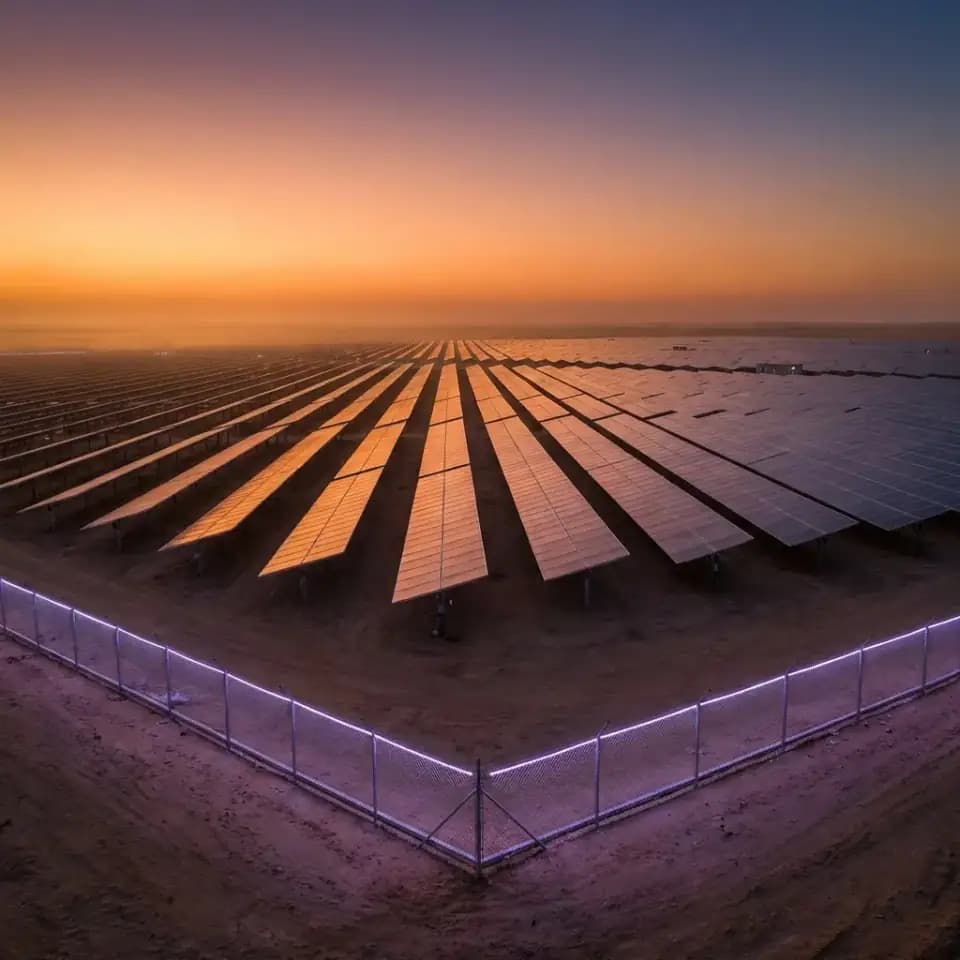
FortSense Solar & Renewables

Solar & Renewables

Perimeter Security Fiber Optics

Solar & Renewables

Autonomous perimeter monitoring for solar plants, protecting against theft of panels, copper cables, and inverters.

Ideal for applications in Alaska

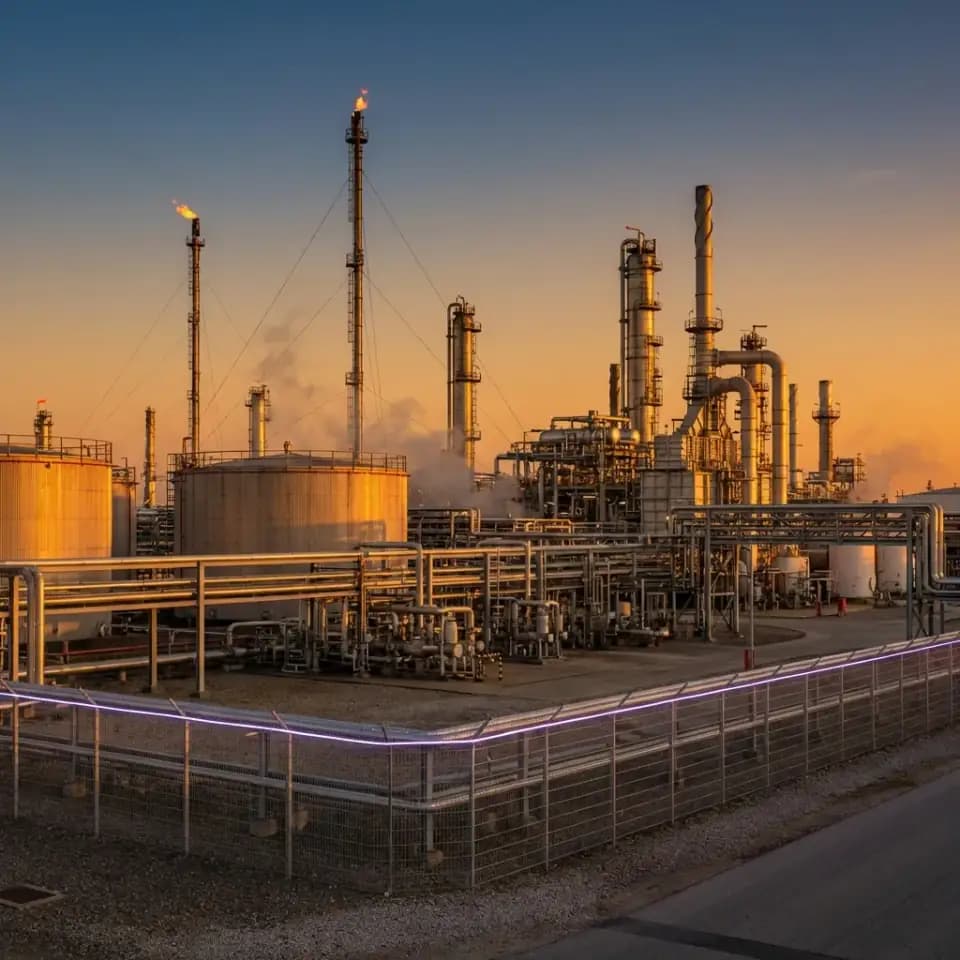
FortSense Oil & Gas

Oil & Gas

Perimeter Security Fiber Optics

Oil & Gas

Intrinsically safe perimeter detection for refineries, chemical plants, and fuel storage depots.

Ideal for applications in Alaska

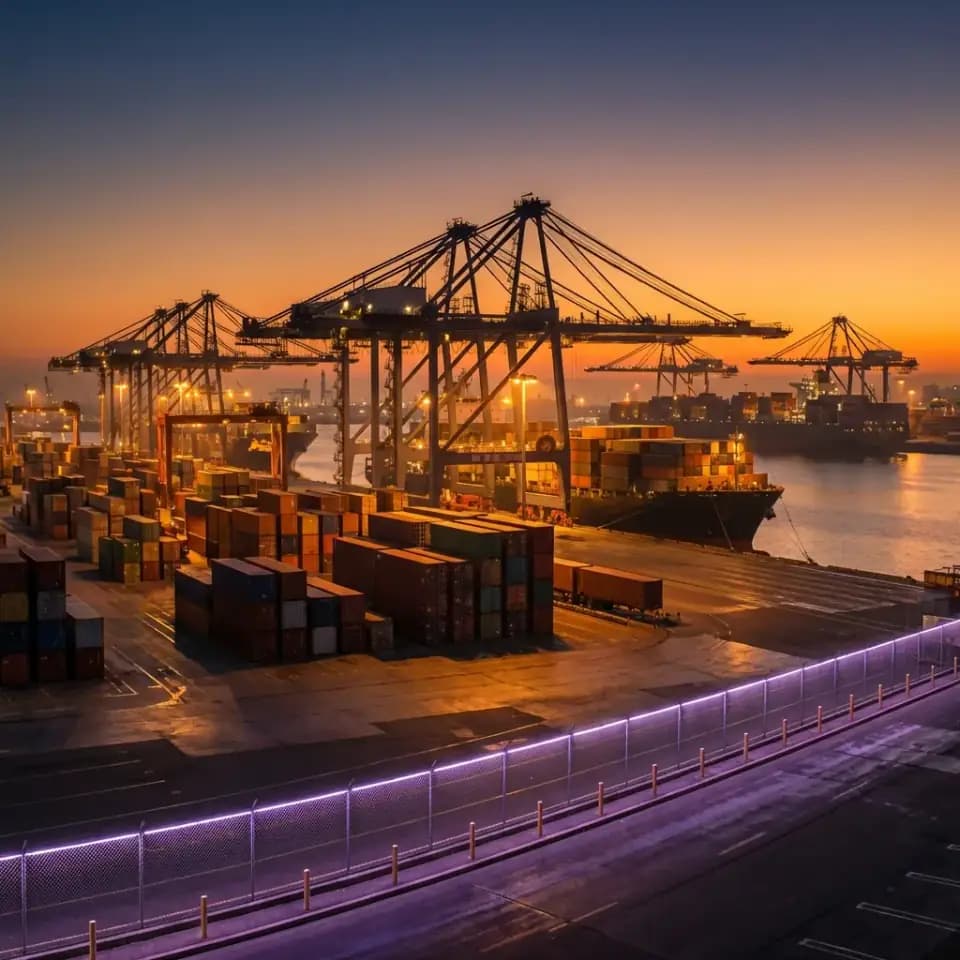
FortSense Ports & Maritime

Ports & Maritime

Perimeter Security Fiber Optics

Ports & Maritime

ISPS-compliant security for cargo containers, fuel depots, and docked vessels in harsh marine environments.

Ideal for applications in Alaska

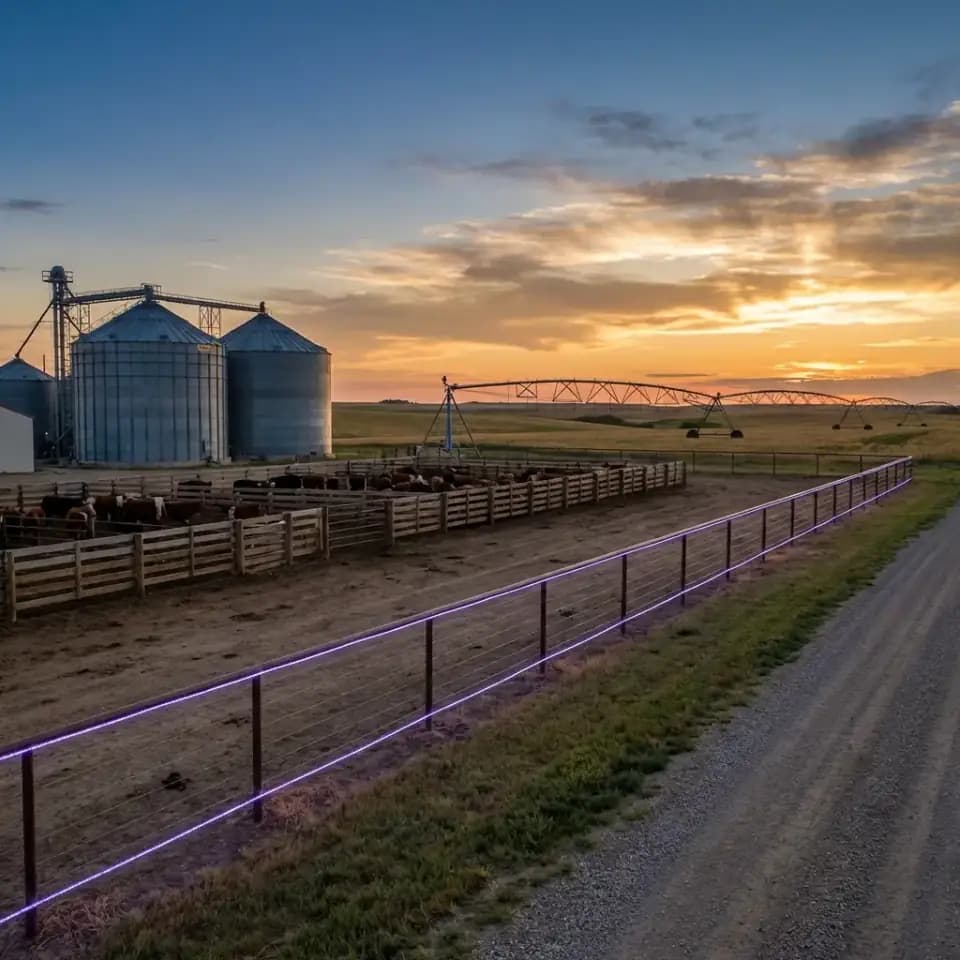
FortSense Agriculture

Agriculture

Perimeter Security Fiber Optics

Agriculture

Fire detection and security for farms, livestock pens, pivot irrigation systems, and rural assets.

Ideal for applications in Alaska

FortSense Financial Sector

Financial Sector

Perimeter Security Fiber Optics

Financial Sector

High-security perimeter protection for banks, vaults, administrative centers, and ATM areas.

Ideal for applications in Alaska

FortSense Residential Condominiums

Residential Condominiums

Perimeter Security Fiber Optics

Residential Condominiums

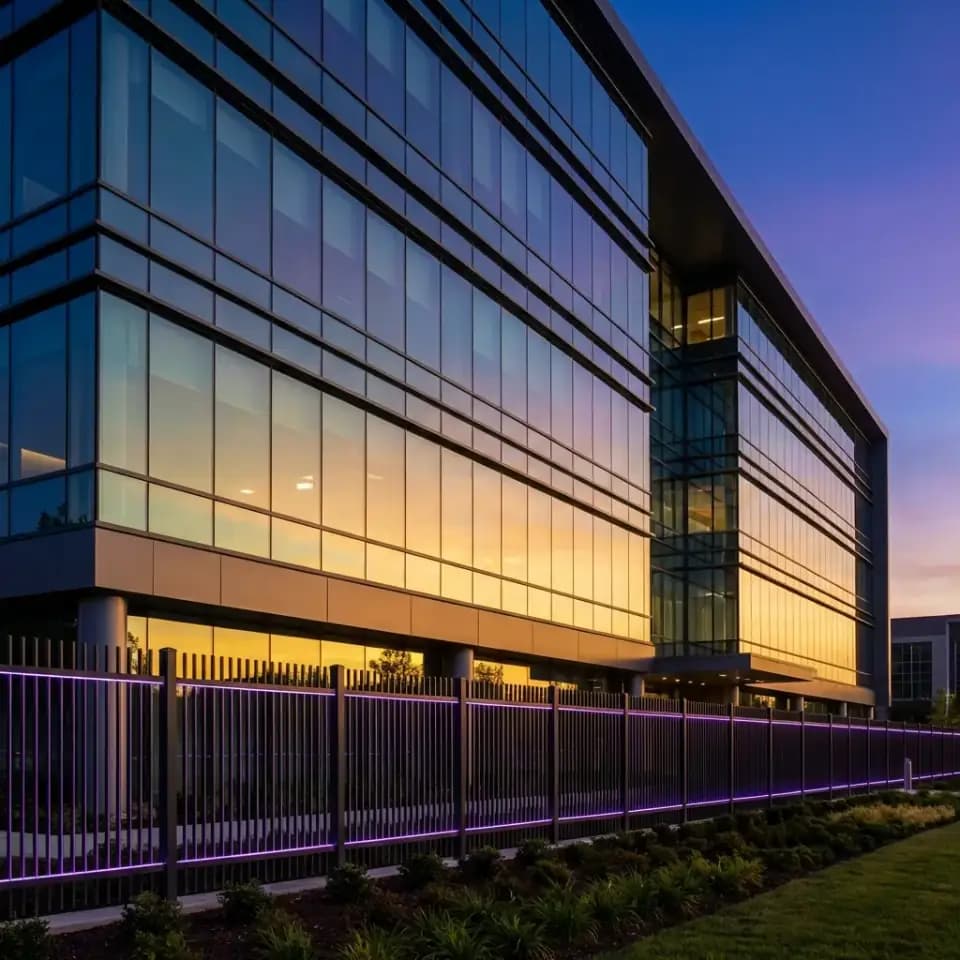
Invisible security for gated communities and apartment complexes, preserving aesthetics while detecting intrusions.

Ideal for applications in Alaska

FortSense Distribution Centers

Distribution Centers

Perimeter Security Fiber Optics

Distribution Centers

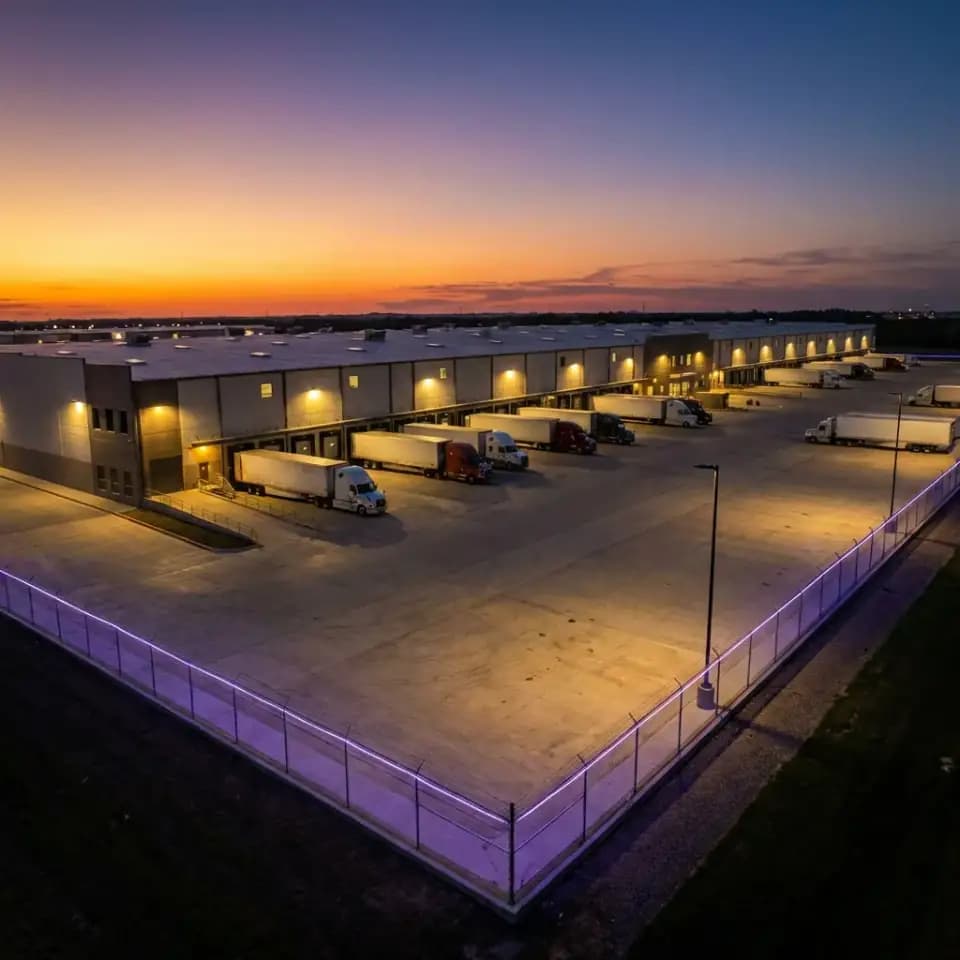
Security for logistics parks, warehouses, and high-value storage areas, meeting TAPA security standards.

Ideal for applications in Alaska

FortSense Critical Infrastructure

Critical Infrastructure

Perimeter Security Fiber Optics

Critical Infrastructure

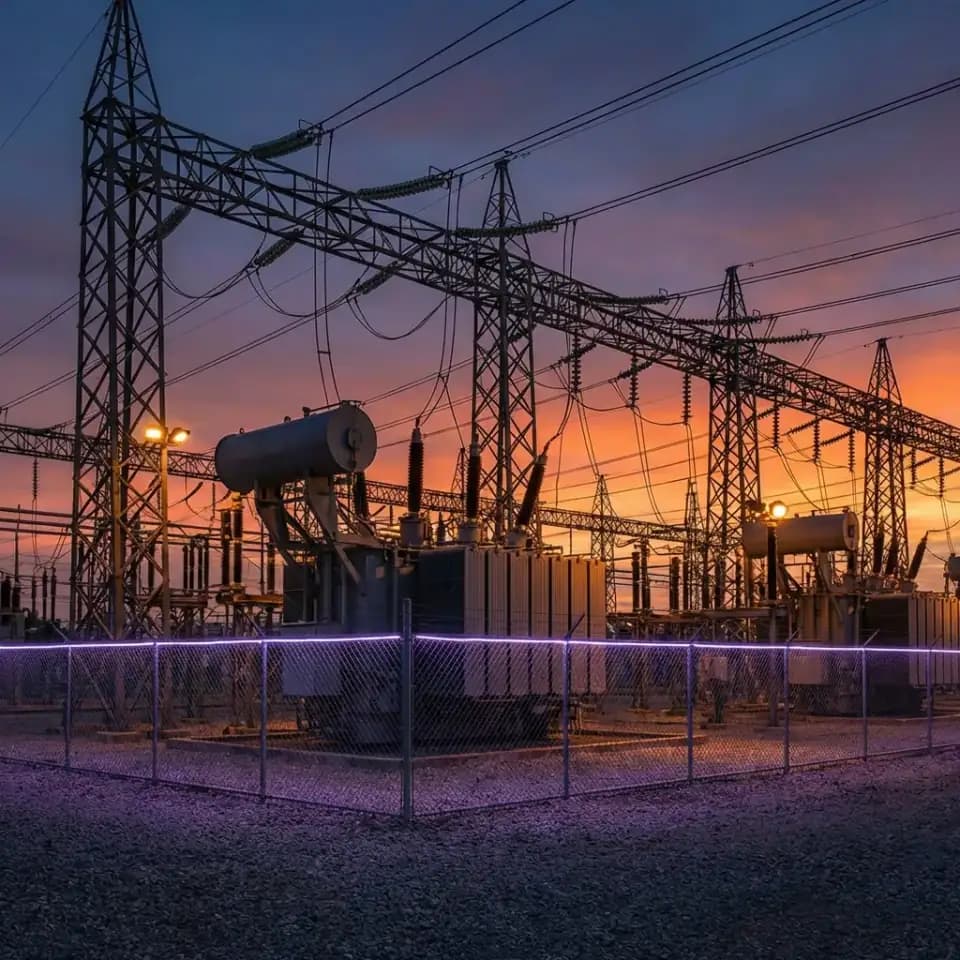
EMI-immune monitoring for electrical substations, telecom towers, and unmanned critical assets.

Ideal for applications in Alaska

FortSense Corrections & Prisons

Corrections & Prisons

Perimeter Security Fiber Optics

Corrections & Prisons

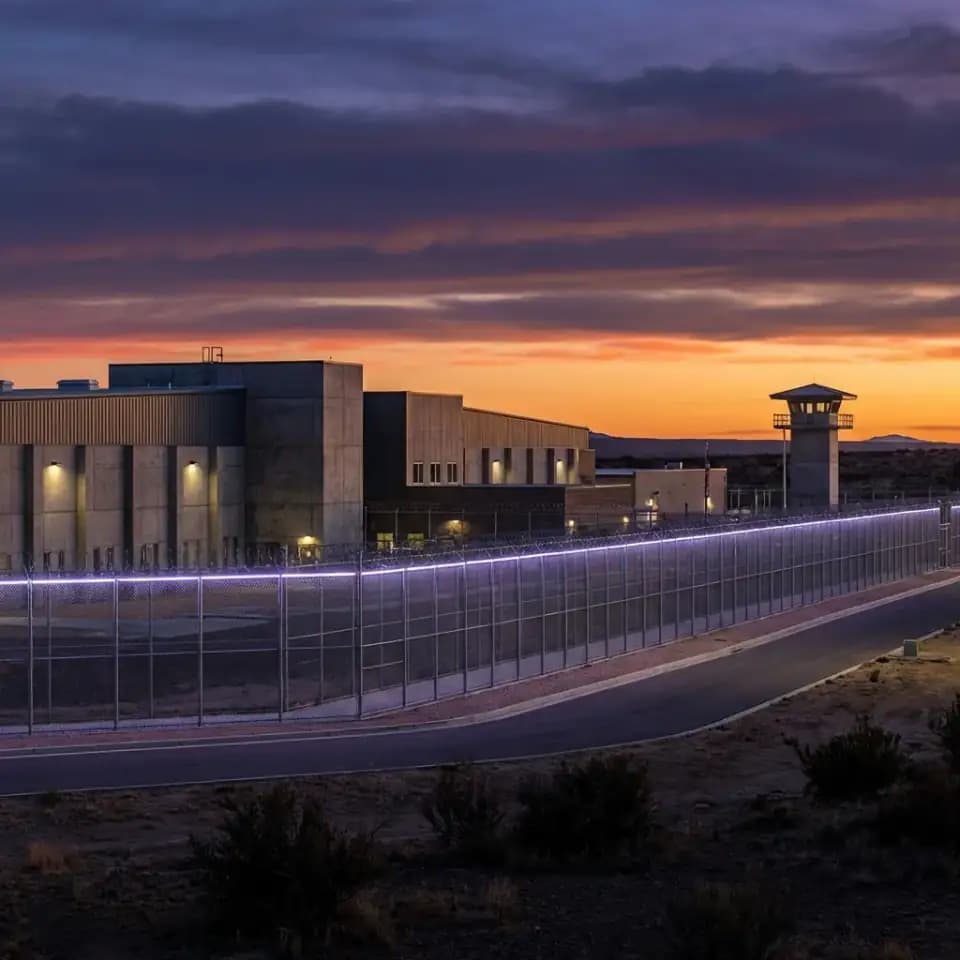
Zero-tolerance perimeter security for correctional facilities, detecting escape attempts and breaches.

Ideal for applications in Alaska

FortSense Public Sector & Schools

Public Sector & Schools

Perimeter Security Fiber Optics

Public Sector & Schools

Non-invasive security for schools, government buildings, and public facilities with rapid lockdown protocols.

Ideal for applications in Alaska

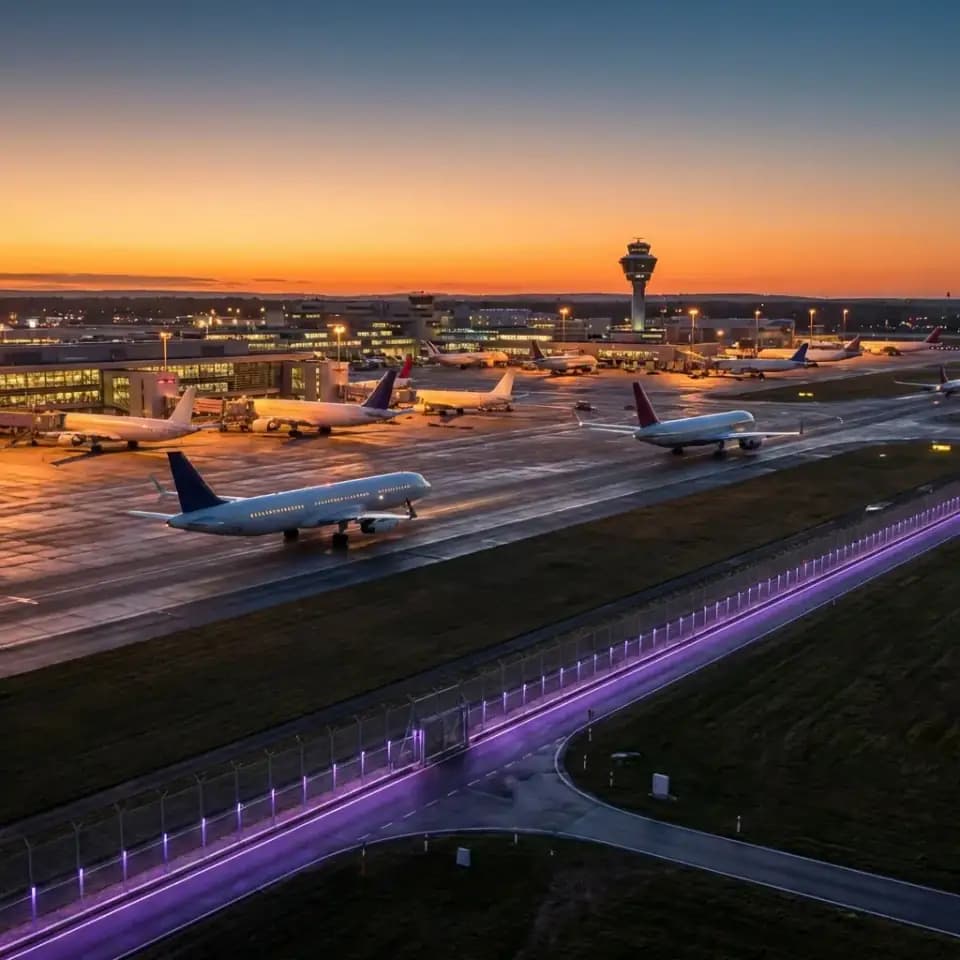
FortSense Perimeter Security for Airports

Perimeter Security for Airports

Perimeter Security Fiber Optics

Perimeter Security for Airports

ICAO-compliant sterile zone enforcement with zero interference to airport radar and navigation systems.

Ideal for applications in Alaska

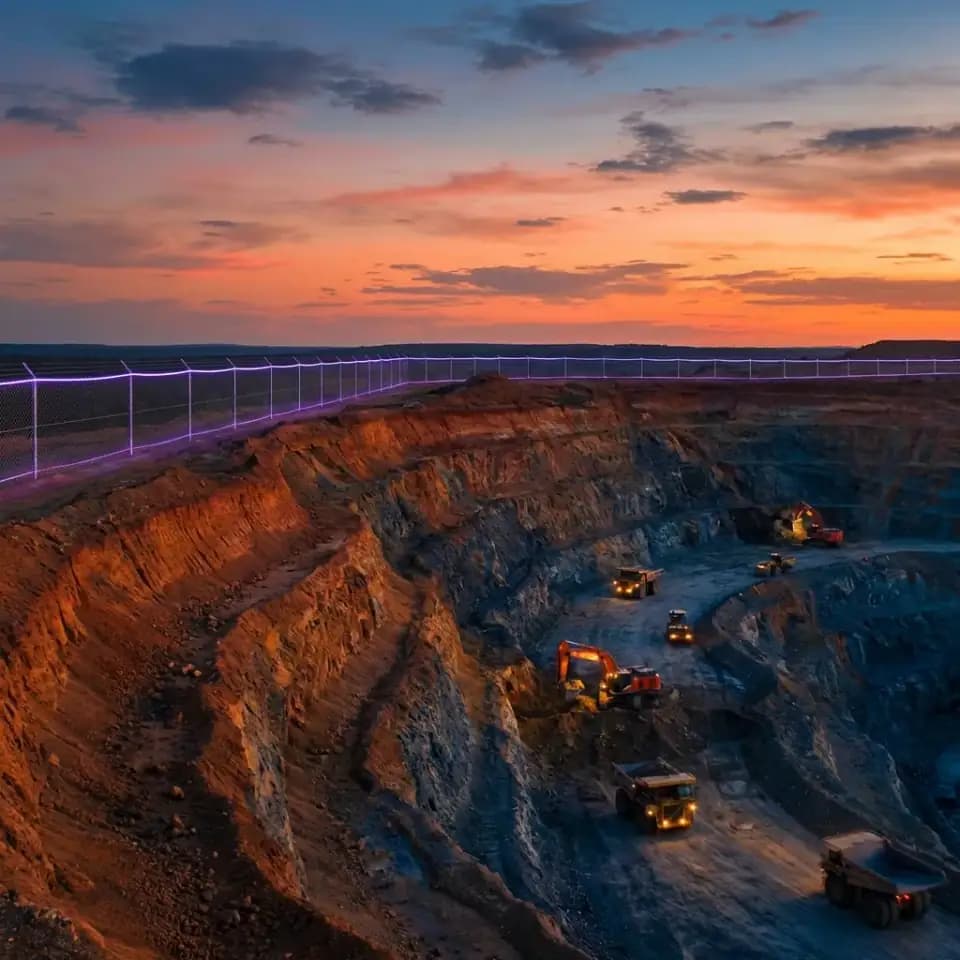
FortSense Mining Operations

Mining Operations

Perimeter Security Fiber Optics

Mining Operations

Ruggedized perimeter security for open-pit mines, ore stockpiles, and remote mining infrastructure.

Ideal for applications in Alaska

Local service overview

Oil Pipeline & Arctic Infrastructure Perimeter Security in Alaska

FortSense® fiber optic PIDS protecting Alaska's Trans-Alaska Pipeline corridor, Prudhoe Bay oil operations, remote mining sites, and military installations in extreme sub-arctic conditions.

Alaska's economy and security landscape are unlike any other state in the union. Spanning 663,300 square miles—more than twice the size of Texas—with a population of barely 730,000, the state presents a security environment defined by extreme remoteness, hostile climate conditions, vast distances between infrastructure nodes, and critical energy assets that are strategically important to national security.

The combination of the Trans-Alaska Pipeline System, North Slope oil production, some of the world's most productive mining operations, and a constellation of military installations guarding the Arctic frontier creates a perimeter security challenge that is uniquely demanding and uniquely suited to fiber optic sensing technology.

Oil and gas production remains the foundation of Alaska's economy and state revenue. The Prudhoe Bay oil field on the North Slope, the largest oil field in North America, has produced over 17 billion barrels since its discovery in 1968. Though production has declined from its 1988 peak of 2 million barrels per day, the North Slope still produces approximately 500,000 barrels daily through operations managed by ConocoPhillips Alaska, Hilcorp (which acquired BP's Alaska assets), and Santos.

The crude oil travels 800 miles south through the Trans-Alaska Pipeline System (TAPS) to the Valdez Marine Terminal, where it is loaded onto tankers for shipment to West Coast refineries. TAPS is one of the most critical pieces of energy infrastructure in the United States, crossing three mountain ranges, more than 800 streams and rivers, and hundreds of miles of permafrost terrain.

The Kenai LNG export terminal on Cook Inlet adds another petroleum infrastructure node, while the National Petroleum Reserve-Alaska (23 million acres) and the ongoing debate over Arctic National Wildlife Refuge drilling rights signal continued energy development on the North Slope.

Mining operations in Alaska are spread across some of the most remote terrain on earth. Teck Resources' Red Dog Mine in the Northwest Arctic Borough is the world's largest zinc mine, producing roughly 10% of global zinc supply, accessible only by a 52-mile haul road from the Chukchi Sea coast. In the interior, Kinross Gold's Fort Knox Mine near Fairbanks and Northern Star Resources' Pogo Gold Mine southeast of Fairbanks extract gold from open-pit and underground operations. The Donlin Gold project in southwestern Alaska represents one of the world's largest undeveloped gold deposits.

These mine sites are connected to civilization by seasonal roads, small airstrips, and in Red Dog's case, an annual sealift during the brief ice-free window. Equipment at these sites—haul trucks costing $5 million each, drilling rigs, processing mill components—cannot be easily replaced, and unauthorized access to remote sites poses both theft and safety risks.

Alaska's military infrastructure reflects its strategic position as America's Arctic frontier and its proximity to Russia across the Bering Strait. Joint Base Elmendorf-Richardson (JBER) in Anchorage combines Air Force and Army operations, hosting F-22 Raptor fighter squadrons and the 4th Brigade Combat Team (Airborne) of the 25th Infantry Division. Fort Wainwright near Fairbanks houses the 1st Stryker Brigade Combat Team and serves as the Army's primary cold-weather training installation. Eielson Air Force Base, also near Fairbanks, recently received F-35A Lightning II fighters as part of the Arctic buildup.

Clear Space Force Station in the interior operates the Solid State Phased Array Radar System for ballistic missile early warning. These installations face the challenge of securing enormous perimeters in terrain where darkness lasts 18 to 24 hours per day in winter and temperatures plunge below -40°F.

The security challenges in Alaska are fundamentally shaped by environment and geography. Pipeline security along TAPS' 800-mile corridor requires monitoring a linear asset that traverses some of the most inaccessible terrain on the continent. A 2001 rifle shooting incident that punctured the pipeline and caused an oil spill demonstrated the vulnerability of aboveground pipeline sections. Remote infrastructure at oil production pads, mine sites, and military installations must be protected without the benefit of reliable cellular coverage, nearby law enforcement response, or easy maintenance access.

During the short construction season from May through September, theft of construction materials and equipment from staging areas becomes a concentrated risk. Wildlife incursion is a constant operational reality—grizzly bears, moose, and caribou regularly interact with fences, equipment, and structures, creating a relentless source of false alarms for conventional motion-based security systems.

Alaska's climate represents the extreme edge of operational conditions for any security technology. Interior and Arctic regions experience temperatures below -40°F (which is the same in both Fahrenheit and Celsius), while permafrost affects ground stability and makes buried conduit installations impractical across vast areas. The Aleutian Islands and coastal regions face extreme wind conditions that regularly exceed 100 mph. Earthquake risk is severe—Alaska sits on the Ring of Fire, and the 1964 Great Alaska Earthquake measured 9. 2 magnitude.

Heavy snowfall, ice fog in the interior, and volcanic ash from the Aleutian chain's 130+ active volcanoes add further environmental stressors. Perhaps most fundamentally, the 24-hour darkness of Arctic winter renders camera-only surveillance systems essentially useless for months at a time.

Fiber optic perimeter intrusion detection is not merely advantageous in Alaska—it is arguably the only viable technology for securing extended linear infrastructure and remote facilities in these conditions. FortSense fiber optic PIDS operates through the sensing fiber itself, which is a passive glass strand requiring no electrical power along its length. This eliminates the need for powered sensor nodes that would require heating, battery replacement, or solar panels in locations where winter darkness eliminates solar charging for months.

A single fiber run can monitor 50+ kilometers of pipeline or perimeter from a single processing unit, drastically reducing the number of equipment installations in remote terrain. The fiber is immune to electromagnetic interference, unaffected by temperatures from -40°F to +185°F, and impervious to moisture, ice accumulation, and salt air exposure. Its ability to detect and classify vibration signatures—distinguishing between a caribou brushing a pipeline support from a human cutting through a fence—solves the false alarm problem that makes conventional systems impractical in wildlife-dense Alaskan terrain.

Deployment scenarios in Alaska center on protecting the assets that define the state's economy and strategic importance. The Trans-Alaska Pipeline corridor demands continuous linear monitoring spanning hundreds of miles, with the ability to localize disturbance events to within meters along the fiber path. North Slope production pads at Prudhoe Bay and Kuparuk require perimeter protection in permanently frozen, wind-blasted terrain where maintenance access may be limited to summer months.

Remote mining operations at Red Dog, Fort Knox, and Pogo need detection systems that function autonomously for extended periods between service visits. Military installations at JBER, Fort Wainwright, and Eielson require perimeter detection that operates through total darkness, blizzards, and extreme cold without degradation. The Valdez Marine Terminal and Port of Anchorage require waterfront security in corrosive marine environments.

In every case, the core value proposition of fiber optic sensing—long range, zero power along the sensing path, environmental immunity, and low maintenance—maps directly to Alaska's most pressing infrastructure security requirements.

Professional perimeter protection for distribution centers, manufacturing, and critical infrastructure in Alaska.

  • Wellhead & Pump Station Security
  • Pipeline & Refinery Monitoring
  • Remote Mining Camp Protection
  • Oil & Gas Pipeline Operators & North Slope Producers

Plan a FortSense assessment for this market

Share the perimeter length, fence type, and monitoring workflow. FortSense can help scope zones, integration points, and commissioning requirements for this location.

Services

Wellhead & Pump Station Security

Remote wellhead perimeter monitoring across dispersed field operations with solar-powered relay nodes and SCADA integration.

Pipeline & Refinery Monitoring

Real-time fiber optic detection along pipelines, tank farms, and refinery perimeters. ATEX/IECEx-compatible for hazardous zones with leak and intrusion discrimination.

Remote Mining Camp Protection

Securing remote worker camps, equipment yards, and explosive storage facilities in isolated locations with satellite-backhaul alarm reporting.

Deployment patterns for local sites

How FortSense Works in Alaska

Fiber optic perimeter security adapted to local conditions and requirements.

  1. Fiber installed. Passive fiber optic cable mounts on the existing fence or wall with minimal civil work.
  2. Vibration detected. Any contact creates vibration patterns in the fiber so climbing, cutting, or lifting attempts become visible immediately.
  3. AI/DSP verification. Algorithms filter out wind, animals, and environmental noise before an operator ever sees an alarm.
  4. Alarm if intrusion. Only real threats trigger zone-based alarms that can route into the monitoring workflow already used by the site team.

Adapted for Alaska. Our local partners understand Alaska's climate, terrain, and security challenges. The fiber optic system is configured to filter local environmental conditions while maintaining maximum sensitivity to real intrusion attempts.

Integration and security software fit

FortSense can feed alarms into the monitoring stack a site already uses, including VMS, PSIM, alarm panels, relay inputs, TCP/IP workflows, and camera verification.

  • Zone-based alarms for operators and guard teams
  • Camera and VMS workflows for visual verification
  • Relay or network outputs for existing security systems
  • Software-assisted filtering before dispatch decisions

Industries in this market

Relevant FortSense industry and use-case paths connected to this location.

  • Oil & Gas Pipeline Operators & North Slope Producers
  • Remote Mining Operations
  • Military Air Bases & Arctic Defense Installations
  • Distribution Center Perimeter Security
  • Solar Farm Perimeter Security
  • Perimeter Security for Critical Infrastructure

Why FortSense fits in Perimeter Security in Alaska

FortSense is designed for perimeter security work where false-alarm reduction, passive fiber sensing, and practical integration matter more than adding another camera-only layer.

  • Passive fiber on existing fences, walls, or perimeter structures
  • AI/DSP filtering for wind, vibration, and environmental noise
  • Zone-level alerts that can match the site's response model
  • Support for design, integration, commissioning, and handover

Market notes

Practical details that help this page stay specific to the market instead of drifting into generic copy.

  • Oil & Gas Pipeline Operators & North Slope Producers
  • Remote Mining Operations
  • Military Air Bases & Arctic Defense Installations
  • Wellhead & Pump Station Security

Related FortSense paths

Related technical content and commercial guidance linked from this location page.

Frequently Asked Questions (FAQ)

Frequently Asked Questions (FAQ) — Alaska

Can the system cover long pipeline corridors cost-effectively?

Yes. A single FortSense interrogator can monitor up to 80 km of fiber, covering extensive pipeline corridors, gathering lines, and associated infrastructure from one central location — far more economical than multiple camera or radar installations.

How does the system handle vibration from pumping equipment and compressors?

Our algorithms include industrial vibration profiling that learns the acoustic signature of nearby pumps, compressors, and rotating equipment. These known signatures are filtered out while preserving sensitivity to anomalous intrusion events.

Is the system effective against fuel theft and unauthorized tapping?

Yes. FortSense detects the acoustic signatures of drilling, tapping, and excavation near pipelines with pinpoint accuracy (±5 meters). This enables rapid response before significant fuel loss occurs, which is critical for high-value hydrocarbon infrastructure.

How is the system maintained in harsh mining environments?

Minimal maintenance is required — the fiber sensor has no moving parts and no electronics in the field. The interrogator unit, located in a protected enclosure, requires only periodic software updates and calibration checks, typically during scheduled shutdowns.

Can FortSense operate in Arctic conditions below -40°C?

Our standard fiber cable is rated to -40°C. For extended Arctic deployments, we offer a specially jacketed variant rated to -60°C. The passive fiber sensor requires zero power and generates zero heat, eliminating freeze-related failure modes common in electronic systems.

Local perimeter assessment

Request Perimeter Assessment in Alaska

Receive a technical proposal, deployment design, and integration plan.

Oil Pipeline & Arctic Infrastructure Perimeter Security in…