
Local service overview
Logistics Hub & Port Security in Georgia
FortSense® fiber optic PIDS protecting Georgia's Port of Savannah container terminals, Atlanta's intermodal rail yards, nuclear submarine installations, and automotive manufacturing facilities.
Georgia's economy ranks as the eighth largest among US states, generating over $730 billion in GDP, driven by an unparalleled logistics ecosystem that connects American manufacturers and retailers to global markets. The state's position at the intersection of Interstates 75, 85, 95, 20, and 16 makes it the preeminent freight crossroads of the southeastern United States.
Atlanta-based Fortune 500 corporations including Coca-Cola, Home Depot, UPS, and Delta Air Lines anchor a corporate infrastructure base that demands sophisticated perimeter protection across sprawling headquarters campuses, distribution centers, and air cargo facilities. The Kia Georgia assembly plant in West Point produces over 340,000 vehicles annually, while Gulfstream Aerospace in Savannah manufactures business jets valued at tens of millions of dollars each.
Lockheed Martin's Marietta facility supports F-35 production alongside the C-130J Super Hercules line, and Georgia-Pacific operates pulp and paper mills throughout the state. Dalton, known as the Carpet Capital of the World, concentrates flooring manufacturing facilities stretching across Whitfield and Murray Counties that produce roughly 90% of the functional carpet in the United States.
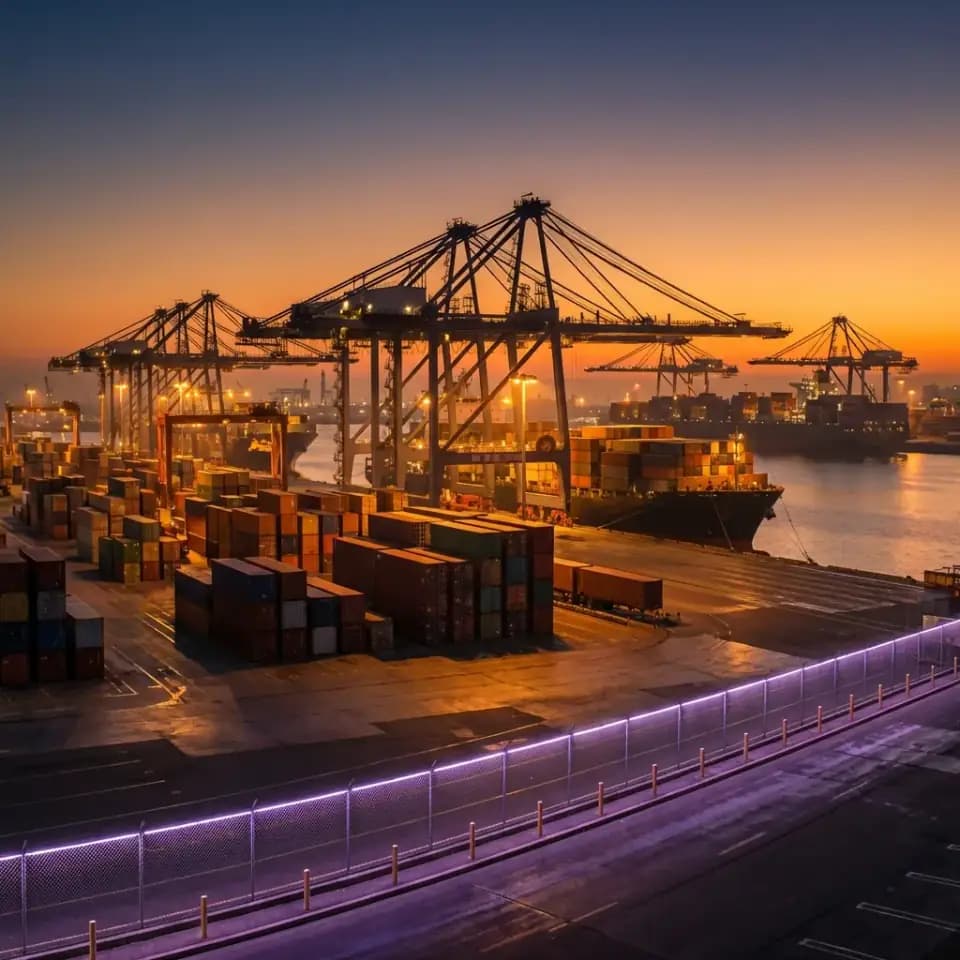
The Port of Savannah, operated by the Georgia Ports Authority, is the largest single-terminal container facility in North America, handling over 5. 8 million twenty-foot equivalent units annually. The port's Garden City Terminal spans 1,345 acres with 30 ship-to-shore cranes, and a $5. 1 billion expansion program is adding the Mason Mega Rail Terminal alongside additional berths to accommodate the largest container vessels in the world.
The completed Mason Mega Rail facility doubled the port's on-dock rail capacity to 2 million container lifts per year, making it the most efficient rail-connected container port in the country. The Port of Brunswick handles roll-on/roll-off vehicle imports, and Colonel's Island Terminal processes over 700,000 vehicles per year for manufacturers including BMW, Mercedes-Benz, Volvo, and Jaguar Land Rover. Hartsfield-Jackson Atlanta International Airport has ranked as the world's busiest airport by passenger traffic for over two decades and moves billions of dollars in air cargo annually.
Norfolk Southern and CSX operate major rail classification yards in Atlanta, where six Class I railroad routes converge, making it North America's preeminent rail interchange point where over $400 billion in freight passes through annually.
Georgia hosts some of the most security-sensitive military installations on the East Coast. Naval Submarine Base Kings Bay is home to the Atlantic Fleet's Ohio-class ballistic missile submarines carrying Trident II D5 nuclear missiles, making it one of the most strategically critical military installations in the United States and subject to the most rigorous security protocols in the Department of Defense. Fort Moore, formerly Fort Benning, near Columbus is the Army's Maneuver Center of Excellence, training infantry and armor soldiers across 182,000 acres.
Robins Air Force Base in Warner Robins serves as a major depot maintenance center for C-130 Hercules, F-15 Eagle, and C-5 Galaxy aircraft, employing over 25,000 military and civilian workers and generating $5. 3 billion in annual economic impact. Fort Stewart near Hinesville is home to the 3rd Infantry Division, and Moody Air Force Base in Valdosta hosts combat rescue and close air support wings.
Plant Vogtle in Burke County recently brought online Units 3 and 4, the first new nuclear reactors constructed in the United States in over three decades, representing a combined investment exceeding $30 billion and producing enough electricity to power over 1 million homes.
Port container theft and cargo crime represent persistent security challenges at the Port of Savannah, where the sheer volume of containers creates opportunities for organized theft rings targeting high-value electronics, pharmaceuticals, and consumer goods. The I-16 logistics corridor from Atlanta to Savannah has experienced explosive growth in warehouse and distribution center construction, with over 50 million square feet of new logistics space delivered since 2020, and these facilities face regular break-in attempts and loading dock theft.
Atlanta's rail yards see some of the highest cargo theft rates among US rail hubs, with criminals targeting intermodal containers during classification and switching operations. Vehicle theft rates in the Atlanta metropolitan area consistently rank among the highest in the nation, with Hyundai and Kia models particularly targeted by organized theft groups. Construction site theft has surged alongside rapid commercial development in Gwinnett, Fulton, and DeKalb Counties.
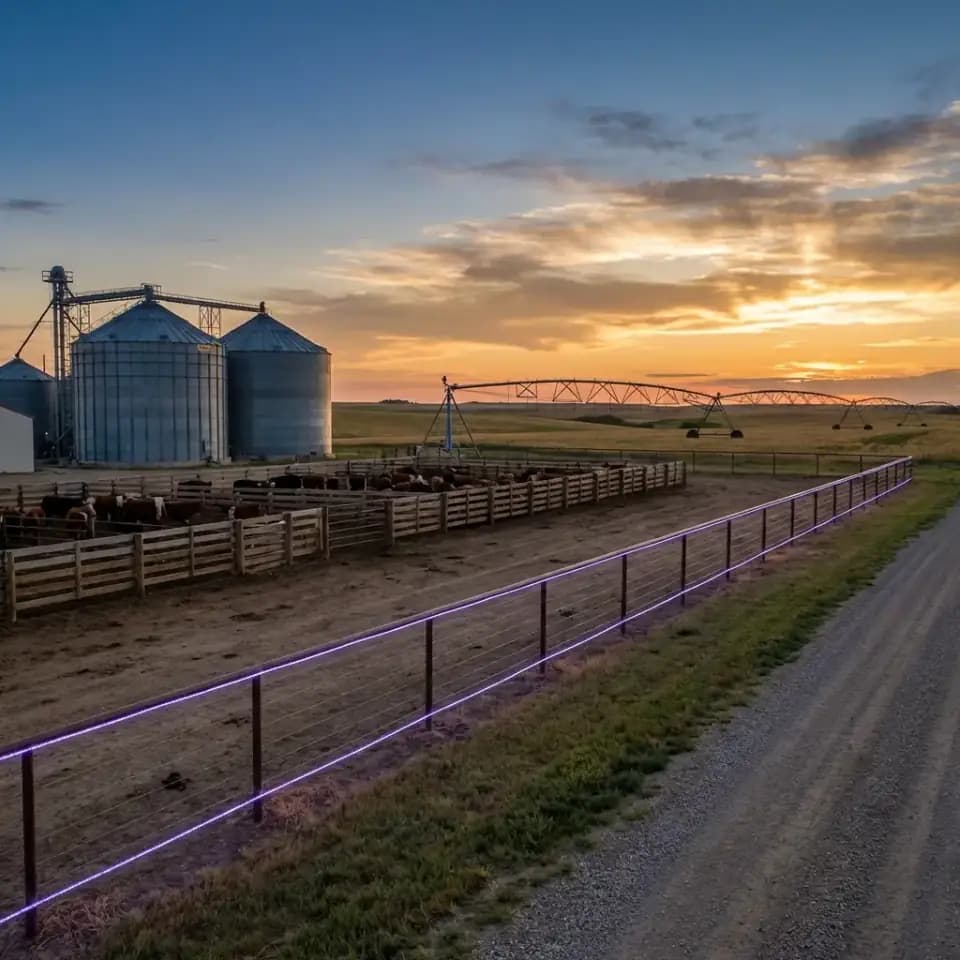
Agricultural equipment and commodity theft affect rural regions in south-central Georgia, where the state's position as the nation's leading poultry producer and a major peanut and pecan grower means billions of dollars in agricultural assets are distributed across remote farms with limited surveillance.
Fiber optic perimeter intrusion detection systems are exceptionally well suited to Georgia's security landscape due to the state's continental-temperate climate with hot, humid summers regularly exceeding 95 degrees Fahrenheit and occasional ice storms in the northern Piedmont regions that can immobilize conventional security systems. Coastal Georgia faces hurricane and tropical storm exposure that can knock out power-dependent security technology for days or weeks, making passive fiber optic sensing advantageous because it requires no electrical power at the sensor point.
The tornado risk that affects central and southern Georgia during spring months, particularly in the Dixie Alley corridor, underscores the need for detection systems that can withstand severe weather without degradation. Heavy rainfall and periodic flooding in the Savannah River basin and Flint River floodplain stress any electronic perimeter system, but fiber optic cables are inherently immune to water damage, corrosion, and electromagnetic interference from the lightning strikes that are frequent during Georgia's intense summer thunderstorms, which produce over 50 lightning days annually.
FortSense's distributed acoustic sensing technology provides continuous perimeter monitoring across the vast distances typical of Georgia facilities, from the 1,345-acre Port of Savannah terminal to the multi-mile perimeters of Kings Bay Naval Submarine Base.
The technology is ideally deployed along warehouse district fencelines in the Savannah logistics corridor where $50 billion in goods transits annually, around aircraft maintenance hangars at Robins AFB, along rail yard perimeters where Norfolk Southern and CSX yards handle high-value intermodal cargo, and around the Plant Vogtle nuclear facility where NRC security requirements mandate multiple layers of detection capability.
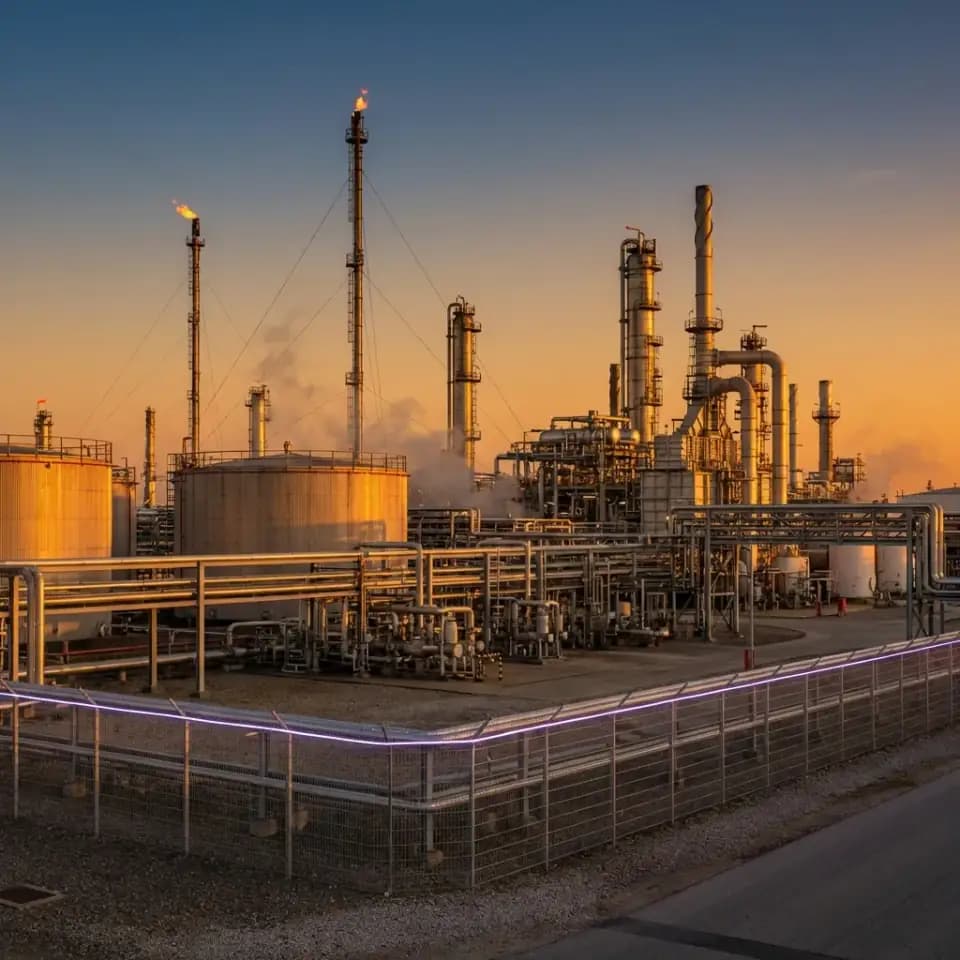
Agricultural operations spanning thousands of acres in south Georgia can protect equipment storage areas and poultry processing facilities run by companies like Pilgrim's Pride and Wayne-Sanderson Farms. The absence of active electronics along the sensing fiber means no spark risk at fuel depots and ammunition storage areas, making FortSense particularly relevant for military installations and the petroleum storage terminals along Georgia's coast and at Hartsfield-Jackson's jet fuel distribution system.
Professional perimeter protection for distribution centers, manufacturing, and critical infrastructure in Georgia.
- Yard & Loading Dock Security (TAPA FSR)
- Cold Storage & Warehouse Perimeter
- ISPS-Compliant Port Perimeter
- Container Port Terminal Operators
Plan a FortSense assessment for this market
Share the perimeter length, fence type, and monitoring workflow. FortSense can help scope zones, integration points, and commissioning requirements for this location.
Services
Yard & Loading Dock Security (TAPA FSR)
TAPA FSR-compliant perimeter detection for logistics yards, loading docks, and cross-dock facilities with vehicle and pedestrian discrimination.
Cold Storage & Warehouse Perimeter
All-weather fiber optic fencing for cold storage facilities (-40°C rated), distribution warehouses, and fulfillment centers with zone-based alarm priority.
ISPS-Compliant Port Perimeter
International Ship and Port Facility Security (ISPS) compliant fiber optic perimeter detection for port boundaries, restricted zones, and maritime access points.
Deployment patterns for local sites
How FortSense Works in Georgia
Fiber optic perimeter security adapted to local conditions and requirements.
- Fiber installed. Passive fiber optic cable mounts on the existing fence or wall with minimal civil work.
- Vibration detected. Any contact creates vibration patterns in the fiber so climbing, cutting, or lifting attempts become visible immediately.
- AI/DSP verification. Algorithms filter out wind, animals, and environmental noise before an operator ever sees an alarm.
- Alarm if intrusion. Only real threats trigger zone-based alarms that can route into the monitoring workflow already used by the site team.
Adapted for Georgia. Our local partners understand Georgia's climate, terrain, and security challenges. The fiber optic system is configured to filter local environmental conditions while maintaining maximum sensitivity to real intrusion attempts.
Integration and security software fit
FortSense can feed alarms into the monitoring stack a site already uses, including VMS, PSIM, alarm panels, relay inputs, TCP/IP workflows, and camera verification.
- Zone-based alarms for operators and guard teams
- Camera and VMS workflows for visual verification
- Relay or network outputs for existing security systems
- Software-assisted filtering before dispatch decisions
Industries in this market
Relevant FortSense industry and use-case paths connected to this location.
- Container Port Terminal Operators
- Automotive Assembly & Aerospace Manufacturing Plants
- Naval Submarine Bases & Military Air Force Installations
- Distribution Center Perimeter Security
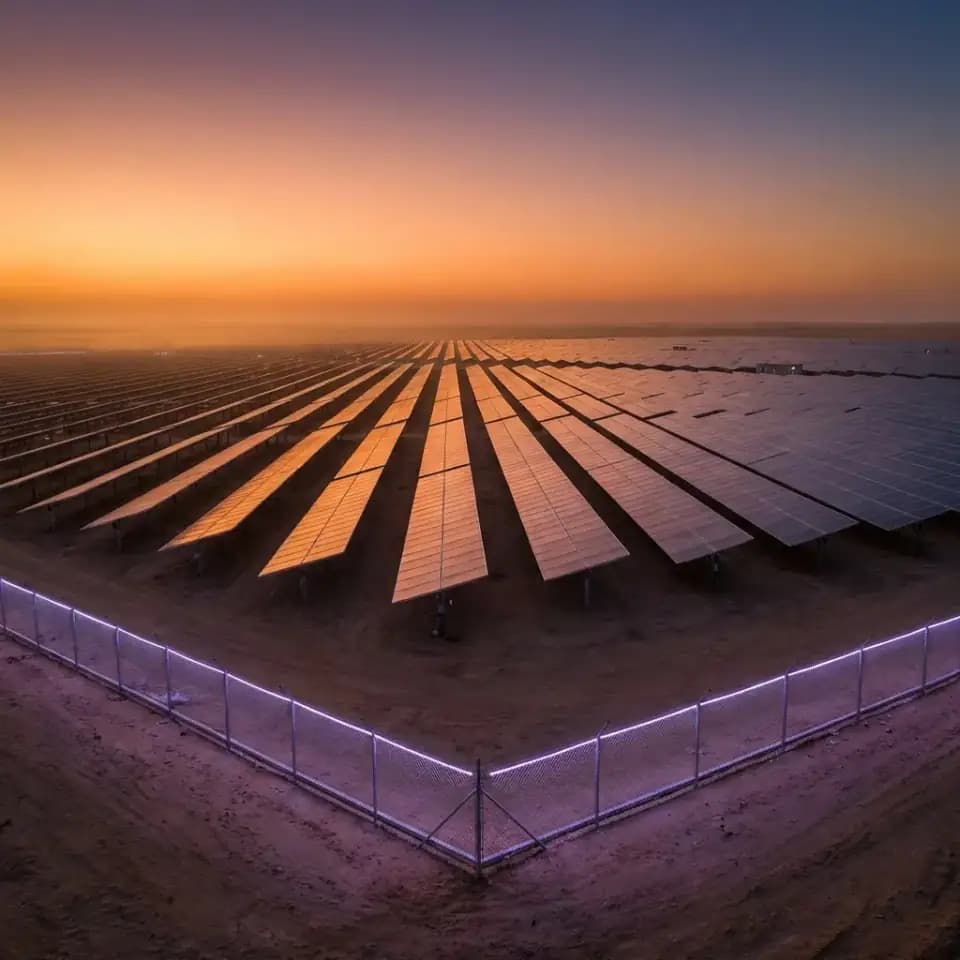
- Solar Farm Perimeter Security
- Perimeter Security for Critical Infrastructure
Why FortSense fits in Perimeter Security in Georgia
FortSense is designed for perimeter security work where false-alarm reduction, passive fiber sensing, and practical integration matter more than adding another camera-only layer.
- Passive fiber on existing fences, walls, or perimeter structures
- AI/DSP filtering for wind, vibration, and environmental noise
- Zone-level alerts that can match the site's response model
- Support for design, integration, commissioning, and handover
Market notes
Practical details that help this page stay specific to the market instead of drifting into generic copy.
- Container Port Terminal Operators
- Automotive Assembly & Aerospace Manufacturing Plants
- Naval Submarine Bases & Military Air Force Installations
- Yard & Loading Dock Security (TAPA FSR)
Related FortSense paths
Related technical content and commercial guidance linked from this location page.


