Local service overview
Military & Critical Infrastructure Security in Hawaii
FortSense® fiber optic PIDS protecting Hawaii's strategic military bases, submarine cable landing stations, petroleum refinery, and renewable energy installations across the most isolated population center on Earth.
Hawaii's economy is fundamentally shaped by its extreme geographic isolation in the central Pacific Ocean, sitting 2,390 miles from the US mainland and more than 3,800 miles from the nearest major landmass. The state's gross domestic product exceeds $90 billion, driven by three pillars: federal defense spending accounting for roughly 10 percent of GDP and employing over 75,000 military personnel and dependents, tourism generating over $20 billion annually from more than 10 million visitors before the pandemic, and a construction sector fueled by some of the highest real estate values in the nation.
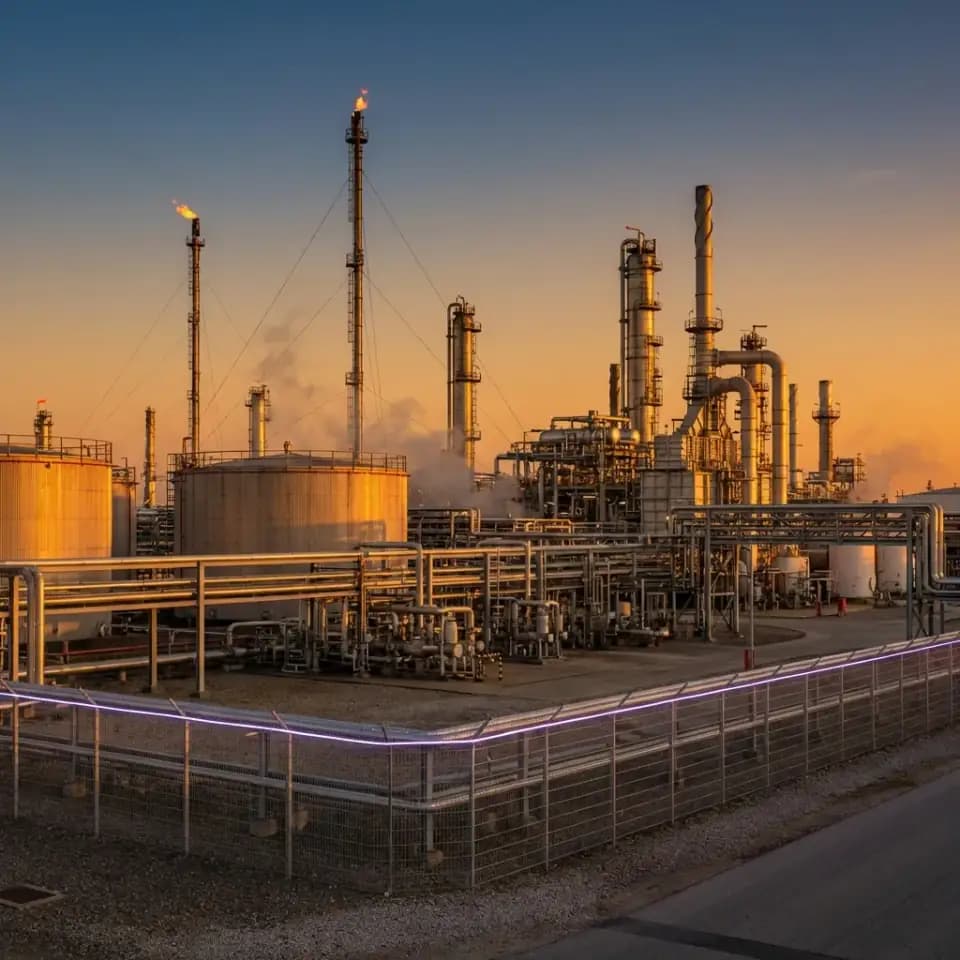
Approximately 90 percent of the state's consumer goods and fuel must be imported by ship, making Hawaii's port infrastructure existentially important and uniquely vulnerable to disruption. The Par Hawaii refinery in Kapolei on Oahu is the state's only petroleum refinery, processing approximately 94,000 barrels per day and representing a single point of failure for the state's fuel supply that has no backup within thousands of miles.
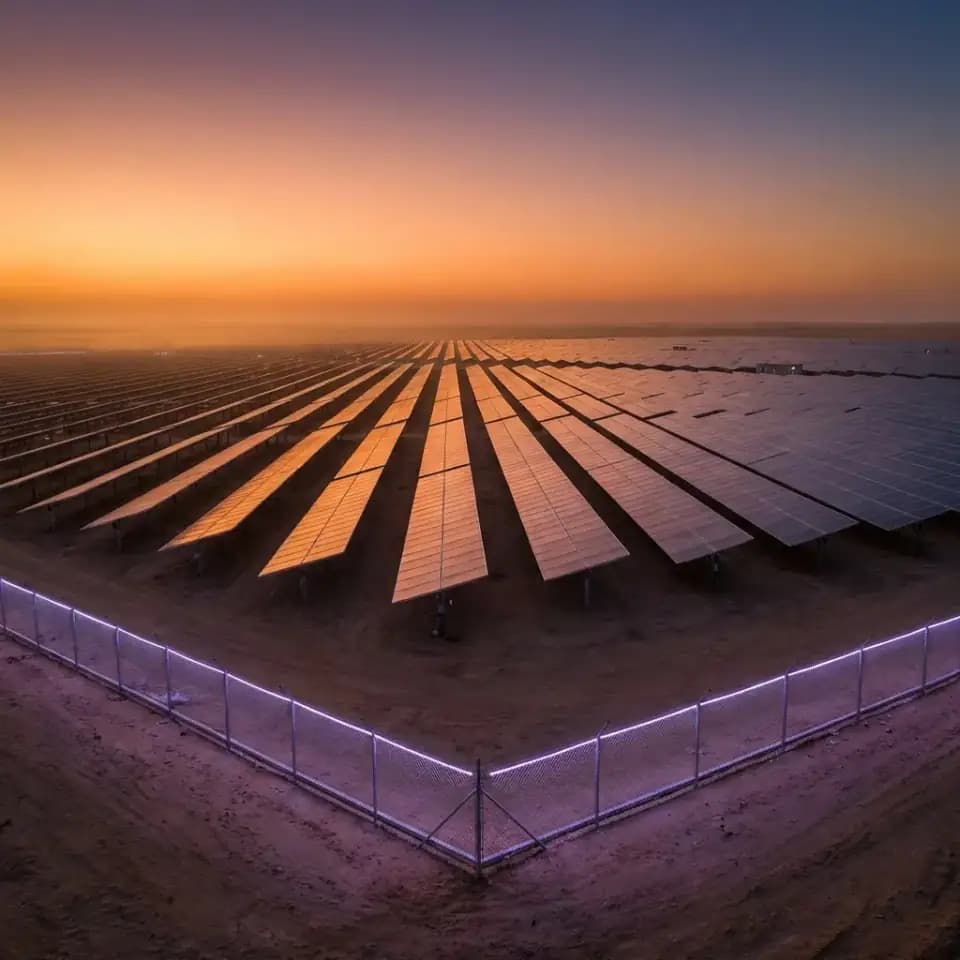
The state has committed to an ambitious mandate of 100 percent renewable energy by 2045, the most aggressive target in the nation, driving rapid expansion of solar farms, onshore wind installations, and battery energy storage projects across all major islands.
The military footprint in Hawaii is extraordinary and strategically irreplaceable. Joint Base Pearl Harbor-Hickam on Oahu serves as headquarters for the US Pacific Fleet and hosts the largest concentration of naval assets in the Pacific, including nuclear-powered submarines, guided-missile destroyers, and aircraft carriers transiting between the mainland and western Pacific deployments. Camp H. M.
Smith, perched on the ridgeline above Pearl Harbor, houses US Indo-Pacific Command, the nation's largest geographic combatant command responsible for military operations across more than half the globe and 60 percent of the world's population. Schofield Barracks is home to the 25th Infantry Division, while Marine Corps Base Hawaii at Kaneohe Bay hosts the 1st Marine Aircraft Wing forward elements and Fort Shafter serves as headquarters of US Army Pacific.
The Pacific Missile Range Facility on Kauai is the world's largest instrumented multi-environment testing and training range, spanning over 42,000 square miles of controlled airspace and ocean for testing the Aegis ballistic missile defense system and other advanced weapons. Pohakuloa Training Area on the Big Island is the largest military training area in the Pacific at 132,000 acres. The Maui Space Surveillance Complex at Haleakala supports the US Space Force with optical and radar tracking of objects in Earth orbit, playing an increasingly critical role as space becomes a contested domain.
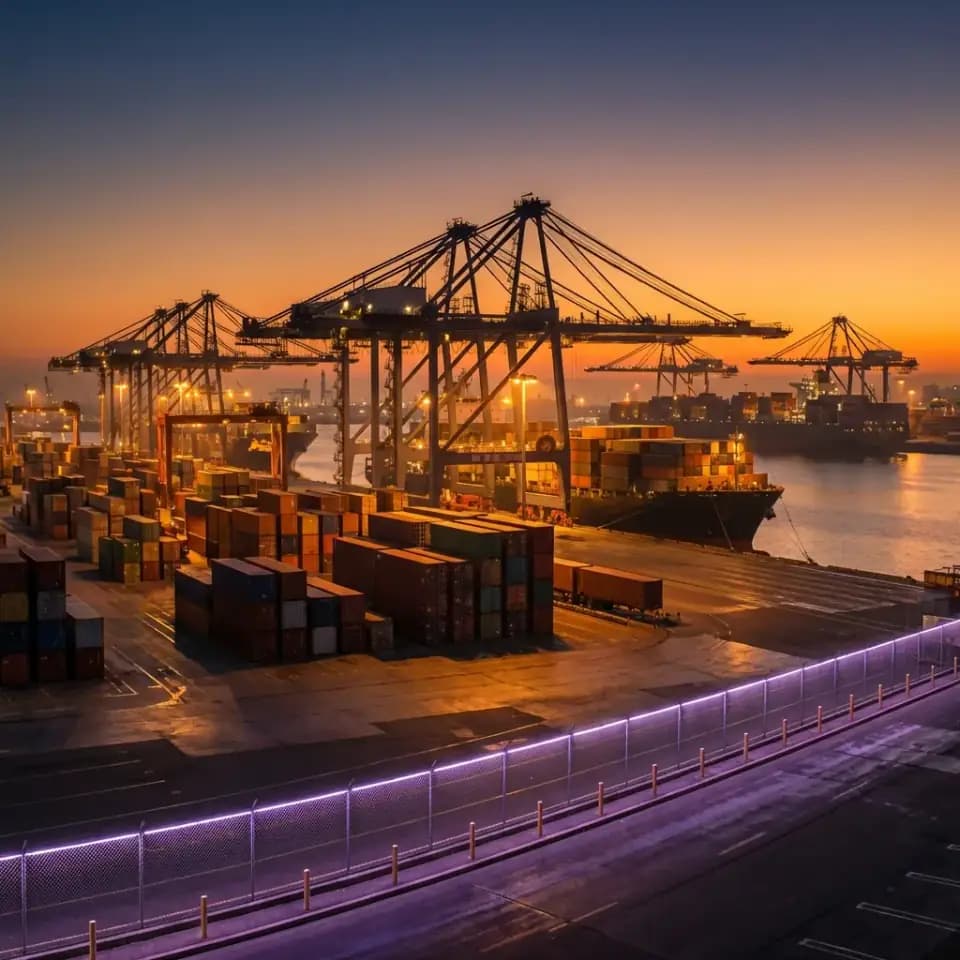
Hawaii's critical infrastructure extends beyond military installations to include assets vital to both the state and national security. Honolulu Harbor handles approximately 80 percent of all goods imported to the state, while Barbers Point Harbor at Kalaeloa is the primary petroleum import terminal handling jet fuel and diesel critical to both civilian and military operations. The Port of Kahului serves as Maui's commercial lifeline.
Submarine fiber optic cable landing stations on Oahu, operated by companies including Google, Meta, and telecommunications carriers, connect Hawaii to the US mainland and to Asia, carrying the vast majority of trans-Pacific internet traffic and constituting irreplaceable national security infrastructure. Hawaiian Electric Company operates power generation and distribution systems across Oahu, Maui, and the Big Island that must maintain reliability despite the state's complete isolation from any continental grid interconnection, meaning any failure cascades with no external backup available.
The 2023 Lahaina wildfire on Maui, which killed over 100 people and destroyed approximately 2,200 structures, stands as the deadliest US wildfire in over a century and exposed catastrophic vulnerabilities in Hawaii's infrastructure. The fire demonstrated how quickly wind-driven blazes fueled by invasive Guinea grass can overwhelm island communities where evacuation routes are limited to a single highway and emergency response resources cannot be rapidly reinforced from elsewhere.
Reconstruction in Lahaina has generated significant construction site security challenges as billions of dollars in materials flow to a concentrated rebuild zone. Beyond wildfire, Hawaii faces persistent threats from hurricanes and tropical storms in the Central Pacific, including Hurricane Lane in 2018 which dumped over 50 inches of rain, volcanic activity on the Big Island where Kilauea erupted continuously for 35 years and Mauna Loa erupted as recently as 2022, tsunami risk from Pacific-wide seismic events, and sea level rise that threatens low-lying military installations including sections of Joint Base Pearl Harbor-Hickam.
Agricultural theft targeting high-value crops like Kona coffee valued at $30 to $50 per pound and macadamia nuts is endemic in rural areas of the Big Island, and solar farm vandalism has increased as installations multiply across formerly agricultural land.
Fiber optic perimeter intrusion detection technology addresses Hawaii's unique security requirements with particular effectiveness. The tropical maritime climate with year-round humidity exceeding 70 percent, aggressive salt spray corrosion along coastlines, and frequent intense rainfall makes electronic security systems prone to rapid degradation and failure, while fiber optic sensors are inherently immune to moisture penetration, salt corrosion, and electromagnetic interference.
The absence of active electronics at the sensing point eliminates the maintenance burden from tropical degradation that plagues conventional cameras and motion sensors in Hawaii's environment, reducing the costly and logistically difficult replacement cycles that remote island installations impose.
For submarine cable landing stations, where any disruption could sever communications links between the mainland and Asia affecting both commercial internet traffic and classified military communications, fiber optic PIDS provides continuous perimeter monitoring without generating electromagnetic emissions that could interfere with sensitive cable transmission equipment.
FortSense deployments in Hawaii address the most consequential security requirements in the Pacific theater. The technology is suited for submarine base perimeters at Pearl Harbor where Ohio-class Trident missile submarines require multi-layered detection, around the Par Hawaii refinery in Kapolei that represents Hawaii's single petroleum processing facility, along the fencelines of the growing number of solar farms proliferating across Oahu's North Shore and Maui's central valley, at submarine fiber optic cable landing stations where physical security is a national security imperative, around the Pacific Missile Range Facility on Kauai where weapons testing demands absolute perimeter integrity, and at fuel storage depots including the active petroleum reserves on multiple islands that replaced the former Red Hill facility.
The technology's ability to detect intrusion attempts across miles of perimeter with a single fiber cable makes it particularly efficient for large-footprint military installations spread across Hawaii's rugged volcanic terrain, where running conventional power and communication cables to each sensor point would be prohibitively expensive.
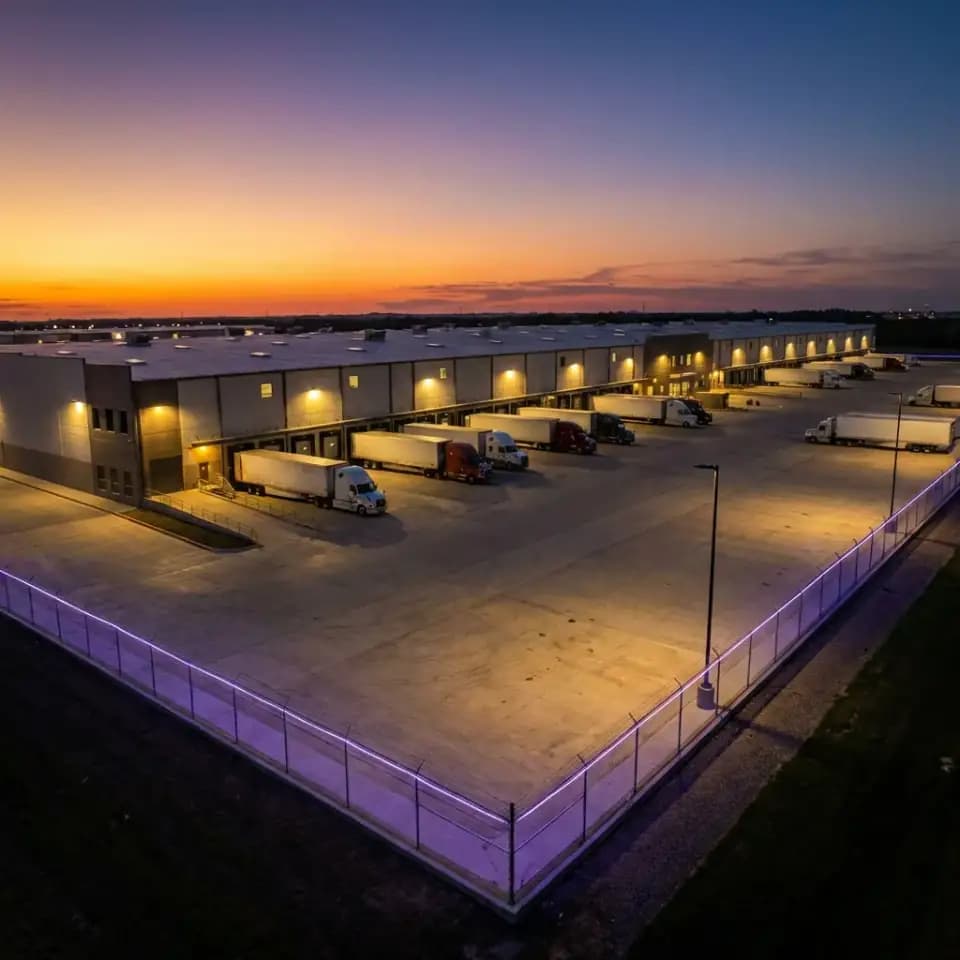
Professional perimeter protection for distribution centers, manufacturing, and critical infrastructure in Hawaii.
- ISPS-Compliant Port Perimeter
- Container Yard & Terminal Protection
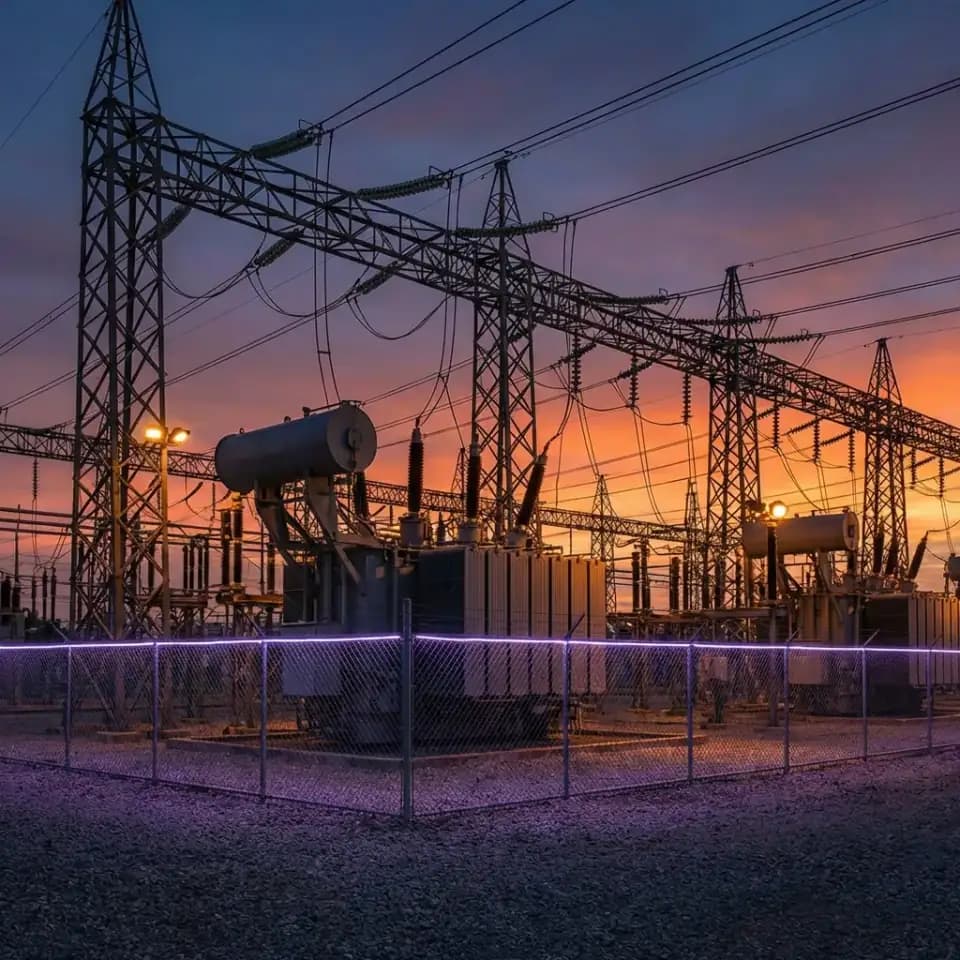
- Substation & Grid Protection (Copper Theft)
- Military Joint Bases & Pacific Command Installations
Plan a FortSense assessment for this market
Share the perimeter length, fence type, and monitoring workflow. FortSense can help scope zones, integration points, and commissioning requirements for this location.
Services
ISPS-Compliant Port Perimeter
International Ship and Port Facility Security (ISPS) compliant fiber optic perimeter detection for port boundaries, restricted zones, and maritime access points.
Container Yard & Terminal Protection
High-density container yard monitoring with zone-based intrusion detection, anti-climb sensing, and integration with port access control systems.
Substation & Grid Protection (Copper Theft)
Fiber optic perimeter security for electrical substations, switching stations, and transmission corridors to prevent copper theft and infrastructure sabotage.
Deployment patterns for local sites
How FortSense Works in Hawaii
Fiber optic perimeter security adapted to local conditions and requirements.
- Fiber installed. Passive fiber optic cable mounts on the existing fence or wall with minimal civil work.
- Vibration detected. Any contact creates vibration patterns in the fiber so climbing, cutting, or lifting attempts become visible immediately.
- AI/DSP verification. Algorithms filter out wind, animals, and environmental noise before an operator ever sees an alarm.
- Alarm if intrusion. Only real threats trigger zone-based alarms that can route into the monitoring workflow already used by the site team.
Adapted for Hawaii. Our local partners understand Hawaii's climate, terrain, and security challenges. The fiber optic system is configured to filter local environmental conditions while maintaining maximum sensitivity to real intrusion attempts.
Integration and security software fit
FortSense can feed alarms into the monitoring stack a site already uses, including VMS, PSIM, alarm panels, relay inputs, TCP/IP workflows, and camera verification.
- Zone-based alarms for operators and guard teams
- Camera and VMS workflows for visual verification
- Relay or network outputs for existing security systems
- Software-assisted filtering before dispatch decisions
Industries in this market
Relevant FortSense industry and use-case paths connected to this location.
- Military Joint Bases & Pacific Command Installations
- Petroleum Refinery & Terminal Operations
- Solar Farm & Battery Storage Facilities
- Distribution Center Perimeter Security
- Solar Farm Perimeter Security
- Perimeter Security for Critical Infrastructure
Why FortSense fits in Perimeter Security in Hawaii
FortSense is designed for perimeter security work where false-alarm reduction, passive fiber sensing, and practical integration matter more than adding another camera-only layer.
- Passive fiber on existing fences, walls, or perimeter structures
- AI/DSP filtering for wind, vibration, and environmental noise
- Zone-level alerts that can match the site's response model
- Support for design, integration, commissioning, and handover
Market notes
Practical details that help this page stay specific to the market instead of drifting into generic copy.
- Military Joint Bases & Pacific Command Installations
- Petroleum Refinery & Terminal Operations
- Solar Farm & Battery Storage Facilities
- ISPS-Compliant Port Perimeter
Related FortSense paths
Related technical content and commercial guidance linked from this location page.


