


Fiber Optic Perimeter Security in Idaho: Agribusiness & National Laboratory Security in Idaho

Safeguarding Nuclear Research Facilities, Semiconductor Fabrication, and the Nation's Potato Heartland with Fiber Optic Detection

Applications

Perimeter Security Fiber Optics Ideal for Applications in Idaho

FortSense Solar & Renewables

Solar & Renewables

Perimeter Security Fiber Optics

Solar & Renewables

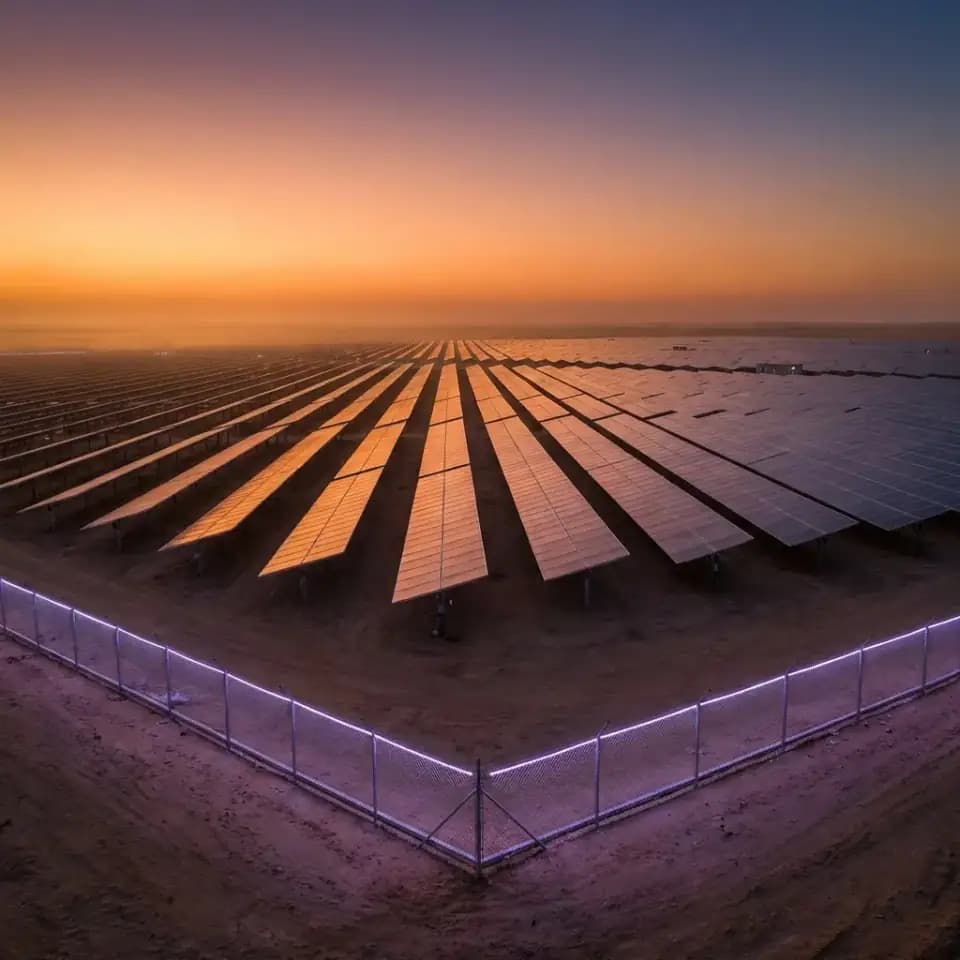
Autonomous perimeter monitoring for solar plants, protecting against theft of panels, copper cables, and inverters.

Ideal for applications in Idaho

FortSense Oil & Gas

Oil & Gas

Perimeter Security Fiber Optics

Oil & Gas

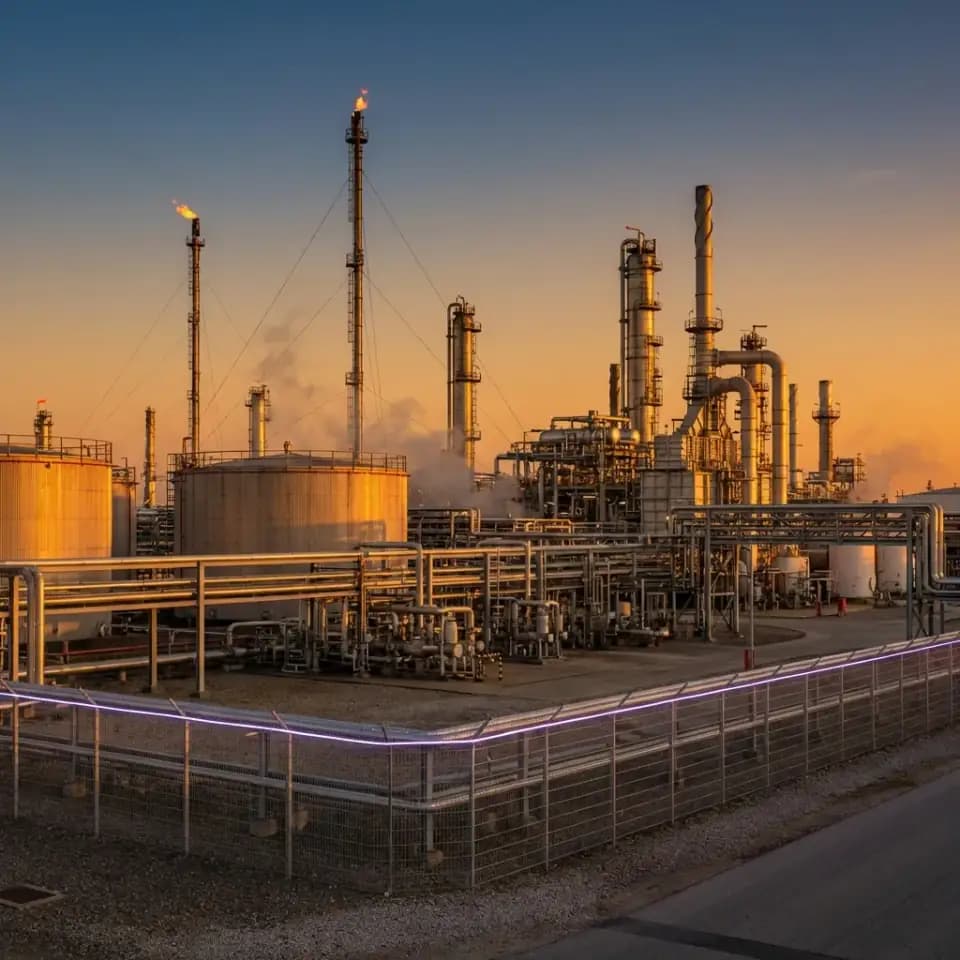
Intrinsically safe perimeter detection for refineries, chemical plants, and fuel storage depots.

Ideal for applications in Idaho

FortSense Ports & Maritime

Ports & Maritime

Perimeter Security Fiber Optics

Ports & Maritime

ISPS-compliant security for cargo containers, fuel depots, and docked vessels in harsh marine environments.

Ideal for applications in Idaho

FortSense Agriculture

Agriculture

Perimeter Security Fiber Optics

Agriculture

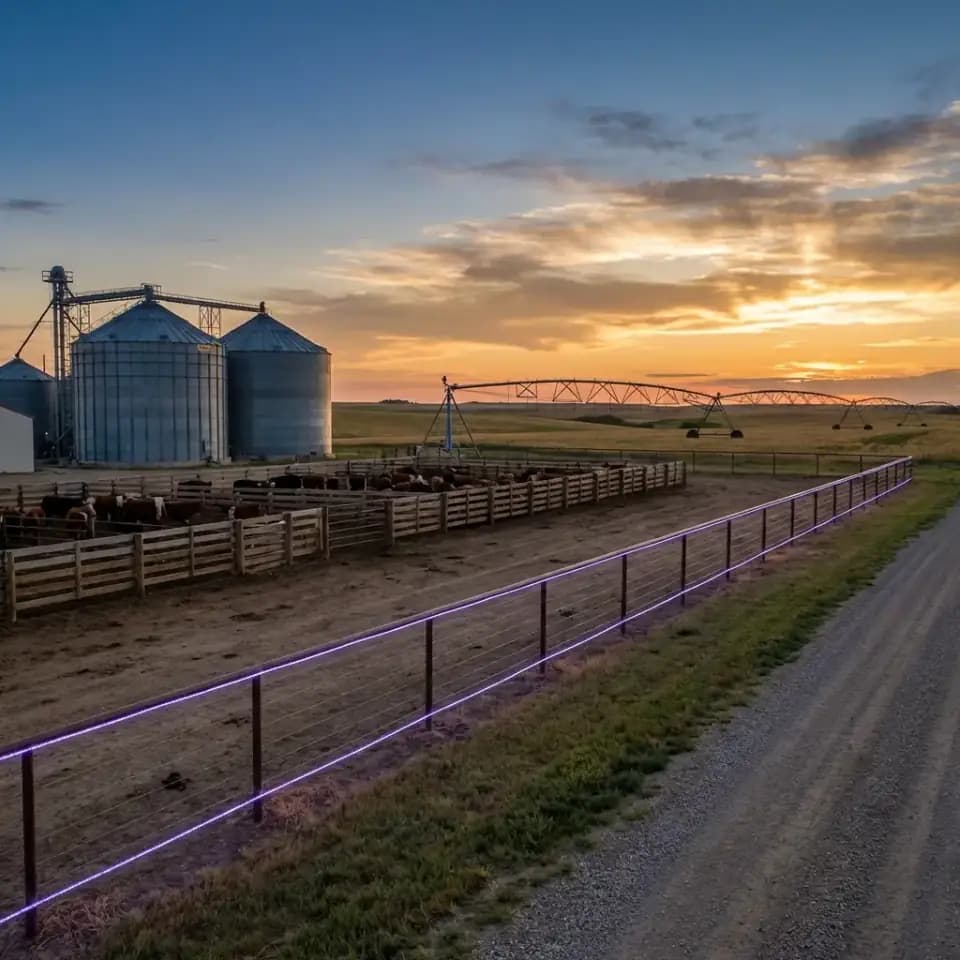
Fire detection and security for farms, livestock pens, pivot irrigation systems, and rural assets.

Ideal for applications in Idaho

FortSense Financial Sector

Financial Sector

Perimeter Security Fiber Optics

Financial Sector

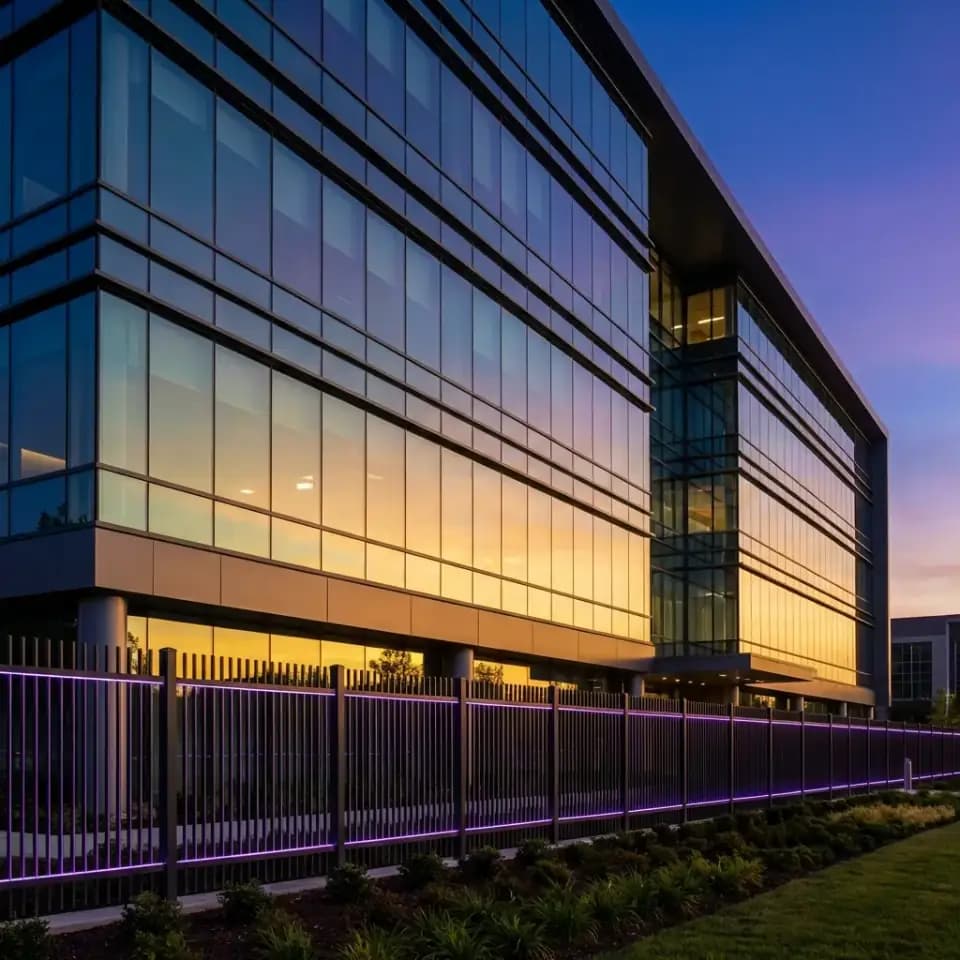
High-security perimeter protection for banks, vaults, administrative centers, and ATM areas.

Ideal for applications in Idaho

FortSense Residential Condominiums

Residential Condominiums

Perimeter Security Fiber Optics

Residential Condominiums

Invisible security for gated communities and apartment complexes, preserving aesthetics while detecting intrusions.

Ideal for applications in Idaho

FortSense Distribution Centers

Distribution Centers

Perimeter Security Fiber Optics

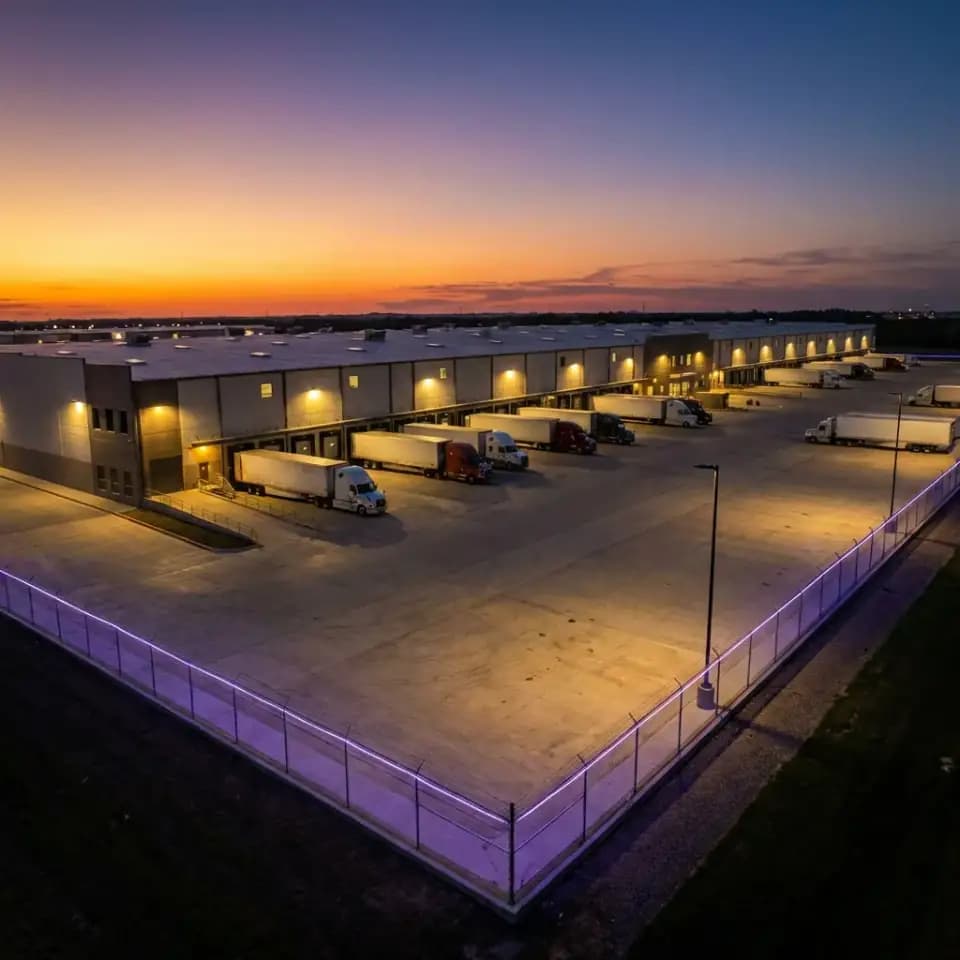
Distribution Centers

Security for logistics parks, warehouses, and high-value storage areas, meeting TAPA security standards.

Ideal for applications in Idaho

FortSense Critical Infrastructure

Critical Infrastructure

Perimeter Security Fiber Optics

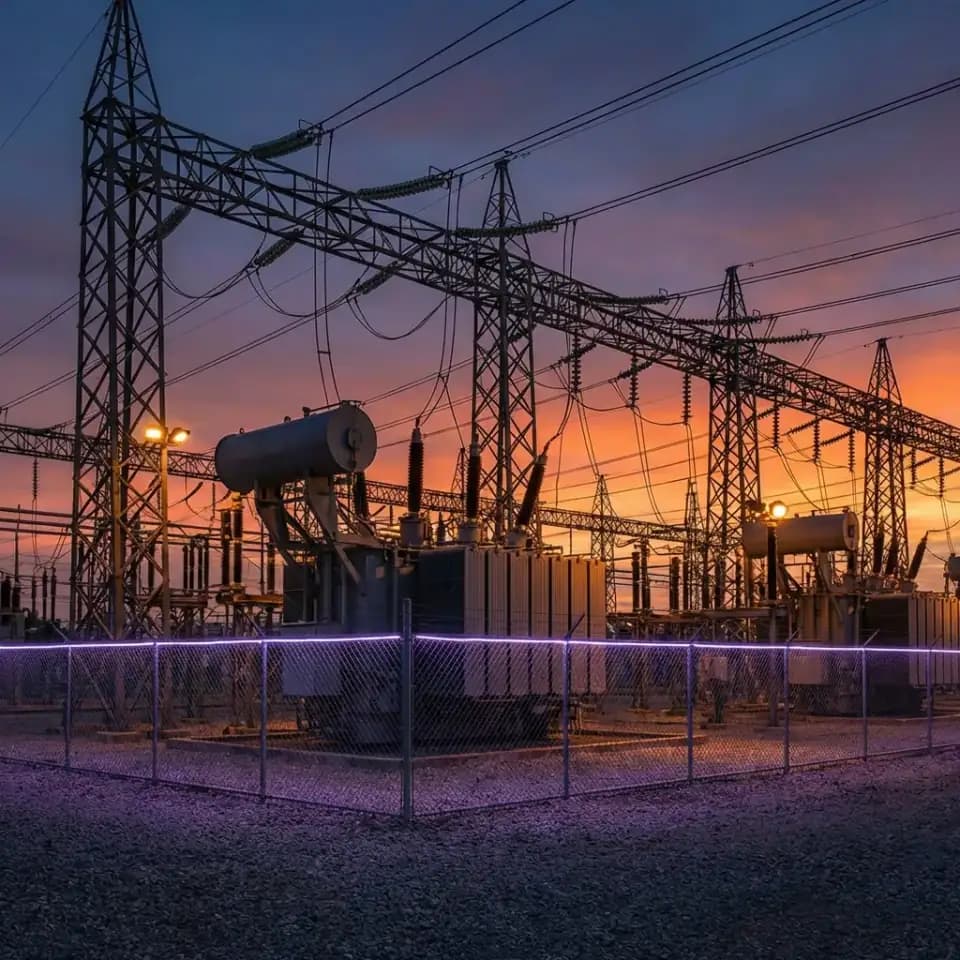
Critical Infrastructure

EMI-immune monitoring for electrical substations, telecom towers, and unmanned critical assets.

Ideal for applications in Idaho

FortSense Corrections & Prisons

Corrections & Prisons

Perimeter Security Fiber Optics

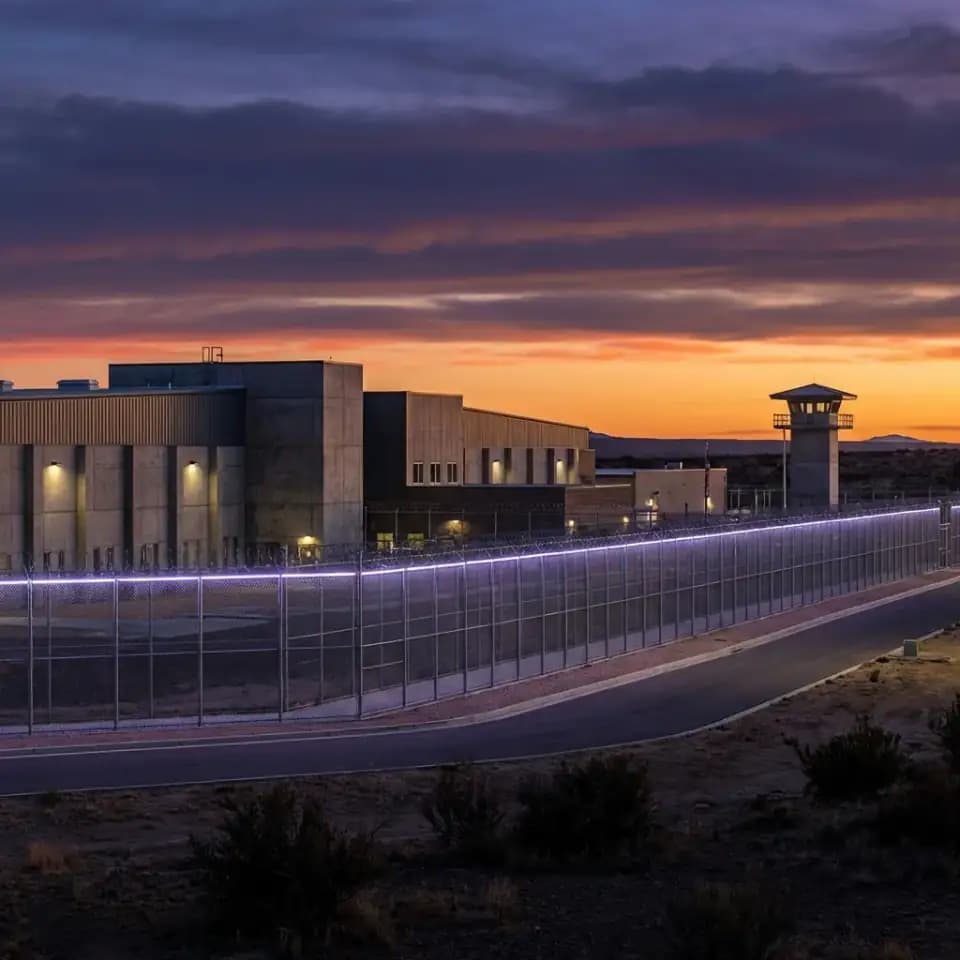
Corrections & Prisons

Zero-tolerance perimeter security for correctional facilities, detecting escape attempts and breaches.

Ideal for applications in Idaho

FortSense Public Sector & Schools

Public Sector & Schools

Perimeter Security Fiber Optics

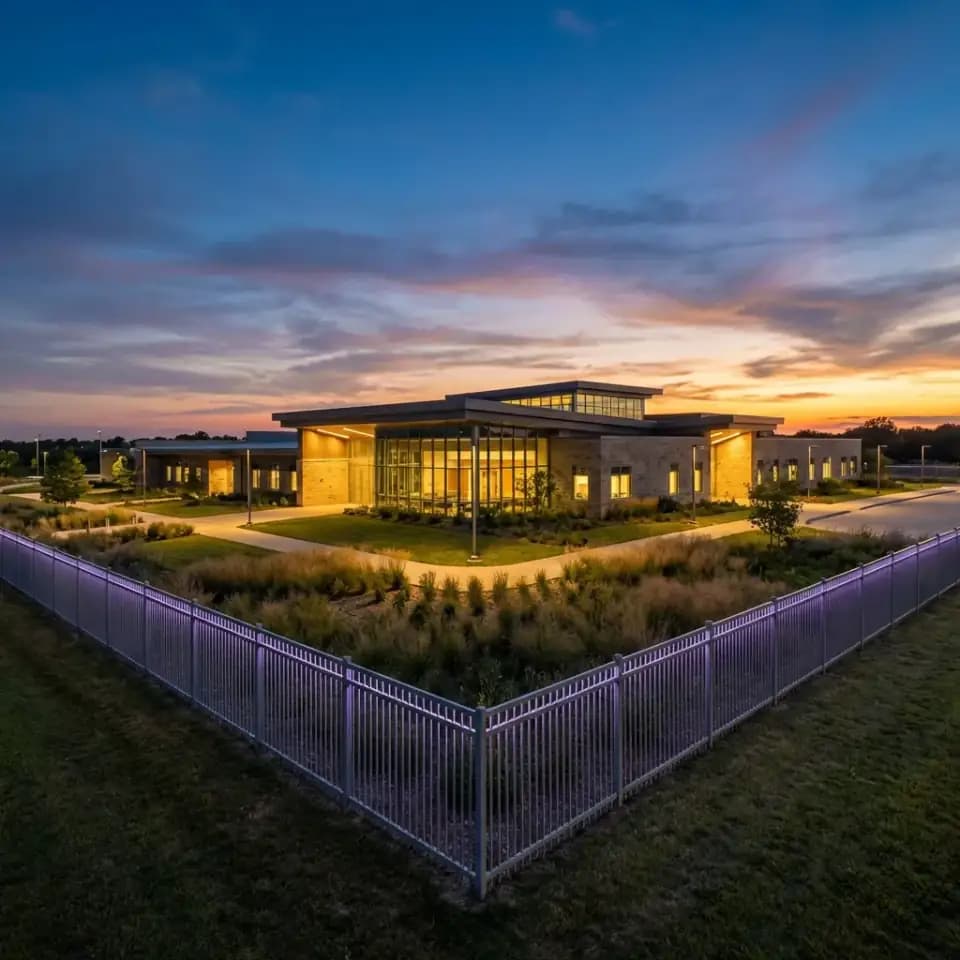
Public Sector & Schools

Non-invasive security for schools, government buildings, and public facilities with rapid lockdown protocols.

Ideal for applications in Idaho

FortSense Perimeter Security for Airports

Perimeter Security for Airports

Perimeter Security Fiber Optics

Perimeter Security for Airports

ICAO-compliant sterile zone enforcement with zero interference to airport radar and navigation systems.

Ideal for applications in Idaho

FortSense Mining Operations

Mining Operations

Perimeter Security Fiber Optics

Mining Operations

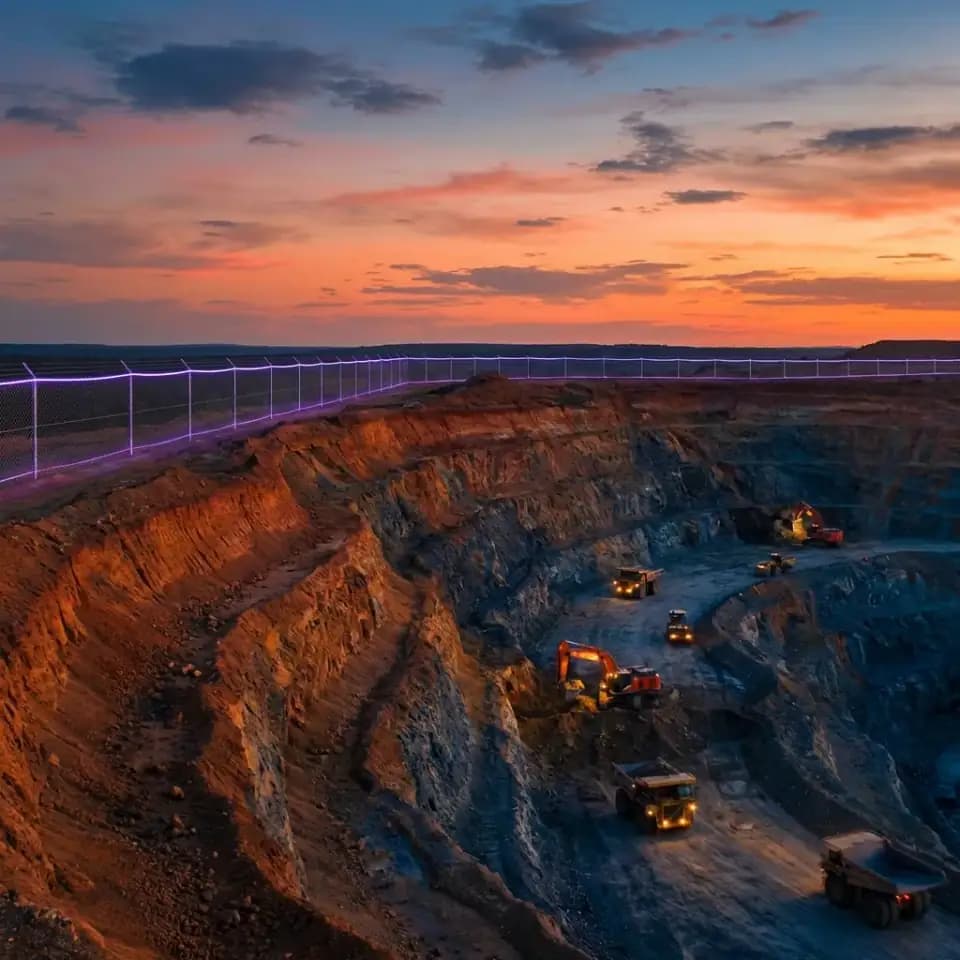
Ruggedized perimeter security for open-pit mines, ore stockpiles, and remote mining infrastructure.

Ideal for applications in Idaho

Local service overview

Agribusiness & National Laboratory Security in Idaho

FortSense® fiber optic PIDS protecting Idaho's nuclear research laboratories at INL, Micron Technology semiconductor fabrication, and vast agricultural processing operations from Boise to the Silver Valley.

Idaho's economy has undergone a dramatic transformation over the past two decades, evolving from a primarily agricultural and resource-extraction state into a high-tech hub while maintaining its position as America's premier potato producer. The state's GDP exceeds $100 billion, with the Boise metropolitan area experiencing some of the fastest population and economic growth in the nation, with the Treasure Valley adding over 150,000 residents since 2015. J. R.

Simplot Company, headquartered in Boise, is one of the largest privately held agribusiness companies in the United States, supplying the frozen french fries served at every McDonald's restaurant globally and operating phosphate mines, fertilizer plants, and cattle ranches across the western states. Lamb Weston, spun off from ConAgra and also based in the Boise area, operates major frozen potato processing plants in American Falls, Twin Falls, and Boardman that collectively process billions of pounds of potatoes annually.

Idaho produces approximately one-third of the entire US potato crop, with the Snake River Plain's volcanic soil and irrigation from the massive Milner Dam system creating ideal growing conditions across 300,000 acres. The Chobani yogurt plant in Twin Falls is the largest yogurt manufacturing facility in the world, processing over 2. 2 million pounds of milk per day and employing over 1,000 workers.

Micron Technology, headquartered in Boise, stands as one of only two US-based memory semiconductor manufacturers and represents Idaho's most strategically important private enterprise in the context of national technology competition with China. The company has announced plans to invest up to $15 billion in expanding its Boise fabrication facilities, supported by CHIPS Act funding, which will make the site one of the most advanced memory chip production complexes in the world and a cornerstone of America's semiconductor supply chain independence. HP Inc.

, formerly Hewlett-Packard, maintains a major printer and computing division in Boise that employs thousands of engineers and manufacturing workers. Albertsons Companies, one of the largest grocery chains in North America with over 2,200 stores, is headquartered in Boise. Boise Cascade Company operates its forest products business from the city, managing millions of acres of timberland across the Pacific Northwest.

The technology sector's growth has made the Treasure Valley one of the most dynamic economic corridors in the Mountain West, drawing workers and investment that fuel corresponding demands for commercial and industrial security infrastructure.

Idaho National Laboratory near Idaho Falls is the nation's lead nuclear energy research facility and one of the most security-critical installations in the Department of Energy complex. INL covers 890 square miles in the high desert of eastern Idaho, making it larger than Rhode Island, and conducts classified research on advanced nuclear reactors, spent fuel management, and critical infrastructure cybersecurity under the direction of Battelle Energy Alliance.

The laboratory's National and Homeland Security division serves as the lead for the Idaho Critical Infrastructure Test Range, where full-scale cybersecurity experiments are conducted on power grid components, water treatment systems, and industrial control networks. The site includes the Advanced Test Reactor, the nation's premier irradiation test reactor, and MARVEL, a microreactor that achieved criticality as the first new test reactor in the US in decades.

The Experimental Breeder Reactor-I, which produced the world's first usable nuclear electricity in 1951, stands as a National Historic Landmark on the INL campus. Mountain Home Air Force Base, located south of Boise, hosts the 366th Fighter Wing flying F-15E Strike Eagles and serves as a Republic of Singapore Air Force training detachment. The Port of Lewiston on the Snake River is Idaho's only seaport and the farthest inland Pacific port in North America at 465 river miles from the ocean, connecting to the Columbia River system for grain barge shipments critical to Idaho's wheat and barley exports.

Idaho's mining heritage remains economically significant and presents distinct security challenges. The Silver Valley district in Shoshone County has produced over 1. 2 billion ounces of silver historically, making it one of the richest silver mining districts in world history. Hecla Mining Company operates the Lucky Friday Mine in Mullan, one of the deepest silver mines in the US at over 7,000 feet, and the broader Coeur d'Alene mining district continues active production of silver, zinc, and lead.

Southeastern Idaho's phosphate mining operations, run by companies including Bayer and Simplot, extract phosphate rock critical for fertilizer production that supports agriculture nationwide. Thompson Creek Mine in Custer County is one of the few primary molybdenum mines in North America. These mining operations face security challenges from their remote mountain locations, where distances from law enforcement response can exceed 45 minutes and where the value of extracted minerals creates persistent theft incentives.

Idaho's security landscape is shaped by its vast distances, rugged terrain, and extreme climate variability. Temperatures range from minus 25 degrees Fahrenheit in northern Idaho winters to over 105 degrees Fahrenheit in the Snake River Plain summers. Wildfire is a persistent and growing threat, with Idaho experiencing severe fire seasons that have consumed hundreds of thousands of acres of forest and rangeland, including the 2023 season which burned over 480,000 acres across the state. Flash flooding during spring snowmelt affects the steep canyons and river valleys of central Idaho.

Wildlife incursion from bears, elk, mountain lions, and wolves presents a unique perimeter challenge for facilities in rural Idaho that conventional motion-sensor systems cannot distinguish from human intrusion, generating constant false alarms that degrade security effectiveness.

Fiber optic perimeter intrusion detection excels in this environment because it can be calibrated to differentiate animal movement patterns from human breach attempts while remaining fully operational through extreme cold, snow loading, and the electromagnetic interference from the lightning storms common during Idaho's summer dry season.

FortSense fiber optic PIDS technology is directly applicable to Idaho's highest-priority security requirements. The INL campus demands perimeter detection across an 890-square-mile reservation where conventional electronic security systems cannot practically cover the distances involved, but a single fiber optic cable can monitor tens of miles continuously without requiring power at any point along the sensing zone.

Micron Technology's fabrication facilities require cleanroom-adjacent perimeter security that generates zero electromagnetic interference with sensitive semiconductor manufacturing equipment operating at nanometer-scale precision. Agricultural processing plants from Simplot, Lamb Weston, and Chobani protect billions of dollars in inventory and equipment across sprawling rural campuses that may span hundreds of acres.

Remote mining operations in the Silver Valley and southeastern phosphate fields need perimeter systems that function without reliable electrical power or cellular communications in mountainous terrain. Mountain Home Air Force Base and the Port of Lewiston round out a diverse deployment landscape where fiber optic sensing provides the reliability and range that Idaho's challenging geography demands.

Professional perimeter protection for distribution centers, manufacturing, and critical infrastructure in Idaho.

  • Irrigation & Cable Theft Detection
  • Grain Silo & Agricultural Input Storage
  • Stockpile & Conveyor Belt Monitoring
  • National Laboratory & Nuclear Facility Operations

Plan a FortSense assessment for this market

Share the perimeter length, fence type, and monitoring workflow. FortSense can help scope zones, integration points, and commissioning requirements for this location.

Services

Irrigation & Cable Theft Detection

Protecting irrigation infrastructure, pivot systems, and agricultural power lines from cable theft and equipment vandalism across remote farmland.

Grain Silo & Agricultural Input Storage

Securing grain silos, fertilizer warehouses, and agricultural chemical storage from theft and contamination with humidity-tolerant fiber sensing.

Stockpile & Conveyor Belt Monitoring

Protecting ore stockpiles, conveyor systems, and processing plants from theft and unauthorized access with continuous 24/7 fiber sensing.

Deployment patterns for local sites

How FortSense Works in Idaho

Fiber optic perimeter security adapted to local conditions and requirements.

  1. Fiber installed. Passive fiber optic cable mounts on the existing fence or wall with minimal civil work.
  2. Vibration detected. Any contact creates vibration patterns in the fiber so climbing, cutting, or lifting attempts become visible immediately.
  3. AI/DSP verification. Algorithms filter out wind, animals, and environmental noise before an operator ever sees an alarm.
  4. Alarm if intrusion. Only real threats trigger zone-based alarms that can route into the monitoring workflow already used by the site team.

Adapted for Idaho. Our local partners understand Idaho's climate, terrain, and security challenges. The fiber optic system is configured to filter local environmental conditions while maintaining maximum sensitivity to real intrusion attempts.

Integration and security software fit

FortSense can feed alarms into the monitoring stack a site already uses, including VMS, PSIM, alarm panels, relay inputs, TCP/IP workflows, and camera verification.

  • Zone-based alarms for operators and guard teams
  • Camera and VMS workflows for visual verification
  • Relay or network outputs for existing security systems
  • Software-assisted filtering before dispatch decisions

Industries in this market

Relevant FortSense industry and use-case paths connected to this location.

  • National Laboratory & Nuclear Facility Operations
  • Semiconductor Fabrication & Technology Manufacturing
  • Agricultural & Food Processing Facilities
  • Distribution Center Perimeter Security
  • Solar Farm Perimeter Security
  • Perimeter Security for Critical Infrastructure

Why FortSense fits in Perimeter Security in Idaho

FortSense is designed for perimeter security work where false-alarm reduction, passive fiber sensing, and practical integration matter more than adding another camera-only layer.

  • Passive fiber on existing fences, walls, or perimeter structures
  • AI/DSP filtering for wind, vibration, and environmental noise
  • Zone-level alerts that can match the site's response model
  • Support for design, integration, commissioning, and handover

Market notes

Practical details that help this page stay specific to the market instead of drifting into generic copy.

  • National Laboratory & Nuclear Facility Operations
  • Semiconductor Fabrication & Technology Manufacturing
  • Agricultural & Food Processing Facilities
  • Irrigation & Cable Theft Detection

Related FortSense paths

Related technical content and commercial guidance linked from this location page.

Frequently Asked Questions (FAQ)

Frequently Asked Questions (FAQ) — Idaho

Can the system operate reliably in high-humidity agricultural environments?

Yes. The fiber optic sensor is immune to moisture, condensation, and high humidity that degrades electronic sensors. It operates reliably in tropical, irrigated, and high-humidity environments without any performance degradation or corrosion risk.

How does the system handle grain silo and fertilizer storage security?

Zone-based detection around silos and storage facilities provides instant alerts for unauthorized access. This protects against both theft (fertilizer, grain, chemicals) and contamination threats, which is increasingly important for food safety compliance.

What connectivity options exist for remote farm locations?

FortSense supports alarm transmission via cellular (4G/5G), satellite (Iridium, Starlink), and radio relay. Even locations without reliable internet can maintain real-time perimeter monitoring with store-and-forward alarm reporting.

What about explosive magazine security in remote locations?

Our system provides 24/7 monitoring of explosive storage magazines with instant alarm notification via satellite backhaul. The passive fiber sensor introduces zero ignition risk near explosive materials, making it the safest detection technology available.

Can the system handle the freeze-thaw cycles common in temperate regions?

Yes. Our fiber cable and mounting hardware are rated for 1000+ freeze-thaw cycles without degradation. The system adapts its acoustic baseline as fence tension changes with temperature, maintaining detection accuracy through seasonal transitions.

Local perimeter assessment

Request Perimeter Assessment in Idaho

Receive a technical proposal, deployment design, and integration plan.

Agribusiness & National Laboratory Security in Idaho