



Fiber Optic Perimeter Security in Indiana: Steel & Automotive Manufacturing Security in Indiana

Defending the Nation's Largest Steel Mills, Automotive Assembly Plants, and the RV Manufacturing Capital of America with Fiber Optic Detection

Applications

Perimeter Security Fiber Optics Ideal for Applications in Indiana

FortSense Solar & Renewables

Solar & Renewables

Perimeter Security Fiber Optics

Solar & Renewables

Autonomous perimeter monitoring for solar plants, protecting against theft of panels, copper cables, and inverters.

Ideal for applications in Indiana

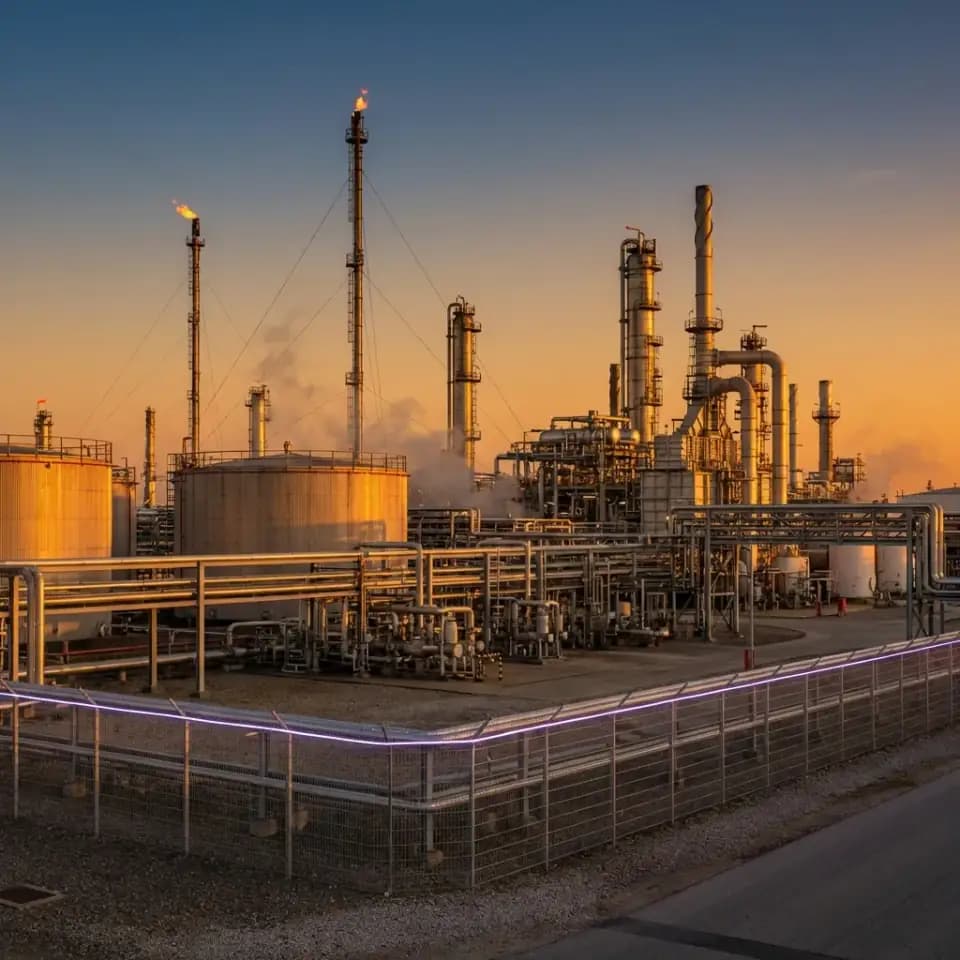
FortSense Oil & Gas

Oil & Gas

Perimeter Security Fiber Optics

Oil & Gas

Intrinsically safe perimeter detection for refineries, chemical plants, and fuel storage depots.

Ideal for applications in Indiana

FortSense Ports & Maritime

Ports & Maritime

Perimeter Security Fiber Optics

Ports & Maritime

ISPS-compliant security for cargo containers, fuel depots, and docked vessels in harsh marine environments.

Ideal for applications in Indiana

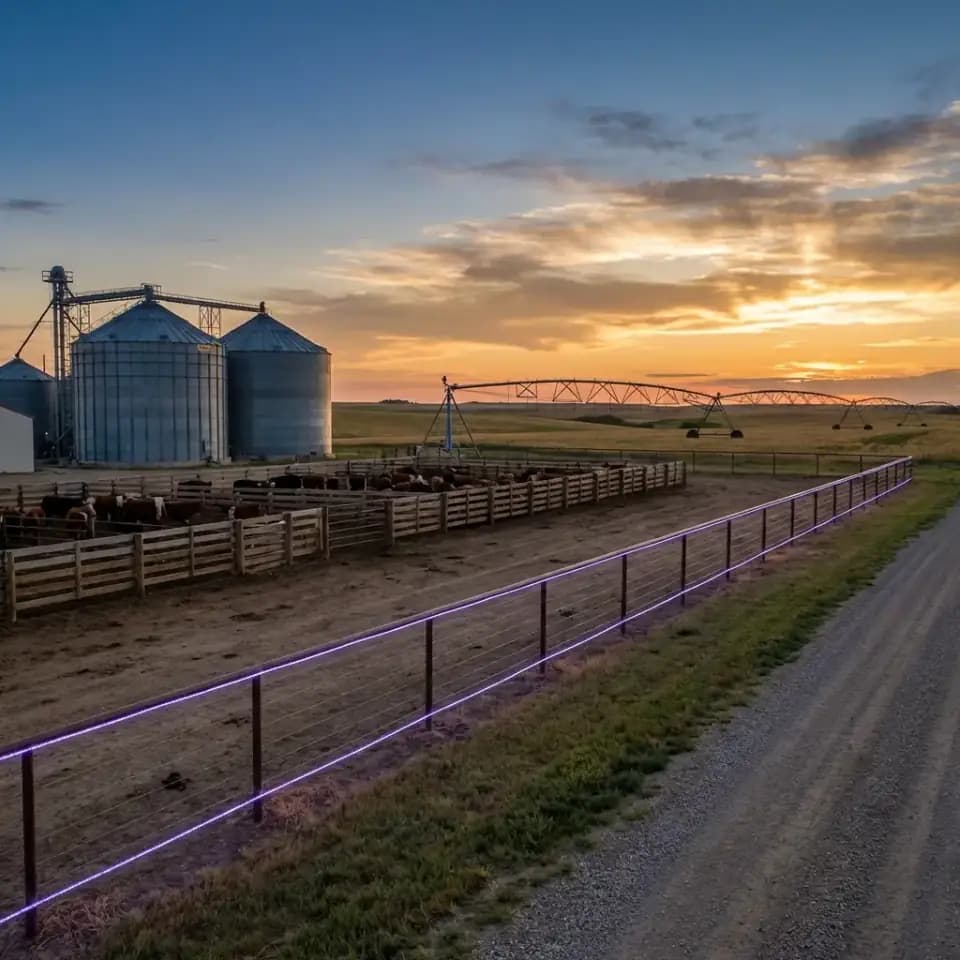
FortSense Agriculture

Agriculture

Perimeter Security Fiber Optics

Agriculture

Fire detection and security for farms, livestock pens, pivot irrigation systems, and rural assets.

Ideal for applications in Indiana

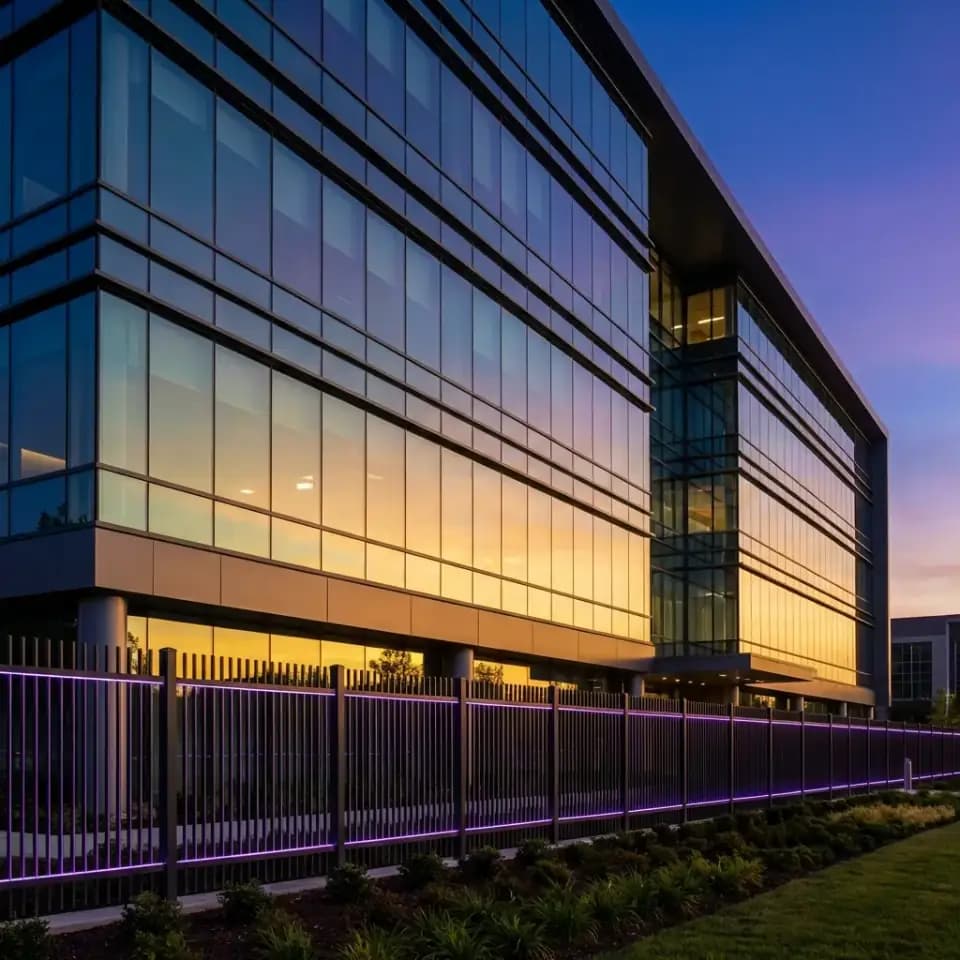
FortSense Financial Sector

Financial Sector

Perimeter Security Fiber Optics

Financial Sector

High-security perimeter protection for banks, vaults, administrative centers, and ATM areas.

Ideal for applications in Indiana

FortSense Residential Condominiums

Residential Condominiums

Perimeter Security Fiber Optics

Residential Condominiums

Invisible security for gated communities and apartment complexes, preserving aesthetics while detecting intrusions.

Ideal for applications in Indiana

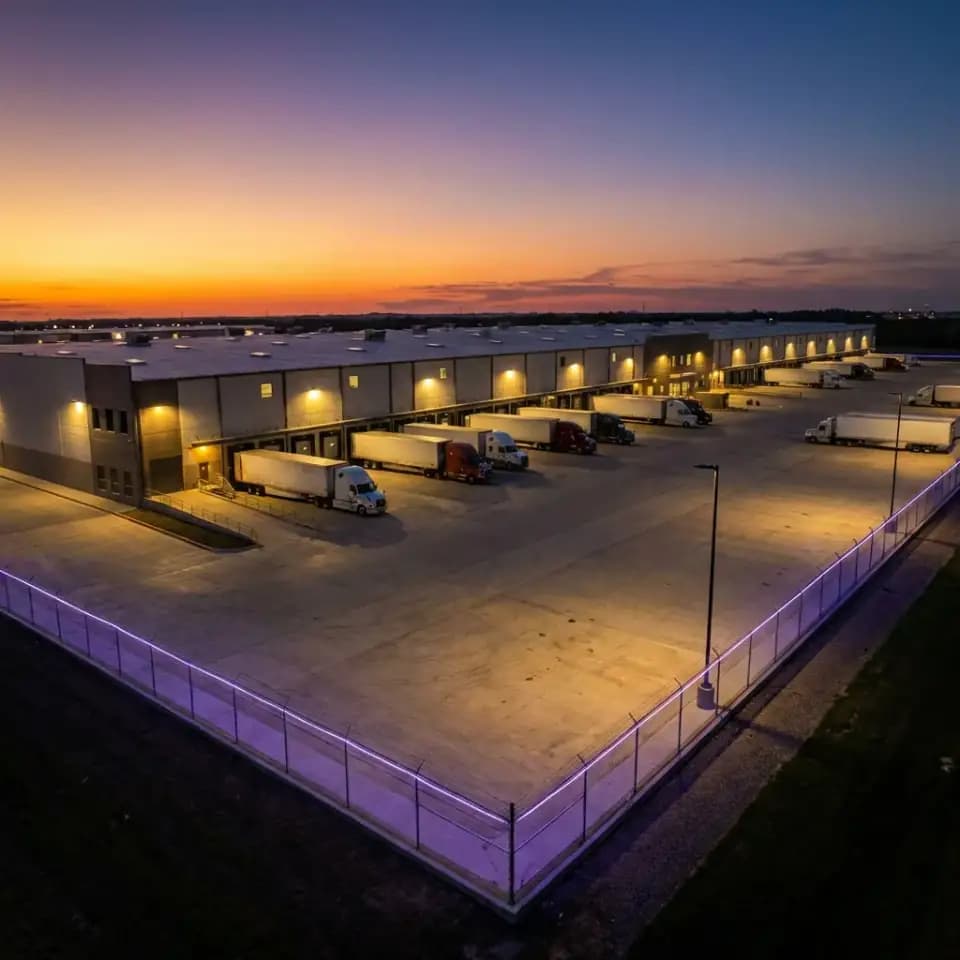
FortSense Distribution Centers

Distribution Centers

Perimeter Security Fiber Optics

Distribution Centers

Security for logistics parks, warehouses, and high-value storage areas, meeting TAPA security standards.

Ideal for applications in Indiana

FortSense Critical Infrastructure

Critical Infrastructure

Perimeter Security Fiber Optics

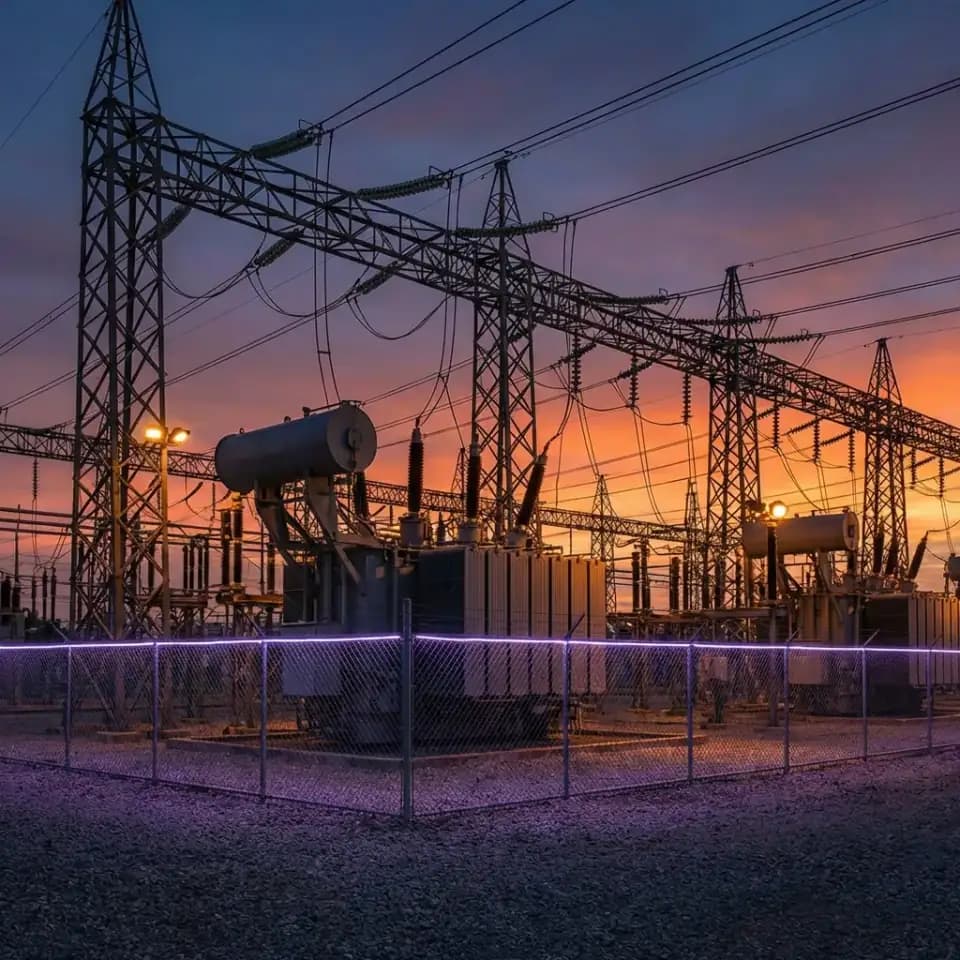
Critical Infrastructure

EMI-immune monitoring for electrical substations, telecom towers, and unmanned critical assets.

Ideal for applications in Indiana

FortSense Corrections & Prisons

Corrections & Prisons

Perimeter Security Fiber Optics

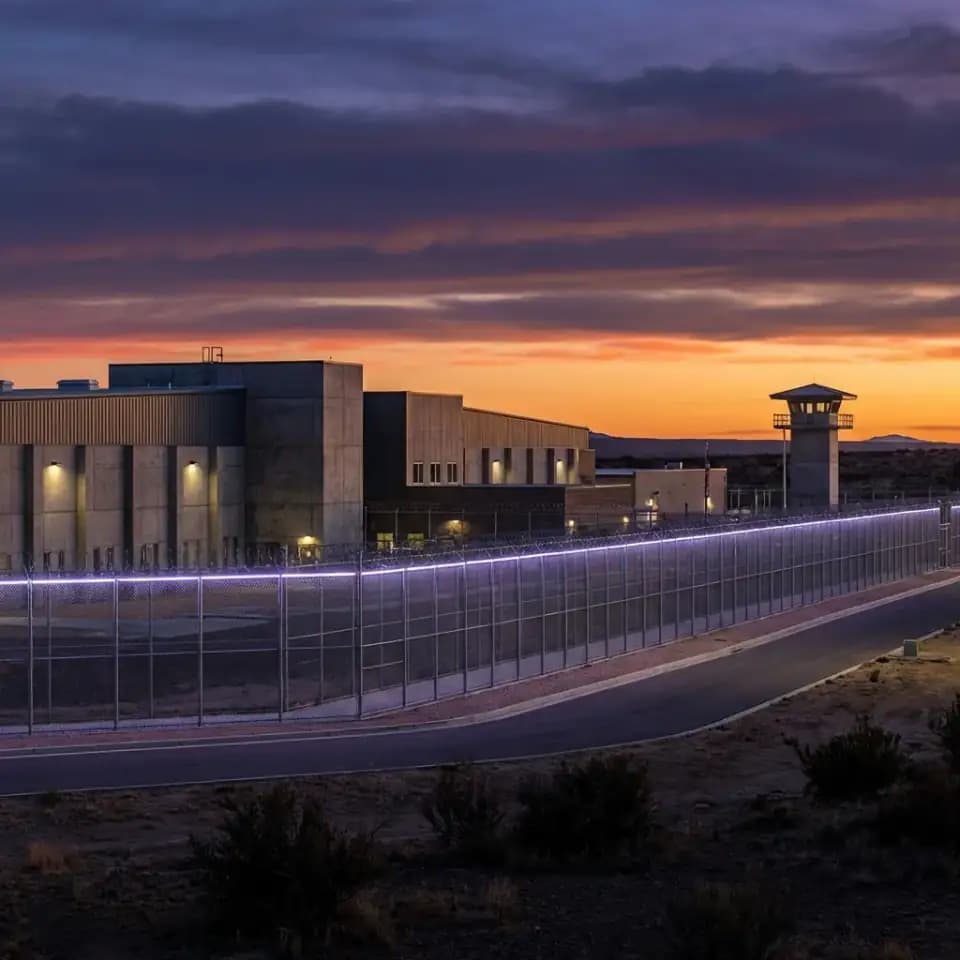
Corrections & Prisons

Zero-tolerance perimeter security for correctional facilities, detecting escape attempts and breaches.

Ideal for applications in Indiana

FortSense Public Sector & Schools

Public Sector & Schools

Perimeter Security Fiber Optics

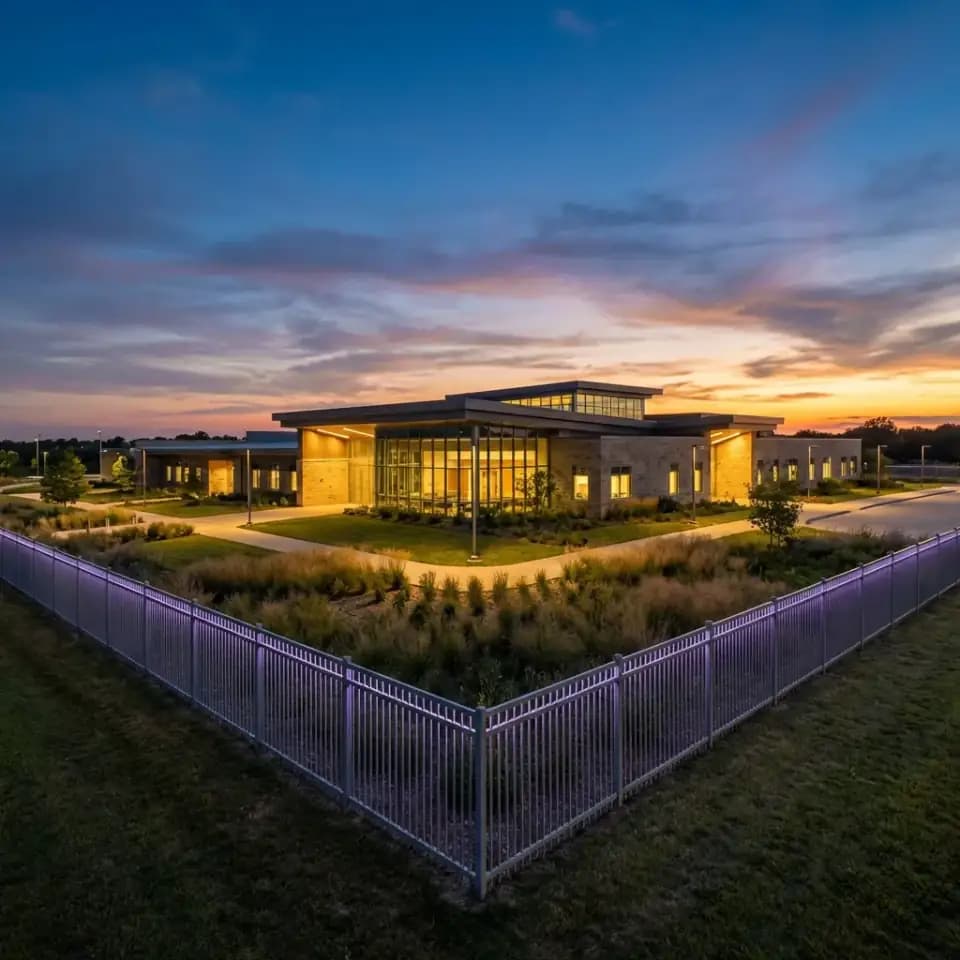
Public Sector & Schools

Non-invasive security for schools, government buildings, and public facilities with rapid lockdown protocols.

Ideal for applications in Indiana

FortSense Perimeter Security for Airports

Perimeter Security for Airports

Perimeter Security Fiber Optics

Perimeter Security for Airports

ICAO-compliant sterile zone enforcement with zero interference to airport radar and navigation systems.

Ideal for applications in Indiana

FortSense Mining Operations

Mining Operations

Perimeter Security Fiber Optics

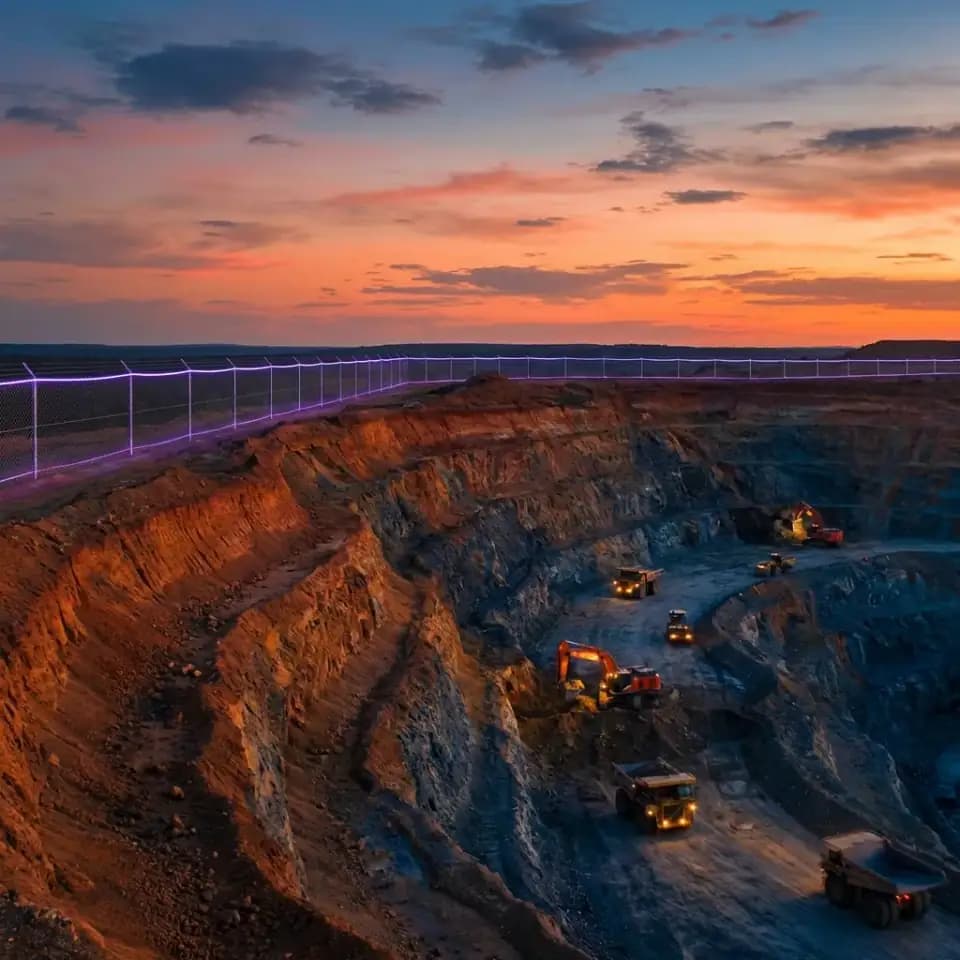
Mining Operations

Ruggedized perimeter security for open-pit mines, ore stockpiles, and remote mining infrastructure.

Ideal for applications in Indiana

Local service overview

Steel & Automotive Manufacturing Security in Indiana

FortSense® fiber optic PIDS securing Indiana's steel complexes along Lake Michigan, automotive plants from Lafayette to Princeton, Eli Lilly pharmaceutical campuses, and the Elkhart County RV corridor.

Indiana's manufacturing economy is the most concentrated in the United States, with manufacturing accounting for approximately 29 percent of the state's GDP, the highest share of any state and nearly double the national average. The total GDP exceeds $440 billion, driven by an industrial base that produces more steel, more automotive parts, and more recreational vehicles than any other state in the nation.

Indiana's self-proclaimed identity as the Crossroads of America reflects its position at the intersection of Interstates 65, 70, and 69, with over 60 percent of the US population reachable within a day's truck drive from Indianapolis. The city hosts FedEx's second-largest air hub at Indianapolis International Airport, along with major distribution operations for Amazon, Walmart, and other logistics operators.

Eli Lilly and Company, headquartered in Indianapolis since 1876, is one of the world's largest pharmaceutical companies with a market capitalization exceeding $700 billion, operating multiple manufacturing campuses across the city producing insulin, GLP-1 receptor agonists like Mounjaro and Zepbound, oncology drugs, and other critical medications. Cummins Inc. , headquartered in Columbus, Indiana, is the global leader in diesel and natural gas engines, powering heavy trucks and industrial equipment worldwide.

Northwest Indiana along the Lake Michigan shoreline hosts the largest concentration of steelmaking capacity in the United States, with facilities stretching from Gary through East Chicago and Burns Harbor. U. S. Steel Gary Works, opened in 1906, remains one of the largest integrated steel mills in North America, with blast furnaces, coke ovens, and rolling mills spanning over 4,000 acres along the lakefront.

Cleveland-Cliffs operates the Burns Harbor facility, the largest in Indiana with over 5 million tons of annual capacity, and the Indiana Harbor complex in East Chicago, which together produce the flat-rolled and advanced high-strength steels used in automotive manufacturing. Steel Dynamics Inc. , headquartered in Fort Wayne, operates innovative electric arc furnace mills in Butler, Columbia City, and Pittsboro that have revolutionized the economics of steelmaking. Nucor Steel in Crawfordsville pioneered thin-slab casting technology that transformed the industry.

Together, Indiana's steel mills produce approximately 27 percent of all raw steel manufactured in the United States, with the Northwest Indiana corridor alone producing more steel than most countries. These sprawling industrial complexes, some spanning thousands of acres along the lakeshore, present enormous perimeter security challenges with miles of fencing bordering both urban areas and the Lake Michigan waterfront.

Indiana's automotive manufacturing cluster is equally formidable and geographically dispersed across the state. Subaru of Indiana Automotive in Lafayette is the only Subaru assembly plant outside Japan, producing the Outback, Ascent, Impreza, and Legacy models on an 820-acre campus with over 6,000 employees. Toyota Motor Manufacturing Indiana in Princeton produces the Highlander and Grand Highlander SUVs, and recently announced $1. 3 billion in expansion investments.

General Motors Fort Wayne Assembly builds the full-size Chevrolet Silverado and GMC Sierra pickup trucks, among the most profitable vehicles in GM's lineup. Honda Manufacturing of Indiana in Greensburg produces the CR-V and Civic. Stellantis, formerly Fiat Chrysler, operates transmission and casting plants in Kokomo that supply powertrains to multiple assembly plants.

In Elkhart County, the RV manufacturing cluster centered on Elkhart and Goshen produces approximately 80 percent of all recreational vehicles sold in the United States, with Thor Industries, Forest River, a Berkshire Hathaway company, and Jayco operating dozens of assembly plants within a 30-mile radius. This extraordinary concentration of finished vehicles and high-value components parked in open staging lots creates persistent and substantial theft risks.

Crane Naval Surface Warfare Center in rural Martin County is one of the Navy's most important research, testing, and engineering facilities, spanning 63,000 acres of southern Indiana woodland and conducting classified work on electronic warfare, special missions, and strategic weapons systems. The installation employs over 4,000 military and civilian workers and is the third-largest naval installation in the world by area. Grissom Air Reserve Base near Kokomo supports KC-135 Stratotanker refueling operations.

The Port of Indiana-Burns Harbor on Lake Michigan handles international shipping including steel coils, grain, and heavy equipment. The Port of Indiana-Jeffersonville and Port of Indiana-Mount Vernon on the Ohio River provide domestic waterway access to Gulf Coast markets. Rolls-Royce operates its defense and power systems division in Indianapolis, producing engines for military and commercial applications.

The Indianapolis Motor Speedway, while primarily an entertainment venue, draws over 300,000 spectators on race day and generates significant temporary security requirements for one of the largest single-day sporting events in the world.

Indiana's security concerns are driven by the high concentration of valuable industrial output across the state. Automotive parts theft from plants and in transit represents a persistent challenge, with organized rings targeting catalytic converters, wheels, and electronics components from vehicles staged in factory lots. Steel mills face copper wire theft from their extensive electrical infrastructure and scrap metal theft from peripheral storage areas that may span hundreds of acres.

Pharmaceutical manufacturing security at Eli Lilly's campuses must address both intellectual property protection and DEA-regulated controlled substance management. The vast rural distances in southern Indiana, where NSWC Crane is located, mean law enforcement response times can exceed 30 minutes, making real-time intrusion detection absolutely critical for national security assets.

Lake effect snow from Lake Michigan buries northern Indiana under heavy accumulations each winter, temperatures drop well below zero during polar vortex events reaching minus 30 degrees Fahrenheit, and tornado activity during spring creates a challenging operational environment for any perimeter security system relying on electronic sensors or cameras.

Fiber optic perimeter detection technology from FortSense addresses the scale and environmental challenges unique to Indiana's industrial landscape. The multi-mile perimeters of Gary Works, Burns Harbor, and Indiana Harbor steel complexes require continuous monitoring that conventional camera and motion-sensor systems cannot deliver cost-effectively across such vast distances in an environment where coal dust, steam, and industrial emissions further degrade camera visibility.

Automotive assembly plants from SIA in Lafayette to TMMI in Princeton protect billions of dollars in finished vehicle inventory staged in outdoor lots. NSWC Crane's 63,000-acre footprint in remote woodland demands detection technology that functions without reliable cellular connectivity or easy access for maintenance. Eli Lilly's pharmaceutical manufacturing campuses require non-electromagnetic perimeter systems that comply with FDA and DEA facility security requirements.

The Elkhart County RV corridor, where dozens of factories store finished recreational vehicles valued at $50,000 to over $500,000 each in outdoor staging areas, presents ideal conditions for distributed fiber optic sensing that can detect perimeter breaches across multiple adjacent facilities from a single monitoring station.

Professional perimeter protection for distribution centers, manufacturing, and critical infrastructure in Indiana.

  • Factory & Industrial Park Perimeter
  • Warehouse Complex & Distribution Center
  • Yard & Loading Dock Security (TAPA FSR)
  • Integrated Steelmaking & Steel Processing Operations

Plan a FortSense assessment for this market

Share the perimeter length, fence type, and monitoring workflow. FortSense can help scope zones, integration points, and commissioning requirements for this location.

Services

Factory & Industrial Park Perimeter

Shift-aware perimeter detection for factories and industrial parks with automatic sensitivity adjustment between production hours and quiet periods.

Warehouse Complex & Distribution Center

Multi-zone fiber optic fencing for warehouse complexes and distribution centers with integration to inventory management and access control systems.

Yard & Loading Dock Security (TAPA FSR)

TAPA FSR-compliant perimeter detection for logistics yards, loading docks, and cross-dock facilities with vehicle and pedestrian discrimination.

Deployment patterns for local sites

How FortSense Works in Indiana

Fiber optic perimeter security adapted to local conditions and requirements.

  1. Fiber installed. Passive fiber optic cable mounts on the existing fence or wall with minimal civil work.
  2. Vibration detected. Any contact creates vibration patterns in the fiber so climbing, cutting, or lifting attempts become visible immediately.
  3. AI/DSP verification. Algorithms filter out wind, animals, and environmental noise before an operator ever sees an alarm.
  4. Alarm if intrusion. Only real threats trigger zone-based alarms that can route into the monitoring workflow already used by the site team.

Adapted for Indiana. Our local partners understand Indiana's climate, terrain, and security challenges. The fiber optic system is configured to filter local environmental conditions while maintaining maximum sensitivity to real intrusion attempts.

Integration and security software fit

FortSense can feed alarms into the monitoring stack a site already uses, including VMS, PSIM, alarm panels, relay inputs, TCP/IP workflows, and camera verification.

  • Zone-based alarms for operators and guard teams
  • Camera and VMS workflows for visual verification
  • Relay or network outputs for existing security systems
  • Software-assisted filtering before dispatch decisions

Industries in this market

Relevant FortSense industry and use-case paths connected to this location.

  • Integrated Steelmaking & Steel Processing Operations
  • Automotive Assembly & Manufacturing Plants
  • Pharmaceutical Manufacturing & Naval Weapons Centers
  • Distribution Center Perimeter Security
  • Solar Farm Perimeter Security
  • Perimeter Security for Critical Infrastructure

Why FortSense fits in Perimeter Security in Indiana

FortSense is designed for perimeter security work where false-alarm reduction, passive fiber sensing, and practical integration matter more than adding another camera-only layer.

  • Passive fiber on existing fences, walls, or perimeter structures
  • AI/DSP filtering for wind, vibration, and environmental noise
  • Zone-level alerts that can match the site's response model
  • Support for design, integration, commissioning, and handover

Market notes

Practical details that help this page stay specific to the market instead of drifting into generic copy.

  • Integrated Steelmaking & Steel Processing Operations
  • Automotive Assembly & Manufacturing Plants
  • Pharmaceutical Manufacturing & Naval Weapons Centers
  • Factory & Industrial Park Perimeter

Related FortSense paths

Related technical content and commercial guidance linked from this location page.

Frequently Asked Questions (FAQ)

Frequently Asked Questions (FAQ) — Indiana

How does FortSense integrate with factory access control and VMS?

The system integrates via TCP/IP, ONVIF, and relay outputs with major access control platforms (ASSA, HID, Genetec) and VMS systems (Milestone, Avigilon, Bosch). Camera slew-to-cue provides instant visual verification of any perimeter alarm.

Is the system effective against coordinated theft from warehouse complexes?

Yes. Multi-zone detection covers all warehouse perimeters simultaneously with independent alarm zones. The system detects fence breaches, loading dock intrusion, and roof access attempts — addressing the multiple entry vectors used in organized theft operations.

Can FortSense protect pharmaceutical and IP-sensitive manufacturing areas?

Absolutely. For facilities requiring enhanced security (pharma, defense, aerospace), FortSense provides tamper-proof fiber routing, encrypted alarm channels, and anti-defeat mechanisms. The system detects sophisticated breach attempts including slow-cut and bridging.

Can the system integrate with existing yard management and VMS platforms?

Yes. FortSense integrates via TCP/IP, ONVIF, and dry contact relays with major VMS platforms (Milestone, Genetec, Avigilon), yard management systems, and access control. Camera slew-to-cue provides instant visual verification of perimeter alarms.

Is the system affected by severe thunderstorms and tornadoes?

The fiber sensor is lightning-immune (non-conductive) and survives winds up to 200+ km/h when properly mounted. During severe storms, weather-filtering algorithms maintain intrusion detection while suppressing storm-related false alarms. Tornado-damaged sections are instantly identified for rapid repair.

Local perimeter assessment

Request Perimeter Assessment in Indiana

Receive a technical proposal, deployment design, and integration plan.

Steel & Automotive Manufacturing Security in Indiana