
Local service overview
Agribusiness & Data Center Security in Iowa
FortSense® fiber optic PIDS guarding Iowa's meatpacking plants, ethanol facilities, wind farms, and the hyperscale data centers that Meta, Google, Microsoft, and Apple operate across the state.
Iowa's agricultural economy is the most productive in the United States on a per-acre basis, generating a GDP exceeding $220 billion from a state of just 3. 2 million people. Iowa leads the nation in corn production with over 2. 5 billion bushels annually, hog farming producing roughly one-third of all US pork, egg production, and ethanol manufacturing. The state's 85,300 farms span 30. 6 million acres, covering approximately 85 percent of Iowa's total land area, making it the most intensively farmed state in the country.
Des Moines has quietly evolved into a significant financial services hub, hosting Principal Financial Group, Wellmark Blue Cross Blue Shield, EMC Insurance, and numerous insurance company headquarters that have earned it recognition as the insurance capital of the United States.
John Deere, the world's largest agricultural equipment manufacturer, maintains major manufacturing operations in Waterloo where tractors are assembled, Davenport for construction equipment, Dubuque for excavators, and Ottumwa for hay and forage equipment, employing over 10,000 Iowans across these facilities and making the company the backbone of Iowa's manufacturing sector.
Iowa's meatpacking and food processing industry is the largest in the nation by volume and represents billions of dollars in facilities and inventory requiring protection. JBS USA operates massive plants in Marshalltown for pork, Ottumwa for pork, and Council Bluffs that together process tens of thousands of hogs daily. Tyson Fresh Meats runs processing facilities in Waterloo, the site of a major COVID-19 outbreak in 2020 that killed six workers and exposed the industry's workforce vulnerability, as well as Columbus Junction, Perry, and Storm Lake.
National Beef Packing in Tama processes thousands of cattle daily. The Quaker Oats plant in Cedar Rapids, owned by PepsiCo, is one of the largest cereal manufacturing facilities in the world, processing millions of bushels of oats annually. Cargill and Archer Daniels Midland operate grain processing complexes in Cedar Rapids, Clinton, and other locations throughout the state that transform raw grain into oils, sweeteners, starches, and animal feed ingredients.
Over 40 ethanol plants, led by POET Bioprocessing, the world's largest ethanol producer headquartered in Sioux Falls but with its densest plant concentration in Iowa, and supplemented by Valero Renewable Fuels and Green Plains Inc. , transform Iowa corn into over 4. 5 billion gallons of biofuel annually, making Iowa responsible for roughly 25 percent of all US ethanol production.
Perhaps Iowa's most surprising infrastructure development is its emergence as a major hyperscale data center corridor that rivals Northern Virginia and central Oregon. Meta operates one of its largest data center campuses in Altoona, east of Des Moines, spanning over 3 million square feet across multiple buildings with total investment exceeding $6 billion. Google's Council Bluffs campus is one of the company's most significant US data center locations, with over $5 billion invested in expansions that continue to grow the facility.
Microsoft's West Des Moines data center supports Azure cloud services with multiple buildings under continuous expansion, and a recent $1 billion expansion was announced. Apple's Waukee data center, built with a $1. 3 billion investment, powers iCloud services for millions of users. These tech giants were drawn by Iowa's affordable and increasingly renewable electricity, where wind energy constitutes over 60 percent of Iowa's generation, the highest percentage of any state, along with the central geographic location providing low-latency connectivity to both coasts and favorable tax incentives.
MidAmerican Energy, owned by Berkshire Hathaway Energy, operates the largest privately owned wind fleet in the United States with over 6,200 megawatts of capacity across Iowa's western and northern regions, with turbines stretching across thousands of acres of farmland.
Iowa's security challenges are shaped by the rural character of much of its economy and the high value of its concentrated processing infrastructure. Farm equipment theft is a significant concern, with modern John Deere combines valued at over $800,000 and precision agriculture GPS systems worth tens of thousands of dollars per unit being targeted by organized theft rings. Grain elevator theft from the state's thousands of storage facilities targets high-value commodities, particularly during periods of elevated grain prices when stored corn and soybeans can represent millions of dollars in a single facility.
Anhydrous ammonia theft from farm fertilizer tanks remains a persistent problem, with the chemical diverted for methamphetamine production in rural communities. Ethanol plants, which store large quantities of flammable materials in isolated rural locations, face vandalism and theft risks compounded by limited law enforcement coverage. The Iowa Army Ammunition Plant in Middletown, which produces military munitions for the US armed forces, requires federal security standards across its perimeter.
The 2020 Iowa derecho, a devastating straight-line wind event that caused over $11 billion in damage across the state, destroyed thousands of grain bins, flattened 10 million acres of crops, and demonstrated how quickly security infrastructure can be overwhelmed by Iowa's severe weather.
The extreme climate variability of Iowa's continental-temperate environment makes fiber optic perimeter detection systems exceptionally valuable. Temperatures range from minus 30 degrees Fahrenheit during winter blizzards to over 105 degrees Fahrenheit in summer heat waves, with annual temperature swings exceeding 130 degrees. Iowa averages over 50 tornadoes per year, and the 2020 derecho produced sustained winds exceeding 140 miles per hour along a 770-mile path that devastated central Iowa in a manner more commonly associated with Category 4 hurricanes.
Severe thunderstorms with large hail damage electronic outdoor equipment regularly during spring and summer months. The catastrophic 2008 Cedar Rapids flood, which inundated downtown and industrial areas under 10 feet of water and caused $5. 4 billion in damages, demonstrated the vulnerability of ground-level electronic security systems.
Fiber optic PIDS cables, which are immune to water damage, lightning-induced electromagnetic pulses, and temperature extremes, provide the only perimeter detection technology that can reliably operate year-round in Iowa's punishing weather conditions without frequent maintenance or replacement cycles.
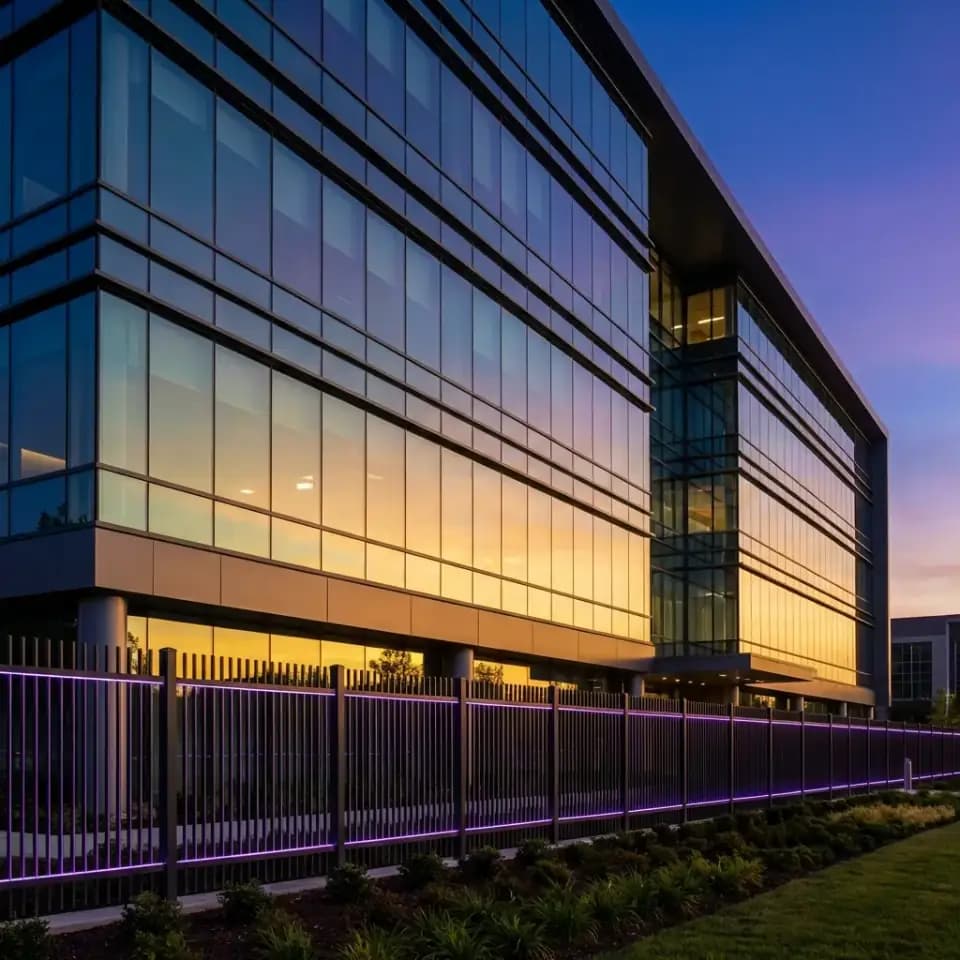
FortSense fiber optic PIDS deployments address Iowa's diverse and high-value security targets across the state. Hyperscale data centers from Meta, Google, Microsoft, and Apple require zero-electromagnetic-interference perimeter detection surrounding facilities that process some of the most sensitive digital information on the planet. Meatpacking plants from JBS, Tyson, and National Beef need biosecurity-grade perimeter monitoring that prevents unauthorized entry that could compromise food safety and USDA compliance.
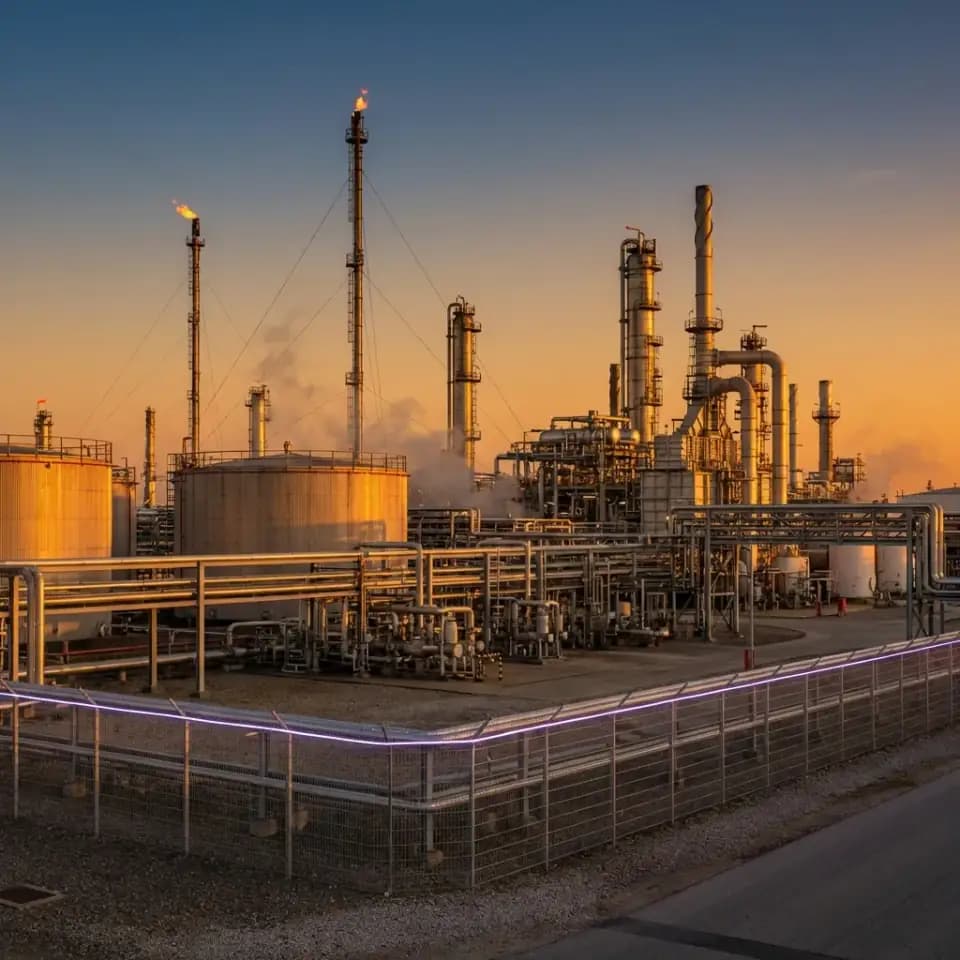
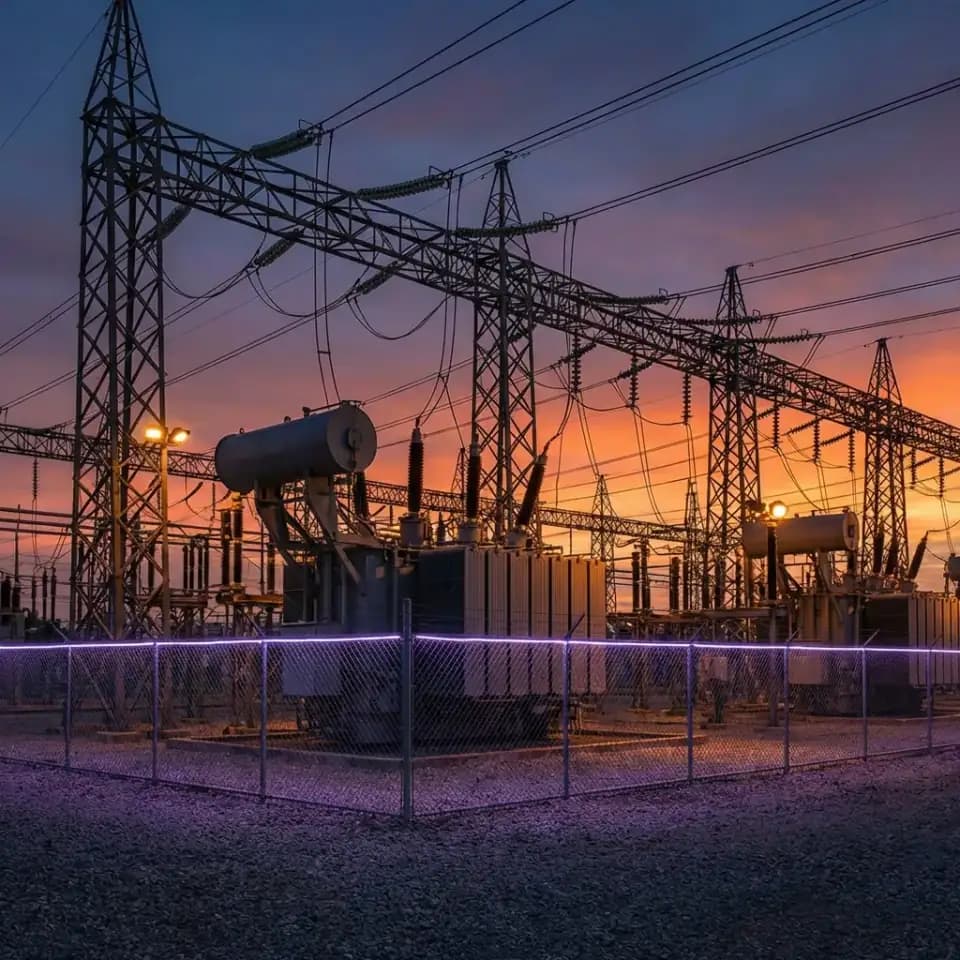
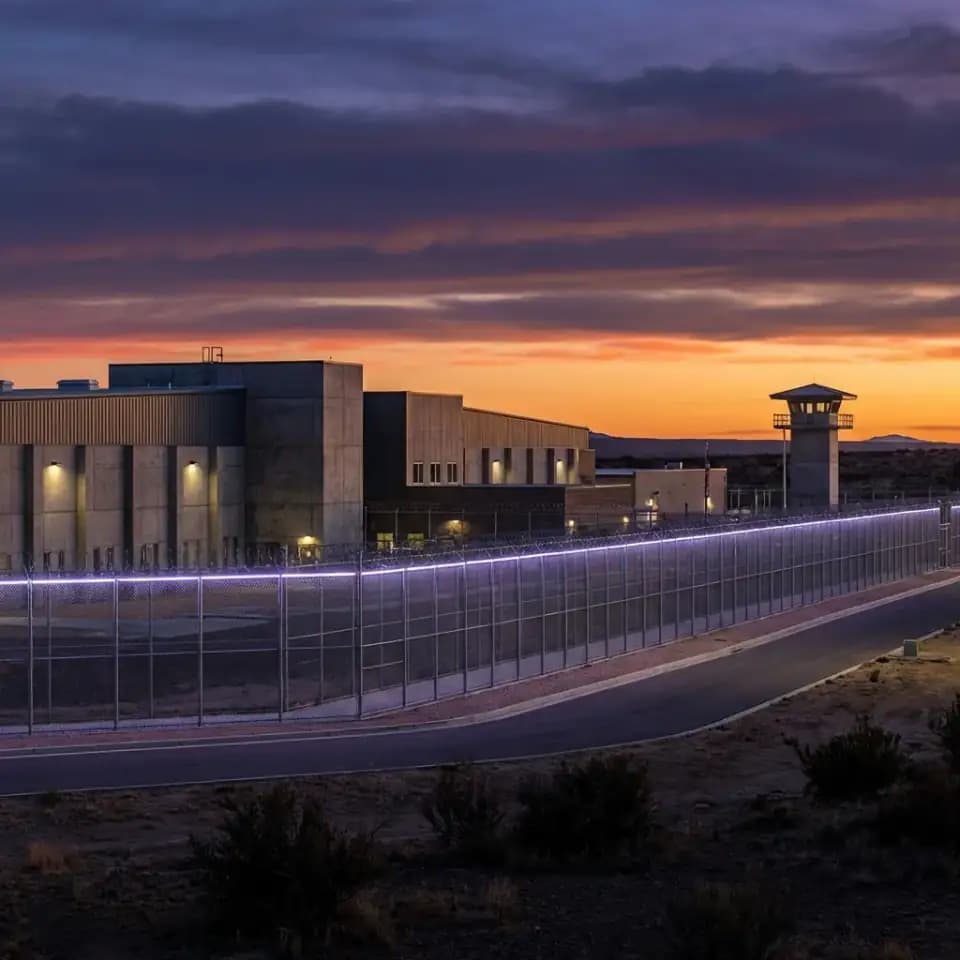
Ethanol plants storing millions of gallons of flammable biofuel require intrinsically safe detection with no electrical components at the perimeter that could generate ignition sources. Wind farm operators like MidAmerican Energy need monitoring for remote turbine installations and substations spread across miles of agricultural land. The Iowa Army Ammunition Plant demands military-specification intrusion detection for munitions production and storage areas.
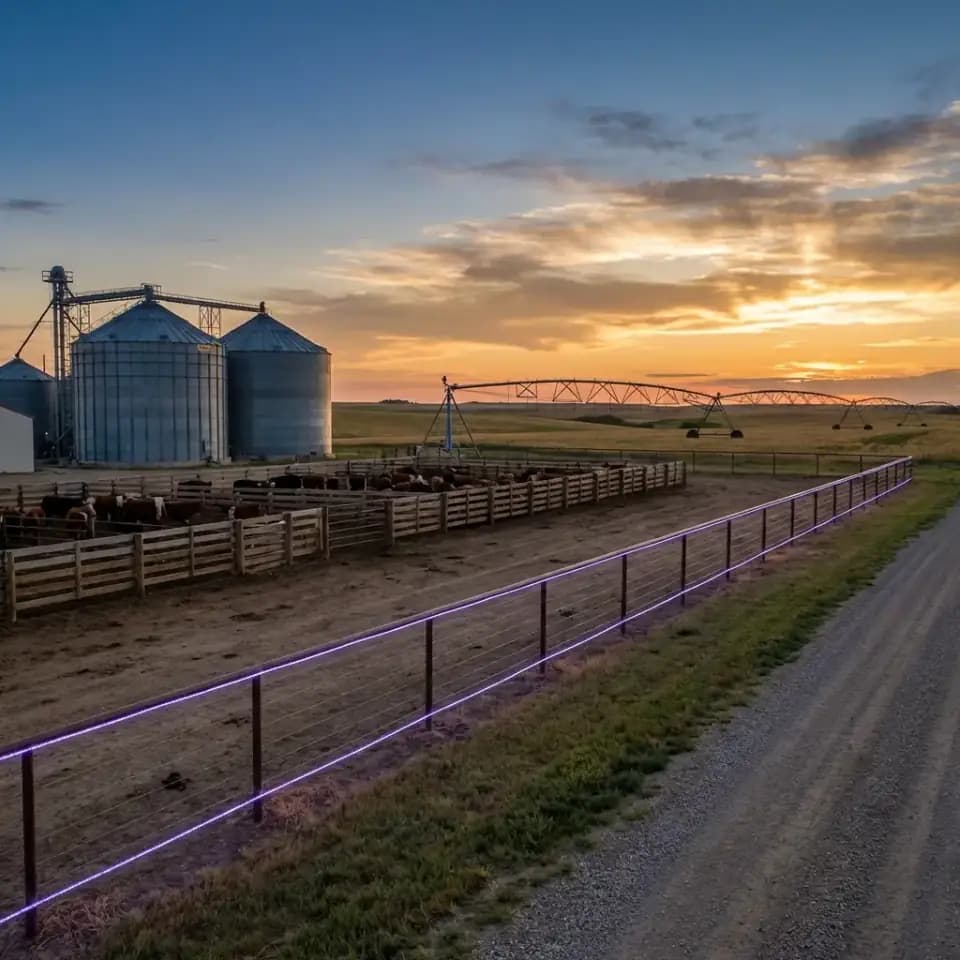
Grain elevators and agricultural storage facilities throughout the state benefit from fiber optic sensing that monitors long perimeters without requiring power infrastructure in remote rural locations where electrical service may be unreliable and cellular coverage is spotty.
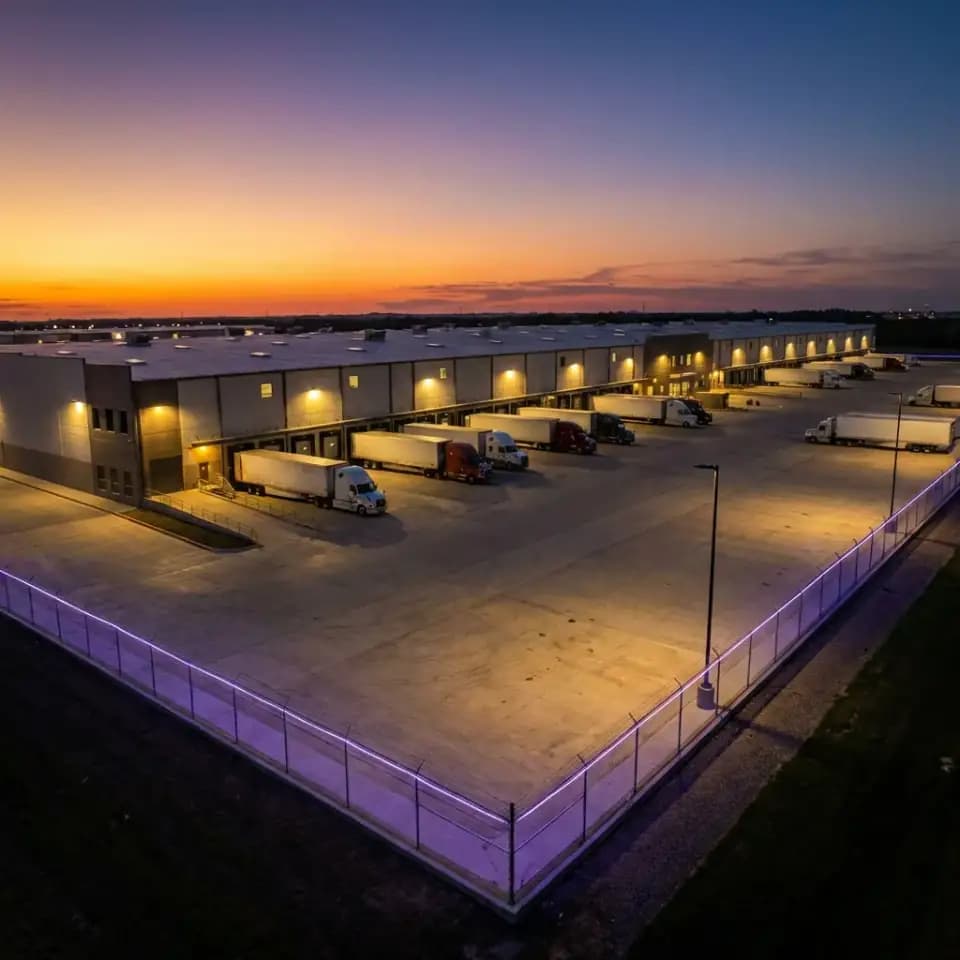
Professional perimeter protection for distribution centers, manufacturing, and critical infrastructure in Iowa.
- Irrigation & Cable Theft Detection
- Grain Silo & Agricultural Input Storage
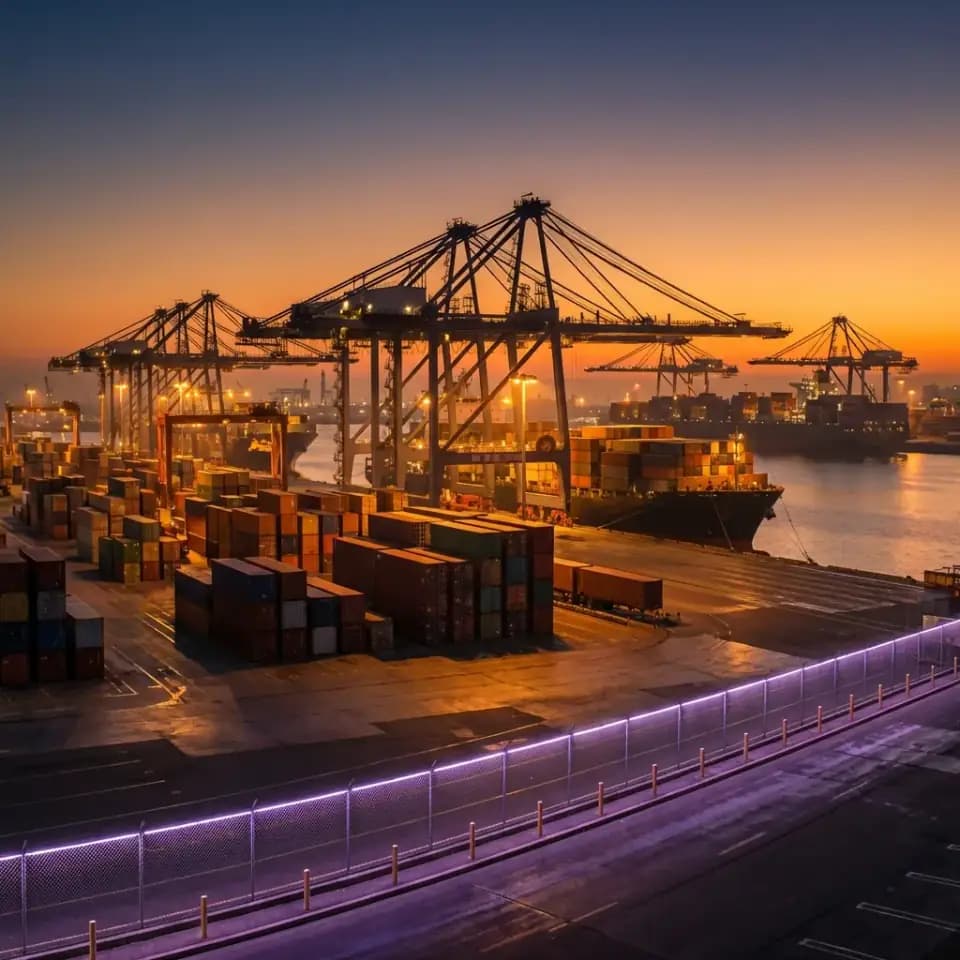
- Warehouse Complex & Distribution Center
- Meatpacking & Beef Processing Plants
Plan a FortSense assessment for this market
Share the perimeter length, fence type, and monitoring workflow. FortSense can help scope zones, integration points, and commissioning requirements for this location.
Services
Irrigation & Cable Theft Detection
Protecting irrigation infrastructure, pivot systems, and agricultural power lines from cable theft and equipment vandalism across remote farmland.
Grain Silo & Agricultural Input Storage
Securing grain silos, fertilizer warehouses, and agricultural chemical storage from theft and contamination with humidity-tolerant fiber sensing.
Warehouse Complex & Distribution Center
Multi-zone fiber optic fencing for warehouse complexes and distribution centers with integration to inventory management and access control systems.
Deployment patterns for local sites
How FortSense Works in Iowa
Fiber optic perimeter security adapted to local conditions and requirements.
- Fiber installed. Passive fiber optic cable mounts on the existing fence or wall with minimal civil work.
- Vibration detected. Any contact creates vibration patterns in the fiber so climbing, cutting, or lifting attempts become visible immediately.
- AI/DSP verification. Algorithms filter out wind, animals, and environmental noise before an operator ever sees an alarm.
- Alarm if intrusion. Only real threats trigger zone-based alarms that can route into the monitoring workflow already used by the site team.
Adapted for Iowa. Our local partners understand Iowa's climate, terrain, and security challenges. The fiber optic system is configured to filter local environmental conditions while maintaining maximum sensitivity to real intrusion attempts.
Integration and security software fit
FortSense can feed alarms into the monitoring stack a site already uses, including VMS, PSIM, alarm panels, relay inputs, TCP/IP workflows, and camera verification.
- Zone-based alarms for operators and guard teams
- Camera and VMS workflows for visual verification
- Relay or network outputs for existing security systems
- Software-assisted filtering before dispatch decisions
Industries in this market
Relevant FortSense industry and use-case paths connected to this location.
- Meatpacking & Beef Processing Plants
- Hyperscale Data Centers
- Ethanol Bioprocessing Plants & Wind Energy Farms
- Distribution Center Perimeter Security
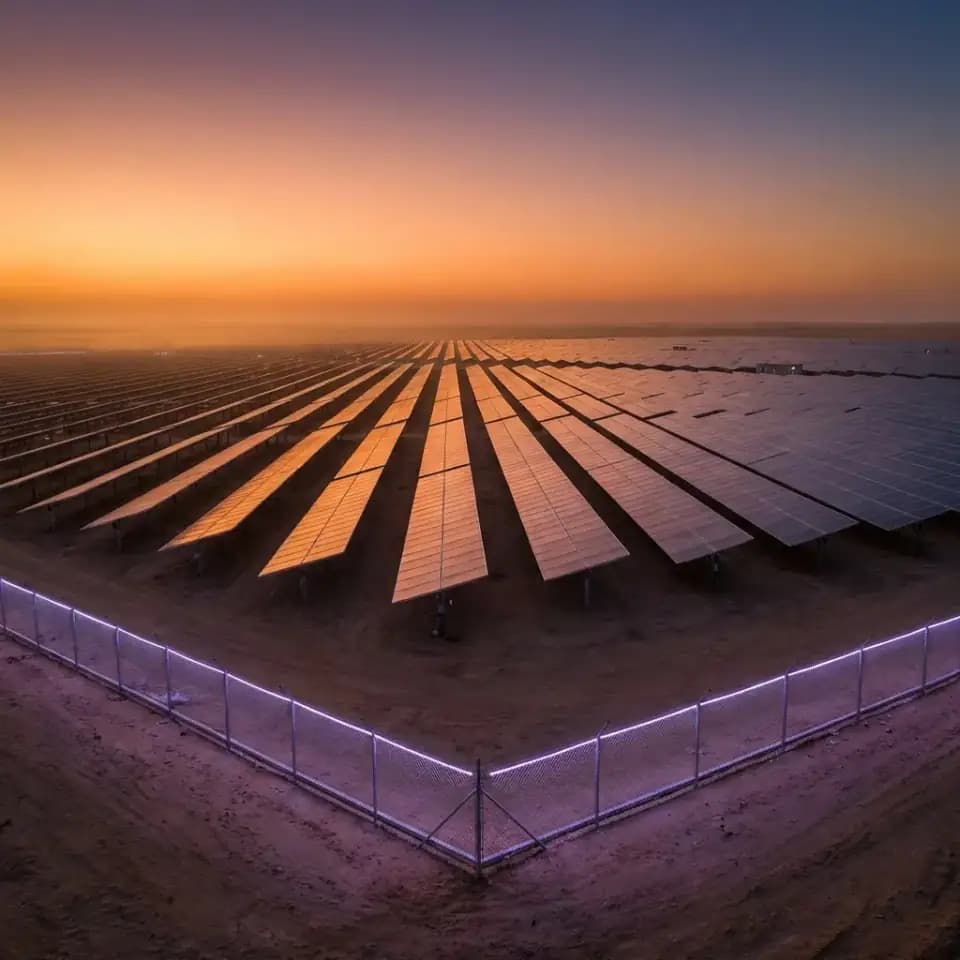
- Solar Farm Perimeter Security
- Perimeter Security for Critical Infrastructure
Why FortSense fits in Perimeter Security in Iowa
FortSense is designed for perimeter security work where false-alarm reduction, passive fiber sensing, and practical integration matter more than adding another camera-only layer.
- Passive fiber on existing fences, walls, or perimeter structures
- AI/DSP filtering for wind, vibration, and environmental noise
- Zone-level alerts that can match the site's response model
- Support for design, integration, commissioning, and handover
Market notes
Practical details that help this page stay specific to the market instead of drifting into generic copy.
- Meatpacking & Beef Processing Plants
- Hyperscale Data Centers
- Ethanol Bioprocessing Plants & Wind Energy Farms
- Irrigation & Cable Theft Detection
Related FortSense paths
Related technical content and commercial guidance linked from this location page.


