

Fiber Optic Perimeter Security in Kansas: Aerospace & Agricultural Security in Kansas

Safeguarding the Air Capital of the World, Massive Beef Processing Corridors, and Energy Infrastructure in Tornado Alley's Heartland

Applications

Perimeter Security Fiber Optics Ideal for Applications in Kansas

FortSense Solar & Renewables

Solar & Renewables

Perimeter Security Fiber Optics

Solar & Renewables

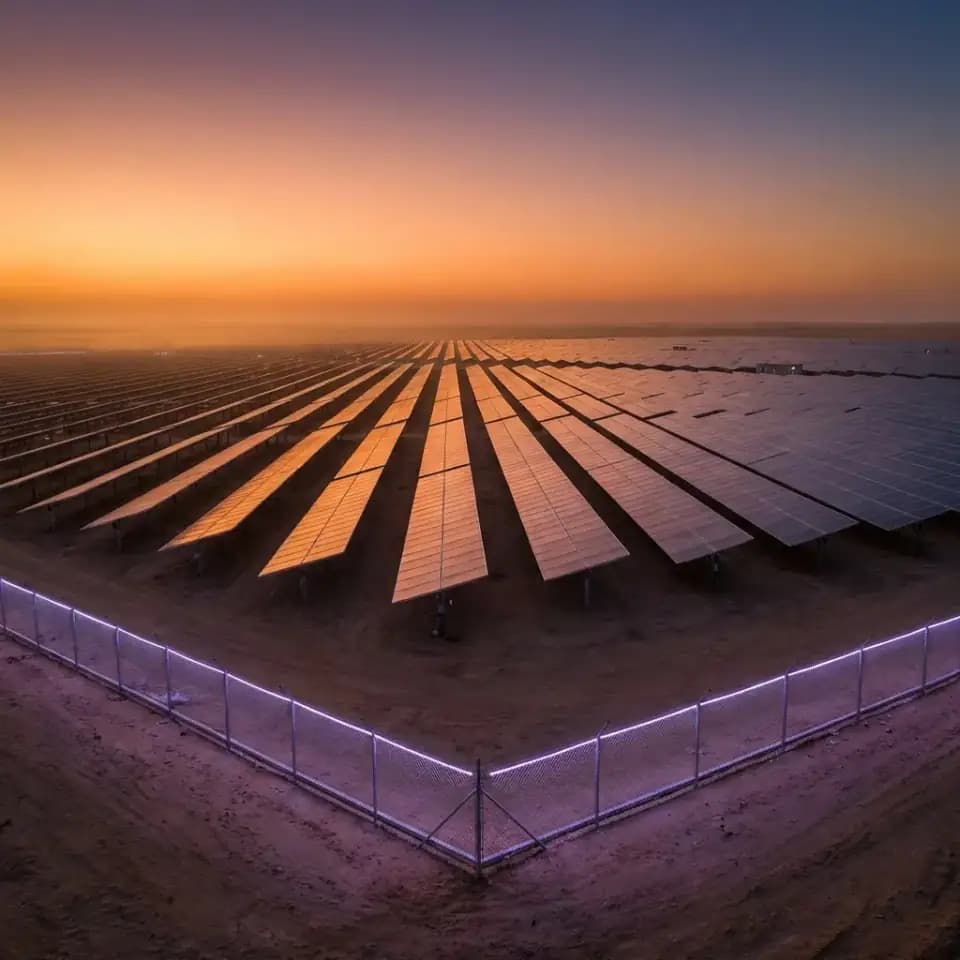
Autonomous perimeter monitoring for solar plants, protecting against theft of panels, copper cables, and inverters.

Ideal for applications in Kansas

FortSense Oil & Gas

Oil & Gas

Perimeter Security Fiber Optics

Oil & Gas

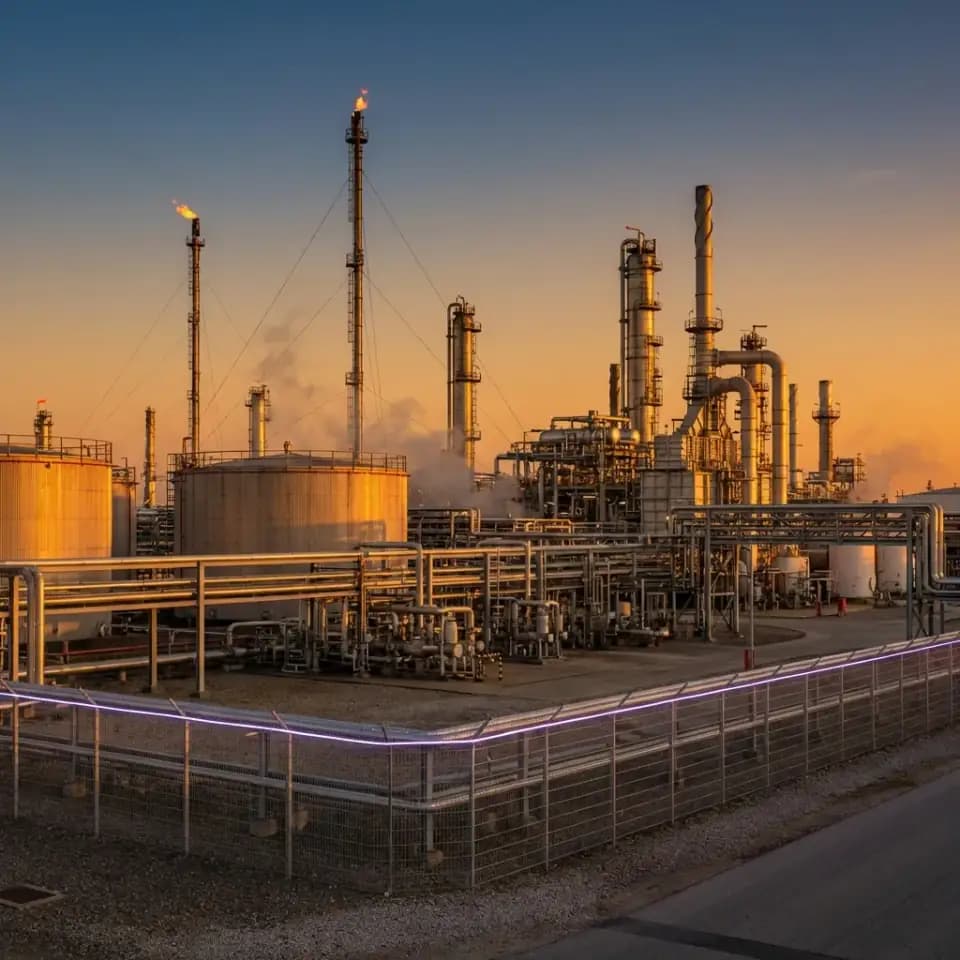
Intrinsically safe perimeter detection for refineries, chemical plants, and fuel storage depots.

Ideal for applications in Kansas

FortSense Ports & Maritime

Ports & Maritime

Perimeter Security Fiber Optics

Ports & Maritime

ISPS-compliant security for cargo containers, fuel depots, and docked vessels in harsh marine environments.

Ideal for applications in Kansas

FortSense Agriculture

Agriculture

Perimeter Security Fiber Optics

Agriculture

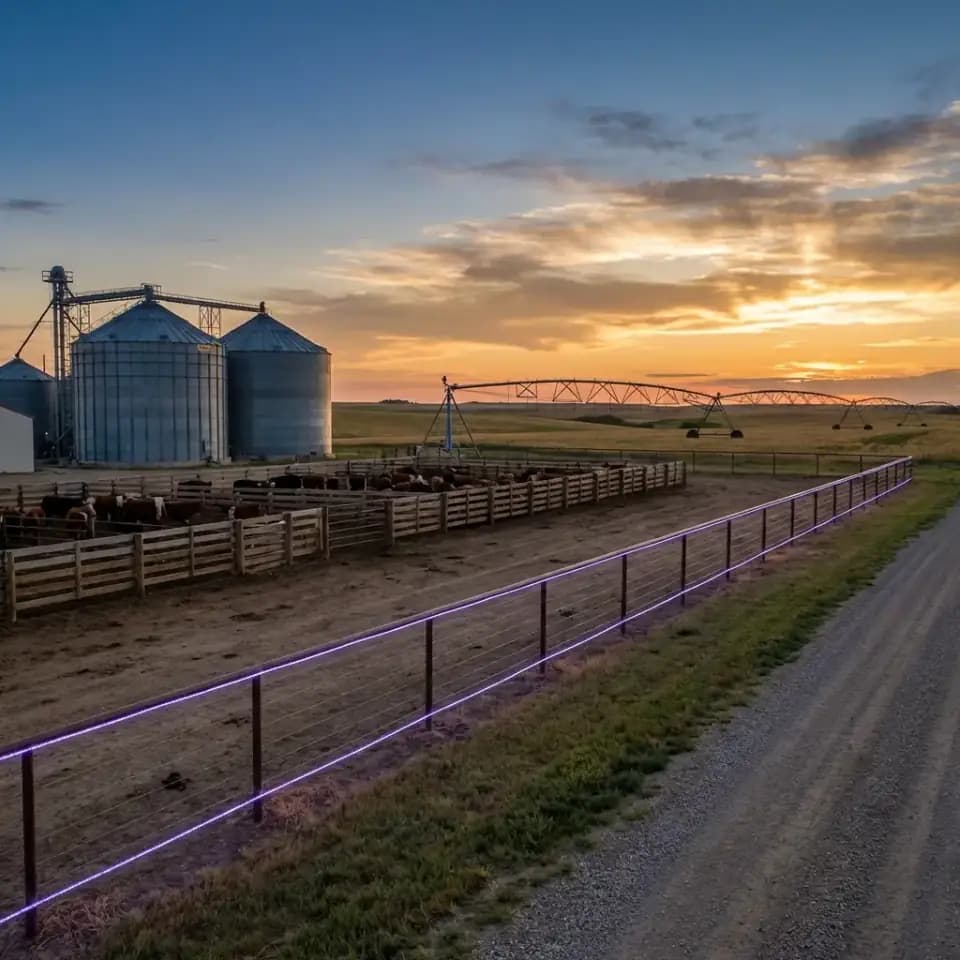
Fire detection and security for farms, livestock pens, pivot irrigation systems, and rural assets.

Ideal for applications in Kansas

FortSense Financial Sector

Financial Sector

Perimeter Security Fiber Optics

Financial Sector

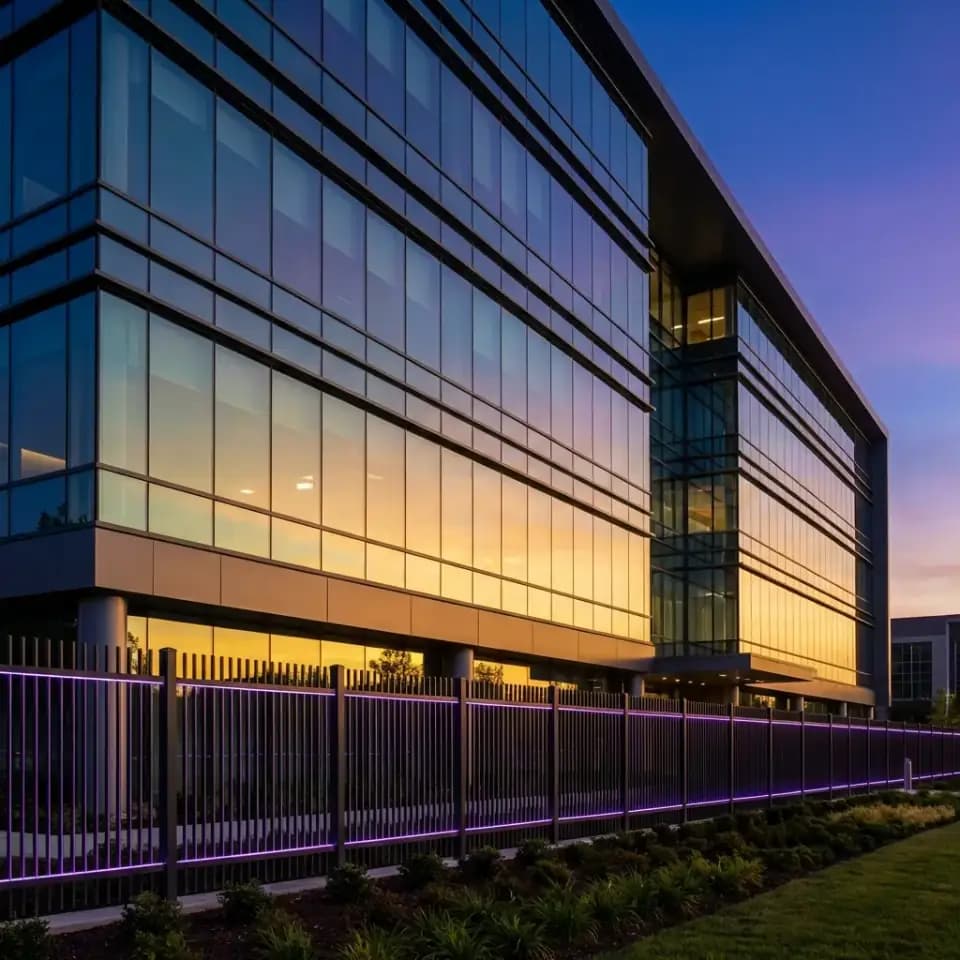
High-security perimeter protection for banks, vaults, administrative centers, and ATM areas.

Ideal for applications in Kansas

FortSense Residential Condominiums

Residential Condominiums

Perimeter Security Fiber Optics

Residential Condominiums

Invisible security for gated communities and apartment complexes, preserving aesthetics while detecting intrusions.

Ideal for applications in Kansas

FortSense Distribution Centers

Distribution Centers

Perimeter Security Fiber Optics

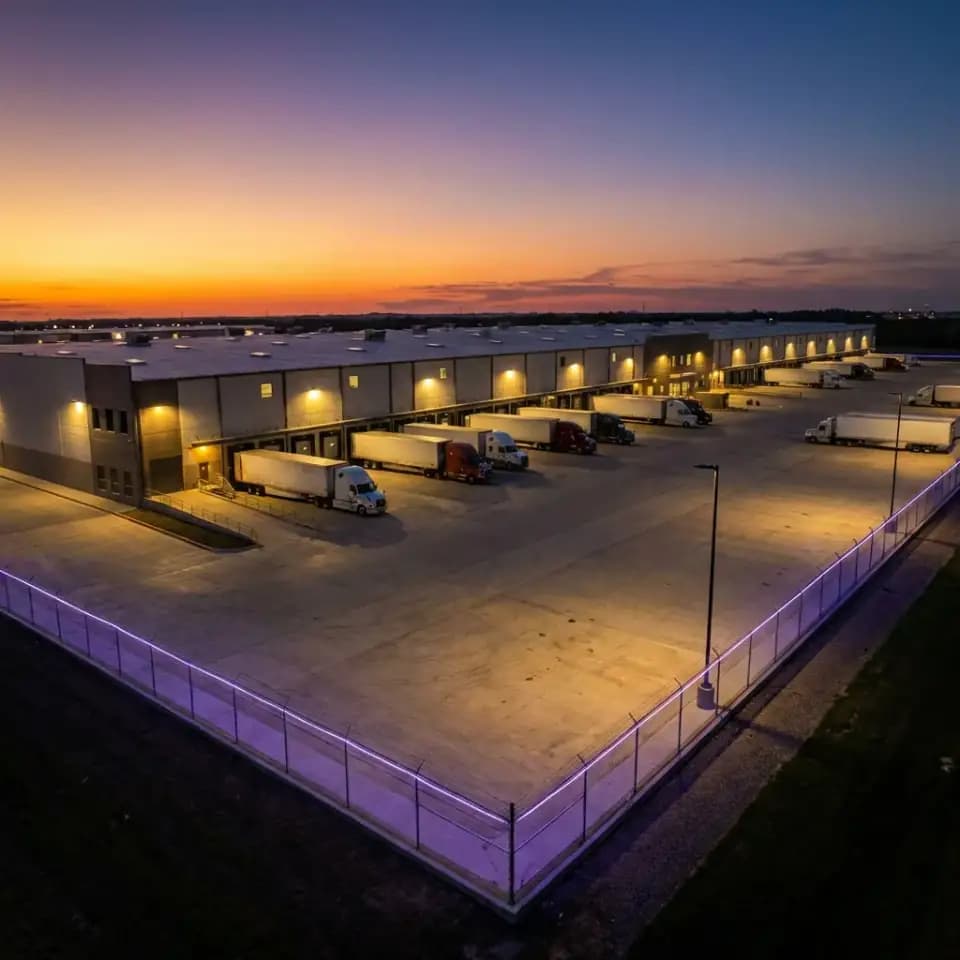
Distribution Centers

Security for logistics parks, warehouses, and high-value storage areas, meeting TAPA security standards.

Ideal for applications in Kansas

FortSense Critical Infrastructure

Critical Infrastructure

Perimeter Security Fiber Optics

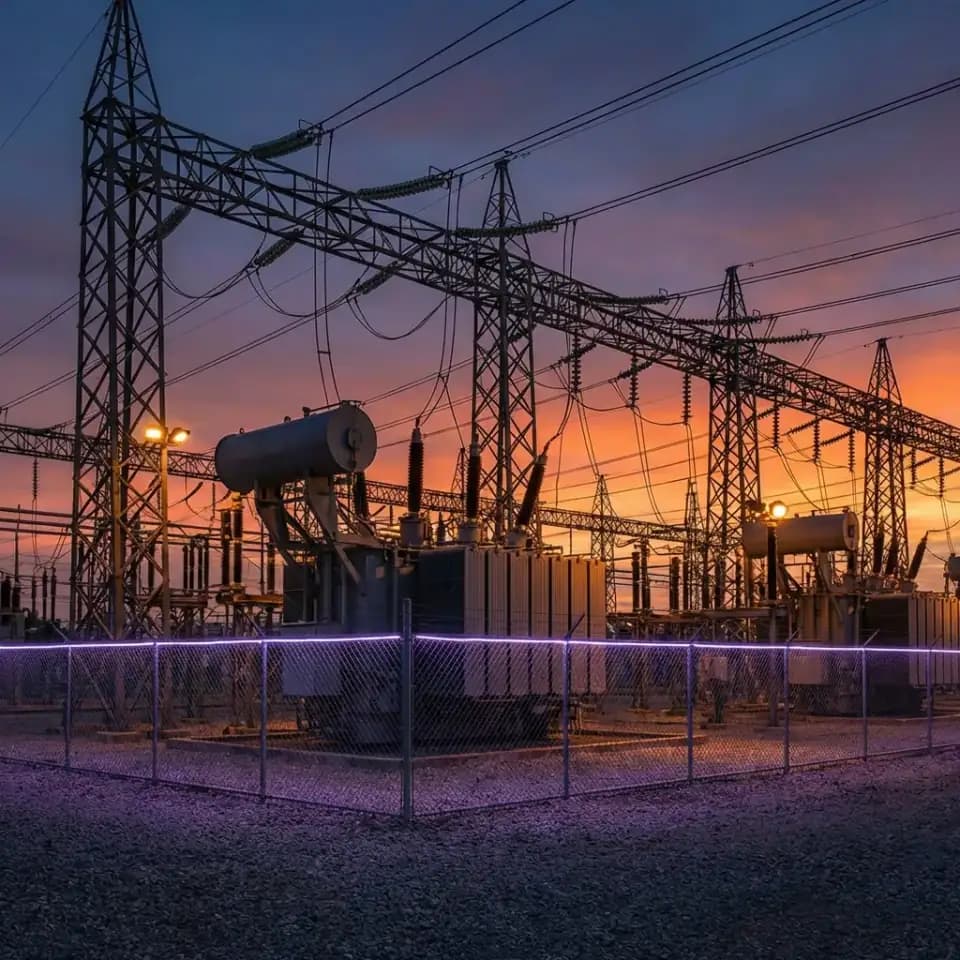
Critical Infrastructure

EMI-immune monitoring for electrical substations, telecom towers, and unmanned critical assets.

Ideal for applications in Kansas

FortSense Corrections & Prisons

Corrections & Prisons

Perimeter Security Fiber Optics

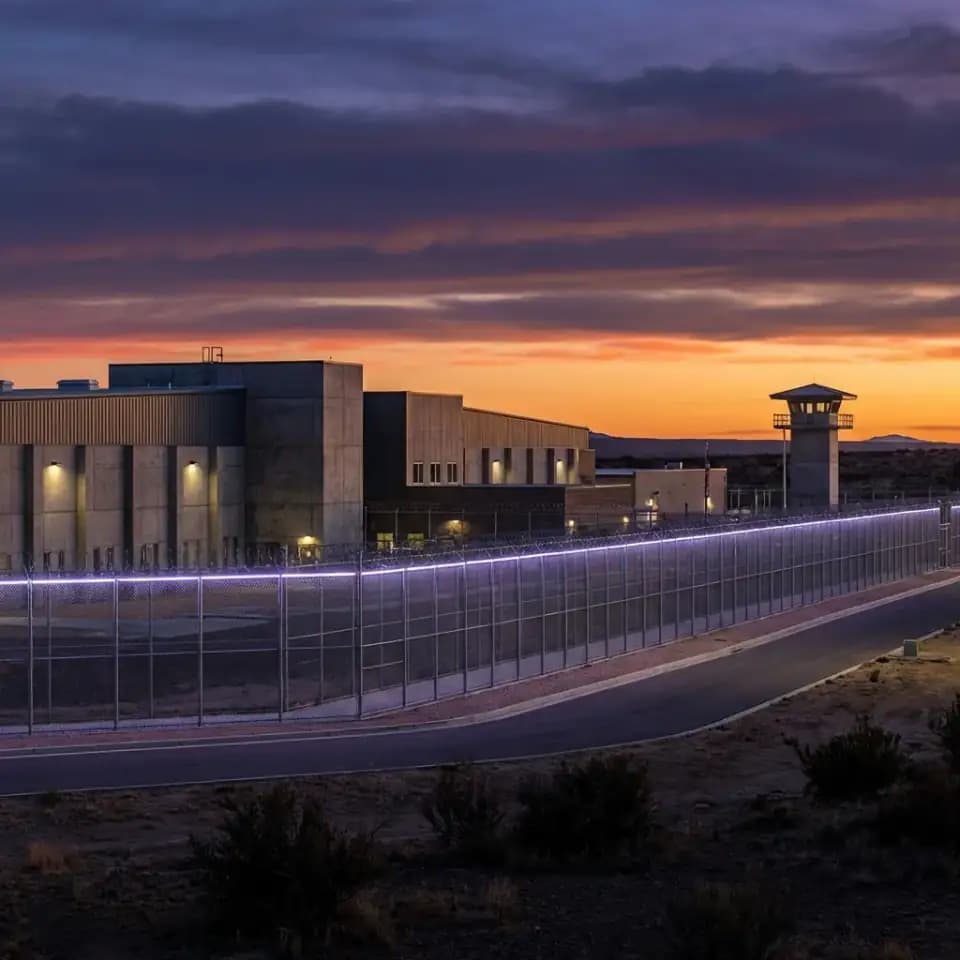
Corrections & Prisons

Zero-tolerance perimeter security for correctional facilities, detecting escape attempts and breaches.

Ideal for applications in Kansas

FortSense Public Sector & Schools

Public Sector & Schools

Perimeter Security Fiber Optics

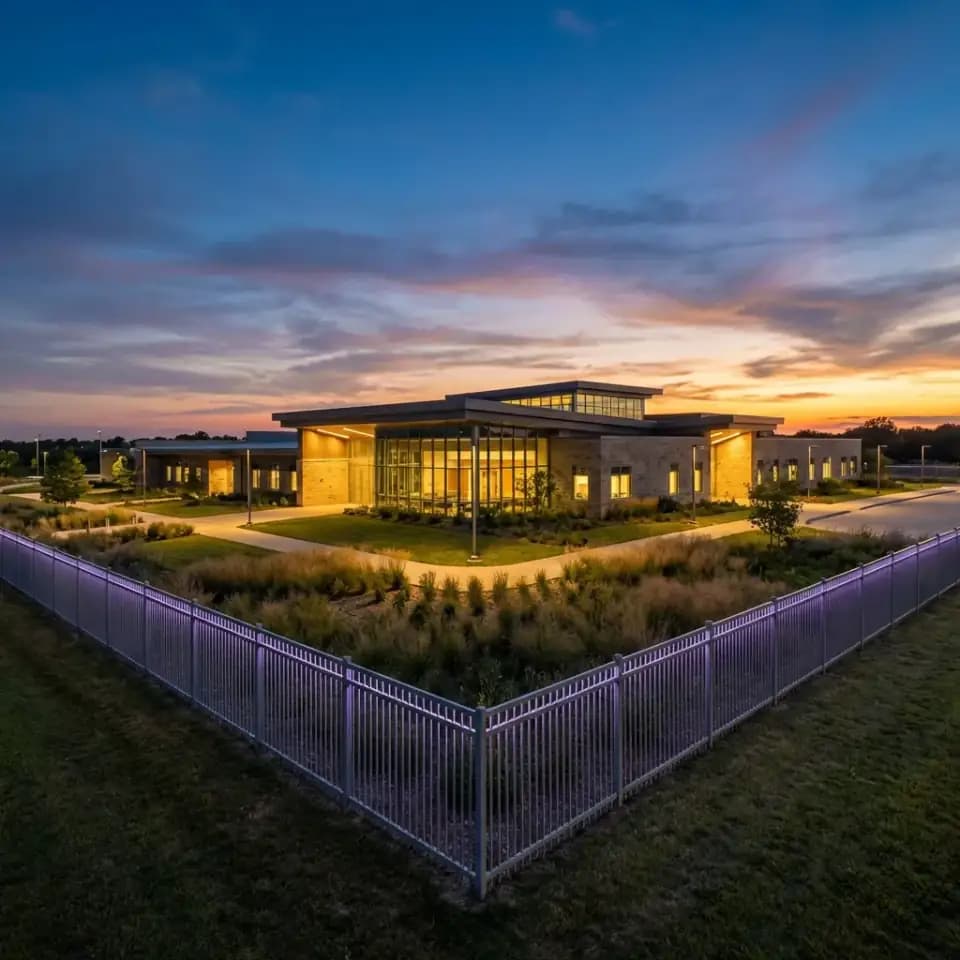
Public Sector & Schools

Non-invasive security for schools, government buildings, and public facilities with rapid lockdown protocols.

Ideal for applications in Kansas

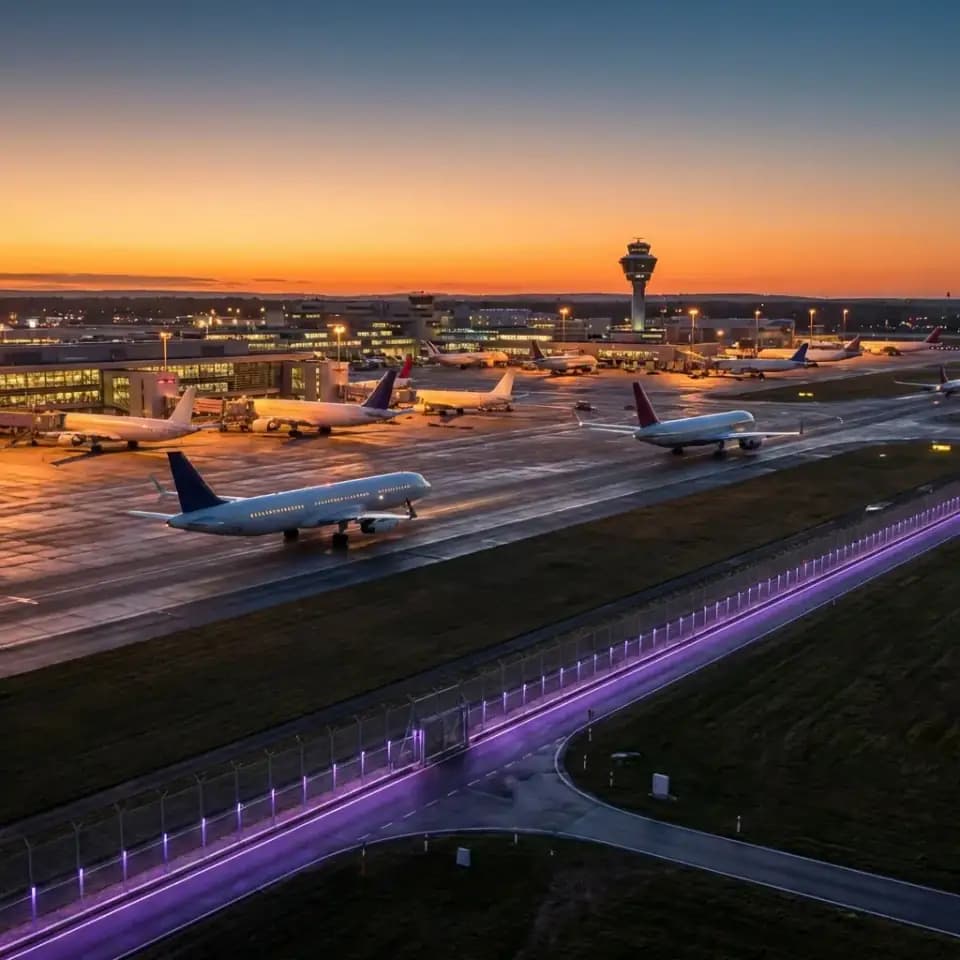
FortSense Perimeter Security for Airports

Perimeter Security for Airports

Perimeter Security Fiber Optics

Perimeter Security for Airports

ICAO-compliant sterile zone enforcement with zero interference to airport radar and navigation systems.

Ideal for applications in Kansas

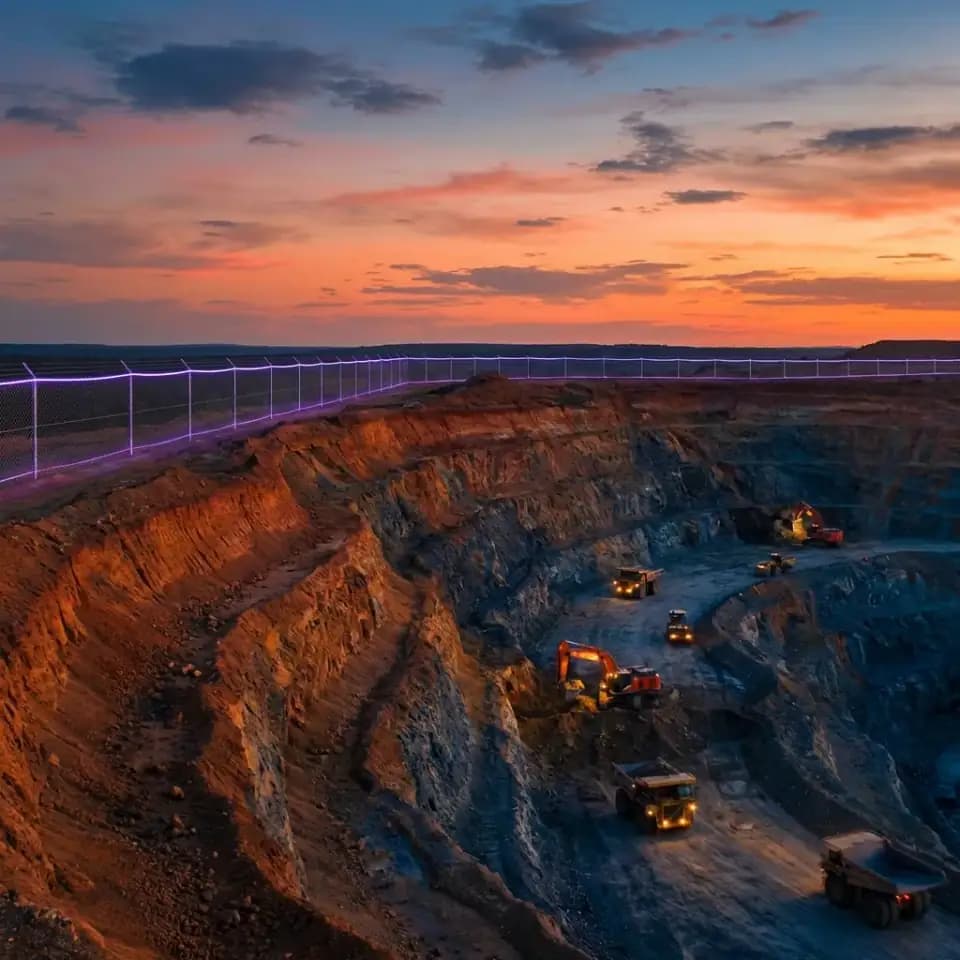
FortSense Mining Operations

Mining Operations

Perimeter Security Fiber Optics

Mining Operations

Ruggedized perimeter security for open-pit mines, ore stockpiles, and remote mining infrastructure.

Ideal for applications in Kansas

Local service overview

Aerospace & Agricultural Security in Kansas

FortSense® fiber optic PIDS protecting Kansas' Spirit AeroSystems and Textron Aviation aerospace plants in Wichita, beef processing corridors in southwest Kansas, and oil and gas infrastructure across the plains.

Kansas occupies a unique position in the American economy, combining the nation's leading wheat production with an outsized aerospace manufacturing sector concentrated in Wichita, the self-proclaimed Air Capital of the World. The state's GDP exceeds $190 billion, with agriculture and manufacturing together accounting for a disproportionately large share of economic output relative to population.

Kansas farms produce approximately 364 million bushels of wheat annually, consistently ranking first or second nationally, across 46 million acres of farmland that cover roughly 88 percent of the state's land area, the highest proportion of any state. The cattle industry is equally massive, with Kansas ranking third nationally in cattle inventory at over 6. 3 million head and the southwestern corner of the state hosting one of the densest beef processing corridors in the world. Garden City, Dodge City, and Liberal form a triangle of industrial-scale meatpacking facilities that process millions of cattle annually.

The combination of agricultural commodities worth billions of dollars, aerospace intellectual property of national security significance, and energy assets stretching across the Great Plains creates a security landscape that spans vast distances.

Wichita's aerospace cluster has manufactured more aircraft than any other city in the world. Spirit AeroSystems, the world's largest independent aerostructures manufacturer, builds fuselages for nearly every Boeing 737 and 787 aircraft and wing components for Airbus A350 and A220 programs, employing over 10,000 workers at its Wichita campus. The company's pending acquisition by Boeing will reintegrate a facility that has been central to commercial aviation manufacturing for decades.

Textron Aviation, which encompasses Cessna and Beechcraft brands, produces light aircraft, turboprops, and business jets from multiple Wichita facilities, making it the world's leading general aviation manufacturer. Bombardier maintains completion facilities in the city. Airbus Americas Engineering formerly operated here. The cumulative production from these manufacturers exceeds 250,000 aircraft over the past century. This concentration of advanced manufacturing with controlled technical data, ITAR-regulated defense work, and proprietary designs creates intense intellectual property protection requirements.

McConnell Air Force Base in Wichita hosts KC-46 Pegasus aerial refueling tankers and the 22nd Air Refueling Wing, while Forbes Field Air National Guard Base in Topeka supports additional military aviation. Schilling Air Force Base in Salina has been converted to the Salina Regional Airport and Kansas State University Salina campus.

Fort Riley near Junction City is home to the 1st Infantry Division, the Big Red One, one of the most storied combat divisions in the US Army, with approximately 15,000 soldiers and a massive 100,000-acre training reservation. Fort Leavenworth is the intellectual center of the Army, hosting the Command and General Staff College, the Combined Arms Center, and the US Disciplinary Barracks, the military's only maximum-security prison. Smoky Hill Air National Guard Range near Salina provides over 36,000 acres of bombing and gunnery range.

The Kansas energy sector includes conventional oil production in the central and southwestern portions of the state, where stripper wells produce modest but economically significant quantities of crude oil. Kansas also ranks in the top ten nationally for wind energy generation, with large wind farms operated by Enel, Apex Clean Energy, and NextEra Energy producing over 7,800 megawatts of installed capacity across the Flint Hills and western plains. Panhandle Eastern Pipeline and other natural gas transmission lines cross the state from west to east, connecting Hugoton gas field production to eastern markets.

The beef processing corridor in southwest Kansas presents concentrated security challenges. Tyson Fresh Meats operates a massive plant in Holcomb that processes approximately 6,000 cattle daily, making it one of the largest beef plants in the world. The facility made national news in 2019 when an arson fire caused $300 million in damage and temporarily removed significant processing capacity from the national beef supply chain. Cargill Meat Solutions runs a large facility in Dodge City, and National Beef Packing operates in Liberal and Dodge City.

These plants represent billions of dollars in infrastructure and inventory, employ thousands of workers each, and have been targets of both criminal activity and ideological extremism. Grain elevator security is critical across western Kansas, where terminal elevators storing millions of bushels of wheat represent high-value targets during harvest season.

Oil field equipment theft in remote southwestern Kansas wellfields, where pump jacks and production equipment sit on isolated leases miles from the nearest road, is a persistent challenge that conventional security cameras cannot address due to the absence of power and connectivity infrastructure.

Kansas sits squarely in the center of Tornado Alley, experiencing an average of 80 to 100 tornadoes per year, more per square mile than virtually any other state. The 2007 Greensburg EF5 tornado destroyed 95 percent of the town, and the 2012 tornado outbreak produced multiple violent tornadoes across central and south-central Kansas. Severe thunderstorms produce damaging hail, with stones exceeding four inches in diameter documented in multiple Kansas counties, and straight-line winds exceeding 100 miles per hour during derecho events.

These weather extremes can destroy electronic perimeter security systems in minutes. Winter ice storms and blizzards in western Kansas create ground blizzard conditions where visibility drops to zero and temperatures plummet below minus 10 degrees Fahrenheit with wind chills below minus 40. Summer heat regularly exceeds 105 degrees Fahrenheit in the southwestern corner of the state.

This extreme 130-plus-degree annual temperature range, combined with persistent high winds that average over 14 miles per hour statewide making Kansas one of the windiest states, creates an environment that degrades conventional electronic sensors rapidly.

FortSense fiber optic PIDS technology is precisely suited to Kansas's demanding security environment. Spirit AeroSystems' Wichita campus requires perimeter detection that protects ITAR-controlled manufacturing areas where Boeing and Airbus fuselages and wings are assembled, with zero electromagnetic interference that could affect precision manufacturing equipment or composite curing processes. Fort Riley's 100,000-acre training reservation demands long-range perimeter detection that can monitor tens of miles of fencing across open prairie terrain.

Beef processing plants in the Garden City-Dodge City-Liberal corridor need fire-safe perimeter systems, particularly after the Holcomb plant arson demonstrated the vulnerability of these facilities. Remote oil wellfields in southwestern Kansas require perimeter detection that operates without grid power or cellular connectivity across isolated leases. Wind farms spanning thousands of acres of open prairie need substation and operations center perimeter monitoring.

Grain elevators across western Kansas benefit from fiber optic sensing that detects unauthorized access to storage facilities holding millions of dollars in wheat during harvest season, operating through the dust, heat, cold, and severe weather that define the Great Plains environment.

Professional perimeter protection for distribution centers, manufacturing, and critical infrastructure in Kansas.

  • Grain Silo & Agricultural Input Storage
  • Livestock & Feed Lot Perimeter
  • Wellhead & Pump Station Security
  • Aviation Manufacturing & Aerospace Assembly Facilities

Plan a FortSense assessment for this market

Share the perimeter length, fence type, and monitoring workflow. FortSense can help scope zones, integration points, and commissioning requirements for this location.

Services

Grain Silo & Agricultural Input Storage

Securing grain silos, fertilizer warehouses, and agricultural chemical storage from theft and contamination with humidity-tolerant fiber sensing.

Livestock & Feed Lot Perimeter

Fiber optic perimeter detection for livestock pens, feedlots, and breeding facilities with animal-immune algorithms calibrated for large herds.

Wellhead & Pump Station Security

Remote wellhead perimeter monitoring across dispersed field operations with solar-powered relay nodes and SCADA integration.

Deployment patterns for local sites

How FortSense Works in Kansas

Fiber optic perimeter security adapted to local conditions and requirements.

  1. Fiber installed. Passive fiber optic cable mounts on the existing fence or wall with minimal civil work.
  2. Vibration detected. Any contact creates vibration patterns in the fiber so climbing, cutting, or lifting attempts become visible immediately.
  3. AI/DSP verification. Algorithms filter out wind, animals, and environmental noise before an operator ever sees an alarm.
  4. Alarm if intrusion. Only real threats trigger zone-based alarms that can route into the monitoring workflow already used by the site team.

Adapted for Kansas. Our local partners understand Kansas's climate, terrain, and security challenges. The fiber optic system is configured to filter local environmental conditions while maintaining maximum sensitivity to real intrusion attempts.

Integration and security software fit

FortSense can feed alarms into the monitoring stack a site already uses, including VMS, PSIM, alarm panels, relay inputs, TCP/IP workflows, and camera verification.

  • Zone-based alarms for operators and guard teams
  • Camera and VMS workflows for visual verification
  • Relay or network outputs for existing security systems
  • Software-assisted filtering before dispatch decisions

Industries in this market

Relevant FortSense industry and use-case paths connected to this location.

  • Aviation Manufacturing & Aerospace Assembly Facilities
  • Meatpacking & Beef Processing Plants
  • Military Bases & Air Force Installations
  • Distribution Center Perimeter Security
  • Solar Farm Perimeter Security
  • Perimeter Security for Critical Infrastructure

Why FortSense fits in Perimeter Security in Kansas

FortSense is designed for perimeter security work where false-alarm reduction, passive fiber sensing, and practical integration matter more than adding another camera-only layer.

  • Passive fiber on existing fences, walls, or perimeter structures
  • AI/DSP filtering for wind, vibration, and environmental noise
  • Zone-level alerts that can match the site's response model
  • Support for design, integration, commissioning, and handover

Market notes

Practical details that help this page stay specific to the market instead of drifting into generic copy.

  • Aviation Manufacturing & Aerospace Assembly Facilities
  • Meatpacking & Beef Processing Plants
  • Military Bases & Air Force Installations
  • Grain Silo & Agricultural Input Storage

Related FortSense paths

Related technical content and commercial guidance linked from this location page.

Frequently Asked Questions (FAQ)

Frequently Asked Questions (FAQ) — Kansas

Can the system detect wild animal intrusion for crop protection?

While primarily designed for human intrusion detection, FortSense can be configured with wildlife-detection sensitivity for high-value crop areas. The system differentiates between small animals (filtered) and large wildlife or humans (alarmed).

How does installation work on agricultural fencing (barbed wire, post-and-rail)?

Our fiber cable attaches to virtually any fence type — barbed wire, woven wire, post-and-rail, electric fence, and chain link. Specialized mounting clips allow rapid installation on existing agricultural fencing without replacing or upgrading the fence structure.

Can the system differentiate between livestock and human intrusion?

Yes. Our agricultural algorithm profiles the acoustic signature differences between livestock (cattle, horses, pigs) and human activity. The system is calibrated for the specific livestock types present, minimizing false alarms while detecting unauthorized human entry.

Can the system detect both pipeline tampering and perimeter intrusion?

Absolutely. FortSense uses Distributed Acoustic Sensing (DAS) algorithms that differentiate between pipeline-specific events (tapping, drilling, excavation near pipelines) and perimeter breaches (climbing, cutting, impact). Each event type triggers distinct alarm protocols.

How does fall foliage and debris affect fence-mounted sensors?

Leaf accumulation and wind-blown debris are common false alarm sources for electronic sensors. FortSense learns seasonal debris patterns and filters them. Only sustained, human-characteristic vibrations trigger alarms — not brief debris impacts.

Local perimeter assessment

Request Perimeter Assessment in Kansas

Receive a technical proposal, deployment design, and integration plan.

Aerospace & Agricultural Security in Kansas