



Fiber Optic Perimeter Security in Kentucky: Automotive & Logistics Hub Security in Kentucky

Protecting Toyota's Largest North American Plant, UPS Worldport, Fort Knox Gold Depository, and the Bourbon Trail's Aging Warehouses

Applications

Perimeter Security Fiber Optics Ideal for Applications in Kentucky

FortSense Solar & Renewables

Solar & Renewables

Perimeter Security Fiber Optics

Solar & Renewables

Autonomous perimeter monitoring for solar plants, protecting against theft of panels, copper cables, and inverters.

Ideal for applications in Kentucky

FortSense Oil & Gas

Oil & Gas

Perimeter Security Fiber Optics

Oil & Gas

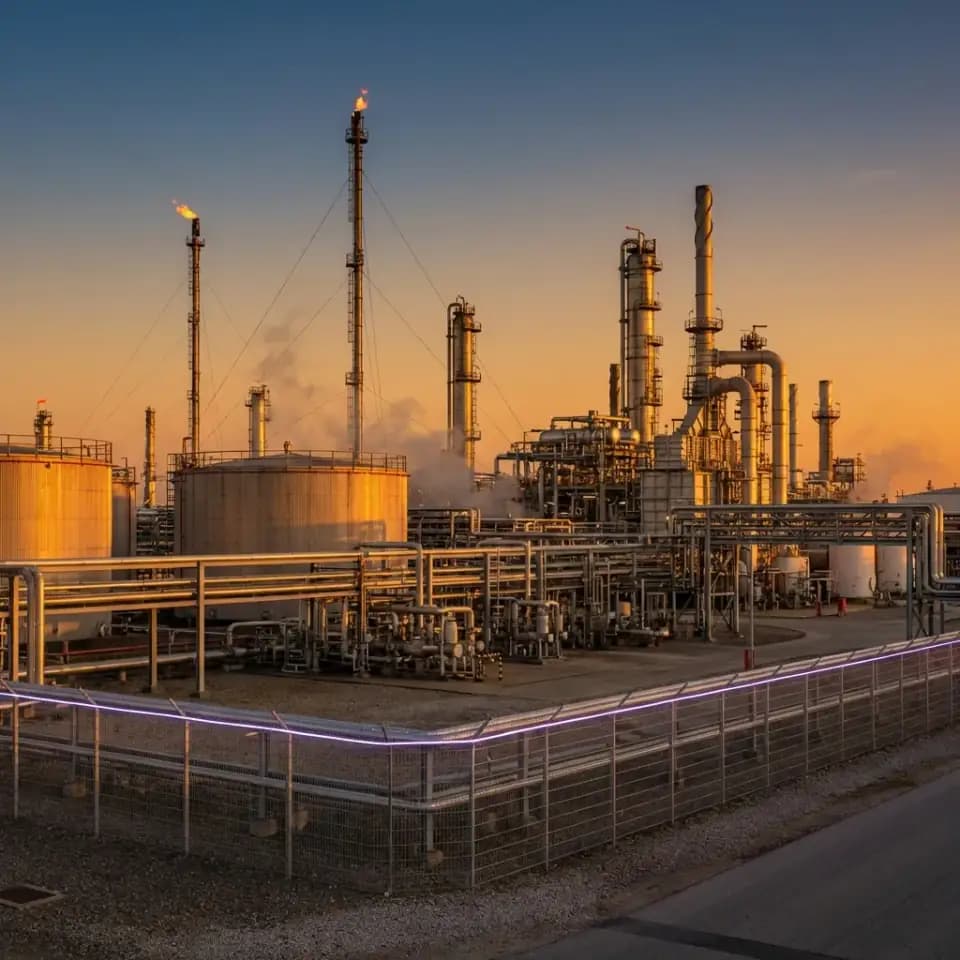
Intrinsically safe perimeter detection for refineries, chemical plants, and fuel storage depots.

Ideal for applications in Kentucky

FortSense Ports & Maritime

Ports & Maritime

Perimeter Security Fiber Optics

Ports & Maritime

ISPS-compliant security for cargo containers, fuel depots, and docked vessels in harsh marine environments.

Ideal for applications in Kentucky

FortSense Agriculture

Agriculture

Perimeter Security Fiber Optics

Agriculture

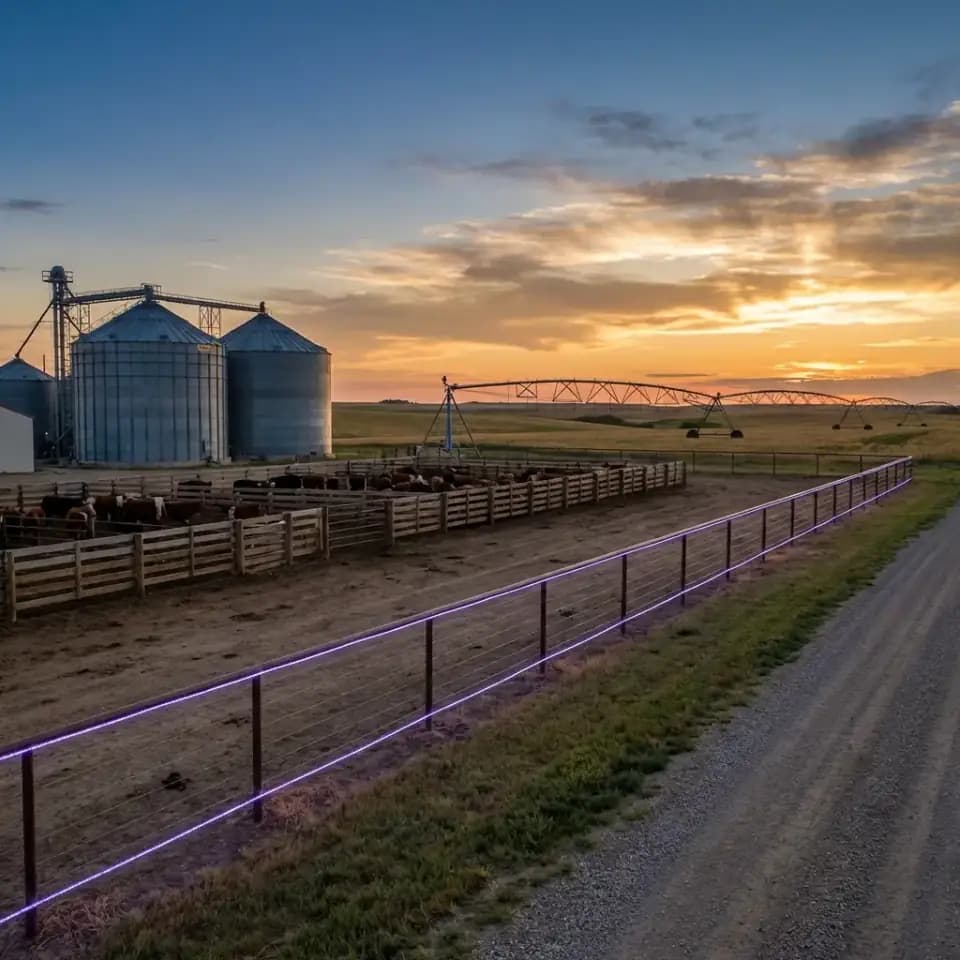
Fire detection and security for farms, livestock pens, pivot irrigation systems, and rural assets.

Ideal for applications in Kentucky

FortSense Financial Sector

Financial Sector

Perimeter Security Fiber Optics

Financial Sector

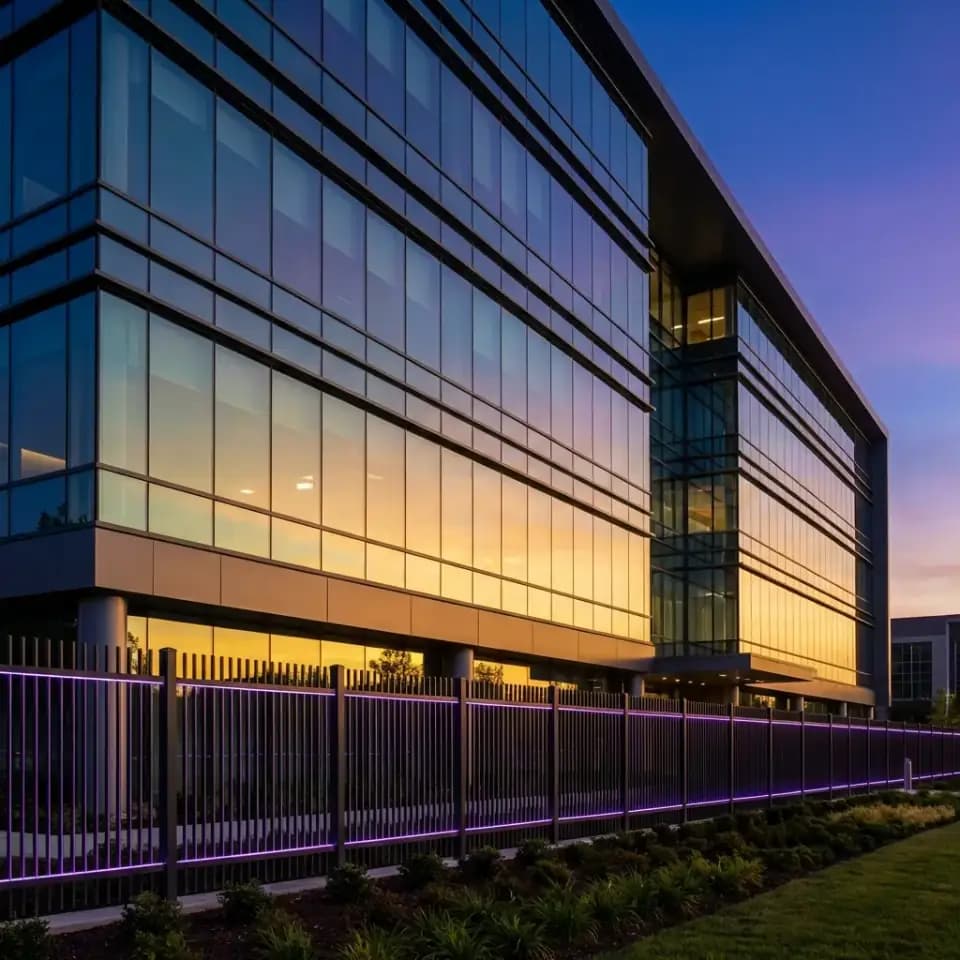
High-security perimeter protection for banks, vaults, administrative centers, and ATM areas.

Ideal for applications in Kentucky

FortSense Residential Condominiums

Residential Condominiums

Perimeter Security Fiber Optics

Residential Condominiums

Invisible security for gated communities and apartment complexes, preserving aesthetics while detecting intrusions.

Ideal for applications in Kentucky

FortSense Distribution Centers

Distribution Centers

Perimeter Security Fiber Optics

Distribution Centers

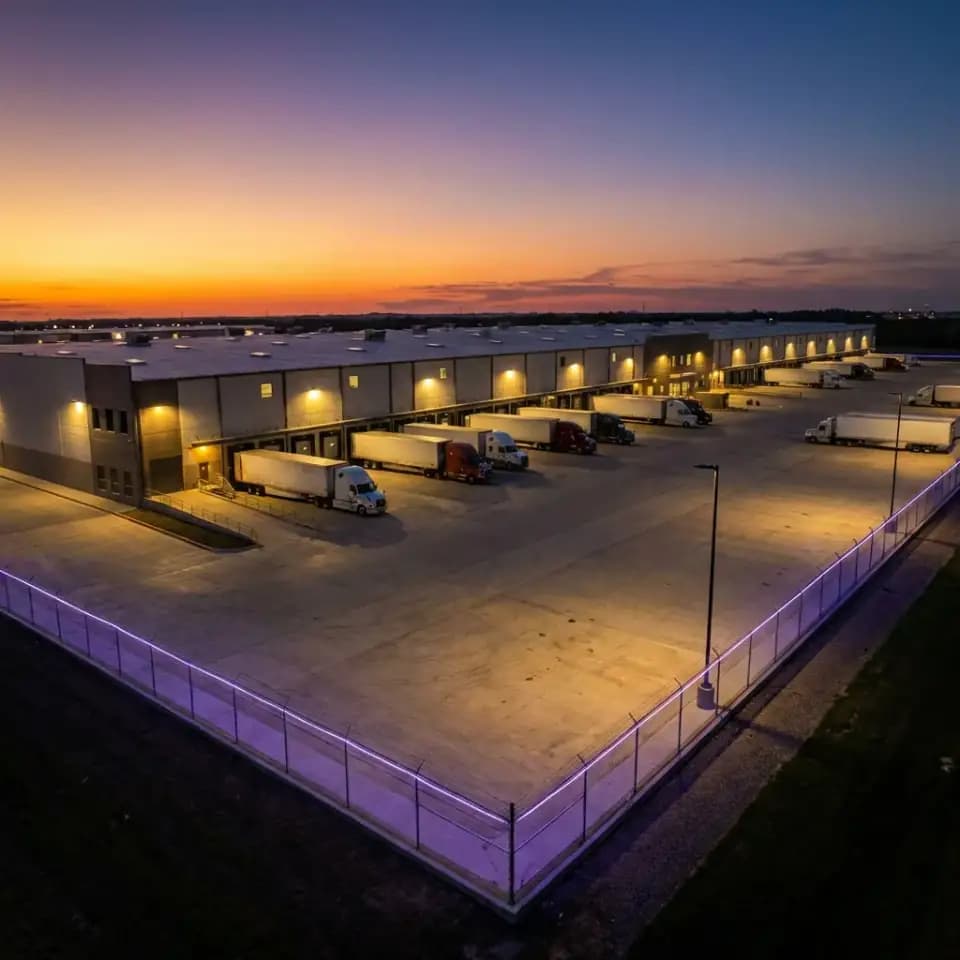
Security for logistics parks, warehouses, and high-value storage areas, meeting TAPA security standards.

Ideal for applications in Kentucky

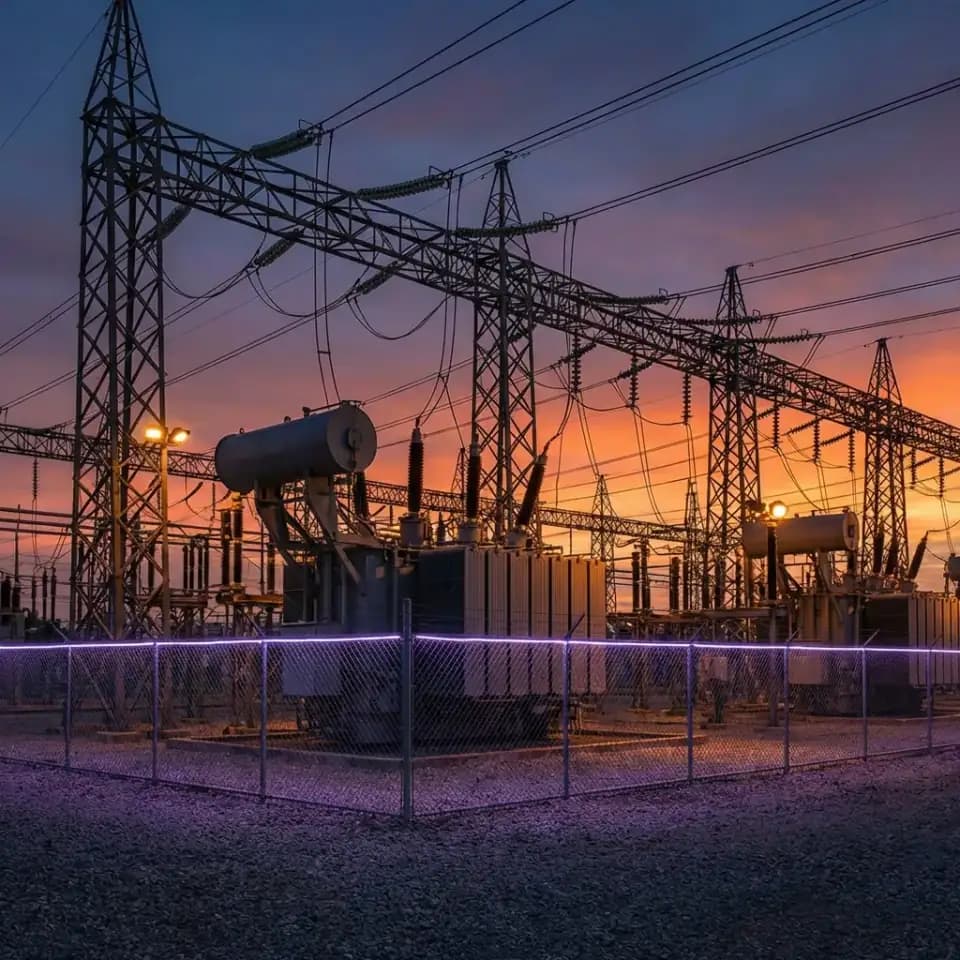
FortSense Critical Infrastructure

Critical Infrastructure

Perimeter Security Fiber Optics

Critical Infrastructure

EMI-immune monitoring for electrical substations, telecom towers, and unmanned critical assets.

Ideal for applications in Kentucky

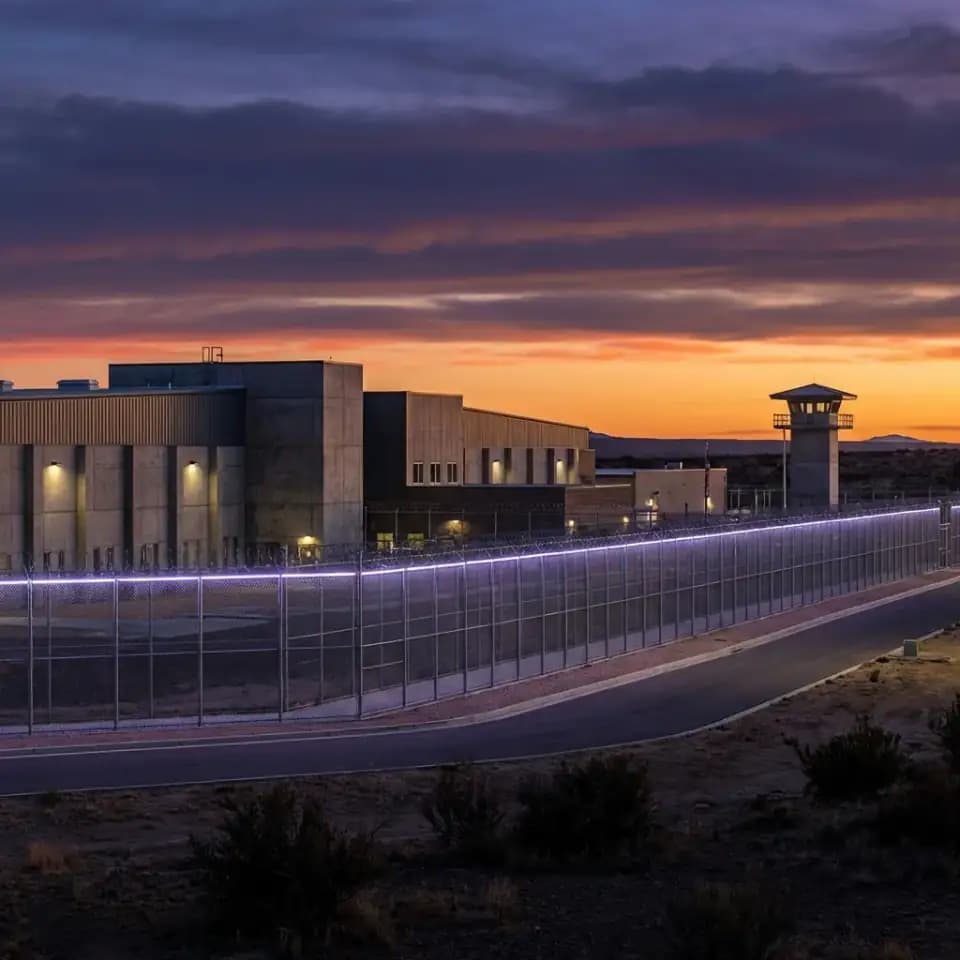
FortSense Corrections & Prisons

Corrections & Prisons

Perimeter Security Fiber Optics

Corrections & Prisons

Zero-tolerance perimeter security for correctional facilities, detecting escape attempts and breaches.

Ideal for applications in Kentucky

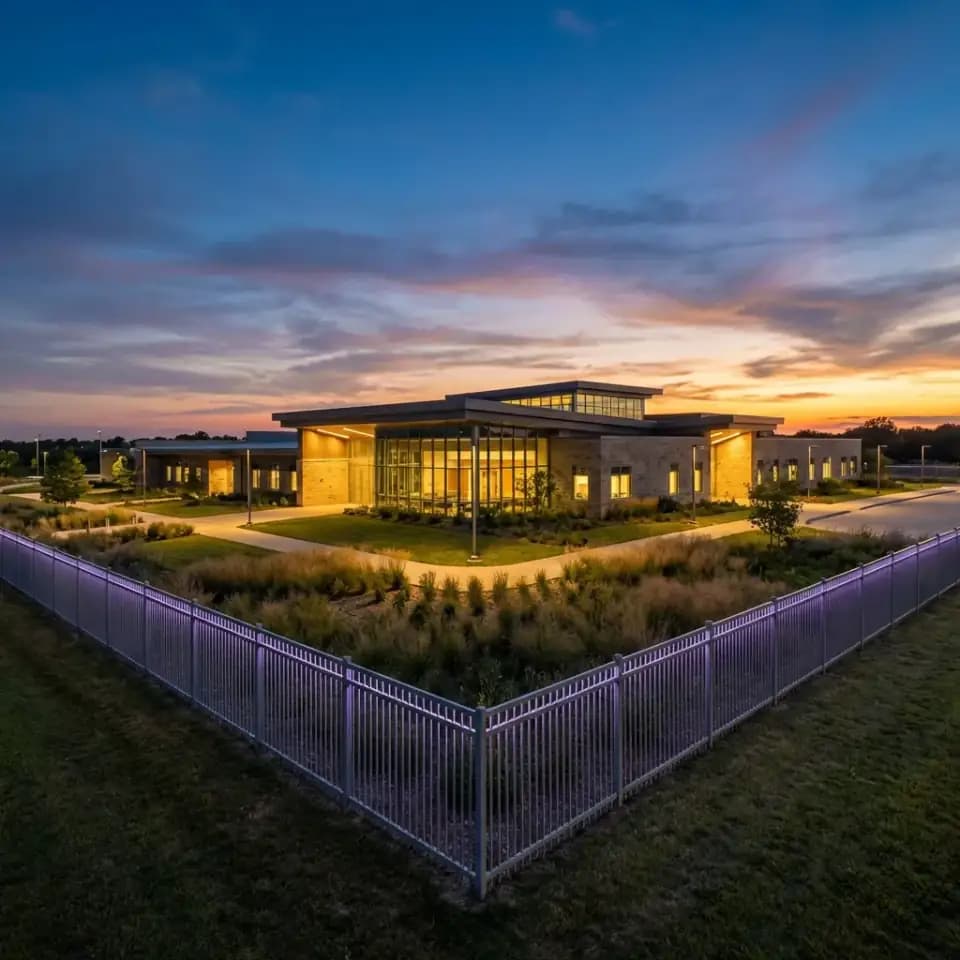
FortSense Public Sector & Schools

Public Sector & Schools

Perimeter Security Fiber Optics

Public Sector & Schools

Non-invasive security for schools, government buildings, and public facilities with rapid lockdown protocols.

Ideal for applications in Kentucky

FortSense Perimeter Security for Airports

Perimeter Security for Airports

Perimeter Security Fiber Optics

Perimeter Security for Airports

ICAO-compliant sterile zone enforcement with zero interference to airport radar and navigation systems.

Ideal for applications in Kentucky

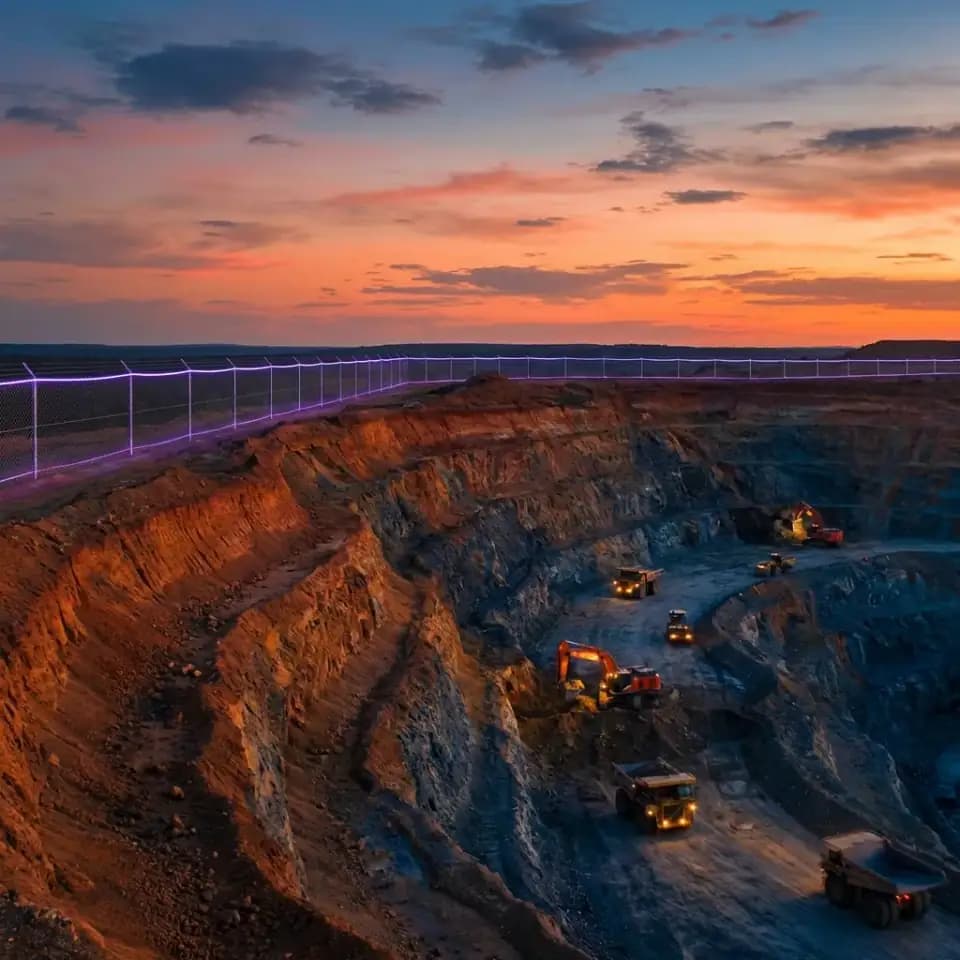
FortSense Mining Operations

Mining Operations

Perimeter Security Fiber Optics

Mining Operations

Ruggedized perimeter security for open-pit mines, ore stockpiles, and remote mining infrastructure.

Ideal for applications in Kentucky

Local service overview

Automotive & Logistics Hub Security in Kentucky

FortSense® fiber optic PIDS securing Kentucky's Toyota and Ford assembly plants, UPS Worldport air hub, bourbon distillery aging warehouses, and Fort Knox gold reserves.

Kentucky's economy is anchored by advanced manufacturing, particularly an automotive production cluster that has made the state one of the most important vehicle manufacturing centers in North America. The state hosts over 500 automotive-related companies that together employ more than 100,000 workers. Toyota Motor Manufacturing Kentucky in Georgetown is the crown jewel, operating as the largest Toyota plant outside Japan and producing over 500,000 Camry and RAV4 vehicles annually with 8,000 employees on a campus that has received over $8 billion in cumulative investment.

Ford operates two massive plants in Louisville: the Louisville Assembly Plant producing the Ford Escape and the Kentucky Truck Plant manufacturing the Super Duty pickup, Expedition, and Lincoln Navigator, with each facility employing approximately 4,000 workers. General Motors operates an assembly plant in Bowling Green that is the exclusive global production facility for the Chevrolet Corvette, a vehicle with intense brand loyalty that makes completed units sitting in staging lots particularly attractive theft targets.

GE Appliances, now owned by Haier, operates the historic Appliance Park campus in Louisville, a massive 1,000-acre manufacturing complex producing washing machines, dryers, refrigerators, and dishwashers.

Louisville has emerged as a dominant national logistics nexus, home to UPS's global air hub known as Worldport at Louisville Muhammad Ali International Airport, the largest automated package handling facility in the world, processing over 2 million packages daily across 5. 2 million square feet of sorting space. The Amazon Air Hub at Cincinnati/Northern Kentucky International Airport in Hebron operates as Amazon's primary air logistics center, representing over $1. 5 billion in investment.

The DHL Americas Hub is also located at CVG, making the Louisville-Northern Kentucky corridor one of the most concentrated air cargo regions on the planet. This logistics concentration has attracted hundreds of distribution centers and fulfillment operations throughout Jefferson County and the surrounding region, creating enormous aggregate perimeter security requirements. The Port of Louisville on the Ohio River handles barge traffic connecting to the Mississippi River system, while Louisville's position along I-65 and I-64 places it at the intersection of major north-south and east-west freight corridors.

The bourbon industry generates over $9 billion in annual economic impact, with 95 percent of the world's bourbon produced in Kentucky. The Kentucky Bourbon Trail stretches across the Bluegrass region, with famous distilleries including Buffalo Trace in Frankfort, Maker's Mark in Loretto, Woodford Reserve in Versailles, Jim Beam in Clermont, Wild Turkey in Lawrenceburg, and Heaven Hill in Bardstown. These distilleries age their bourbon in massive rickhouses, wooden warehouse structures holding thousands of barrels of product that increases in value dramatically during the minimum four-year aging process.

The infamous Pappygate scandal, where organized theft rings systematically stole thousands of dollars worth of premium Pappy Van Winkle bourbon from Buffalo Trace over several years, demonstrated the vulnerability of aging warehouses that may sit on remote properties with limited security. A single barrel of allocated premium bourbon can be worth $10,000 to $50,000 on the secondary market, creating powerful incentives for organized theft. Bourbon rickhouses are also extreme fire hazards, as they contain thousands of barrels of flammable high-proof spirits stored in wooden structures.

Fort Knox is home to the United States Bullion Depository, storing approximately $200 billion in gold reserves, making it one of the most secure facilities on Earth. Fort Campbell, shared with Tennessee, is home to the 101st Airborne Division and represents a major military installation. Blue Grass Army Depot in Richmond has conducted chemical weapons demilitarization operations for decades, handling some of the most dangerous materials in the US military inventory.

The Paducah Gaseous Diffusion Plant, a former uranium enrichment facility now undergoing decommissioning, represents ongoing nuclear cleanup and security requirements. These military and government installations create specialized security demands that complement the commercial requirements from the state's manufacturing and logistics sectors. Nucor Steel Georgetown and Braidy Industries, now Unity Aluminum, in Ashland add heavy industrial facilities to the security landscape.

Kentucky's security challenges are compounded by its position as a freight crossroads vulnerable to cargo crime. The I-65 and I-75 corridors that bisect the state are among the busiest freight routes in the eastern United States, and cargo theft at truck stops, rest areas, and distribution centers along these routes is a persistent problem. The catalytic converter theft epidemic has affected auto dealerships and fleet parking lots across Louisville and Lexington, driven by the high value of platinum, palladium, and rhodium in the converters.

Copper wire theft targets construction sites, utility substations, and the extensive electrical infrastructure at industrial facilities. The opioid crisis, which has hit eastern Kentucky particularly hard, has driven property crime in Appalachian communities. Vehicle theft rings operate along interstate corridors, exploiting Louisville's position as a logistics hub to quickly move stolen vehicles and parts.

Fiber optic perimeter intrusion detection from FortSense is ideally suited to Kentucky's diverse industrial security requirements. The Toyota TMMK campus in Georgetown requires multi-mile perimeter monitoring around a facility producing over 500,000 vehicles annually staged in open lots. Ford's Louisville plants need detection systems that operate reliably through Kentucky's severe thunderstorms, ice storms like the devastating 2009 event that left hundreds of thousands without power, and Ohio River flooding that periodically threatens the Louisville industrial corridor.

Bourbon aging warehouses across the Bluegrass region need intrinsically safe perimeter systems with zero spark risk given the flammable nature of stored spirits, and fiber optic sensing eliminates the electrical components that pose ignition hazards. UPS Worldport and the Amazon Air Hub require perimeter detection that generates no electromagnetic interference with package sorting systems and aircraft navigation equipment. The Blue Grass Army Depot demands military-grade perimeter sensing for chemical weapons storage and demilitarization operations.

Fort Knox's gold depository perimeter, while already extraordinarily secure, exemplifies the type of high-value static asset where fiber optic distributed sensing provides an additional detection layer across the installation's substantial footprint.

Professional perimeter protection for distribution centers, manufacturing, and critical infrastructure in Kentucky.

  • R&D Campus & IP Protection
  • Factory & Industrial Park Perimeter
  • Fleet Parking & Trailer Yard Protection
  • Automotive Assembly & Truck Manufacturing Plants

Plan a FortSense assessment for this market

Share the perimeter length, fence type, and monitoring workflow. FortSense can help scope zones, integration points, and commissioning requirements for this location.

Services

R&D Campus & IP Protection

High-security perimeter for R&D campuses, pharmaceutical plants, and IP-sensitive manufacturing facilities with tamper-proof fiber and encrypted alarm channels.

Factory & Industrial Park Perimeter

Shift-aware perimeter detection for factories and industrial parks with automatic sensitivity adjustment between production hours and quiet periods.

Fleet Parking & Trailer Yard Protection

Overnight fleet parking and trailer yard security with cargo theft deterrence, real-time alarm zones, and integration with yard management systems.

Deployment patterns for local sites

How FortSense Works in Kentucky

Fiber optic perimeter security adapted to local conditions and requirements.

  1. Fiber installed. Passive fiber optic cable mounts on the existing fence or wall with minimal civil work.
  2. Vibration detected. Any contact creates vibration patterns in the fiber so climbing, cutting, or lifting attempts become visible immediately.
  3. AI/DSP verification. Algorithms filter out wind, animals, and environmental noise before an operator ever sees an alarm.
  4. Alarm if intrusion. Only real threats trigger zone-based alarms that can route into the monitoring workflow already used by the site team.

Adapted for Kentucky. Our local partners understand Kentucky's climate, terrain, and security challenges. The fiber optic system is configured to filter local environmental conditions while maintaining maximum sensitivity to real intrusion attempts.

Integration and security software fit

FortSense can feed alarms into the monitoring stack a site already uses, including VMS, PSIM, alarm panels, relay inputs, TCP/IP workflows, and camera verification.

  • Zone-based alarms for operators and guard teams
  • Camera and VMS workflows for visual verification
  • Relay or network outputs for existing security systems
  • Software-assisted filtering before dispatch decisions

Industries in this market

Relevant FortSense industry and use-case paths connected to this location.

  • Automotive Assembly & Truck Manufacturing Plants
  • Air Cargo Sorting Hubs & Logistics Facilities
  • Bourbon Distillery & Aging Warehouse Complexes
  • Distribution Center Perimeter Security
  • Solar Farm Perimeter Security
  • Perimeter Security for Critical Infrastructure

Why FortSense fits in Perimeter Security in Kentucky

FortSense is designed for perimeter security work where false-alarm reduction, passive fiber sensing, and practical integration matter more than adding another camera-only layer.

  • Passive fiber on existing fences, walls, or perimeter structures
  • AI/DSP filtering for wind, vibration, and environmental noise
  • Zone-level alerts that can match the site's response model
  • Support for design, integration, commissioning, and handover

Market notes

Practical details that help this page stay specific to the market instead of drifting into generic copy.

  • Automotive Assembly & Truck Manufacturing Plants
  • Air Cargo Sorting Hubs & Logistics Facilities
  • Bourbon Distillery & Aging Warehouse Complexes
  • R&D Campus & IP Protection

Related FortSense paths

Related technical content and commercial guidance linked from this location page.

Frequently Asked Questions (FAQ)

Frequently Asked Questions (FAQ) — Kentucky

Can the system adjust sensitivity between production shifts and quiet periods?

Yes. FortSense supports shift-aware profiles that automatically adjust perimeter sensitivity based on your production schedule. Full sensitivity during night shifts and weekends, with nuisance alarm filtering during busy shift changes and delivery windows.

How does FortSense integrate with factory access control and VMS?

The system integrates via TCP/IP, ONVIF, and relay outputs with major access control platforms (ASSA, HID, Genetec) and VMS systems (Milestone, Avigilon, Bosch). Camera slew-to-cue provides instant visual verification of any perimeter alarm.

Is the system effective against coordinated theft from warehouse complexes?

Yes. Multi-zone detection covers all warehouse perimeters simultaneously with independent alarm zones. The system detects fence breaches, loading dock intrusion, and roof access attempts — addressing the multiple entry vectors used in organized theft operations.

How does FortSense help prevent cargo theft from trailer yards?

The system creates alarm zones around trailer parking areas, detecting unauthorized approach, fence breach, and trailer access attempts. Integration with yard management systems can correlate alarms with trailer manifests to identify which high-value loads are being targeted.

How does the system adapt to seasonal weather changes?

FortSense continuously learns and adapts to seasonal conditions — from summer heat to winter cold, rain to snow. The algorithm automatically adjusts detection baselines as weather patterns change, maintaining consistent performance year-round without manual intervention.

Local perimeter assessment

Request Perimeter Assessment in Kentucky

Receive a technical proposal, deployment design, and integration plan.

Automotive & Logistics Hub Security in Kentucky