
Fiber Optic Perimeter Security in Louisiana: Oil, Gas & LNG Export Security in Louisiana

Protecting America's Energy Infrastructure from the Nation's Largest Refineries to Sabine Pass LNG Terminal Along the Mississippi Chemical Corridor

Applications

Perimeter Security Fiber Optics Ideal for Applications in Louisiana

FortSense Solar & Renewables

Solar & Renewables

Perimeter Security Fiber Optics

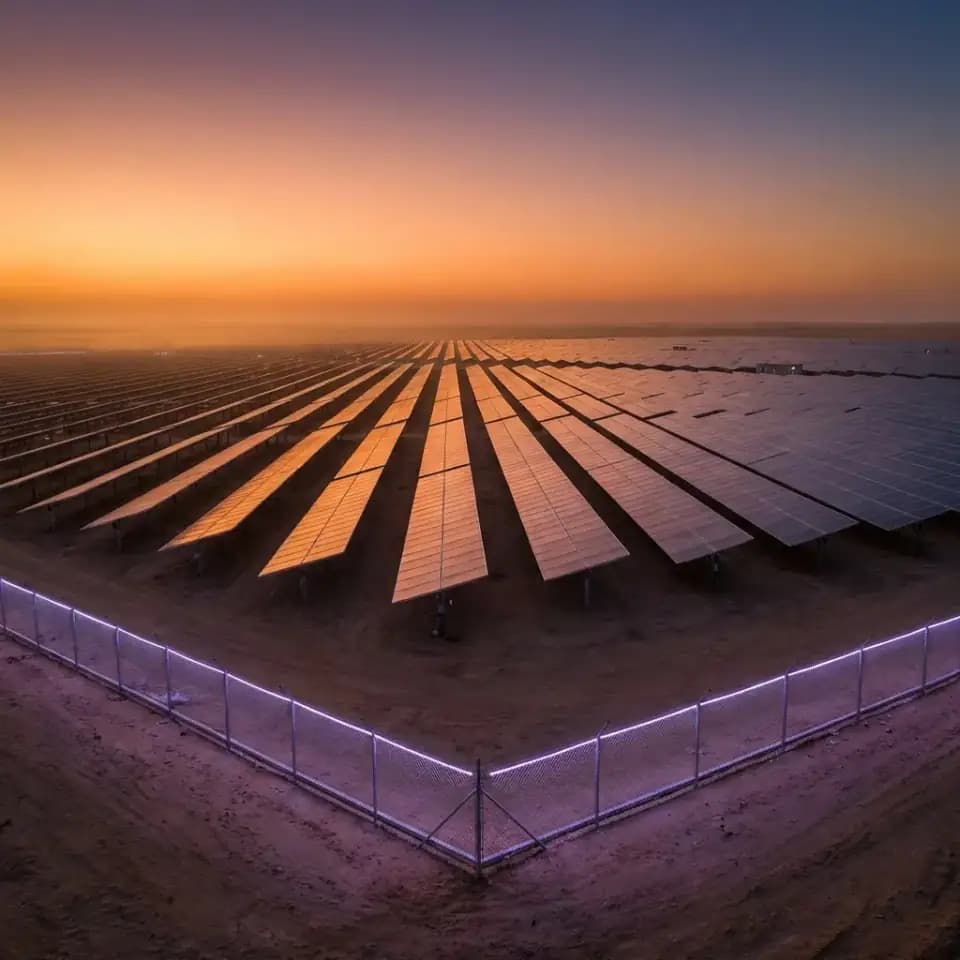
Solar & Renewables

Autonomous perimeter monitoring for solar plants, protecting against theft of panels, copper cables, and inverters.

Ideal for applications in Louisiana

FortSense Oil & Gas

Oil & Gas

Perimeter Security Fiber Optics

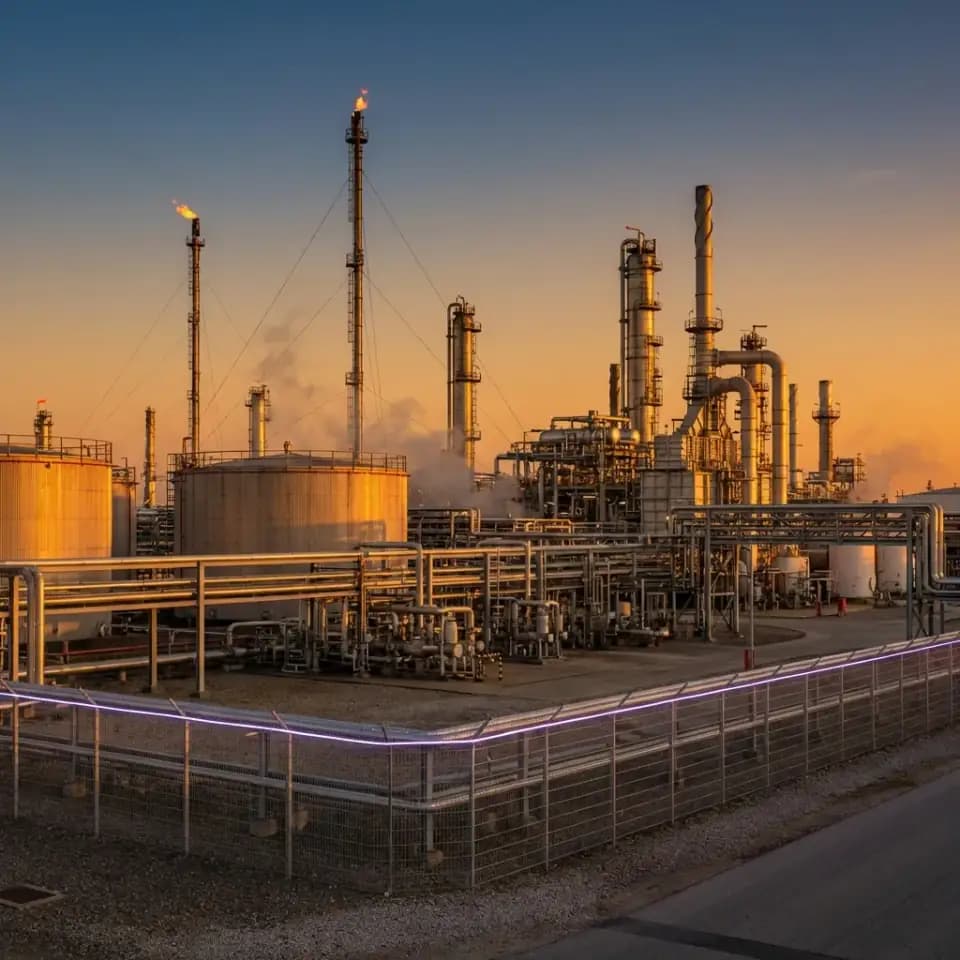
Oil & Gas

Intrinsically safe perimeter detection for refineries, chemical plants, and fuel storage depots.

Ideal for applications in Louisiana

FortSense Ports & Maritime

Ports & Maritime

Perimeter Security Fiber Optics

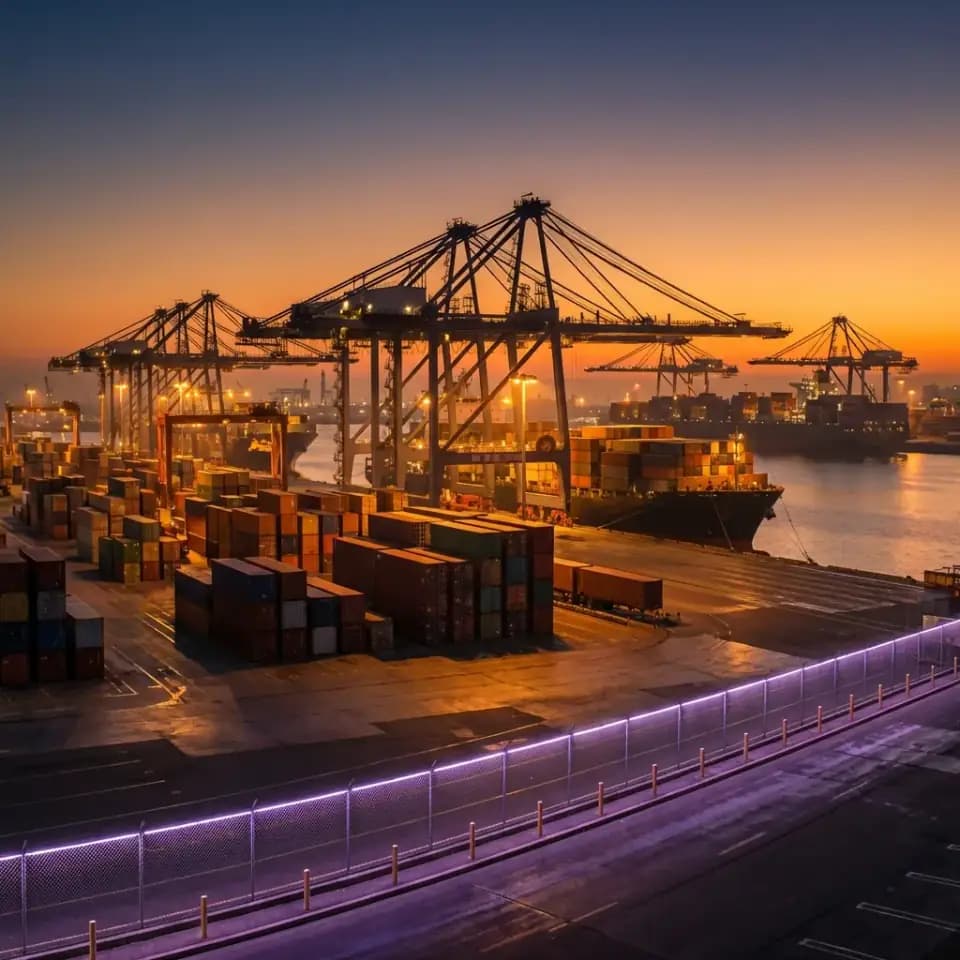
Ports & Maritime

ISPS-compliant security for cargo containers, fuel depots, and docked vessels in harsh marine environments.

Ideal for applications in Louisiana

FortSense Agriculture

Agriculture

Perimeter Security Fiber Optics

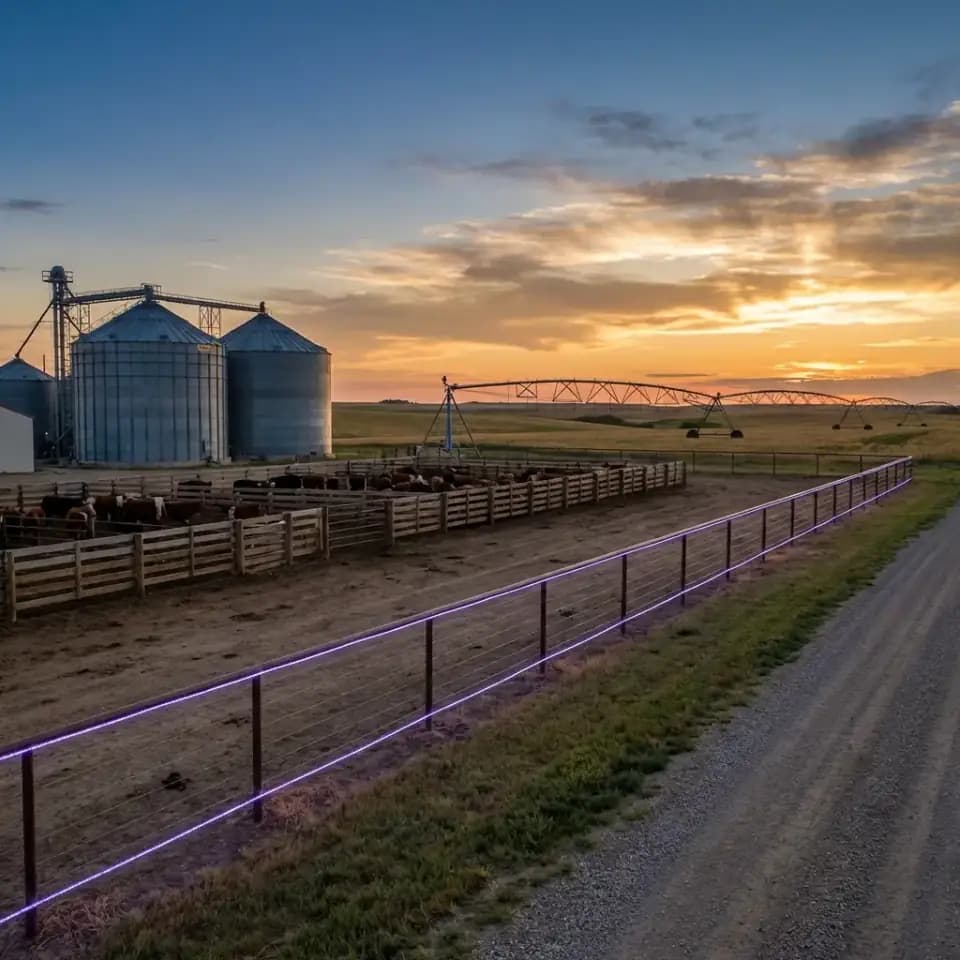
Agriculture

Fire detection and security for farms, livestock pens, pivot irrigation systems, and rural assets.

Ideal for applications in Louisiana

FortSense Financial Sector

Financial Sector

Perimeter Security Fiber Optics

Financial Sector

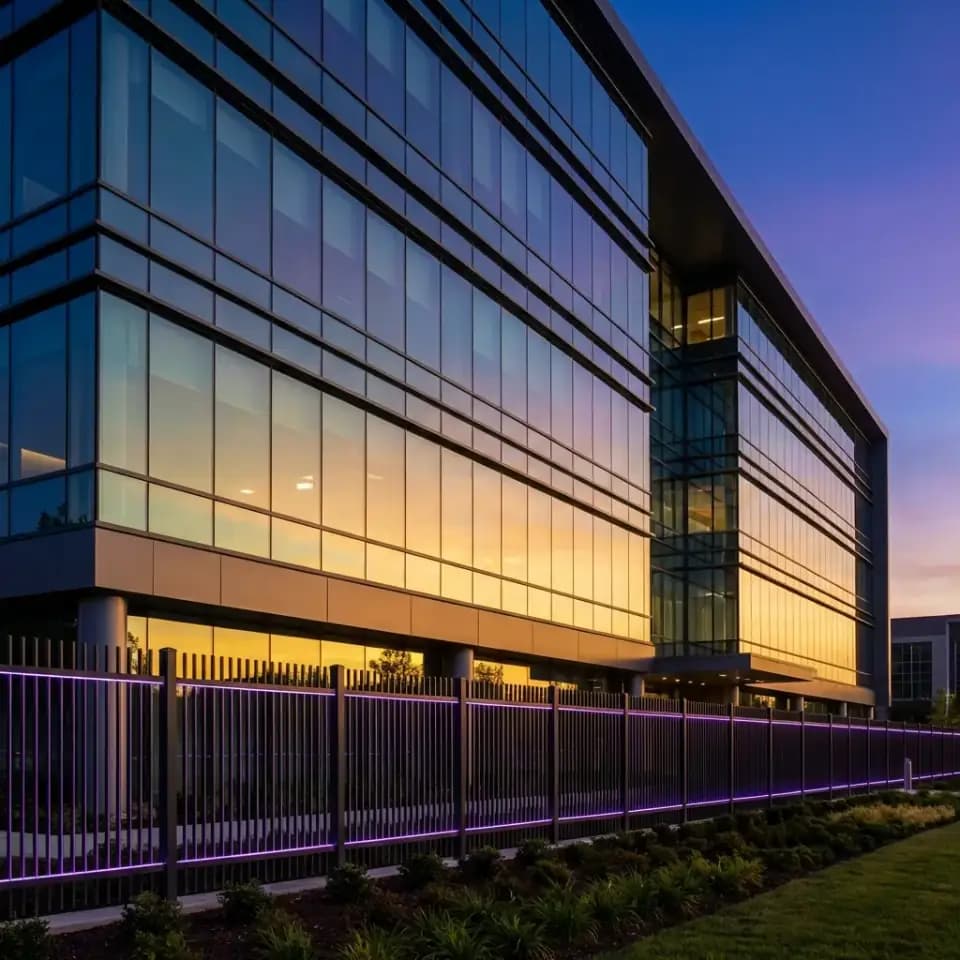
High-security perimeter protection for banks, vaults, administrative centers, and ATM areas.

Ideal for applications in Louisiana

FortSense Residential Condominiums

Residential Condominiums

Perimeter Security Fiber Optics

Residential Condominiums

Invisible security for gated communities and apartment complexes, preserving aesthetics while detecting intrusions.

Ideal for applications in Louisiana

FortSense Distribution Centers

Distribution Centers

Perimeter Security Fiber Optics

Distribution Centers

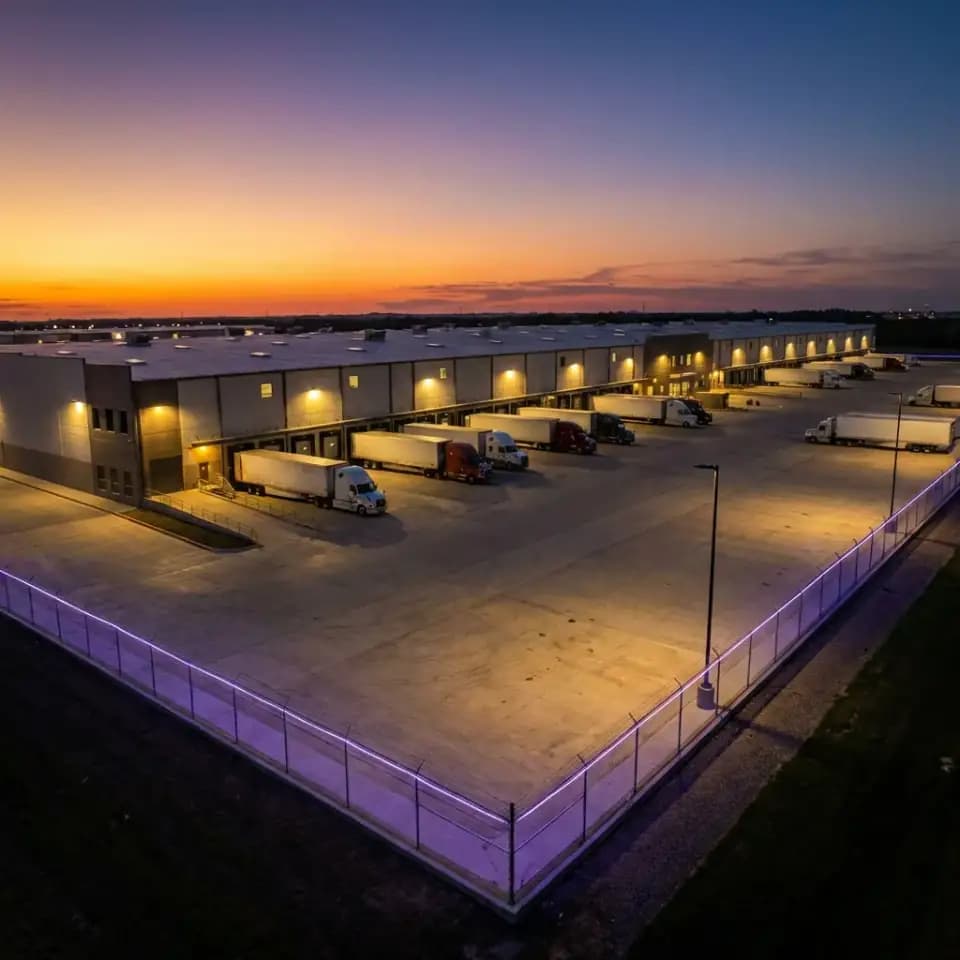
Security for logistics parks, warehouses, and high-value storage areas, meeting TAPA security standards.

Ideal for applications in Louisiana

FortSense Critical Infrastructure

Critical Infrastructure

Perimeter Security Fiber Optics

Critical Infrastructure

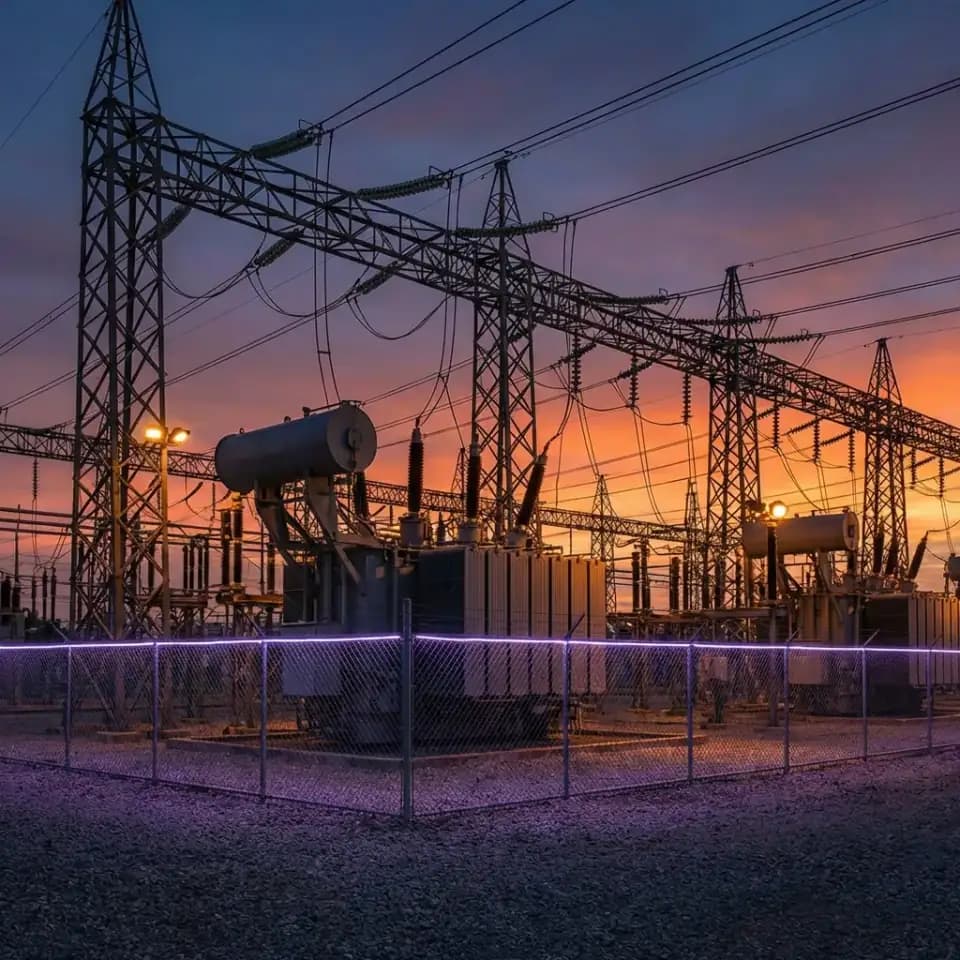
EMI-immune monitoring for electrical substations, telecom towers, and unmanned critical assets.

Ideal for applications in Louisiana

FortSense Corrections & Prisons

Corrections & Prisons

Perimeter Security Fiber Optics

Corrections & Prisons

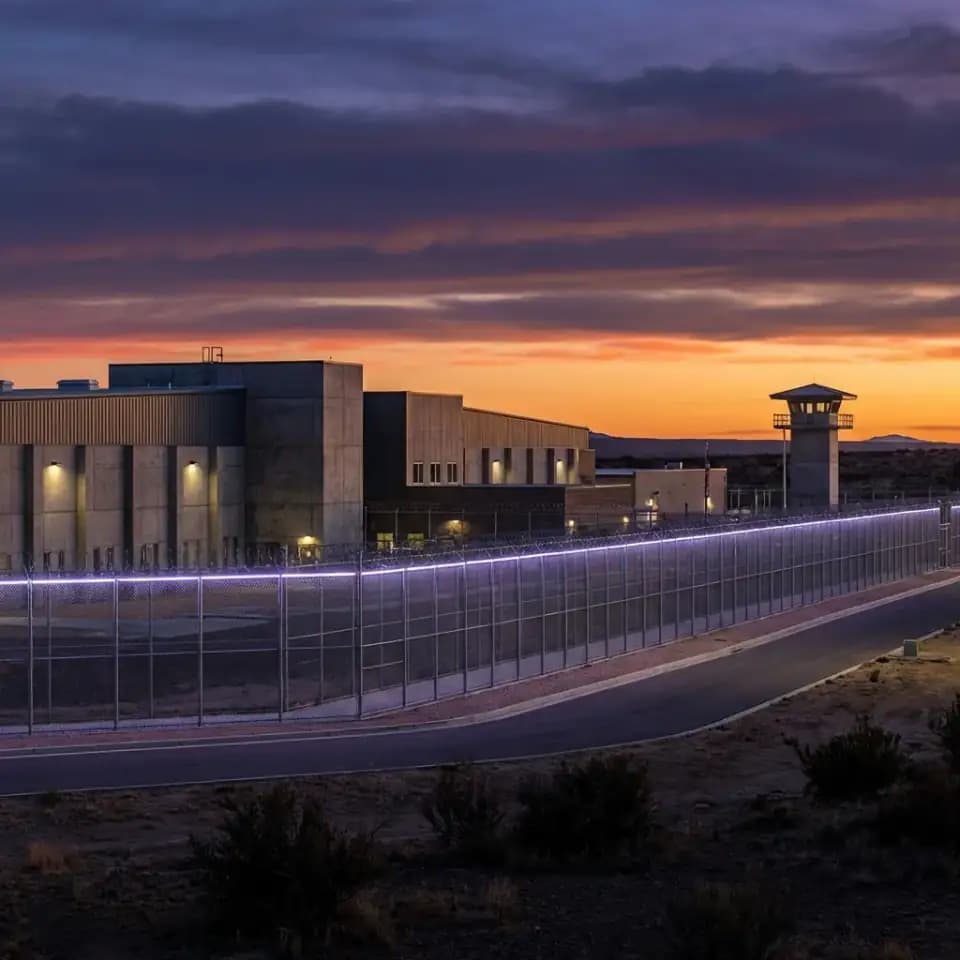
Zero-tolerance perimeter security for correctional facilities, detecting escape attempts and breaches.

Ideal for applications in Louisiana

FortSense Public Sector & Schools

Public Sector & Schools

Perimeter Security Fiber Optics

Public Sector & Schools

Non-invasive security for schools, government buildings, and public facilities with rapid lockdown protocols.

Ideal for applications in Louisiana

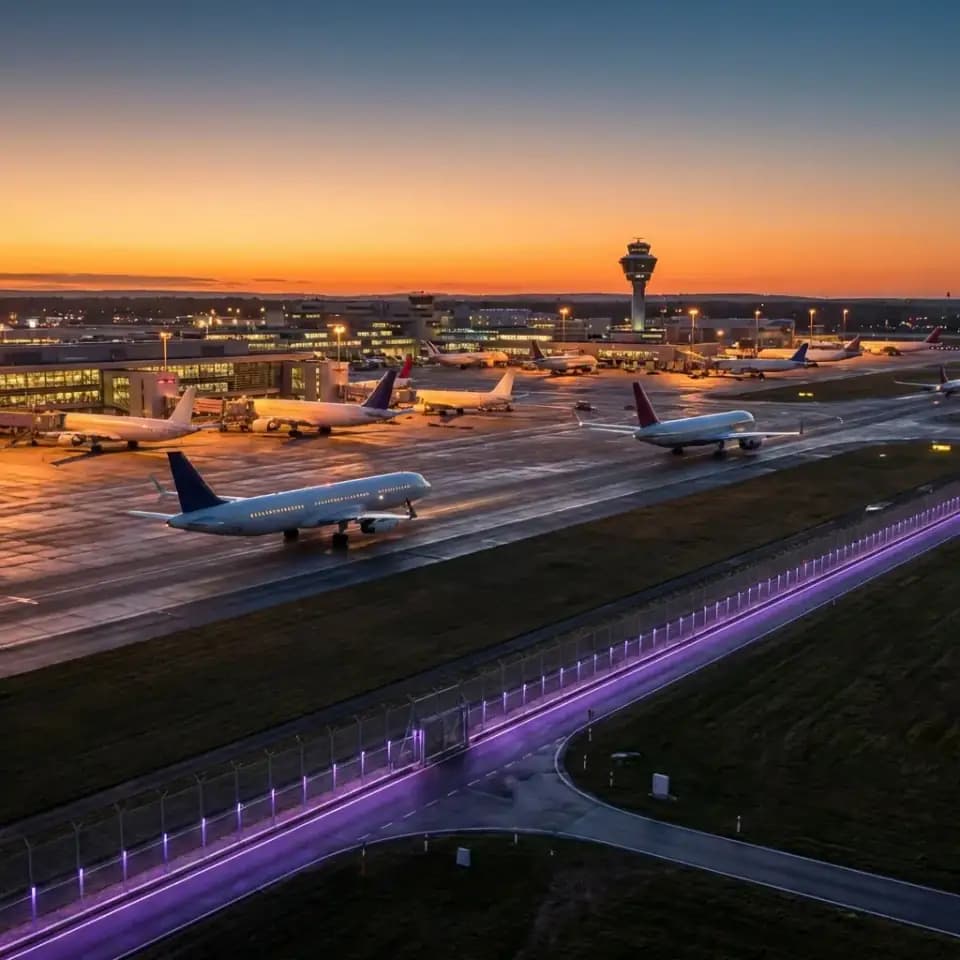
FortSense Perimeter Security for Airports

Perimeter Security for Airports

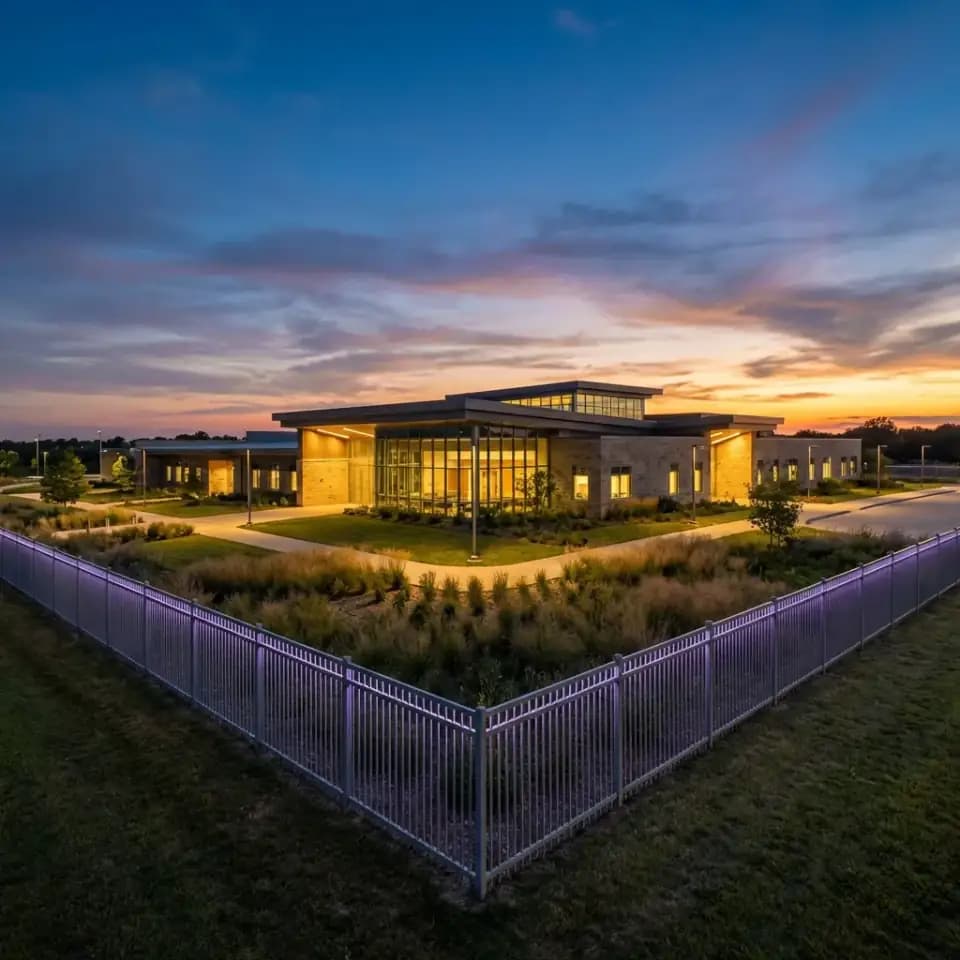
Perimeter Security Fiber Optics

Perimeter Security for Airports

ICAO-compliant sterile zone enforcement with zero interference to airport radar and navigation systems.

Ideal for applications in Louisiana

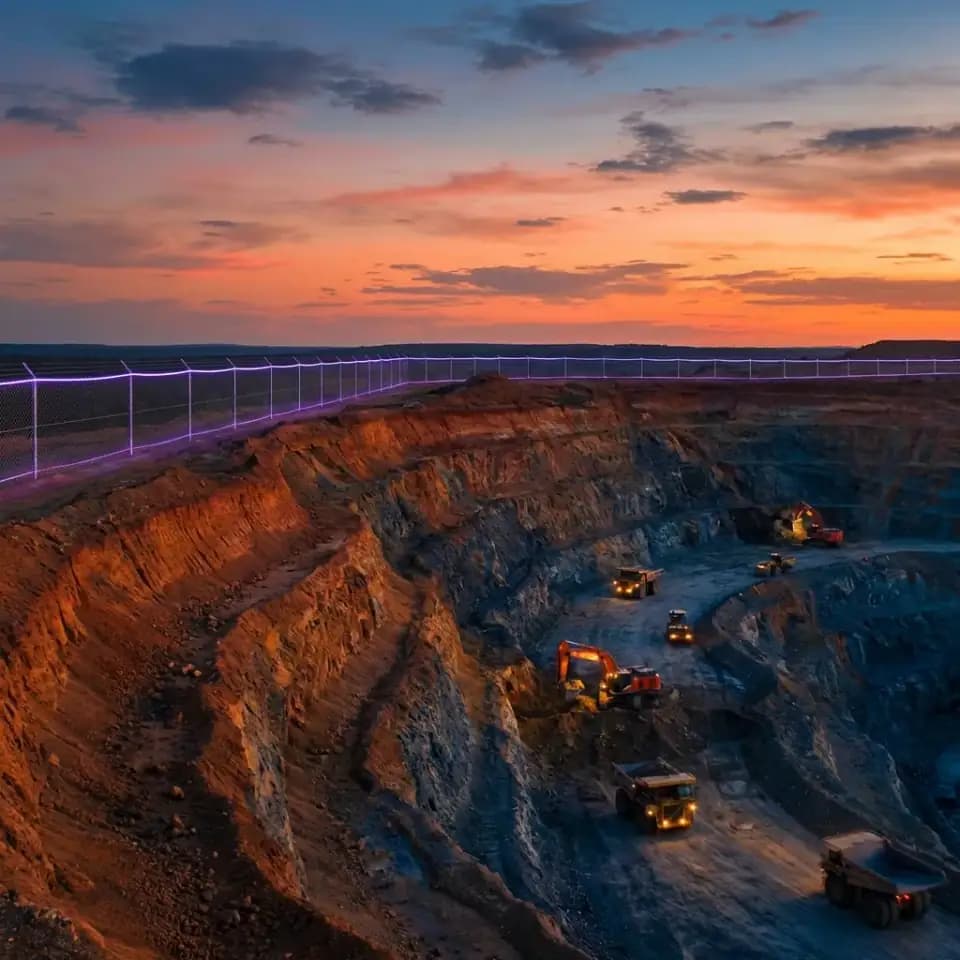
FortSense Mining Operations

Mining Operations

Perimeter Security Fiber Optics

Mining Operations

Ruggedized perimeter security for open-pit mines, ore stockpiles, and remote mining infrastructure.

Ideal for applications in Louisiana

Local service overview

Oil, Gas & LNG Export Security in Louisiana

FortSense® fiber optic PIDS securing Louisiana's petroleum refineries, LNG export terminals, Chemical Corridor facilities, and strategic port infrastructure along the Mississippi River.

Louisiana is a cornerstone of America's energy infrastructure, refining approximately 3. 4 million barrels of crude oil daily across 17 refineries that together represent nearly 20 percent of total US refining capacity. The state's GDP exceeds $260 billion, overwhelmingly driven by the petrochemical, energy, and maritime sectors that have defined Louisiana's economy for over a century.

The Chemical Corridor along the Mississippi River between Baton Rouge and New Orleans, sometimes referred to as Cancer Alley due to its industrial density, hosts over 150 petrochemical plants and refineries that produce the plastics, fertilizers, synthetic rubber, and industrial chemicals fundamental to the American manufacturing economy. ExxonMobil's Baton Rouge Refinery processes over 502,000 barrels per day, making it one of the largest refineries in the United States. Marathon Petroleum's Garyville Refinery, at 596,000 barrels per day, is among the nation's largest single-site refineries.

Phillips 66 Alliance Refinery in Belle Chasse and Citgo's Lake Charles Refinery add hundreds of thousands of barrels per day of additional capacity. BASF's Geismar complex, Dow Chemical's Plaquemine facility, and Sasol's Lake Charles Chemical Complex represent billions of dollars in chemical manufacturing infrastructure.

Louisiana is rapidly becoming the nation's LNG export capital, a transformation that is reshaping global energy markets. Cheniere Energy's Sabine Pass LNG Terminal in Cameron Parish is the largest LNG export facility in the United States, with six liquefaction trains capable of producing over 30 million tons per annum. Cameron LNG in Hackberry adds three trains of capacity. Calcasieu Pass LNG, also developed by Venture Global, is operational on the Calcasieu Ship Channel.

Venture Global's Plaquemines LNG facility on the Mississippi River is under construction and will be one of the largest LNG plants in the world upon completion. The Louisiana Offshore Oil Port, known as LOOP, in Port Fourchon is the only US deepwater port capable of offloading Ultra Large Crude Carriers, and it services approximately 90 percent of all Gulf of Mexico deepwater oil production. Henry Hub in Erath serves as the benchmark pricing point for US natural gas futures, making this small Louisiana town the reference point for one of the most traded energy commodities in the world.

Louisiana's ports are critical to US commerce on a scale that few states can match. The Port of South Louisiana in LaPlace handles more tonnage than any other port in the Western Hemisphere, with over 300 million short tons of cargo annually moving along a 54-mile stretch of the Mississippi River. The Port of New Orleans ranks as the sixth-largest US port by tonnage and handles a diverse mix of containers, breakbulk, and cruise traffic. The Port of Baton Rouge and Port of Lake Charles add substantial additional capacity.

The Intracoastal Waterway system provides sheltered barge routes connecting Texas to Florida through Louisiana's coastal marshes. Military installations add further security criticality: Barksdale Air Force Base in Bossier City is home to the B-52 Stratofortress bomber wing and serves as headquarters for the Air Force's Global Strike Command, responsible for the nation's bomber force and nuclear-capable strike aircraft. Fort Johnson, formerly Fort Polk, hosts the Joint Readiness Training Center.

NASA's Michoud Assembly Facility in New Orleans East manufactures the core stages of the Space Launch System, the most powerful rocket ever built.

Louisiana faces some of the most extreme security and climate challenges of any state. The state has the highest murder rate in the US for multiple consecutive years, with New Orleans and Baton Rouge reporting violent crime rates that are multiples of the national average. Property crime rates significantly exceed national averages across the state. Pipeline vandalism and theft along Louisiana's extensive pipeline networks, which carry crude oil, refined products, and natural gas across thousands of miles, represent a persistent threat.

Copper wire and metal theft from industrial facilities and refineries is endemic. Hurricane exposure is perhaps the most consequential risk factor: Hurricane Katrina in 2005 caused over $125 billion in damage and killed over 1,800 people, Hurricane Laura in 2020 devastated the Lake Charles refinery and LNG corridor, and Hurricane Ida in 2021 knocked out power to over 1 million customers and caused $75 billion in total damage. Post-hurricane looting and infrastructure vulnerability during recovery periods have historically created extended security gaps lasting weeks or months.

The combination of extreme heat with summer temperatures regularly exceeding 100 degrees Fahrenheit and heat indices above 115 degrees, near-constant humidity, aggressive salt air corrosion in the coastal zone, and annual hurricane risk makes Louisiana one of the most demanding environments for any perimeter security system. Conventional electronic security cameras, motion sensors, and alarm systems degrade rapidly in Louisiana's tropical climate, requiring expensive and frequent maintenance cycles. Mississippi River flooding and storm surge can inundate low-lying industrial areas for extended periods.

Fiber optic PIDS cables are completely immune to moisture infiltration, salt corrosion, electromagnetic interference from the intense lightning that accompanies Gulf Coast thunderstorms, and temperature extremes. The absence of active electronics at the sensing point eliminates the corrosion and failure modes that plague conventional systems in Louisiana's environment.

FortSense fiber optic perimeter detection addresses the most critical security requirements along Louisiana's energy corridor. Refineries including ExxonMobil Baton Rouge, Marathon Garyville, and Citgo Lake Charles require intrinsically safe perimeter detection with absolutely no spark risk in areas surrounded by flammable vapors and classified as hazardous locations under NFPA standards. LNG export terminals at Sabine Pass, Cameron, and Calcasieu Pass demand multi-mile perimeter monitoring around facilities where a security breach could have catastrophic consequences.

The Chemical Corridor's 150-plus facilities stretching between Baton Rouge and New Orleans require continuous detection along miles of fencing that separates hazardous industrial processes from public areas. Port facilities handling hundreds of millions of tons of cargo annually need detection systems that operate through flooding and storm conditions. Barksdale AFB's Global Strike Command mission requires the highest level of perimeter security for nuclear-capable assets.

The fiber optic PIDS technology remains fully operational during and immediately after hurricanes, providing continuous detection during exactly the periods when Louisiana's infrastructure is most vulnerable.

Professional perimeter protection for distribution centers, manufacturing, and critical infrastructure in Louisiana.

  • Fuel Depot & Terminal Protection
  • Wellhead & Pump Station Security
  • Container Yard & Terminal Protection
  • Petroleum Refinery Complexes

Plan a FortSense assessment for this market

Share the perimeter length, fence type, and monitoring workflow. FortSense can help scope zones, integration points, and commissioning requirements for this location.

Services

Fuel Depot & Terminal Protection

Securing fuel storage depots, LNG terminals, and transfer stations against unauthorized access, sabotage, and theft with zone-specific alarm mapping.

Wellhead & Pump Station Security

Remote wellhead perimeter monitoring across dispersed field operations with solar-powered relay nodes and SCADA integration.

Container Yard & Terminal Protection

High-density container yard monitoring with zone-based intrusion detection, anti-climb sensing, and integration with port access control systems.

Deployment patterns for local sites

How FortSense Works in Louisiana

Fiber optic perimeter security adapted to local conditions and requirements.

  1. Fiber installed. Passive fiber optic cable mounts on the existing fence or wall with minimal civil work.
  2. Vibration detected. Any contact creates vibration patterns in the fiber so climbing, cutting, or lifting attempts become visible immediately.
  3. AI/DSP verification. Algorithms filter out wind, animals, and environmental noise before an operator ever sees an alarm.
  4. Alarm if intrusion. Only real threats trigger zone-based alarms that can route into the monitoring workflow already used by the site team.

Adapted for Louisiana. Our local partners understand Louisiana's climate, terrain, and security challenges. The fiber optic system is configured to filter local environmental conditions while maintaining maximum sensitivity to real intrusion attempts.

Integration and security software fit

FortSense can feed alarms into the monitoring stack a site already uses, including VMS, PSIM, alarm panels, relay inputs, TCP/IP workflows, and camera verification.

  • Zone-based alarms for operators and guard teams
  • Camera and VMS workflows for visual verification
  • Relay or network outputs for existing security systems
  • Software-assisted filtering before dispatch decisions

Industries in this market

Relevant FortSense industry and use-case paths connected to this location.

  • Petroleum Refinery Complexes
  • LNG Export Terminal Operations
  • River Port Operations, Military Air Bases & Aerospace Assembly Facilities
  • Distribution Center Perimeter Security
  • Solar Farm Perimeter Security
  • Perimeter Security for Critical Infrastructure

Why FortSense fits in Perimeter Security in Louisiana

FortSense is designed for perimeter security work where false-alarm reduction, passive fiber sensing, and practical integration matter more than adding another camera-only layer.

  • Passive fiber on existing fences, walls, or perimeter structures
  • AI/DSP filtering for wind, vibration, and environmental noise
  • Zone-level alerts that can match the site's response model
  • Support for design, integration, commissioning, and handover

Market notes

Practical details that help this page stay specific to the market instead of drifting into generic copy.

  • Petroleum Refinery Complexes
  • LNG Export Terminal Operations
  • River Port Operations, Military Air Bases & Aerospace Assembly Facilities
  • Fuel Depot & Terminal Protection

Related FortSense paths

Related technical content and commercial guidance linked from this location page.

Frequently Asked Questions (FAQ)

Frequently Asked Questions (FAQ) — Louisiana

Can the system detect both pipeline tampering and perimeter intrusion?

Absolutely. FortSense uses Distributed Acoustic Sensing (DAS) algorithms that differentiate between pipeline-specific events (tapping, drilling, excavation near pipelines) and perimeter breaches (climbing, cutting, impact). Each event type triggers distinct alarm protocols.

How does the system perform in remote wellhead locations without grid power?

Our remote deployments use solar-powered relay nodes with battery backup. The fiber sensor itself requires zero power in the field — only the interrogator needs electricity, which can be located at a powered facility up to 80 km away from the sensing zone.

What integration options exist with SCADA and process control systems?

FortSense integrates with SCADA via Modbus TCP/IP, OPC UA, and dry contact relays. Alarms can trigger automated responses in your process control system, including valve shutoffs, camera slew-to-cue, and lockdown protocols.

How does the system integrate with port access control?

FortSense integrates with TWIC-based access control, vehicle weigh-in-motion systems, and port community systems via standard protocols. Perimeter alarms can automatically lockdown nearby gates and trigger credential verification procedures.

Is the system resistant to tropical storm and hurricane conditions?

Yes. The fiber cable is rated for wind loads exceeding 200 km/h when properly secured to the fence structure. During storm events, our weather-filtering algorithms distinguish between storm-induced vibration and actual intrusion attempts.

Local perimeter assessment

Request Perimeter Assessment in Louisiana

Receive a technical proposal, deployment design, and integration plan.

Oil, Gas & LNG Export Security in Louisiana