

Fiber Optic Perimeter Security in Maine: Naval Shipbuilding & Port Security in Maine

Protecting Nuclear Submarine Overhaul at Portsmouth Naval Shipyard, Destroyer Construction at Bath Iron Works, and Remote Forestry Operations

Applications

Perimeter Security Fiber Optics Ideal for Applications in Maine

FortSense Solar & Renewables

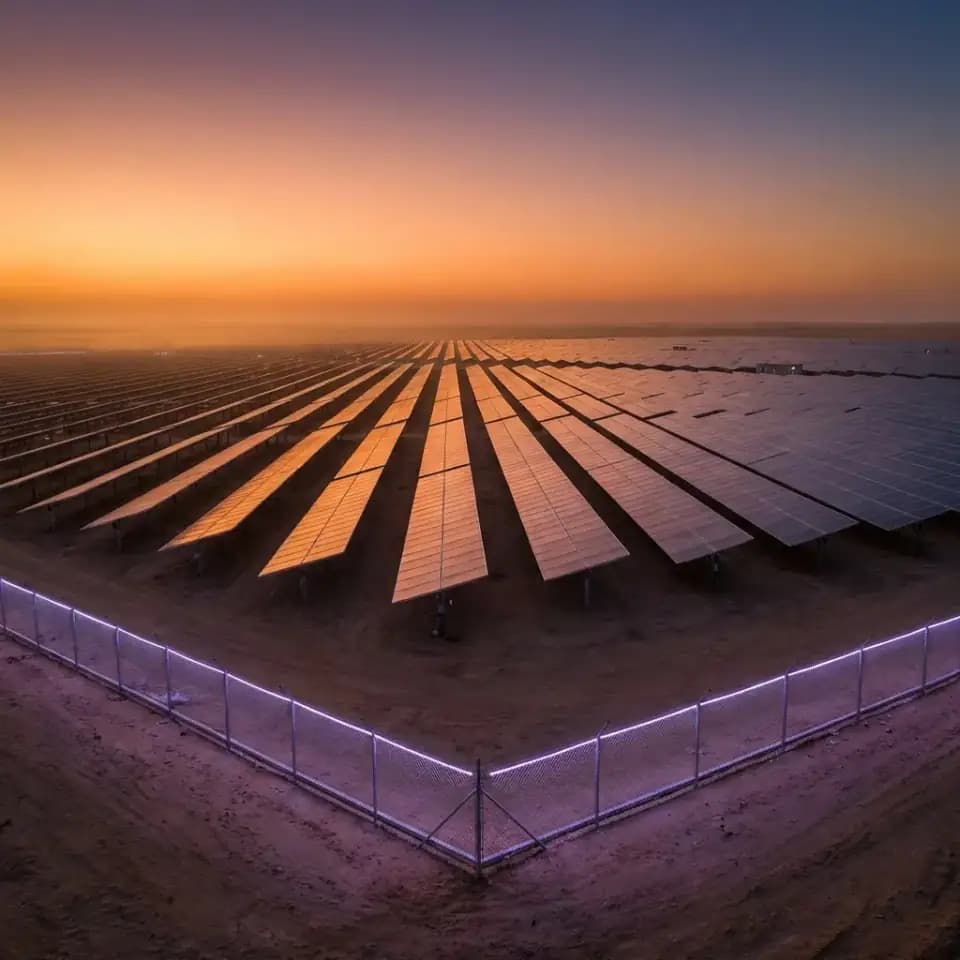
Solar & Renewables

Perimeter Security Fiber Optics

Solar & Renewables

Autonomous perimeter monitoring for solar plants, protecting against theft of panels, copper cables, and inverters.

Ideal for applications in Maine

FortSense Oil & Gas

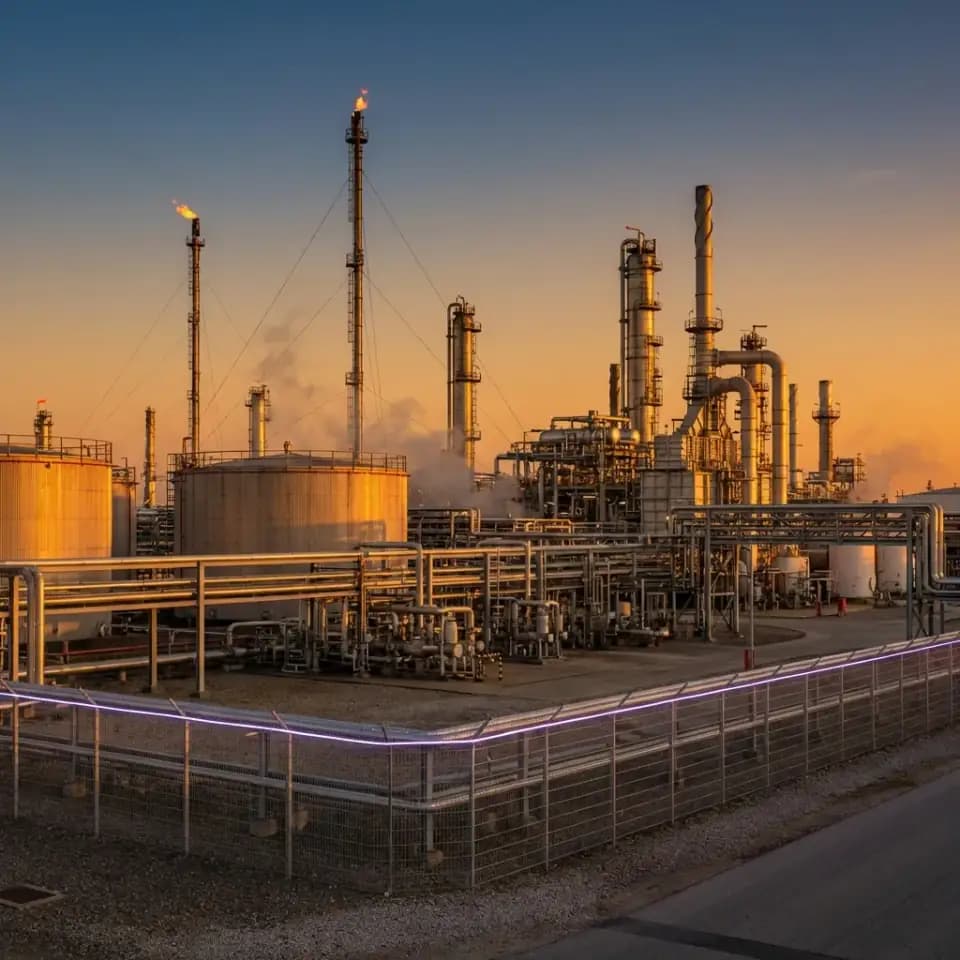
Oil & Gas

Perimeter Security Fiber Optics

Oil & Gas

Intrinsically safe perimeter detection for refineries, chemical plants, and fuel storage depots.

Ideal for applications in Maine

FortSense Ports & Maritime

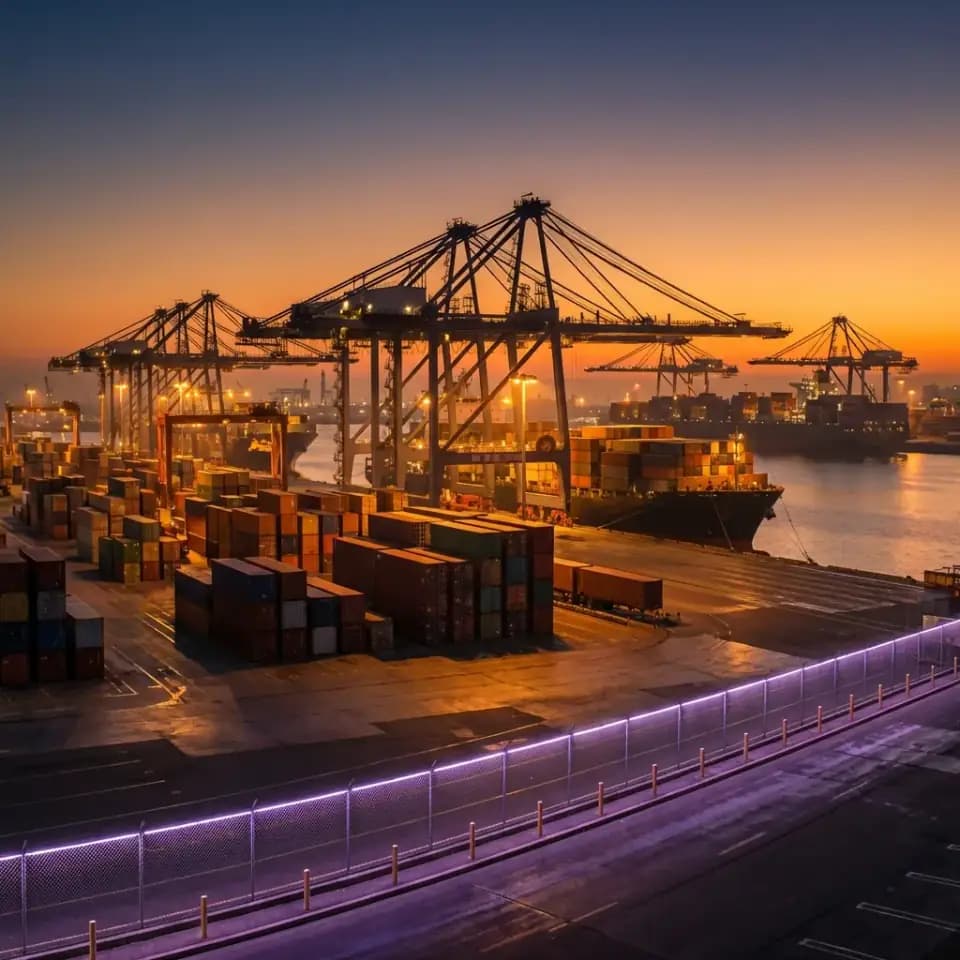
Ports & Maritime

Perimeter Security Fiber Optics

Ports & Maritime

ISPS-compliant security for cargo containers, fuel depots, and docked vessels in harsh marine environments.

Ideal for applications in Maine

FortSense Agriculture

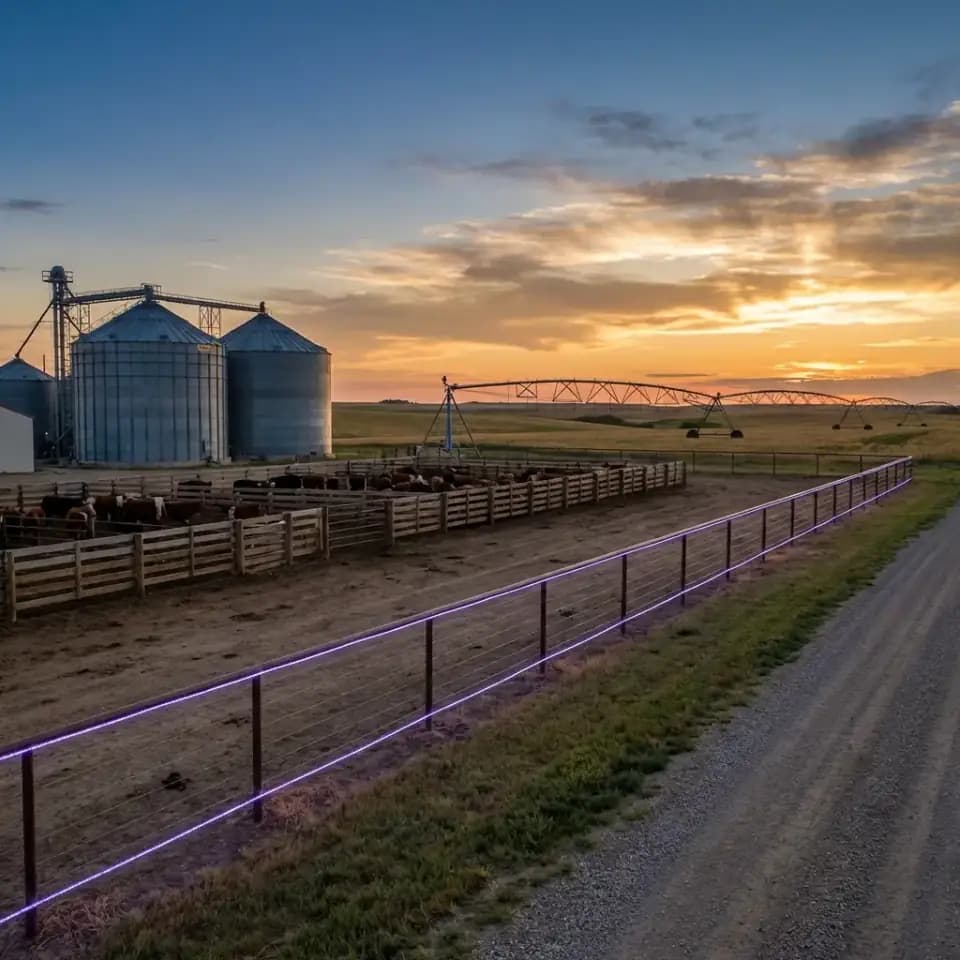
Agriculture

Perimeter Security Fiber Optics

Agriculture

Fire detection and security for farms, livestock pens, pivot irrigation systems, and rural assets.

Ideal for applications in Maine

FortSense Financial Sector

Financial Sector

Perimeter Security Fiber Optics

Financial Sector

High-security perimeter protection for banks, vaults, administrative centers, and ATM areas.

Ideal for applications in Maine

FortSense Residential Condominiums

Residential Condominiums

Perimeter Security Fiber Optics

Residential Condominiums

Invisible security for gated communities and apartment complexes, preserving aesthetics while detecting intrusions.

Ideal for applications in Maine

FortSense Distribution Centers

Distribution Centers

Perimeter Security Fiber Optics

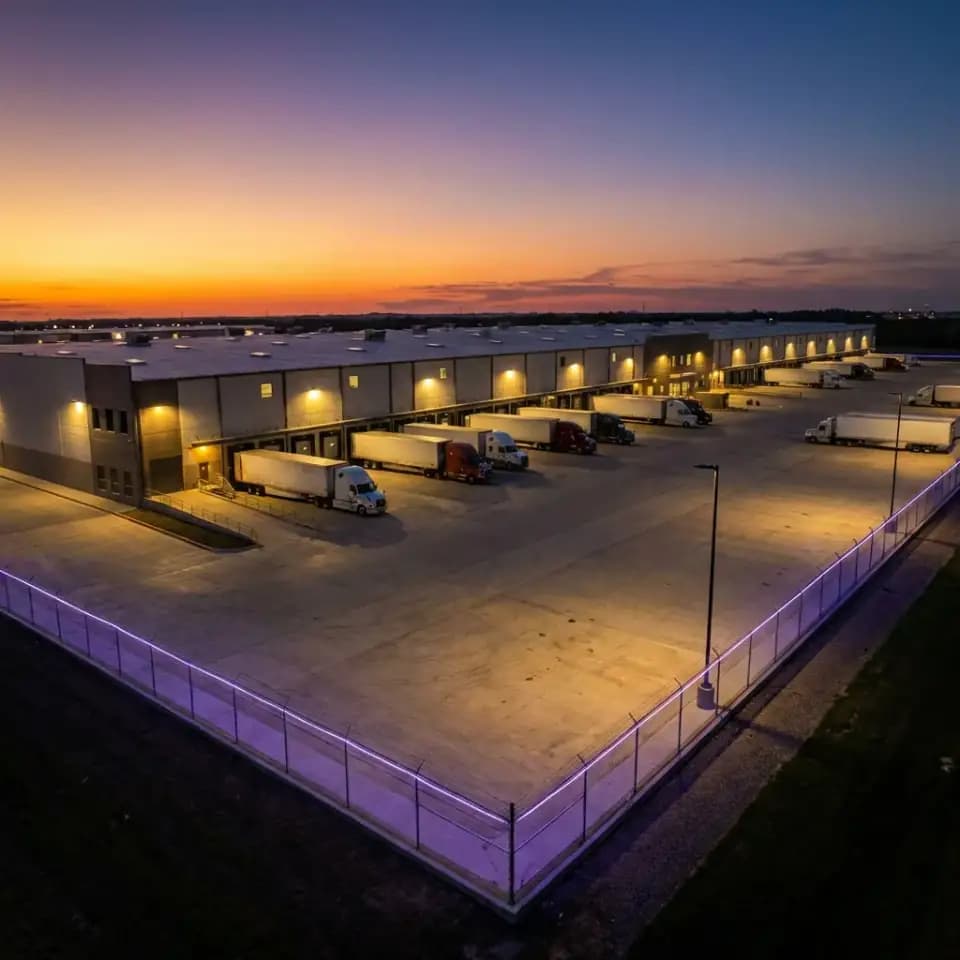
Distribution Centers

Security for logistics parks, warehouses, and high-value storage areas, meeting TAPA security standards.

Ideal for applications in Maine

FortSense Critical Infrastructure

Critical Infrastructure

Perimeter Security Fiber Optics

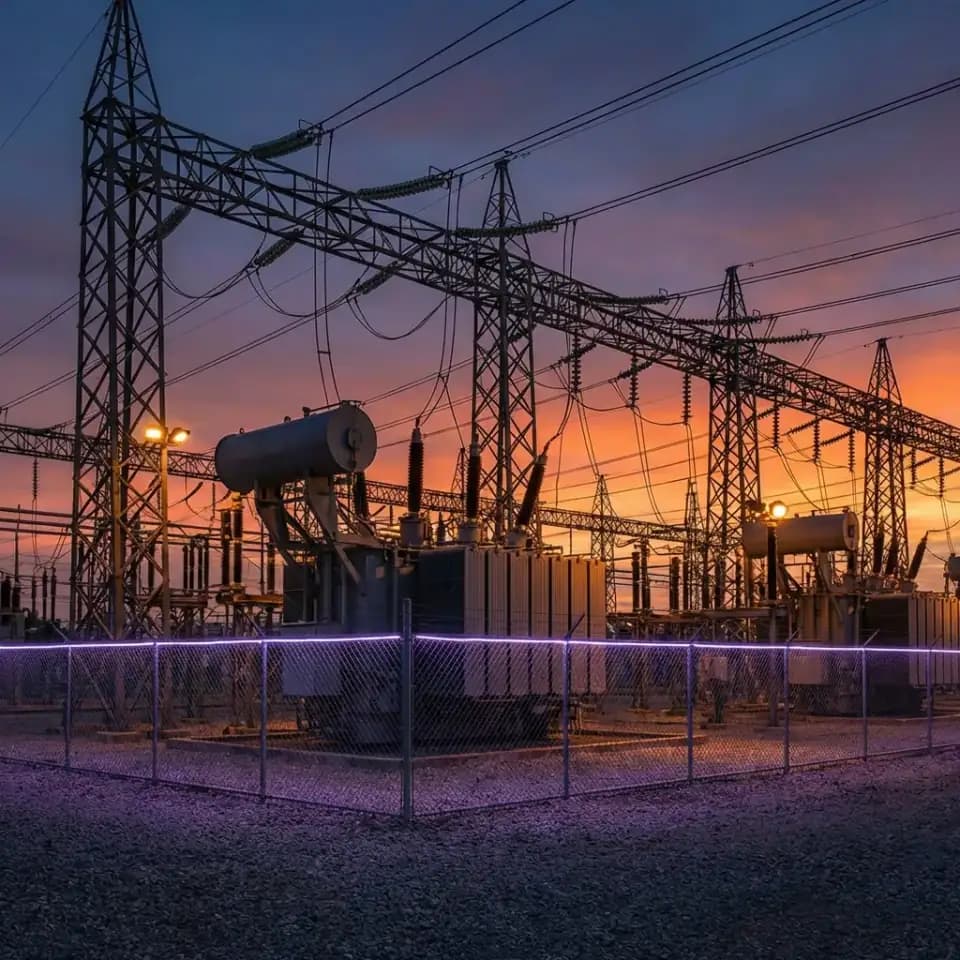
Critical Infrastructure

EMI-immune monitoring for electrical substations, telecom towers, and unmanned critical assets.

Ideal for applications in Maine

FortSense Corrections & Prisons

Corrections & Prisons

Perimeter Security Fiber Optics

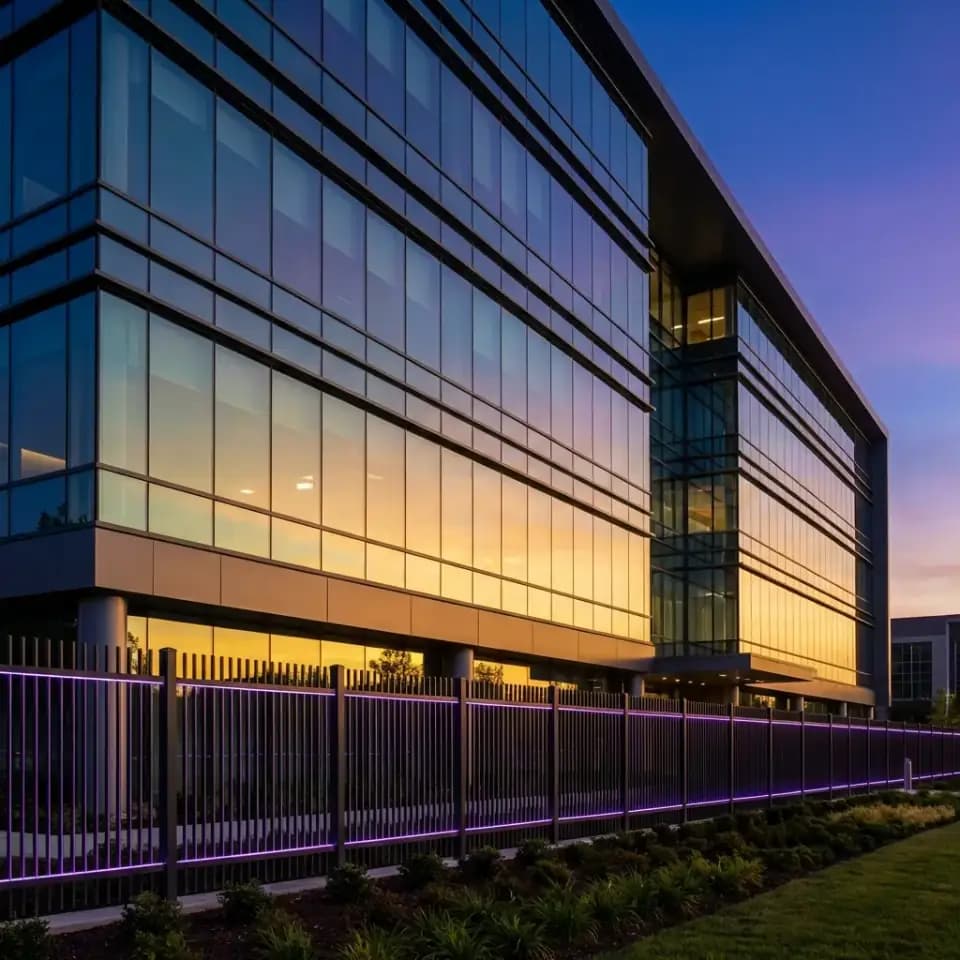
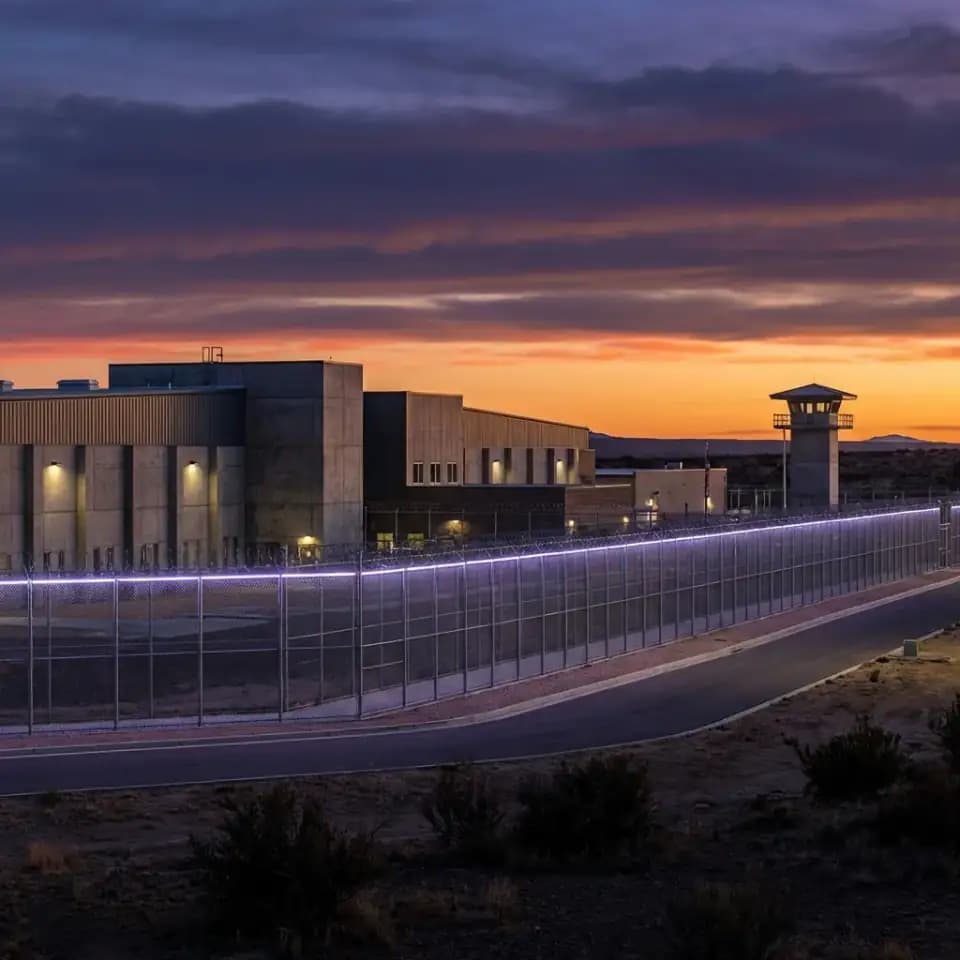
Corrections & Prisons

Zero-tolerance perimeter security for correctional facilities, detecting escape attempts and breaches.

Ideal for applications in Maine

FortSense Public Sector & Schools

Public Sector & Schools

Perimeter Security Fiber Optics

Public Sector & Schools

Non-invasive security for schools, government buildings, and public facilities with rapid lockdown protocols.

Ideal for applications in Maine

FortSense Perimeter Security for Airports

Perimeter Security for Airports

Perimeter Security Fiber Optics

Perimeter Security for Airports

ICAO-compliant sterile zone enforcement with zero interference to airport radar and navigation systems.

Ideal for applications in Maine

FortSense Mining Operations

Mining Operations

Perimeter Security Fiber Optics

Mining Operations

Ruggedized perimeter security for open-pit mines, ore stockpiles, and remote mining infrastructure.

Ideal for applications in Maine

Local service overview

Naval Shipbuilding & Port Security in Maine

FortSense® fiber optic PIDS securing Maine's nuclear submarine shipyard, Navy destroyer construction at Bath Iron Works, petroleum import terminals, and renewable energy infrastructure.

Maine's economy is uniquely shaped by its maritime heritage, vast natural resources, and strategic defense manufacturing base. The state's GDP exceeds $80 billion, with an economy anchored by naval shipbuilding, forestry products, fishing, and an emerging renewable energy sector. Bath Iron Works, a division of General Dynamics, is Maine's largest private employer with over 6,800 workers building Arleigh Burke-class Flight III guided-missile destroyers for the US Navy.

These DDG-51 class destroyers are the backbone of the Navy's surface combatant fleet, and BIW's backlog of orders stretches years into the future as the Navy invests in expanding its destroyer fleet to counter growing maritime threats. The shipyard occupies a 70-acre campus along the Kennebec River in Bath, with massive dry docks, assembly halls, and outfitting piers handling warships valued at over $2 billion each.

Portsmouth Naval Shipyard in Kittery, despite its New Hampshire name, sits on the Maine side of the Piscataqua River and is the Navy's premier facility for overhauling Los Angeles-class and Virginia-class nuclear-powered attack submarines, employing over 7,500 civilian workers handling nuclear reactor maintenance and classified weapons systems in one of the most security-sensitive industrial environments in the country.

The Port of Portland, operated by the Maine Port Authority, serves as the state's primary commercial port, handling international container traffic, petroleum imports, and cruise ship arrivals. Irving Oil operates a major fuel terminal in South Portland that receives tanker deliveries and distributes petroleum products throughout northern New England. Sprague Energy operates terminal facilities in Searsport and South Portland for fuel distribution. Mack Point Marine Terminal in Searsport handles bulk cargo including wood pellets and heating oil.

The Port of Eastport boasts the deepest natural harbor on the US East Coast, capable of accommodating the largest vessels afloat. These port facilities are critical to Maine's energy security, as the state imports virtually all of its petroleum by sea and has no in-state refineries. The Loring Commerce Centre in Limestone, converted from the former Loring Air Force Base, has attracted data center operations drawn by Maine's cool climate, abundant hydroelectric and wind power, and the robust telecommunications infrastructure that remains from the military era.

The former Brunswick Naval Air Station has been converted to Brunswick Executive Airport and a mixed-use development hosting aerospace, technology, and manufacturing tenants.

Maine's forestry sector, while diminished from its peak when the state hosted dozens of paper mills, remains economically significant. Sappi North America's Somerset Mill in Skowhegan is one of the largest fine paper mills in North America, employing over 800 workers. Verso Corporation's mills, now operated by Pixelle Specialty Solutions, continue paper production. Cianbro Corporation, one of the largest construction and industrial services firms in New England, is headquartered in Pittsfield.

The state's renewable energy sector is expanding rapidly, with the New England Clean Energy Connect transmission corridor designed to deliver Canadian hydroelectric power to the New England grid through a 145-mile corridor across western Maine, and offshore wind development in the Gulf of Maine attracting billions in potential investment. The University of Maine's Advanced Structures and Composites Center in Orono operates the world's largest polymer 3D printer and is developing floating offshore wind platform technology.

Maine has one of the lowest overall crime rates in the United States, but specific security threats create targeted demand for advanced perimeter protection. The naval shipyards at Bath and Kittery handle the most sensitive military technology in the US arsenal, including nuclear reactor components, weapons systems, and classified design specifications that are high-value espionage targets. Lobster industry territorial disputes along the coast occasionally escalate to violence, with trap cutting, gear destruction, and confrontations between competing fishing interests.

The opioid crisis has driven increasing property crime in Portland and Bangor, the state's two largest urban centers. Maine shares a 611-mile border with Canada, the longest international border section east of the Great Lakes, much of it running through remote forested terrain with minimal surveillance. Timber theft from the state's vast private and public forest holdings, covering approximately 17 million acres, is difficult to detect given the extreme remoteness of many woodland areas.

Copper theft from telecommunications infrastructure and power lines in rural Maine exploits the long distances between occupied areas.

Maine's climate presents severe challenges for perimeter security systems. Nor'easters bring heavy snow, ice, and coastal flooding multiple times each winter, with the state receiving 60 to 100 inches of snow annually in most areas and significantly more in the western mountains. Extreme cold reaching minus 30 degrees Fahrenheit is possible in northern Maine and the interior, where the 2023 wind chill advisory saw temperatures feel like minus 50 degrees Fahrenheit.

Ice storms are particularly devastating to electronic security infrastructure, as the 2008 ice storm that left 400,000 Maine residents without power for up to two weeks demonstrated. Coastal fog conditions along the coast can persist for days, rendering camera-based security ineffective. Salt spray corrosion along the extensive coastline accelerates the degradation of electronic components. Fiber optic PIDS cables are completely immune to cold-weather failures, ice loading damage, salt corrosion, and electromagnetic interference, making them uniquely suited to Maine's demanding maritime climate.

FortSense fiber optic perimeter detection addresses Maine's most critical security requirements. Bath Iron Works' shipyard perimeter, where destroyers worth over $2 billion each are under construction, requires detection technology that operates through nor'easters, ice storms, and coastal fog without interruption. Portsmouth Naval Shipyard's nuclear submarine overhaul facility demands the highest level of perimeter security for classified nuclear and weapons work. Petroleum import terminals at South Portland and Searsport need intrinsically safe perimeter monitoring with no spark risk around fuel storage areas.

The Loring Commerce Centre's data center operations require zero-electromagnetic-interference detection. Remote forestry operations spanning thousands of acres in the Maine Woods benefit from fiber optic sensing that monitors long perimeters without requiring electrical power infrastructure in areas beyond the grid. The New England Clean Energy Connect transmission corridor requires monitoring along its 145-mile route through remote terrain.

Bangor International Airport, which serves as a military refueling stop for troops deploying overseas, needs reliable perimeter detection that functions through Maine's severe winter conditions.

Professional perimeter protection for distribution centers, manufacturing, and critical infrastructure in Maine.

  • Quayside & Vessel Berth Security
  • ISPS-Compliant Port Perimeter
  • Grain Silo & Agricultural Input Storage
  • Naval Destroyer Construction Shipyards

Plan a FortSense assessment for this market

Share the perimeter length, fence type, and monitoring workflow. FortSense can help scope zones, integration points, and commissioning requirements for this location.

Services

Quayside & Vessel Berth Security

Waterside perimeter security for quay walls, vessel berths, and dry dock areas with wave-motion filtering and diver detection capability.

ISPS-Compliant Port Perimeter

International Ship and Port Facility Security (ISPS) compliant fiber optic perimeter detection for port boundaries, restricted zones, and maritime access points.

Grain Silo & Agricultural Input Storage

Securing grain silos, fertilizer warehouses, and agricultural chemical storage from theft and contamination with humidity-tolerant fiber sensing.

Deployment patterns for local sites

How FortSense Works in Maine

Fiber optic perimeter security adapted to local conditions and requirements.

  1. Fiber installed. Passive fiber optic cable mounts on the existing fence or wall with minimal civil work.
  2. Vibration detected. Any contact creates vibration patterns in the fiber so climbing, cutting, or lifting attempts become visible immediately.
  3. AI/DSP verification. Algorithms filter out wind, animals, and environmental noise before an operator ever sees an alarm.
  4. Alarm if intrusion. Only real threats trigger zone-based alarms that can route into the monitoring workflow already used by the site team.

Adapted for Maine. Our local partners understand Maine's climate, terrain, and security challenges. The fiber optic system is configured to filter local environmental conditions while maintaining maximum sensitivity to real intrusion attempts.

Integration and security software fit

FortSense can feed alarms into the monitoring stack a site already uses, including VMS, PSIM, alarm panels, relay inputs, TCP/IP workflows, and camera verification.

  • Zone-based alarms for operators and guard teams
  • Camera and VMS workflows for visual verification
  • Relay or network outputs for existing security systems
  • Software-assisted filtering before dispatch decisions

Industries in this market

Relevant FortSense industry and use-case paths connected to this location.

  • Naval Destroyer Construction Shipyards
  • Nuclear Submarine Overhaul & Repair Yards
  • Petroleum Terminal & Fuel Storage Facilities
  • Distribution Center Perimeter Security
  • Solar Farm Perimeter Security
  • Perimeter Security for Critical Infrastructure

Why FortSense fits in Perimeter Security in Maine

FortSense is designed for perimeter security work where false-alarm reduction, passive fiber sensing, and practical integration matter more than adding another camera-only layer.

  • Passive fiber on existing fences, walls, or perimeter structures
  • AI/DSP filtering for wind, vibration, and environmental noise
  • Zone-level alerts that can match the site's response model
  • Support for design, integration, commissioning, and handover

Market notes

Practical details that help this page stay specific to the market instead of drifting into generic copy.

  • Naval Destroyer Construction Shipyards
  • Nuclear Submarine Overhaul & Repair Yards
  • Petroleum Terminal & Fuel Storage Facilities
  • Quayside & Vessel Berth Security

Related FortSense paths

Related technical content and commercial guidance linked from this location page.

Frequently Asked Questions (FAQ)

Frequently Asked Questions (FAQ) — Maine

Is the system resistant to salt spray and marine environments?

Yes. Our fiber sensor cable uses marine-grade jacketing rated for coastal and marine environments. The passive fiber optic sensor is inherently immune to corrosion, salt spray, and moisture — unlike metallic electronic sensors that degrade rapidly in port environments.

Can FortSense detect unauthorized vessel approaches to berth areas?

When installed on quay walls and fender systems, FortSense detects unusual impact patterns from unauthorized vessels attempting to berth. This complements marine radar by providing a final confirmation layer at the physical port boundary.

Does FortSense meet ISPS Code requirements for port security?

Yes. Our system supports International Ship and Port Facility Security (ISPS) Code compliance by providing continuous perimeter monitoring, zone-based alarm management, and integration with port facility security plans (PFSP) at all MARSEC levels.

How does FortSense protect against irrigation equipment and cable theft?

The fiber cable installed along irrigation infrastructure fencing detects theft attempts on center pivots, solar panels powering pumps, and copper wiring. Remote agricultural sites are covered from a central interrogator up to 80 km away.

Is the system affected by ground frost heave shifting fence posts?

FortSense continuously recalibrates its acoustic baseline, automatically adapting to gradual fence movement from frost heave. This self-learning capability means the system maintains accuracy through seasonal freeze-thaw cycles without manual recalibration.

Local perimeter assessment

Request Perimeter Assessment in Maine

Receive a technical proposal, deployment design, and integration plan.

Naval Shipbuilding & Port Security in Maine