


Local service overview
Federal Defense & Cybersecurity Corridor Security in Maryland
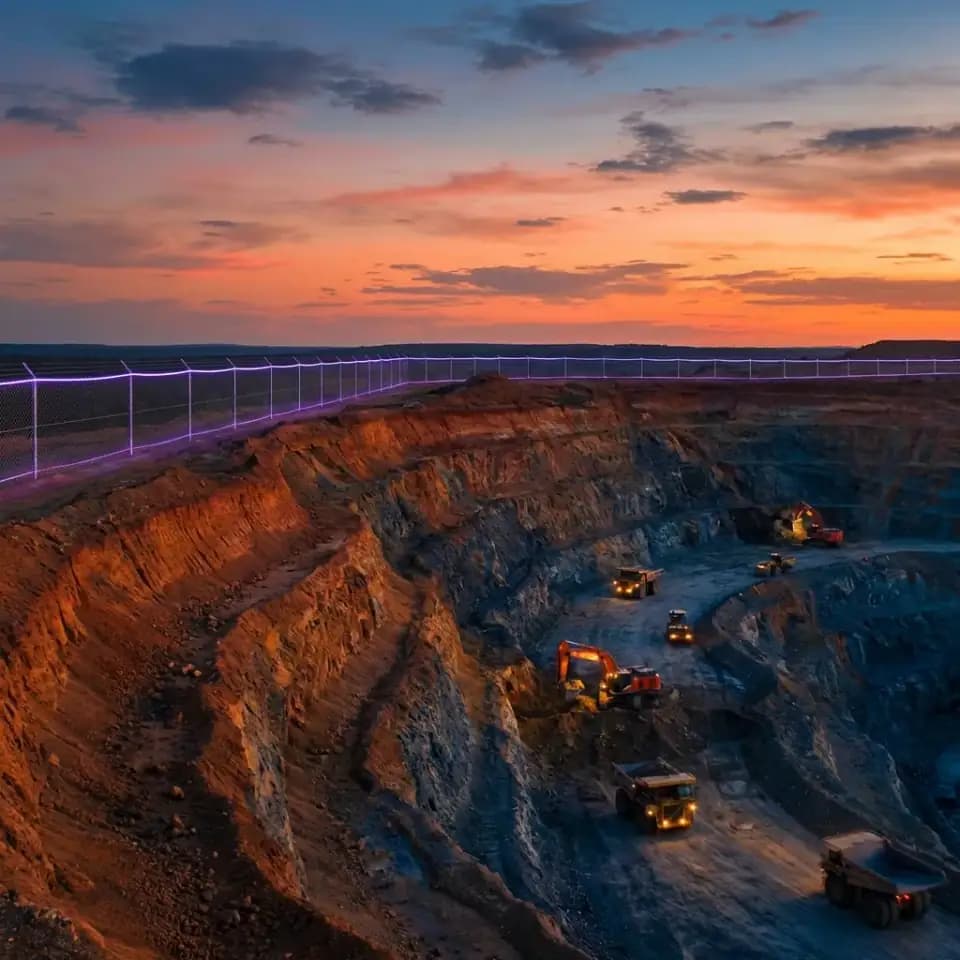
FortSense® fiber optic PIDS protecting Maryland's NSA and Cyber Command installations, Aberdeen weapons testing, Port of Baltimore vehicle terminals, and defense contractor data centers.
Maryland's economy is uniquely and inextricably shaped by its proximity to Washington, D. C. and the massive concentration of federal agencies, defense installations, and intelligence community facilities that line the I-95 and I-270 corridors. The state's GDP exceeds $430 billion, with federal government spending representing a larger share of economic activity than in any other state. Fort Meade alone is Maryland's largest employer, housing over 60,000 military and civilian workers across the National Security Agency, US Cyber Command, and the Defense Information Systems Agency.
This single installation creates the nation's densest cybersecurity ecosystem, with companies including Northrop Grumman, Lockheed Martin, Booz Allen Hamilton, Leidos, SAIC, and Raytheon maintaining major Maryland operations specifically to serve these agencies. The National Business Park in Annapolis Junction and surrounding areas near Fort Meade constitute one of the largest concentrations of secure compartmented information facilities, or SCIFs, in the world, where classified government work requires physical security that meets the most demanding standards.
Aberdeen Proving Ground on the Chesapeake Bay is the US Army's primary weapons testing facility and home to the Army Research Laboratory, the Edgewood Chemical Biological Center, and numerous test ranges where weapons systems from small arms to artillery to vehicle armor are evaluated. The installation spans over 72,000 acres and employs approximately 21,000 military and civilian workers. NASA Goddard Space Flight Center in Greenbelt manages over $15 billion in satellites and space science programs, including the James Webb Space Telescope operations.
The National Institutes of Health campus in Bethesda is the world's largest biomedical research facility. Joint Base Andrews, home to Air Force One and the 89th Airlift Wing, provides air transport for the President and senior government leadership. Patuxent River Naval Air Station serves as the Navy's primary aviation testing center, evaluating every naval aircraft before fleet deployment. Indian Head Naval Surface Warfare Center conducts energetics and ordnance research.
Fort Detrick in Frederick houses the US Army Medical Research Institute of Infectious Diseases, which works with the most dangerous biological agents in the world. This extraordinary density of security-critical federal installations creates perimeter protection requirements that are virtually unmatched anywhere in the country.
The Port of Baltimore, officially the Helen Delich Bentley Port, is the nation's top port for automobile and light truck imports, roll-on/roll-off cargo, and farm and construction equipment, handling over 850,000 vehicles annually for manufacturers including BMW, Mercedes-Benz, Fiat, Subaru, and Mitsubishi.
The March 2024 collapse of the Francis Scott Key Bridge, caused by the container ship Dali striking a bridge support column, killed six construction workers and closed the port for weeks, causing billions of dollars in economic impact and highlighting the vulnerability of critical transportation infrastructure. The Tradepoint Atlantic development at the former Sparrows Point Bethlehem Steel site is being transformed into a 3,300-acre logistics and distribution hub that is attracting Amazon, Under Armour, FedEx, and other major tenants.
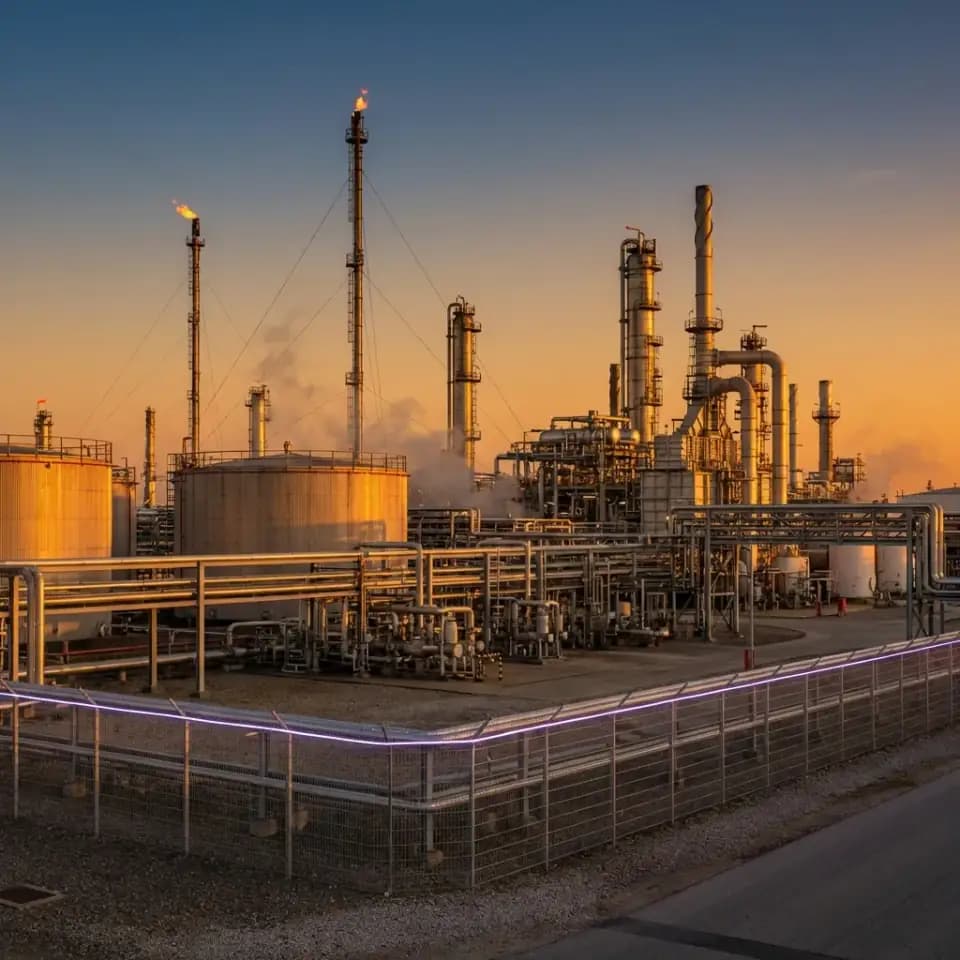
The Calvert Cliffs Nuclear Power Plant, operated by Constellation Energy, provides over 1,700 megawatts of baseload power and requires NRC-mandated multi-layered security.
Maryland's data center market is booming, driven by proximity to federal agencies that require their data to be stored in secure, geographically accessible facilities. Digital Realty, QTS, CyrusOne, and Aligned Energy operate major data center campuses in the Ashburn-to-Annapolis Junction corridor. The state's biotech corridor, anchored by NIH in Bethesda and Johns Hopkins University and Hospital in Baltimore, makes Maryland a leading life sciences hub with companies including MedImmune, an AstraZeneca subsidiary, Emergent BioSolutions, and Novavax maintaining major research and manufacturing operations.
Under Armour's global headquarters in Baltimore and McCormick and Company's headquarters in Hunt Valley represent the state's commercial sector.
Baltimore's violent crime challenges are well documented, with the city historically ranking among the highest in the nation for homicides and carjackings per capita. Catalytic converter theft and vehicle theft plague the Baltimore metropolitan area. The Port of Baltimore experiences cargo theft and organized retail crime connected to its container operations. Drug-related property crime driven by the heroin and fentanyl crisis affects the Baltimore logistics corridor. Construction site theft has increased with the booming development market, particularly in the Tradepoint Atlantic area.
Insider threat concerns at classified government facilities represent a uniquely Maryland security challenge, as the concentration of security clearance holders is the highest in the nation. The Key Bridge collapse demonstrated how infrastructure vulnerability can cascade into economic disruption affecting the entire mid-Atlantic region.
Maryland's coastal-marine climate brings hurricanes and tropical storms, as Hurricane Isabel in 2003 and Superstorm Sandy in 2012 demonstrated. Hot, humid summers with heat indices exceeding 105 degrees Fahrenheit alternate with ice storms and nor'easters in winter. Chesapeake Bay flooding and storm surge threaten low-lying areas including portions of Aberdeen Proving Ground and Patuxent River NAS. The devastating Ellicott City flash floods of 2016 and 2018 showed how intense rainfall can overwhelm infrastructure with little warning.
Fiber optic PIDS technology addresses these environmental challenges while meeting the stringent security requirements of Maryland's federal installations.
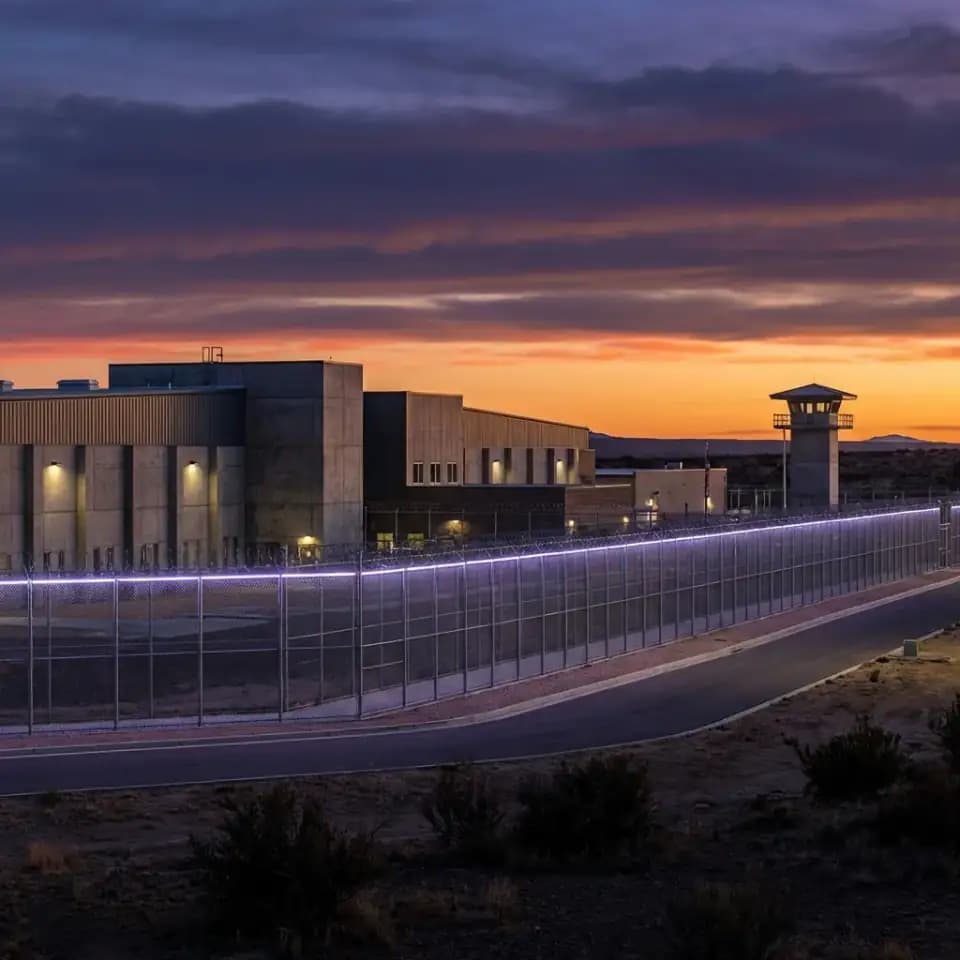
FortSense fiber optic perimeter detection serves Maryland's uniquely demanding security landscape. Fort Meade's NSA and Cyber Command campus requires perimeter detection that generates zero electromagnetic emissions that could be exploited for intelligence collection, making fiber optic sensing ideal for the intelligence community's most sensitive installation. Aberdeen Proving Ground's 72,000-acre weapons testing reservation needs long-range detection across varied terrain from Chesapeake Bay wetlands to inland forests.
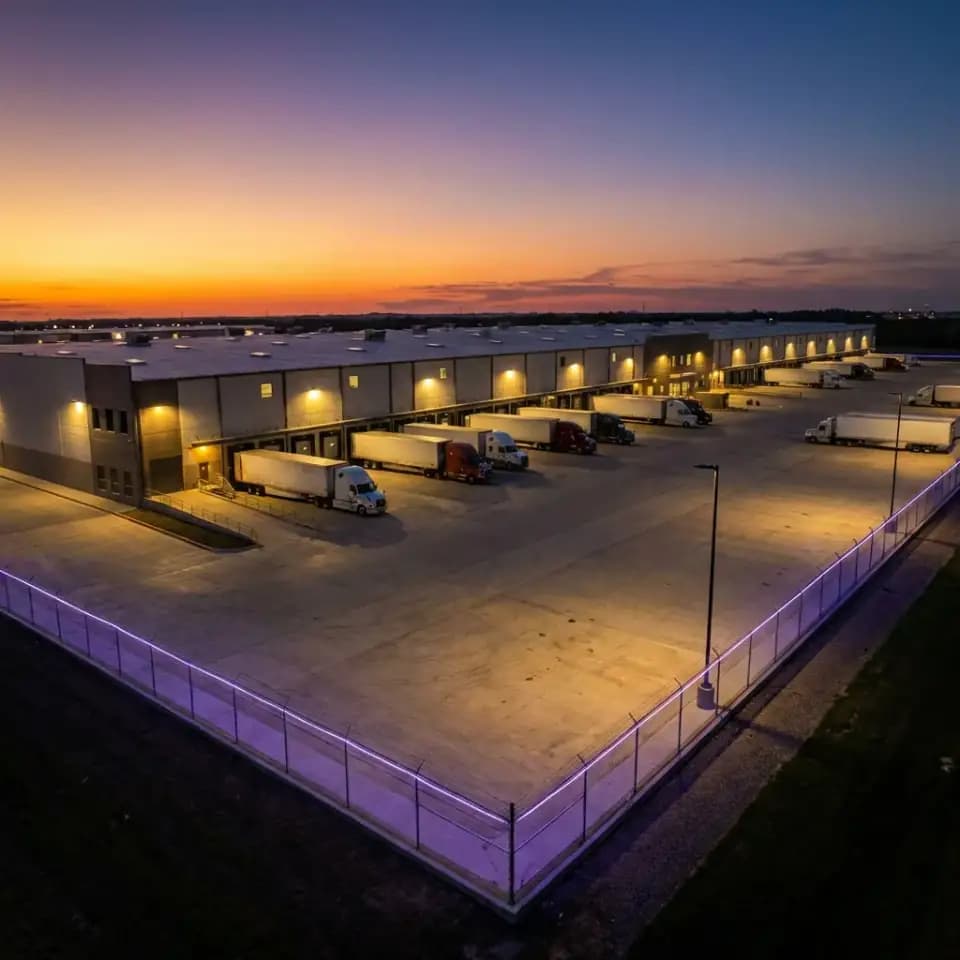
The Port of Baltimore's vehicle import terminals require continuous perimeter monitoring across thousands of acres of outdoor vehicle staging areas. Defense contractor data centers and SCIF facilities along the I-95 corridor need detection systems that meet Intelligence Community Directive 705 physical security standards. Fort Detrick's biosafety level 4 laboratories handling the world's most dangerous pathogens require absolute perimeter integrity. The Tradepoint Atlantic logistics hub's 3,300-acre development needs scalable detection that grows with the facility.
Calvert Cliffs Nuclear Power Plant requires NRC-compliant perimeter security. This concentration of federal defense, intelligence, and critical infrastructure facilities makes Maryland one of the most important markets for advanced perimeter intrusion detection in the nation.
Professional perimeter protection for distribution centers, manufacturing, and critical infrastructure in Maryland.
- Substation & Grid Protection (Copper Theft)
- Water Treatment & Utility Plant Perimeter
- ISPS-Compliant Port Perimeter
- Intelligence & Cyber Command Installation Perimeters
Plan a FortSense assessment for this market
Share the perimeter length, fence type, and monitoring workflow. FortSense can help scope zones, integration points, and commissioning requirements for this location.
Services
Substation & Grid Protection (Copper Theft)
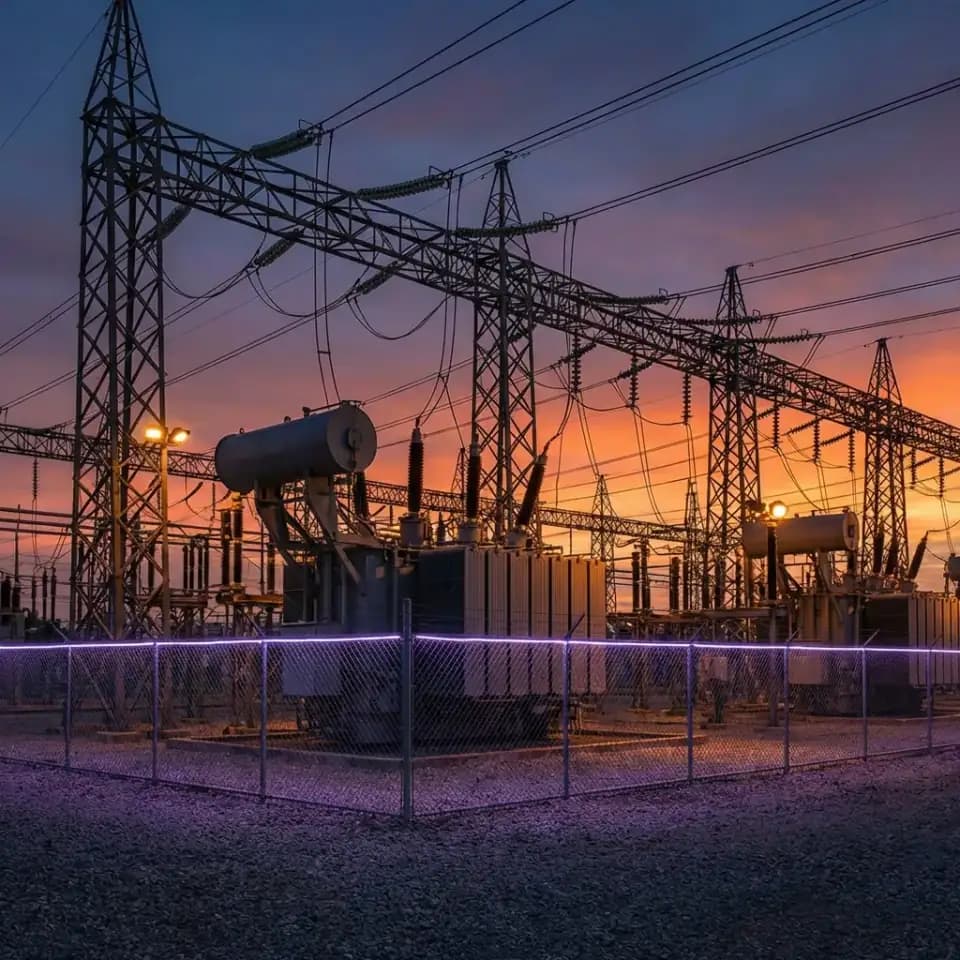
Fiber optic perimeter security for electrical substations, switching stations, and transmission corridors to prevent copper theft and infrastructure sabotage.
Water Treatment & Utility Plant Perimeter
Securing water treatment facilities, pumping stations, and utility plants against contamination threats and unauthorized access with SCADA-integrated alarms.
ISPS-Compliant Port Perimeter
International Ship and Port Facility Security (ISPS) compliant fiber optic perimeter detection for port boundaries, restricted zones, and maritime access points.
Deployment patterns for local sites
How FortSense Works in Maryland
Fiber optic perimeter security adapted to local conditions and requirements.
- Fiber installed. Passive fiber optic cable mounts on the existing fence or wall with minimal civil work.
- Vibration detected. Any contact creates vibration patterns in the fiber so climbing, cutting, or lifting attempts become visible immediately.
- AI/DSP verification. Algorithms filter out wind, animals, and environmental noise before an operator ever sees an alarm.
- Alarm if intrusion. Only real threats trigger zone-based alarms that can route into the monitoring workflow already used by the site team.
Adapted for Maryland. Our local partners understand Maryland's climate, terrain, and security challenges. The fiber optic system is configured to filter local environmental conditions while maintaining maximum sensitivity to real intrusion attempts.
Integration and security software fit
FortSense can feed alarms into the monitoring stack a site already uses, including VMS, PSIM, alarm panels, relay inputs, TCP/IP workflows, and camera verification.
- Zone-based alarms for operators and guard teams
- Camera and VMS workflows for visual verification
- Relay or network outputs for existing security systems
- Software-assisted filtering before dispatch decisions
Industries in this market
Relevant FortSense industry and use-case paths connected to this location.
- Intelligence & Cyber Command Installation Perimeters
- Container Port & Industrial Logistics Parks
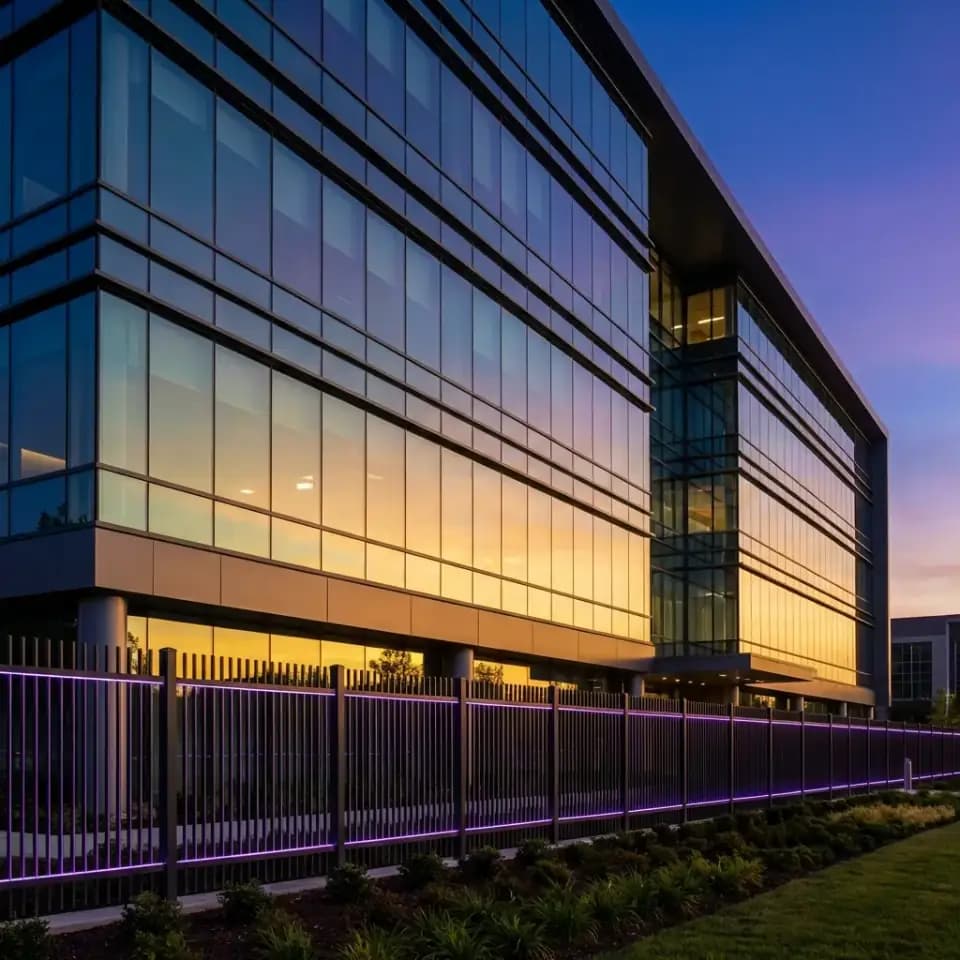
- Defense Contractor Campuses & Secure Data Centers
- Distribution Center Perimeter Security
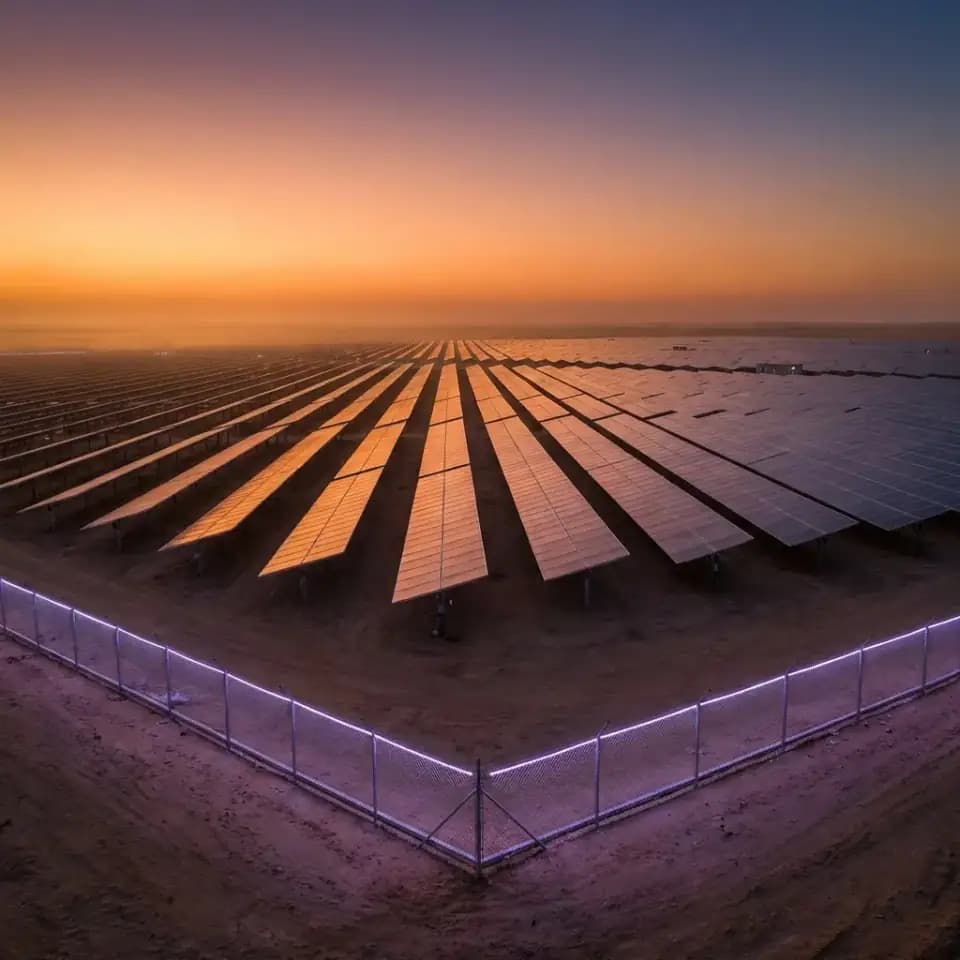
- Solar Farm Perimeter Security
- Perimeter Security for Critical Infrastructure
Why FortSense fits in Perimeter Security in Maryland
FortSense is designed for perimeter security work where false-alarm reduction, passive fiber sensing, and practical integration matter more than adding another camera-only layer.
- Passive fiber on existing fences, walls, or perimeter structures
- AI/DSP filtering for wind, vibration, and environmental noise
- Zone-level alerts that can match the site's response model
- Support for design, integration, commissioning, and handover
Market notes
Practical details that help this page stay specific to the market instead of drifting into generic copy.
- Intelligence & Cyber Command Installation Perimeters
- Container Port & Industrial Logistics Parks
- Defense Contractor Campuses & Secure Data Centers
- Substation & Grid Protection (Copper Theft)
Related FortSense paths
Related technical content and commercial guidance linked from this location page.


