

Fiber Optic Perimeter Security in Massachusetts: Biotech & Defense Technology Security in Massachusetts

Protecting the World's Densest Biotech Cluster in Kendall Square, Raytheon Missile Defense Systems, and America's Pioneer Offshore Wind Farm

Applications

Perimeter Security Fiber Optics Ideal for Applications in Massachusetts

FortSense Solar & Renewables

Solar & Renewables

Perimeter Security Fiber Optics

Solar & Renewables

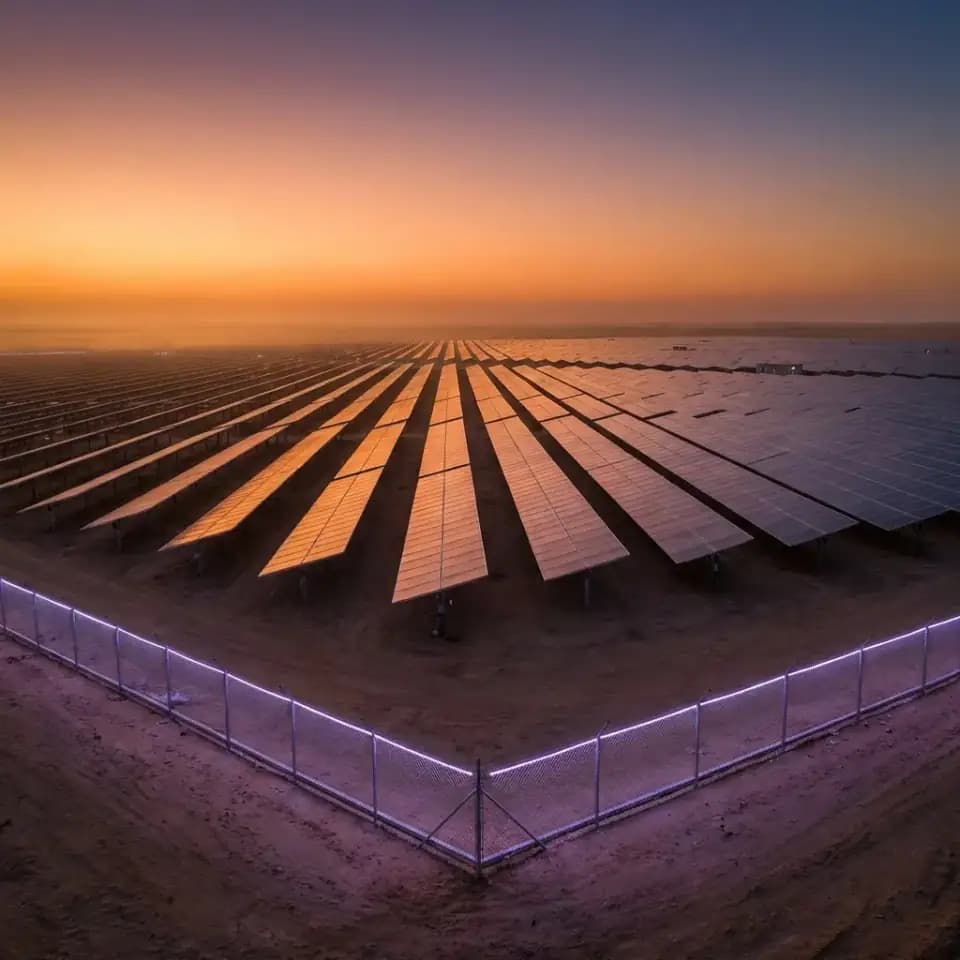
Autonomous perimeter monitoring for solar plants, protecting against theft of panels, copper cables, and inverters.

Ideal for applications in Massachusetts

FortSense Oil & Gas

Oil & Gas

Perimeter Security Fiber Optics

Oil & Gas

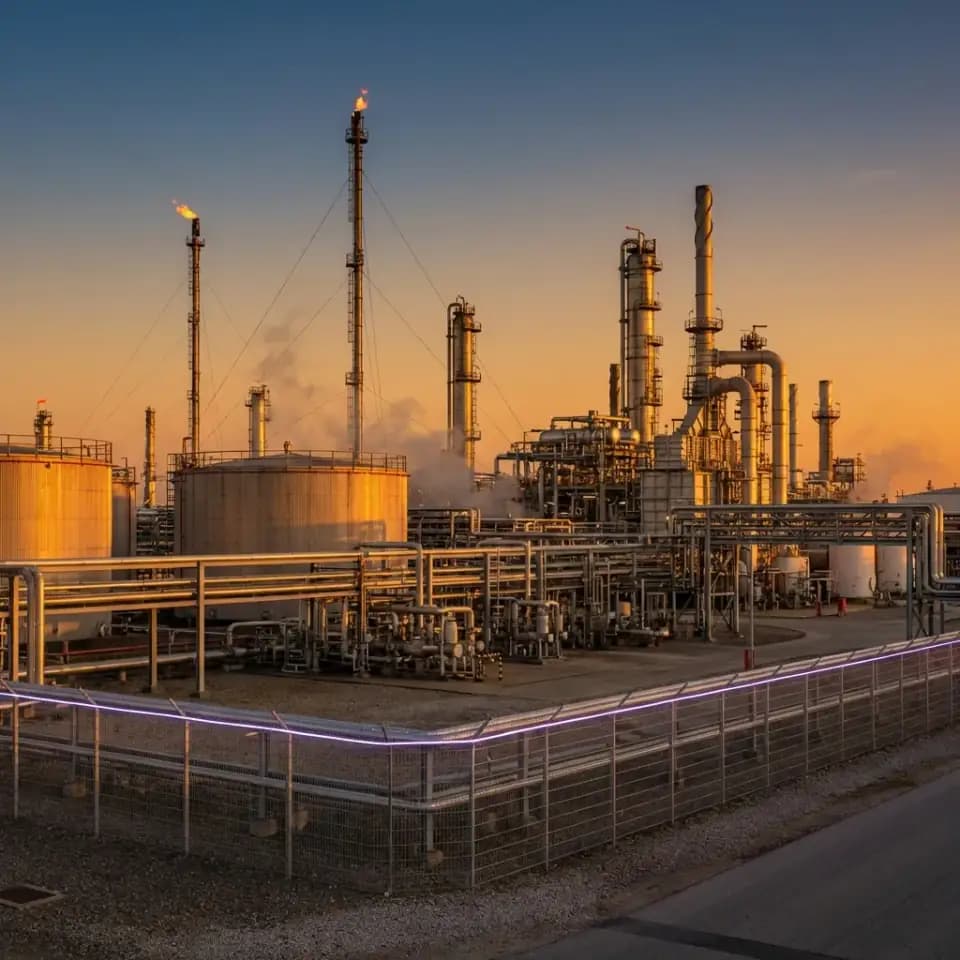
Intrinsically safe perimeter detection for refineries, chemical plants, and fuel storage depots.

Ideal for applications in Massachusetts

FortSense Ports & Maritime

Ports & Maritime

Perimeter Security Fiber Optics

Ports & Maritime

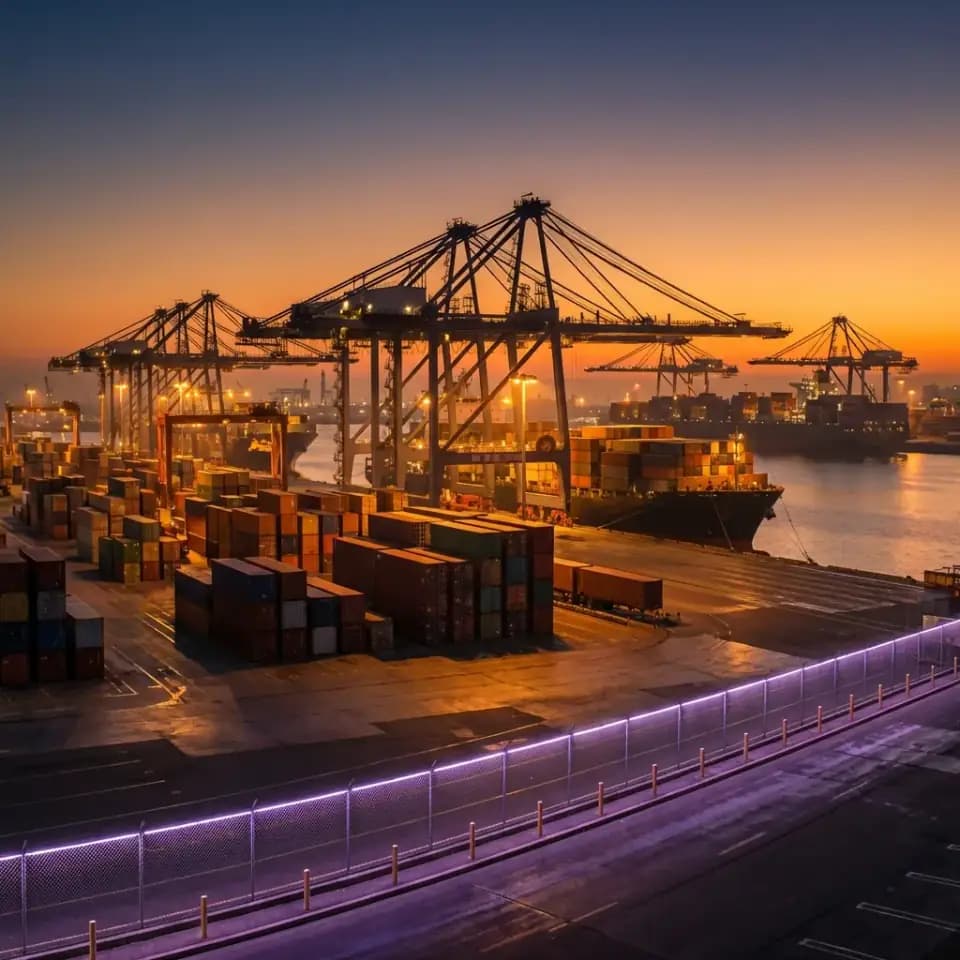
ISPS-compliant security for cargo containers, fuel depots, and docked vessels in harsh marine environments.

Ideal for applications in Massachusetts

FortSense Agriculture

Agriculture

Perimeter Security Fiber Optics

Agriculture

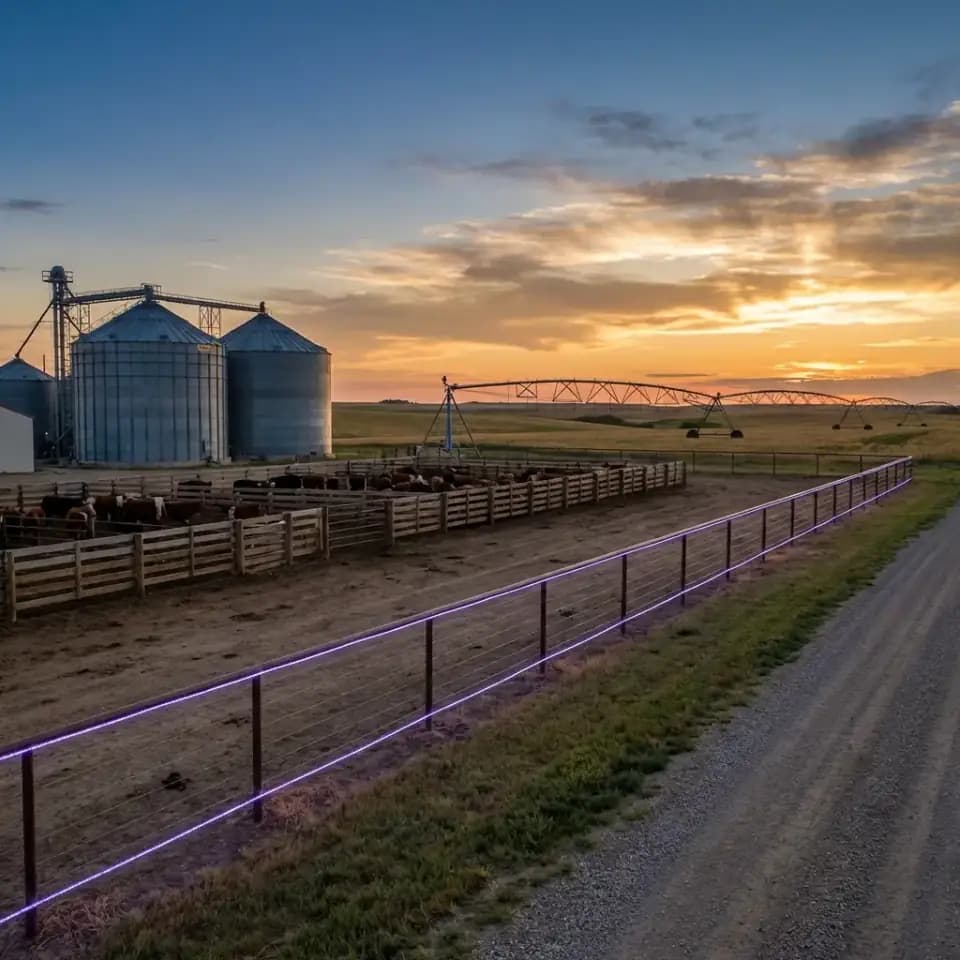
Fire detection and security for farms, livestock pens, pivot irrigation systems, and rural assets.

Ideal for applications in Massachusetts

FortSense Financial Sector

Financial Sector

Perimeter Security Fiber Optics

Financial Sector

High-security perimeter protection for banks, vaults, administrative centers, and ATM areas.

Ideal for applications in Massachusetts

FortSense Residential Condominiums

Residential Condominiums

Perimeter Security Fiber Optics

Residential Condominiums

Invisible security for gated communities and apartment complexes, preserving aesthetics while detecting intrusions.

Ideal for applications in Massachusetts

FortSense Distribution Centers

Distribution Centers

Perimeter Security Fiber Optics

Distribution Centers

Security for logistics parks, warehouses, and high-value storage areas, meeting TAPA security standards.

Ideal for applications in Massachusetts

FortSense Critical Infrastructure

Critical Infrastructure

Perimeter Security Fiber Optics

Critical Infrastructure

EMI-immune monitoring for electrical substations, telecom towers, and unmanned critical assets.

Ideal for applications in Massachusetts

FortSense Corrections & Prisons

Corrections & Prisons

Perimeter Security Fiber Optics

Corrections & Prisons

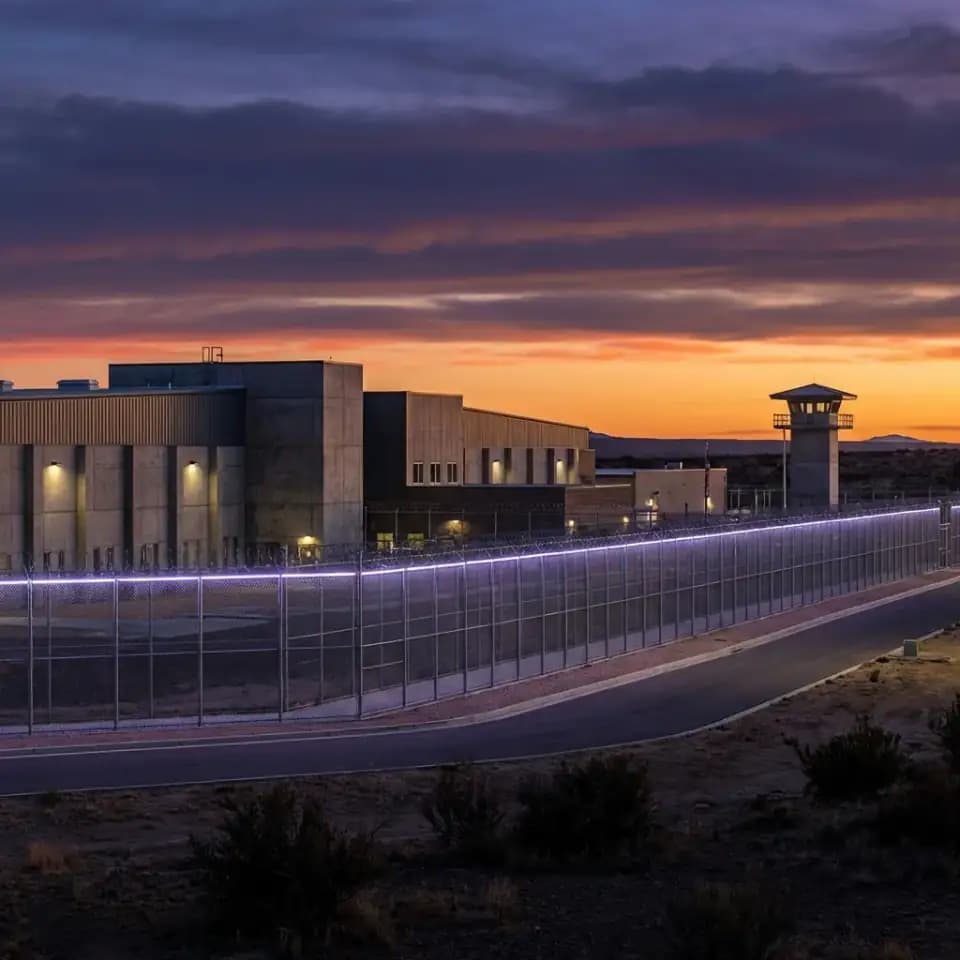
Zero-tolerance perimeter security for correctional facilities, detecting escape attempts and breaches.

Ideal for applications in Massachusetts

FortSense Public Sector & Schools

Public Sector & Schools

Perimeter Security Fiber Optics

Public Sector & Schools

Non-invasive security for schools, government buildings, and public facilities with rapid lockdown protocols.

Ideal for applications in Massachusetts

FortSense Perimeter Security for Airports

Perimeter Security for Airports

Perimeter Security Fiber Optics

Perimeter Security for Airports

ICAO-compliant sterile zone enforcement with zero interference to airport radar and navigation systems.

Ideal for applications in Massachusetts

FortSense Mining Operations

Mining Operations

Perimeter Security Fiber Optics

Mining Operations

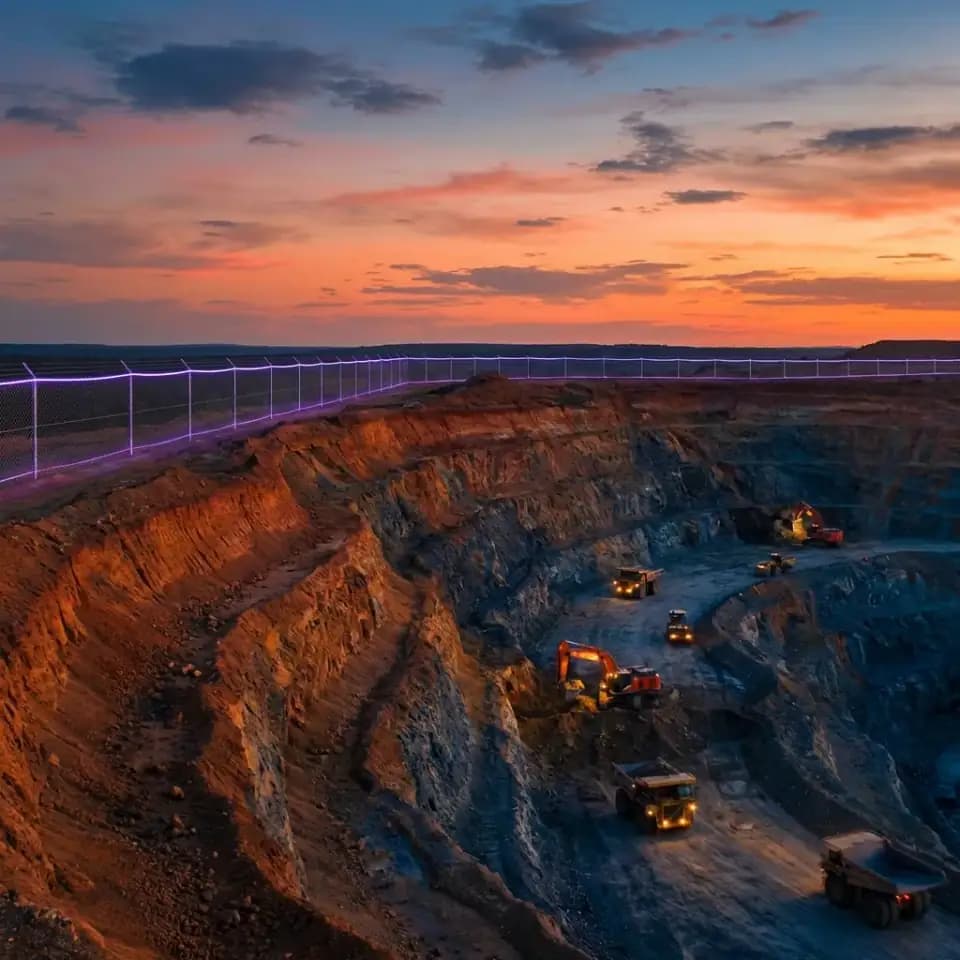
Ruggedized perimeter security for open-pit mines, ore stockpiles, and remote mining infrastructure.

Ideal for applications in Massachusetts

Local service overview

Biotech & Defense Technology Security in Massachusetts

FortSense® fiber optic PIDS protecting Massachusetts' Kendall Square biotech corridor, Raytheon defense facilities, Port of Boston, and Vineyard Wind offshore wind infrastructure.

Massachusetts boasts one of the most innovation-driven economies in the United States, generating a GDP exceeding $650 billion that ranks among the highest per capita in the nation. The state's economic engine is powered by world-class research universities, particularly MIT and Harvard, whose combined research expenditures exceed $5 billion annually and whose commercialization pipelines have spawned entire industries.

Kendall Square in Cambridge is recognized as the highest concentration of biotechnology and pharmaceutical companies in the world, with Moderna, Biogen, Vertex Pharmaceuticals, and Sarepta Therapeutics headquartered within blocks of each other and Novartis, Pfizer, Takeda, and dozens of other global pharmaceutical companies maintaining major R&D centers in the area. The Kendall Square ecosystem alone generates tens of billions of dollars in pharmaceutical research spending and produces drugs that serve patients worldwide.

The Route 128 and I-95 technology corridor, the original tech hub that preceded Silicon Valley's dominance, continues to host major defense and technology operations including the sprawling campuses of Raytheon Technologies, now RTX, whose missile defense, radar, and electronic warfare systems are designed and manufactured across facilities in Andover, Tewksbury, and Marlborough.

The defense technology sector in Massachusetts is of immense national security significance. RTX's Raytheon division produces the Patriot missile system, SM-3 and SM-6 ship-launched interceptors, StingerMANPADS, and advanced radar systems at its Massachusetts facilities, making these campuses among the most critical defense manufacturing sites in the country. GE Aerospace, formerly GE Aviation, operates a jet engine manufacturing plant in Lynn that has produced military aircraft engines for decades and currently manufactures engines for the F/A-18 Super Hornet and T-45 Goshawk trainer.

General Dynamics Mission Systems in Pittsfield produces undersea warfare systems, signal intelligence equipment, and other classified electronics. MIT Lincoln Laboratory in Lexington, operated by MIT for the Department of Defense, is one of the nation's premier defense R&D centers, developing advanced sensor, radar, and space surveillance technologies across a 75-acre campus with over 4,000 employees holding security clearances. Hanscom Air Force Base adjacent to Lincoln Lab serves as the Air Force's electronic systems acquisition center.

The Natick Soldier Systems Center, home of the US Army's Soldier Research, Development and Engineering Center, develops and tests equipment used by every soldier in the field.

The Port of Boston, operated by Massport, handles container cargo through the Conley Container Terminal, LNG imports at the Everett facility, and cruise ship operations. New Bedford on the south coast is America's highest-value commercial fishing port, landing over $500 million in seafood annually, predominantly scallops. Massachusetts is pioneering American offshore wind energy through the Vineyard Wind project off Martha's Vineyard, the first utility-scale offshore wind farm in the United States, with 62 turbines producing 806 megawatts when fully operational.

The project's submarine power cables make landfall at a site that requires physical security protection for critical energy transmission infrastructure. The Brayton Point Commerce Center in Somerset, the site of a decommissioned coal power plant, is being redeveloped as a potential data center and clean energy hub. The Pilgrim Nuclear Power Station, decommissioned in 2019, maintains an independent spent fuel storage installation that requires ongoing security.

Boston Scientific's headquarters in Marlborough, Waters Corporation in Milford, and the Springfield manufacturing corridor round out a diverse manufacturing landscape.

Massachusetts faces distinct security challenges driven by its concentration of high-value intellectual property and defense technology. Biotech and pharmaceutical facility security is paramount, as companies in the Kendall Square ecosystem handle hazardous biological materials, controlled substances, and proprietary research data worth billions. The theft of intellectual property, whether physical or through facility infiltration, represents the most significant security concern for the life sciences corridor.

Defense contractor espionage is an ongoing threat, with Raytheon, MIT Lincoln Lab, and other facilities handling classified programs that are targets for foreign intelligence services. The Port of Boston handles LNG shipments at the Everett terminal in close proximity to dense residential neighborhoods, creating public safety concerns. University campuses including Harvard, MIT, Boston University, and Northeastern house high-value research equipment, materials, and data. Catalytic converter and vehicle theft affect the Greater Boston area, and organized retail crime targets urban shopping districts.

The construction boom in Boston's Seaport District and throughout the metro area has generated significant construction site theft.

The climate of Massachusetts presents the full range of New England weather extremes. Nor'easters bringing heavy snow and coastal flooding strike multiple times each winter, with the Blizzard of 2015 dumping over 60 inches of snow on the Boston area and the 2018 bomb cyclone series causing devastating coastal flooding and property damage. Extreme cold snaps drive temperatures well below zero, and ice storms can coat equipment and infrastructure with damaging ice accumulations.

Hurricane remnants reaching the coast can produce destructive winds and flooding, as Hurricane Bob in 1991 and tropical storm remnants have demonstrated. Coastal erosion on Cape Cod and the islands is accelerating. Summer heat waves are increasing in frequency and intensity, stressing equipment designed for cooler climates. Fiber optic PIDS technology is inherently immune to all of these weather extremes, operating continuously through conditions that would disable conventional electronic security systems.

FortSense fiber optic perimeter detection serves Massachusetts' unique concentration of defense and biotech security requirements. Raytheon's missile defense manufacturing facilities in Andover, Tewksbury, and Marlborough require perimeter systems that protect ITAR-controlled production areas while generating zero electromagnetic interference with sensitive radar and electronic warfare testing equipment. MIT Lincoln Laboratory's classified defense R&D campus needs detection technology meeting DoD physical security standards for special access programs.

Kendall Square biotech manufacturing facilities including Moderna's mRNA vaccine production lines require perimeter security that maintains biosecurity integrity while avoiding electromagnetic interference with sensitive laboratory instruments. GE Aerospace's Lynn engine plant needs fire-safe perimeter detection around jet engine test cells. The Vineyard Wind cable landfall site requires monitoring of critical energy infrastructure connecting offshore generation to the onshore grid.

The Port of Boston's Conley Container Terminal and LNG import facility need continuous perimeter detection in a harsh coastal environment. Nuclear decommissioning sites at Pilgrim maintain NRC security requirements around spent fuel storage. The convergence of world-class defense technology, pharmaceutical manufacturing, and maritime infrastructure in Massachusetts creates exceptional demand for fiber optic PIDS technology that provides reliable, maintenance-efficient perimeter detection through New England's demanding climate.

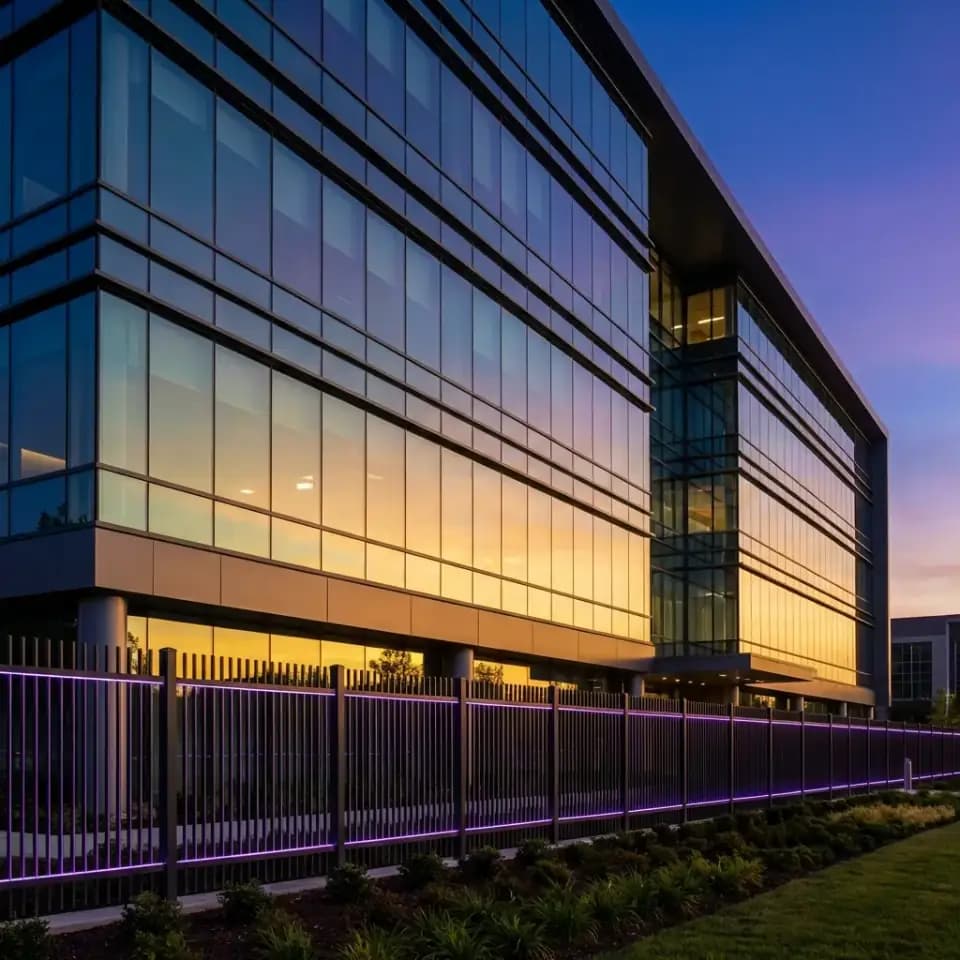
Professional perimeter protection for distribution centers, manufacturing, and critical infrastructure in Massachusetts.

  • Factory & Industrial Park Perimeter
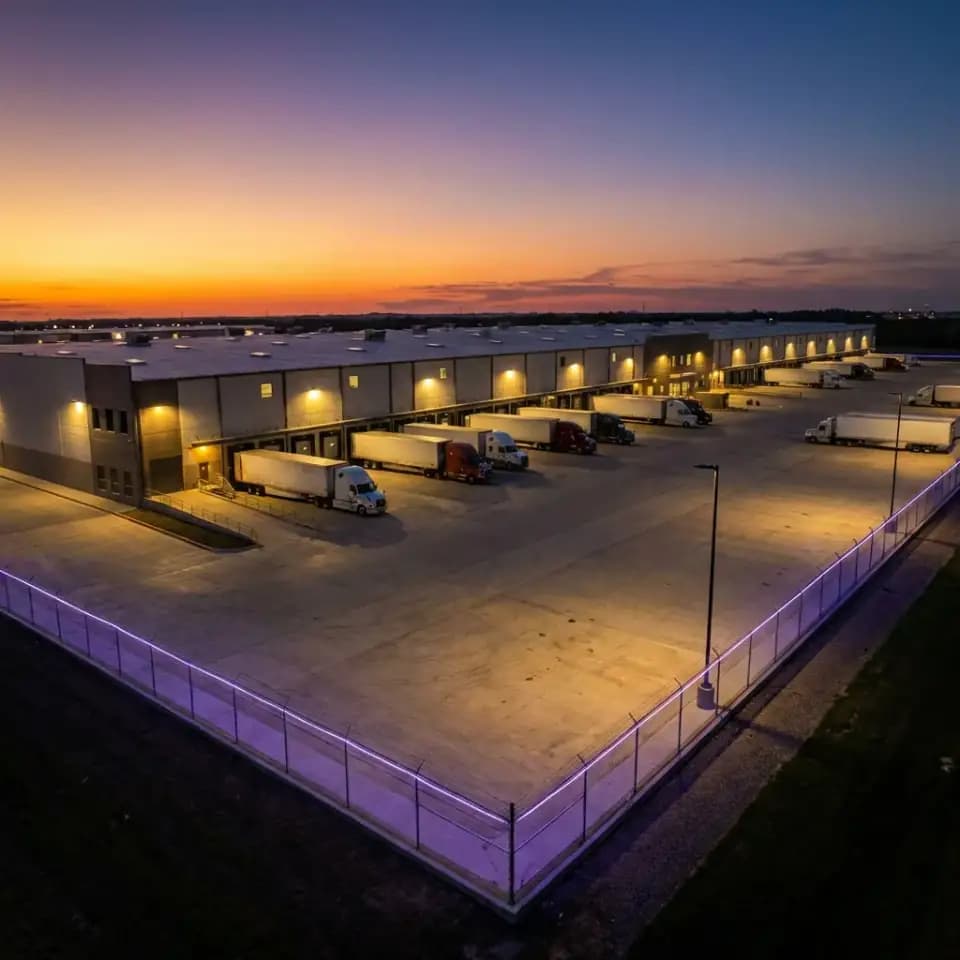
  • Warehouse Complex & Distribution Center
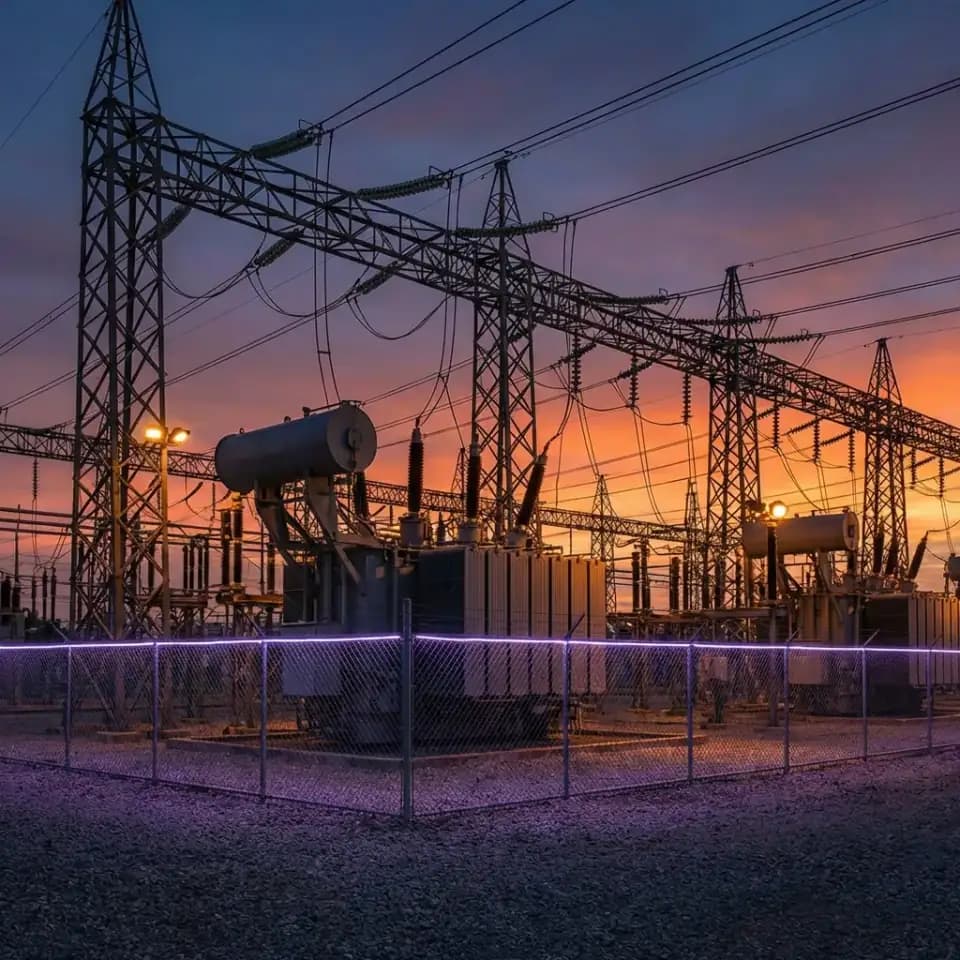
  • Substation & Grid Protection (Copper Theft)
  • Biotech & Pharmaceutical Manufacturing Campuses

Plan a FortSense assessment for this market

Share the perimeter length, fence type, and monitoring workflow. FortSense can help scope zones, integration points, and commissioning requirements for this location.

Services

Factory & Industrial Park Perimeter

Shift-aware perimeter detection for factories and industrial parks with automatic sensitivity adjustment between production hours and quiet periods.

Warehouse Complex & Distribution Center

Multi-zone fiber optic fencing for warehouse complexes and distribution centers with integration to inventory management and access control systems.

Substation & Grid Protection (Copper Theft)

Fiber optic perimeter security for electrical substations, switching stations, and transmission corridors to prevent copper theft and infrastructure sabotage.

Deployment patterns for local sites

How FortSense Works in Massachusetts

Fiber optic perimeter security adapted to local conditions and requirements.

  1. Fiber installed. Passive fiber optic cable mounts on the existing fence or wall with minimal civil work.
  2. Vibration detected. Any contact creates vibration patterns in the fiber so climbing, cutting, or lifting attempts become visible immediately.
  3. AI/DSP verification. Algorithms filter out wind, animals, and environmental noise before an operator ever sees an alarm.
  4. Alarm if intrusion. Only real threats trigger zone-based alarms that can route into the monitoring workflow already used by the site team.

Adapted for Massachusetts. Our local partners understand Massachusetts's climate, terrain, and security challenges. The fiber optic system is configured to filter local environmental conditions while maintaining maximum sensitivity to real intrusion attempts.

Integration and security software fit

FortSense can feed alarms into the monitoring stack a site already uses, including VMS, PSIM, alarm panels, relay inputs, TCP/IP workflows, and camera verification.

  • Zone-based alarms for operators and guard teams
  • Camera and VMS workflows for visual verification
  • Relay or network outputs for existing security systems
  • Software-assisted filtering before dispatch decisions

Industries in this market

Relevant FortSense industry and use-case paths connected to this location.

  • Biotech & Pharmaceutical Manufacturing Campuses
  • Missile Defense Systems, Aerospace Engine Plants & Research Laboratories
  • Seaport Operations, Offshore Wind Farms & Nuclear Decommissioning Sites
  • Distribution Center Perimeter Security
  • Solar Farm Perimeter Security
  • Perimeter Security for Critical Infrastructure

Why FortSense fits in Perimeter Security in Massachusetts

FortSense is designed for perimeter security work where false-alarm reduction, passive fiber sensing, and practical integration matter more than adding another camera-only layer.

  • Passive fiber on existing fences, walls, or perimeter structures
  • AI/DSP filtering for wind, vibration, and environmental noise
  • Zone-level alerts that can match the site's response model
  • Support for design, integration, commissioning, and handover

Market notes

Practical details that help this page stay specific to the market instead of drifting into generic copy.

  • Biotech & Pharmaceutical Manufacturing Campuses
  • Missile Defense Systems, Aerospace Engine Plants & Research Laboratories
  • Seaport Operations, Offshore Wind Farms & Nuclear Decommissioning Sites
  • Factory & Industrial Park Perimeter

Related FortSense paths

Related technical content and commercial guidance linked from this location page.

Frequently Asked Questions (FAQ)

Frequently Asked Questions (FAQ) — Massachusetts

Is the system effective against coordinated theft from warehouse complexes?

Yes. Multi-zone detection covers all warehouse perimeters simultaneously with independent alarm zones. The system detects fence breaches, loading dock intrusion, and roof access attempts — addressing the multiple entry vectors used in organized theft operations.

Can FortSense protect pharmaceutical and IP-sensitive manufacturing areas?

Absolutely. For facilities requiring enhanced security (pharma, defense, aerospace), FortSense provides tamper-proof fiber routing, encrypted alarm channels, and anti-defeat mechanisms. The system detects sophisticated breach attempts including slow-cut and bridging.

How does the system handle vibration from heavy manufacturing equipment?

Our industrial algorithm continuously learns the vibration profile of your factory — presses, CNC machines, forklifts, HVAC systems. These known patterns are filtered from the detection baseline, maintaining a low false alarm rate even in vibration-intensive environments.

Can the system integrate with utility SCADA and BMS platforms?

Yes. FortSense integrates with SCADA via Modbus TCP/IP, OPC UA, and DNP3. Alarms can trigger automated responses in building management systems (BMS), including lighting activation, gate lockdown, and HVAC isolation for contamination scenarios.

Can FortSense detect waterside intrusion from the sea?

When installed on seawalls, jetties, and waterside barriers, FortSense detects climbing from the water, impact from small boats, and rope/grapple attachment. Wave-motion filtering algorithms eliminate tidal and wave-action false alarms.

Local perimeter assessment

Request Perimeter Assessment in Massachusetts

Receive a technical proposal, deployment design, and integration plan.